Web Development
Viewing all posts categorized under Web Development.

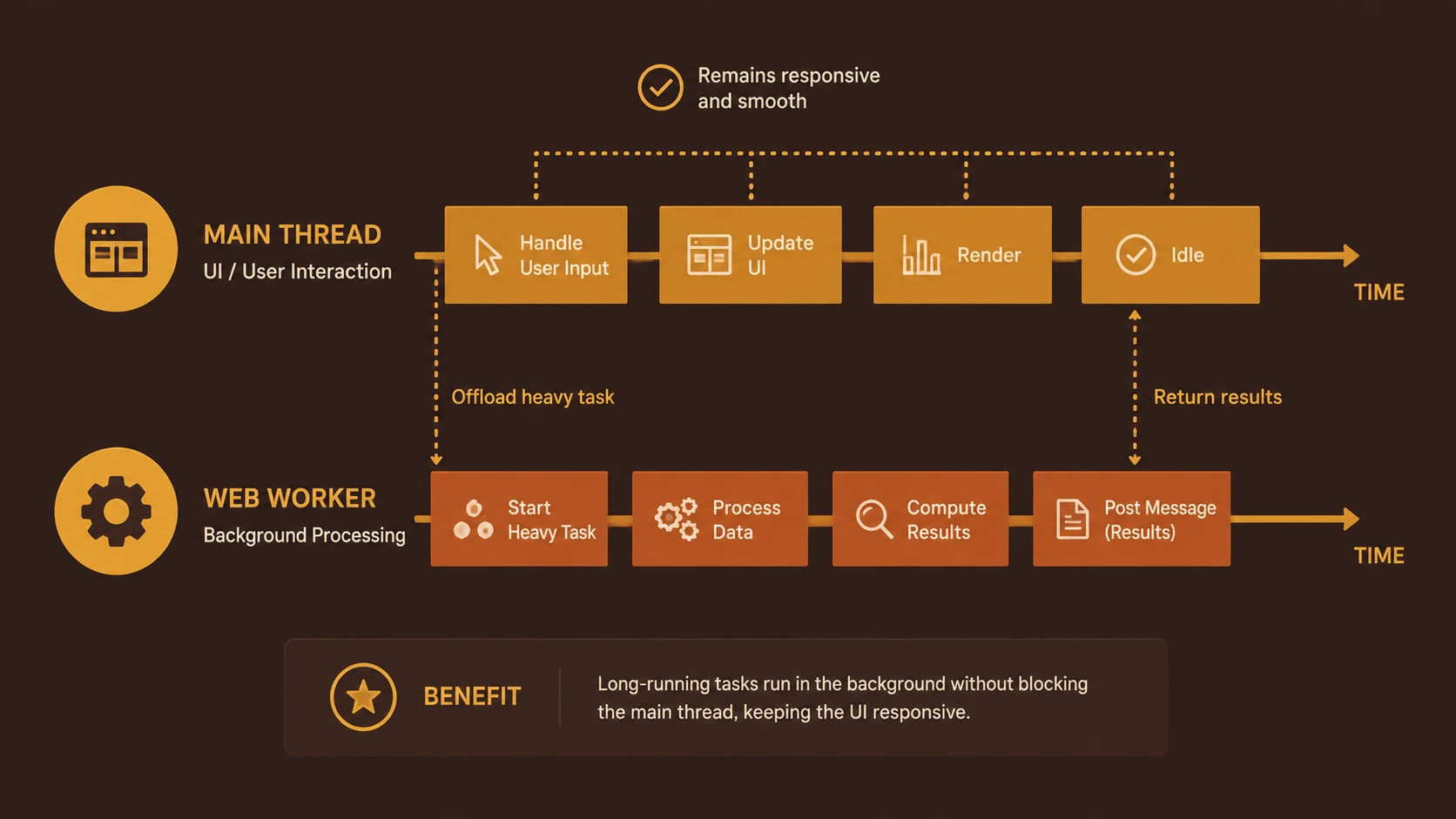
Web Workers: Running Asynchronous JavaScript Threads to Prevent UI Freezes
As enterprise web applications become increasingly sophisticated, long-running JavaScript operations can block the browser's user interface, leading to sluggish interactions and poor user experience. HTML5 Web Workers provide a standardized mechanism for executing JavaScript in background threads, enabling computationally intensive tasks to run without freezing the main UI thread. This article examines Web Workers from the perspective of July 2014, exploring their architecture, enterprise use cases, security considerations, performance implications, and best practices.
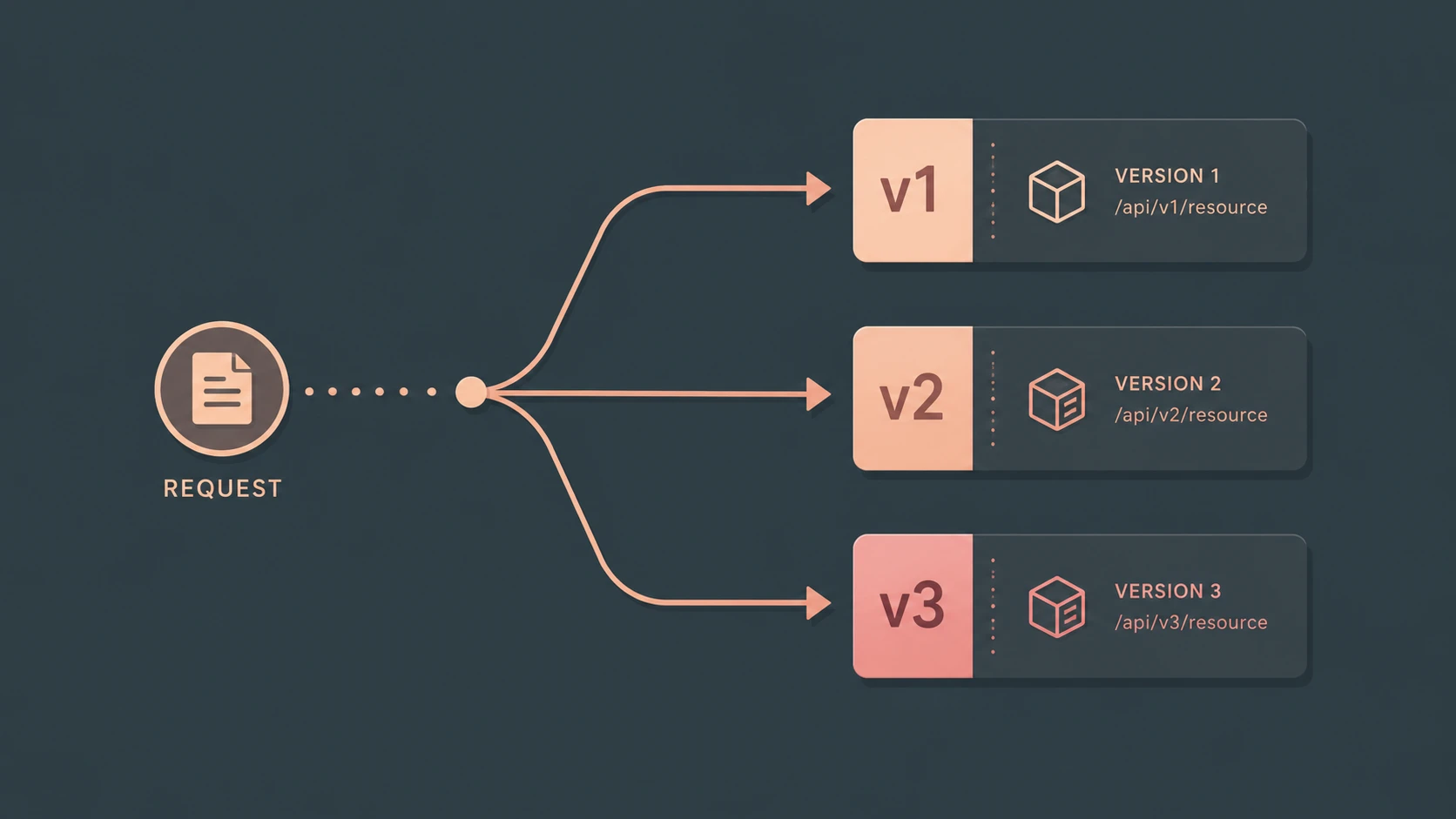
REST API Versioning: Comparing URI, Header, and Query Parameter Strategies
As RESTful APIs become foundational to enterprise software, managing change without disrupting existing clients has become a major architectural challenge. This article examines API versioning strategies—including URI, custom headers, media type negotiation, and query parameters—along with their trade-offs, governance considerations, and adoption guidance from the perspective of July 2014.
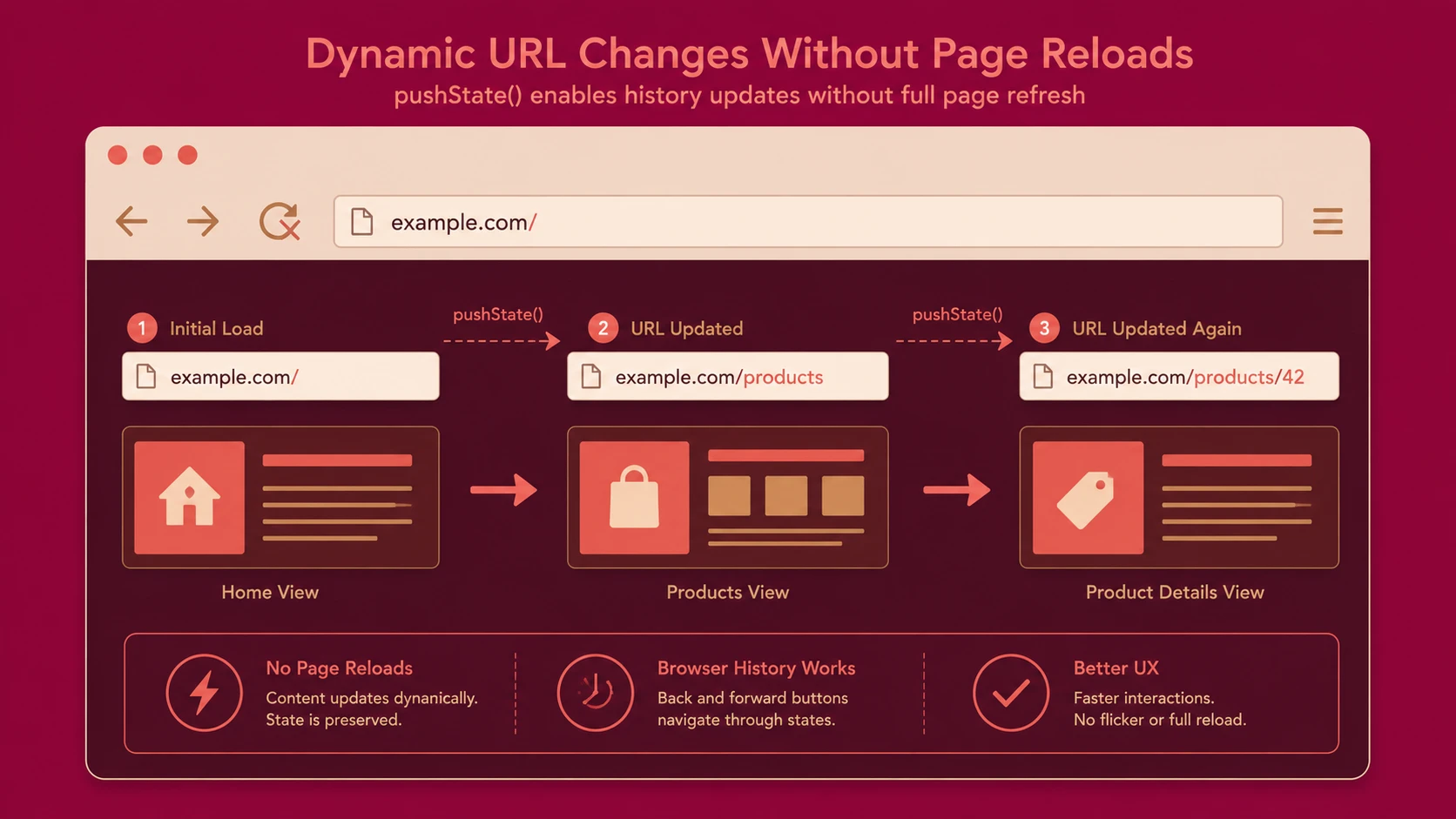
Single Page Application Routing: Managing Client States with HTML5 History API
As Single Page Applications become increasingly common, client-side routing has become a critical architectural concern. This article examines the HTML5 History API, route management, browser navigation, URL design, and enterprise implementation strategies from the perspective of May 2014.
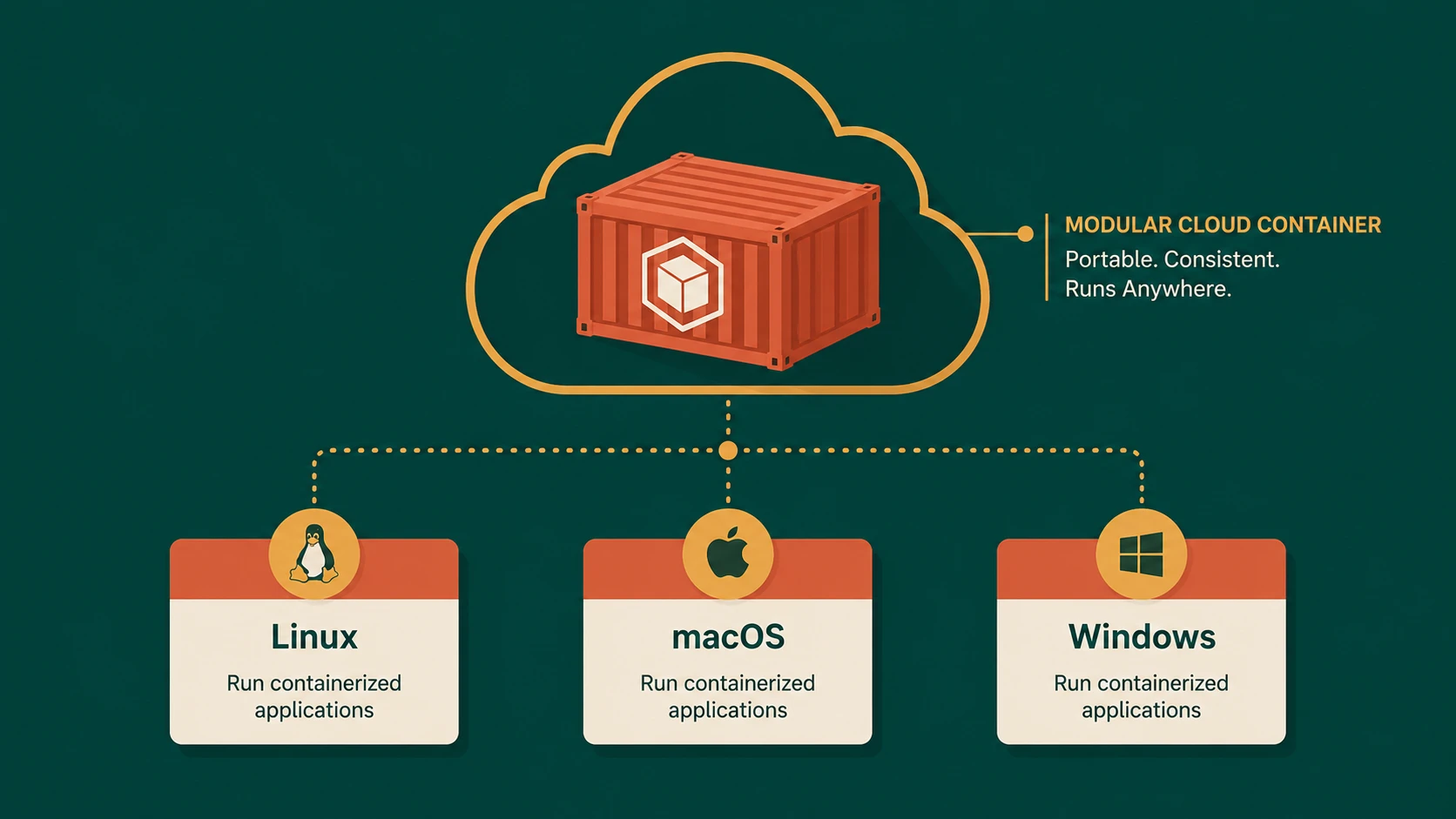
ASP.NET vNext: Designing a Cross-Platform, Modular .NET Runtime for Cloud
Microsoft has unveiled its vision for ASP.NET vNext, introducing a modular web framework designed with cloud deployment, high performance, and cross-platform capabilities in mind. This article analyzes the announcement from the perspective of May 2014, exploring the architectural direction, runtime model, enterprise implications, and adoption considerations for modern .NET applications.
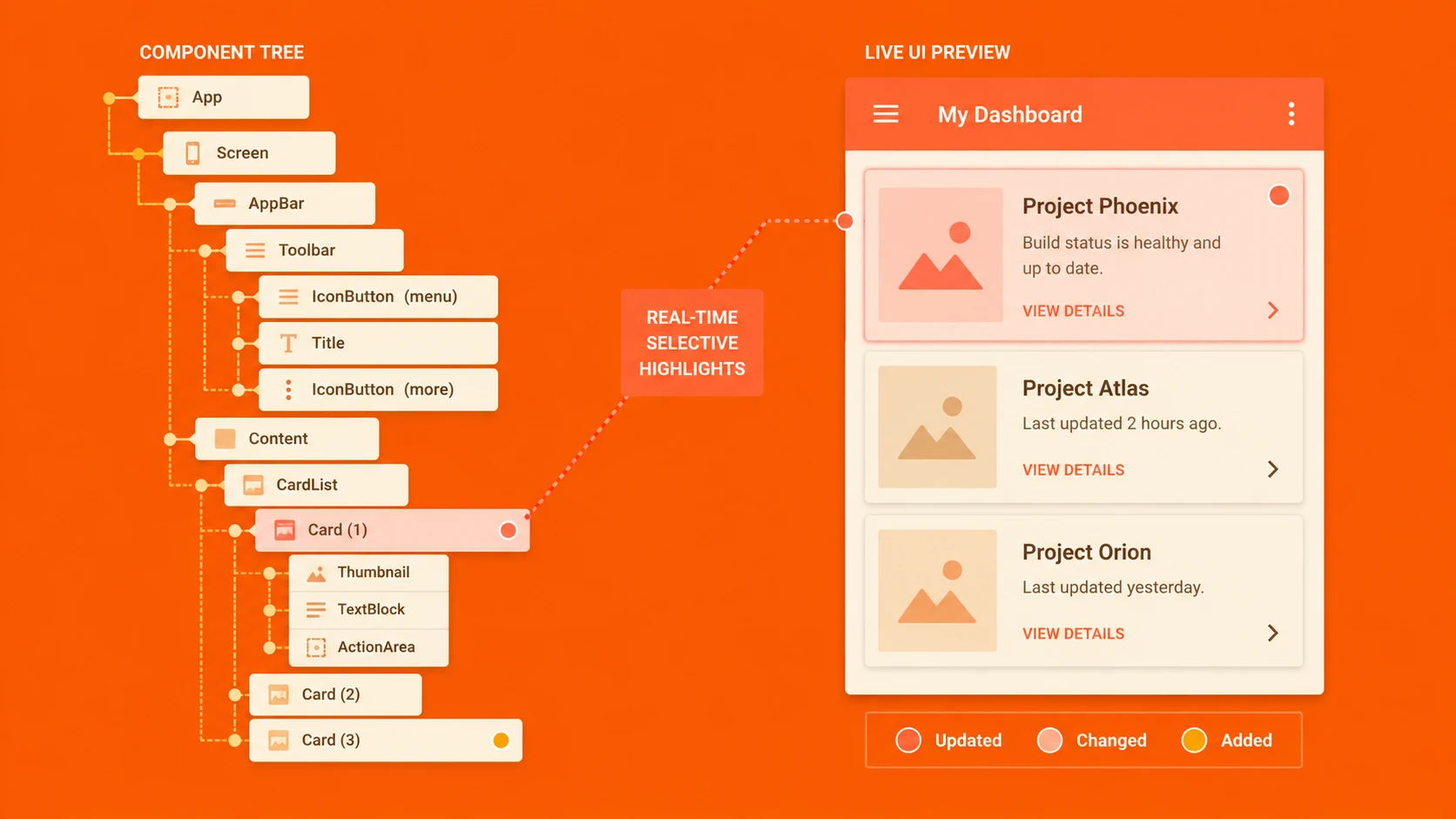
React.js: Understanding Virtual DOM and Component-Based UI Architectures
React.js introduces a component-centric approach to building complex user interfaces while leveraging a Virtual DOM for efficient rendering. This article examines React's architecture, rendering model, enterprise implications, and adoption strategies from the perspective of February 2014.

Modular CSS Architectures: Organizing Styles with BEM, SASS, and SMACSS
As enterprise web applications continue growing in size and complexity, maintaining large CSS codebases has become a significant engineering challenge. Methodologies such as BEM, SMACSS, and CSS preprocessors like SASS provide structured approaches for organizing styles, reducing technical debt, and improving long-term maintainability. This article examines these architectural approaches from the perspective of January 2014, exploring how they contribute to scalable front-end engineering and enterprise application development.
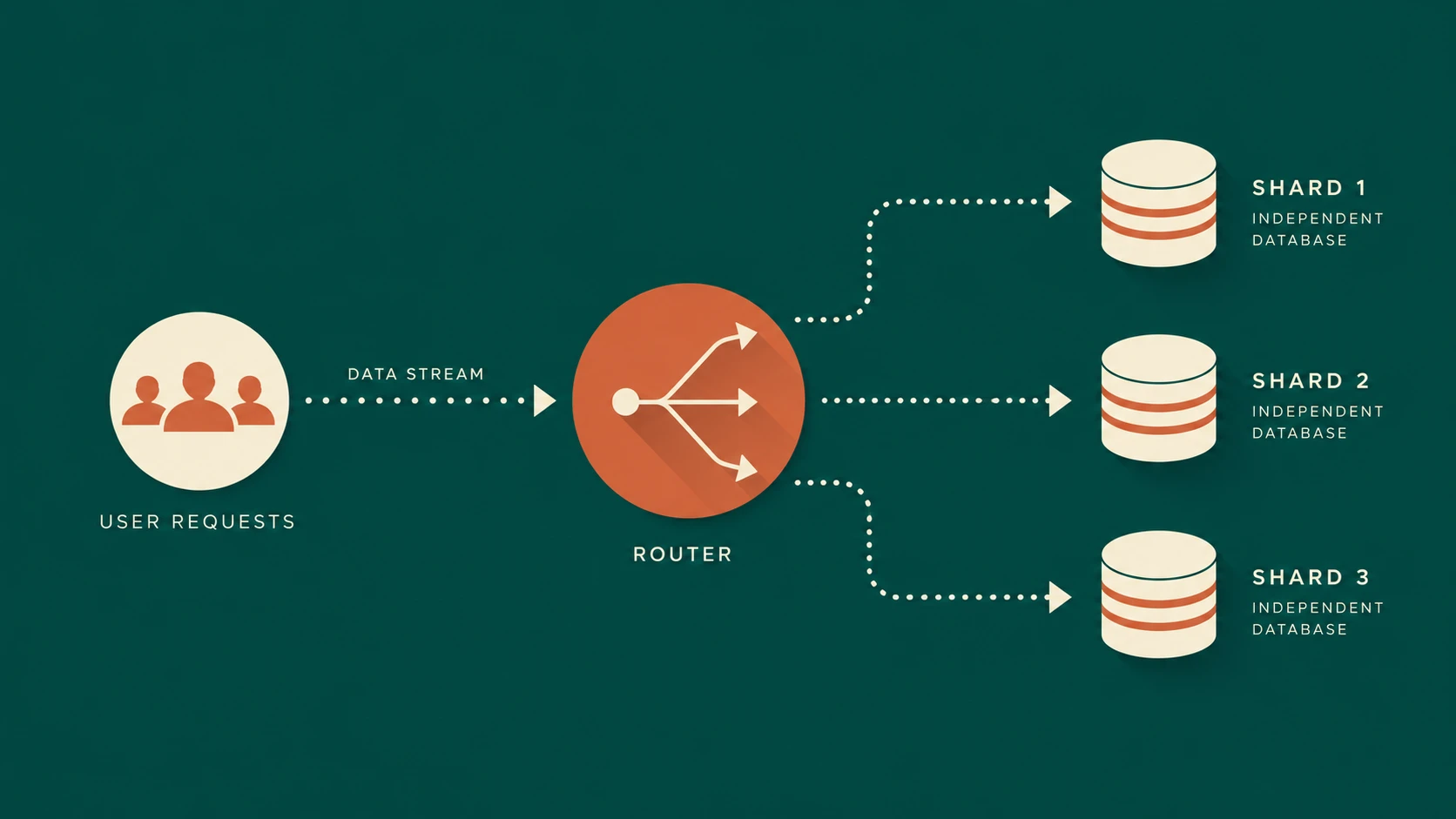
Database Sharding Patterns: Architecting Horizontal Scale-Out for Web SaaS
As Software as a Service platforms continue to grow, vertically scaling a single database server becomes increasingly difficult. This article explores database sharding patterns, shard key selection, routing architectures, operational challenges, and enterprise best practices for building horizontally scalable web applications from the perspective of late 2013.
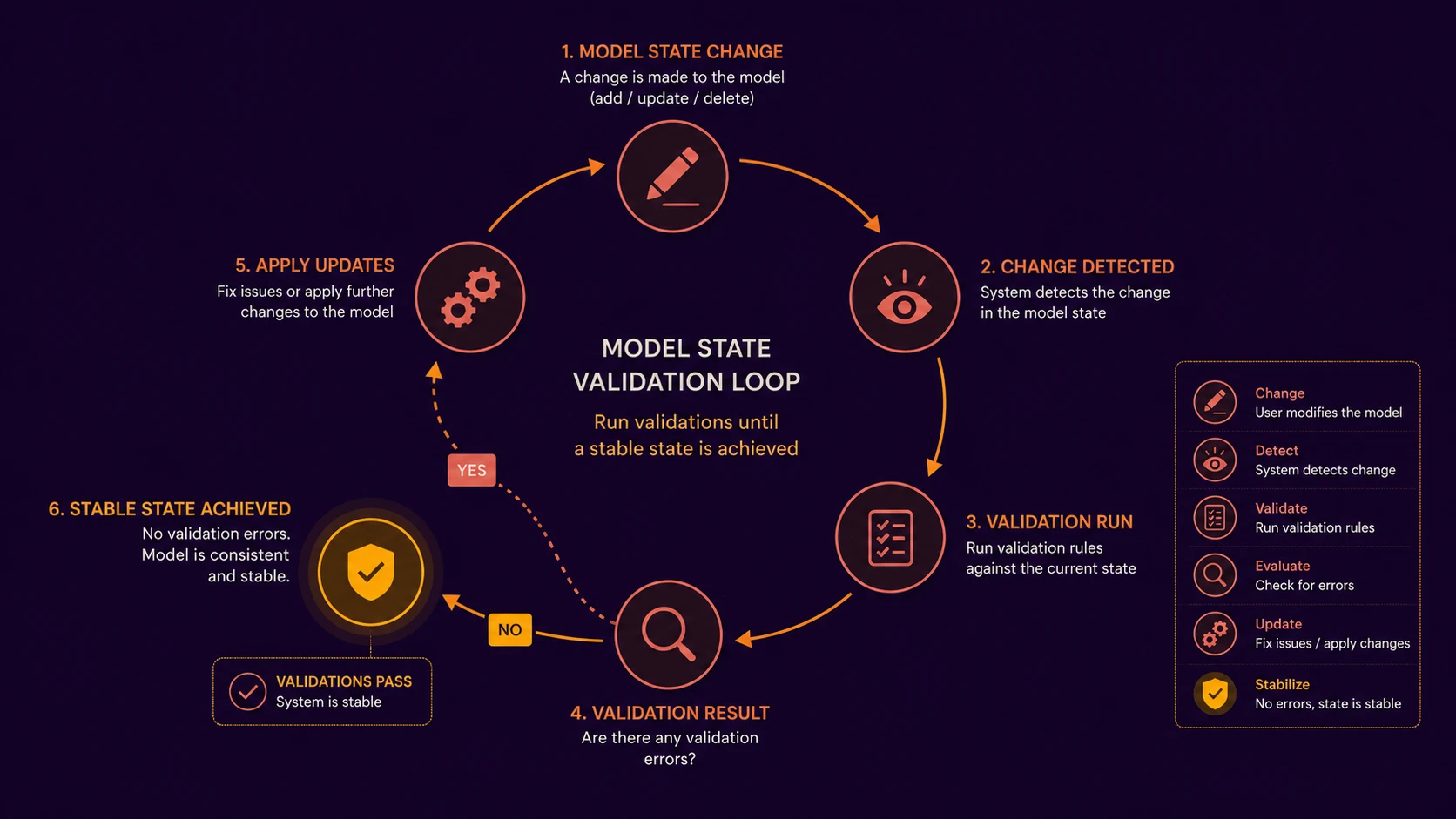
AngularJS $digest Loop: Optimizing Watchers and Databinding Performance
AngularJS has introduced a productive framework for building Single Page Applications by simplifying data binding, dependency injection, and client-side application architecture. At the heart of AngularJS lies the $digest loop, the mechanism responsible for synchronizing models and views. While powerful, inefficient watcher management can significantly impact application performance. This article examines AngularJS's digest cycle from the perspective of October 2013, exploring its architecture, enterprise optimization strategies, and best practices.
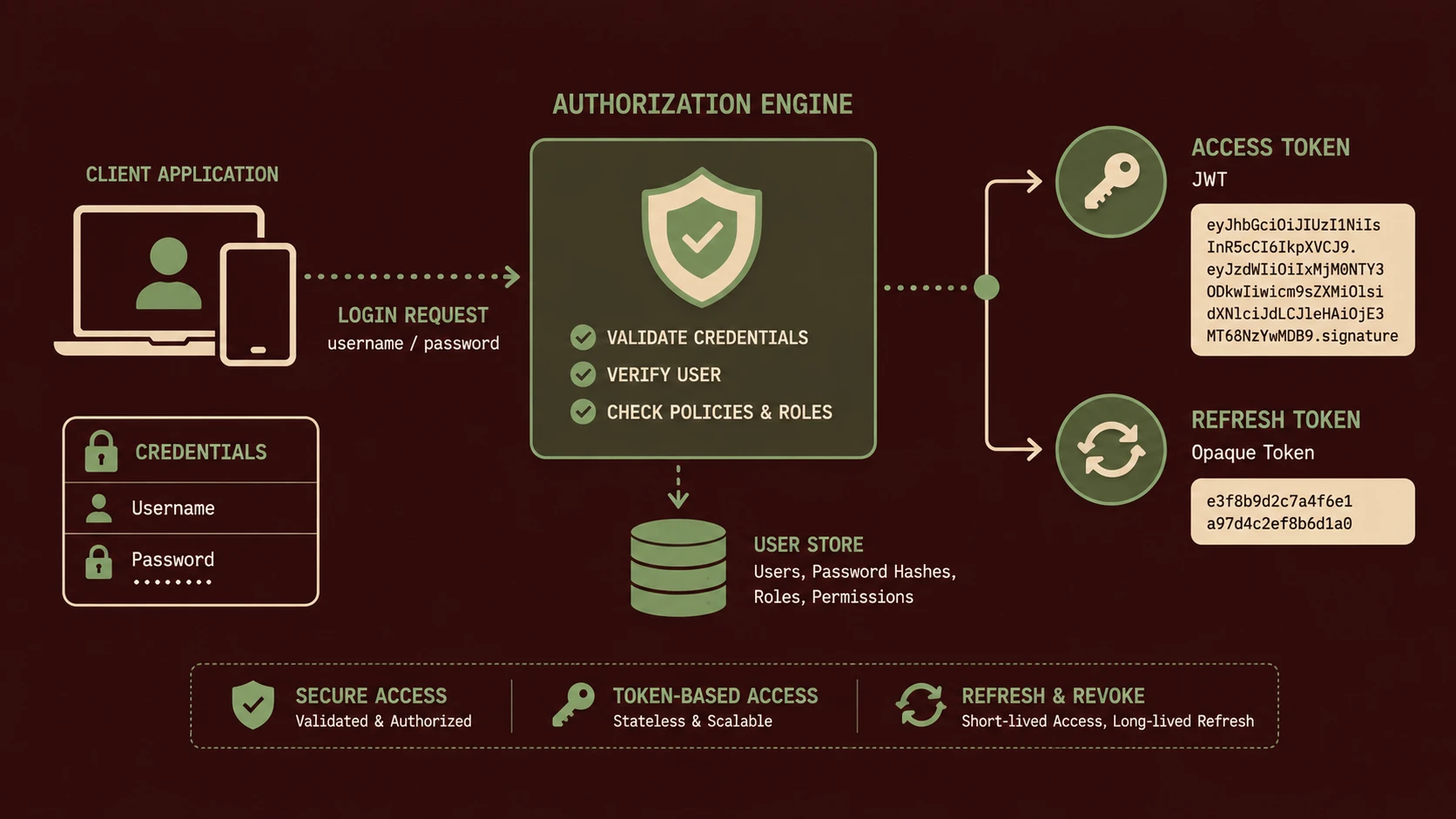
OAuth 2.0 Authorization Server Implementation: Managing Access Tokens and Refresh Tokens
As organizations standardize API security around OAuth 2.0, implementing a robust authorization server becomes a critical architectural responsibility. This article examines authorization server design, token lifecycle management, refresh tokens, security practices, and enterprise deployment considerations from the perspective of October 2013.

Responsive Images: Navigating the picture Tag, srcset, and Fluid Viewports
As responsive web design becomes mainstream, developers are facing new challenges around efficiently delivering images to smartphones, tablets, and desktop browsers. Emerging standards such as the proposed picture element and srcset attribute seek to address these issues. This article examines responsive image techniques from the perspective of September 2013, exploring current proposals, implementation strategies, performance implications, and enterprise adoption considerations.
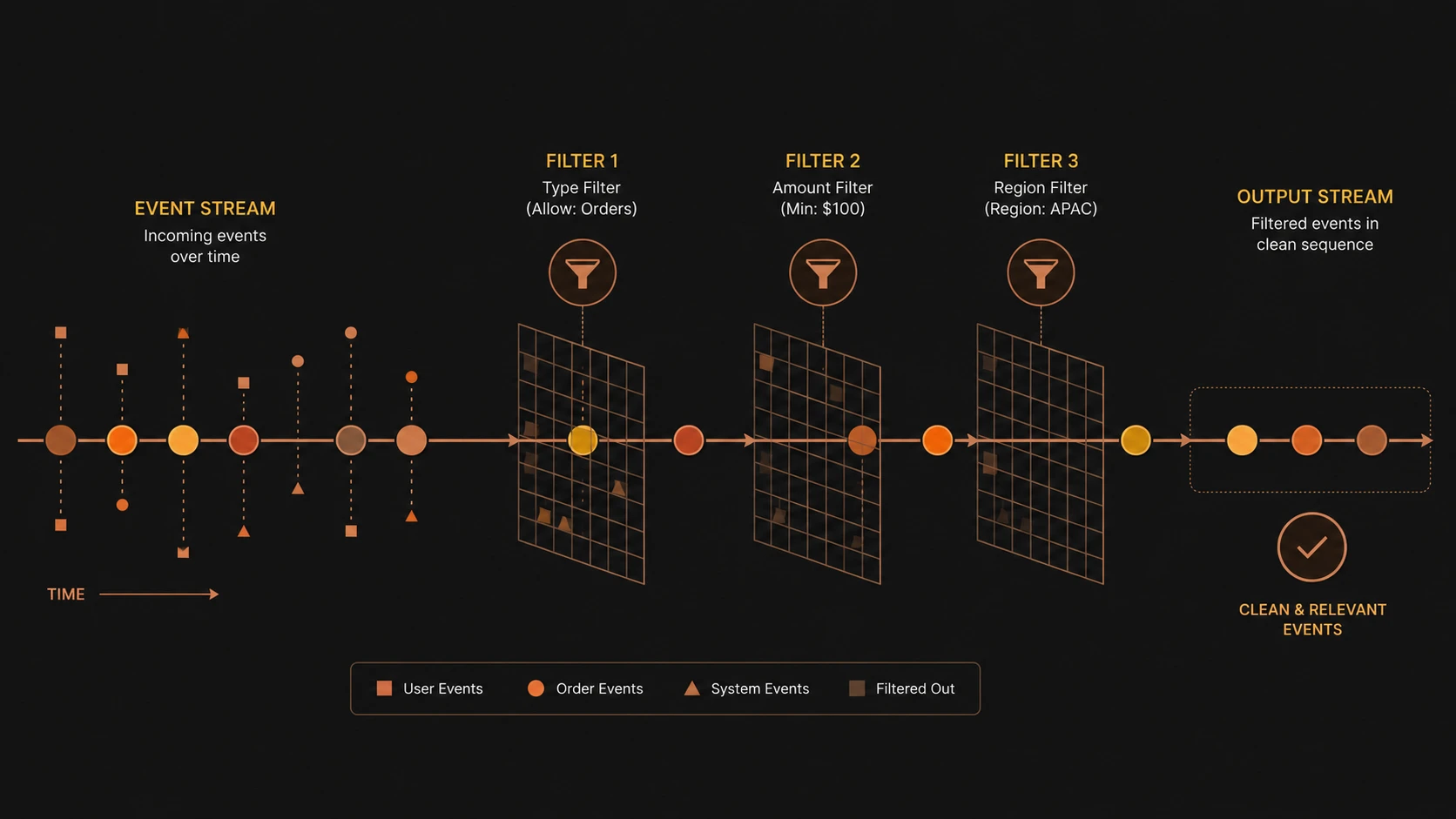
Reactive Extensions (Rx) in C#: Asynchronous Event Stream Processing
Reactive Extensions (Rx) introduces a declarative programming model for composing asynchronous and event-based applications in .NET. By treating events as observable data streams, Rx simplifies complex asynchronous workflows, improves code maintainability, and enables scalable event processing. This article examines Reactive Extensions from the perspective of September 2013, exploring its architecture, enterprise use cases, performance characteristics, and adoption strategies.
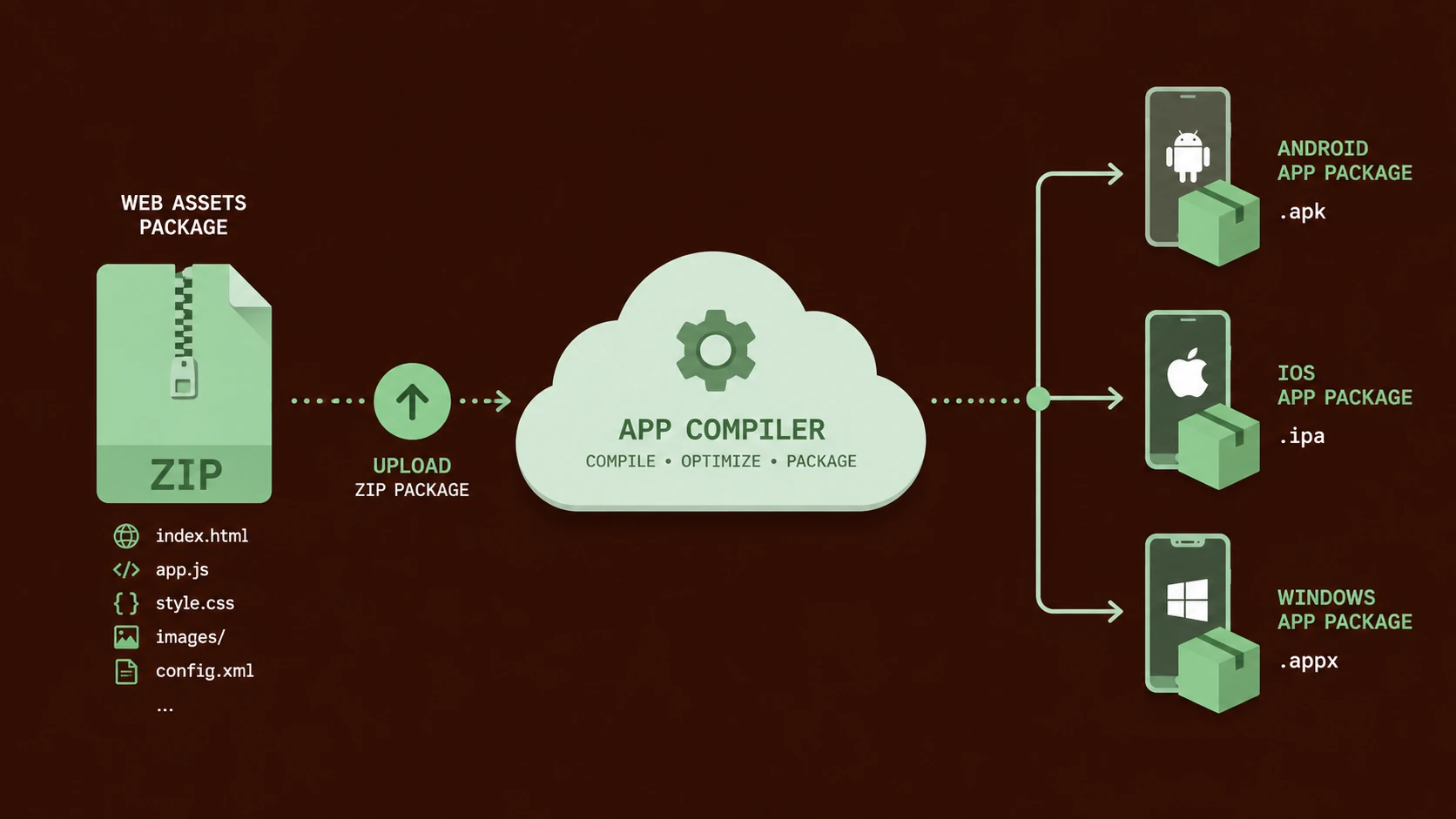
PhoneGap Build: Compiling Cross-Platform Native Packages in the Cloud
PhoneGap Build introduces a cloud-based compilation service that enables developers to package HTML5, CSS3, and JavaScript applications into native mobile applications without maintaining multiple platform-specific SDKs. As enterprise mobility accelerates, PhoneGap Build offers a streamlined approach to cross-platform application deployment. This article examines PhoneGap Build from the perspective of July 2013, exploring its architecture, enterprise use cases, security considerations, and role in modern mobile development.
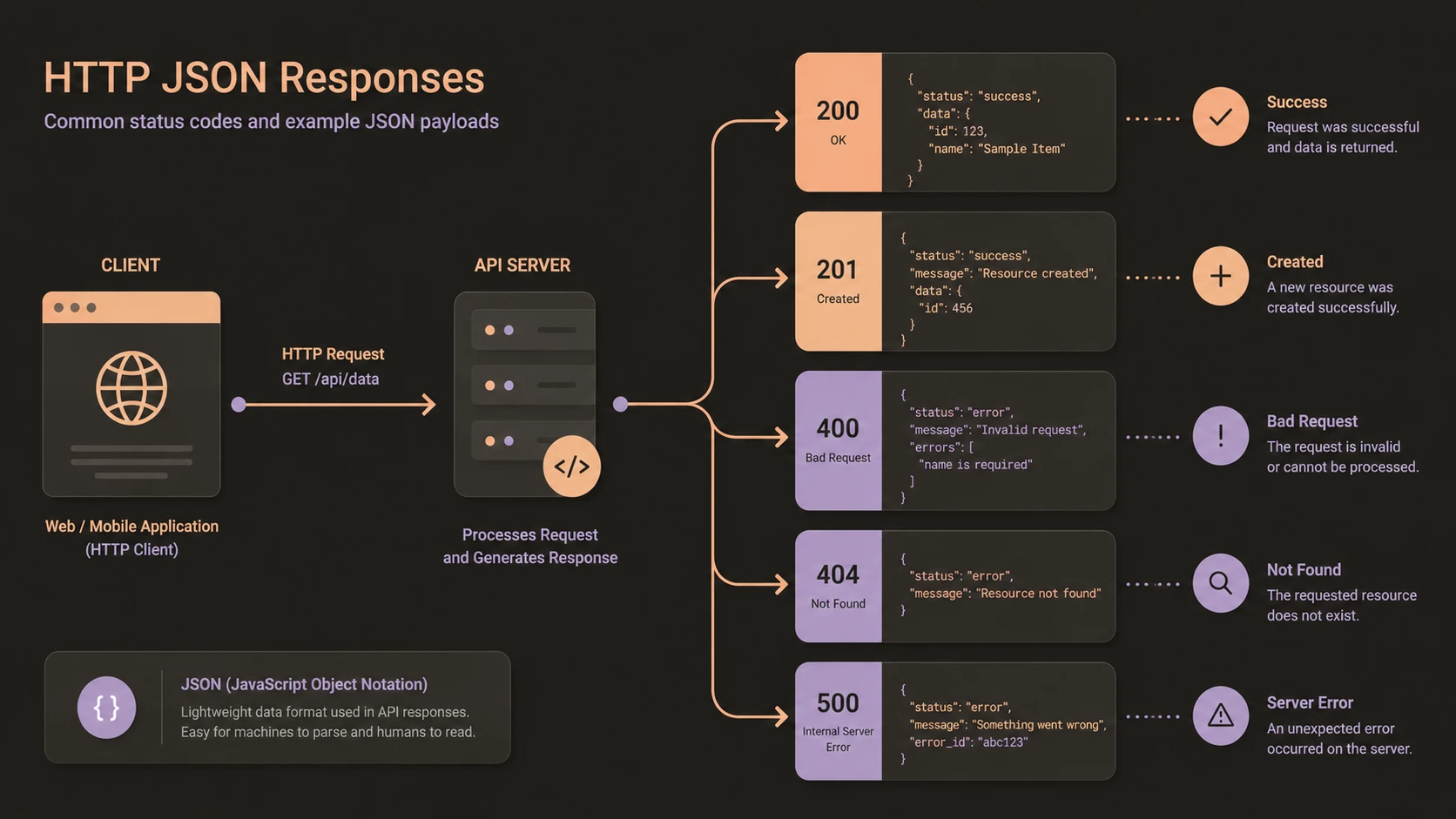
Designing RESTful APIs: Standardizing JSON Status Codes, Hypermedia, and CORS
As RESTful APIs become the foundation of modern web and mobile applications, consistent API design is increasingly important. This article explores REST architecture, JSON response standards, HTTP status codes, hypermedia, and CORS from the perspective of mid-2013, providing practical guidance for enterprise architects and API developers.

Cross-Site Request Forgery (CSRF): Understanding Tokens and Double-Submit Cookie Mitigations
Cross-Site Request Forgery (CSRF) remains one of the most significant security threats affecting web applications. This article examines CSRF from the perspective of June 2013, explaining attack mechanics, anti-CSRF tokens, double-submit cookie techniques, enterprise deployment considerations, and security best practices for modern web applications.
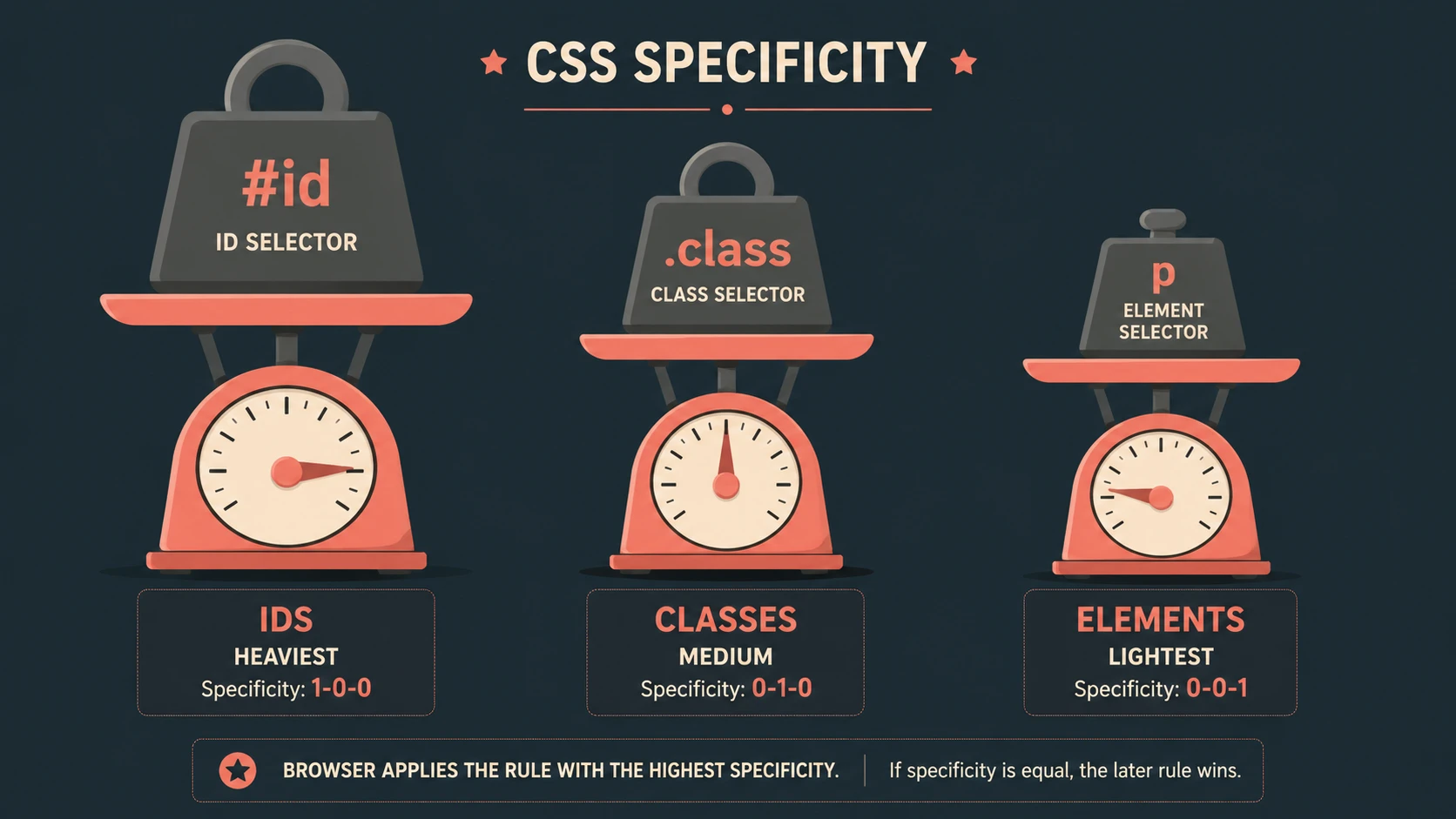
Understanding CSS Specificity: How Browsers Compute CSS Rules
As enterprise web applications grow in complexity, CSS specificity often becomes one of the leading causes of styling conflicts and maintenance challenges. This article explains how browsers calculate specificity, how the cascade determines the final computed style, and the best architectural practices for building scalable CSS from the perspective of 2013.