Web Development
Viewing all posts categorized under Web Development.

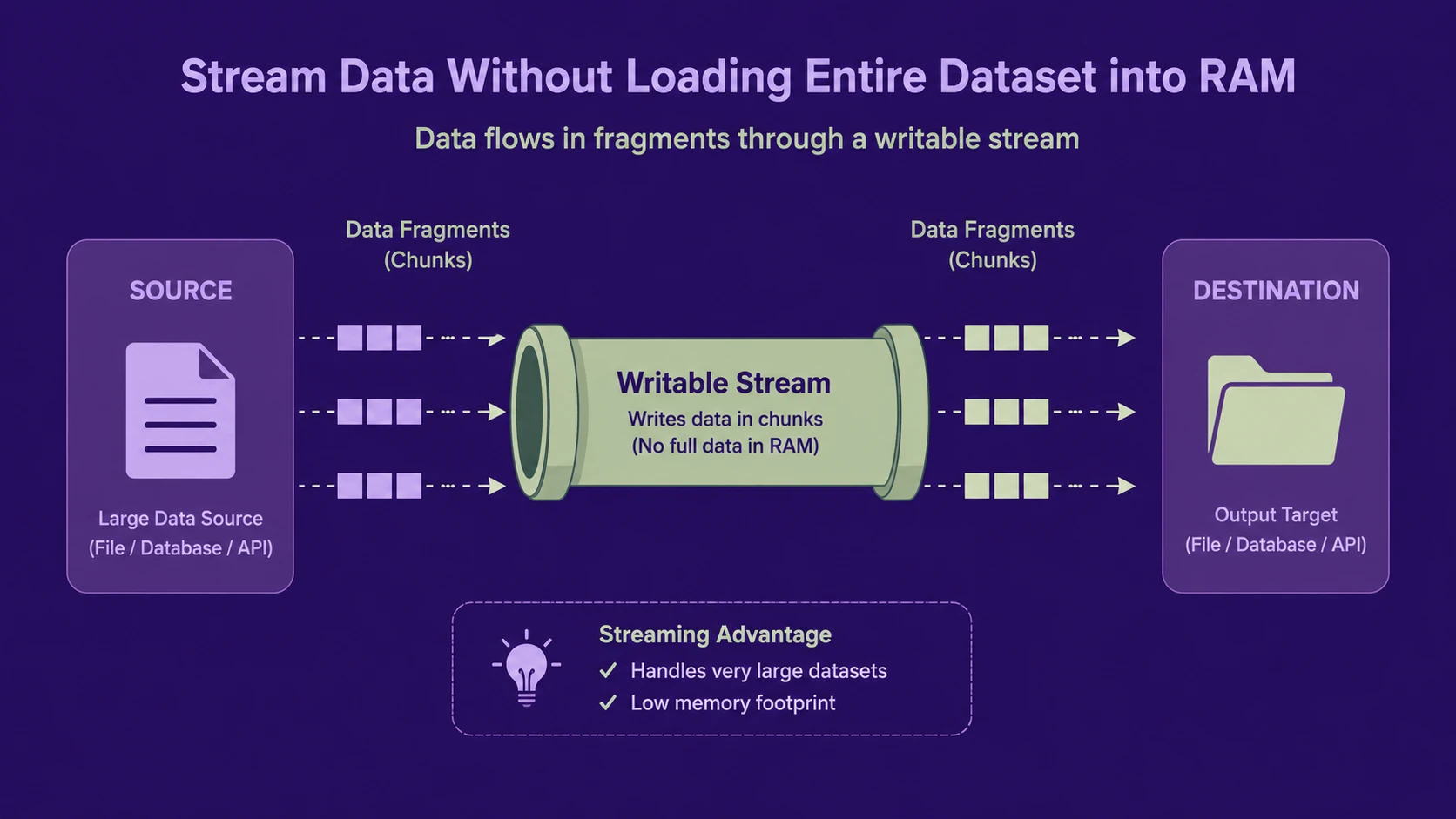
Node.js Streams: Architecting Memory-Efficient Data Processing Pipelines
As Node.js adoption continues to grow for web services and real-time applications, developers are increasingly encountering workloads involving large files, network traffic, and continuous data processing. This article examines Node.js Streams from the perspective of May 2013, exploring their architecture, performance characteristics, enterprise applications, and best practices for building efficient data processing pipelines.
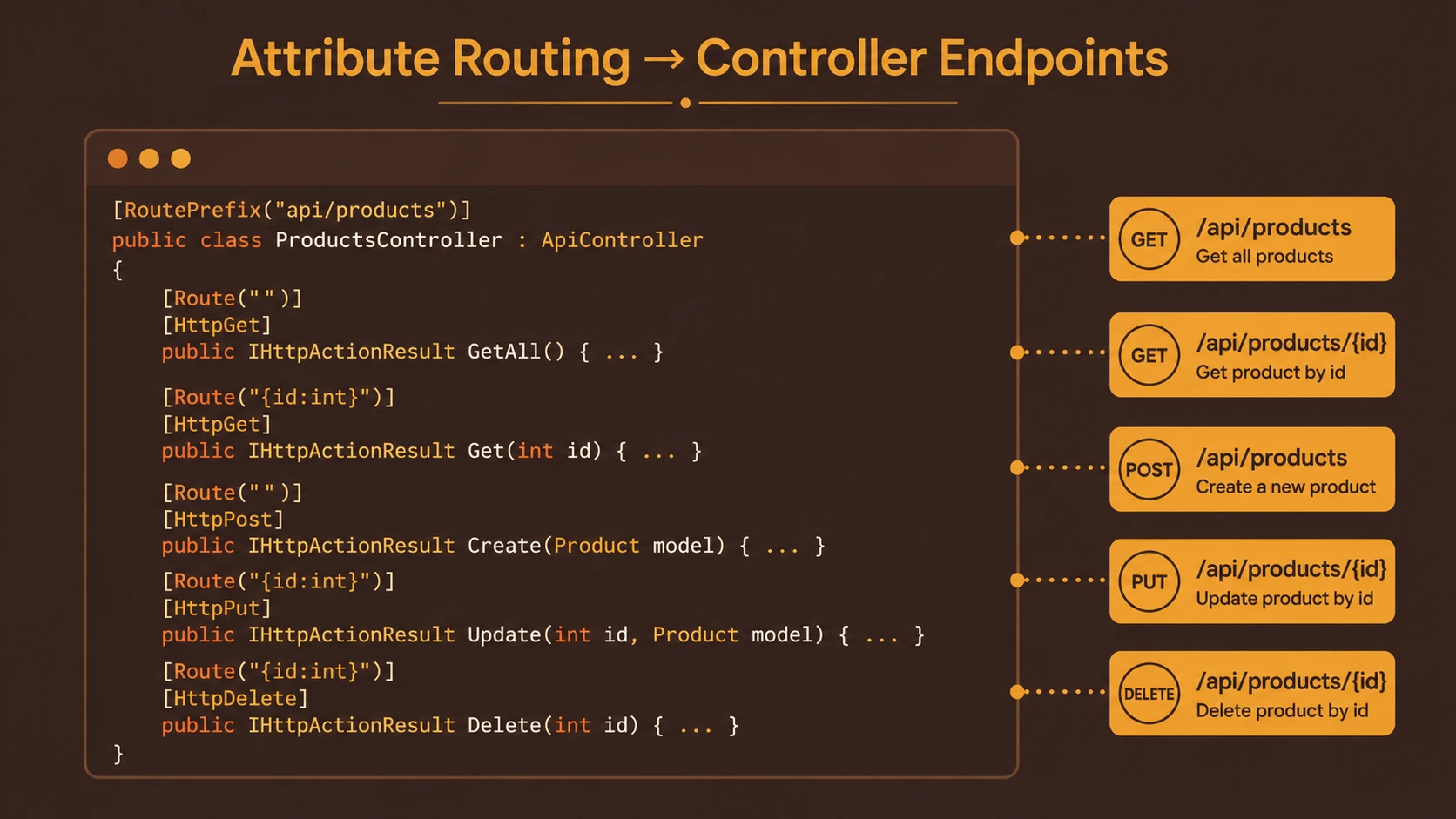
ASP.NET MVC 5: Attribute Routing and OWIN Authentication Integration
Microsoft has announced the direction of the next generation of ASP.NET MVC with a focus on more flexible routing, improved authentication through OWIN, and deeper integration with modern web application architecture. This article examines the emerging capabilities expected in ASP.NET MVC 5 from the perspective of April 2013 and discusses how these changes could influence enterprise web development.
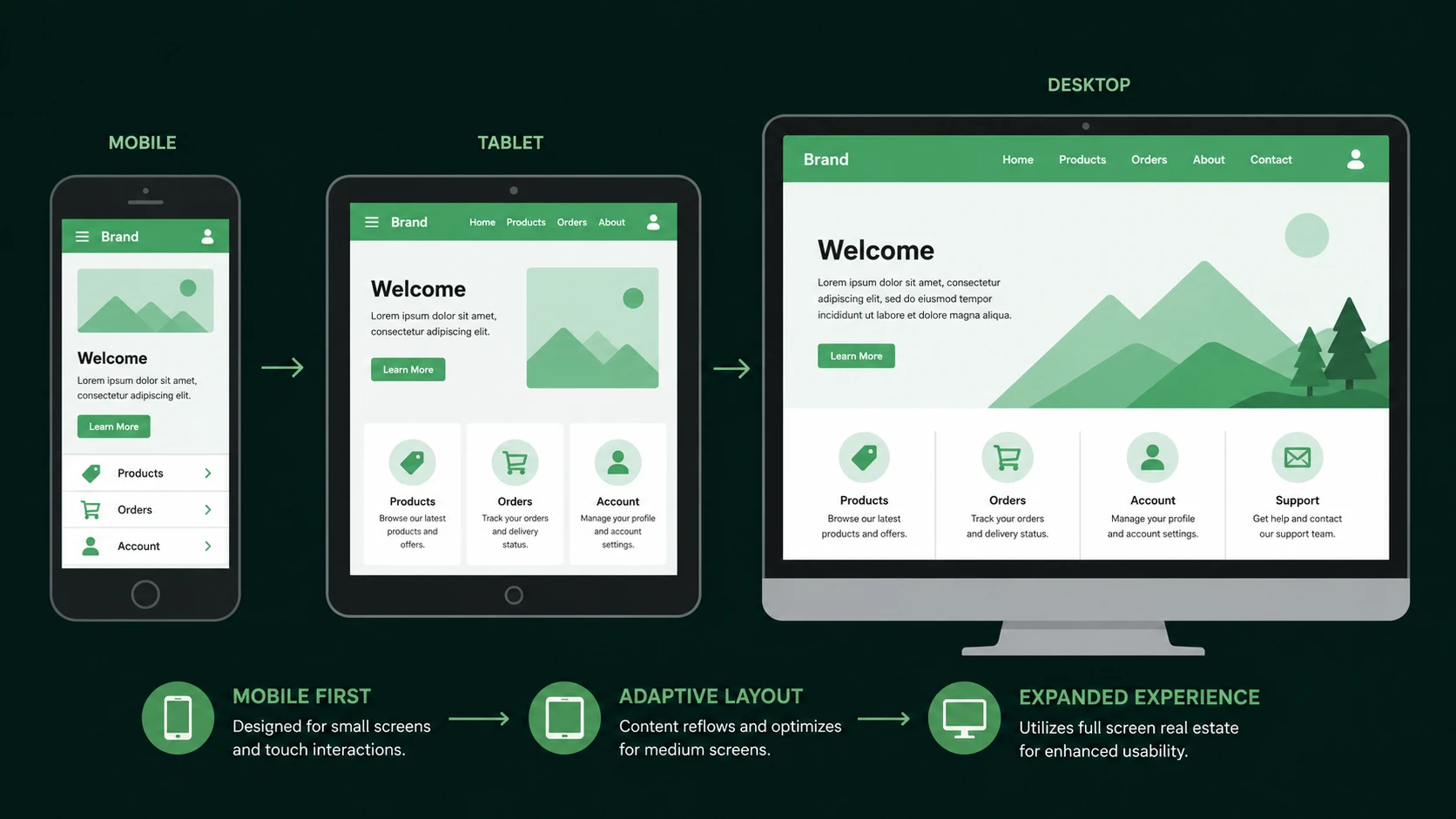
Bootstrap 3.0 Mobile-First Refactor: Designing Viewports from Mobile to Desktop
Bootstrap 3.0 represents a significant architectural shift from previous releases by adopting a mobile-first philosophy. This article examines the framework from the perspective of March 2013, exploring its responsive grid system, CSS architecture, component redesign, enterprise adoption considerations, and how mobile-first development is reshaping modern web engineering.
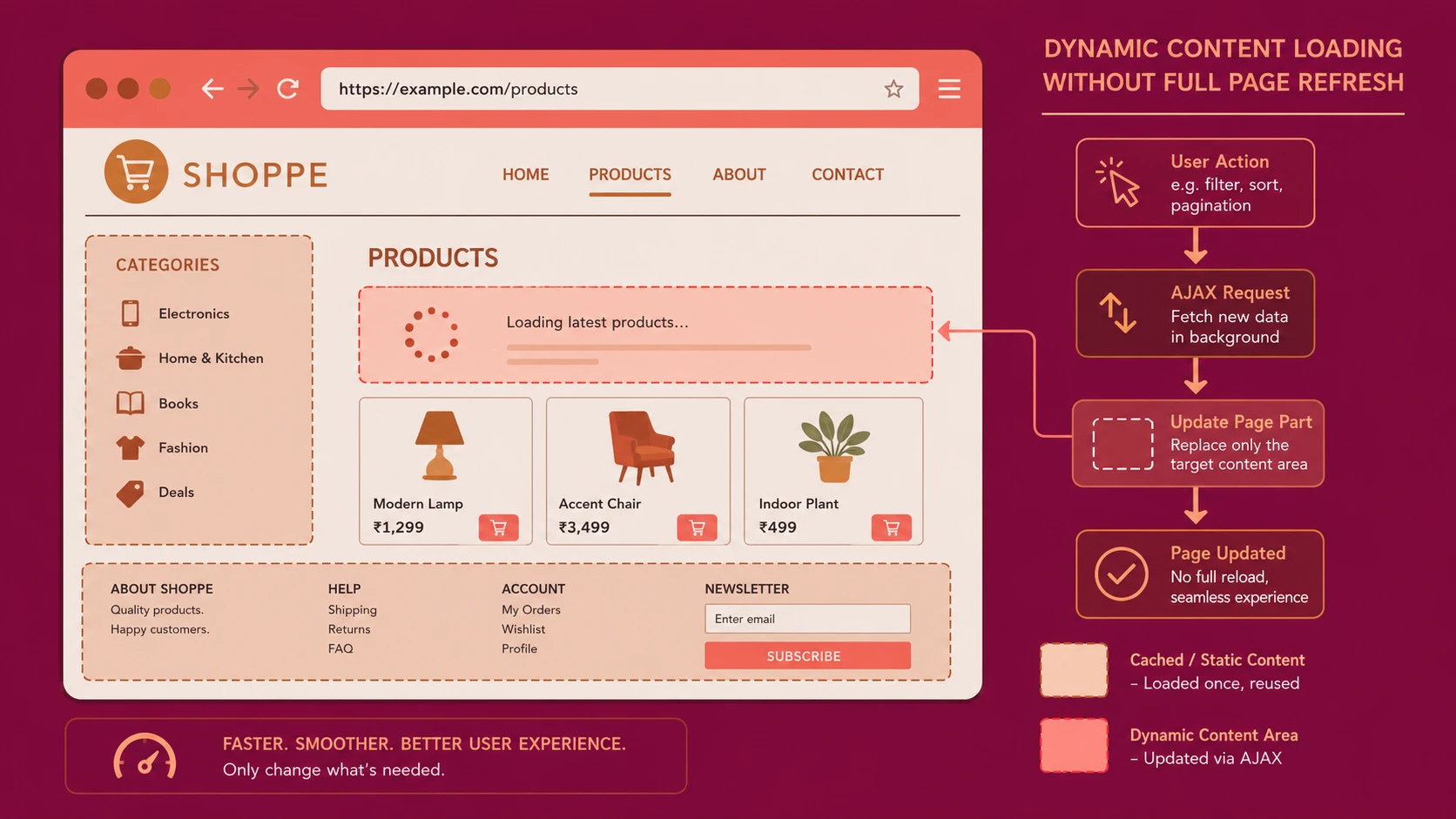
Ruby on Rails 4.0: Declarative Caching and Turbolinks Performance
Ruby on Rails 4.0 introduces several important improvements including declarative caching, Turbolinks, a stronger separation of concerns, and enhanced performance features. This article examines how these capabilities can improve scalability, maintainability, and application responsiveness from the perspective of early 2013.
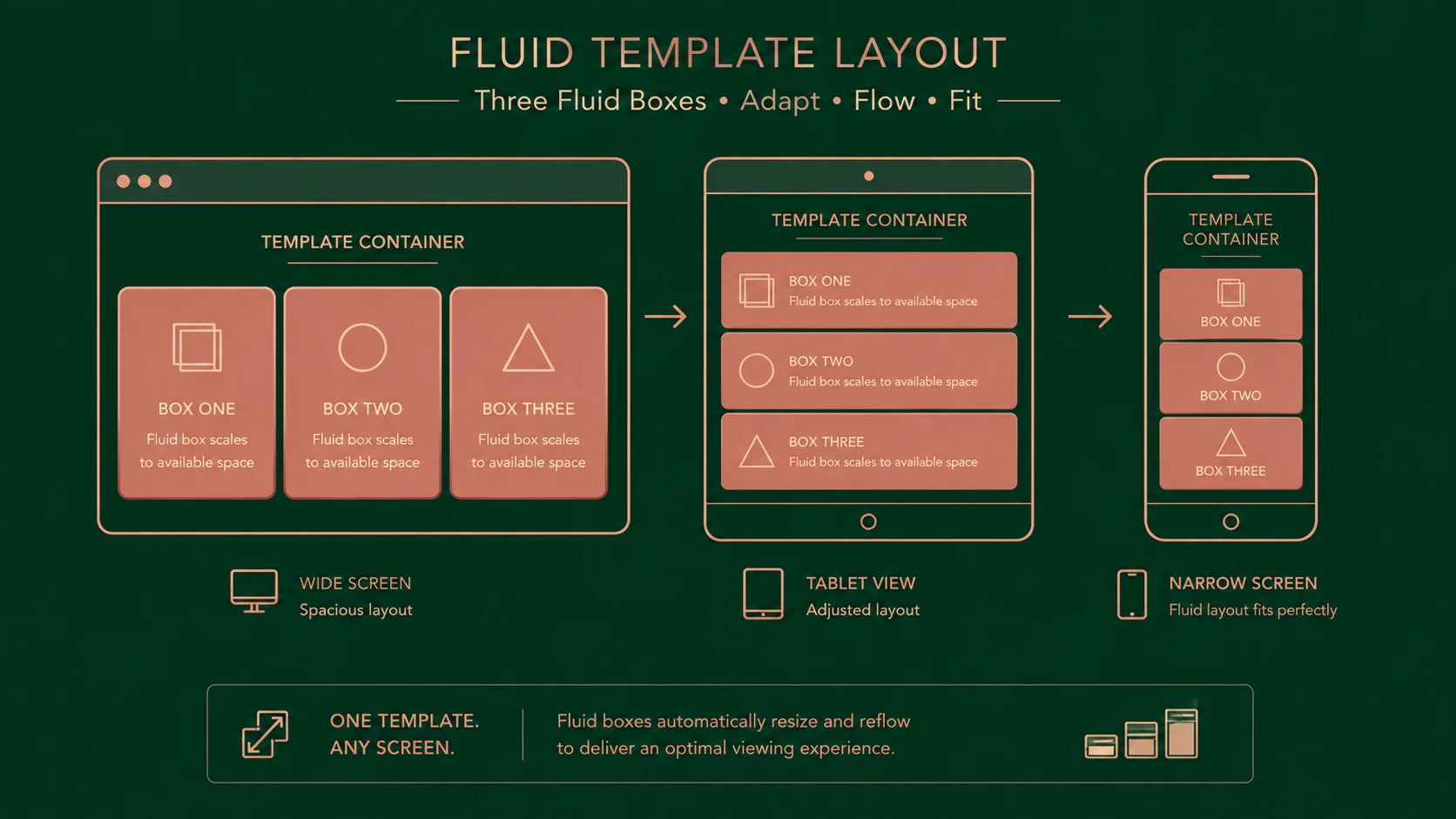
The Responsive Web: Retrospective on Design Standardizations of 2012
Throughout 2012, responsive web design evolved from an experimental development approach into a practical enterprise strategy for supporting desktops, tablets, and smartphones with a unified codebase. Driven by advances in CSS3, HTML5, media queries, fluid layouts, and mobile browser capabilities, responsive design is reshaping how organizations build and maintain modern web applications. This article reviews the major developments of 2012 and examines their enterprise implications from the perspective of December 2012.
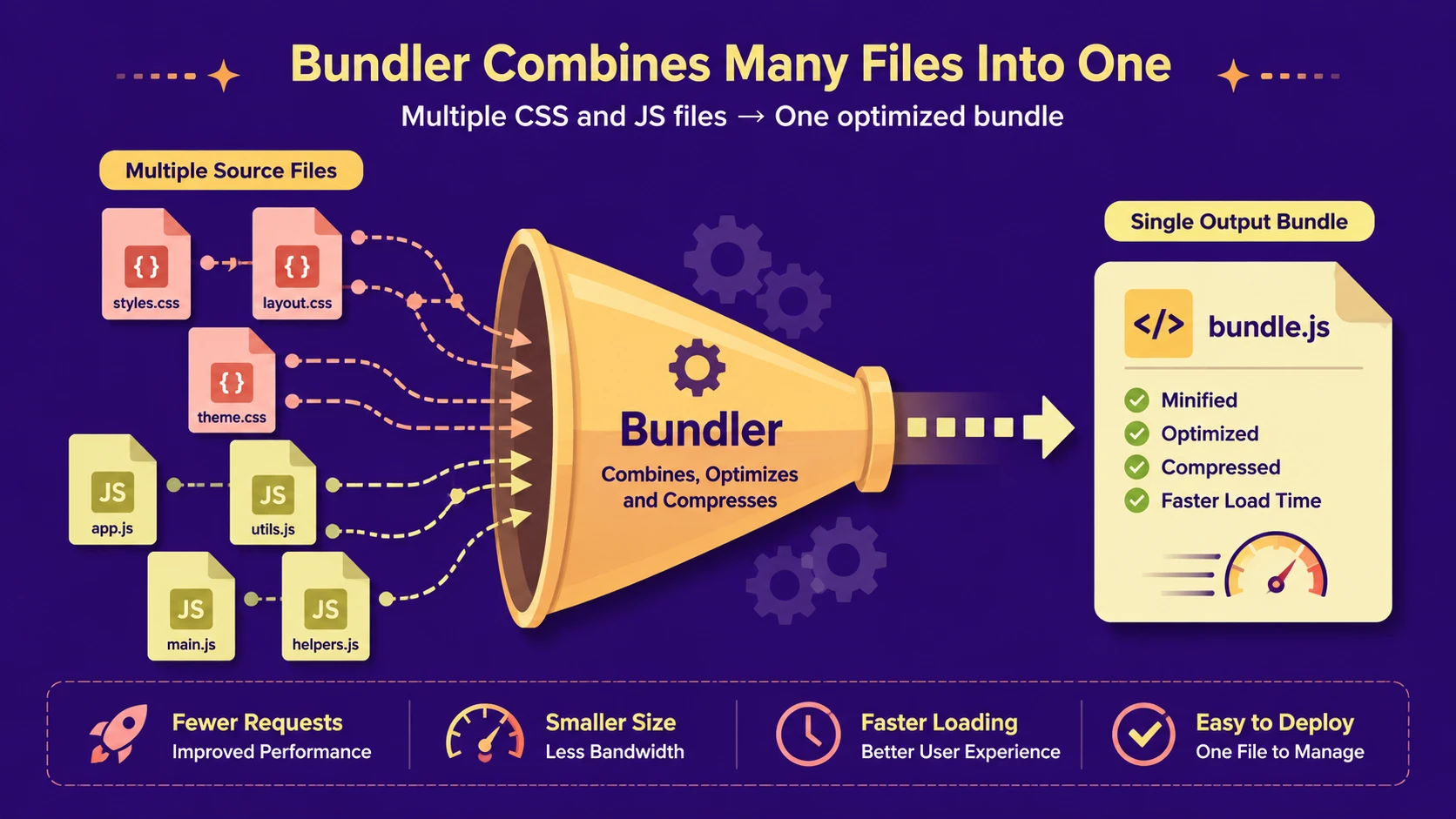
ASP.NET MVC 4: Bundling, Minification, and Mobile Views
ASP.NET MVC 4 introduces important enhancements that address two growing enterprise priorities: web application performance and mobile device support. Built on ASP.NET 4.5 and the .NET Framework, MVC 4 adds built-in bundling and minification, adaptive mobile views, Web API integration, and improved project templates. This article examines these capabilities from the perspective of November 2012, helping enterprise architects evaluate their impact on modern web application development.
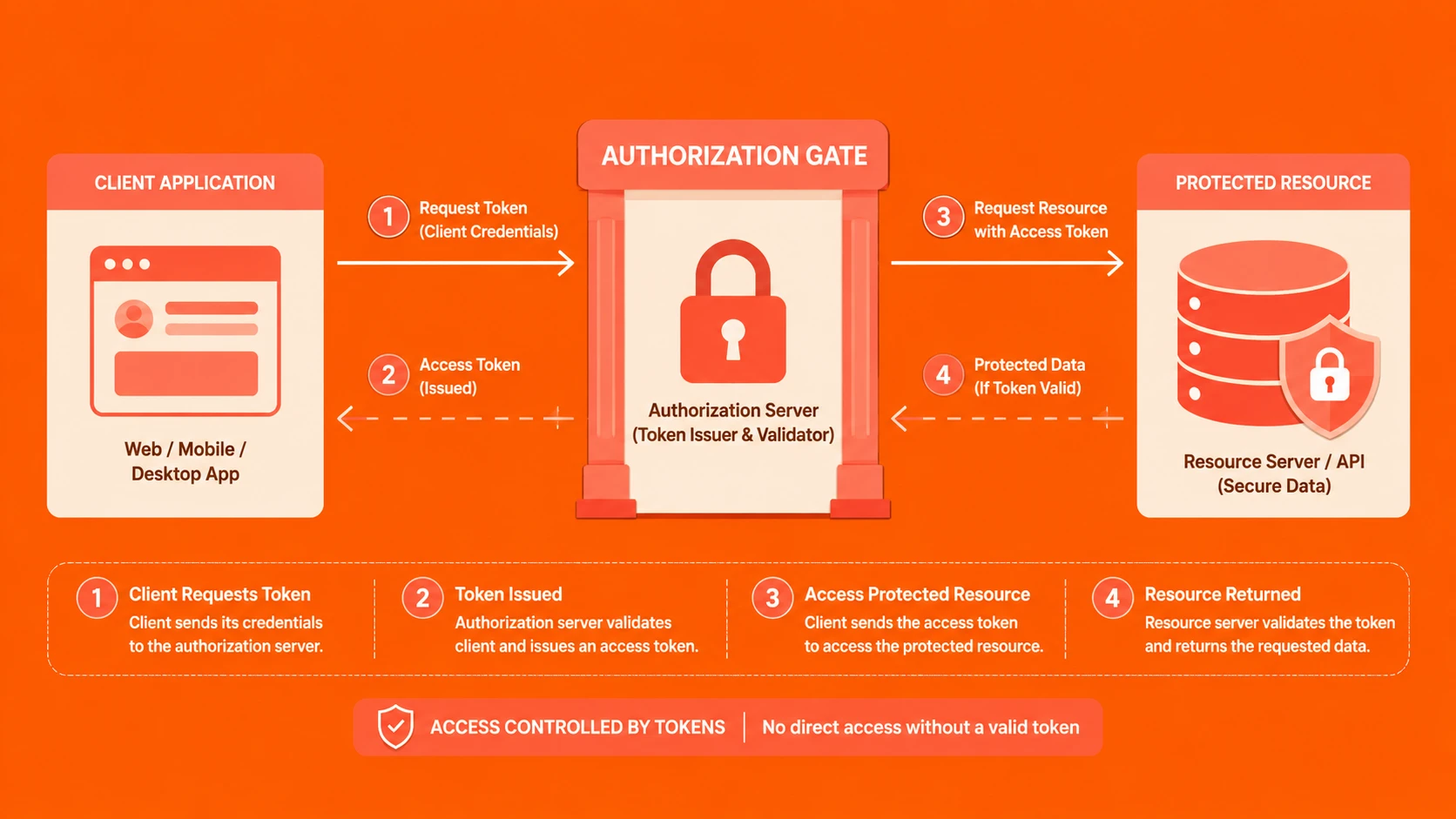
OAuth 2.0 RFC 6749: Standardizing Authorization for Web APIs
OAuth 2.0 has been standardized as RFC 6749, providing a flexible authorization framework for web applications, mobile clients, and APIs. This article examines its architecture, authorization flows, security model, enterprise adoption strategies, and implementation considerations from the perspective of October 2012.
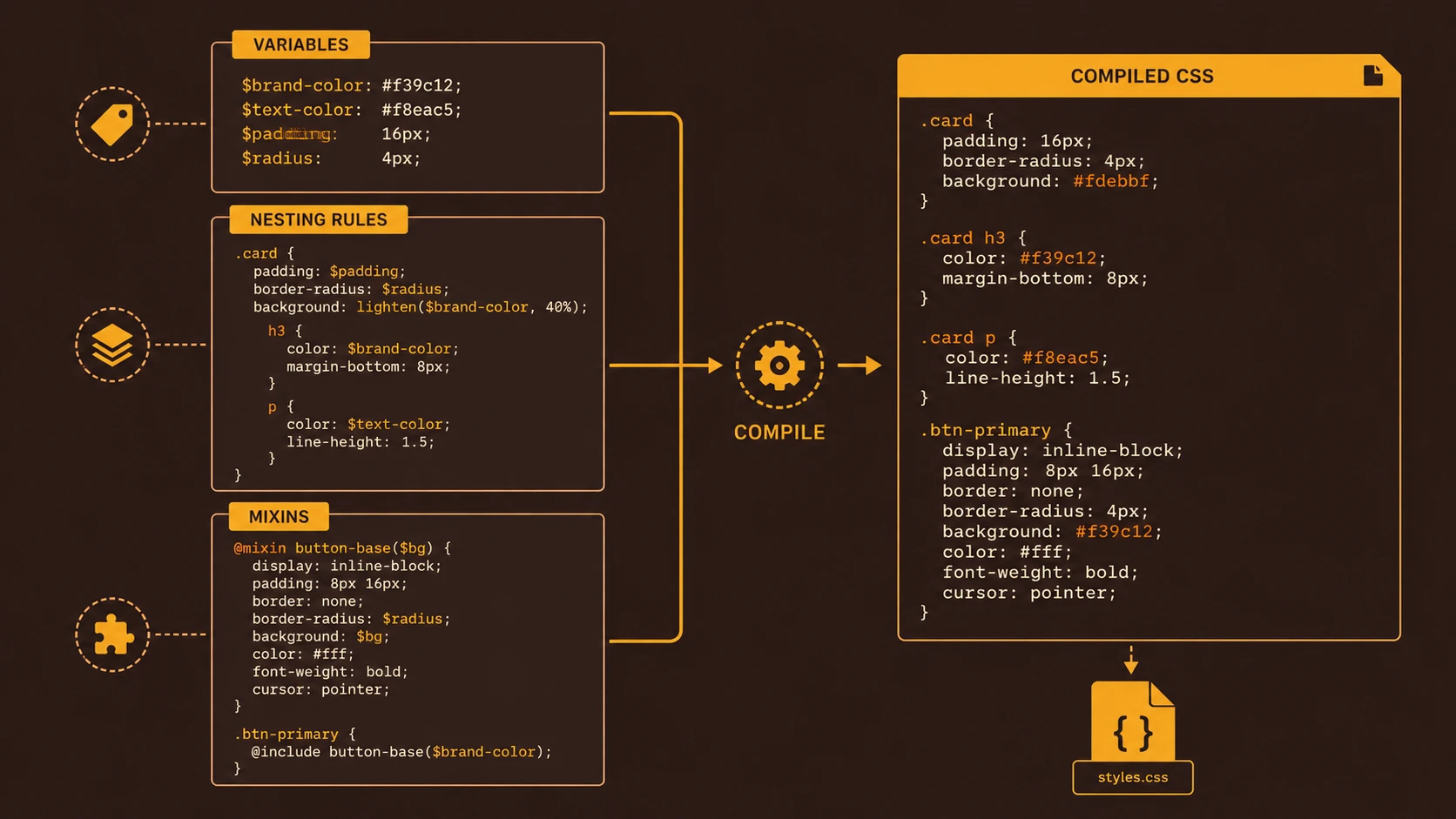
Responsive Design Tools: The Emergence of SASS, LESS, and Preprocessors
Responsive Web Design has become a central requirement for modern websites as smartphones and tablets continue to gain market share. CSS preprocessors such as SASS and LESS are emerging as valuable tools for managing increasingly complex stylesheets. This article examines these technologies from the perspective of October 2012, comparing their architectures, capabilities, enterprise use cases, and adoption considerations.
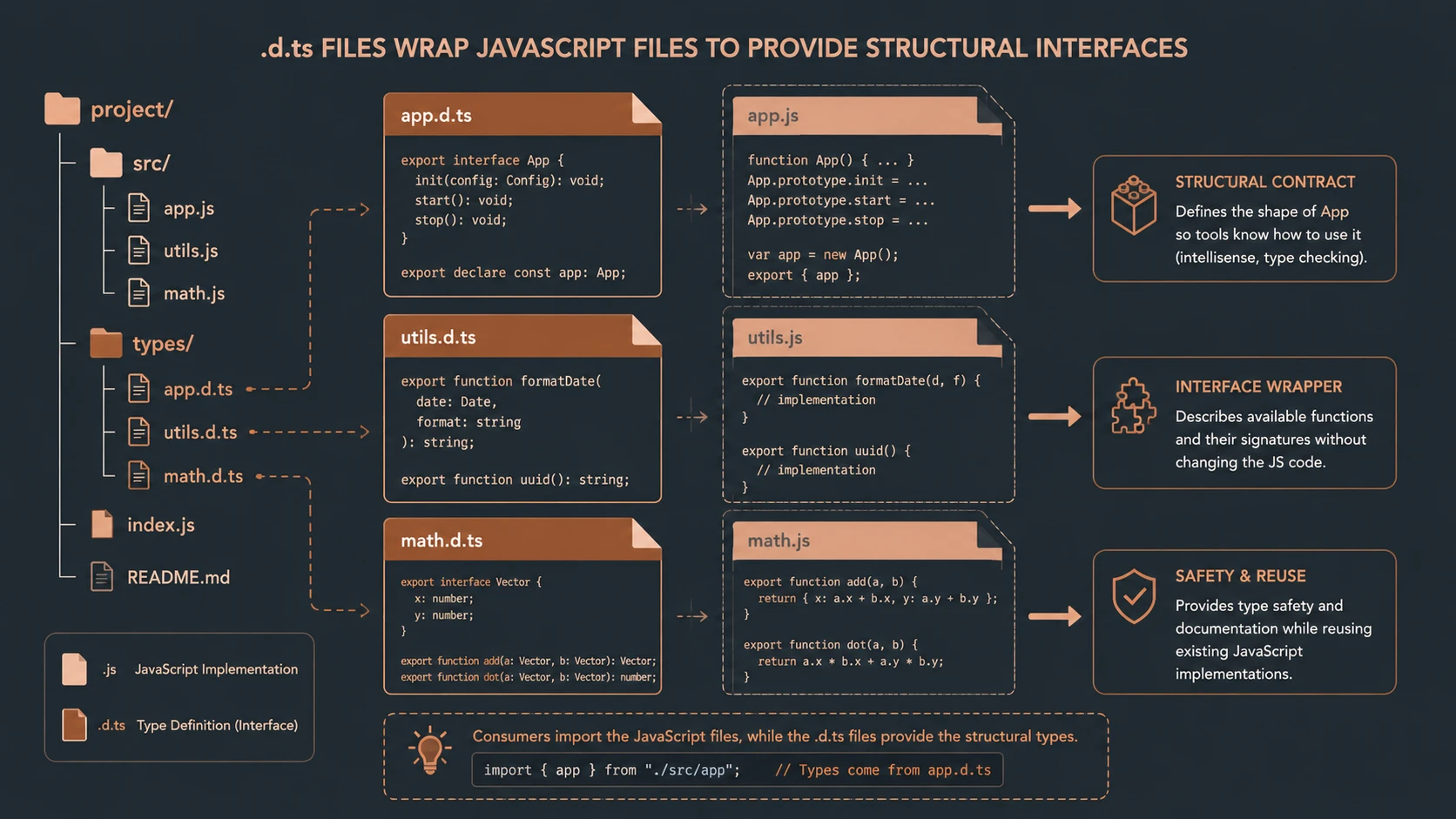
TypeScript 0.8: Reviewing Microsoft's Open Source Compiler Preview
Microsoft has introduced TypeScript 0.8 as an open source language and compiler designed to improve the development of large JavaScript applications. This article examines the language from the perspective of August 2012, exploring its architecture, type system, enterprise use cases, and how it compares with existing JavaScript development practices.
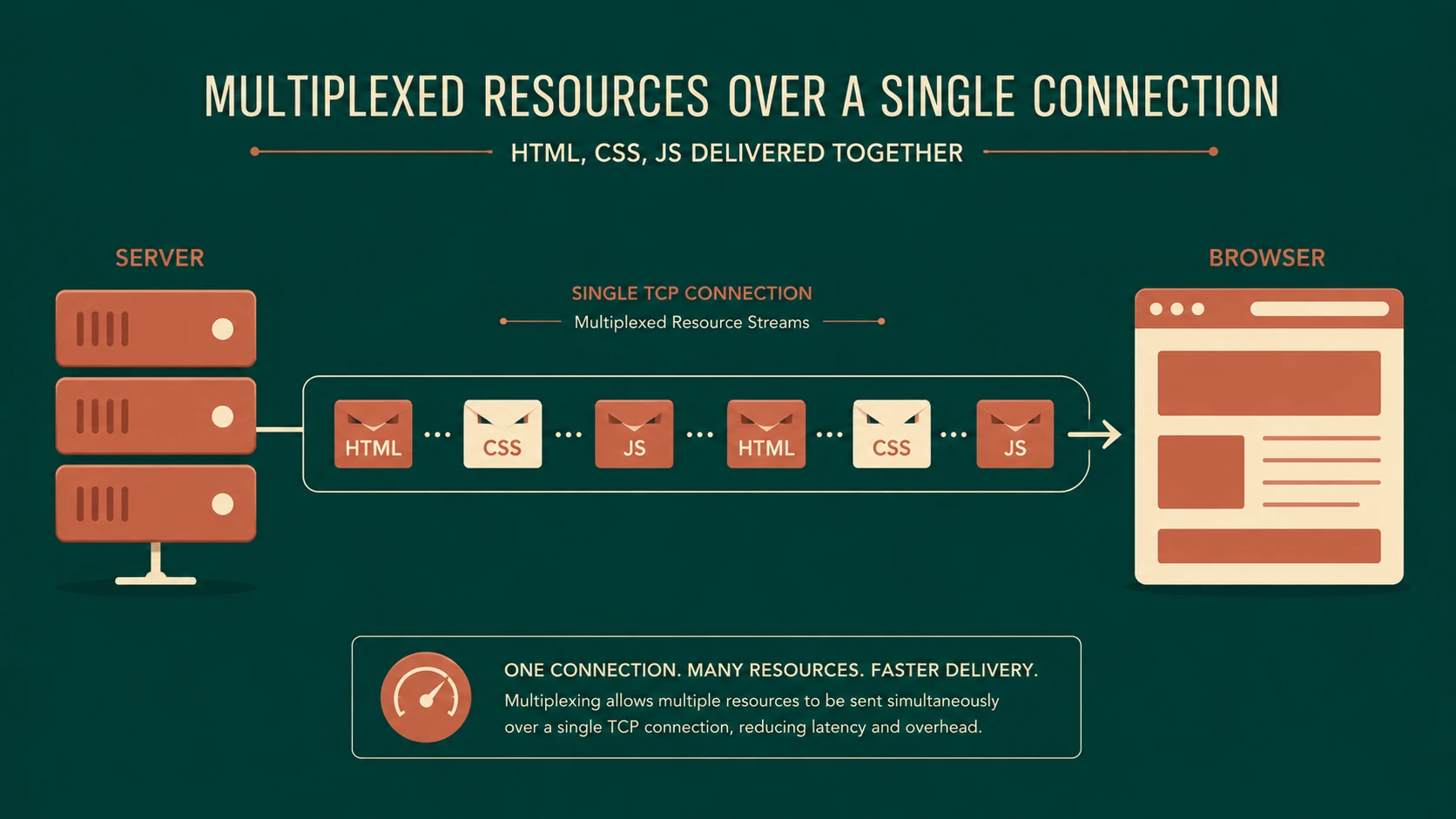
Web Performance: SPDY Protocol and the Foundation of HTTP/2
As web applications become increasingly sophisticated, network latency has emerged as one of the largest barriers to user experience. Google's SPDY protocol introduces innovations such as multiplexed streams, header compression, request prioritization, and persistent encrypted connections to improve web performance. This article examines SPDY from the perspective of July 2012, exploring its architecture, enterprise adoption considerations, implementation challenges, and its potential influence on the future evolution of HTTP.
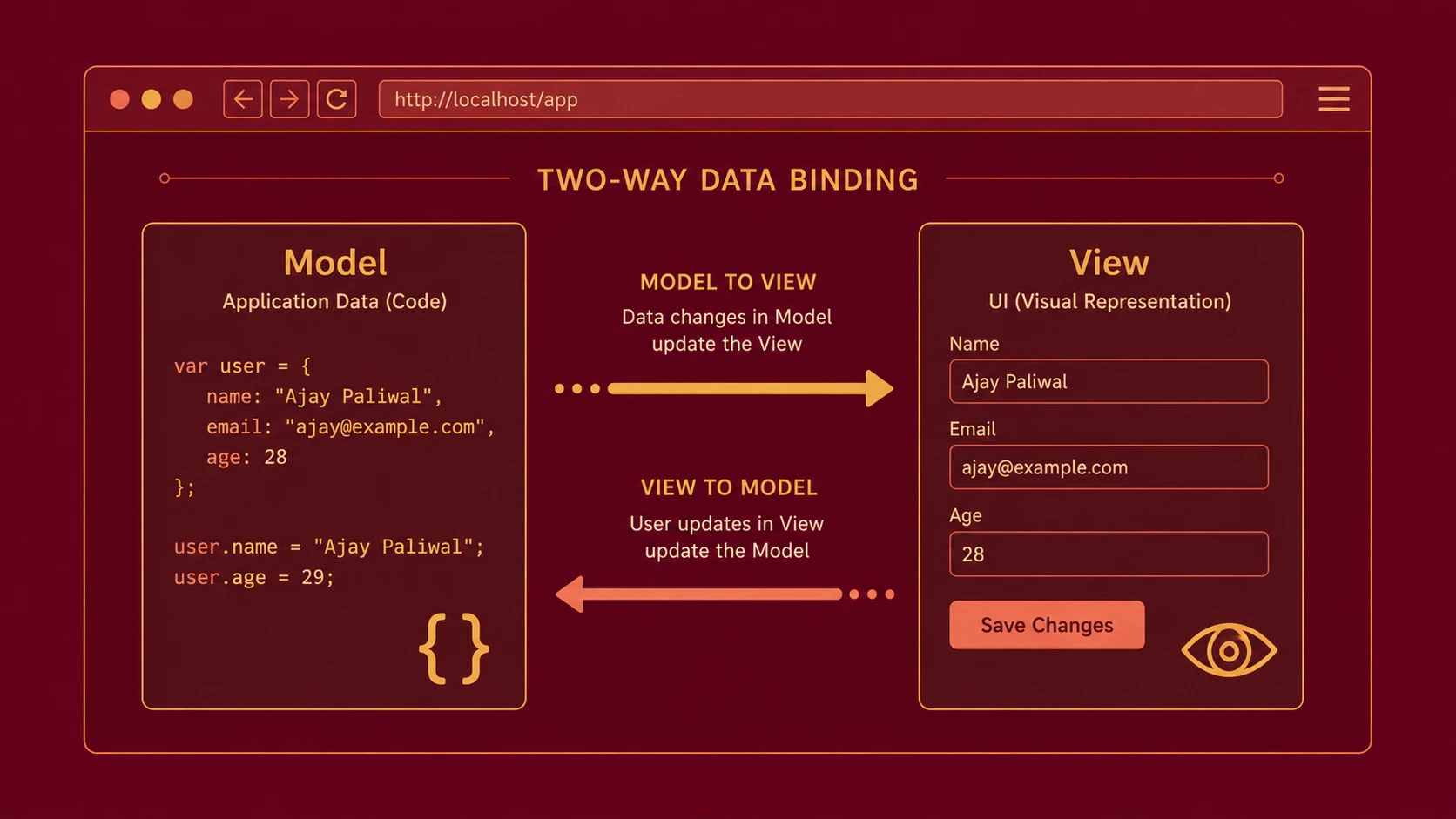
Single Page Apps: Why AngularJS v1.0 is the Framework to Watch
With the release of AngularJS 1.0, Google has introduced a JavaScript framework that simplifies the development of Single Page Applications (SPAs). This article examines AngularJS from the perspective of July 2012, evaluating its architecture, enterprise potential, performance characteristics, and how it compares with existing JavaScript frameworks.
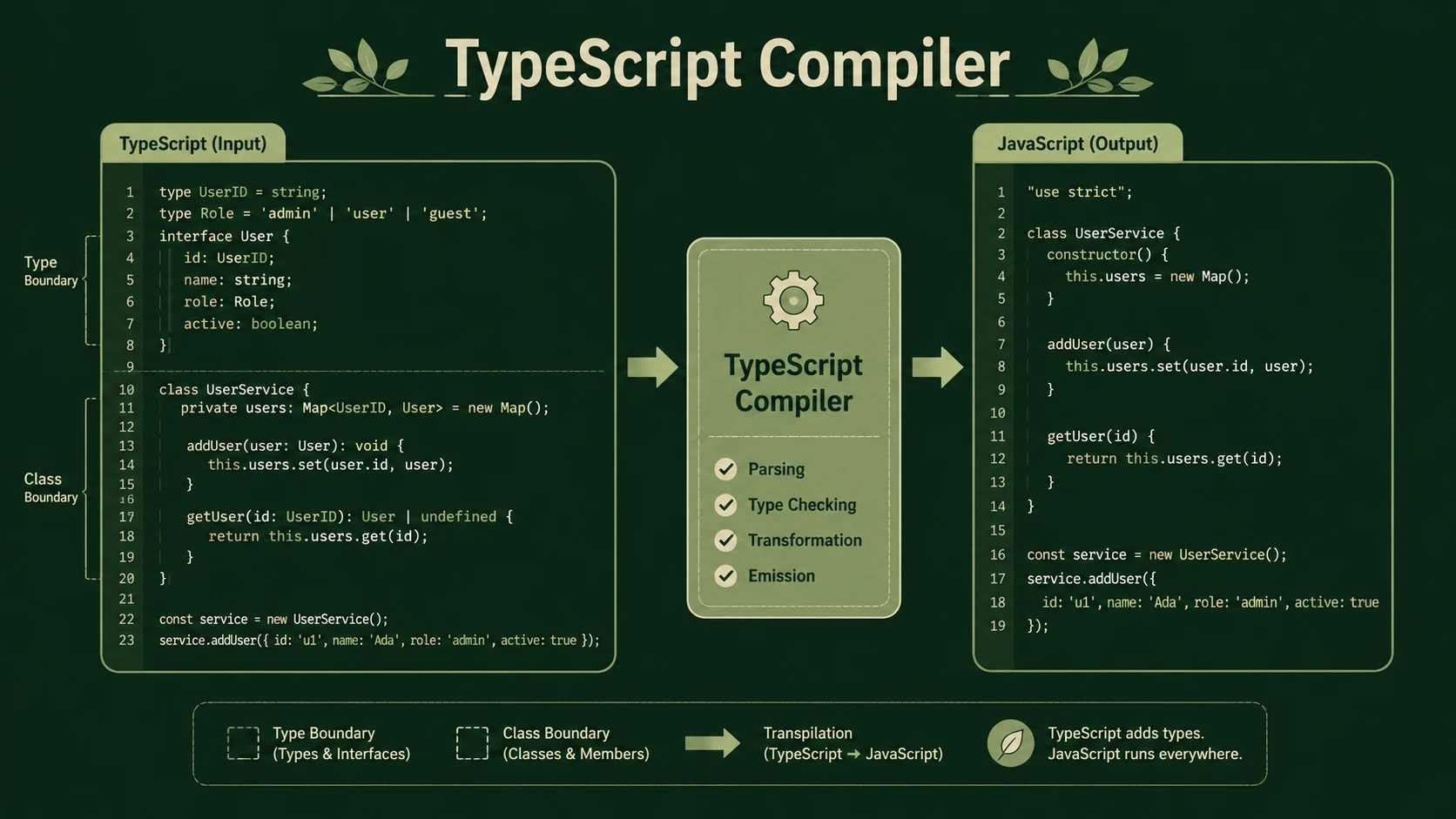
TypeScript Announcement: static type safety for JavaScript scale
Microsoft has announced TypeScript, a statically typed programming language that compiles to JavaScript. This article examines its architecture, language features, enterprise implications, and adoption considerations from the perspective of June 2012.
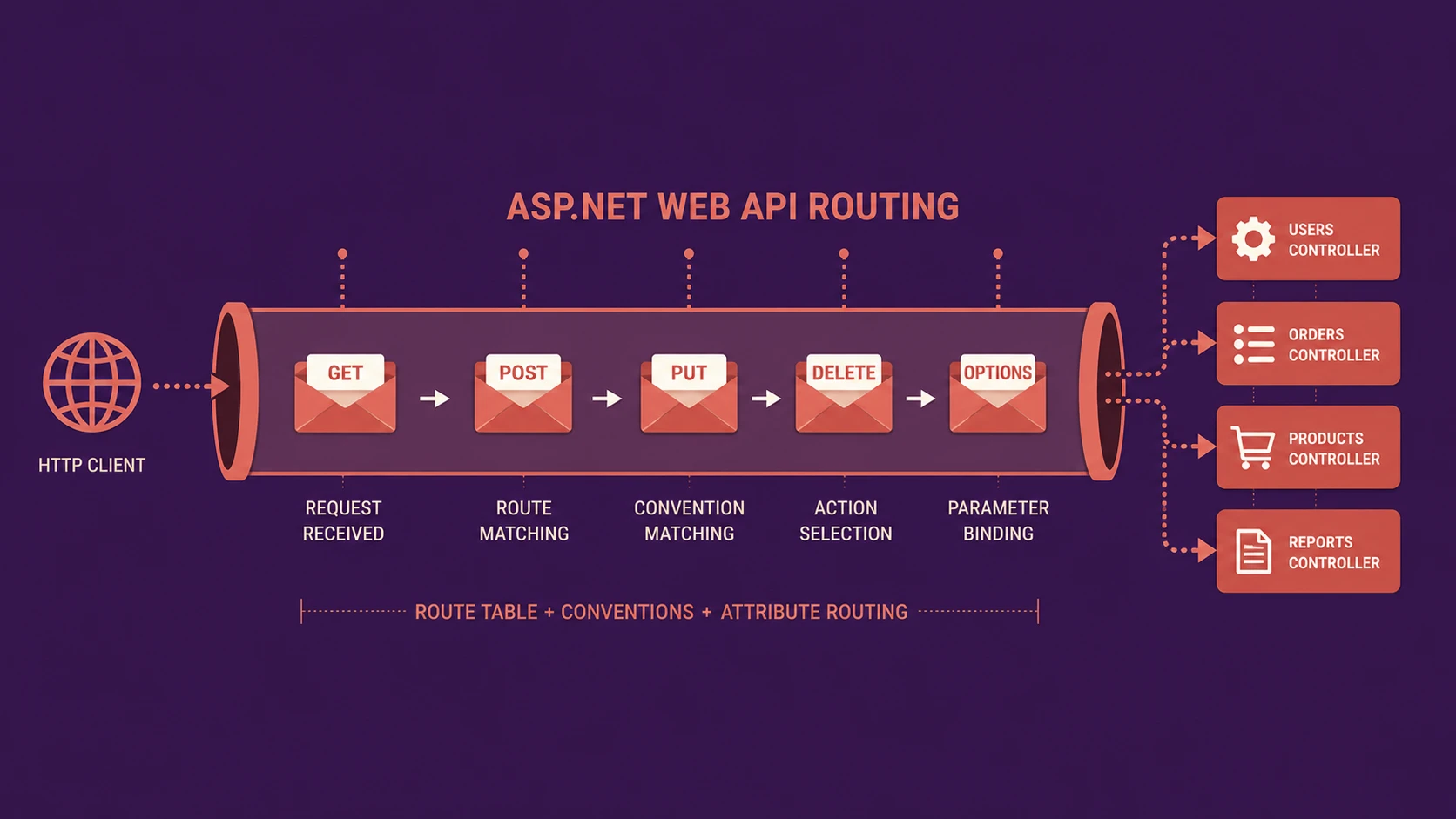
ASP.NET Web API: Designing RESTful APIs for the Modern Web
ASP.NET Web API introduces a modern programming model for building HTTP services that can be consumed by browsers, mobile applications, and enterprise systems. This article examines its architecture, design principles, enterprise adoption strategies, and implementation considerations from the perspective of April 2012.
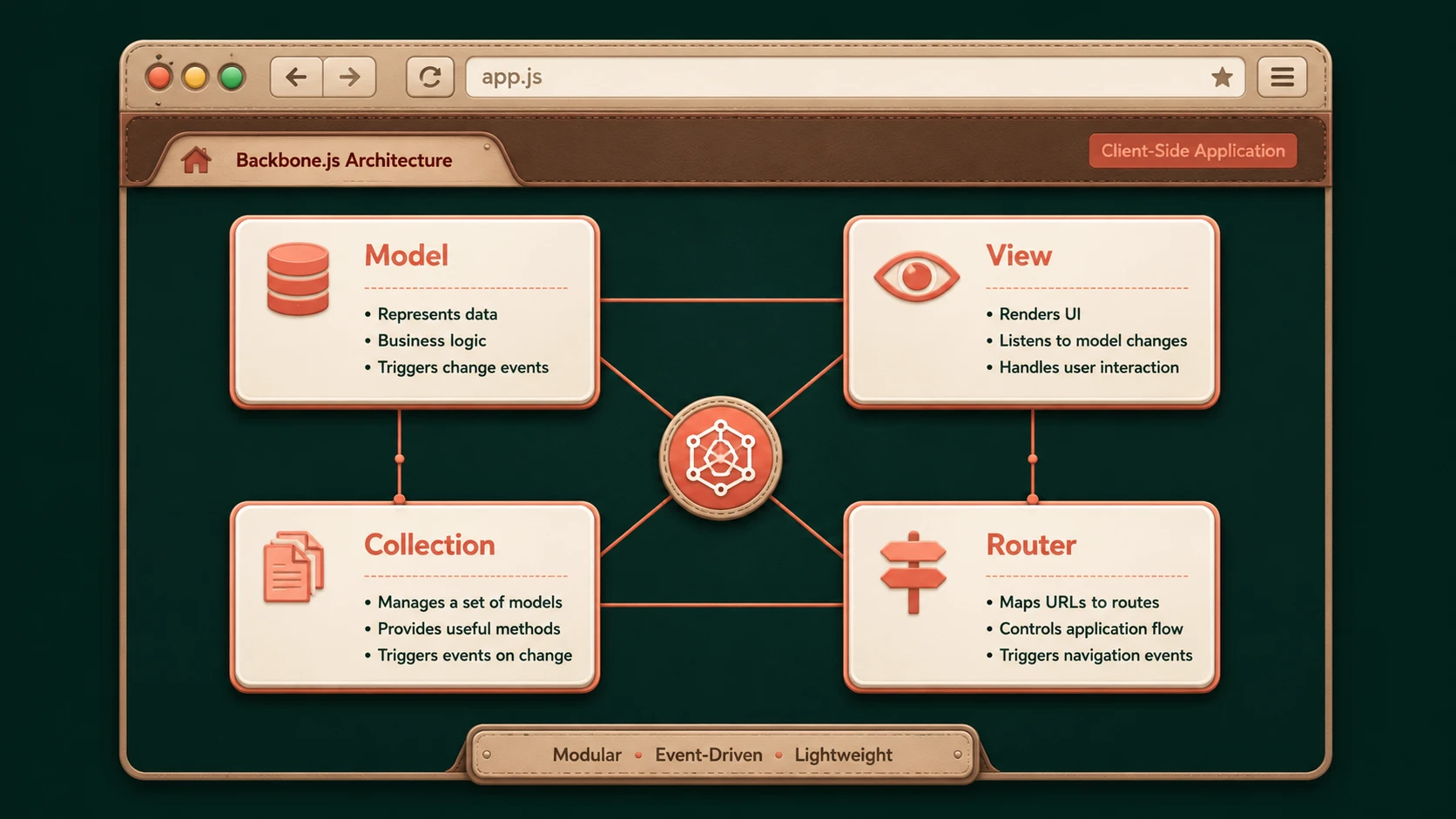
Single Page Applications: Architecting Web Apps with Backbone.js
As enterprise web applications become increasingly interactive, traditional multi-page architectures are giving way to client-driven experiences. Backbone.js provides a lightweight framework for organizing JavaScript applications using models, views, collections, and routers. This article examines Backbone.js, Single Page Application architecture, and enterprise adoption considerations from the perspective of January 2012.
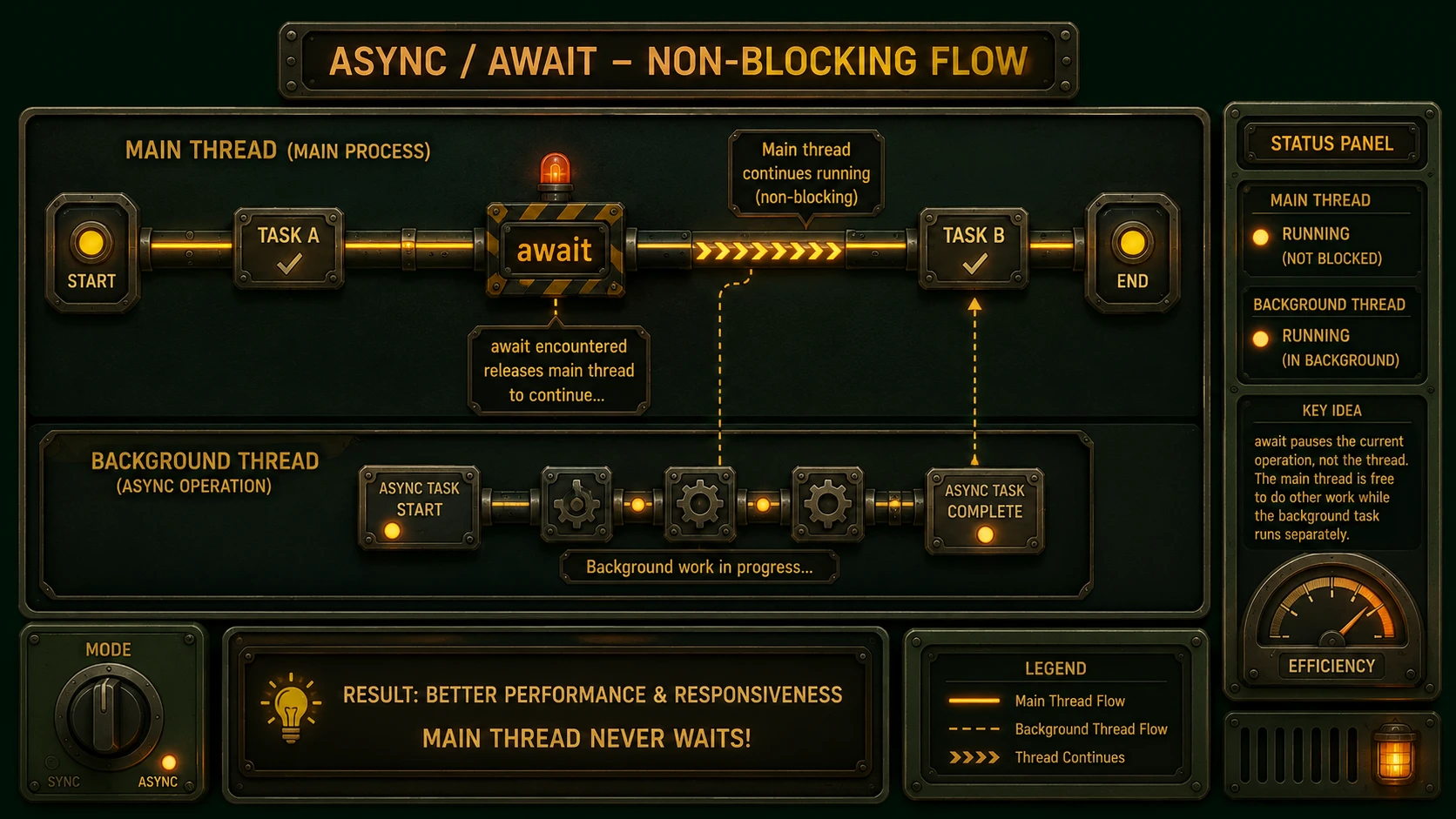
C# 5.0 Async and Await: How Microsoft Simplified Asynchrony
Microsoft's upcoming C# 5.0 language enhancements introduce async and await, promising to simplify asynchronous programming across desktop, web, and server applications. As developers evaluate the Async CTP and Visual Studio 11 previews, enterprise teams are beginning to assess how these language features could reshape application architecture and improve maintainability. This article examines the concepts, benefits, challenges, and adoption considerations from the perspective of December 2011.