Web Development
Viewing all posts categorized under Web Development.

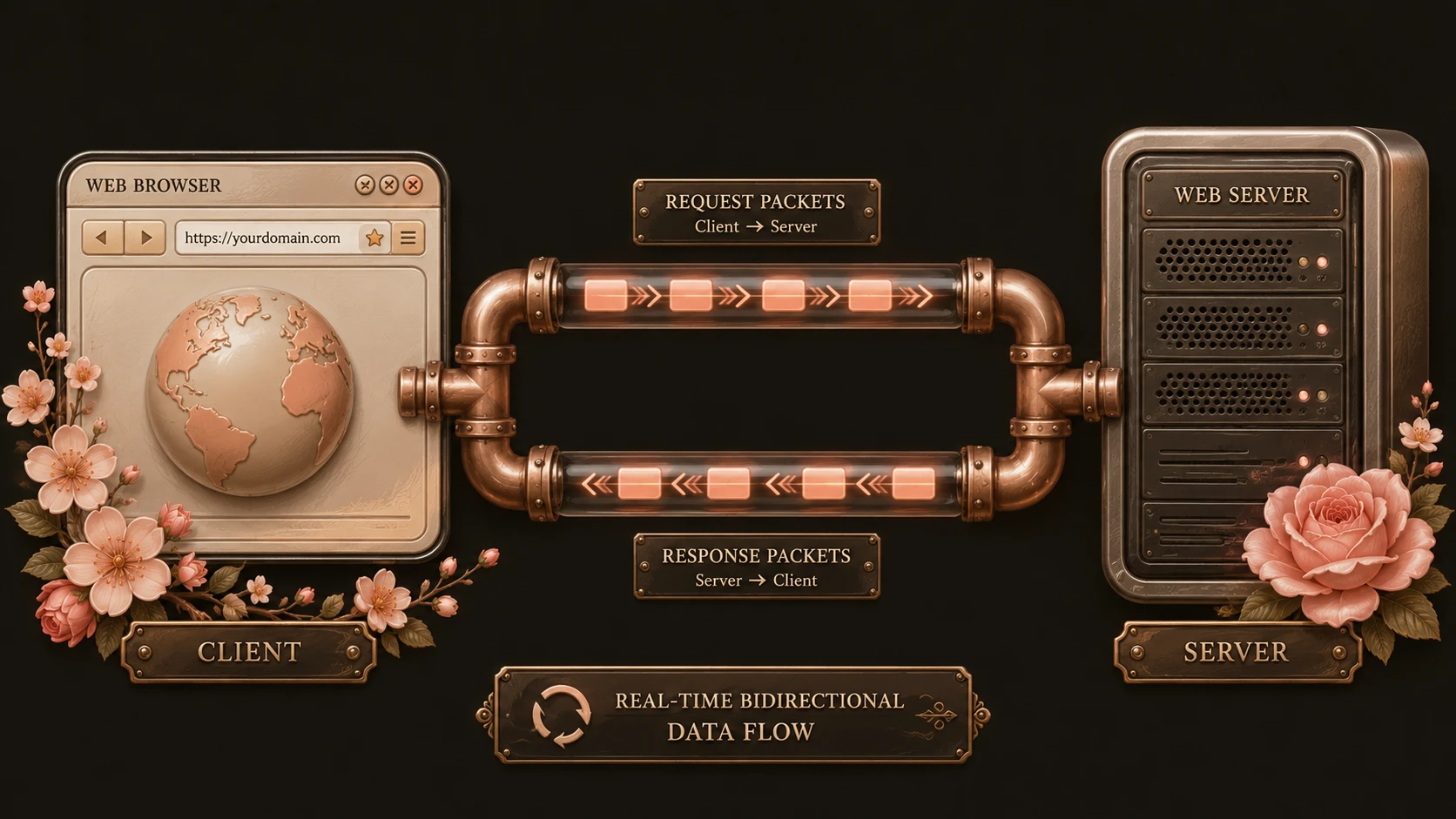
WebSockets RFC 6455: Finalizing the Standard for Real-Time Web
With RFC 6455 officially published as the WebSocket Protocol, the web platform gains a standardized mechanism for persistent, bidirectional communication between browsers and servers. This milestone opens new possibilities for enterprise collaboration, real-time dashboards, financial systems, and interactive web applications.
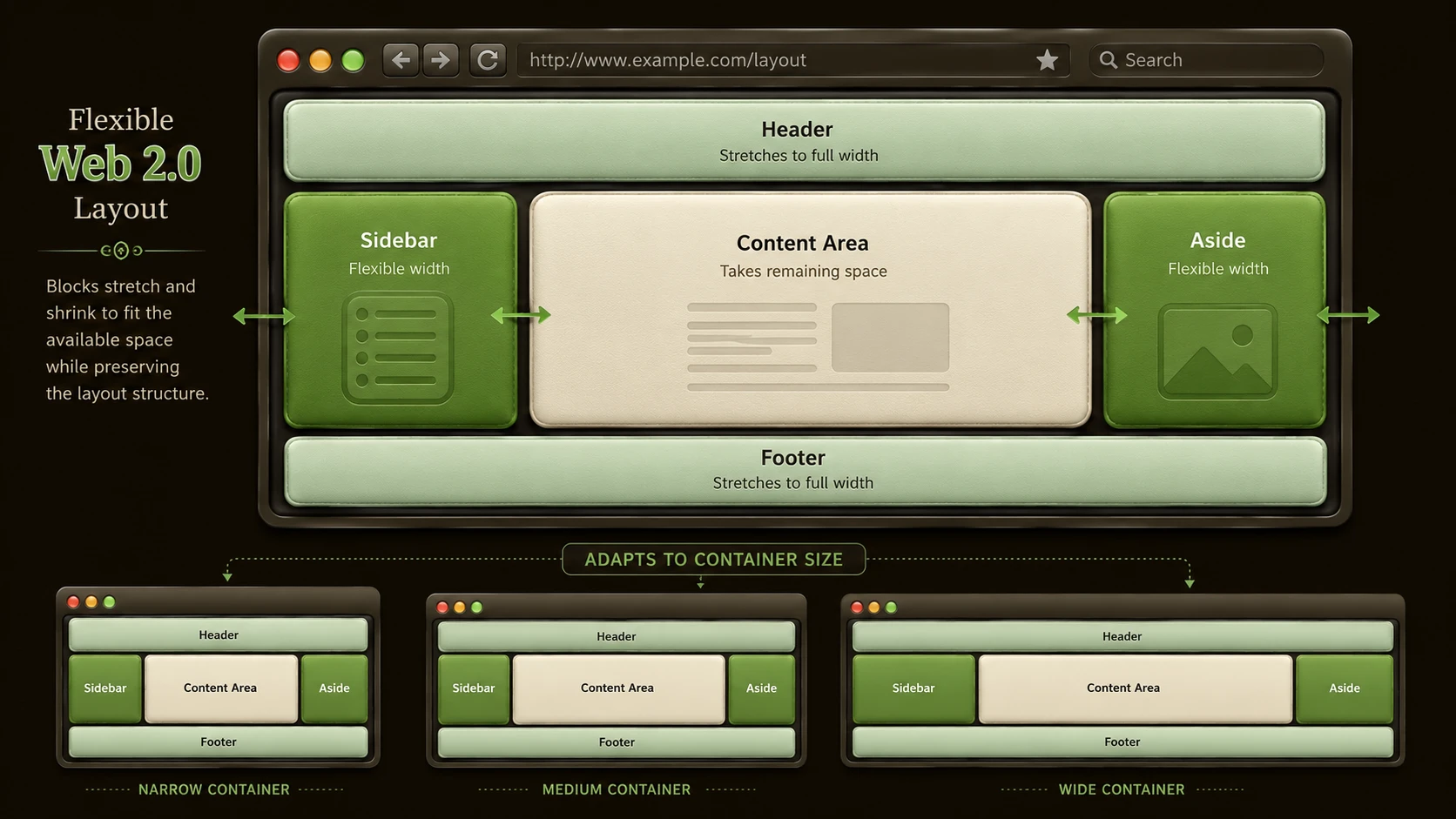
CSS3 Flexbox: The Layout Specification Web Designers Waited For
The CSS3 Flexible Box Layout Module introduces a fundamentally different approach to page layout by addressing many of the limitations of floats, tables, and absolute positioning. Although browser implementations are still evolving, Flexbox offers promising capabilities for building adaptable user interfaces. This article examines the technology, architectural implications, and enterprise adoption considerations from the perspective of November 2011.

Dart Language: Google's Attempt to Replace JavaScript
Google has introduced Dart, a new structured programming language designed for scalable web application development. While JavaScript remains the foundation of the modern web, Dart proposes a different approach aimed at improving developer productivity, maintainability, and application scalability. This article examines Dart from the perspective of November 2011.

Microservices Architecture: Early Lessons in Service Decoupling
As enterprise systems continue to grow in size and complexity, architects are increasingly exploring smaller, independently deployable services as an alternative to large monolithic applications. Although the term 'microservices' is only beginning to appear in technical discussions, many organizations are already applying its underlying principles. This article examines the architectural concepts, benefits, challenges, and adoption considerations from the perspective of October 2011.
The Node.js Package Explosion: Navigating npm Dependency Management
Node.js and npm are experiencing remarkable growth as JavaScript expands beyond the browser. As thousands of reusable modules become available, enterprise development teams must learn how to manage dependencies, evaluate package quality, and build maintainable server-side JavaScript applications.

Twitter Bootstrap: Standardizing Responsive Layouts for Frontend
Twitter Bootstrap introduces a comprehensive frontend framework that standardizes layouts, typography, UI components, and responsive design practices. As enterprise teams seek greater consistency and faster development cycles, Bootstrap offers a reusable foundation for building maintainable web applications. This article examines Bootstrap's architecture, strengths, limitations, and enterprise adoption considerations from the perspective of August 2011.
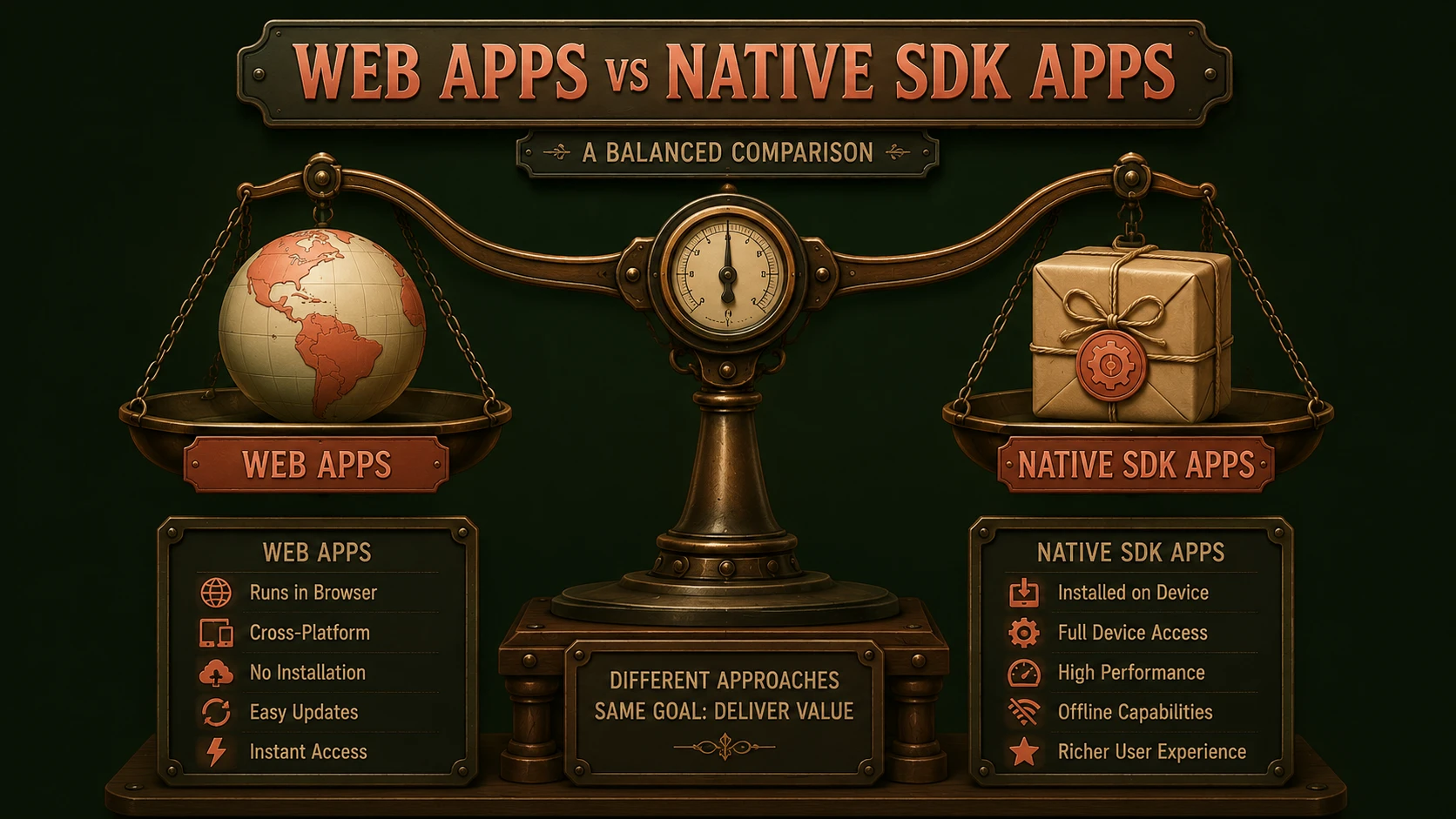
Mobile Web vs. Native Apps: Deciding the Strategy for 2011
As smartphones and tablets continue their rapid adoption, enterprises must determine whether to invest in mobile web applications, native apps, or a combination of both. This article examines the strengths, limitations, architectural considerations, and enterprise use cases of each approach from the perspective of mid-2011.

The Chromebook Era: Can the Browser Become the Operating System?
Google's introduction of Chromebooks represents a bold rethinking of personal computing, placing the web browser at the center of the user experience. As enterprises increasingly adopt cloud applications and web services, organizations must evaluate whether browser-centric computing can become a practical alternative to traditional desktop operating systems.

Silverlight 5 Beta: The Final Stand of Rich Browser Plug-ins
Silverlight 5 Beta introduces significant enhancements for enterprise application development, including improved graphics, media capabilities, 64-bit browser support, and developer productivity features. As HTML5 continues to gain industry attention, enterprise architects must evaluate where Silverlight remains a strong choice for business applications in 2011.

High Availability Lessons: Analyzing the 2011 AWS US-East Outage
The April 2011 AWS US-East outage has become one of the most significant cloud infrastructure events of the year. This article analyzes what happened based on information available following the incident, discusses the architectural implications for enterprise workloads, and outlines practical high availability strategies for organizations adopting cloud computing.

Chrome's Rapid Release Cycle: Rethinking Browser Compatibility
Google Chrome's adoption of a rapid release cycle is challenging traditional browser support strategies. Enterprise development teams must rethink compatibility testing, standards adoption, and deployment processes as browsers evolve more quickly than ever before.

Designing Fluid Tablet Interfaces: UI/UX Lessons from the iPad 2
The rapid growth of tablet computing is changing how users interact with enterprise applications. As Apple's second-generation iPad prepares to redefine mobile productivity, software architects and UI designers must rethink interfaces originally designed for desktops and laptops. This article examines tablet UI design principles, touch-first interaction models, responsive layouts, and enterprise application strategies from the perspective of February 2011.

jQuery 1.5: Rewriting the AJAX Module with Deferred Promises
The release of jQuery 1.5 introduces one of the most significant architectural improvements in the library's history: a completely rewritten AJAX module powered by Deferred objects. This article examines how Deferreds simplify asynchronous programming, improve enterprise application design, and prepare developers for increasingly interactive web applications as of January 2011.
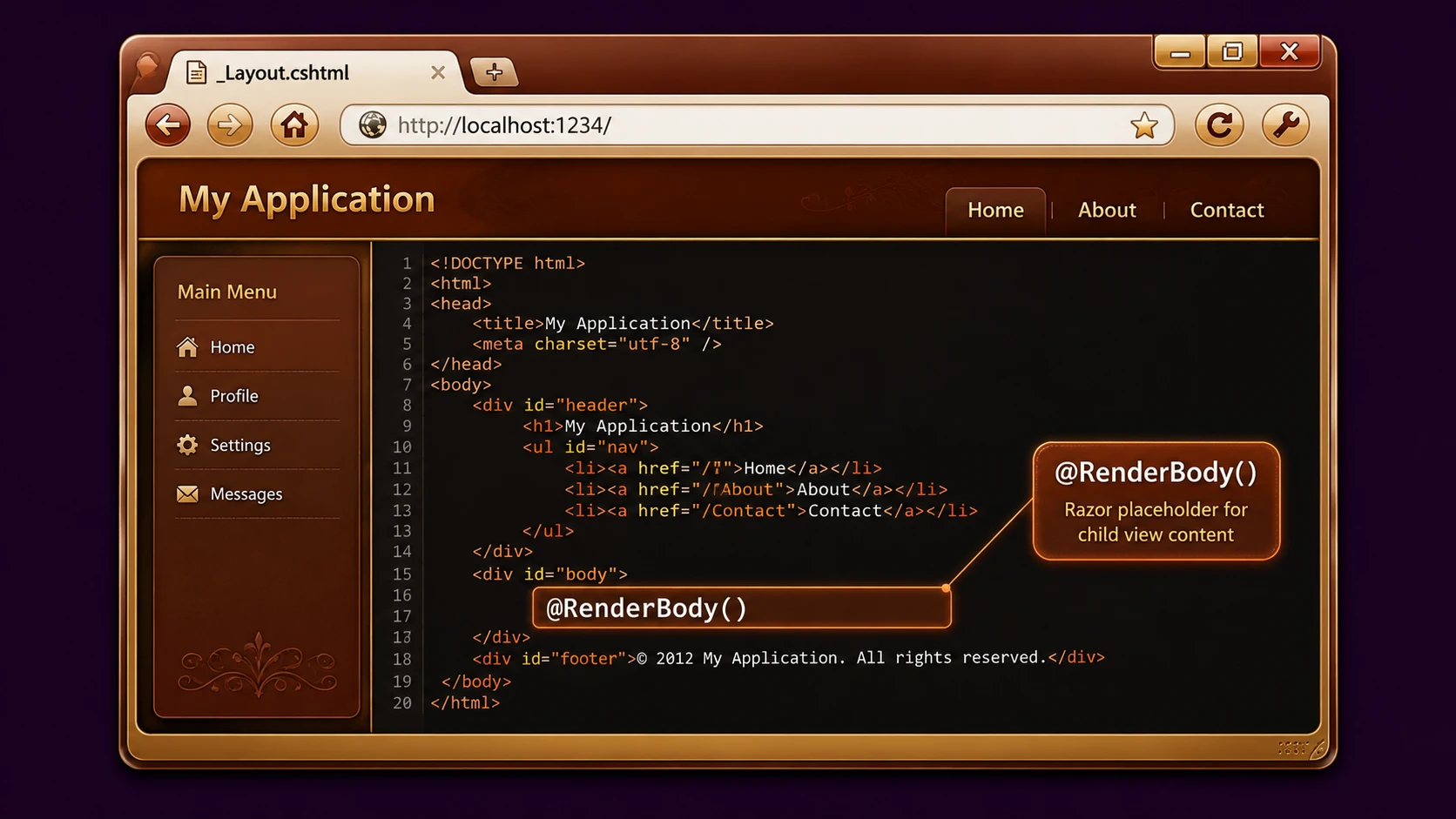
ASP.NET MVC 3: Introducing the Razor View Engine and Global Filters
ASP.NET MVC 3 introduces the Razor view engine, global filters, enhanced dependency injection support, and improved extensibility, making it easier for enterprise teams to build maintainable, testable, and scalable web applications. Learn how these new capabilities can improve modern .NET web development in early 2011.

Database Normalization vs. Denormalization for Web-Scale Performance
As enterprise applications continue to grow in scale, database architects face an increasingly important design decision: should databases prioritize normalization for consistency or denormalization for performance? This article explores both approaches, their trade-offs, enterprise use cases, and practical recommendations from the perspective of November 2010.