Introduction
Enterprise web applications continue to become more interactive with every release cycle. Users increasingly expect rich interfaces capable of loading data dynamically, validating forms without page refreshes, updating dashboards in real time, and integrating with multiple backend services. AJAX has become one of the primary technologies enabling these experiences.
Since its introduction, jQuery has dramatically simplified AJAX development by providing concise APIs that abstract browser inconsistencies and reduce the amount of JavaScript developers need to write. Methods such as $.ajax(), $.get(), and $.post() have become standard tools in enterprise web development.
The release of jQuery 1.5 represents a major milestone. Rather than simply adding new features, the development team has substantially redesigned the AJAX subsystem and introduced Deferred objects, bringing a more structured approach to asynchronous programming.
As of January 2011, Deferred objects represent a relatively new programming model for many web developers. While callback-based programming remains familiar, Deferreds provide additional flexibility for coordinating asynchronous operations, improving code organization, and simplifying complex workflows.
This article explores the architectural changes introduced in jQuery 1.5, examines the Deferred API, discusses enterprise use cases, and provides guidance for organizations evaluating adoption.
The Growing Importance of AJAX
Modern enterprise applications increasingly depend on asynchronous communication.
Common examples include:
- ◆Customer search
- ◆Live form validation
- ◆Auto-complete controls
- ◆Reporting dashboards
- ◆Shopping cart updates
- ◆Background data synchronization
- ◆Interactive administration portals
Without AJAX, these operations would require complete page reloads, reducing responsiveness and increasing bandwidth consumption.
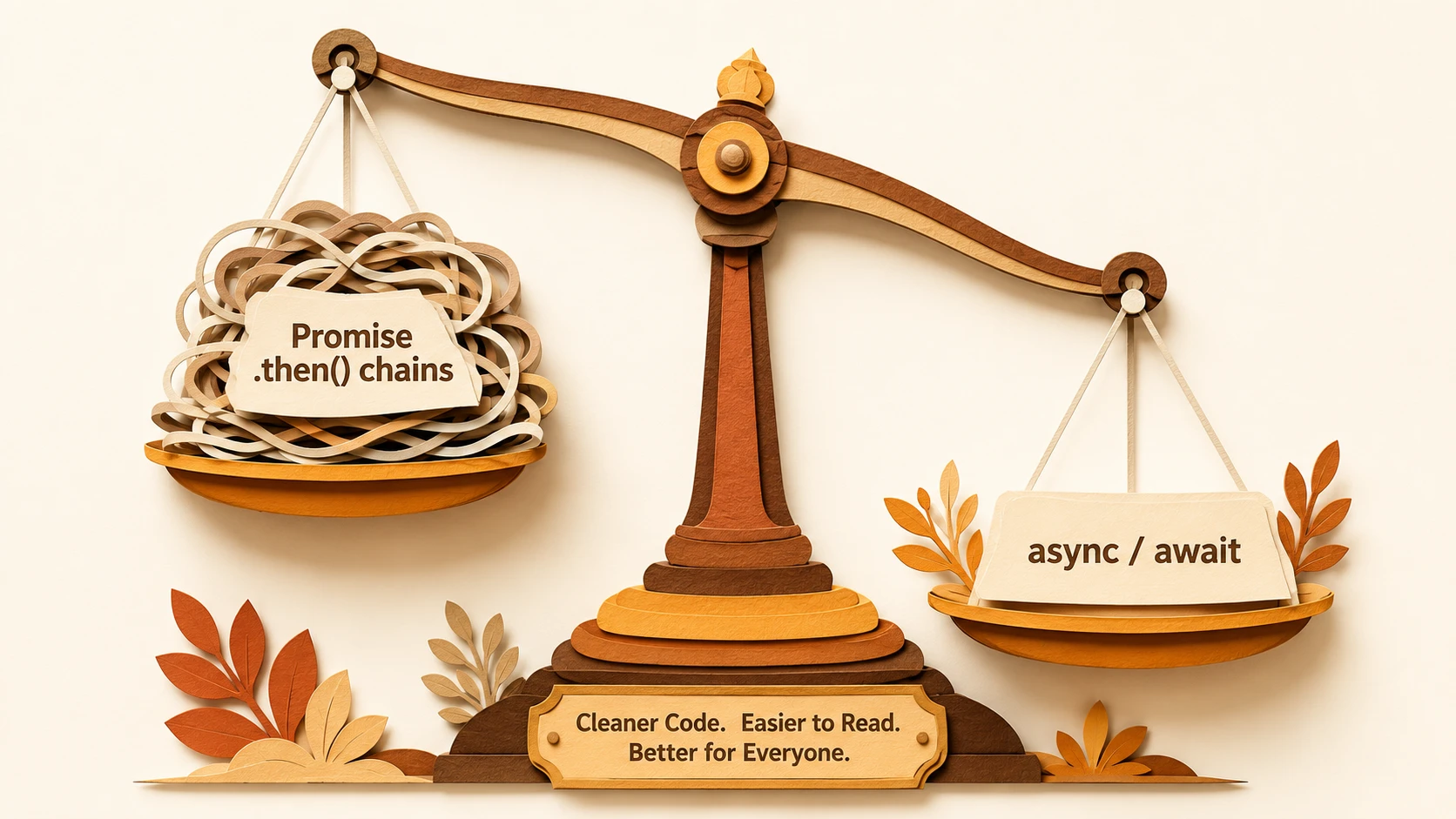
Traditional Callback Programming
Prior to Deferreds, asynchronous programming typically relied on callback functions.
Example:
$.ajax({
    url: "/customers",
    success: function(data) {
        displayCustomers(data);
    },
    error: function() {
        displayError();
    }
});
Although effective, callback-heavy applications can become increasingly difficult to manage as projects grow.
Complex workflows often require nested callbacks, duplicated error handling, and tightly coupled logic.
What Is a Deferred Object?
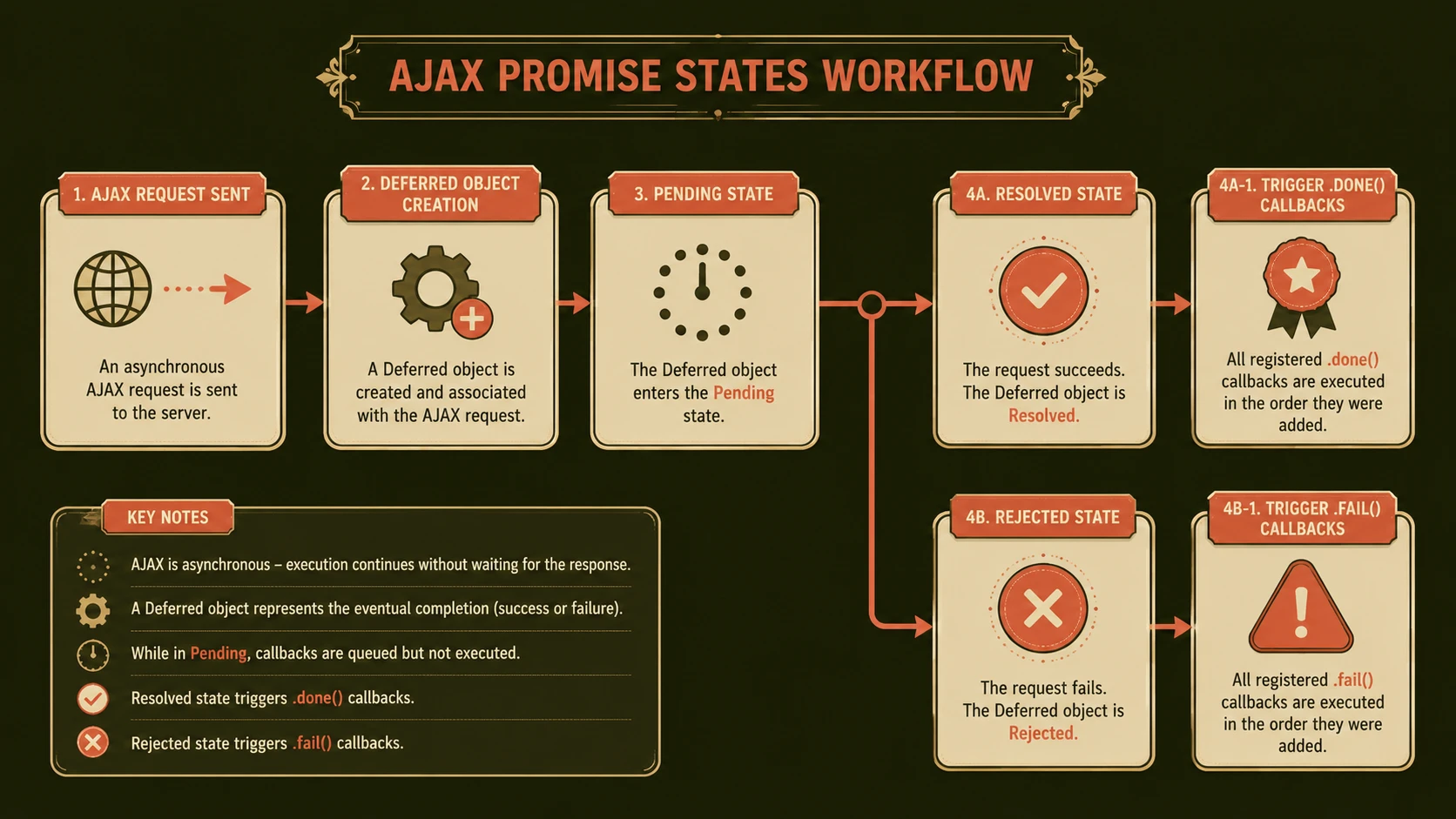
A Deferred object represents the eventual completion or failure of an asynchronous operation.
Rather than immediately executing callback logic, developers can register handlers that execute once the operation completes.
This separates asynchronous execution from response handling and improves overall application organization.
Deferred objects introduce several capabilities:
- ◆Success callbacks
- ◆Failure callbacks
- ◆Completion callbacks
- ◆Callback registration after request initiation
- ◆Coordination of multiple asynchronous operations
This approach provides greater flexibility than traditional callback-only designs.
A Simple Deferred Example
var request = $.ajax({
    url: "/customers"
});

request.done(function(data) {
    displayCustomers(data);
});

request.fail(function() {
    displayError();
});
Rather than embedding every action inside the original AJAX request, callback registration becomes more modular and reusable.
Understanding Promise-Like Behavior
Deferred objects expose a promise-style interface that allows different parts of an application to respond to asynchronous events.
This enables developers to write code that is easier to organize and maintain.
Benefits include:
- ◆Improved separation of concerns
- ◆Better code readability
- ◆Reusable asynchronous workflows
- ◆Centralized error handling
- ◆Simplified event coordination
For enterprise applications containing hundreds of AJAX requests, these improvements can significantly reduce maintenance complexity.
The Redesigned AJAX Module
The introduction of Deferreds accompanies a broader redesign of jQuery's AJAX infrastructure.
The rewritten implementation aims to provide:
- ◆Cleaner internal architecture
- ◆Greater extensibility
- ◆Improved consistency
- ◆Better plugin integration
- ◆Enhanced callback management
Although many existing AJAX methods remain compatible, the underlying implementation is considerably more flexible.
Comparing Traditional Callbacks and Deferred Objects
| Feature | Traditional Callbacks | Deferred Objects |
|---|---|---|
| Callback Registration | Immediate | Flexible |
| Error Handling | Distributed | Centralized |
| Code Organization | Moderate | Improved |
| Multiple Listeners | Limited | Supported |
| Workflow Coordination | Manual | Simplified |
| Reusability | Lower | Higher |
| Maintainability | Moderate | Improved |
Deferreds do not replace AJAX; they provide a more structured way to manage asynchronous operations.
Enterprise Architecture Considerations
Enterprise applications increasingly consist of multiple interacting services.
A typical architecture may resemble:
Web Browser
      |
jQuery 1.5
      |
AJAX Requests
      |
-------------------------
| Customer Service |
| Order Service |
| Inventory Service |
-------------------------
      |
Business Logic
      |
Database
Deferred objects help coordinate interactions with multiple services while keeping presentation logic organized.
Coordinating Multiple Requests
Large enterprise pages often require data from several backend systems.
Examples include:
- ◆Customer profile
- ◆Recent orders
- ◆Inventory status
- ◆Account balance
- ◆Notifications
Instead of deeply nested callbacks, Deferred-based APIs provide more manageable approaches for coordinating asynchronous operations.
This improves readability and reduces the likelihood of duplicated logic.
Enterprise Use Cases
Business Dashboards
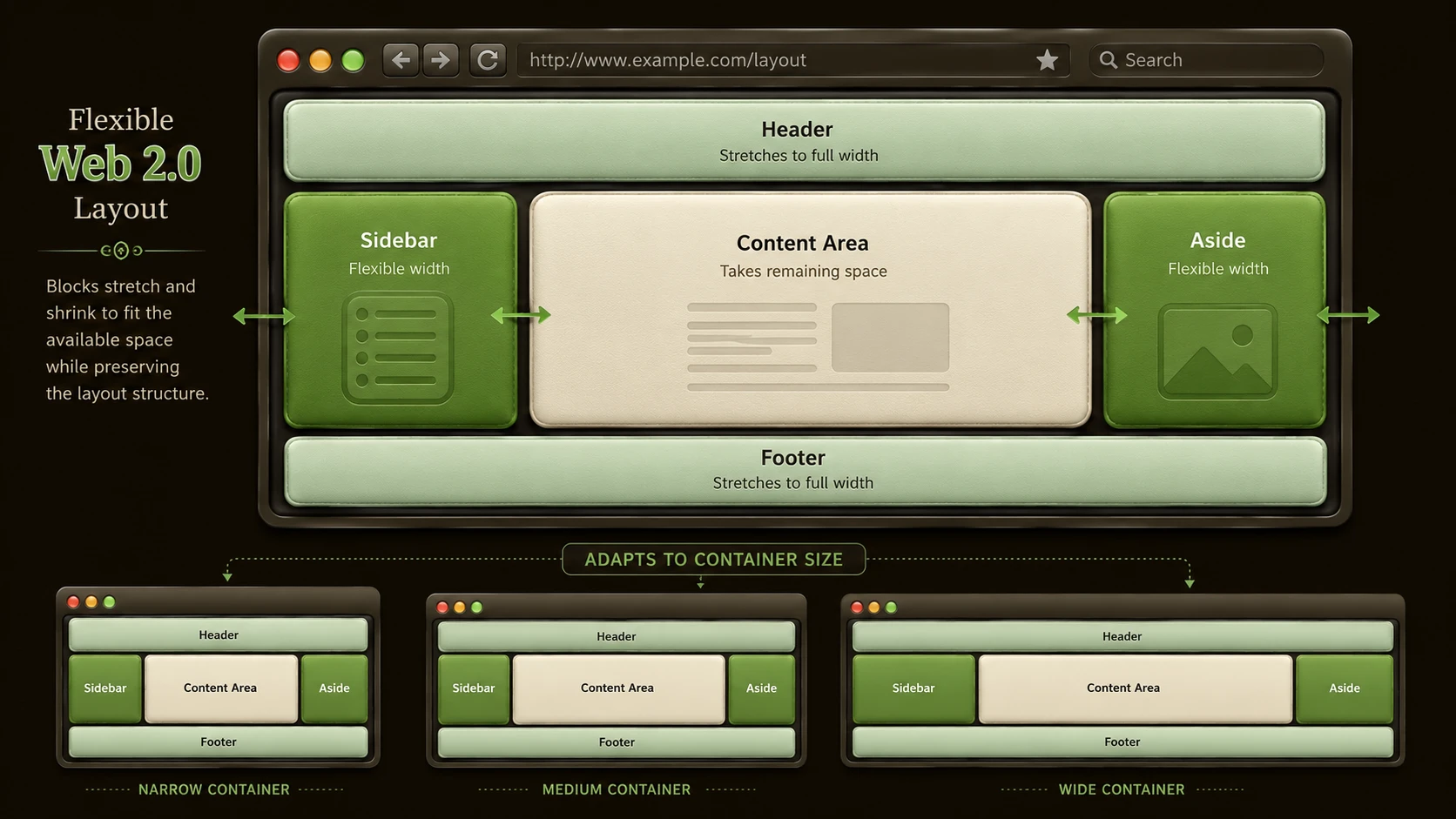
Viewport grid rendering of touch interfaces across cross-platform screen resolutions.
Executive dashboards frequently retrieve information from multiple services simultaneously.
Deferred objects simplify synchronization of these requests before updating the user interface.
Customer Relationship Management
CRM systems often load customer information, interaction history, sales opportunities, and support tickets independently.
Deferreds help coordinate these asynchronous operations.
E-Commerce Applications
Product pages commonly retrieve pricing, availability, reviews, and recommendations from separate services.
Organizing these requests becomes easier using Deferred-based programming.
Administrative Portals
Enterprise administration consoles frequently communicate with numerous backend services.
Structured asynchronous workflows improve maintainability.
Performance Considerations
Deferred objects primarily improve developer productivity rather than raw execution speed.
Performance still depends upon:
- ◆Network latency
- ◆Server response times
- ◆Database performance
- ◆Browser rendering
- ◆JavaScript efficiency
However, better organized asynchronous code often makes performance optimization easier because responsibilities remain clearly separated.
Migration Considerations
Organizations already using earlier versions of jQuery should review existing AJAX implementations.
Fortunately, many existing APIs remain compatible.
Migration opportunities include:
- ◆Refactoring callback-heavy code
- ◆Centralizing error handling
- ◆Improving modularity
- ◆Simplifying asynchronous workflows
Teams can often adopt Deferred objects gradually without rewriting entire applications.
Best Practices
Organizations adopting jQuery 1.5 should consider the following recommendations.
- ◆Keep AJAX requests focused.
- ◆Separate business logic from UI updates.
- ◆Centralize error handling.
- ◆Reuse Deferred objects where appropriate.
- ◆Validate all server responses.
- ◆Minimize unnecessary network requests.
- ◆Document asynchronous workflows.
- ◆Continue testing across supported browsers.
- ◆Maintain consistent coding standards.
These practices improve maintainability while reducing technical debt.
Common Mistakes
Several implementation issues should be avoided.
Deeply Nested Callbacks
Although Deferreds reduce complexity, poorly organized callback chains can still affect readability.
Mixing Presentation and Data Access
AJAX requests should remain separated from user interface logic whenever practical.
Ignoring Error Scenarios
Every asynchronous operation should include appropriate failure handling.
Excessive Network Requests
Even well-structured AJAX code cannot compensate for unnecessary server communication.
Upgrading Without Testing
Organizations should verify browser compatibility and regression test existing functionality before deploying jQuery upgrades.
Adoption Recommendations
Enterprise teams should approach migration methodically.
Phase 1
- ◆Upgrade development environments.
- ◆Review existing AJAX implementations.
- ◆Train developers on Deferred concepts.
Phase 2
- ◆Refactor high-complexity modules.
- ◆Standardize asynchronous coding patterns.
- ◆Improve error handling.
Phase 3
- ◆Expand Deferred usage across new projects.
- ◆Review plugin compatibility.
- ◆Optimize asynchronous workflows.
Phase 4
- ◆Incorporate Deferred programming into development standards.
- ◆Continue monitoring application performance.
- ◆Evaluate future jQuery enhancements as they become available.
Why Deferreds Matter for Enterprise Development
As enterprise web applications continue growing in complexity, asynchronous programming becomes increasingly central to application architecture. Managing numerous AJAX requests through traditional callback techniques alone can introduce unnecessary maintenance challenges.
Deferred objects provide a cleaner abstraction for coordinating asynchronous operations while encouraging more modular, reusable, and maintainable code. Although the programming model may require an initial learning investment, it aligns well with the growing sophistication of enterprise web applications.
Looking Ahead
The release of jQuery 1.5 demonstrates that client-side JavaScript libraries are evolving beyond simple DOM manipulation into comprehensive application development frameworks. The redesigned AJAX module and Deferred objects provide developers with more powerful tools for managing asynchronous workflows while preserving the simplicity that has contributed to jQuery's widespread adoption.
As organizations continue modernizing enterprise web applications throughout 2011, teams should evaluate how Deferred objects can improve the structure of AJAX-intensive applications. By adopting these new capabilities thoughtfully and incrementally, developers can build more maintainable, scalable, and responsive web applications while continuing to leverage the familiar strengths of the jQuery ecosystem.