Introduction
JavaScript has evolved far beyond its origins as a browser scripting language. Modern web applications now include enterprise dashboards, collaboration platforms, financial systems, customer portals, and increasingly sophisticated Single Page Applications that execute substantial business logic directly within the browser.
As JavaScript projects have grown in size, developers have relied on patterns, libraries, and coding conventions to overcome language limitations involving variable scope, asynchronous programming, modularity, and object construction. These workarounds have often resulted in verbose code and inconsistent architectural styles across projects.
The finalization of ECMAScript 2015, commonly referred to as ES6, represents the largest evolution of the JavaScript language since the standard was first introduced. Rather than replacing JavaScript, ES6 modernizes it with language features that simplify application architecture while preserving compatibility with the existing ecosystem.
From the perspective of February 2015, ES6 provides enterprise development teams with a more expressive language capable of supporting increasingly large and maintainable applications.
Industry Background
JavaScript has become the foundation of modern browser development.
Enterprise organizations increasingly build:
- ◆Single Page Applications.
- ◆Enterprise dashboards.
- ◆Customer relationship management systems.
- ◆Mobile web applications.
- ◆Cloud administration portals.
- ◆Real-time collaboration platforms.
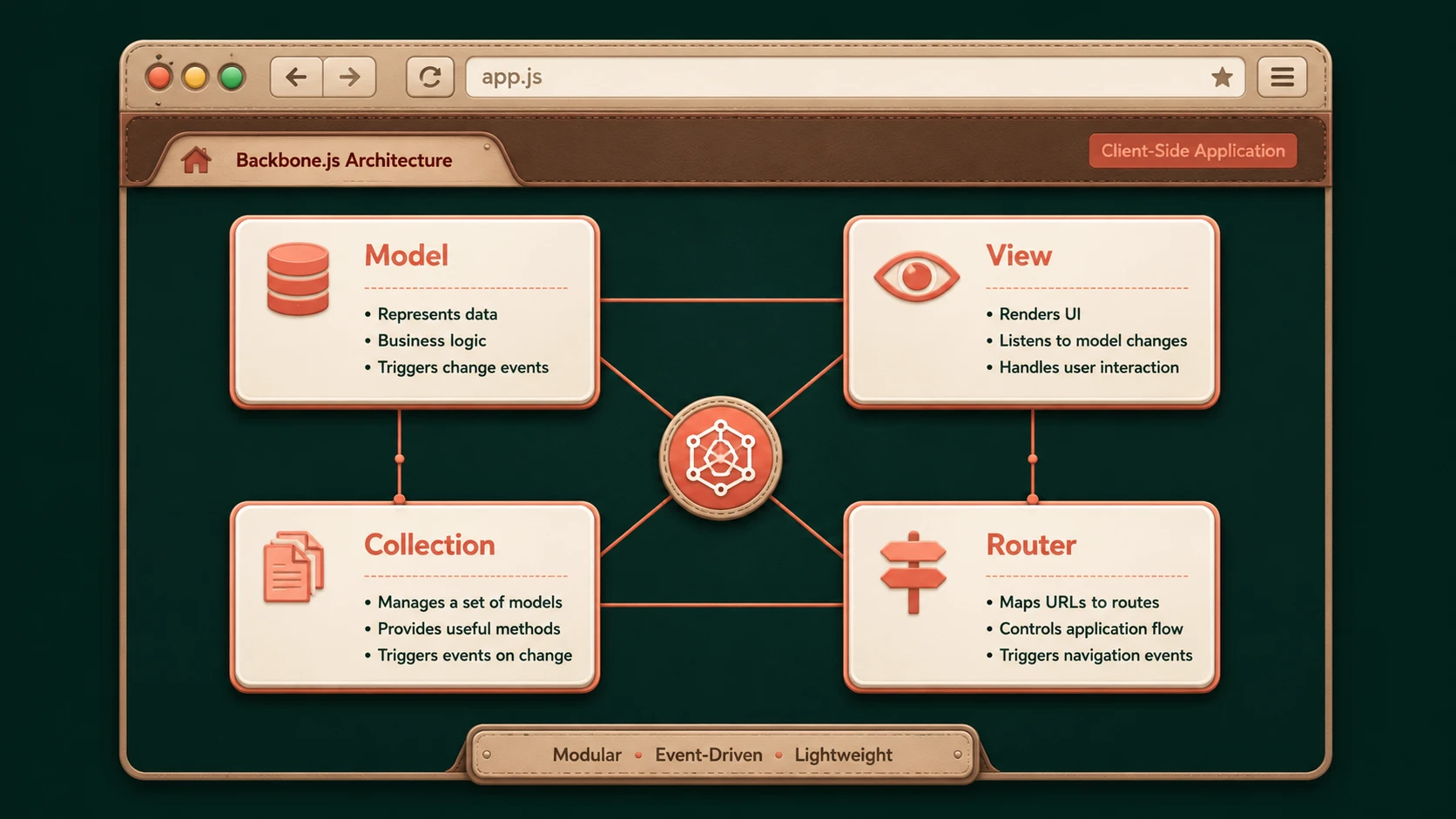
Frameworks such as AngularJS, Backbone.js, Ember.js, and React have demonstrated that JavaScript can successfully power complex client-side architectures.
However, these frameworks frequently introduce their own abstractions to compensate for missing language capabilities.
ES6 seeks to standardize many of these commonly used programming patterns directly within the language specification.
The Business Problem
Large JavaScript applications often encounter several engineering challenges.
Organizations commonly experience:
- ◆Global variable pollution.
- ◆Difficult asynchronous programming.
- ◆Verbose callback functions.
- ◆Inconsistent module organization.
- ◆Repetitive object construction.
- ◆Limited code reuse.
- ◆Difficult long-term maintenance.
As enterprise applications continue expanding, language-level support for modularity and cleaner syntax becomes increasingly valuable.
Understanding the Technology
ECMAScript 2015 introduces numerous language enhancements.
Major capabilities include:
- ◆let declarations.
- ◆const declarations.
- ◆Arrow functions.
- ◆Promises.
- ◆Classes.
- ◆Modules.
- ◆Template strings.
- ◆Destructuring.
- ◆Default parameters.
- ◆Rest parameters.
- ◆Spread syntax.
- ◆Enhanced collections.
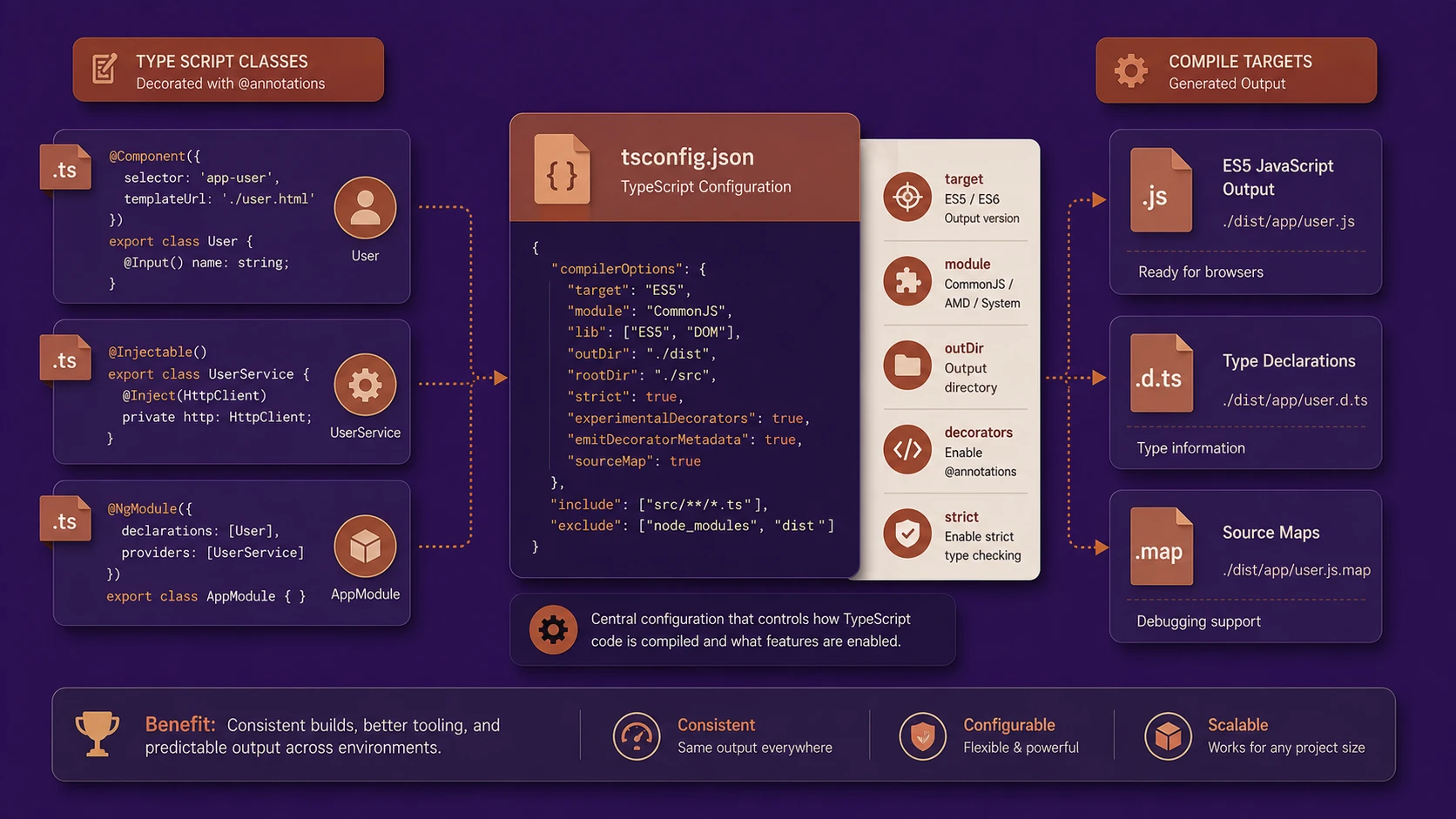
Collectively these improvements modernize JavaScript while remaining compatible with existing execution environments through appropriate tooling where necessary.
Core Architecture
ES6 extends the existing JavaScript execution model without fundamentally changing browser architecture.
| Component | Responsibility |
|---|---|
| JavaScript Source | Application logic |
| ES6 Language Features | Modern syntax and programming constructs |
| JavaScript Engine | Executes application code |
| Browser Runtime | Provides DOM and Web APIs |
| Application Framework | Business logic and user interface |
| HTTP Services | Backend communication |
The new language capabilities simplify application development while continuing to operate within the established browser execution model.
Key Features
Lexical Scope with let and const
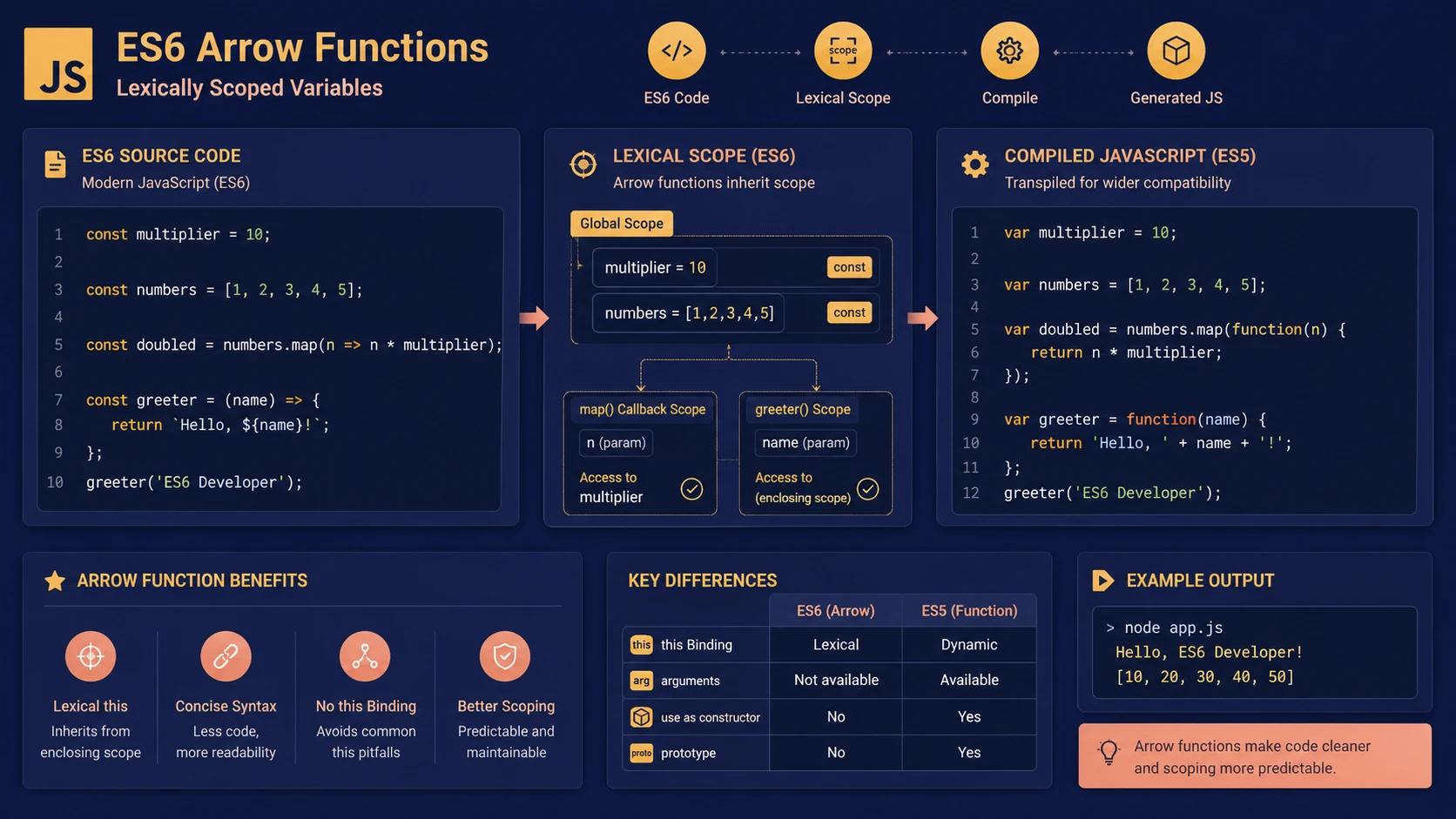
The introduction of let and const provides block-level scope, reducing accidental variable leakage and improving application correctness.
Developers can define variables whose visibility is limited to specific code blocks, making large applications easier to reason about.
Arrow Functions
Arrow functions introduce a concise syntax for function expressions while simplifying common callback scenarios.
They reduce boilerplate code and improve readability throughout asynchronous applications.
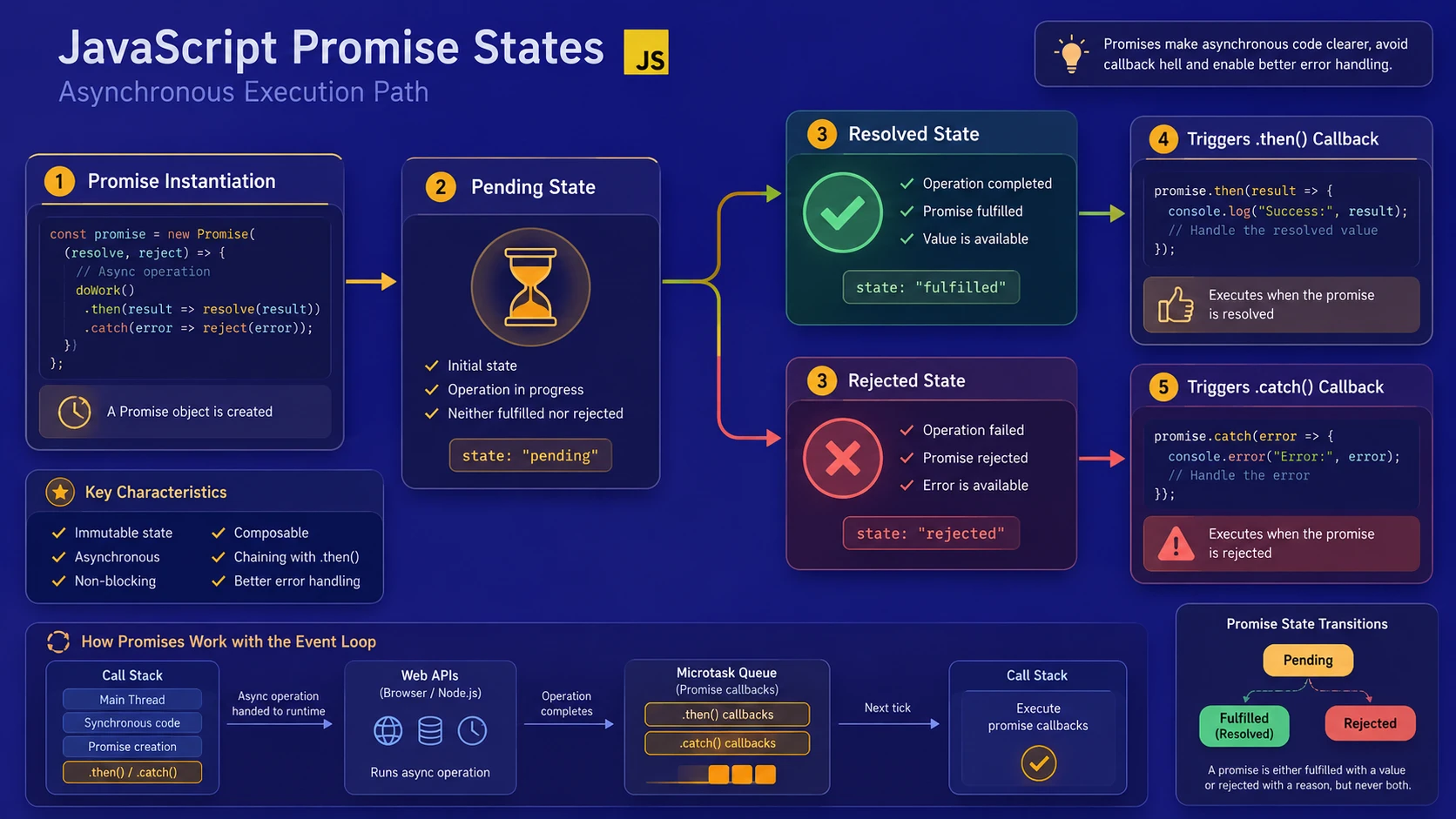
Promises
Promises provide a standardized approach for representing asynchronous operations.
Instead of deeply nested callback functions, developers can compose asynchronous workflows more clearly while improving error handling.
Classes
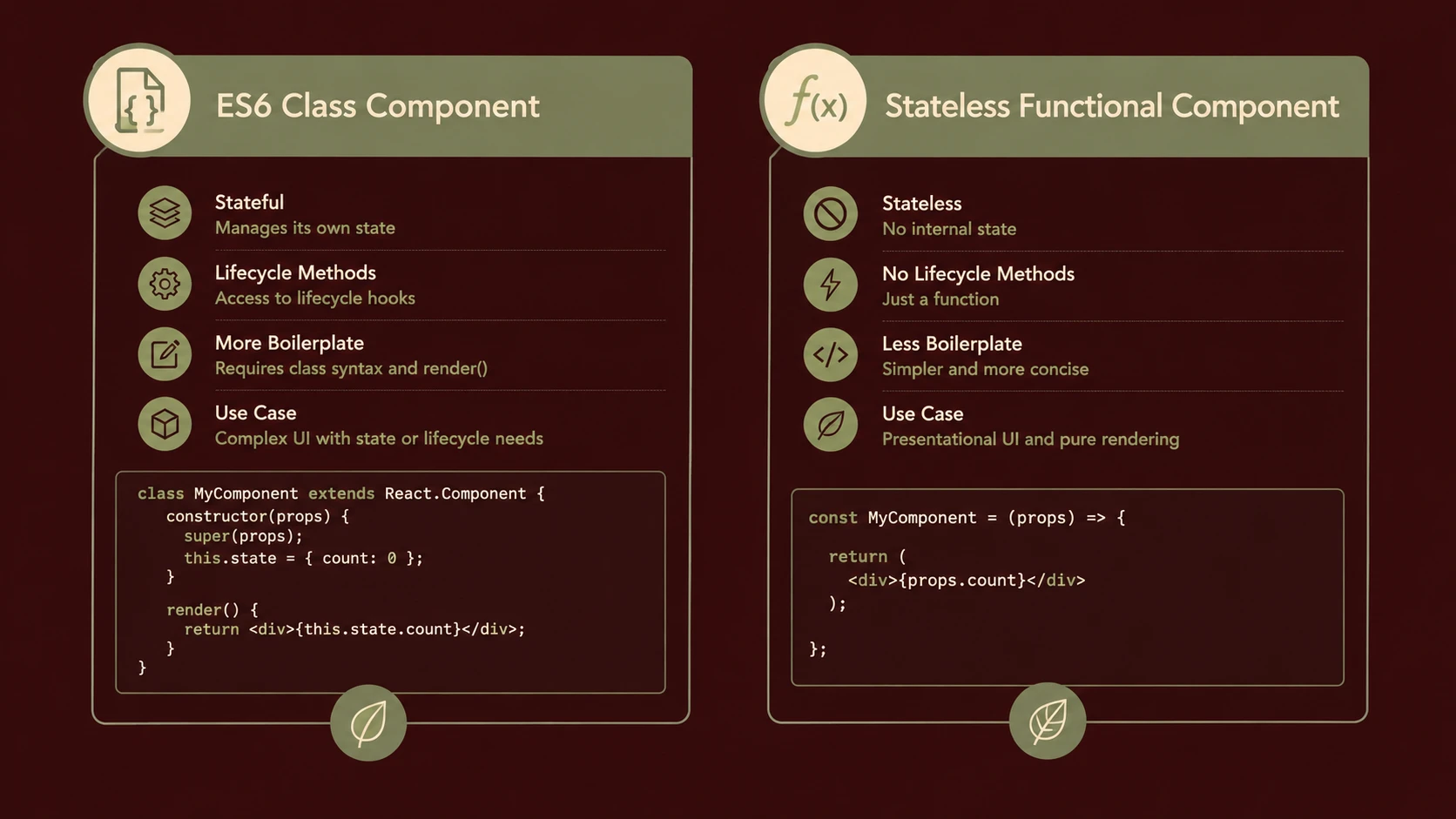
Class syntax introduces a more structured approach to object construction while remaining compatible with JavaScript's prototype-based inheritance model.
Modules
Modules encourage application organization through explicit imports and exports rather than global namespaces.
Template Strings
Template strings simplify string construction by allowing embedded expressions and multiline string definitions.
How It Works
A simplified asynchronous workflow appears below.
Application
      |
HTTP Request
      |
Promise Created
      |
Asynchronous Operation
      |
Promise Resolution
      |
Business Logic
      |
User Interface Update
Promises provide a consistent model for coordinating asynchronous operations without deeply nested callback structures.
Enterprise Use Cases
System architecture diagram and conceptual workflow layout for ES6 / ECMAScript 2015 Finalization.
Single Page Applications
Modern client-side applications benefit from improved modularity and cleaner asynchronous programming.
Enterprise Dashboards
Large user interfaces become easier to organize using modules, classes, and block-scoped variables.
REST Client Applications
Promises simplify communication with backend services while improving error handling.
Cross-Team Development
Standardized language features improve maintainability across multiple engineering teams.
JavaScript Libraries
Reusable components become easier to develop using modules and modern object-oriented syntax.
Performance Considerations
ES6 primarily improves developer productivity and maintainability rather than dramatically changing runtime performance.
Important considerations include:
- ◆JavaScript engine optimization.
- ◆Module organization.
- ◆Memory allocation.
- ◆Promise scheduling.
- ◆Browser implementation quality.
Organizations should benchmark production applications rather than assuming syntax changes alone improve execution speed.
Security Considerations
ES6 introduces no fundamental changes to established web security principles.
Development teams should continue implementing:
- ◆Input validation.
- ◆HTTPS communication.
- ◆Authentication.
- ◆Authorization.
- ◆Cross-Site Scripting protection.
- ◆Secure coding practices.
Language modernization should complement existing application security strategies.
Scalability
Several ES6 features directly support scalable application development.
Advantages include:
- ◆Better module organization.
- ◆Reduced global namespace usage.
- ◆Cleaner asynchronous workflows.
- ◆Improved code readability.
- ◆Easier long-term maintenance.
These characteristics become increasingly valuable as JavaScript applications continue growing in complexity.
Best Practices
Organizations adopting ES6 should:
- ◆Prefer
constwhenever values should not change. - ◆Use
letinstead of function-scoped variables where appropriate. - ◆Adopt modules for application organization.
- ◆Use promises for asynchronous workflows.
- ◆Apply arrow functions where they improve readability.
- ◆Standardize coding conventions across teams.
- ◆Integrate automated testing throughout migration efforts.
A disciplined adoption strategy improves consistency while minimizing migration risk.
Common Mistakes
| Mistake | Business Impact |
|---|---|
| Mixing inconsistent variable declaration styles | Reduced readability |
| Overusing arrow functions in unsuitable scenarios | Confusing application behavior |
| Continuing callback-heavy designs | Lower maintainability |
| Ignoring module organization | Difficult code navigation |
| Migrating large applications without planning | Increased project risk |
| Inconsistent team coding standards | Higher maintenance costs |
Successful modernization depends on thoughtful architectural decisions rather than simply adopting new syntax.
Technology Comparison
| Characteristic | ECMAScript 5 | ECMAScript 2015 |
|---|---|---|
| Variable Scope | Function scope | Block scope with let and const |
| Function Syntax | Traditional functions | Arrow functions supported |
| Asynchronous Model | Callback-oriented | Standardized promises |
| Object Construction | Prototype patterns | Class syntax |
| Module Support | External conventions | Language-level modules |
| String Formatting | Concatenation | Template strings |
ECMAScript 2015 standardizes many programming patterns previously implemented through third-party libraries and custom conventions.
Adoption Strategy
Organizations should modernize JavaScript incrementally.
Recommended roadmap:
- 1.Upgrade development tools supporting ES6.
- 2.Introduce modern syntax in new projects.
- 3.Modularize large applications.
- 4.Replace callback-heavy workflows with promises where appropriate.
- 5.Standardize coding guidelines.
- 6.Expand adoption through measured refactoring.
This phased approach minimizes disruption while improving long-term maintainability.
Limitations
Although ECMAScript 2015 introduces significant language improvements, organizations should recognize several considerations.
- ◆Browser implementation timelines will vary.
- ◆Existing applications may require gradual migration.
- ◆Development teams need training on modern language features.
- ◆Build tooling may be necessary during the transition period.
- ◆Large codebases should be modernized incrementally.
These factors should be evaluated alongside the productivity improvements offered by the new language features.
Looking Ahead
From the perspective of February 2015, ECMAScript 2015 represents one of the most important milestones in JavaScript's history. By introducing lexical scoping, arrow functions, promises, modules, classes, and numerous productivity improvements, the language is becoming increasingly capable of supporting enterprise-scale software development.
As browser vendors continue implementing the finalized specification and tooling ecosystems mature, ES6 is well positioned to simplify application architecture while reducing the need for many language workarounds that have accumulated over the past decade. Organizations that begin evaluating these capabilities today will be well prepared to build cleaner, more maintainable, and more scalable JavaScript applications in the years ahead.