Programming Languages
Viewing all posts categorized under Programming Languages.


Semantic Kernel vs LangChain: Which Framework Wins for Enterprise .NET Teams in 2026?
Which LLM orchestration framework should your .NET team choose? Dive deep into Semantic Kernel vs LangChain.NET for enterprise AI development. Discover pros, cons, and real-world trade-offs.
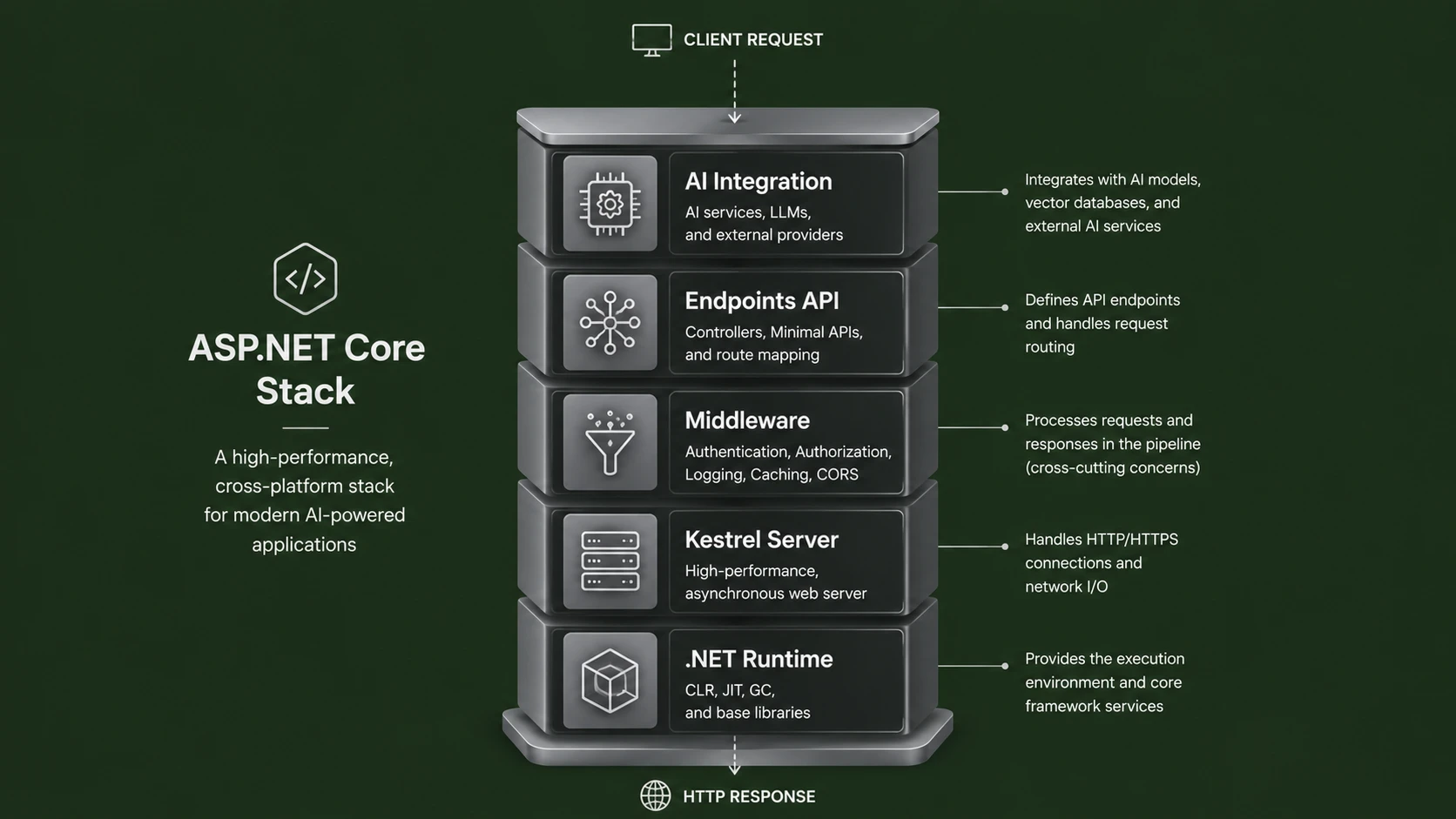
Is ASP.NET Core Still Relevant in 2026? Yes, and Here’s Why
Is ASP.NET Core still relevant in 2026? Absolutely. While JavaScript ecosystems dominate rapid product development and Python leads AI workloads, ASP.NET Core remains a powerful choice for secure, scalable, maintainable, and mission-critical enterprise systems. The future is not one framework—it is intelligent architecture using the right technology for each workload.
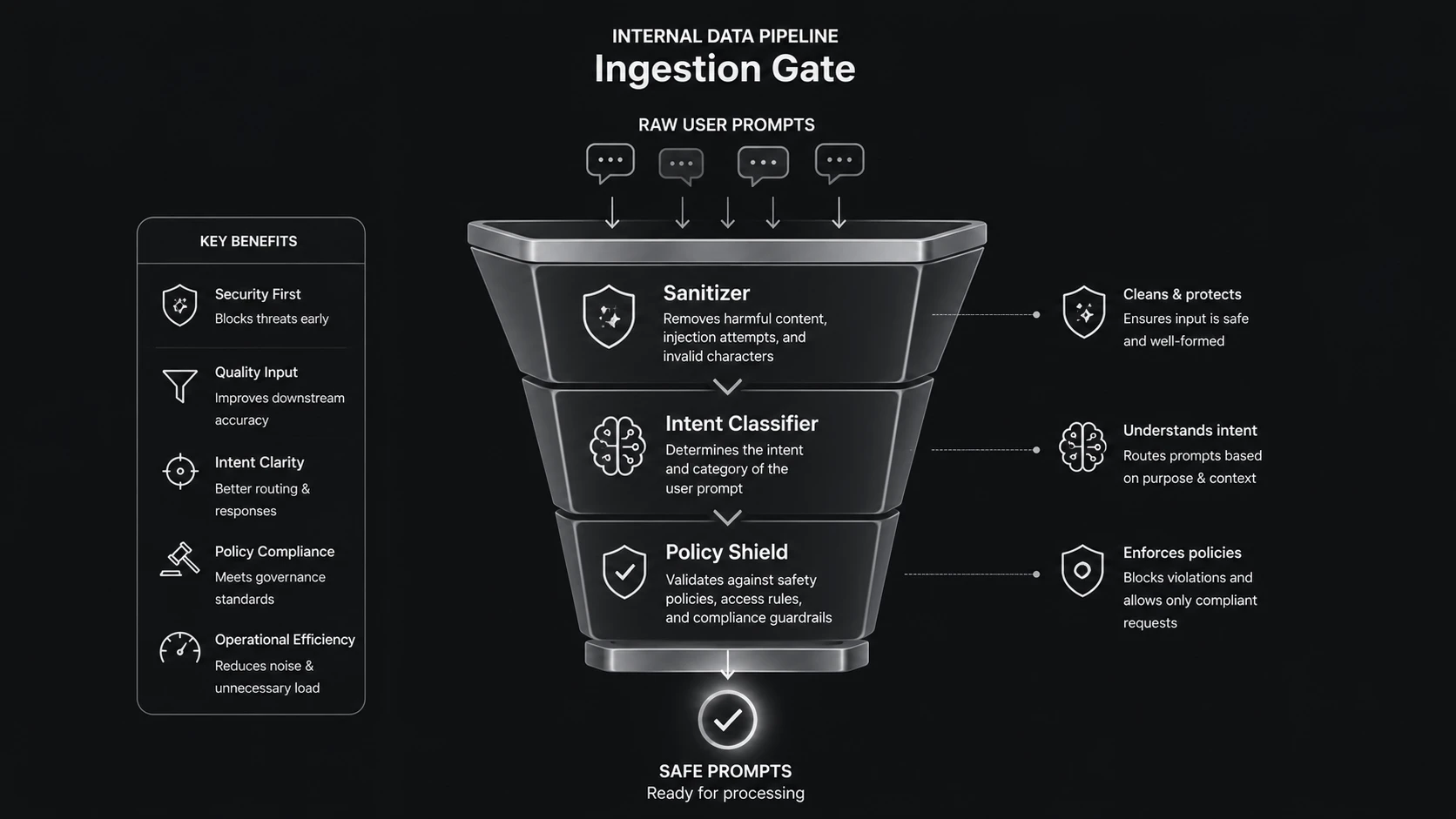
Defending Against Prompt Injection: Hardening Enterprise AI Gateways Against Malicious Inputs
Prompt injection has become one of the most critical security threats to enterprise AI systems. Discover h
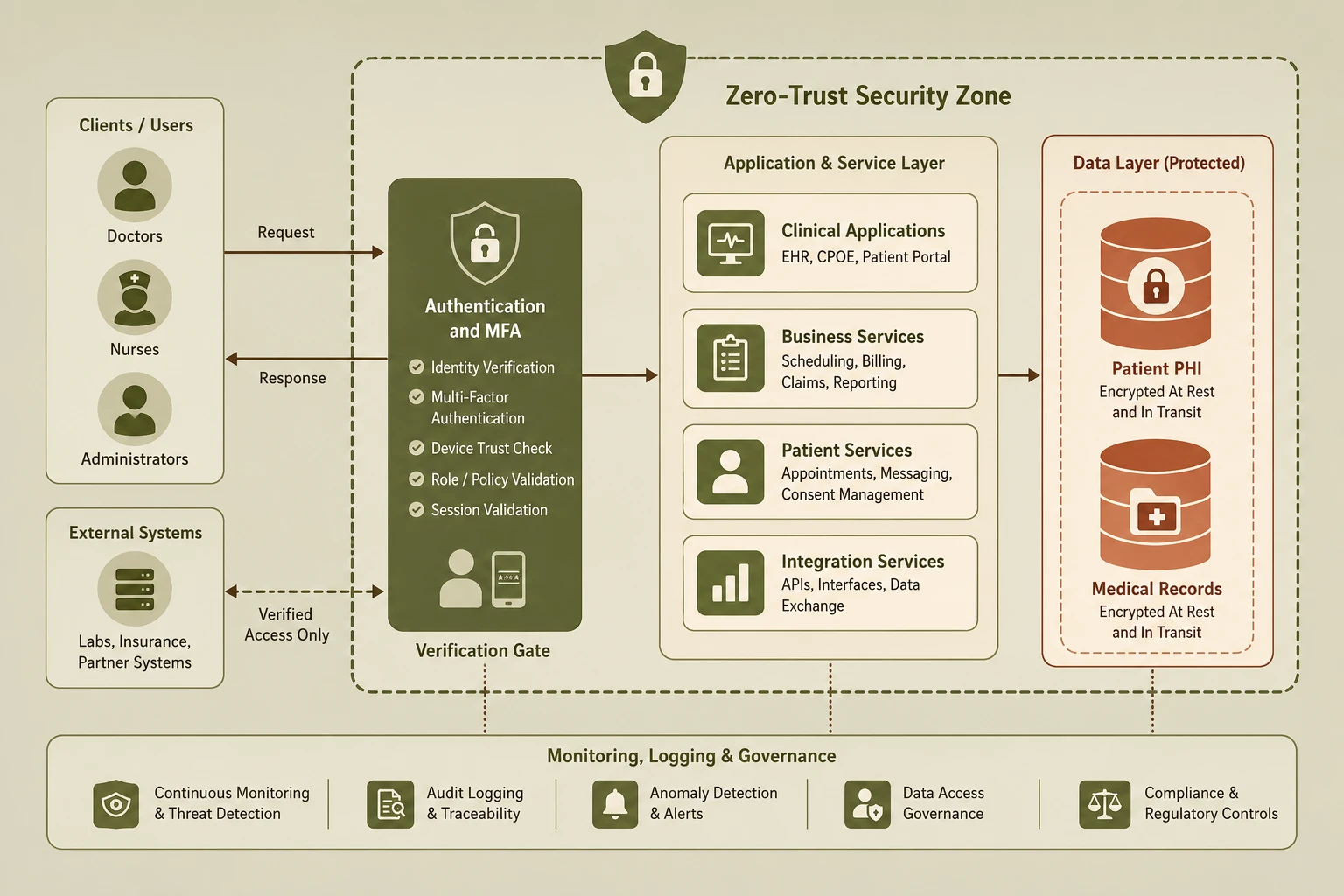
Building HIPAA-Compliant Hospital OS: Architecture Decisions That Matter
Building a HIPAA-compliant Hospital Operating System requires more than encryption. Learn the architecture decisions, security controls, interoperability standards, and cloud-native design patterns that enable secure, scalable, and compliant healthcare platforms.
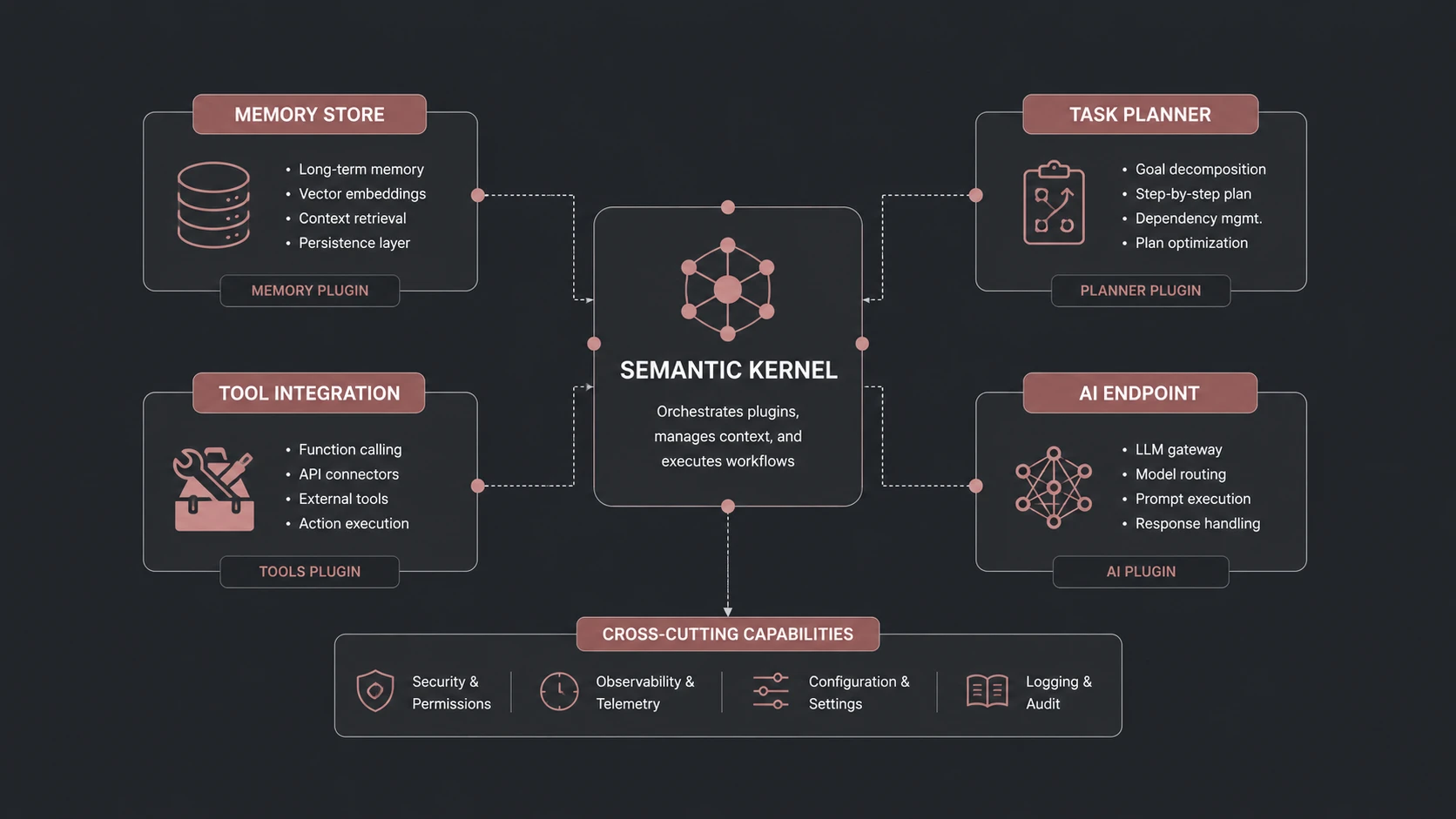
Mastering Microsoft Semantic Kernel: Building Cognitive Skills in Enterprise .NET Stacks
Discover how Microsoft Semantic Kernel empowers enterprise .NET developers to integrate LLMs, plugins, planners, memory, and AI orchestration into scalable business applications using a modular cognitive architecture.
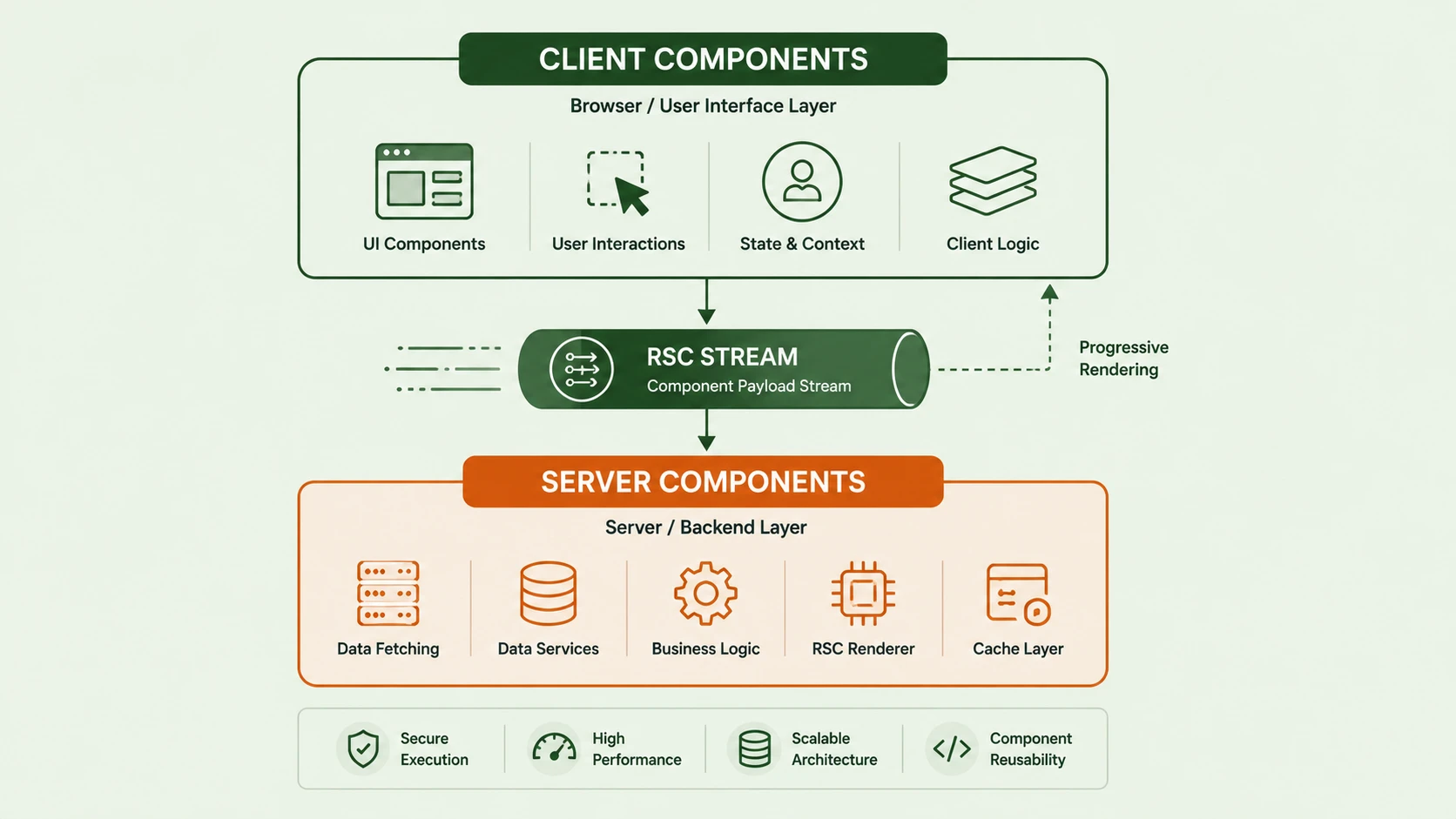
Next.js 16 Server Components & AI Integration: The Frontend Cognitive Layer
Discover how Next.js 16 Server Components transform AI-powered applications into high-performance frontend cognitive layers. Learn streaming architecture, server-side AI execution, React Server Components, and enterprise best practices for scalable AI interfaces.
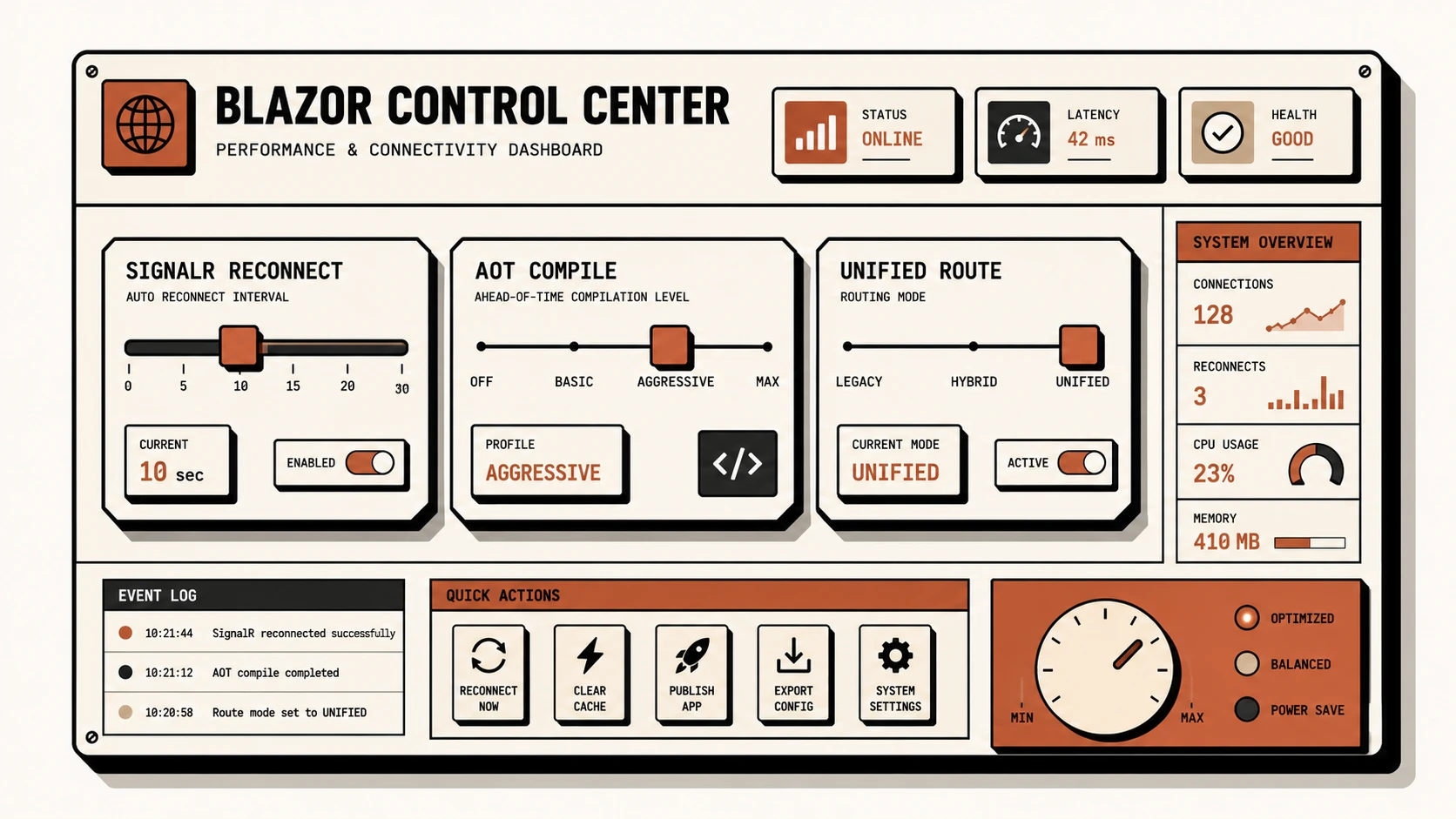
Blazor in 2025: Is It Ready for Enterprise Production?
Five years after its launch, Blazor has matured significantly across rendering models, ecosystem, tooling, and performance. This honest enterprise assessment covers .NET 8 unified rendering, production architecture patterns, the component ecosystem in 2025, and where Blazor is genuinely the right choice versus where it still falls short.
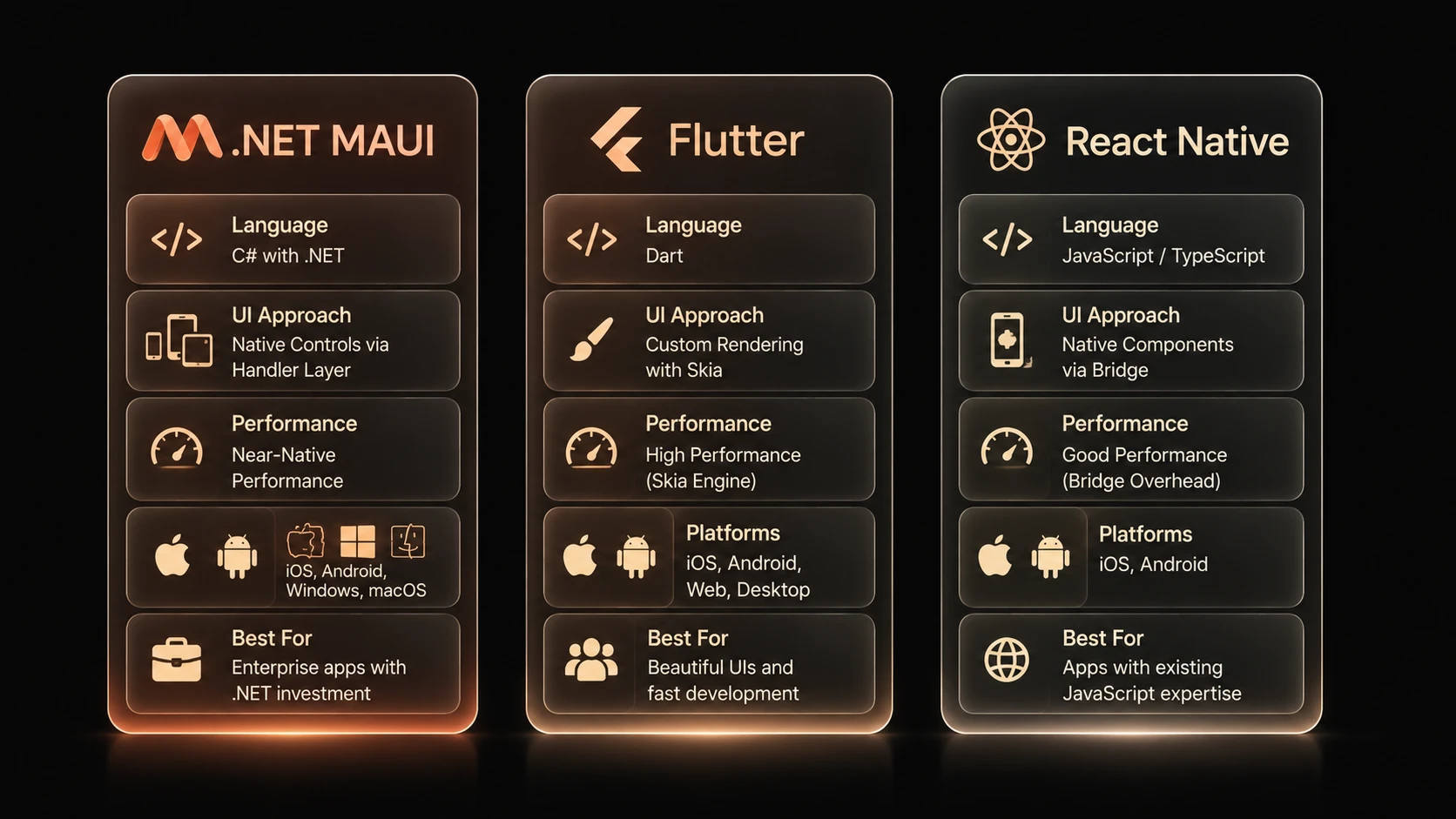
.NET MAUI vs Flutter vs React Native in 2025: The Enterprise Verdict
Three years into .NET MAUI's production life, we compare it head-to-head with Flutter and React Native across performance, developer experience, enterprise integration, and total cost of ownership — based on real production deployments across enterprise clients.
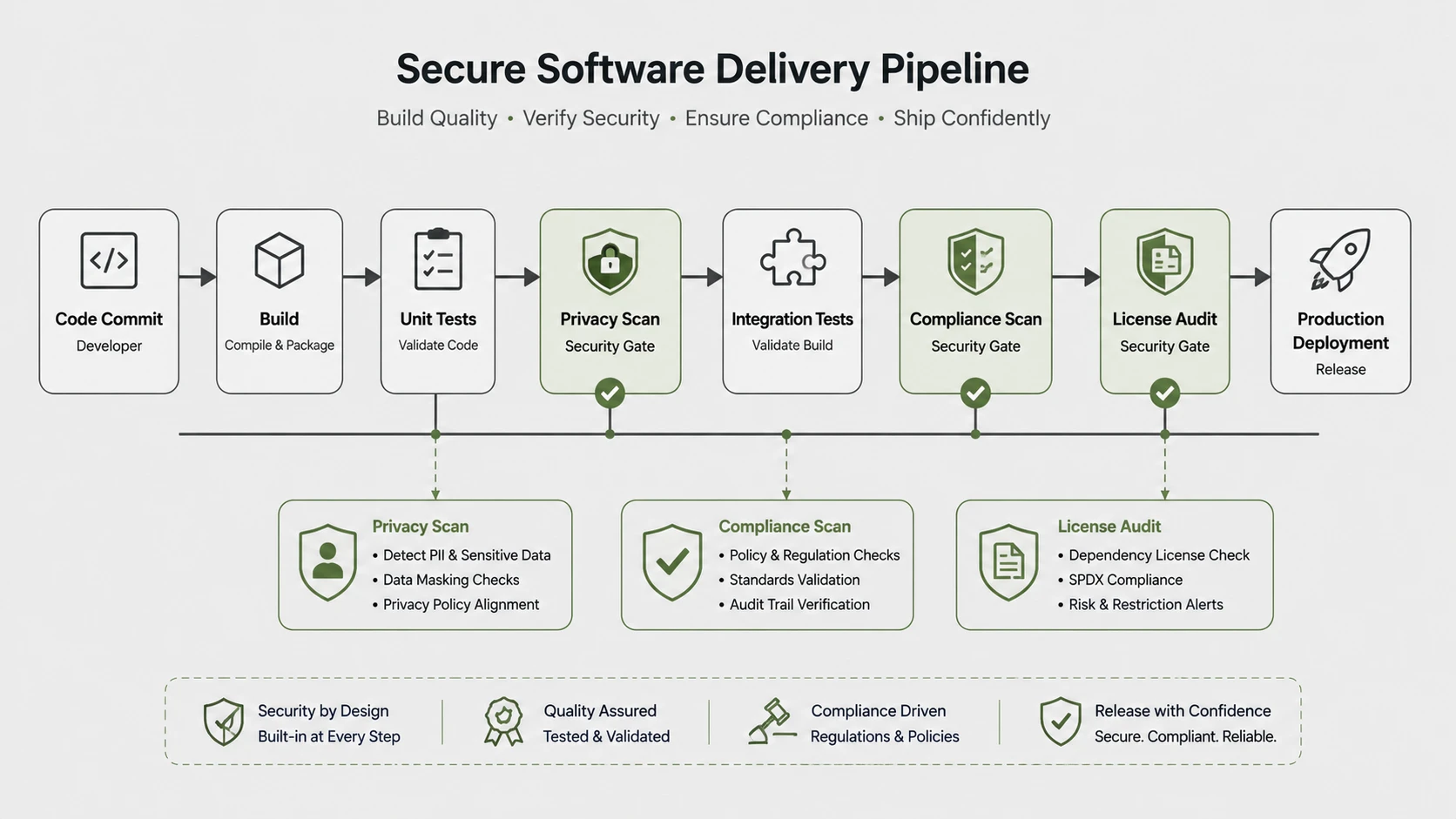
Ethical DevOps: Embedding Trust, Privacy & Security in the Pipeline
Learn how enterprises build trustworthy software delivery pipelines by embedding security, privacy, governance, compliance, and ethical AI principles directly into DevOps workflows through policy automation and continuous validation.
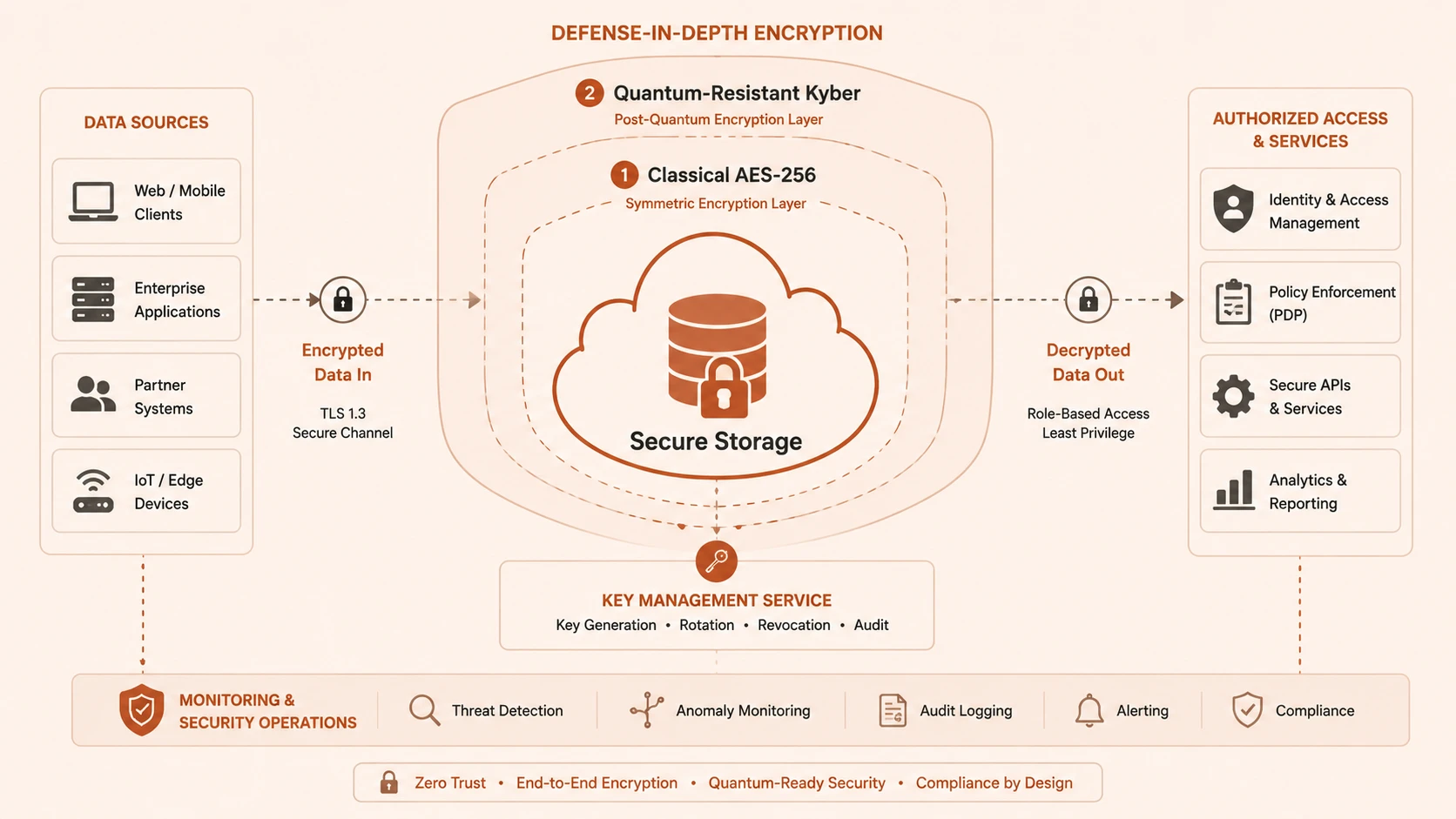
Quantum-Safe Cloud: Preparing for a Post-Quantum Era
Discover how quantum-safe cloud strategies help organizations transition to post-quantum cryptography, protect sensitive data, and future-proof enterprise cloud infrastructure.
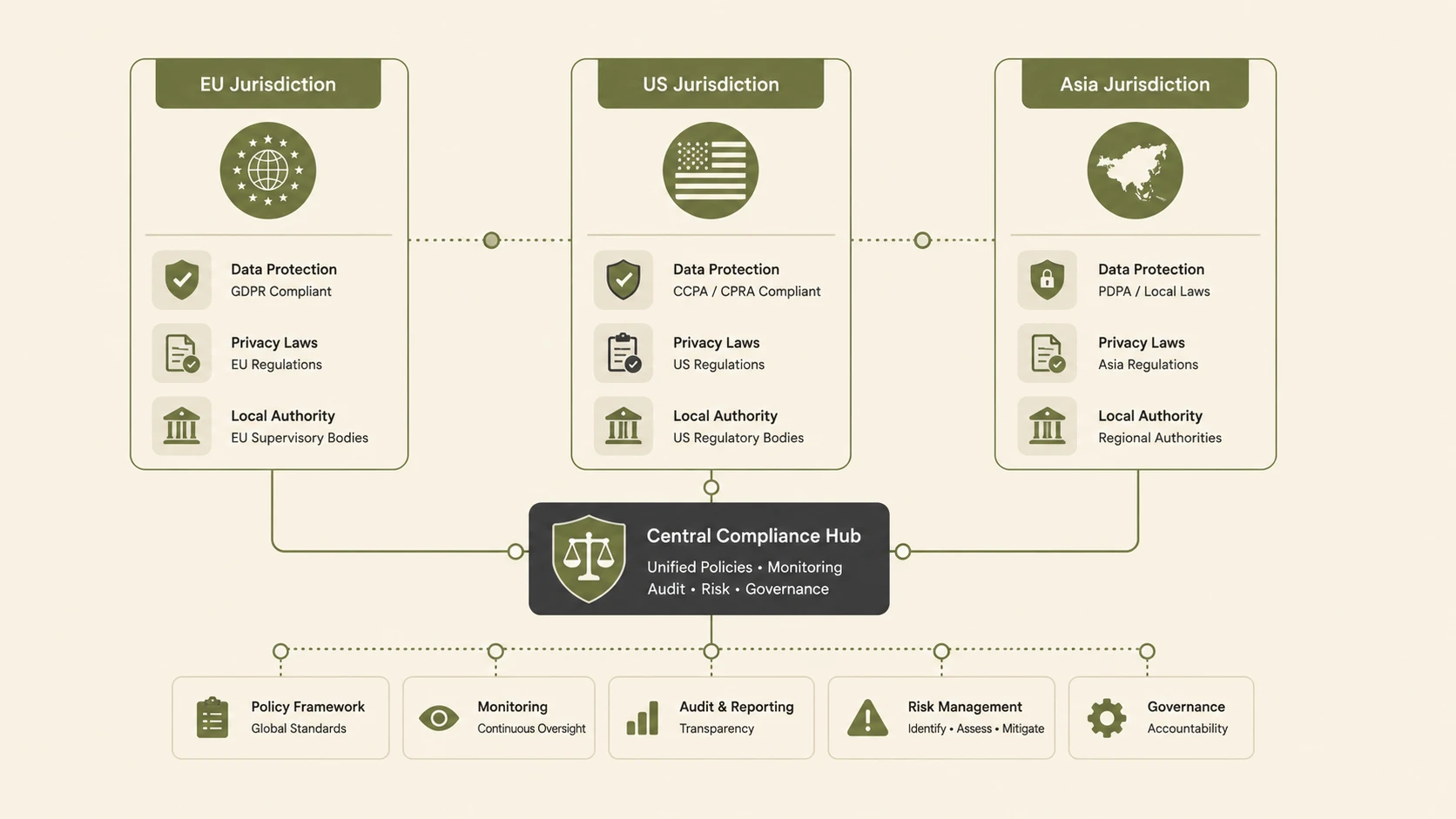
Data Sovereignty & Decentralized Architecture: Re-thinking Central Clouds
As data regulations evolve and organizations expand globally, enterprises are rethinking centralized cloud architectures in favor of distributed, sovereignty-aware platforms. This article explores data sovereignty, decentralized architectures, hybrid cloud strategies, edge computing, compliance, governance, and enterprise design patterns from the perspective of November 2024.
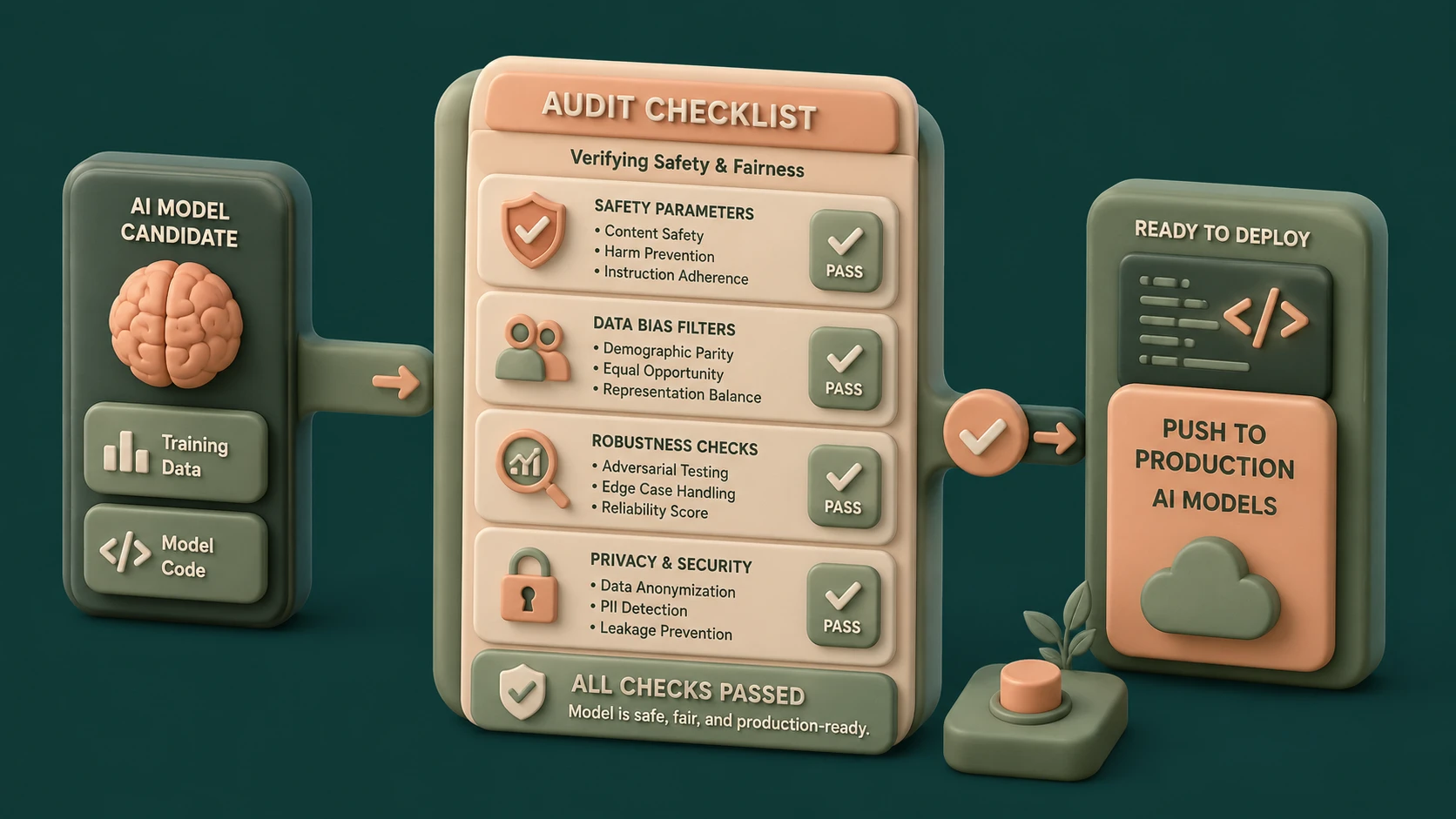
Trustworthy AI & Governance: Building Ethical AI Systems in the Stack
By late 2024, enterprise AI has moved beyond experimentation into business-critical operations. As organizations deploy Large Language Models, AI copilots, autonomous agents, and predictive systems across core business functions, governance has become as important as model performance. This article explores how Trustworthy AI, governance frameworks, observability, security, and ethical engineering are becoming foundational components of the modern enterprise technology stack.
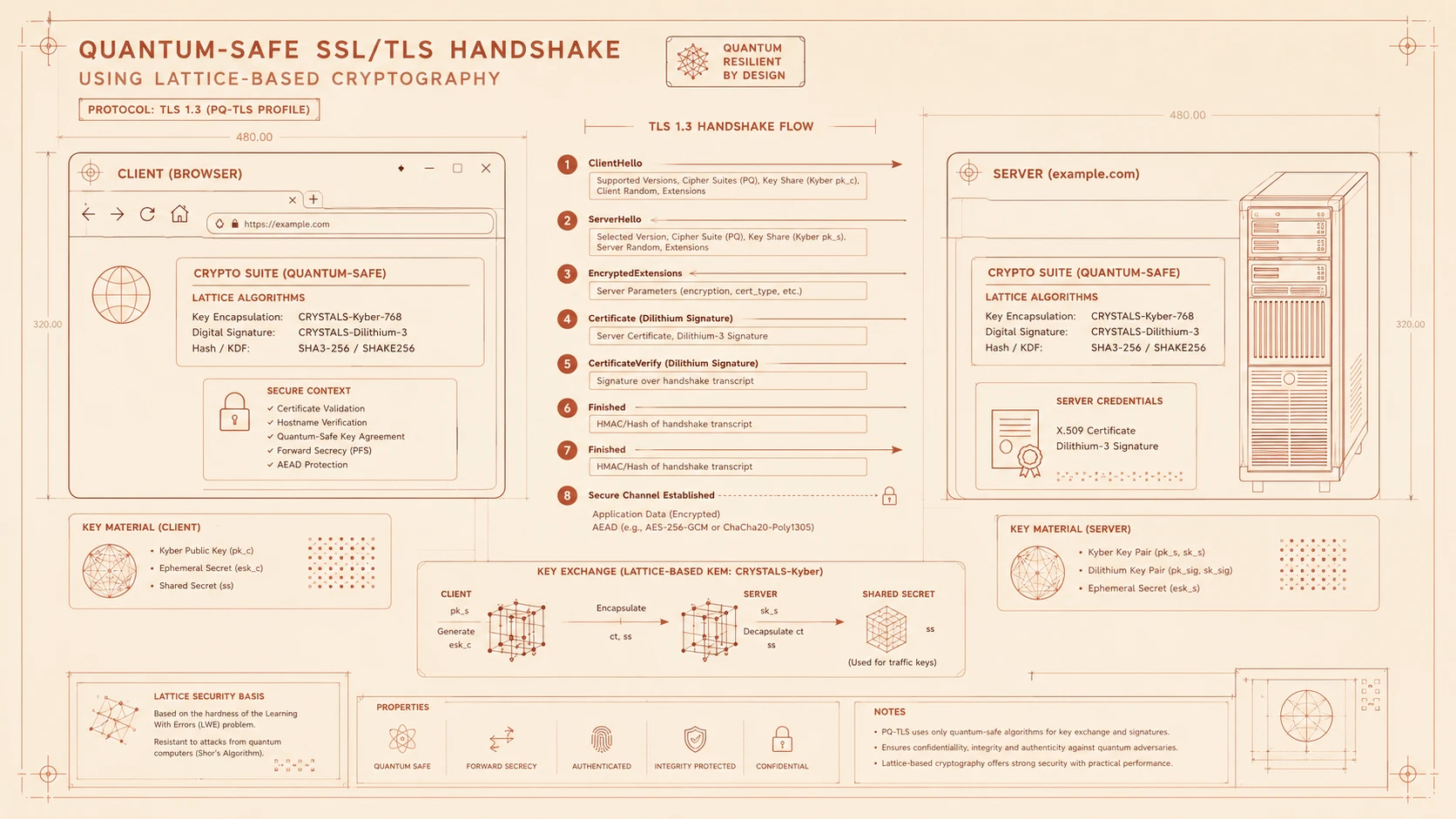
Quantum & Web: When the Browser Meets Quantum-Safe Cryptography
Advances in quantum computing are prompting governments, standards organizations, cloud providers, and enterprises to prepare for a future where today's public-key cryptography may no longer provide adequate long-term protection. This article examines the emerging role of quantum-safe cryptography in modern web architectures, browser security, TLS, PKI, enterprise applications, and cloud platforms from the perspective of July 2024.
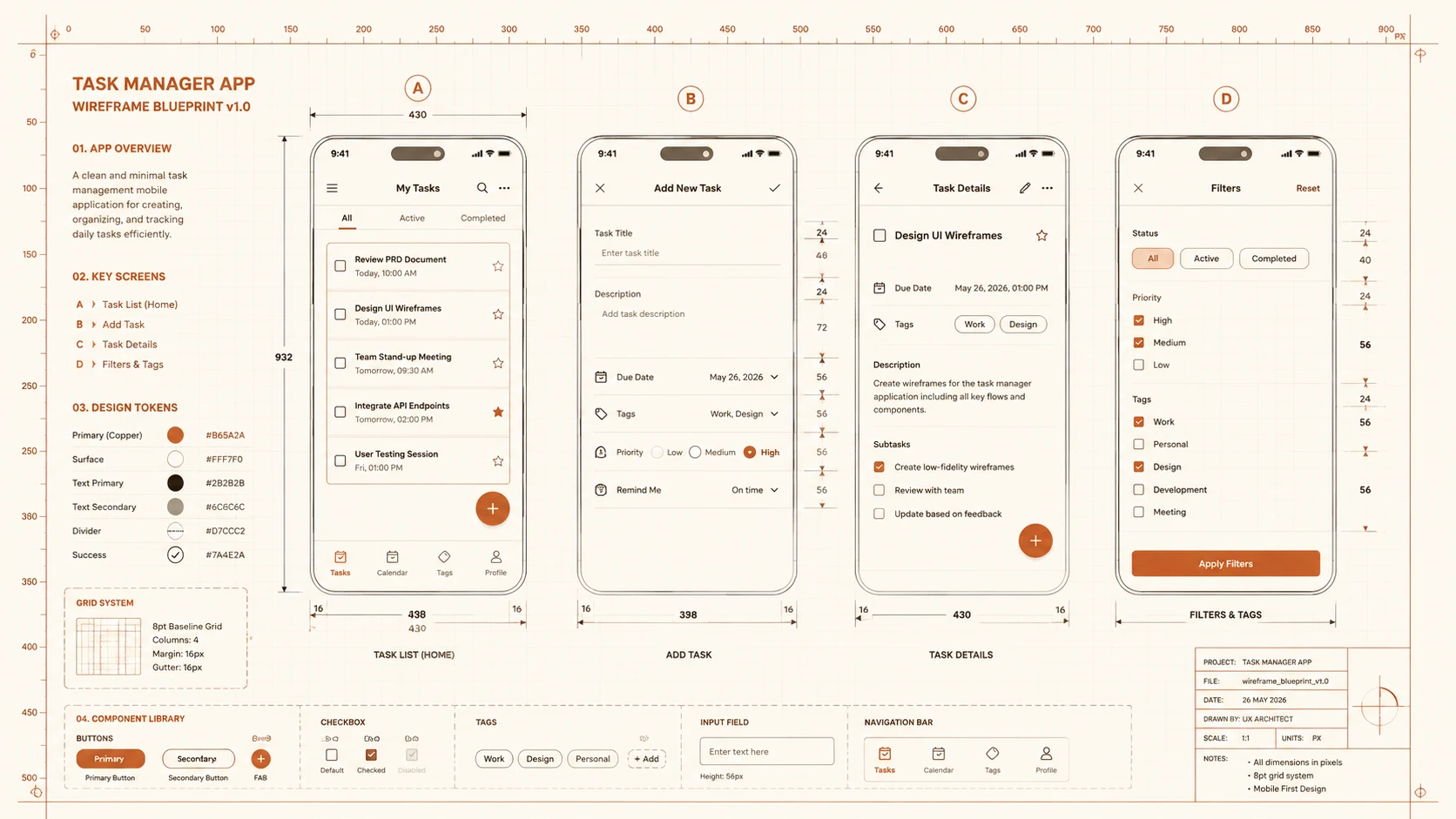
Building Your First .NET MAUI App: A Complete Step-by-Step Guide
Walk through building a complete cross-platform task manager in .NET MAUI — covering Shell navigation, MVVM with CommunityToolkit, local SQLite storage, API calls, swipe-to-delete, pull-to-refresh, and platform-specific customisation from a single C# codebase.
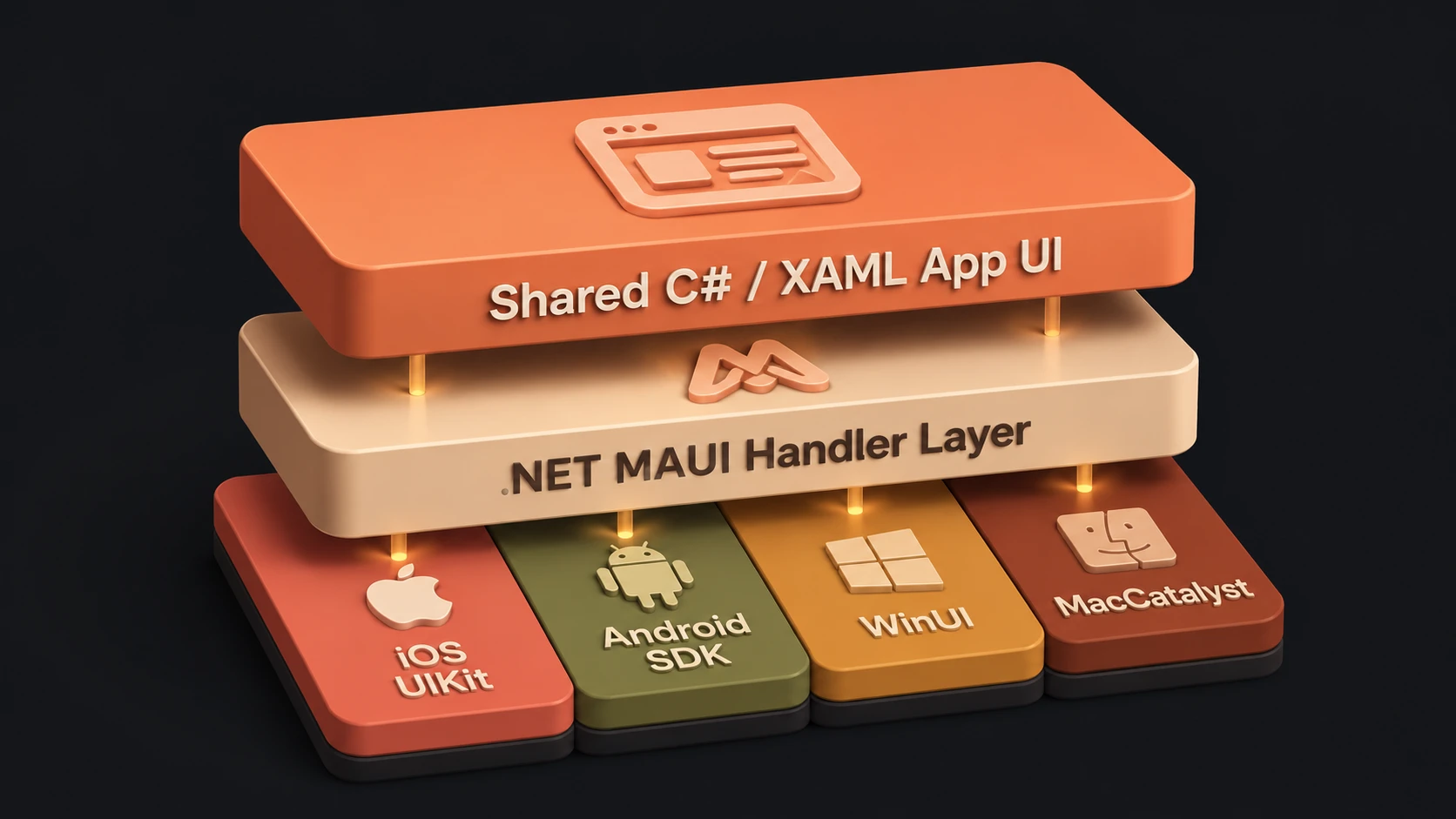
What Is .NET MAUI? Microsoft's Cross-Platform App Framework Explained
.NET MAUI is Microsoft's evolution of Xamarin.Forms — a single C# codebase for iOS, Android, macOS, and Windows apps. This guide covers the architecture, project structure, rendering model, Blazor Hybrid support, and when MAUI is the right choice for your enterprise mobile strategy.