API Development
Viewing all posts categorized under API Development.

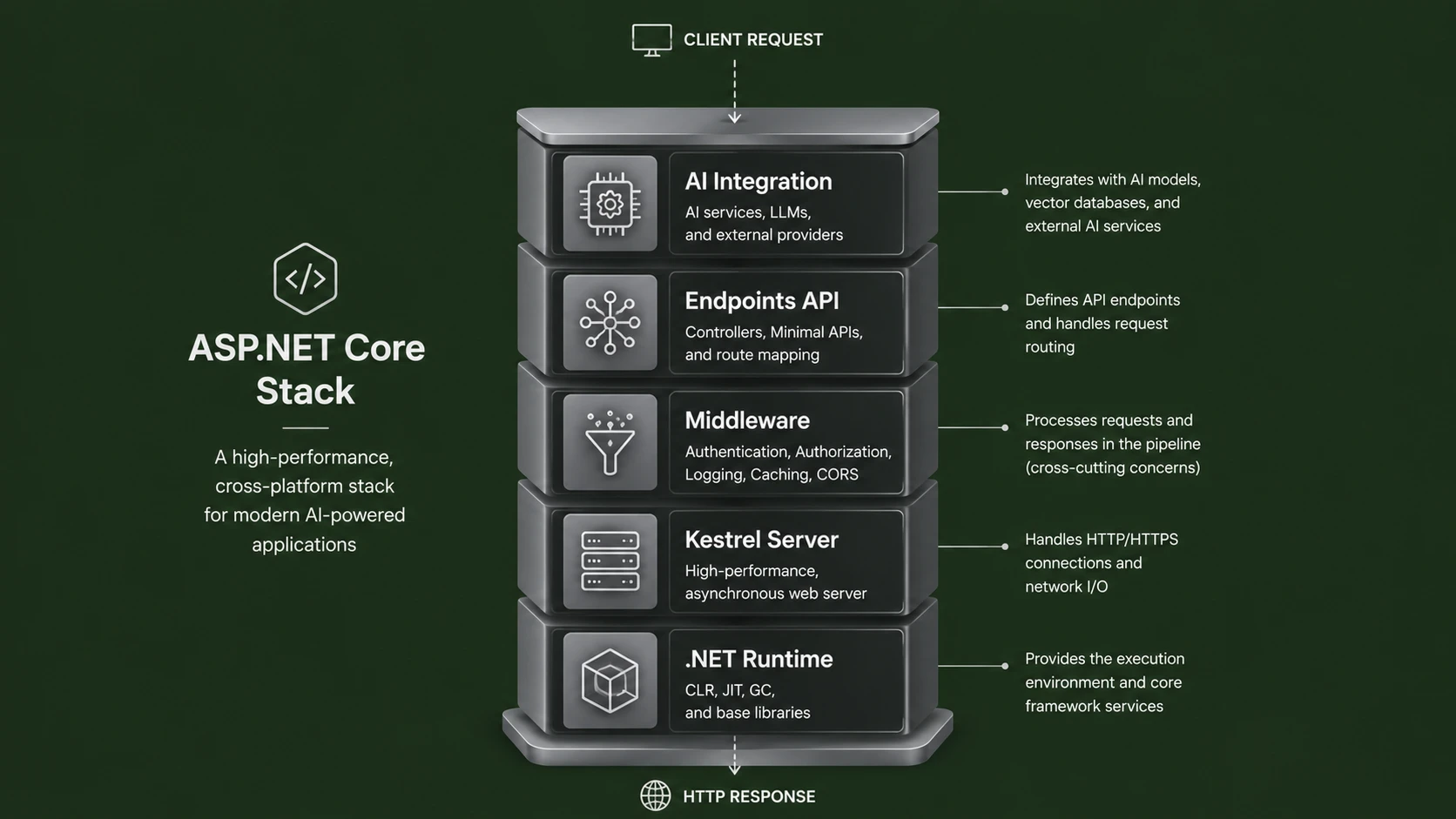
Is ASP.NET Core Still Relevant in 2026? Yes, and Here’s Why
Is ASP.NET Core still relevant in 2026? Absolutely. While JavaScript ecosystems dominate rapid product development and Python leads AI workloads, ASP.NET Core remains a powerful choice for secure, scalable, maintainable, and mission-critical enterprise systems. The future is not one framework—it is intelligent architecture using the right technology for each workload.
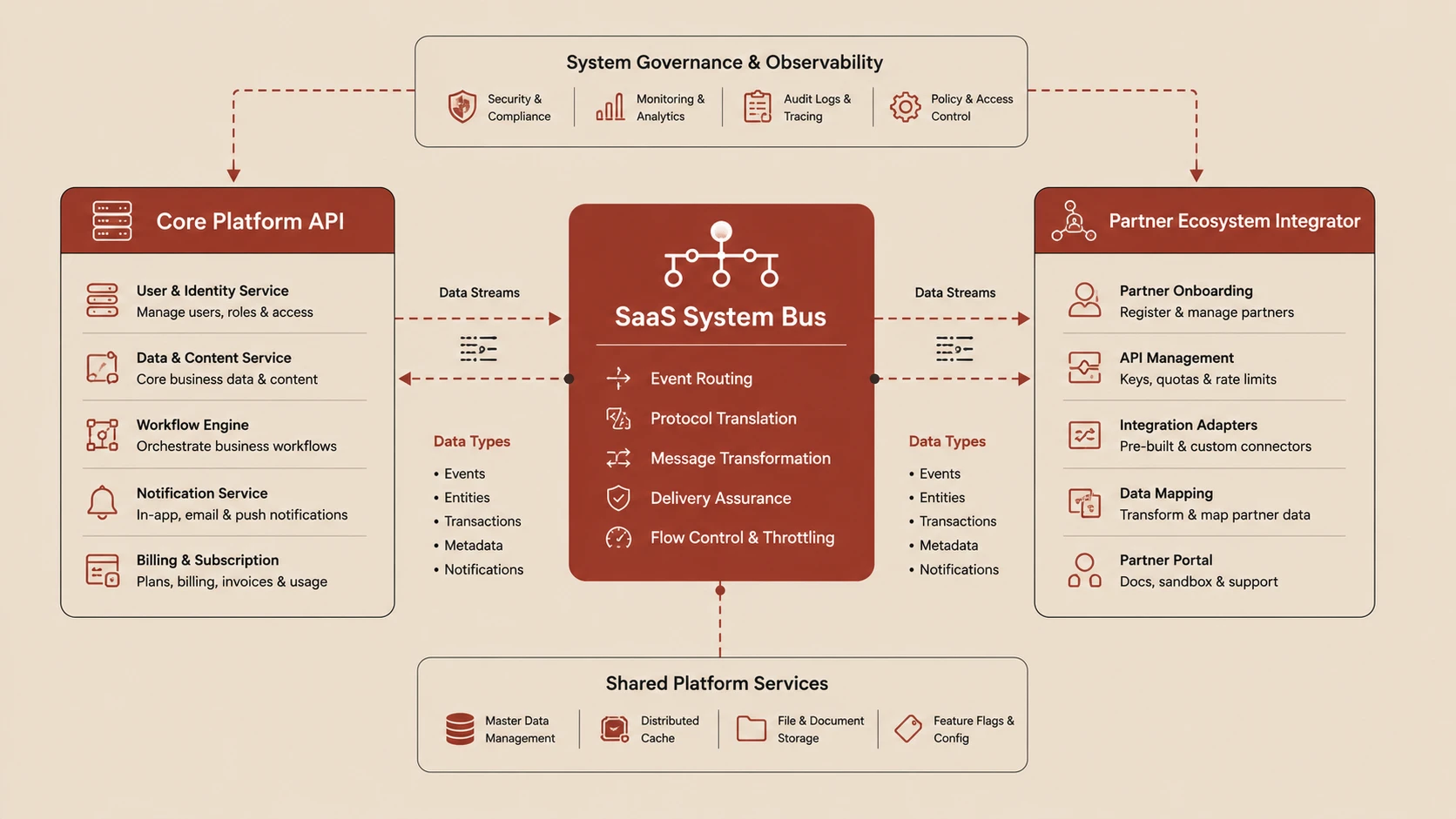
Platform Ecosystem Playbooks: Turning SaaS into System-of-Systems
Learn how enterprises transform standalone SaaS applications into scalable platform ecosystems by integrating APIs, event-driven architecture, partner platforms, AI agents, and composable services that create network effects and continuous innovation.
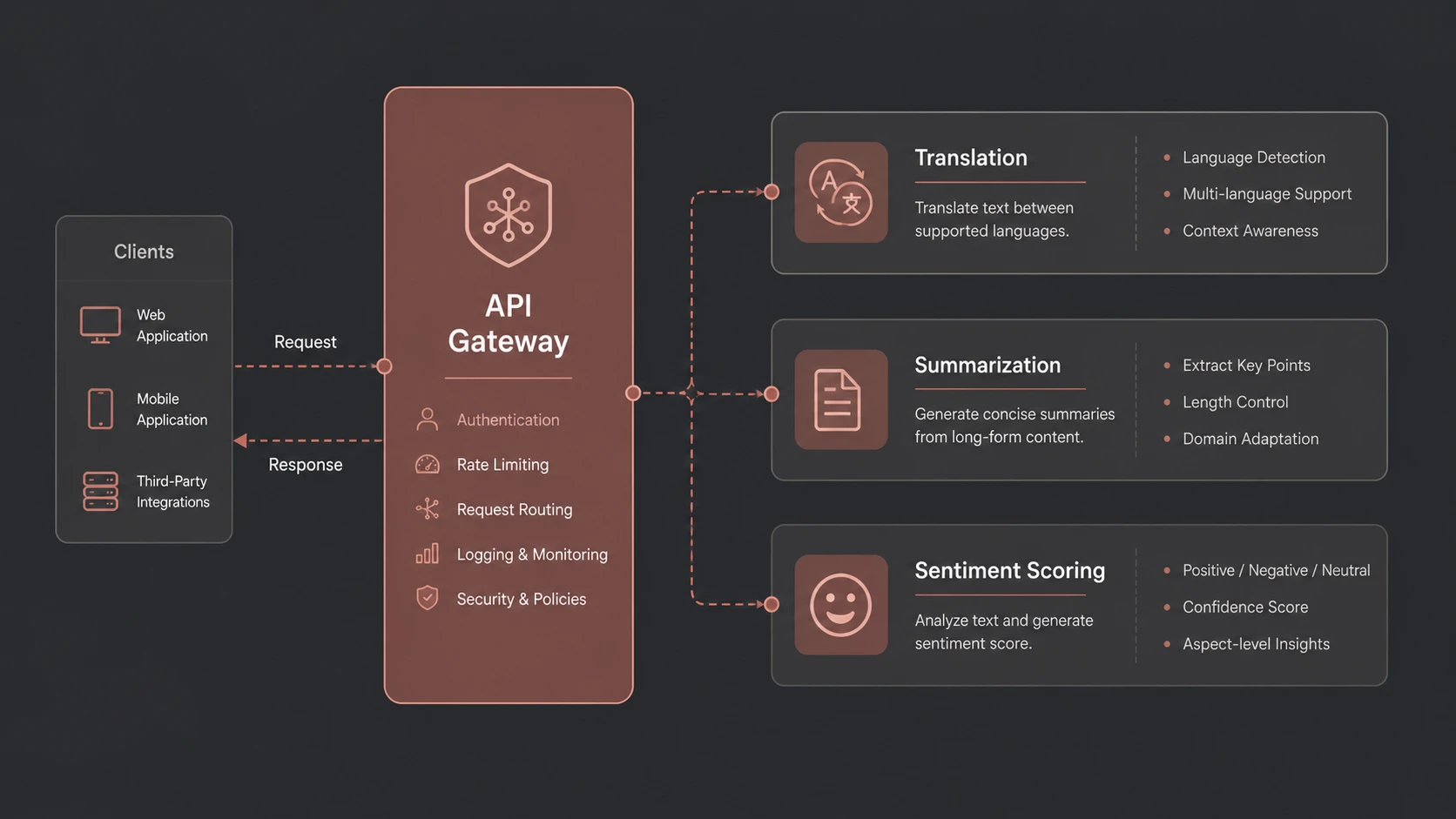
Composable AI-led Products: From Feature-Focus to Capability-Focus
Discover how enterprises are replacing feature-centric applications with composable AI-powered capability platforms, enabling faster innovation, reusable business services, intelligent automation, and scalable digital ecosystems.
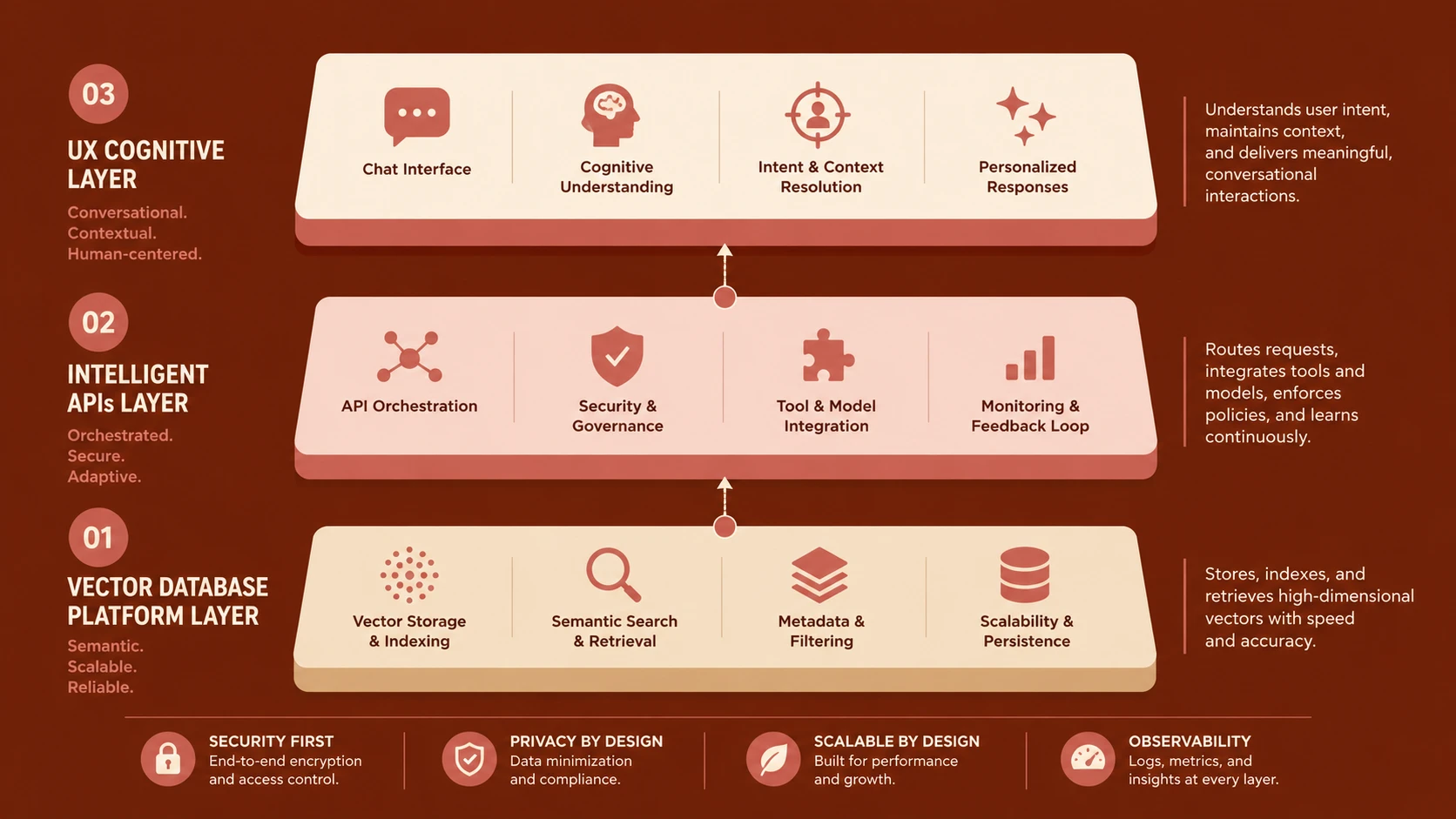
AI-First Full Stack: When Every Layer Learns
Artificial Intelligence is no longer an isolated feature embedded into applications. By early 2025, AI is becoming an architectural principle that permeates every layer of the software stack—from user interfaces and APIs to databases, cloud infrastructure, observability, security, and developer tooling. This article explores the emergence of the AI-First Full Stack architecture from the perspective of February 2025.
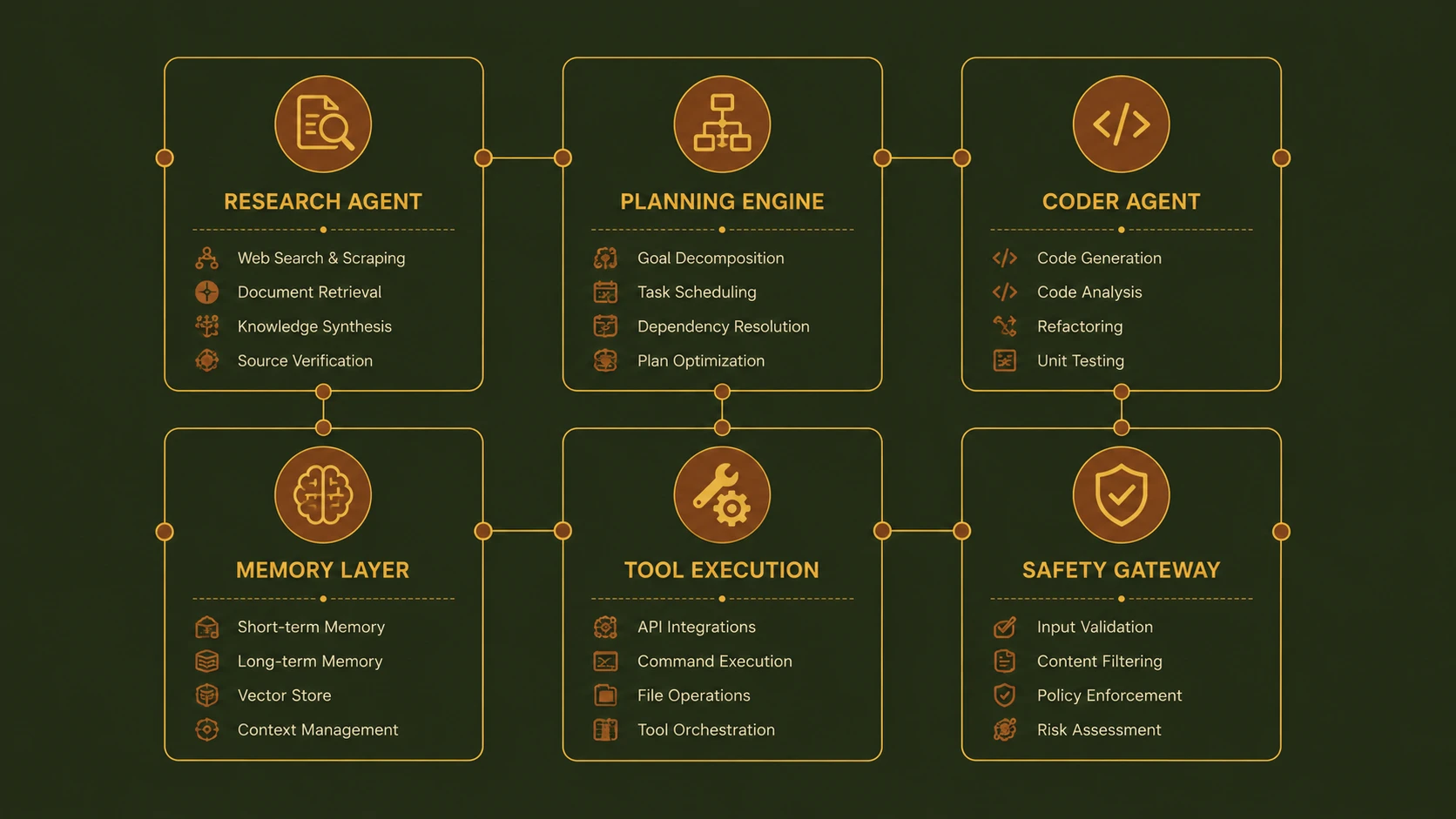
Agentic AI at Scale: Architecting Autonomous Systems
Generative AI is rapidly evolving from conversational assistants into autonomous systems capable of planning, reasoning, tool usage, workflow execution, and long-running task orchestration. Enterprise organizations are increasingly adopting Agentic AI architectures that combine large language models, retrieval systems, planning engines, memory, and secure execution environments to automate complex business processes. This article explores architectural patterns, governance, scalability, security, and implementation strategies for Agentic AI from the perspective of January 2025.
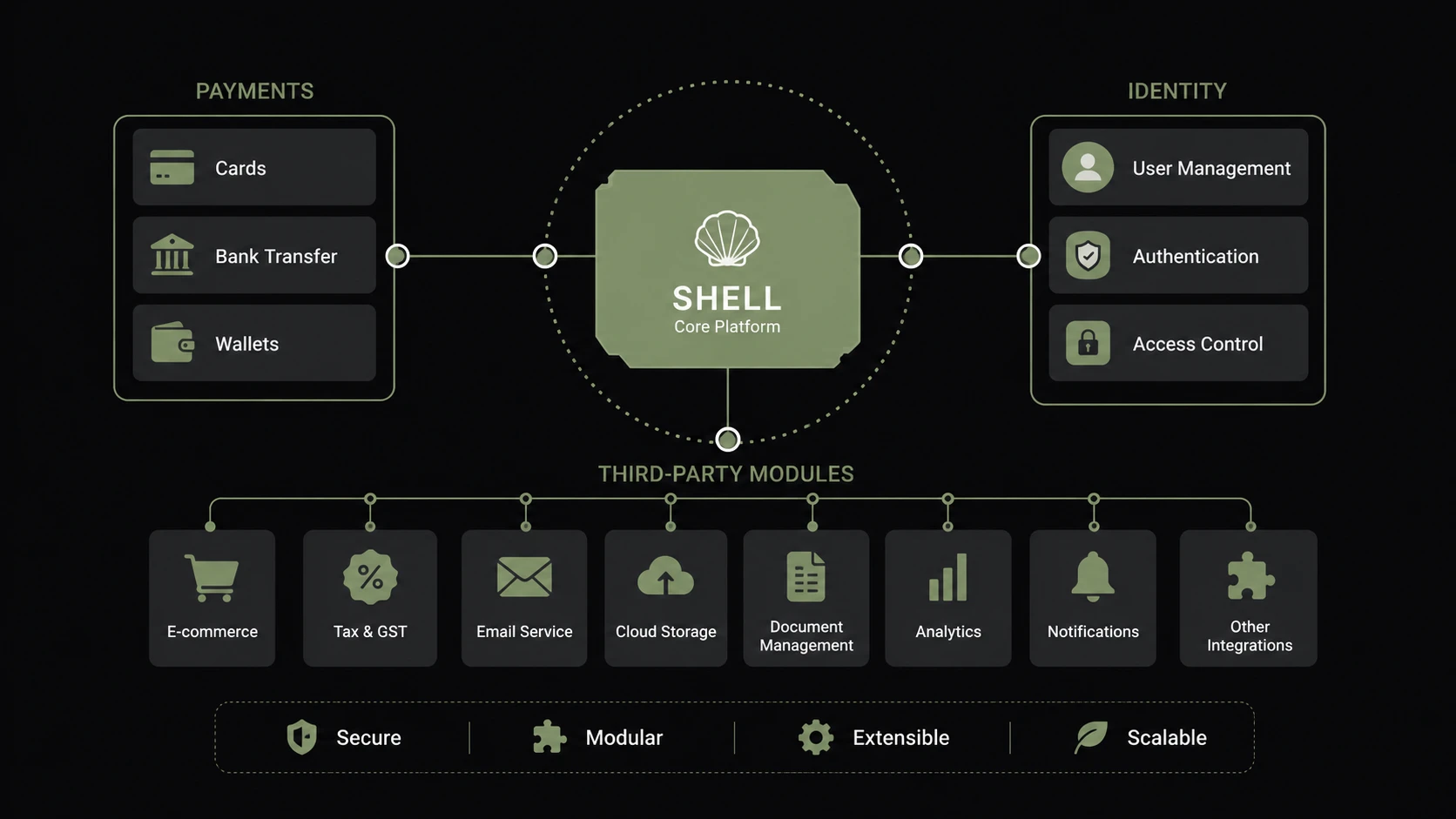
Superapps & Embedded Experiences: The Platformization of Everything
By late 2024, enterprise applications are evolving beyond standalone products into interconnected digital ecosystems. Superapps, embedded financial services, AI copilots, composable platforms, and ecosystem APIs are enabling organizations to deliver multiple business capabilities through unified digital experiences. This article examines the rise of Superapps and Embedded Experiences from the perspective of October 2024.
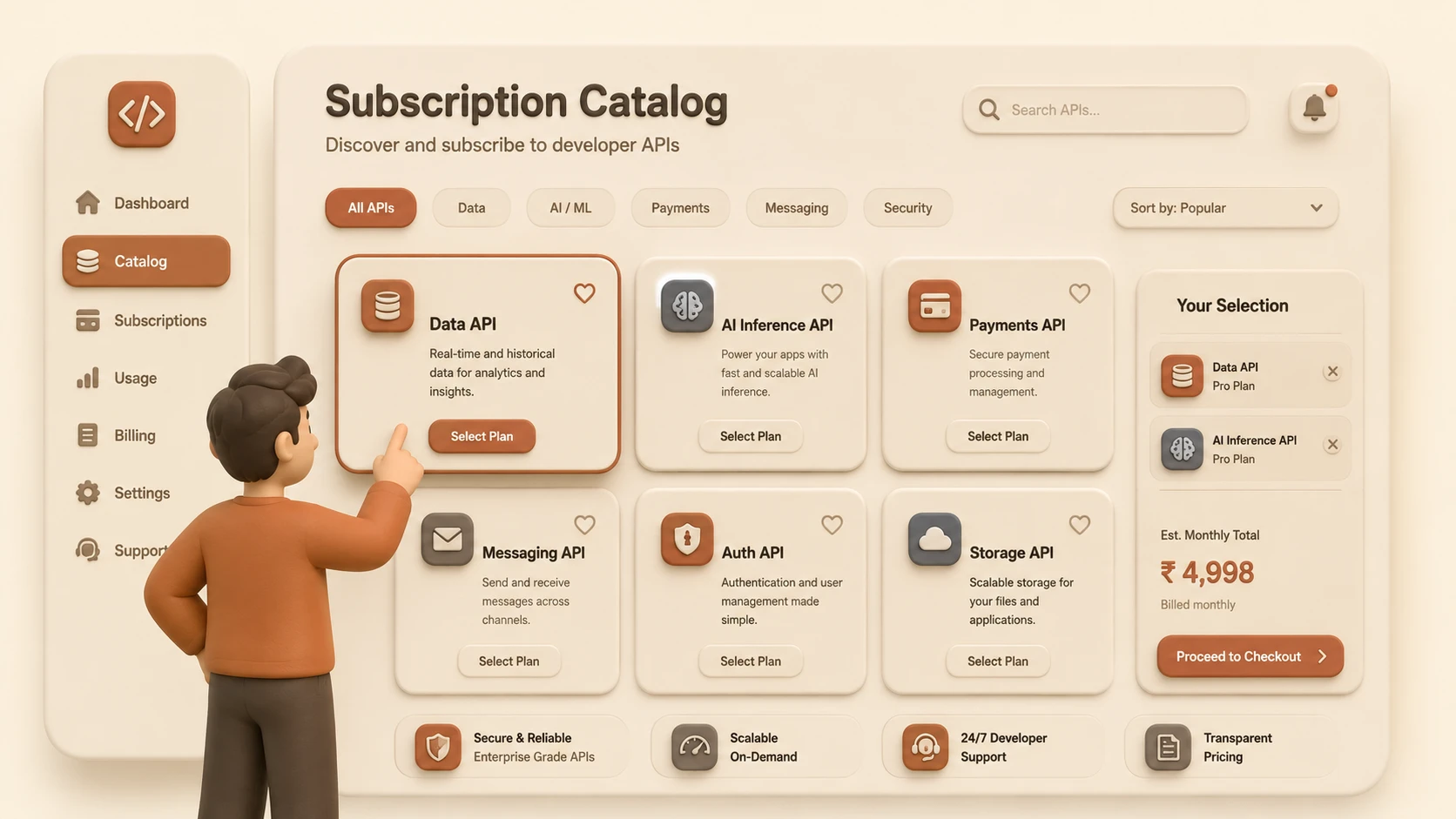
API Monetization & Internal Marketplaces: Software as a Platform
By 2024, APIs have evolved beyond integration mechanisms into strategic business products. Organizations are building internal API marketplaces, developer portals, usage-based monetization models, and platform engineering capabilities that transform software into reusable enterprise services. This article explores how API monetization and internal marketplaces are redefining software platforms from the perspective of August 2024.
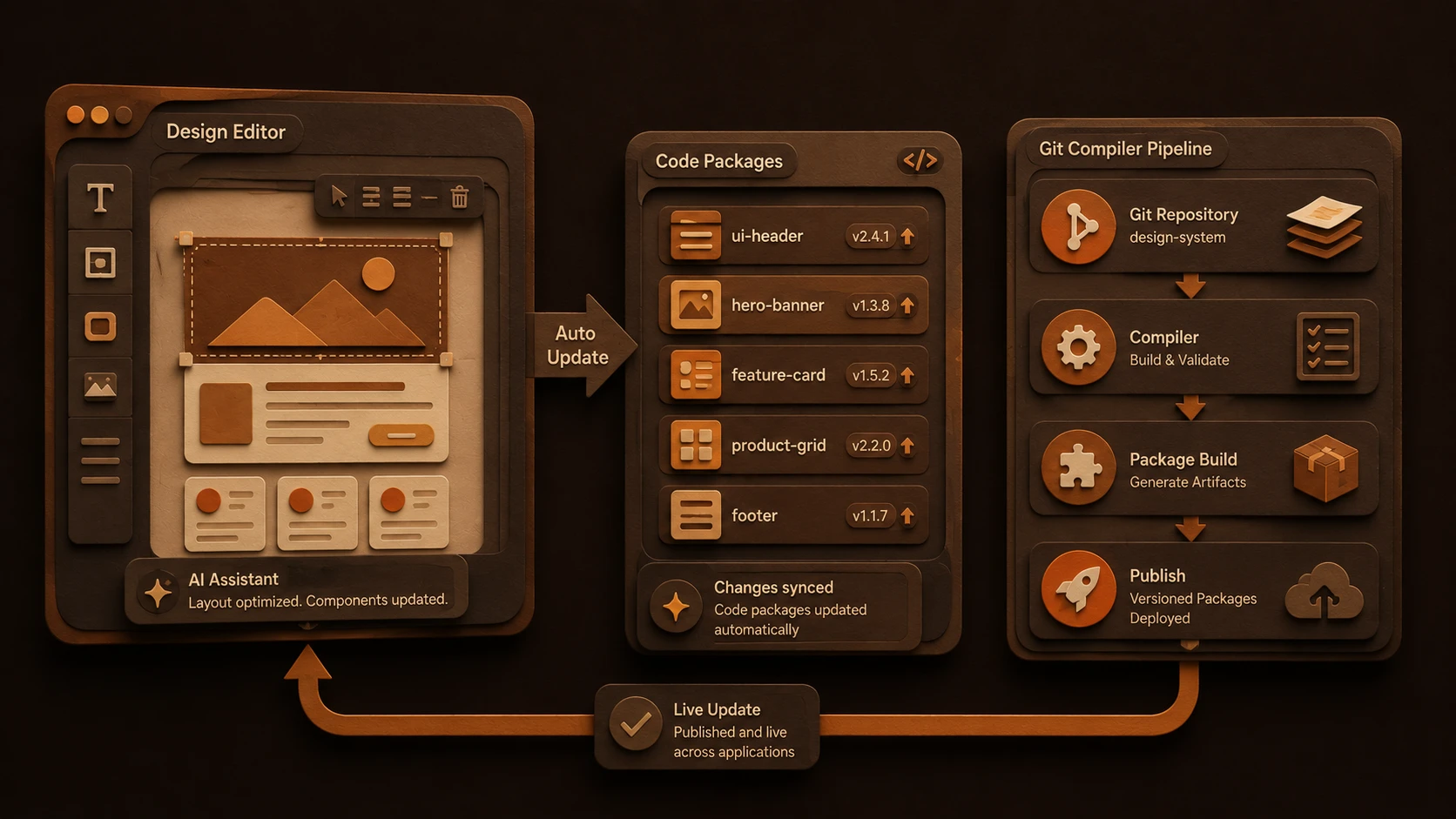
Design Systems Evolved: From Components to DesignOps
By 2024, enterprise design systems have evolved beyond reusable UI components into comprehensive DesignOps platforms that unify designers, developers, product teams, and AI-assisted workflows. This article explores how DesignOps, design tokens, governance, automation, and component ecosystems are reshaping modern software development from the perspective of May 2024.
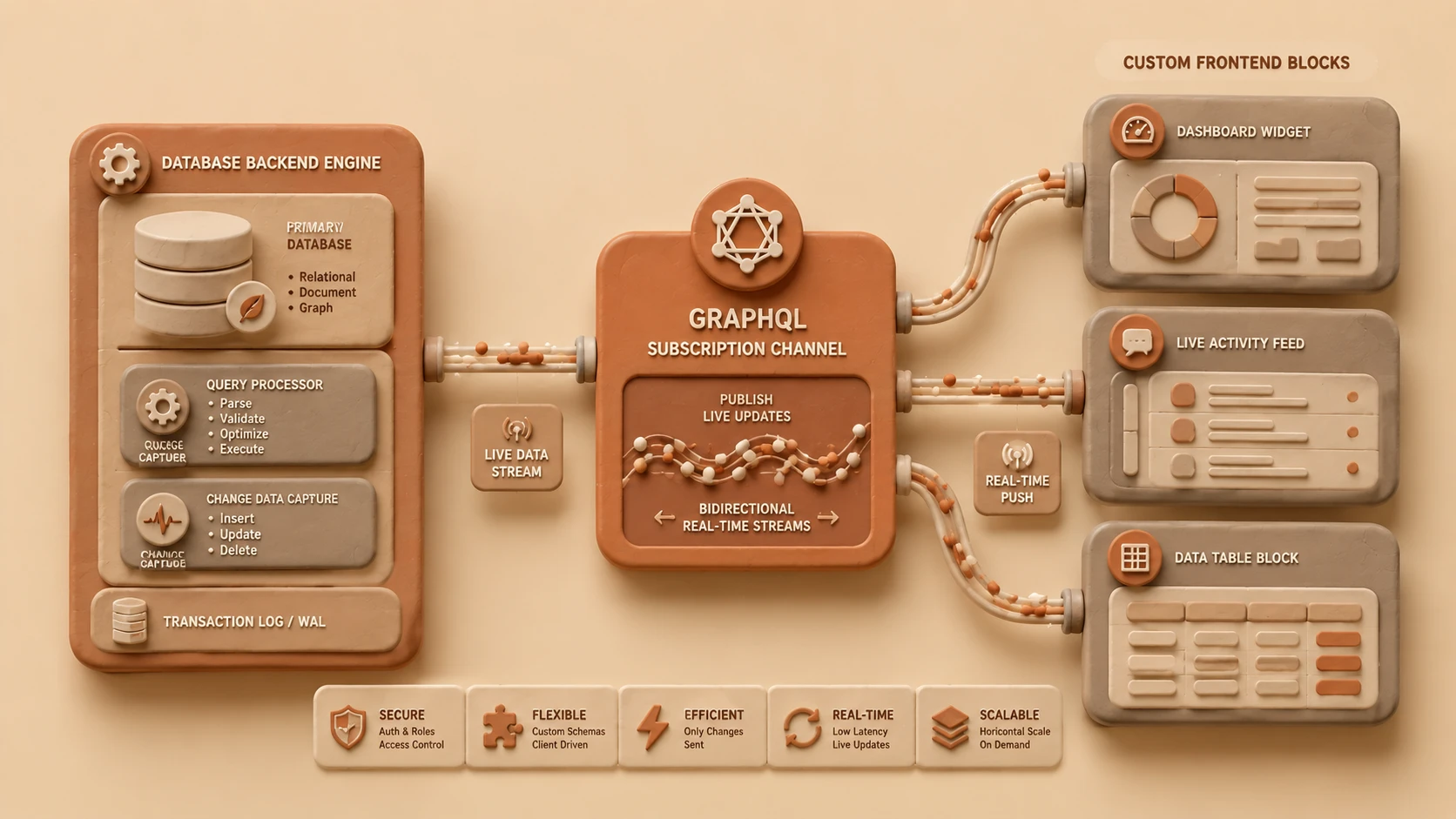
Headless + GraphQL + Real-Time: The Backend Stack of 2024
By 2024, enterprise backend architecture has evolved beyond traditional REST-based monoliths. Organizations increasingly combine Headless platforms, GraphQL APIs, event-driven systems, real-time communication, and cloud-native infrastructure to build scalable digital experiences across web, mobile, IoT, AI, and omnichannel platforms. This article examines the modern backend stack from the perspective of April 2024.
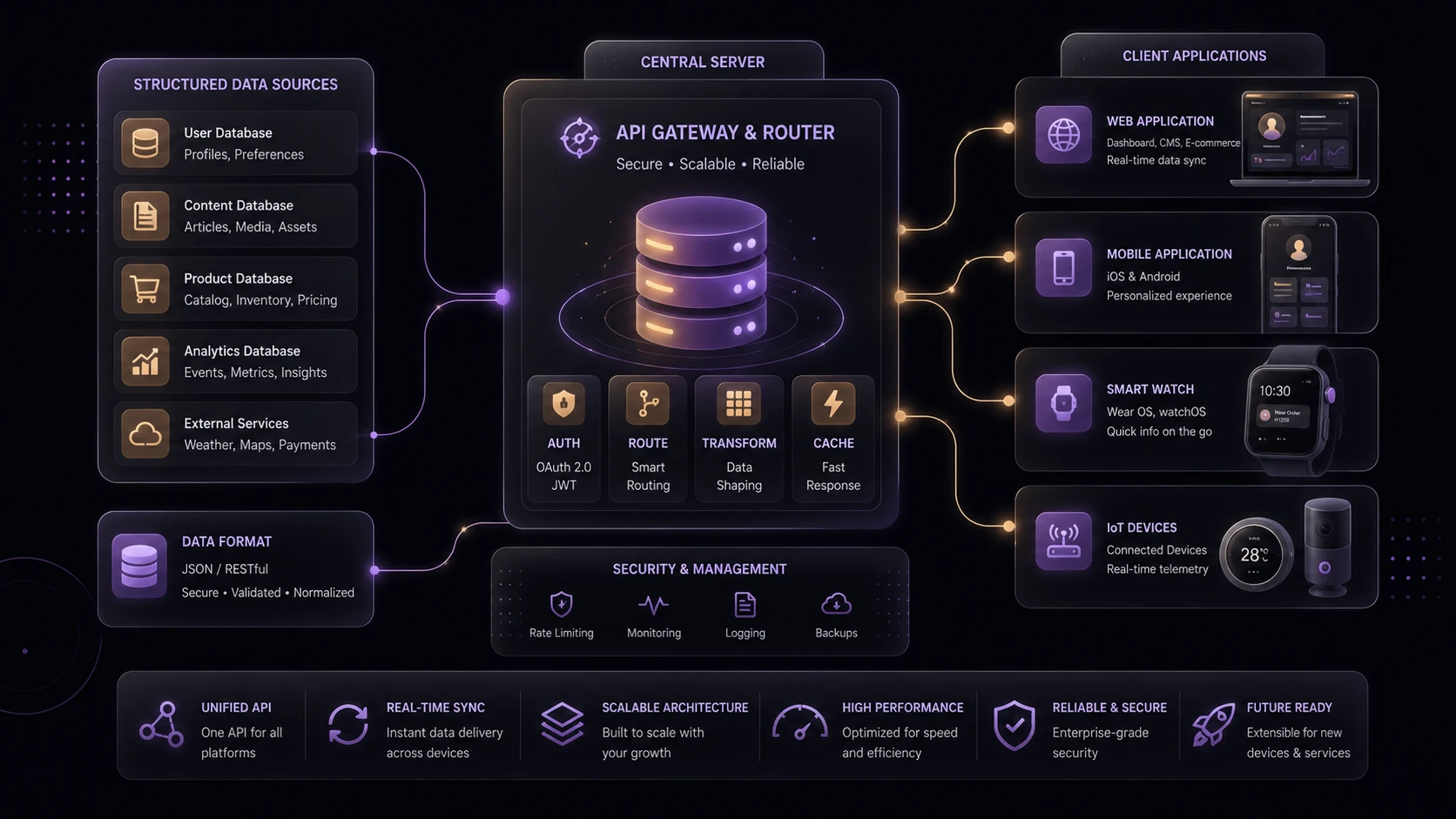
Multi-Experience Apps: One Back-end, Many Frontends
As digital ecosystems continue expanding, enterprises are no longer building applications for a single platform. Modern organizations increasingly serve customers across web browsers, native mobile apps, smart devices, conversational AI, kiosks, and connected vehicles using a shared backend architecture. This article explores Multi-Experience Development Platforms (MXDP) and the architectural principles behind building one backend that powers many frontend experiences, from the perspective of March 2024.
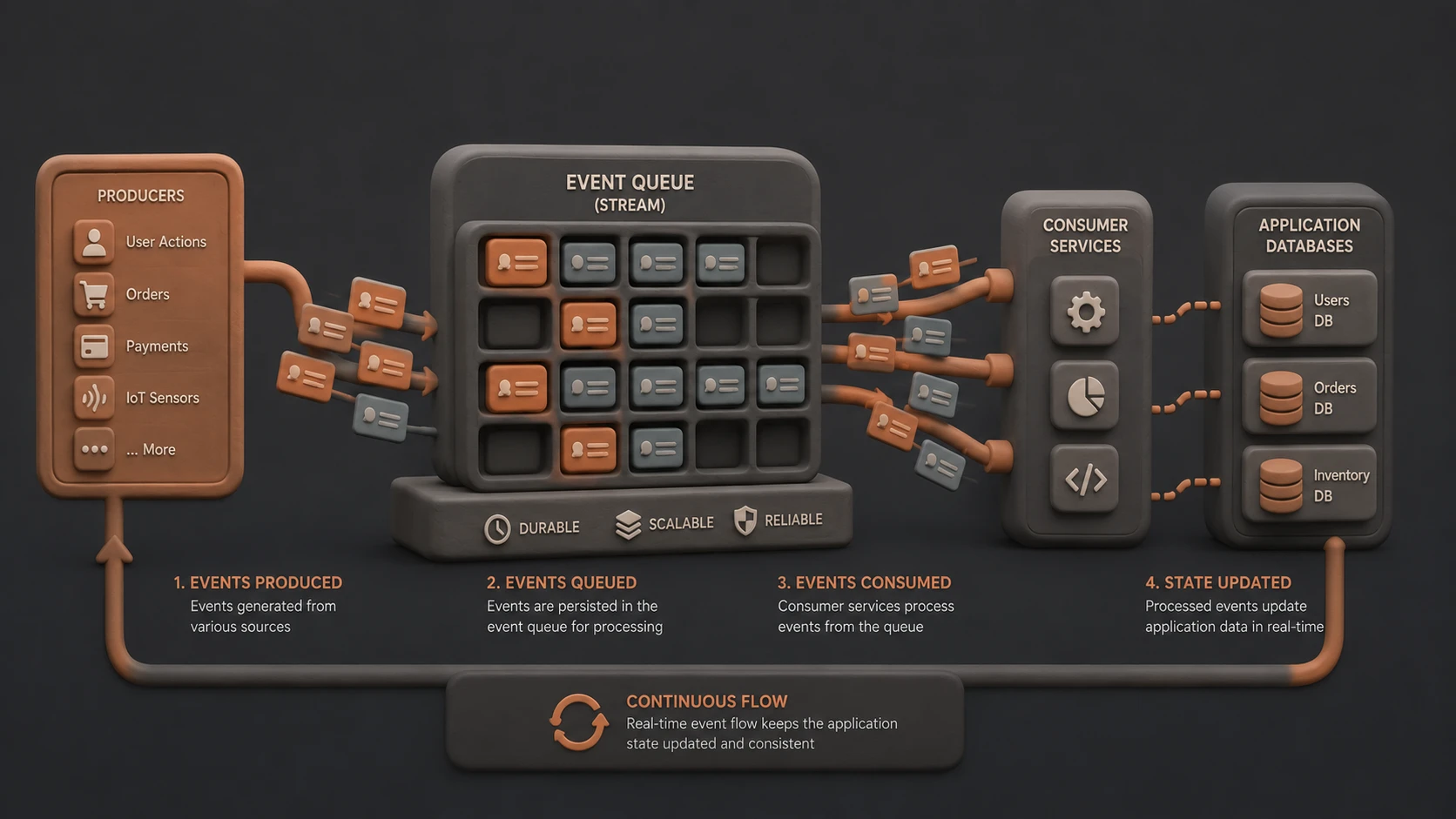
Beyond Serverless Functions: The Event-Driven, Cloud-Native Application
Serverless computing has evolved beyond individual functions into complete event-driven application architectures. Modern cloud-native platforms increasingly combine managed messaging, event streaming, workflow orchestration, containers, APIs, and serverless services to build scalable, resilient, and cost-efficient enterprise systems. This article examines this architectural evolution from the perspective of February 2024.
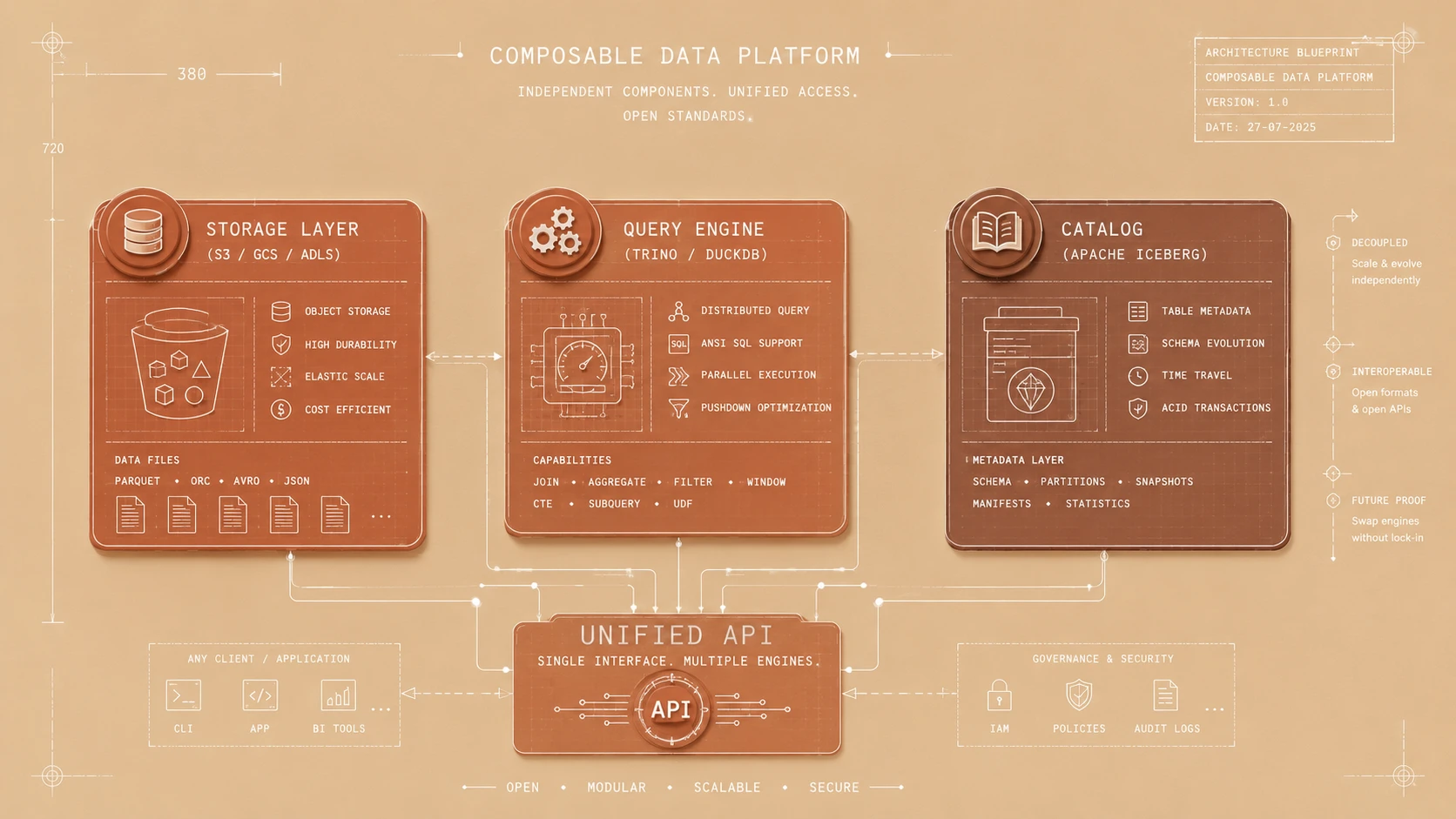
Composable Data Platforms: Building the Enterprise Fabric for 2025
Enterprise data architecture is rapidly shifting from centralized monolithic warehouses toward composable data platforms that combine data products, lakehouse architectures, domain ownership, AI-ready pipelines, and policy-driven governance. This article examines the evolution of composable enterprise data platforms from the perspective of February 2024.
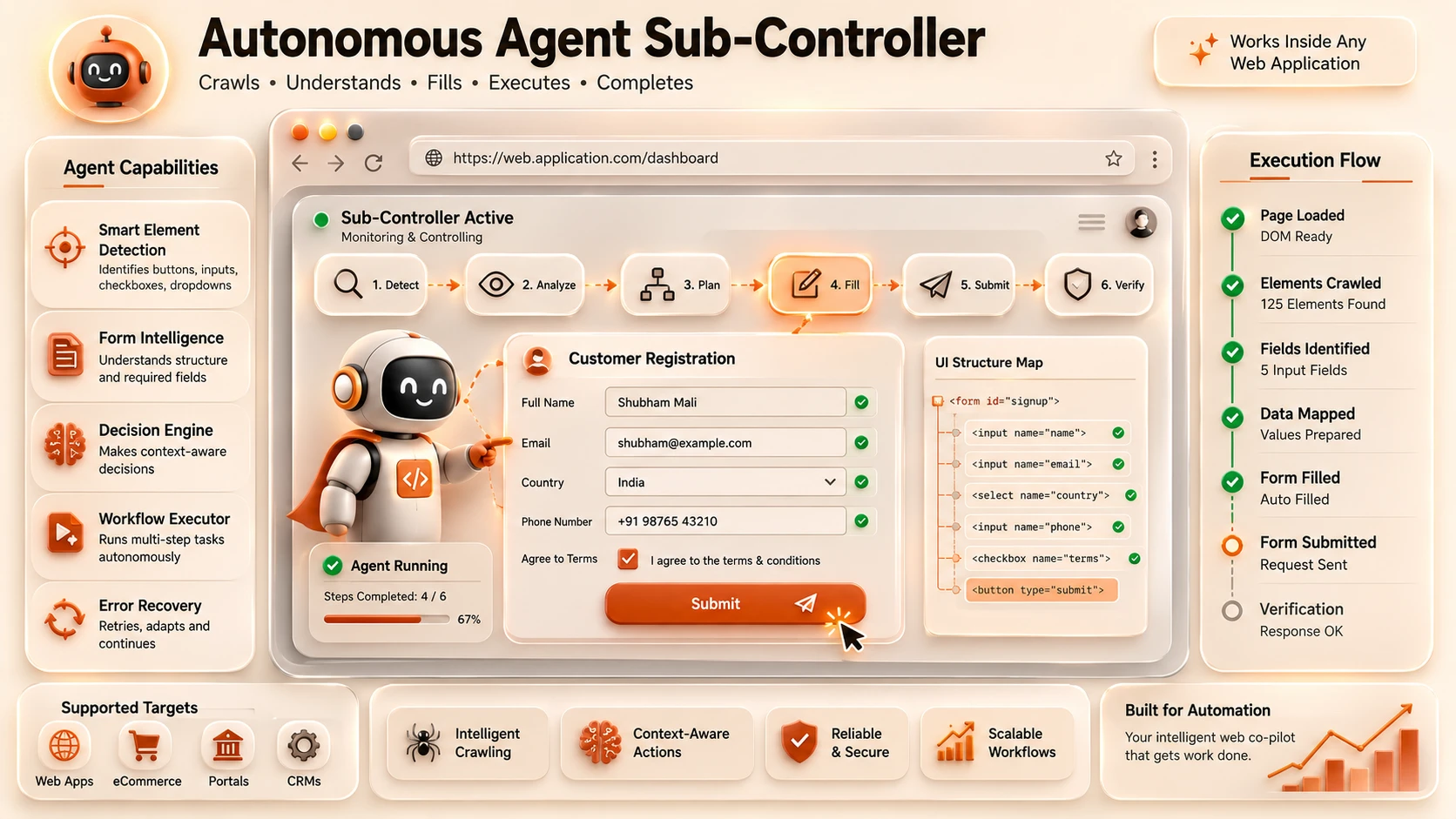
When Browsers Become Agents: Building Web Apps for the AI-First Era
The rapid adoption of generative AI has transformed expectations for modern web applications. Browsers are evolving from passive rendering engines into intelligent execution environments capable of orchestrating AI assistants, autonomous workflows, and natural language interactions. This article explores how enterprises should rethink web application architecture, APIs, user interfaces, security, and developer practices for the AI-first era from the perspective of January 2024.
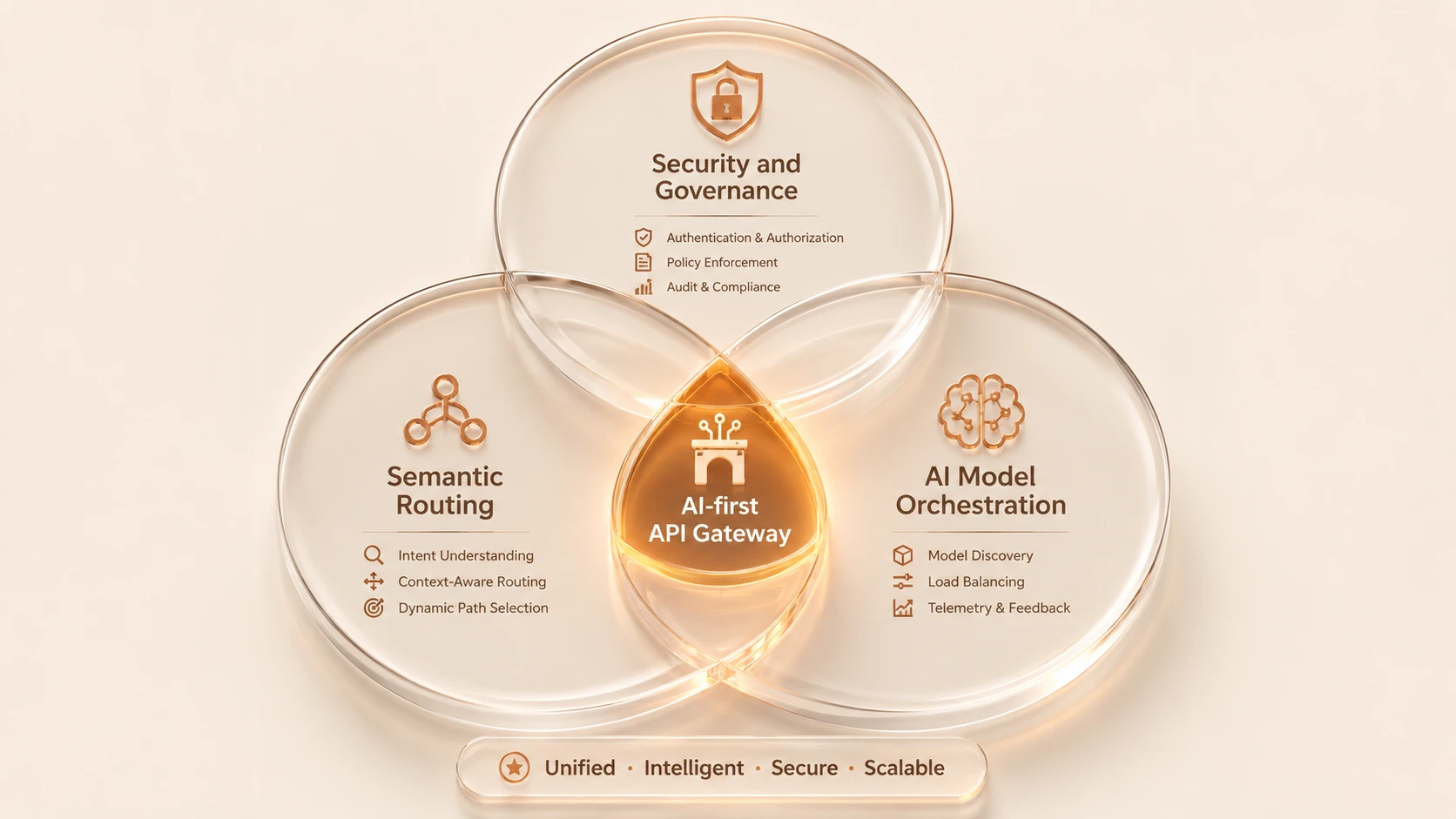
AI-first API Gateways & Semantic Routing: The Next Evolution of Intelligent Enterprise Connectivity
By late 2023, the rapid adoption of Large Language Models has introduced entirely new architectural requirements for enterprise API platforms. Traditional API gateways focused primarily on authentication, routing, rate limiting, and observability. AI-first API gateways extend these capabilities with semantic request understanding, intelligent model selection, prompt governance, context-aware routing, and LLM orchestration. This article examines AI-first API Gateways and Semantic Routing from the perspective of December 2023.
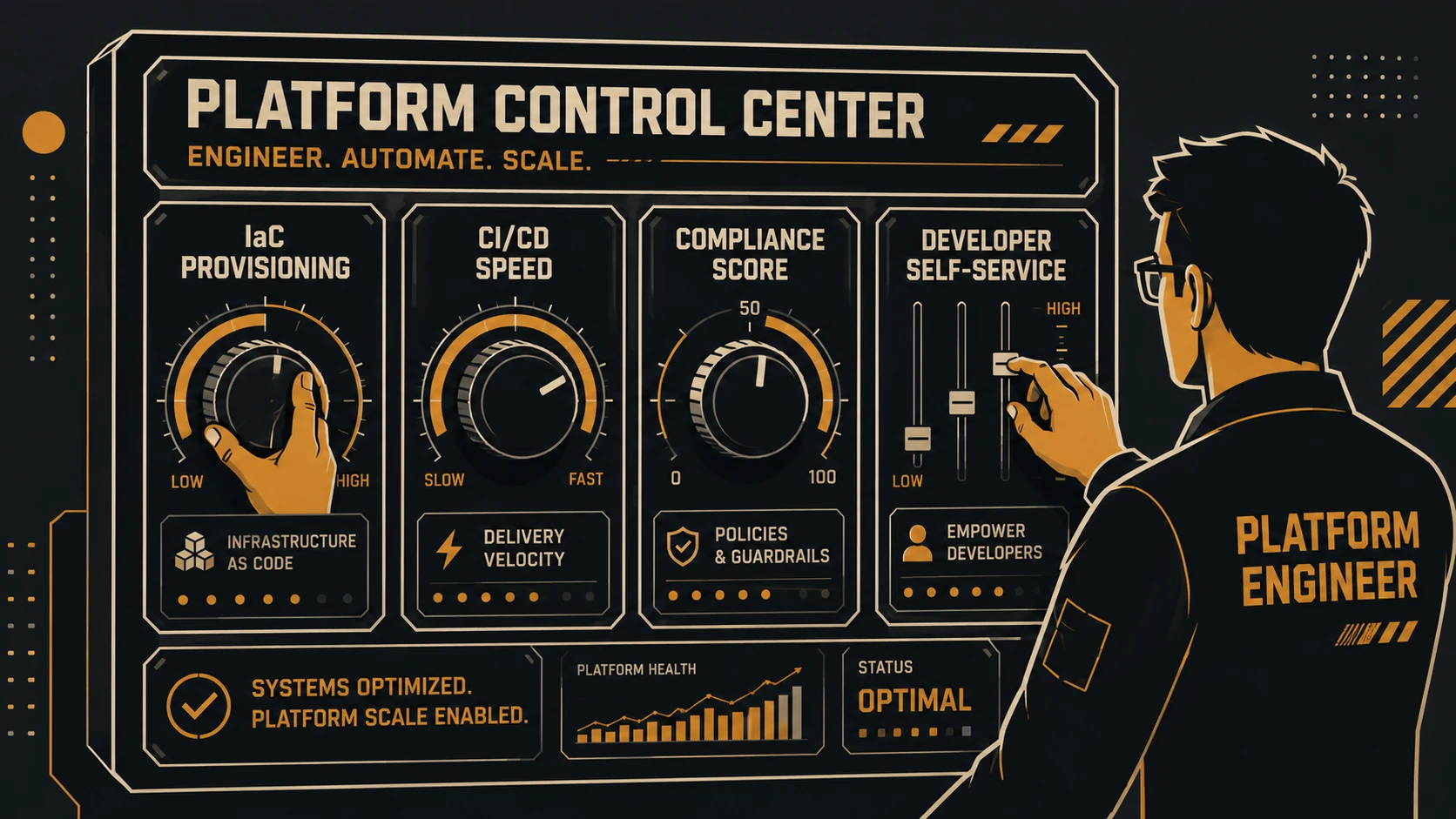
Platform Engineering Becomes Mainstream
Platform Engineering has rapidly emerged as one of the defining enterprise technology movements of 2023. Building on years of DevOps, Kubernetes, cloud-native computing, and Infrastructure as Code, organizations are investing in Internal Developer Platforms (IDPs) that improve developer productivity while standardizing security, governance, and operational excellence. This article examines Platform Engineering from the perspective of November 2023, exploring its architecture, enterprise adoption, implementation strategies, and future direction.