API Development
Viewing all posts categorized under API Development.

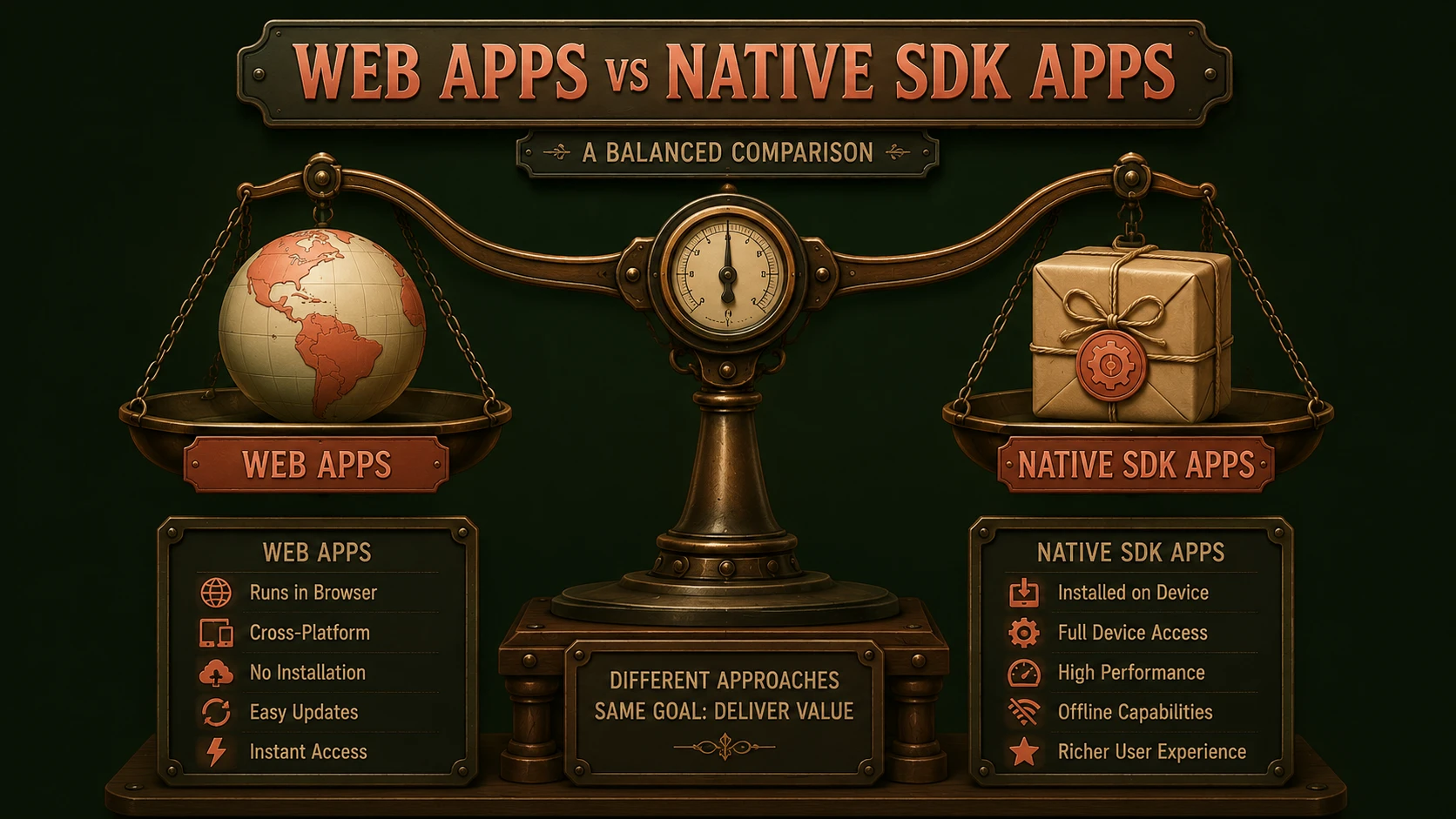
Mobile Web vs. Native Apps: Deciding the Strategy for 2011
As smartphones and tablets continue their rapid adoption, enterprises must determine whether to invest in mobile web applications, native apps, or a combination of both. This article examines the strengths, limitations, architectural considerations, and enterprise use cases of each approach from the perspective of mid-2011.

Chrome's Rapid Release Cycle: Rethinking Browser Compatibility
Google Chrome's adoption of a rapid release cycle is challenging traditional browser support strategies. Enterprise development teams must rethink compatibility testing, standards adoption, and deployment processes as browsers evolve more quickly than ever before.

Entity Framework 4.1: Code-First Development and DbContext API
Entity Framework 4.1 introduces one of the most anticipated enhancements to Microsoft's data access platform: Code-First development and the simplified DbContext API. These features enable developers to build domain models before databases while reducing complexity and improving productivity. This article examines the architecture, benefits, limitations, and enterprise adoption considerations from the perspective of March 2011.

Designing Fluid Tablet Interfaces: UI/UX Lessons from the iPad 2
The rapid growth of tablet computing is changing how users interact with enterprise applications. As Apple's second-generation iPad prepares to redefine mobile productivity, software architects and UI designers must rethink interfaces originally designed for desktops and laptops. This article examines tablet UI design principles, touch-first interaction models, responsive layouts, and enterprise application strategies from the perspective of February 2011.
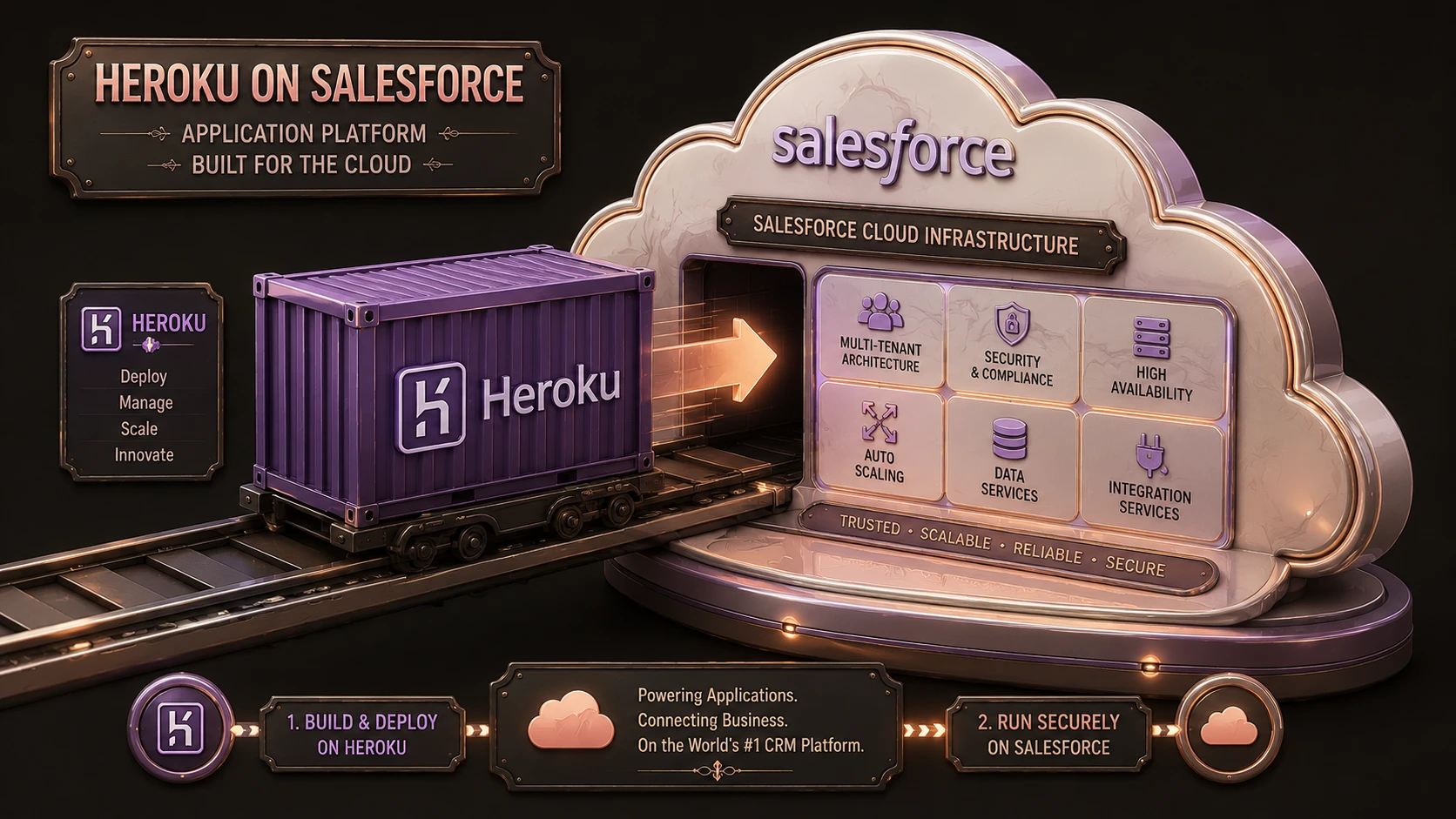
Salesforce Acquires Heroku: What this Means for the Future of PaaS
Salesforce's acquisition of Heroku marks one of the most significant cloud platform announcements of 2010. The deal highlights growing enterprise interest in Platform as a Service (PaaS), modern application deployment, and cloud-native development. This article examines the acquisition from the perspective of December 2010 and explores its potential implications for enterprise architects, developers, and CIOs.

Designing Scalable HTTP APIs: Early Architectures with WCF Web API
As HTTP-based services gain momentum beyond traditional SOAP web services, Microsoft's WCF Web API preview introduces a new programming model for building resource-oriented APIs. Learn how enterprise architects can evaluate its architecture, scalability considerations, and adoption strategies in late 2010.

jQuery Mobile and the Mobile Web: Building Cross-Platform Touch UIs
The rapid growth of smartphones is forcing enterprises to rethink how they deliver applications to employees and customers. jQuery Mobile introduces a framework focused on creating touch-friendly, cross-platform web interfaces using HTML5, CSS3, and JavaScript. This article examines its architecture, capabilities, limitations, and enterprise adoption considerations from the perspective of October 2010.

REST vs. SOAP: Navigating Web Service Architectures for Enterprise Integration
As enterprise integration projects continue to expand across distributed systems, architects must carefully evaluate REST and SOAP as competing approaches to web service design. This article examines their architectural differences, strengths, limitations, enterprise use cases, and practical adoption strategies from the perspective of September 2010.

Why jQuery is Dominating Client-Side Scripting: DOM Manipulation Made Easy
As enterprise web applications become increasingly interactive, developers are searching for faster and more reliable ways to manage browser compatibility and dynamic user interfaces. jQuery has rapidly emerged as the preferred JavaScript library by simplifying DOM manipulation, event handling, AJAX, and cross-browser development. This article explores why jQuery is becoming the dominant client-side scripting framework in 2010 and how enterprise teams can successfully adopt it.

The Shift to Cloud Infrastructure: How AWS EC2 and S3 Are Redefining Hosting Costs
Cloud computing is rapidly moving from an experimental concept to a viable enterprise infrastructure strategy. This article explores how Amazon EC2 and S3 are changing the economics of hosting, what architects should consider before migration, and where cloud infrastructure delivers the greatest business value as of May 2010.

Silverlight 4 vs. HTML5: The Impending Battle for the RIA Throne
Silverlight 4 promises powerful enterprise application capabilities with rich media, .NET integration, and desktop features, while HTML5 is rapidly gaining industry attention as an open web standard. Which technology should enterprises choose for future Rich Internet Applications in 2010?

The Rise of DevOps: Bridging the Divide Between Software Engineering and Operations
DevOps is rapidly emerging as a new approach to enterprise software delivery, encouraging closer collaboration between development and operations teams. This article examines the principles, practices, challenges, and expected future of DevOps from the perspective of March 2010.