API Development
Viewing all posts categorized under API Development.

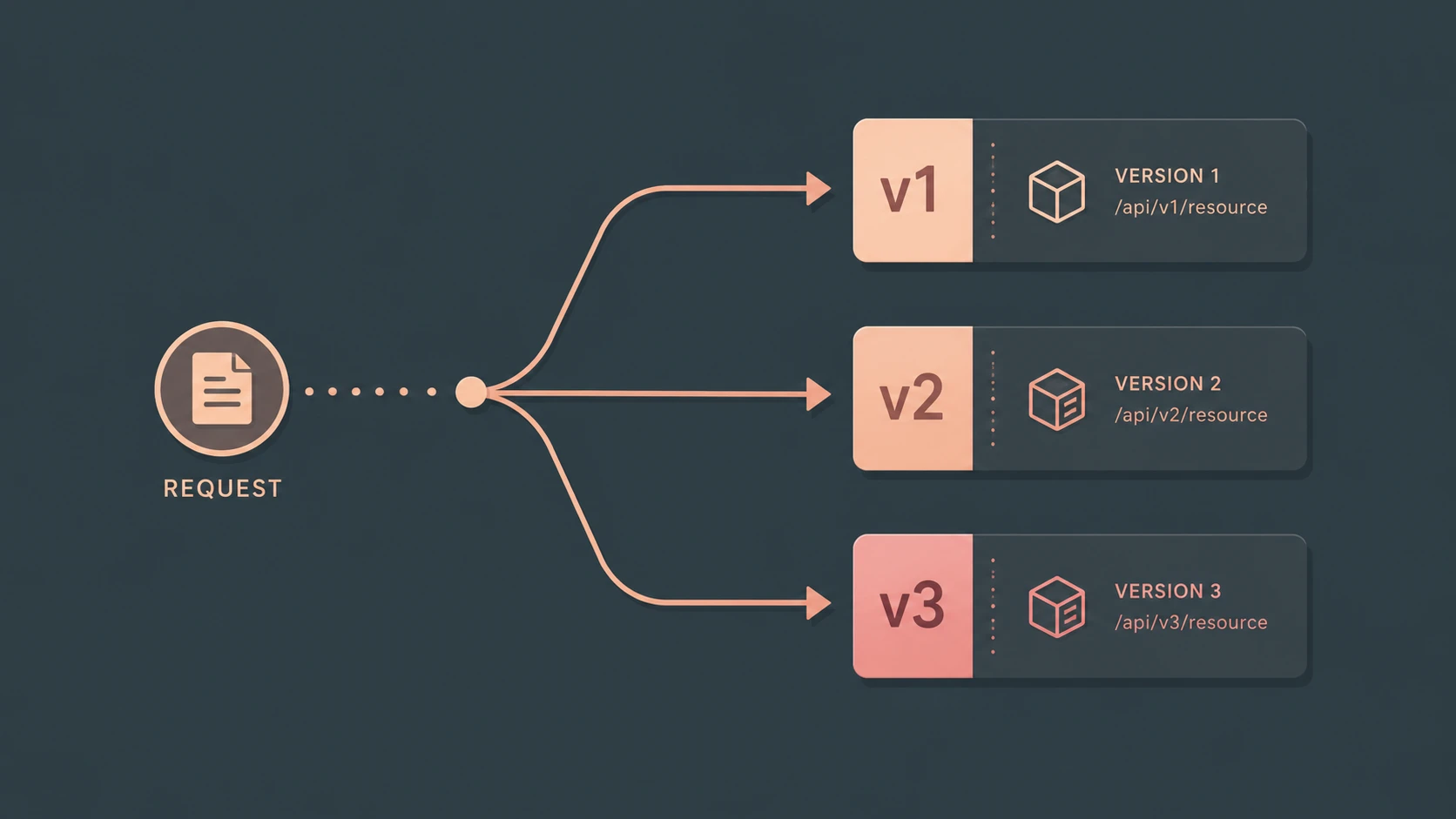
REST API Versioning: Comparing URI, Header, and Query Parameter Strategies
As RESTful APIs become foundational to enterprise software, managing change without disrupting existing clients has become a major architectural challenge. This article examines API versioning strategies—including URI, custom headers, media type negotiation, and query parameters—along with their trade-offs, governance considerations, and adoption guidance from the perspective of July 2014.
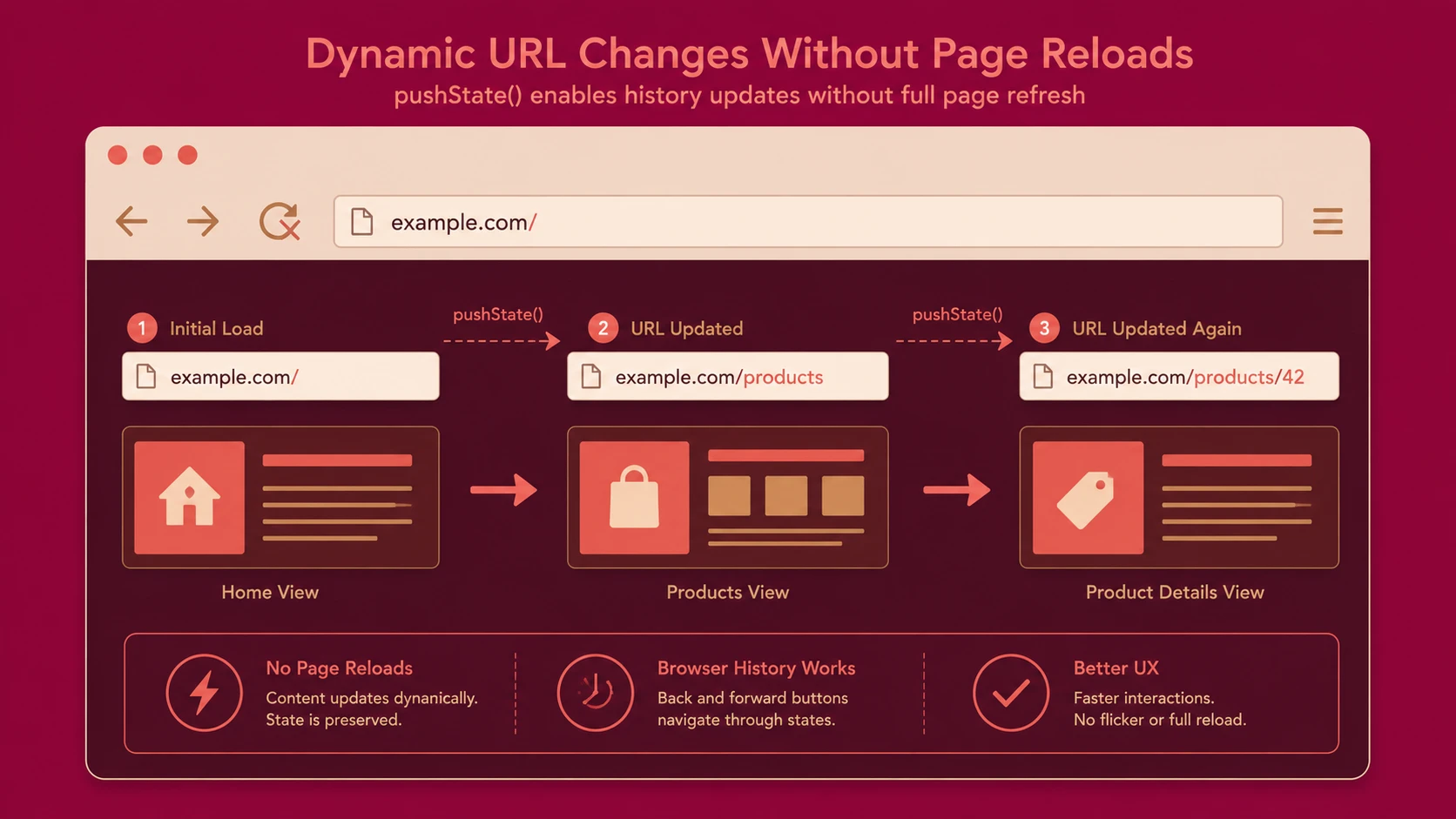
Single Page Application Routing: Managing Client States with HTML5 History API
As Single Page Applications become increasingly common, client-side routing has become a critical architectural concern. This article examines the HTML5 History API, route management, browser navigation, URL design, and enterprise implementation strategies from the perspective of May 2014.
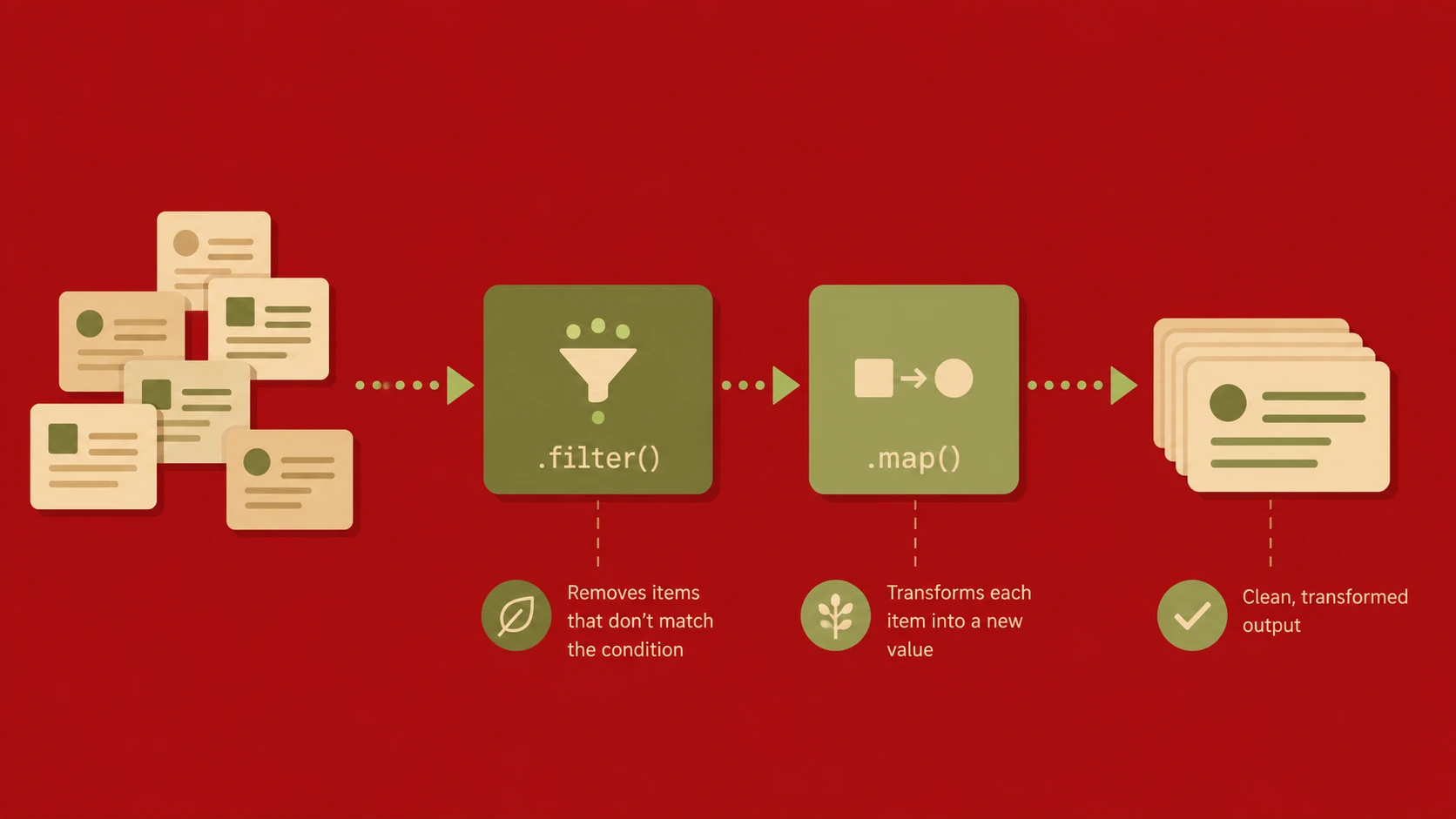
Java 8: Lambda Expressions, Streams API, and the End of PermGen Memory
Java 8 introduces one of the most significant updates to the Java platform in recent years, featuring Lambda Expressions, the Streams API, a modern Date and Time API, and the removal of PermGen memory in favor of Metaspace. This article examines these capabilities from the perspective of March 2014, evaluating their architectural impact, enterprise adoption considerations, and practical implications for large-scale Java development.
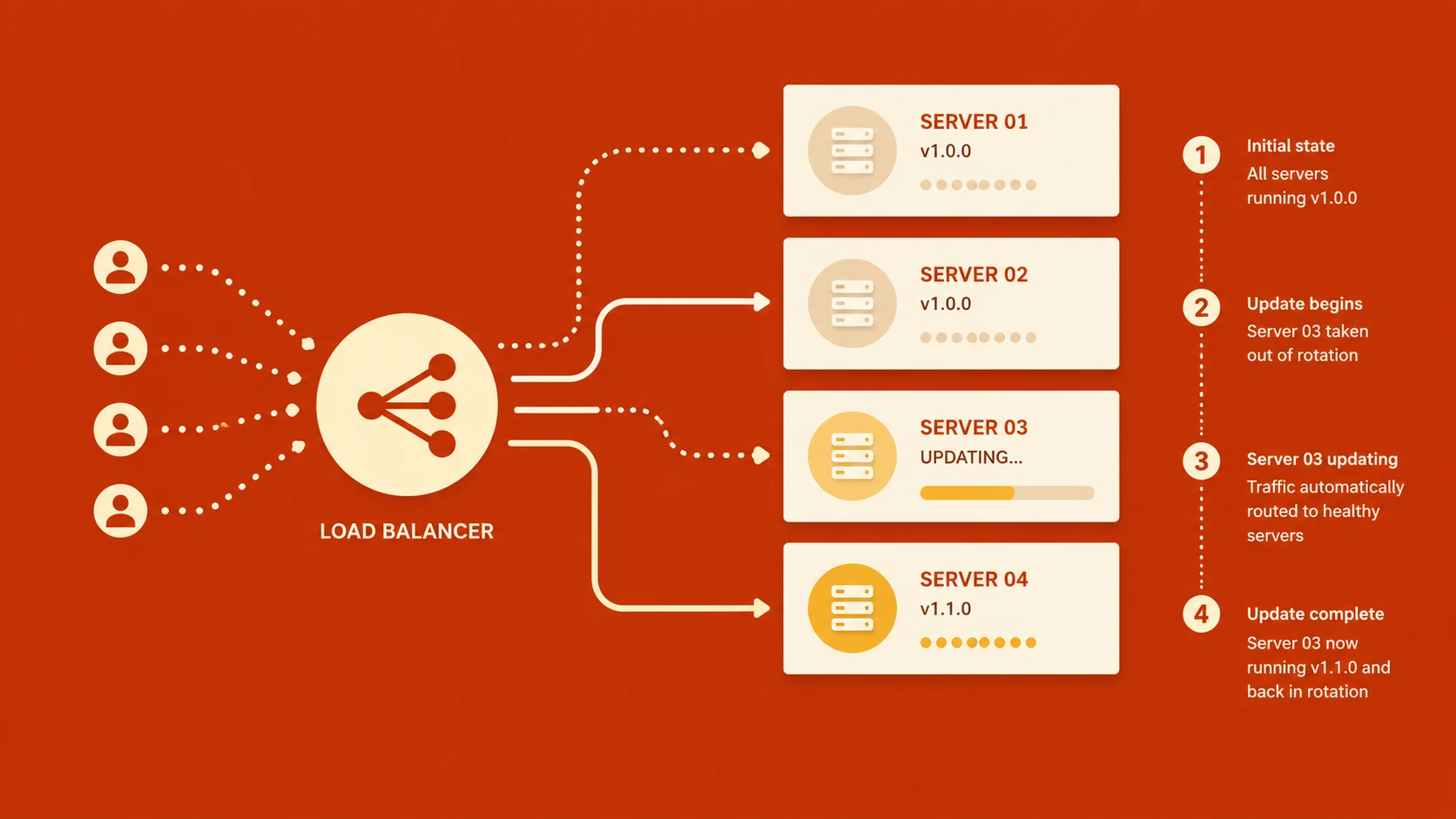
Ansible Playbooks: Orchestrating Zero-Downtime Application Deployments
Ansible has rapidly emerged as a lightweight IT automation platform by eliminating the need for managed agents while using simple YAML-based playbooks to automate infrastructure provisioning, configuration management, and application deployment. As enterprises increasingly embrace DevOps practices, Ansible Playbooks provide a practical approach to orchestrating repeatable, zero-downtime deployments. This article examines Ansible from the perspective of December 2013, exploring its architecture, deployment strategies, scalability, security considerations, and enterprise adoption.
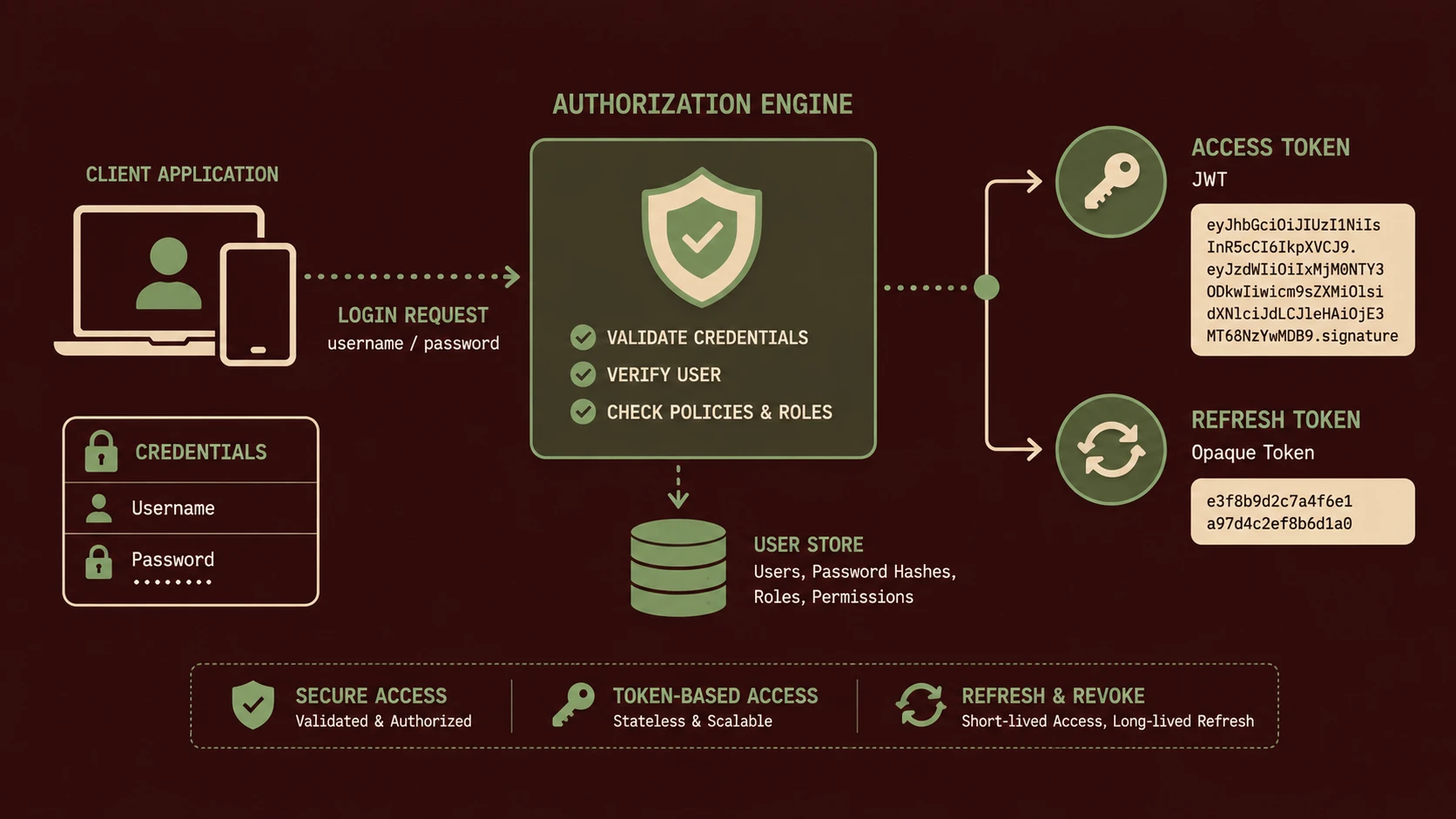
OAuth 2.0 Authorization Server Implementation: Managing Access Tokens and Refresh Tokens
As organizations standardize API security around OAuth 2.0, implementing a robust authorization server becomes a critical architectural responsibility. This article examines authorization server design, token lifecycle management, refresh tokens, security practices, and enterprise deployment considerations from the perspective of October 2013.
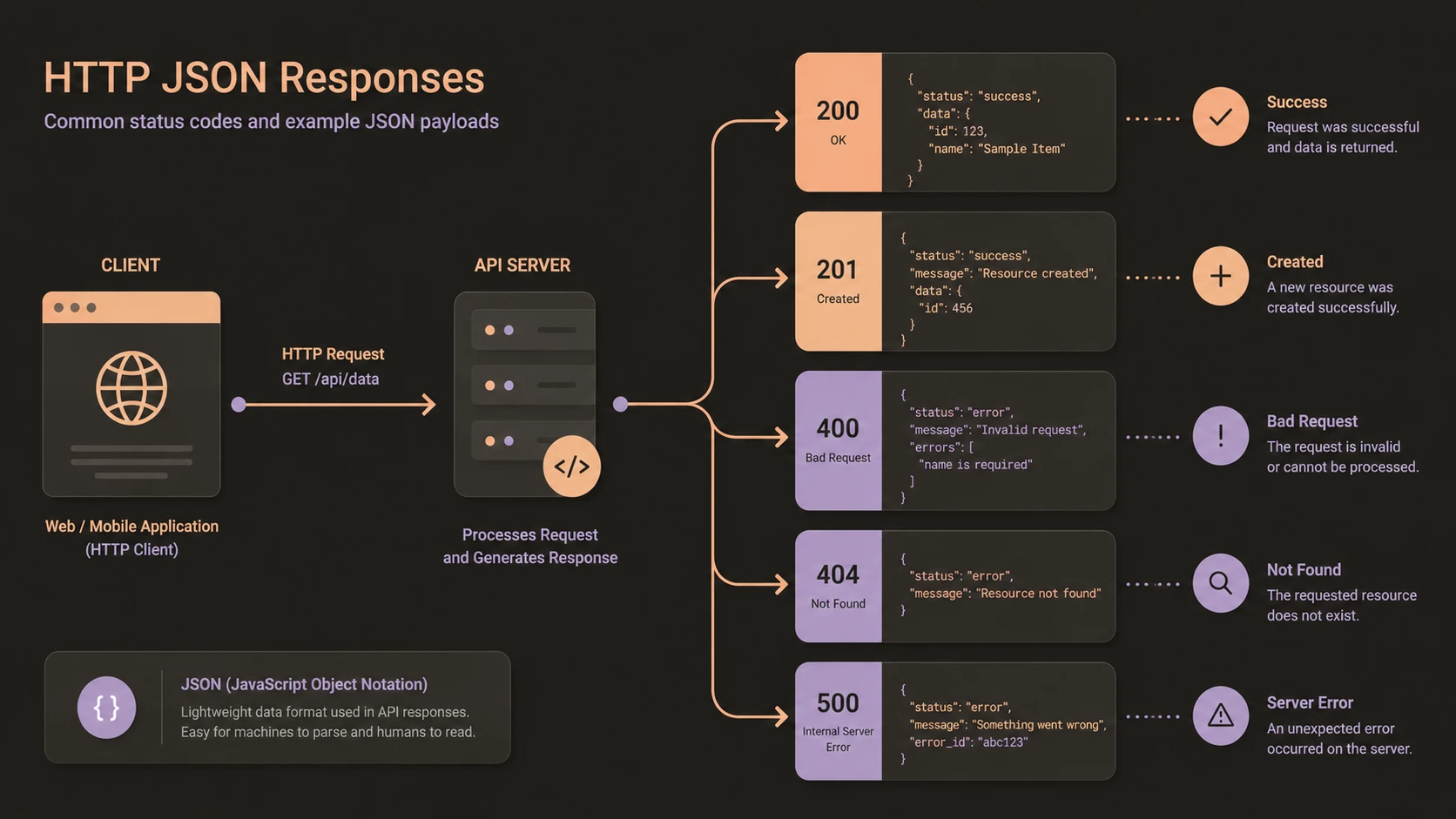
Designing RESTful APIs: Standardizing JSON Status Codes, Hypermedia, and CORS
As RESTful APIs become the foundation of modern web and mobile applications, consistent API design is increasingly important. This article explores REST architecture, JSON response standards, HTTP status codes, hypermedia, and CORS from the perspective of mid-2013, providing practical guidance for enterprise architects and API developers.
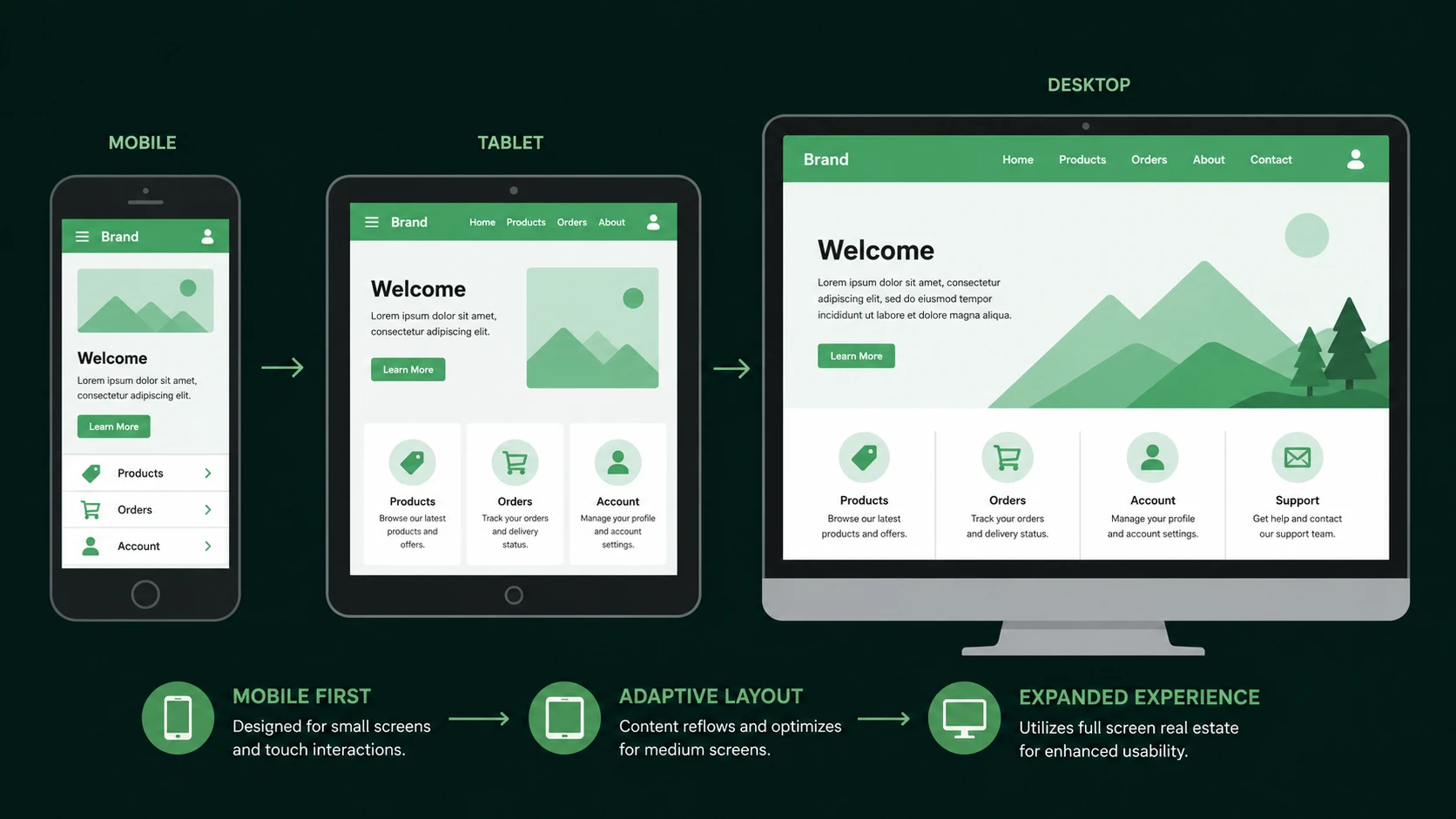
Bootstrap 3.0 Mobile-First Refactor: Designing Viewports from Mobile to Desktop
Bootstrap 3.0 represents a significant architectural shift from previous releases by adopting a mobile-first philosophy. This article examines the framework from the perspective of March 2013, exploring its responsive grid system, CSS architecture, component redesign, enterprise adoption considerations, and how mobile-first development is reshaping modern web engineering.
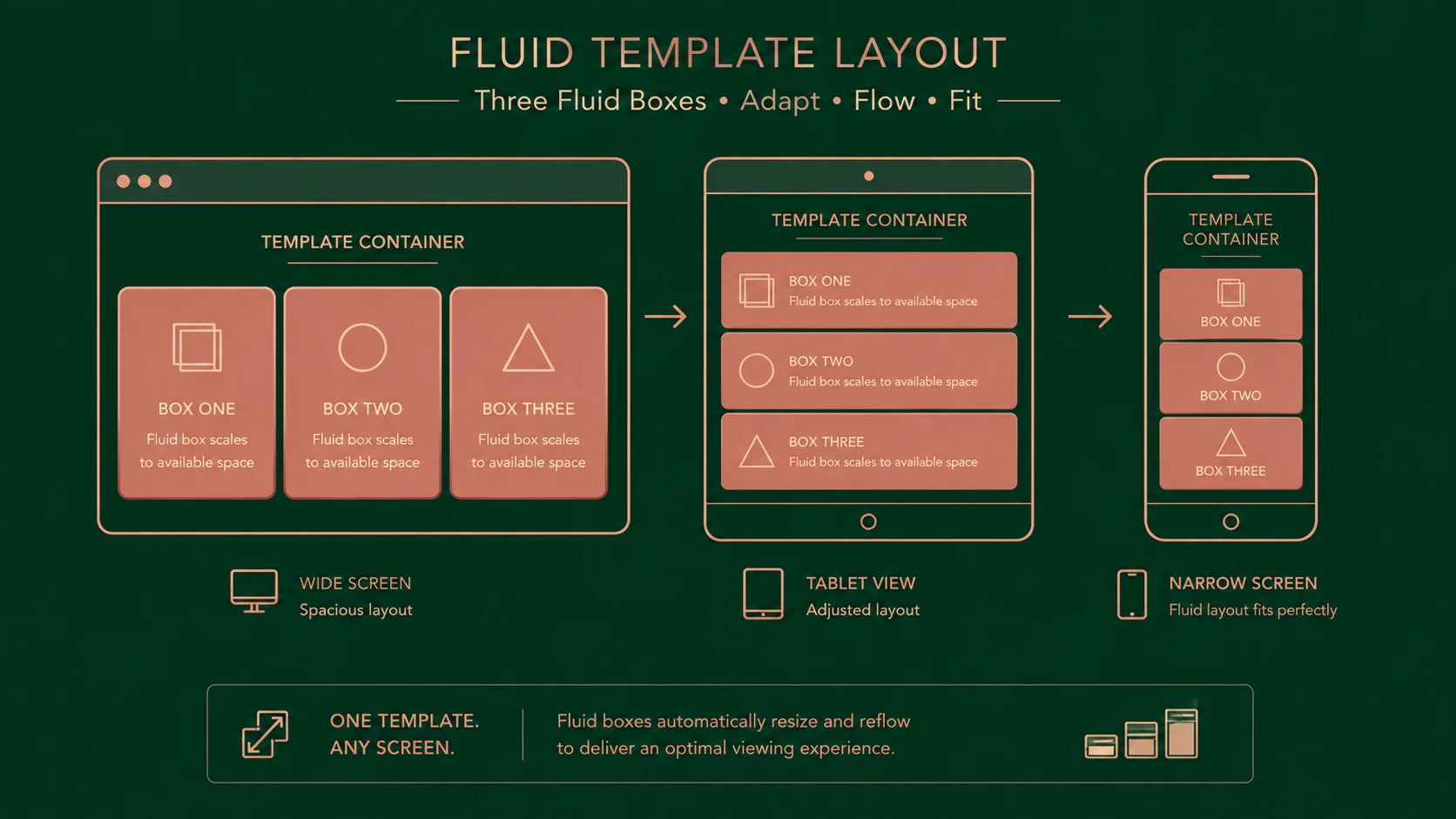
The Responsive Web: Retrospective on Design Standardizations of 2012
Throughout 2012, responsive web design evolved from an experimental development approach into a practical enterprise strategy for supporting desktops, tablets, and smartphones with a unified codebase. Driven by advances in CSS3, HTML5, media queries, fluid layouts, and mobile browser capabilities, responsive design is reshaping how organizations build and maintain modern web applications. This article reviews the major developments of 2012 and examines their enterprise implications from the perspective of December 2012.
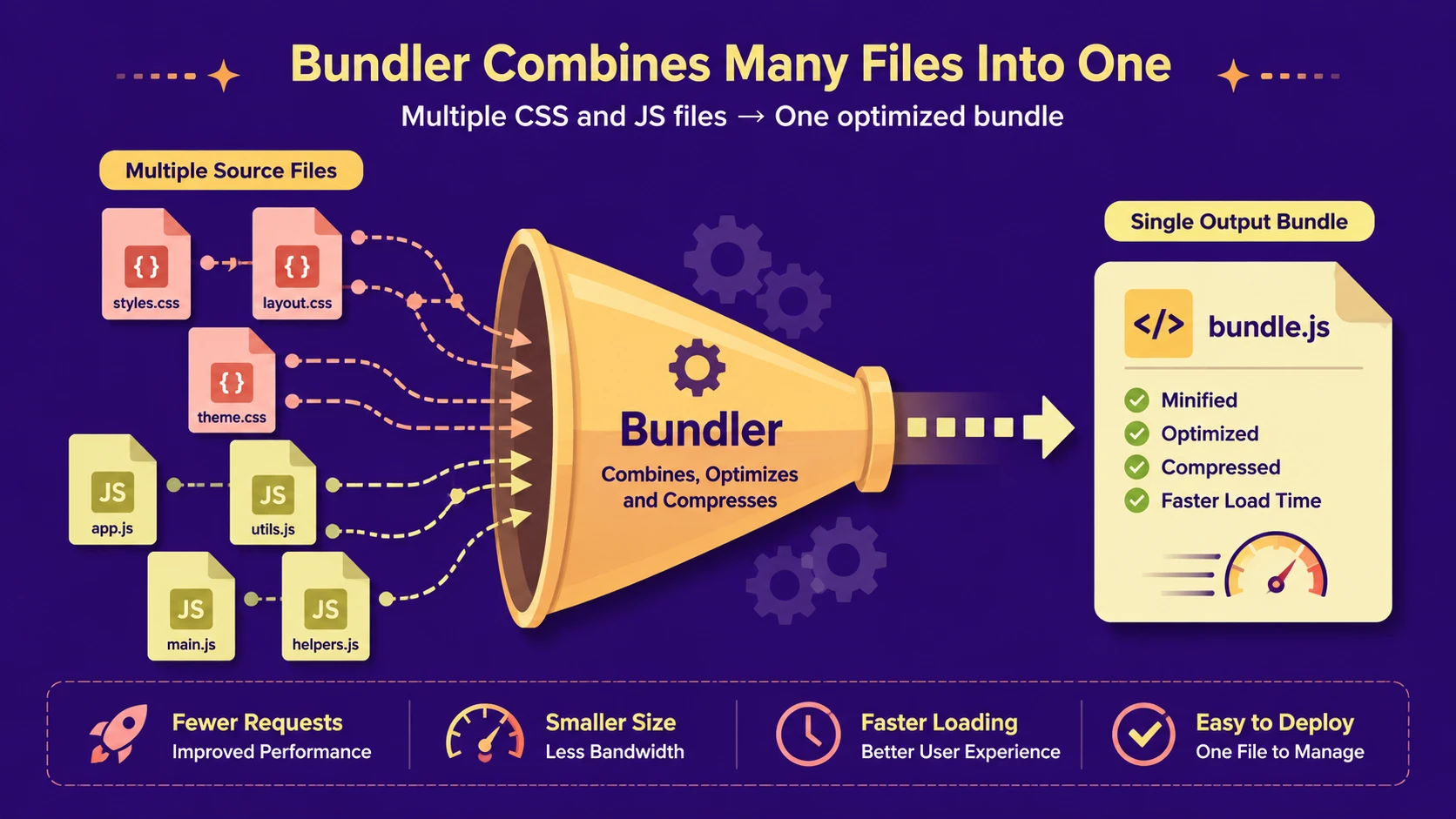
ASP.NET MVC 4: Bundling, Minification, and Mobile Views
ASP.NET MVC 4 introduces important enhancements that address two growing enterprise priorities: web application performance and mobile device support. Built on ASP.NET 4.5 and the .NET Framework, MVC 4 adds built-in bundling and minification, adaptive mobile views, Web API integration, and improved project templates. This article examines these capabilities from the perspective of November 2012, helping enterprise architects evaluate their impact on modern web application development.
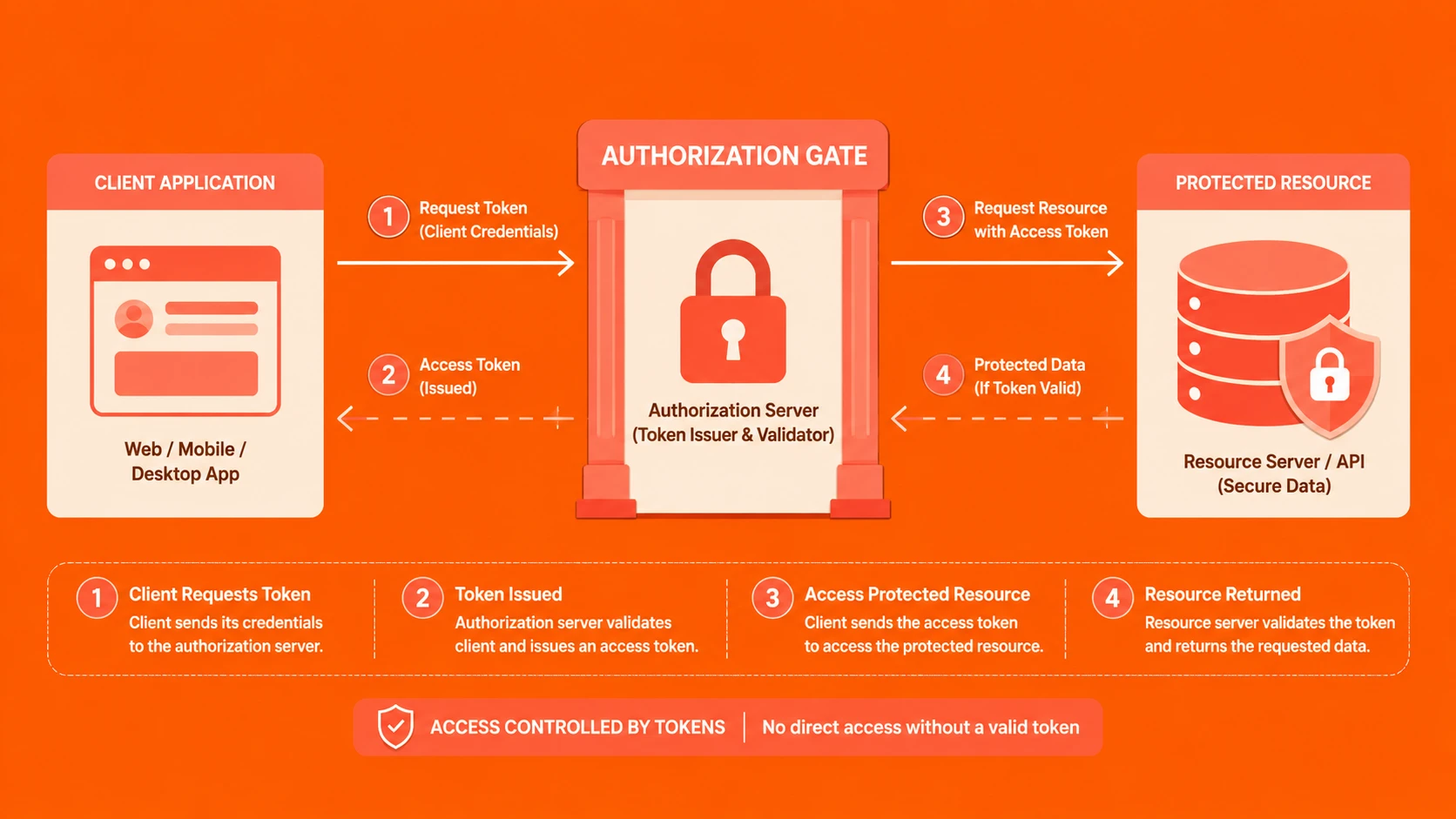
OAuth 2.0 RFC 6749: Standardizing Authorization for Web APIs
OAuth 2.0 has been standardized as RFC 6749, providing a flexible authorization framework for web applications, mobile clients, and APIs. This article examines its architecture, authorization flows, security model, enterprise adoption strategies, and implementation considerations from the perspective of October 2012.
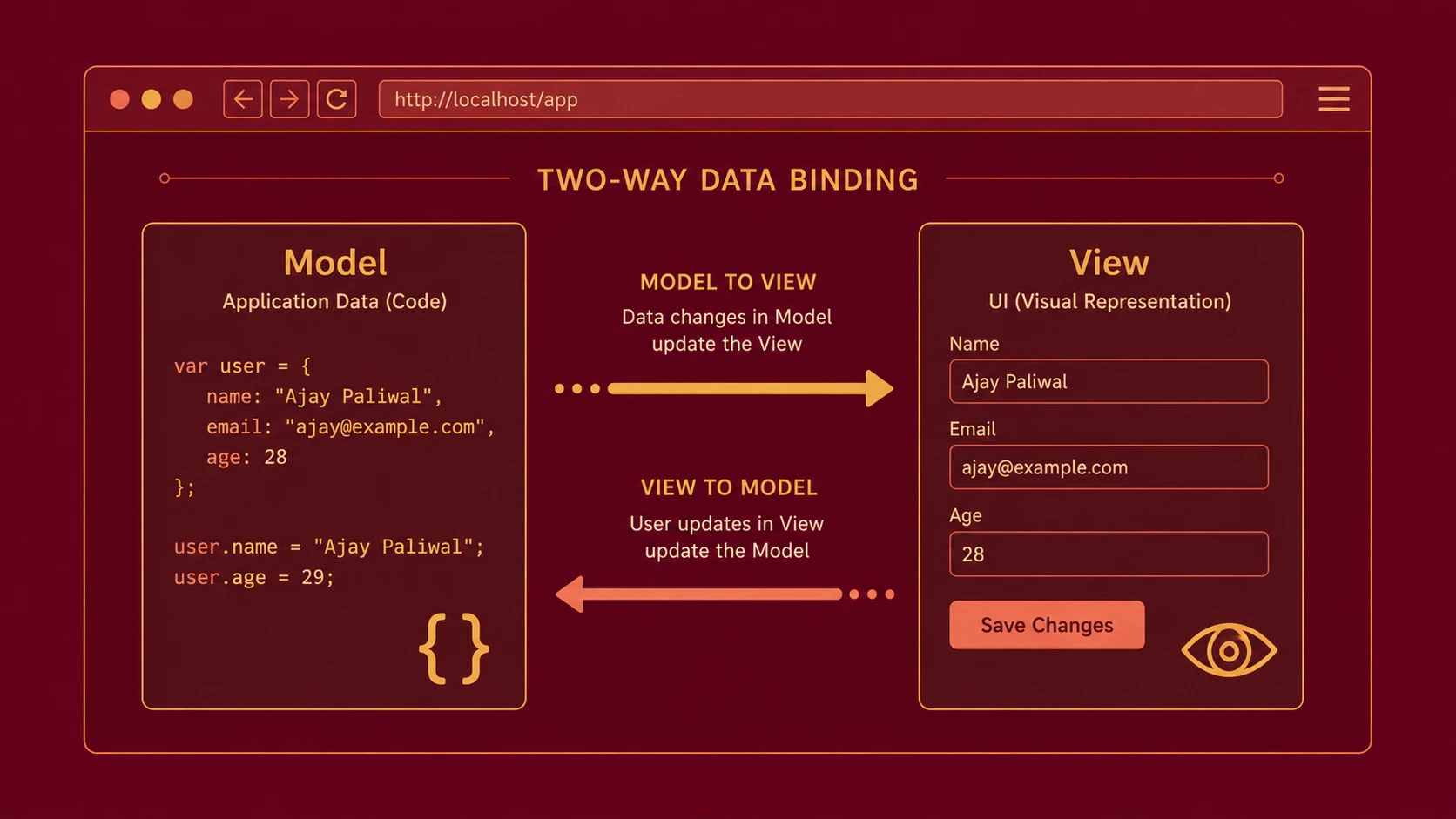
Single Page Apps: Why AngularJS v1.0 is the Framework to Watch
With the release of AngularJS 1.0, Google has introduced a JavaScript framework that simplifies the development of Single Page Applications (SPAs). This article examines AngularJS from the perspective of July 2012, evaluating its architecture, enterprise potential, performance characteristics, and how it compares with existing JavaScript frameworks.
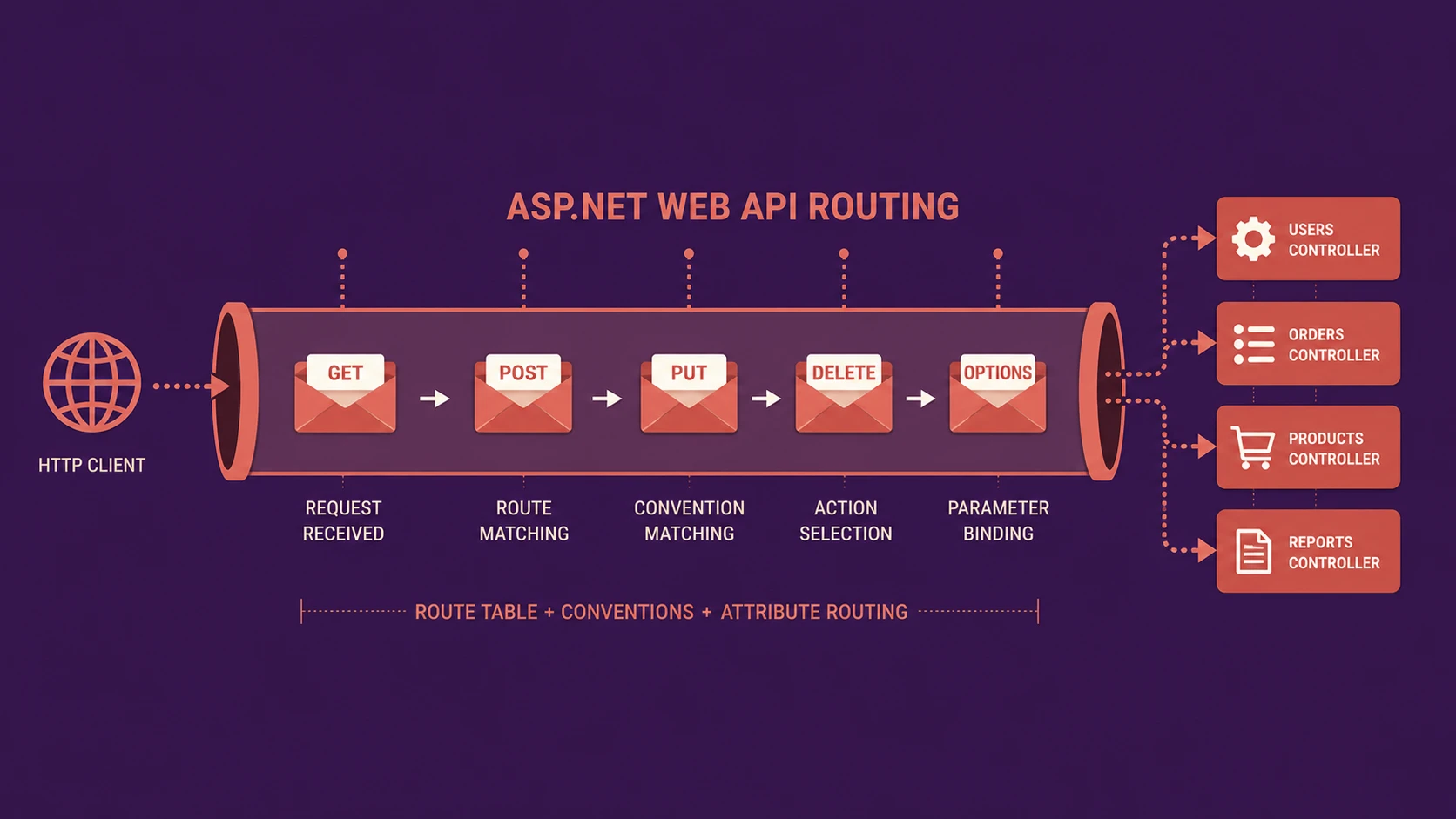
ASP.NET Web API: Designing RESTful APIs for the Modern Web
ASP.NET Web API introduces a modern programming model for building HTTP services that can be consumed by browsers, mobile applications, and enterprise systems. This article examines its architecture, design principles, enterprise adoption strategies, and implementation considerations from the perspective of April 2012.
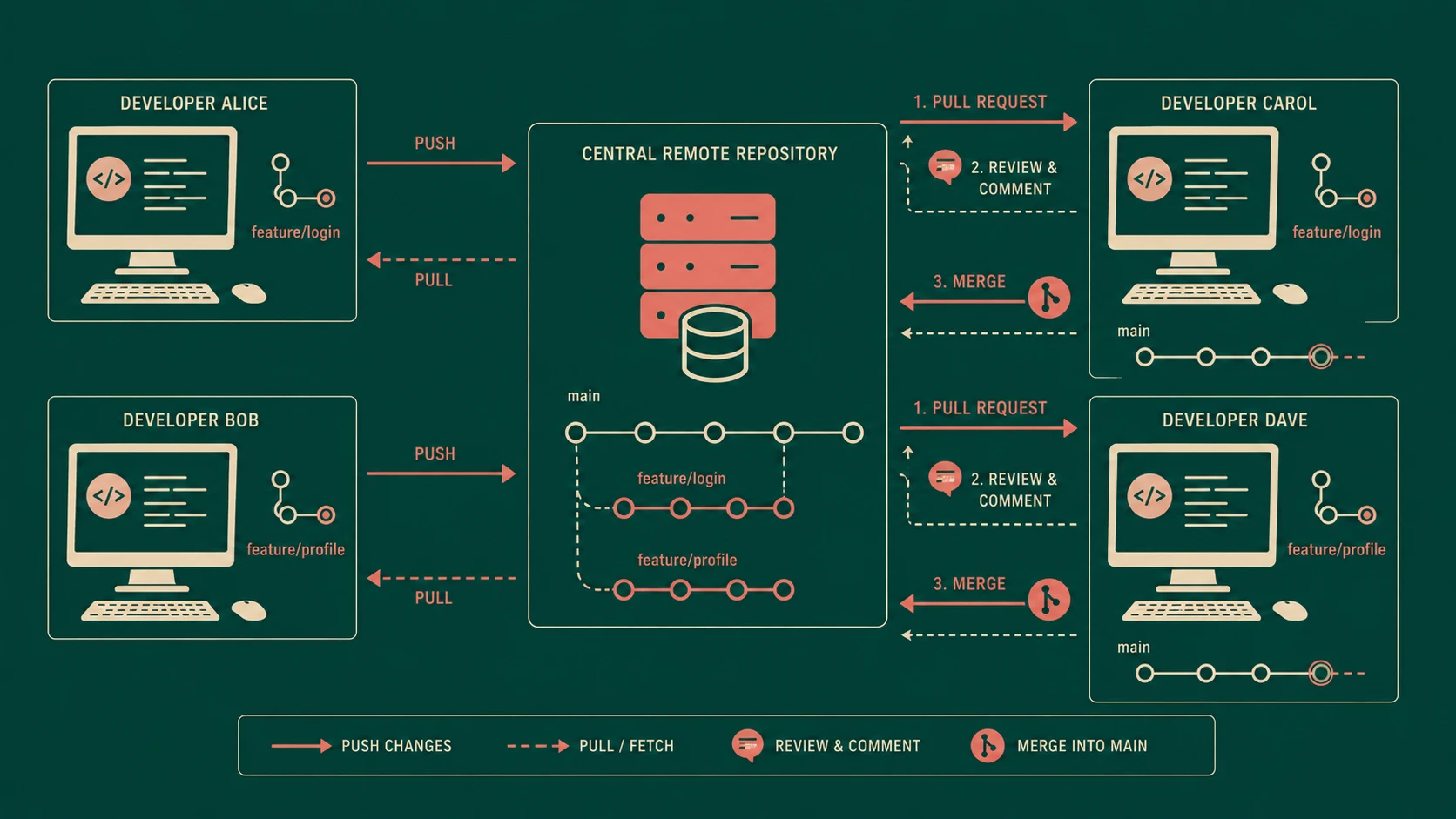
Social Coding: How GitHub is Redefining Team Collaboration
GitHub has rapidly emerged as more than a Git hosting platform. This article explores how social coding, pull requests, forks, issue tracking, and collaborative development practices are influencing enterprise software engineering as of early 2012.
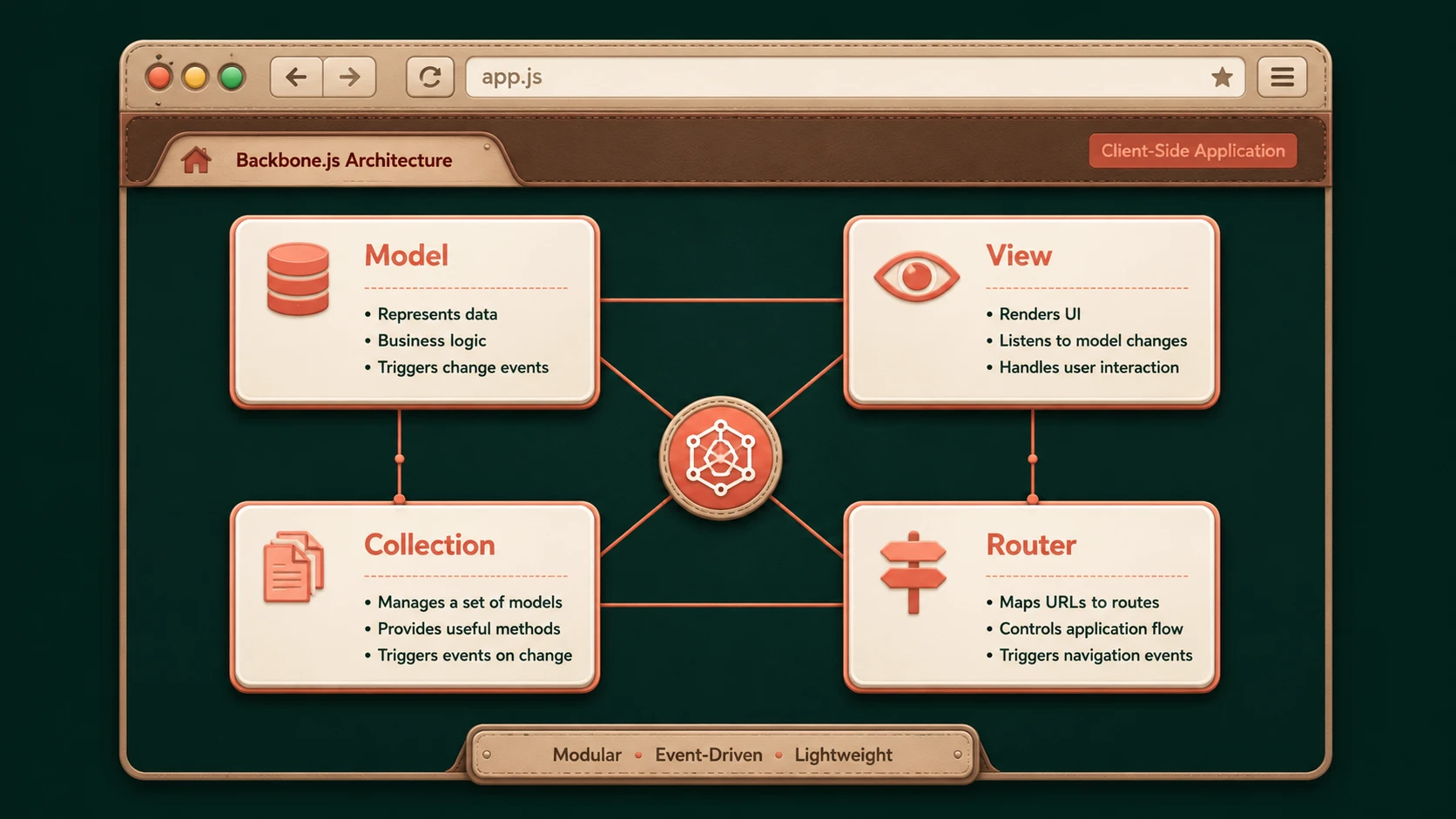
Single Page Applications: Architecting Web Apps with Backbone.js
As enterprise web applications become increasingly interactive, traditional multi-page architectures are giving way to client-driven experiences. Backbone.js provides a lightweight framework for organizing JavaScript applications using models, views, collections, and routers. This article examines Backbone.js, Single Page Application architecture, and enterprise adoption considerations from the perspective of January 2012.

Microservices Architecture: Early Lessons in Service Decoupling
As enterprise systems continue to grow in size and complexity, architects are increasingly exploring smaller, independently deployable services as an alternative to large monolithic applications. Although the term 'microservices' is only beginning to appear in technical discussions, many organizations are already applying its underlying principles. This article examines the architectural concepts, benefits, challenges, and adoption considerations from the perspective of October 2011.