Introduction
The rapid adoption of RESTful APIs, cloud platforms, mobile applications, and Software as a Service (SaaS) solutions has transformed enterprise application architecture. Rather than exposing business functionality exclusively through web interfaces, organizations increasingly provide programmable APIs that serve browsers, mobile applications, desktop software, and business partners.
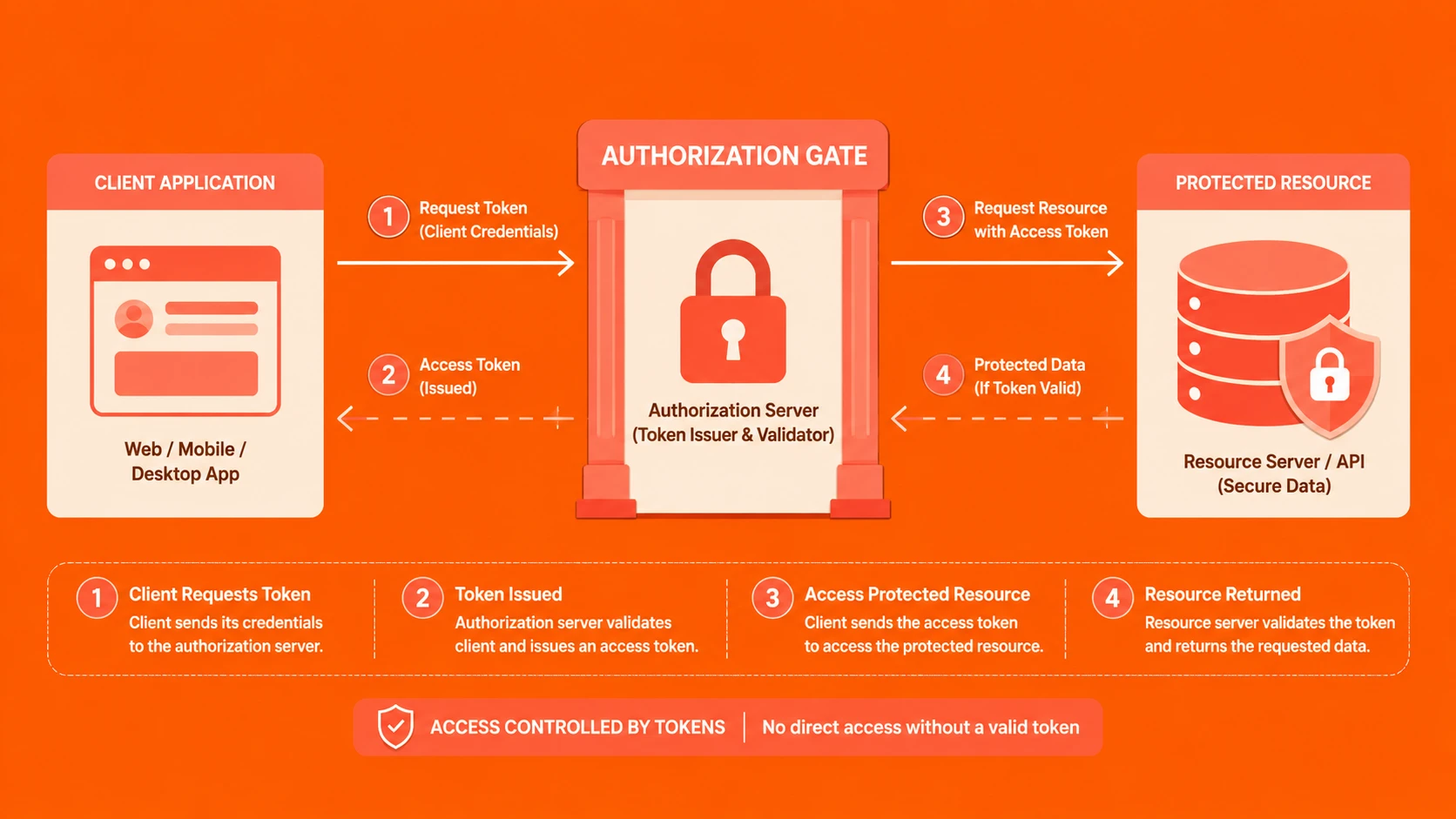
Securing these APIs requires more than simple authentication. Enterprise systems must allow applications to access protected resources on behalf of users without exposing passwords to every client application. OAuth 2.0, standardized in RFC 6749, addresses this requirement by introducing delegated authorization based on access tokens.
While many discussions focus on OAuth clients, implementing an authorization server presents its own architectural challenges. Token generation, lifecycle management, refresh tokens, client registration, revocation, and secure storage all become critical responsibilities.
This article examines how enterprise architects should approach OAuth 2.0 authorization server implementation as of October 2013.
Industry Background
HTTP-based APIs have become the preferred integration mechanism for modern enterprise systems. Mobile platforms, browser-based JavaScript applications, and cloud services increasingly depend on standardized authorization rather than application-specific authentication mechanisms.
OAuth 2.0 separates authorization from authentication by allowing an authorization server to issue tokens representing delegated permissions. Resource servers validate these tokens instead of requesting user credentials directly.
As organizations expose larger API ecosystems, the authorization server becomes a foundational security component responsible for issuing, managing, and controlling delegated access.
The Business Problem
Enterprise organizations commonly face several authorization challenges.
These include:
- ◆Eliminating password sharing between applications
- ◆Managing delegated permissions
- ◆Supporting mobile and browser clients
- ◆Revoking compromised credentials
- ◆Limiting authorization scope
- ◆Managing token expiration
- ◆Supporting long-lived user sessions securely
Without centralized authorization, applications frequently implement inconsistent security models that become difficult to maintain and audit.
Understanding the Authorization Server
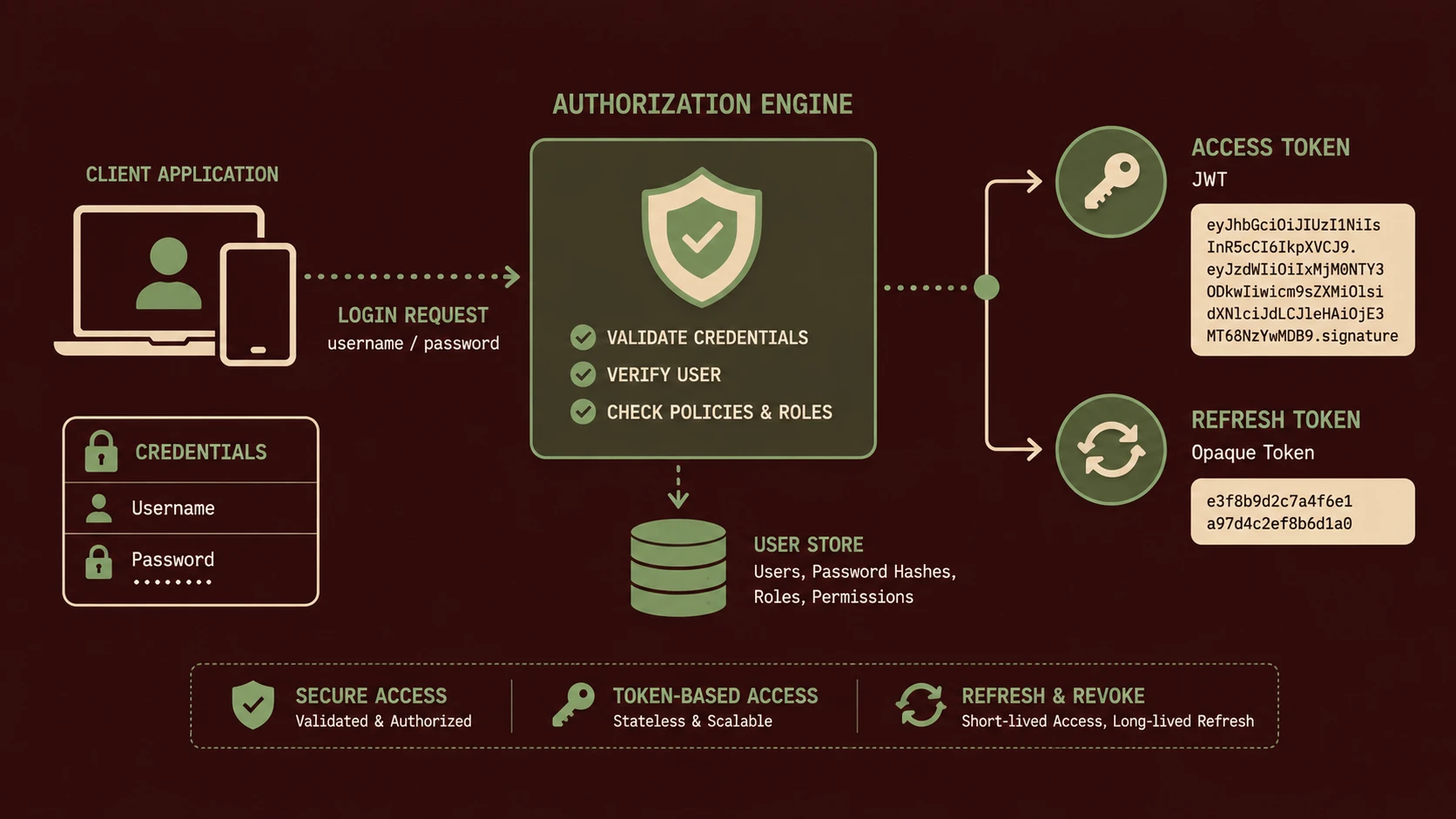
The authorization server is responsible for validating authorization requests and issuing tokens to approved clients.
Its primary responsibilities include:
- ◆Authenticating resource owners where appropriate
- ◆Validating registered clients
- ◆Obtaining user consent
- ◆Issuing access tokens
- ◆Issuing refresh tokens when applicable
- ◆Managing token expiration
- ◆Supporting token revocation
The authorization server becomes the trusted authority responsible for delegated access throughout the API ecosystem.
Core Architecture
| Component | Responsibility |
|---|---|
| Resource Owner | Grants authorization |
| Client Application | Requests delegated access |
| Authorization Server | Issues and manages tokens |
| Resource Server | Protects APIs and validates tokens |
| Access Token | Represents delegated authorization |
| Refresh Token | Obtains new access tokens without repeating user authorization |
| Token Store | Maintains issued token information |
Each component performs a distinct role, reducing coupling between authentication, authorization, and business services.
Authorization Flow
Although OAuth 2.0 defines multiple authorization grant types, a typical authorization code workflow proceeds as follows:
- 1.The client redirects the user to the authorization server.
- 2.The user authenticates and grants permission.
- 3.The authorization server issues an authorization code.
- 4.The client exchanges the code for an access token.
- 5.The authorization server optionally returns a refresh token.
- 6.The client accesses protected resources using the access token.
Separating the authorization code from the access token helps reduce unnecessary exposure during the authorization process.
Access Tokens
Access tokens represent delegated authorization.
Rather than transmitting usernames and passwords with every request, clients present access tokens when communicating with protected APIs.
Well-designed access tokens should:
- ◆Represent limited permissions
- ◆Have a defined expiration period
- ◆Be associated with approved clients
- ◆Support scope restrictions
- ◆Be protected during storage and transmission
Short-lived access tokens reduce the impact of accidental disclosure.
Refresh Tokens
Repeatedly requesting user authorization would create a poor user experience. OAuth 2.0 therefore supports refresh tokens for eligible authorization grants.
A refresh token allows an authorized client to request a new access token after the previous one expires.
Advantages include:
- ◆Improved user experience
- ◆Reduced authentication frequency
- ◆Short-lived access tokens
- ◆Continued delegated access without repeated user interaction
Refresh tokens should generally receive stronger protection than access tokens because they may be used to obtain additional access tokens.
Token Lifecycle Management
// Express.js handler for OAuth 2.0 /token endpoint
app.post('/oauth/token', async (req, res) => {
  const { grant_type, client_id, client_secret, refresh_token } = req.body;

  if (grant_type === 'client_credentials') {
    const isValid = await validateClient(client_id, client_secret);
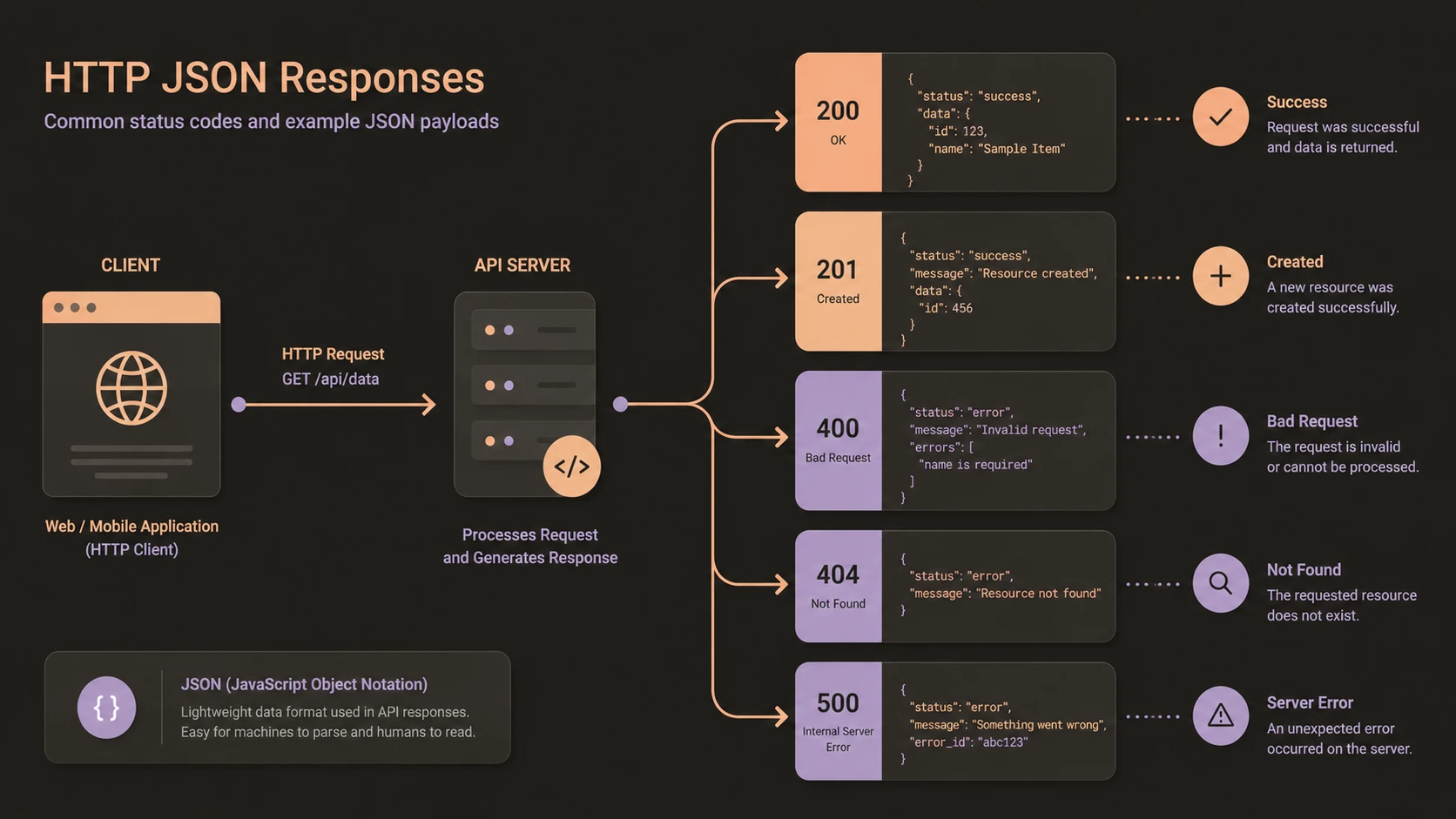
    if (!isValid) return res.status(401).json({ error: 'invalid_client' });

    const token = generateAccessToken(client_id);
    return res.json({ access_token: token, token_type: 'Bearer', expires_in: 3600 });
  }

  res.status(400).json({ error: 'unsupported_grant_type' });
});
Successful authorization server implementations require careful token lifecycle management.
Typical stages include:
- 1.Token issuance
- 2.Secure storage
- 3.Token validation
- 4.Expiration handling
- 5.Refresh processing
- 6.Revocation where necessary
- 7.Audit logging
Managing this lifecycle consistently across the enterprise improves both security and operational governance.
Scope Management
OAuth 2.0 scopes define the permissions associated with a token.
Examples include:
- ◆Read customer information
- ◆Update profile data
- ◆Access reporting services
- ◆Manage application settings
Organizations should issue only the minimum scopes required for each client.
Applying least-privilege principles reduces the potential impact of compromised tokens.
Client Registration
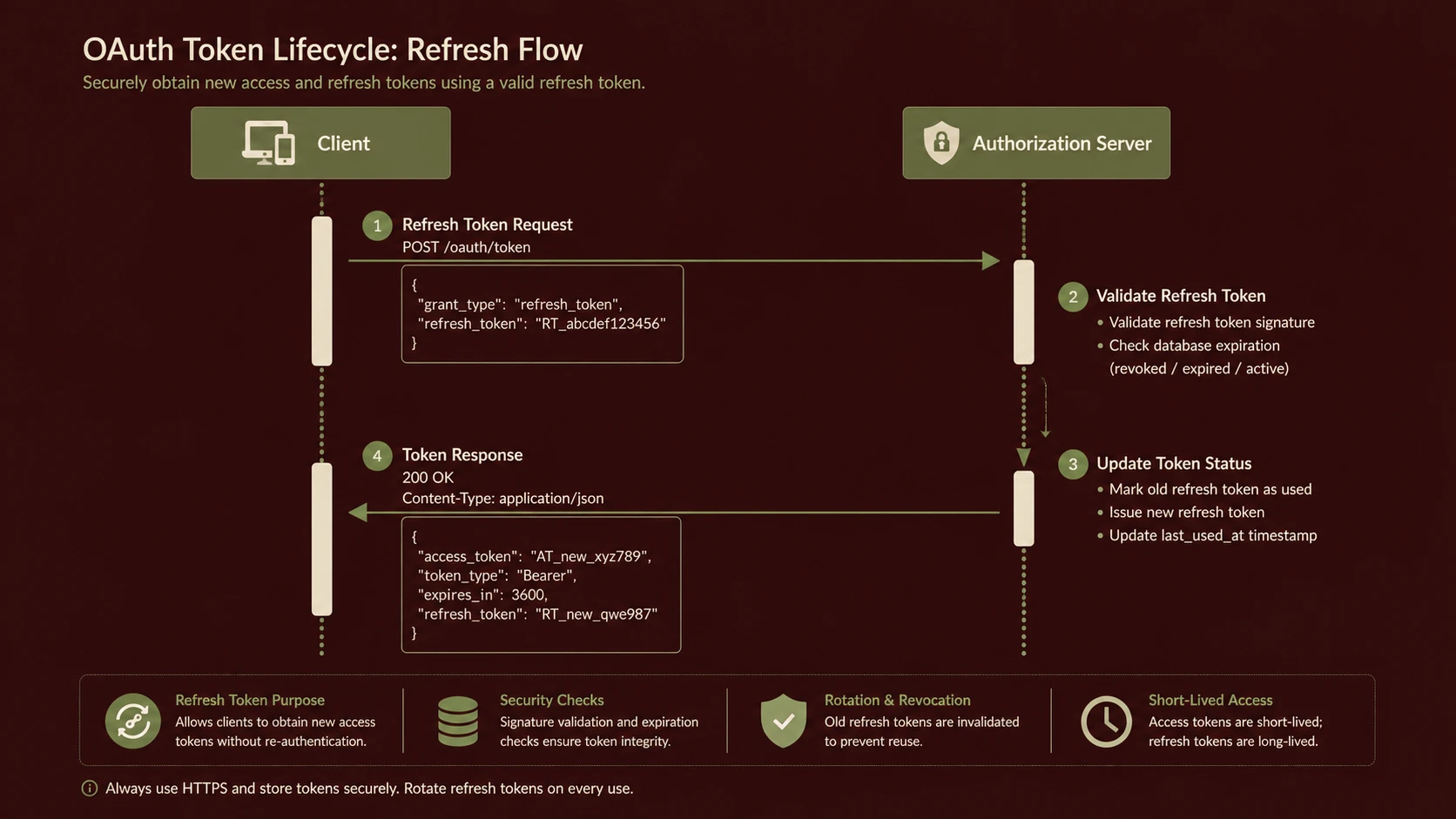
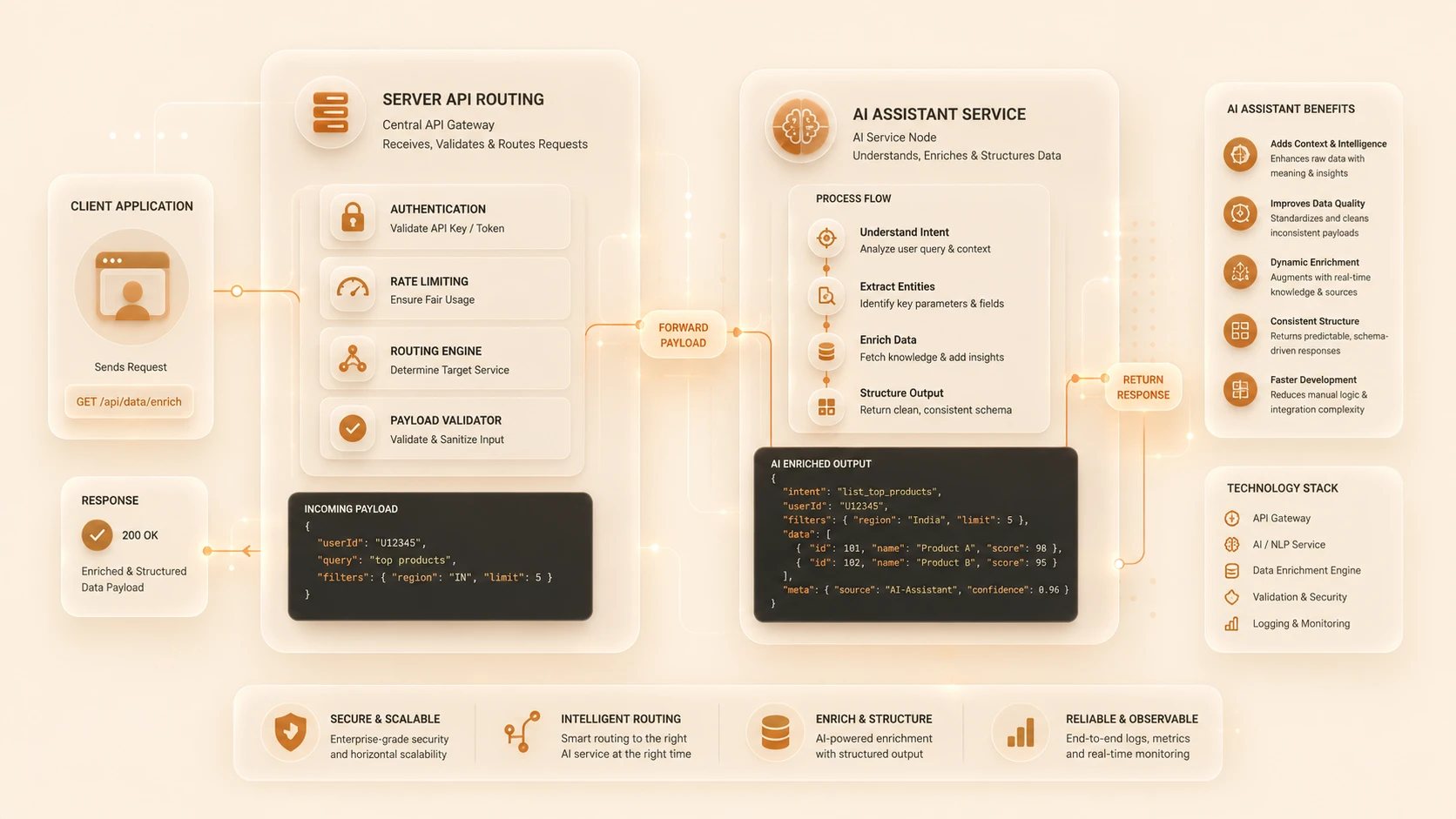
System architecture diagram and conceptual workflow layout for OAuth 2.0 Authorization Server Implementation.
Before participating in OAuth authorization, client applications should be registered with the authorization server.
Registration typically includes:
- ◆Client identifier
- ◆Client credentials for confidential clients
- ◆Redirect URIs
- ◆Supported authorization grants
- ◆Application metadata
Proper client management simplifies operational governance while reducing unauthorized access attempts.
Token Storage
Authorization servers should manage issued tokens carefully.
Important considerations include:
- ◆Secure persistence
- ◆Expiration tracking
- ◆Efficient lookup
- ◆Revocation support
- ◆Audit capability
Storage architecture should balance performance with operational security requirements.
Enterprise Use Cases
| Scenario | Benefit |
|---|---|
| Enterprise REST APIs | Centralized authorization |
| Mobile applications | Secure delegated access |
| Cloud platforms | Standardized token management |
| Partner integrations | Controlled resource sharing |
| Internal business applications | Unified authorization model |
| SaaS platforms | Multi-client authorization |
A centralized authorization server simplifies governance across diverse application environments.
Performance Considerations
Authorization infrastructure must support high request volumes while maintaining predictable response times.
Performance planning should include:
- ◆Token generation efficiency
- ◆Token validation performance
- ◆Database indexing for token storage
- ◆Secure caching where appropriate
- ◆Authorization server scalability
Careful capacity planning prevents authorization services from becoming bottlenecks.
Security Considerations
Authorization servers represent high-value security infrastructure.
Organizations should implement:
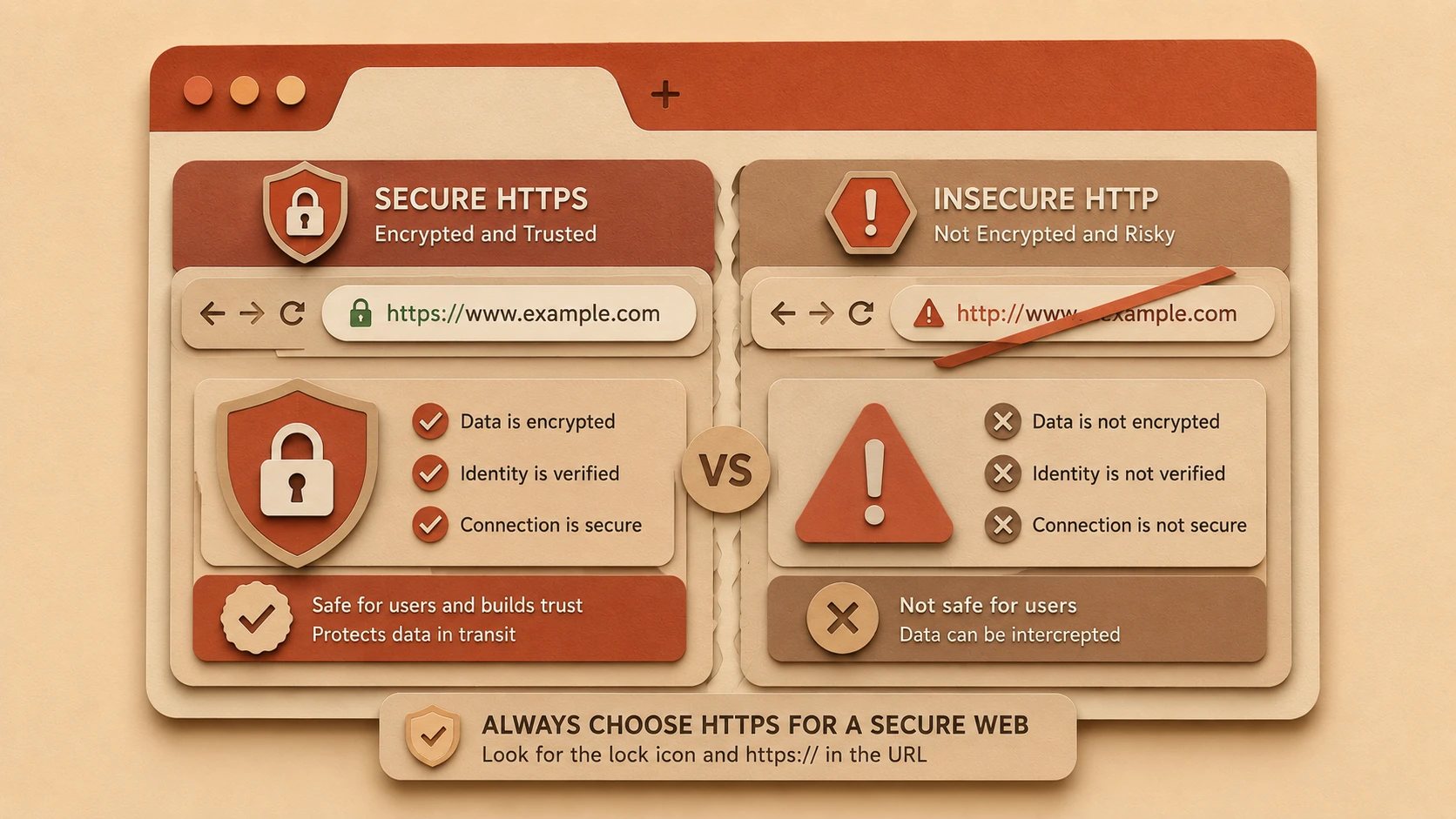
- ◆HTTPS for all communication
- ◆Secure client authentication
- ◆Token expiration policies
- ◆Secure refresh token storage
- ◆Redirect URI validation
- ◆Comprehensive audit logging
- ◆Protection against token disclosure
- ◆Least-privilege scope assignment
Security architecture should be reviewed regularly as API ecosystems expand.
Scalability
Authorization services should support growing numbers of users, clients, and protected APIs.
Scalability considerations include:
- ◆Stateless request processing where practical
- ◆Distributed authorization server deployment
- ◆Shared token storage
- ◆Load balancing
- ◆Operational monitoring
Separating authorization from business services allows both layers to scale independently.
Best Practices
Organizations implementing OAuth 2.0 authorization servers should:
- ◆Issue short-lived access tokens.
- ◆Protect refresh tokens carefully.
- ◆Validate redirect URIs.
- ◆Register all client applications.
- ◆Use HTTPS exclusively.
- ◆Implement detailed audit logging.
- ◆Limit authorization scopes.
- ◆Monitor abnormal authorization activity.
- ◆Define token expiration policies.
- ◆Review client permissions periodically.
These practices contribute to a secure and maintainable authorization infrastructure.
Common Mistakes
Early implementations frequently encounter several architectural issues.
Common mistakes include:
- ◆Issuing excessively long-lived access tokens.
- ◆Granting unnecessary scopes.
- ◆Insecure storage of refresh tokens.
- ◆Weak client registration procedures.
- ◆Insufficient audit logging.
- ◆Inconsistent token validation.
- ◆Treating OAuth as an authentication protocol.
Careful governance helps prevent these issues from becoming systemic security risks.
Technology Comparison
| Capability | Access Token | Refresh Token |
|---|---|---|
| Primary Purpose | Access protected resources | Obtain new access tokens |
| Typical Lifetime | Short | Longer than access tokens |
| Sent to Resource Server | Yes | No |
| Managed by Authorization Server | Yes | Yes |
| Supports Delegated Authorization | Yes | Indirectly |
Although both token types participate in the OAuth framework, they serve distinct operational purposes.
Adoption Strategy
Organizations introducing OAuth 2.0 should implement authorization infrastructure incrementally.
Recommended approach:
- 1.Establish an authorization server.
- 2.Register enterprise client applications.
- 3.Define authorization scopes.
- 4.Implement secure token storage.
- 5.Introduce refresh token support where appropriate.
- 6.Integrate resource servers with centralized token validation.
- 7.Monitor operational metrics and security events.
Incremental deployment allows organizations to refine governance before expanding OAuth across additional APIs.
Limitations
Although OAuth 2.0 provides a flexible authorization framework, implementing an authorization server requires careful planning.
Current considerations include:
- ◆Token lifecycle management increases operational complexity.
- ◆Secure client registration processes must be maintained.
- ◆Refresh tokens require stronger protection than access tokens.
- ◆Authorization infrastructure must remain highly available.
- ◆Governance becomes increasingly important as API ecosystems expand.
Technology alone cannot replace disciplined operational security.
Looking Ahead
As of October 2013, OAuth 2.0 is becoming the preferred authorization framework for modern HTTP APIs, cloud applications, and mobile platforms. Organizations building enterprise API ecosystems should view the authorization server as a core infrastructure component responsible for secure delegated access rather than simply a token issuance service.
A well-designed authorization server, combined with carefully managed access tokens, refresh tokens, scope policies, and operational governance, provides a scalable foundation for securing enterprise APIs while supporting the continued growth of interconnected applications across modern software environments.