API Development
Viewing all posts categorized under API Development.

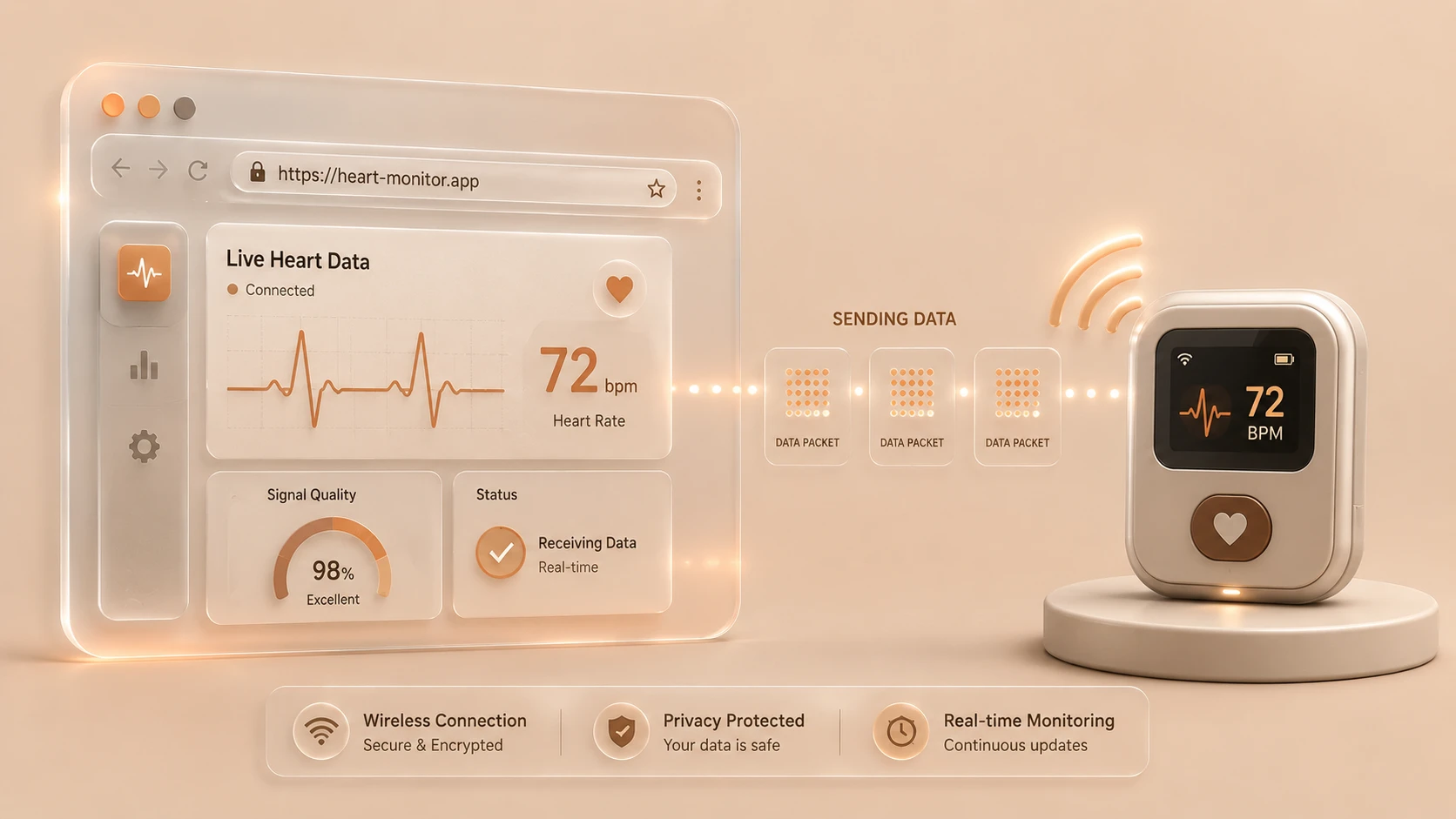
Web Bluetooth API: Interfacing Browser Client JS with Physical IoT Devices
The Web Bluetooth API introduces a standardized mechanism for JavaScript applications to communicate directly with nearby Bluetooth Low Energy devices. This article examines the API architecture, security model, browser capabilities, enterprise use cases, performance considerations, and adoption strategy from the perspective of February 2017.
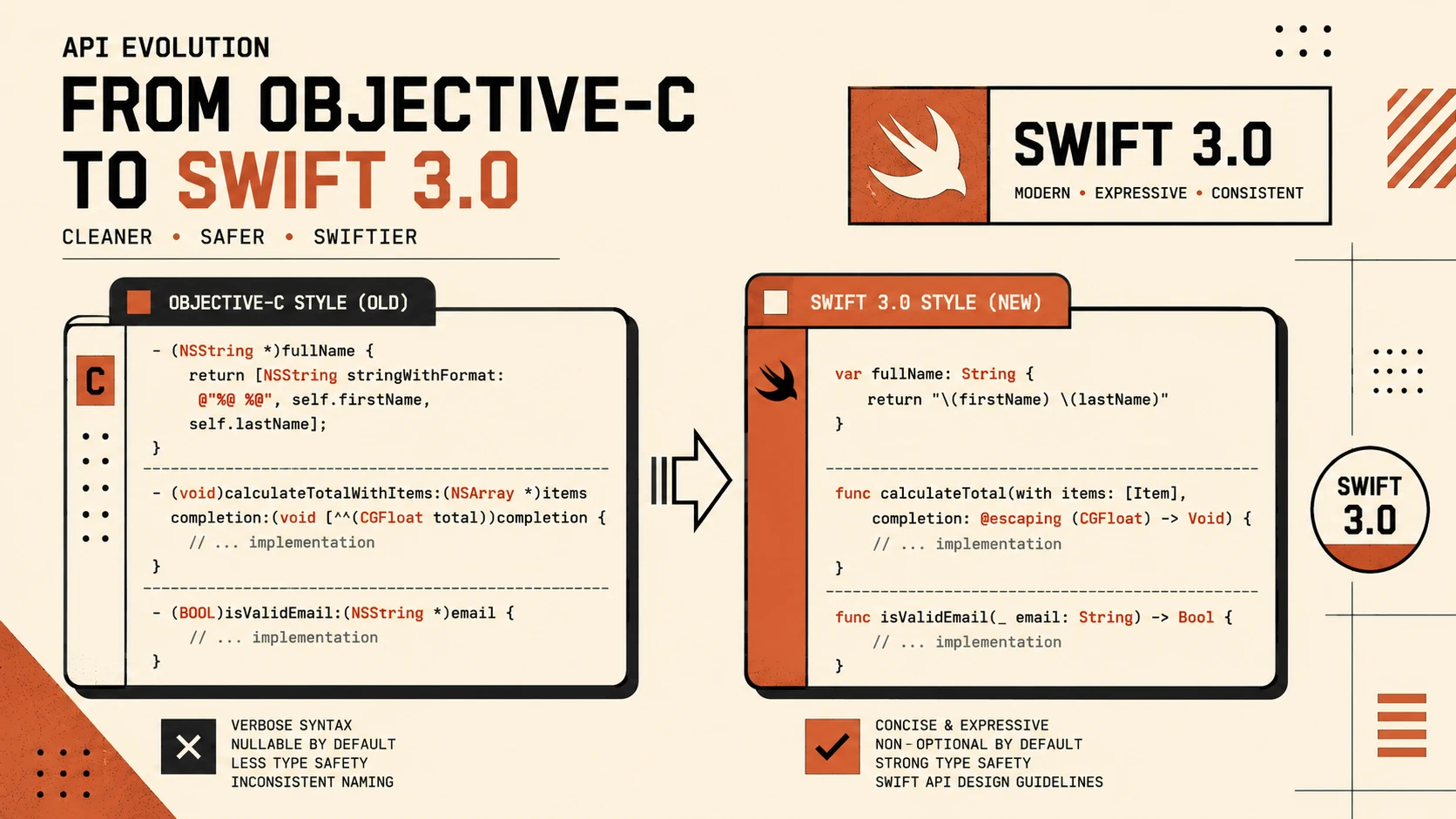
Swift 3.0 Source-Breaking Changes: Standardizing API Design Guidelines
Swift 3.0 represents the largest language refinement since Swift was introduced. By adopting comprehensive API Design Guidelines, simplifying syntax, improving interoperability with Objective-C, and introducing intentional source-breaking changes, Apple aims to create a more consistent and maintainable programming language for long-term application development. This article examines Swift 3.0 from the perspective of October 2016.
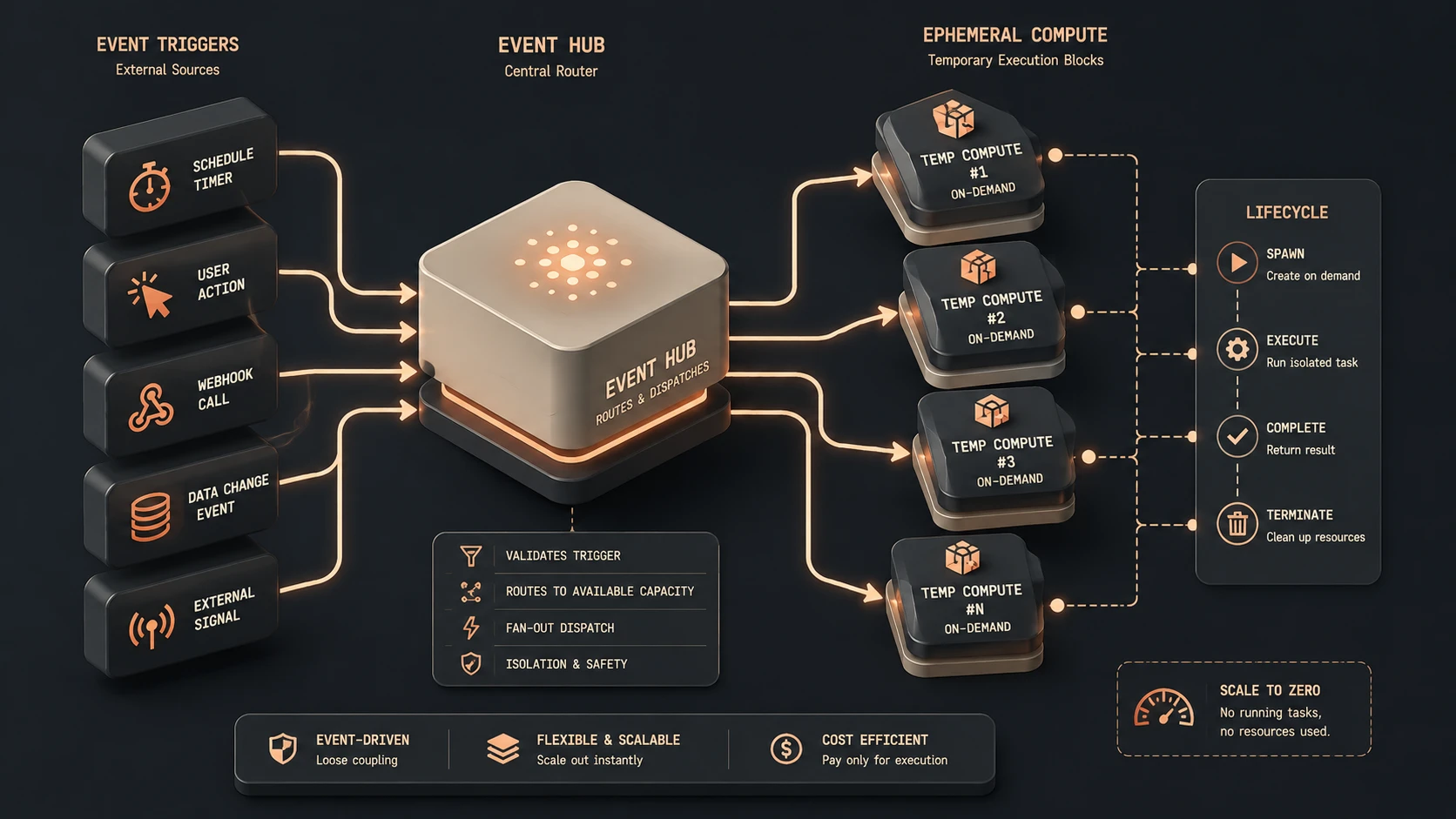
AWS Lambda and Serverless Framework: Deploying Event-Driven SaaS Backends
AWS Lambda has introduced a new execution model where code runs in response to events without provisioning or managing servers. Combined with the emerging Serverless Framework, organizations can simplify deployment, infrastructure management, and operational automation. This article examines the architecture, deployment pipeline, performance characteristics, and enterprise adoption considerations from the perspective of June 2016.
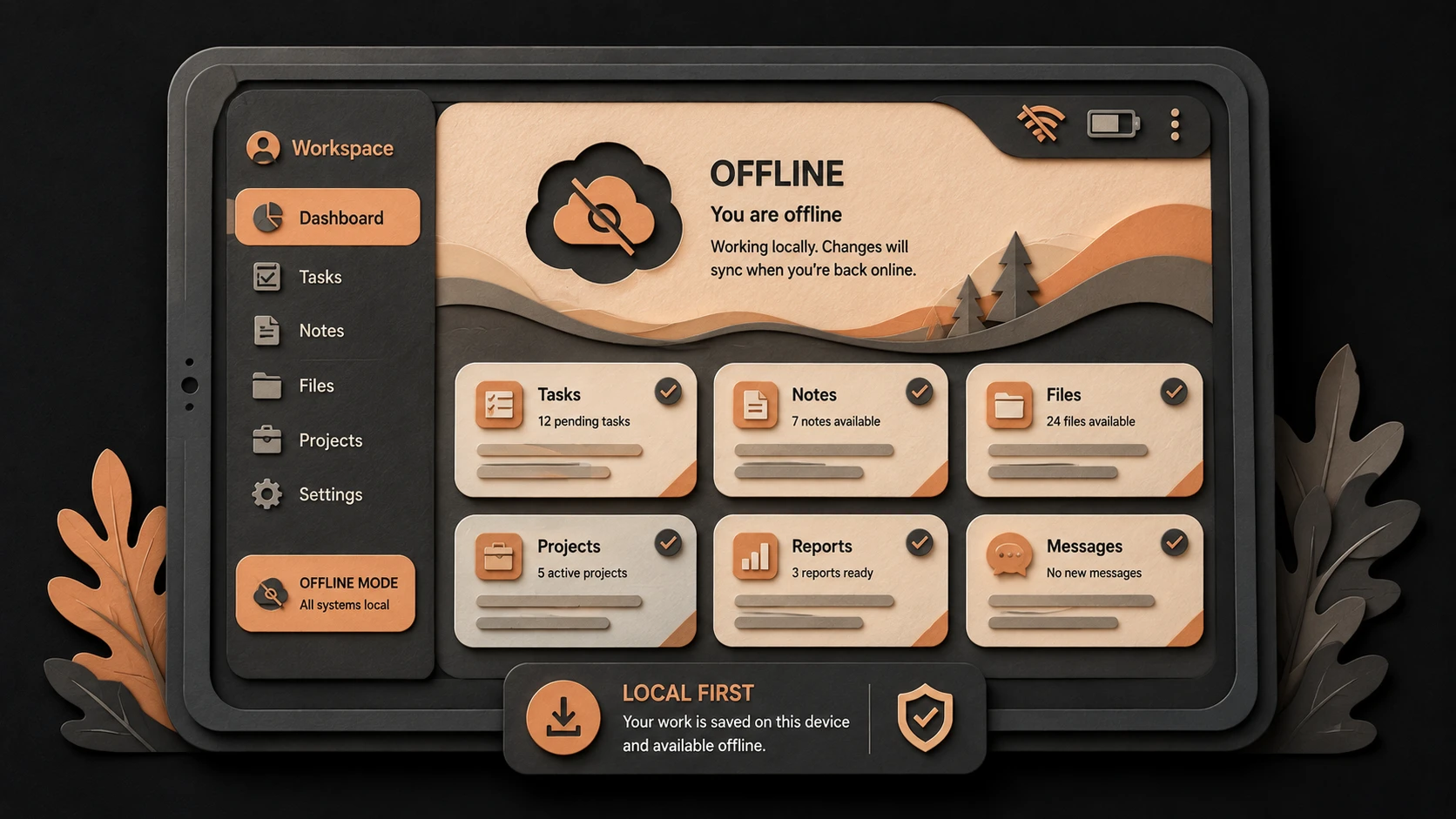
Progressive Web Apps: Service Workers, Cache API, and Offline-First Architectures
Progressive Web Apps (PWAs) combine responsive web design with modern browser capabilities such as Service Workers and the Cache API to deliver reliable, offline-capable, and application-like user experiences. As browser support for these technologies continues to mature during 2016, enterprise organizations are evaluating PWAs as an alternative approach for delivering high-quality web experiences across desktop and mobile devices. This article examines Progressive Web Apps from the perspective of May 2016.
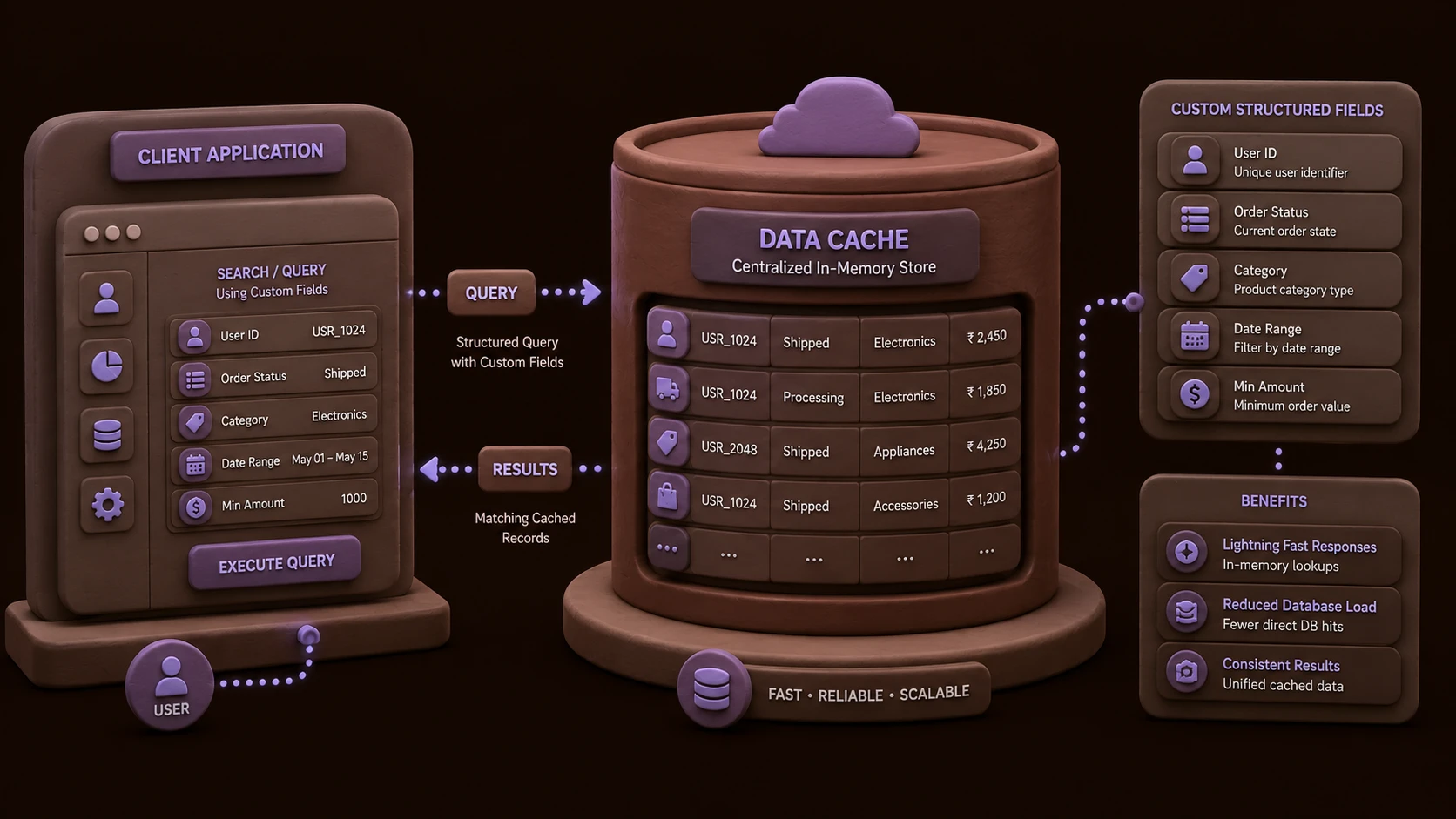
Apollo Client for GraphQL: Standardizing UI Caching and Query Normalization
Apollo Client introduces a comprehensive approach to consuming GraphQL APIs by combining query execution, normalized caching, and client-side state management. This article examines Apollo Client's architecture, caching strategies, query lifecycle, enterprise adoption considerations, and performance characteristics from the perspective of April 2016.
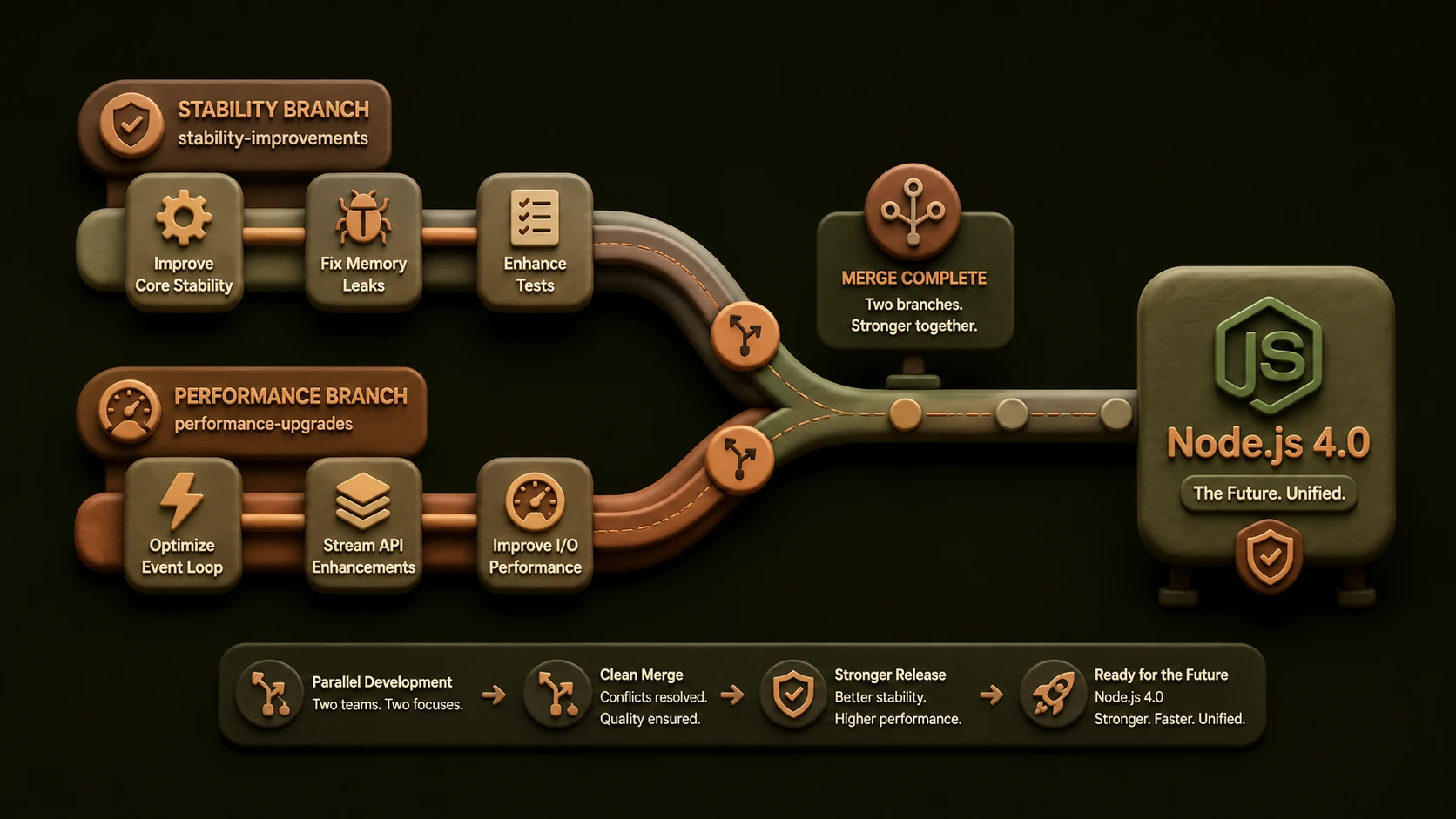
Node.js 4.0: The Historic Reconciliation of Node.js and the io.js Fork
Node.js 4.0 marks a pivotal milestone in the evolution of server-side JavaScript by unifying the previously divided Node.js and io.js projects. Combining modern JavaScript capabilities with an improved release process and stronger community governance, Node.js 4.0 provides enterprises with a stable platform for building scalable web services, APIs, and distributed applications. This article examines Node.js 4.0 from the perspective of December 2015, exploring its architecture, enterprise benefits, performance considerations, and adoption strategies.
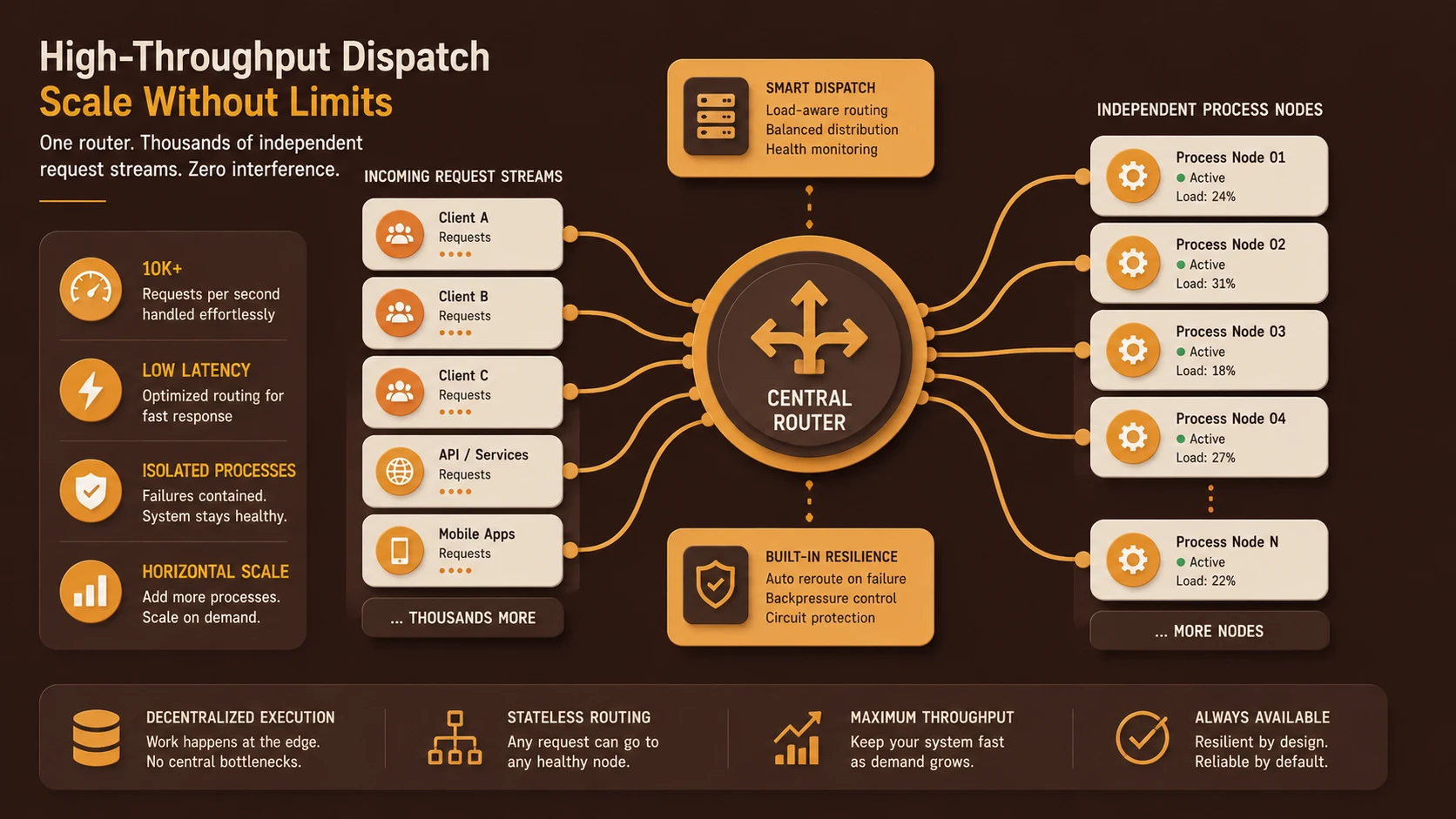
Phoenix Framework: Developing High-Concurrency Web APIs with Elixir and OTP
The Phoenix Framework has rapidly emerged as a promising web development platform for Elixir, combining the reliability of the Erlang VM with a productive MVC architecture. Built upon the OTP concurrency model, Phoenix enables developers to create highly concurrent web APIs and real-time applications capable of supporting demanding enterprise workloads. This article examines Phoenix Framework from the perspective of October 2015, exploring its architecture, concurrency model, enterprise use cases, scalability, performance characteristics, and adoption considerations.
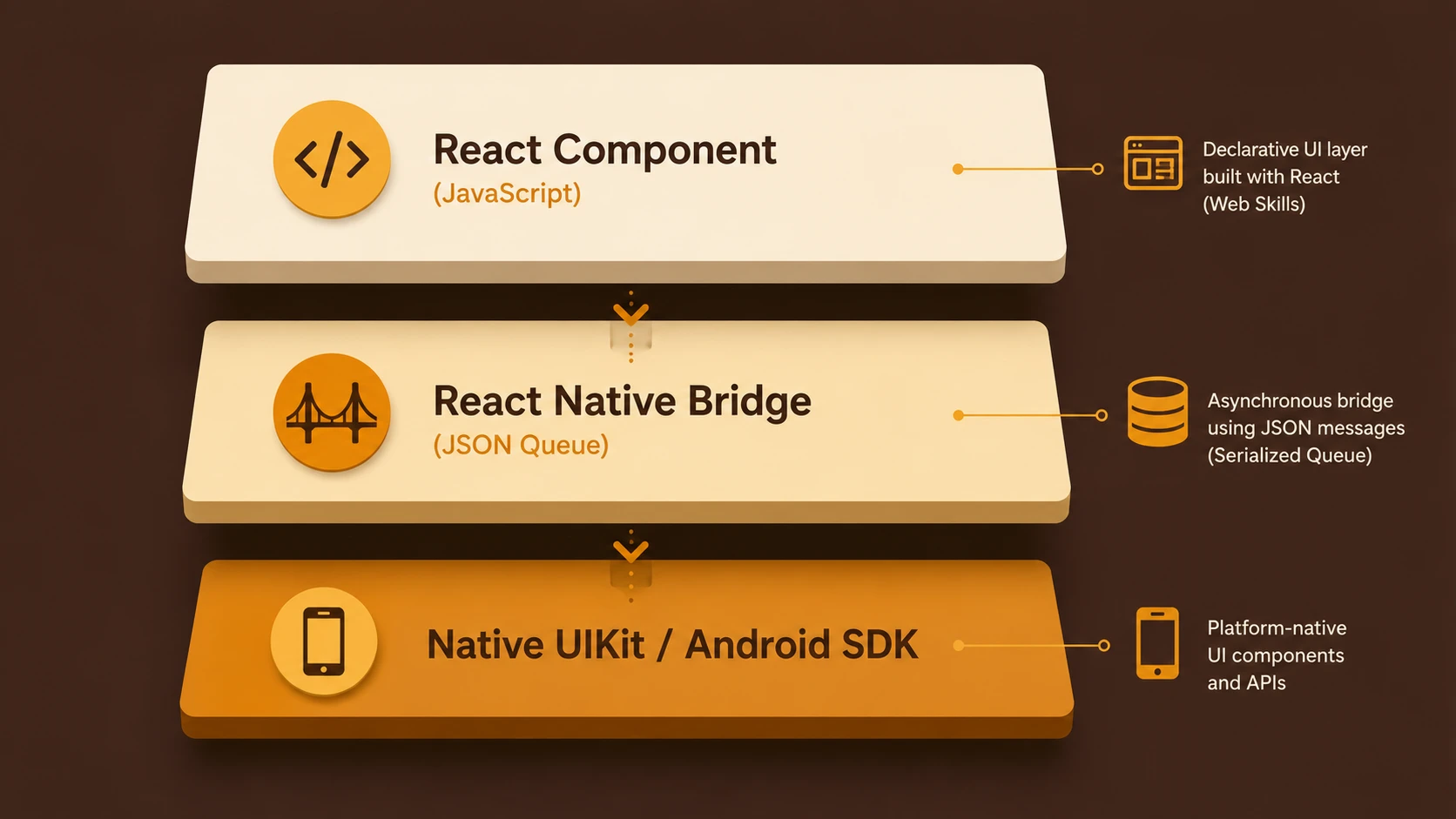
React Native Release: Building Mobile Apps with Native UI Controls and JavaScript
React Native introduces a new approach to native mobile application development by combining JavaScript, React components, and native platform controls. This article examines the framework's architecture, rendering model, performance characteristics, enterprise use cases, and adoption considerations from the perspective of May 2015.
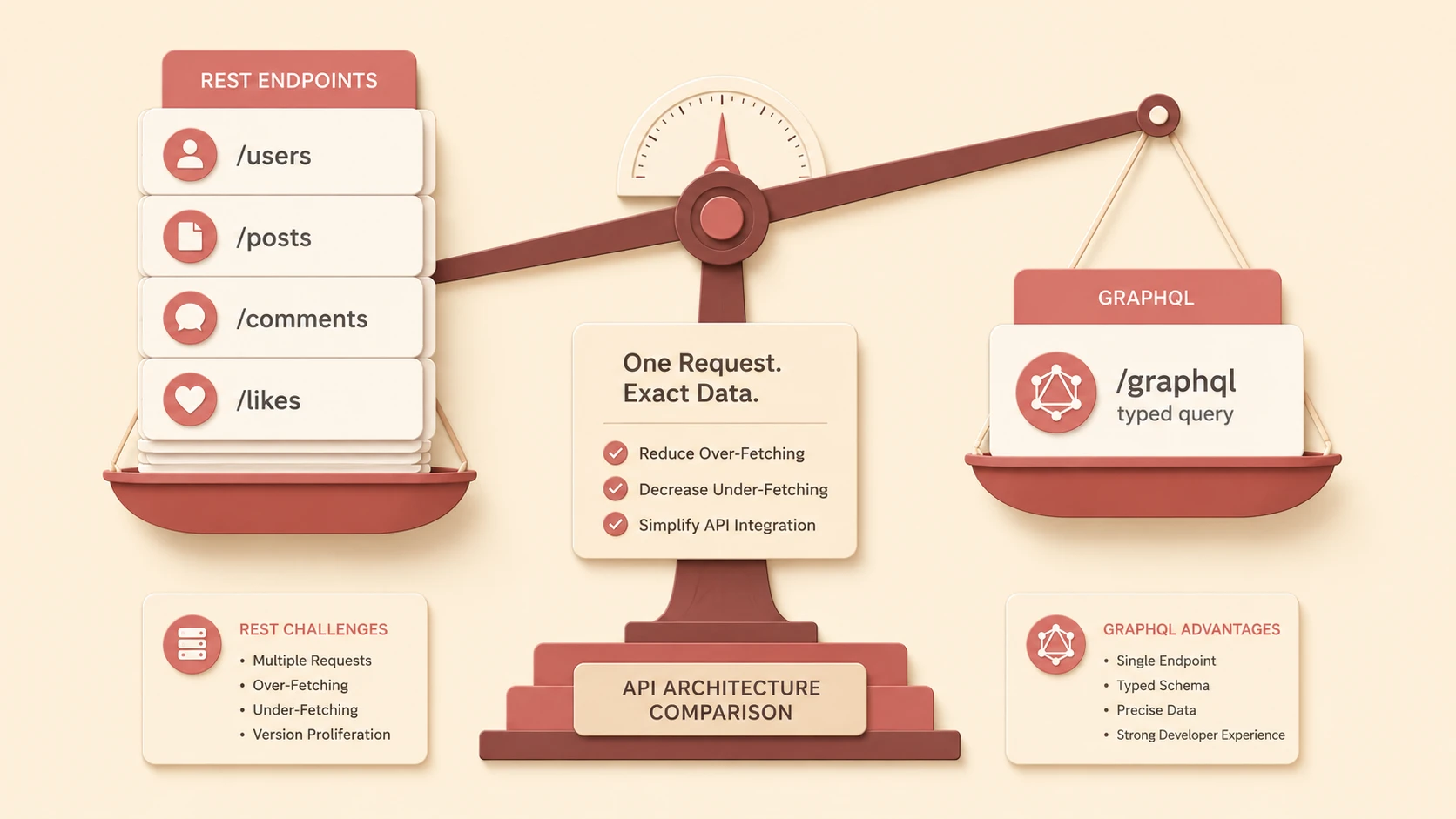
GraphQL Open Source Release: Replacing REST with Single-Endpoint Queries
Facebook has open sourced GraphQL, introducing a query language and runtime designed to simplify API development by allowing clients to request exactly the data they require through a single endpoint. Rather than exposing numerous REST resources, GraphQL offers a typed schema and client-driven queries that promise greater flexibility for web and mobile applications. This article examines GraphQL from the perspective of April 2015, exploring its architecture, enterprise use cases, performance characteristics, and adoption considerations.
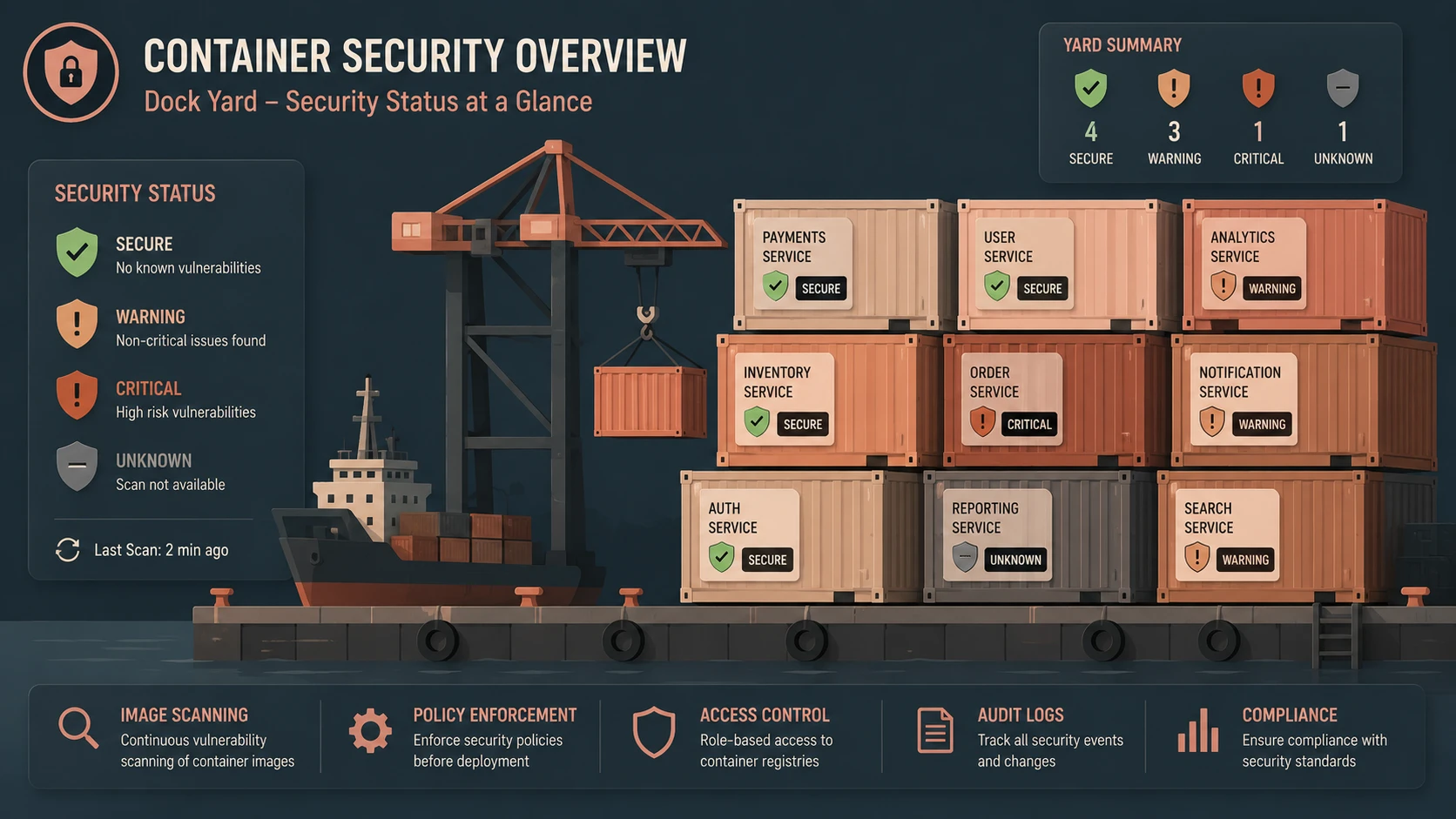
Docker 1.6: Engine Labels, Registry API v2, and Container Security Policies
Docker continues to mature as an enterprise container platform with the release of Docker 1.6. New capabilities including Engine Labels, Registry API v2, and improved security controls strengthen container deployment, orchestration, and image management. This article examines Docker 1.6 from the perspective of March 2015, evaluating its architecture, enterprise applications, and operational considerations.
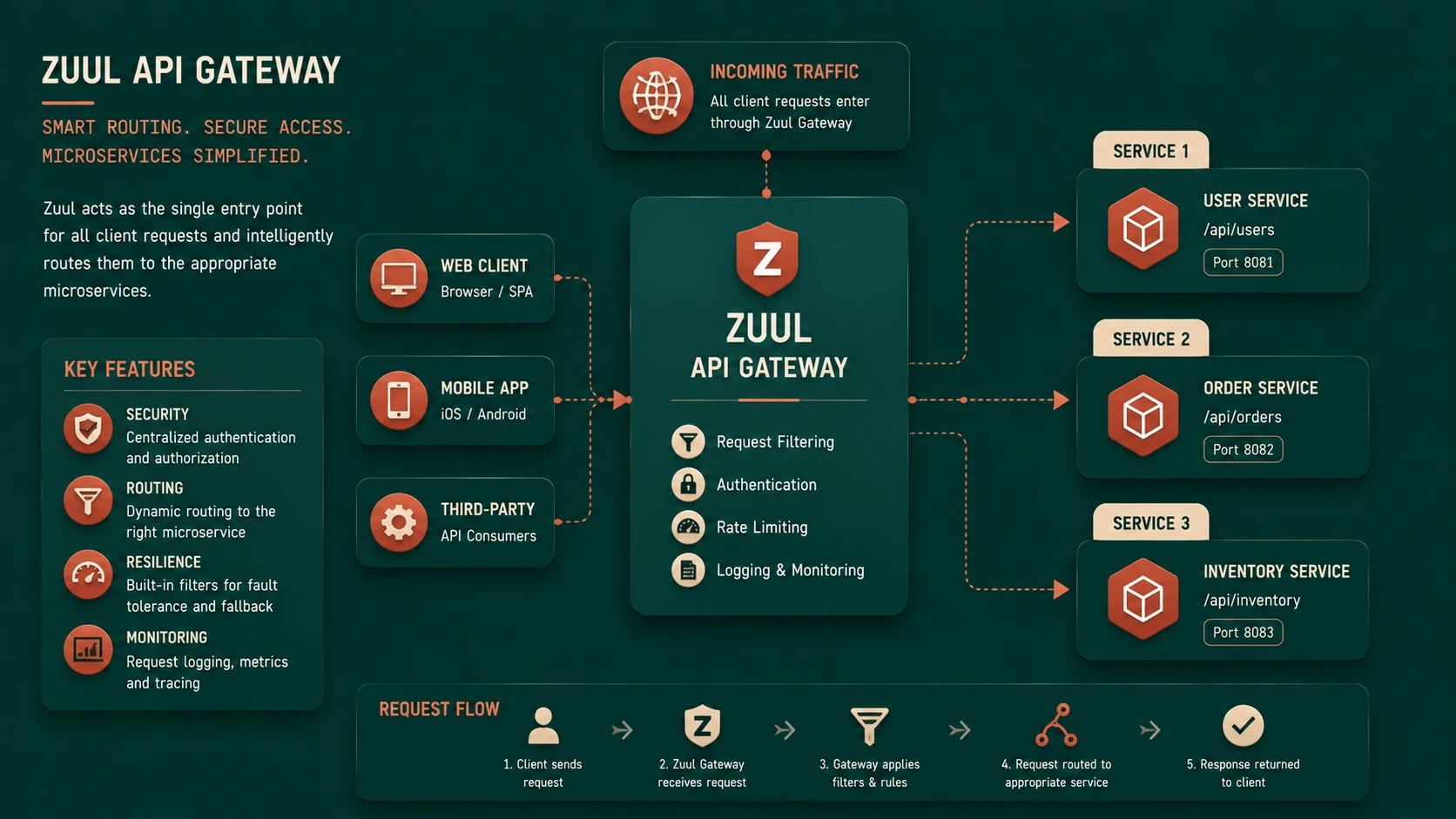
Microservices Architecture: Orchestrating Netflix OSS Eureka and Zuul Gateways
As organizations adopt microservices, service discovery and intelligent request routing become critical architectural concerns. This article examines Netflix OSS Eureka and Zuul from the perspective of February 2015, exploring service registration, API gateway design, resilience patterns, scalability, and enterprise deployment considerations.
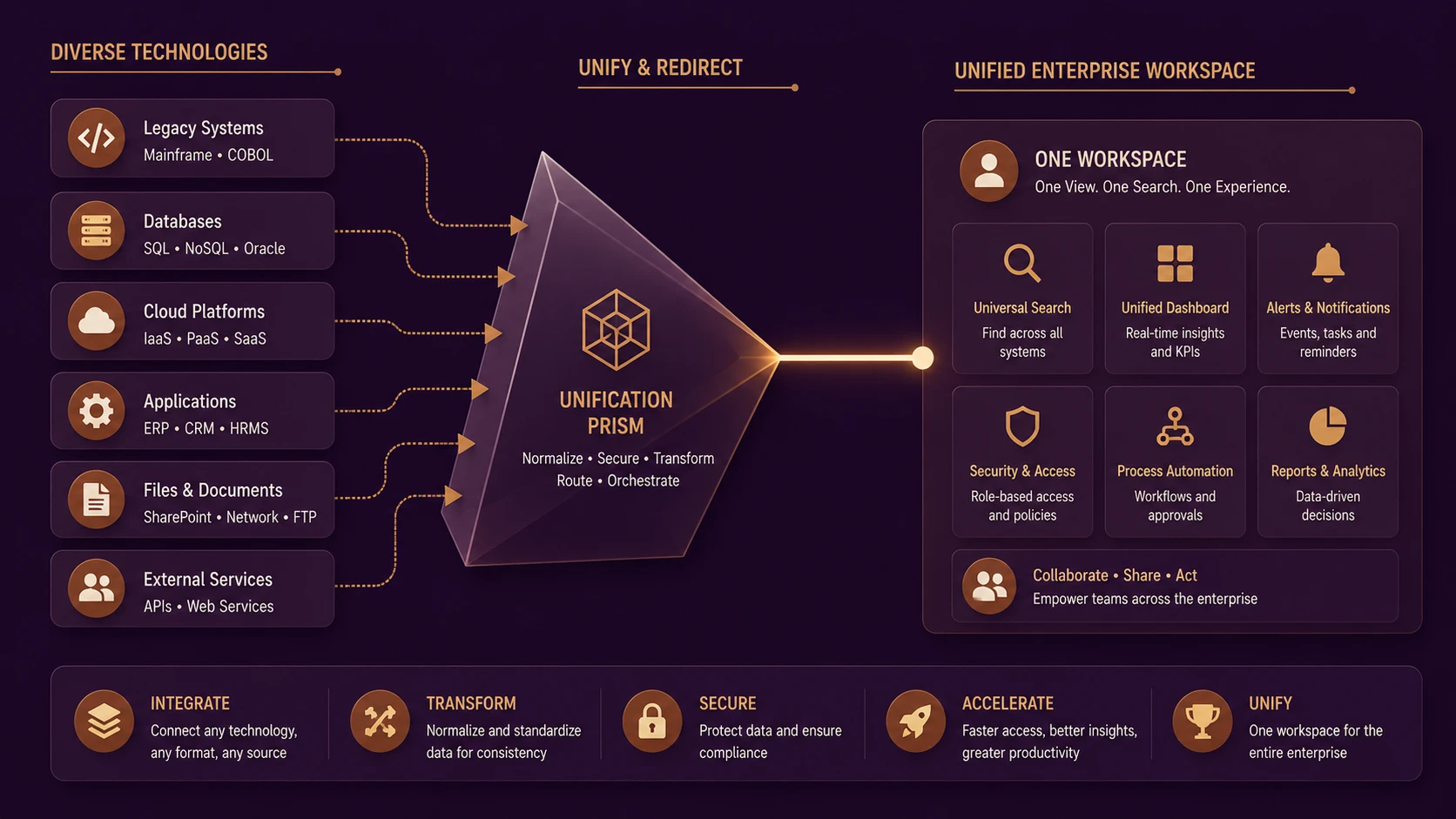
Software Development Trends: Enterprise Technologies Reshaping Engineering in 2014
Software development in 2014 is undergoing one of its most significant transitions in recent years. Cloud computing, DevOps, responsive design, mobile platforms, NoSQL databases, Continuous Delivery, and modular application architectures are fundamentally changing how enterprise software is designed, deployed, and maintained. This article reviews the most influential development trends from the perspective of November 2014.
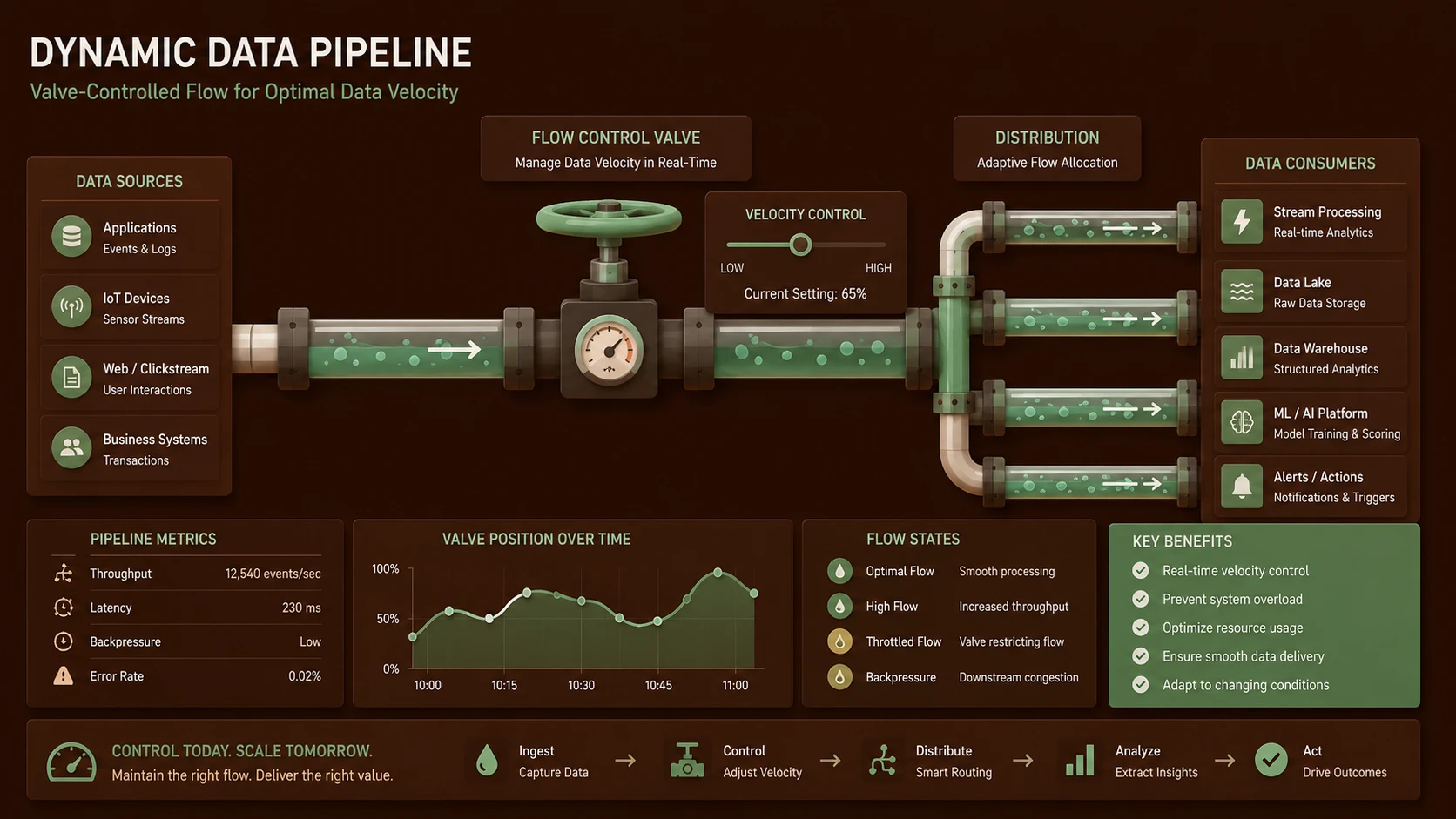
Node.js Streams v2: Navigating Backpressure and Readable/Writable Modes
Node.js Streams v2 introduces significant improvements to the platform's streaming architecture, simplifying stream implementation while providing more predictable handling of readable and writable streams. With improved backpressure management, standardized APIs, and enhanced interoperability, Streams v2 enables enterprise developers to build scalable network services, file processing pipelines, and high-throughput applications. This article examines Streams v2 from the perspective of November 2014, exploring its architecture, enterprise use cases, performance considerations, and best practices.
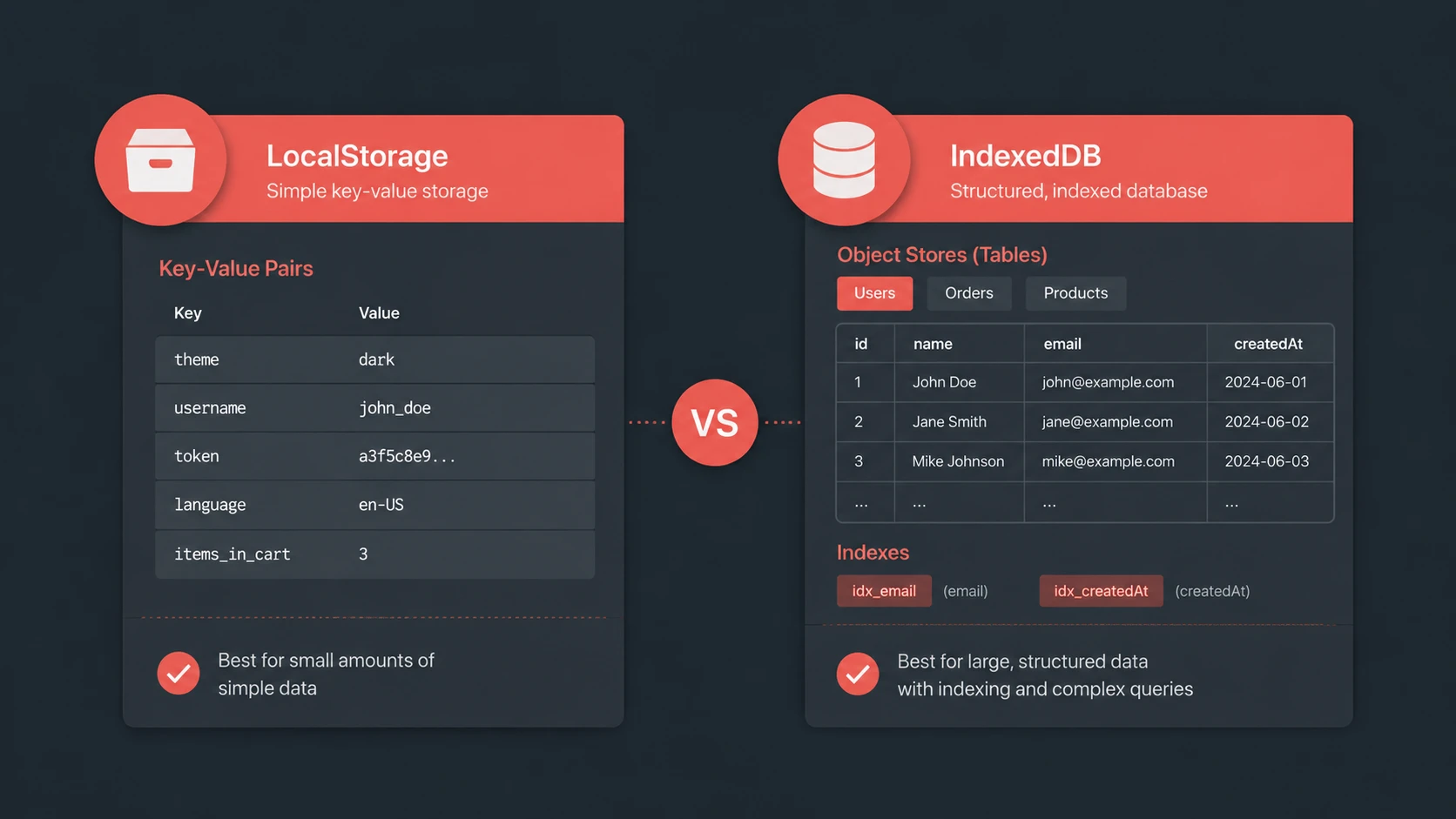
IndexedDB vs. LocalStorage: Choosing Client-Side Databases for Web Apps
Modern web applications increasingly require client-side storage for offline functionality, performance optimization, and responsive user experiences. This article compares IndexedDB and LocalStorage from the perspective of August 2014, examining architecture, performance, scalability, security, browser capabilities, and enterprise adoption strategies.
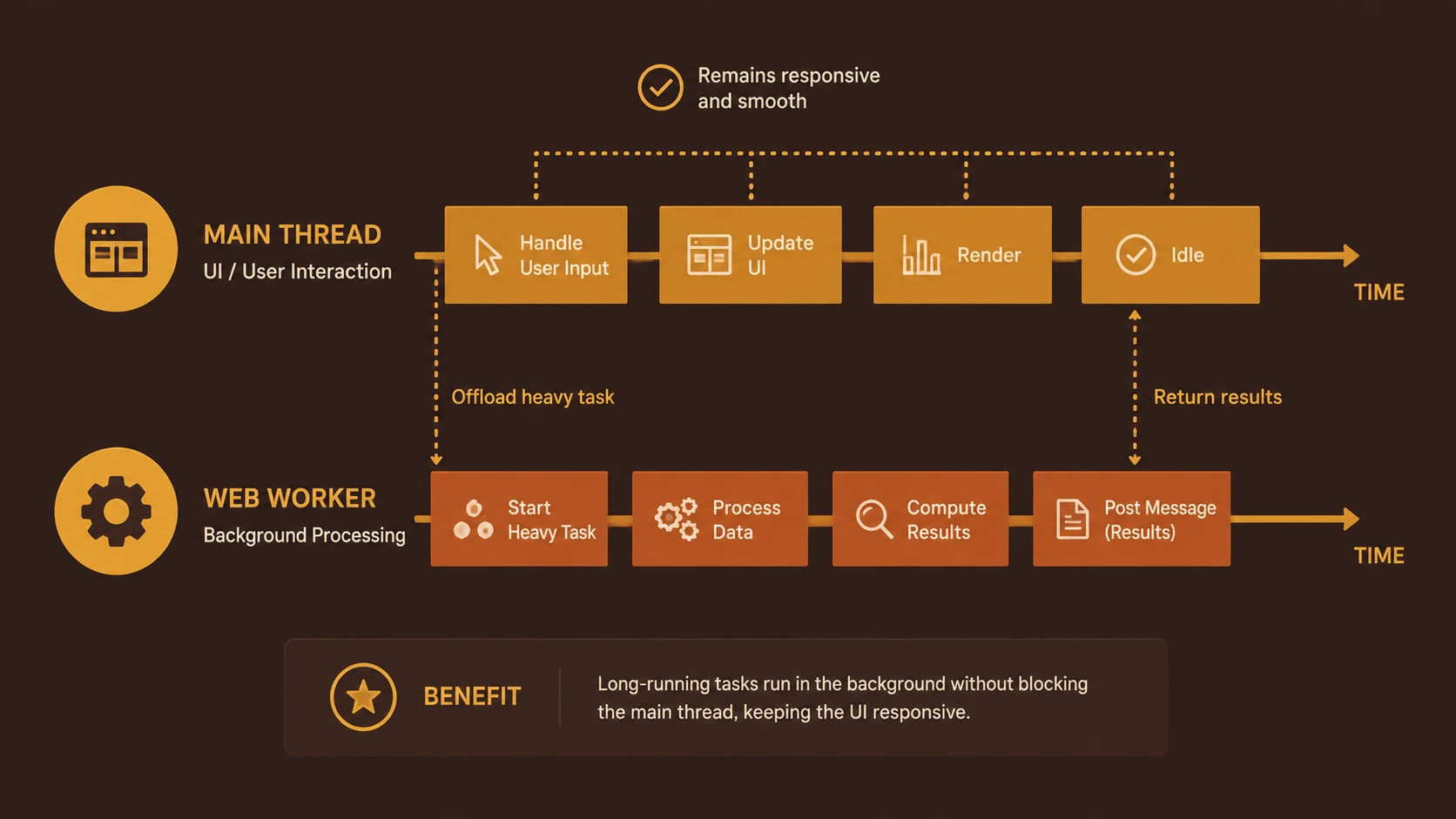
Web Workers: Running Asynchronous JavaScript Threads to Prevent UI Freezes
As enterprise web applications become increasingly sophisticated, long-running JavaScript operations can block the browser's user interface, leading to sluggish interactions and poor user experience. HTML5 Web Workers provide a standardized mechanism for executing JavaScript in background threads, enabling computationally intensive tasks to run without freezing the main UI thread. This article examines Web Workers from the perspective of July 2014, exploring their architecture, enterprise use cases, security considerations, performance implications, and best practices.