Introduction
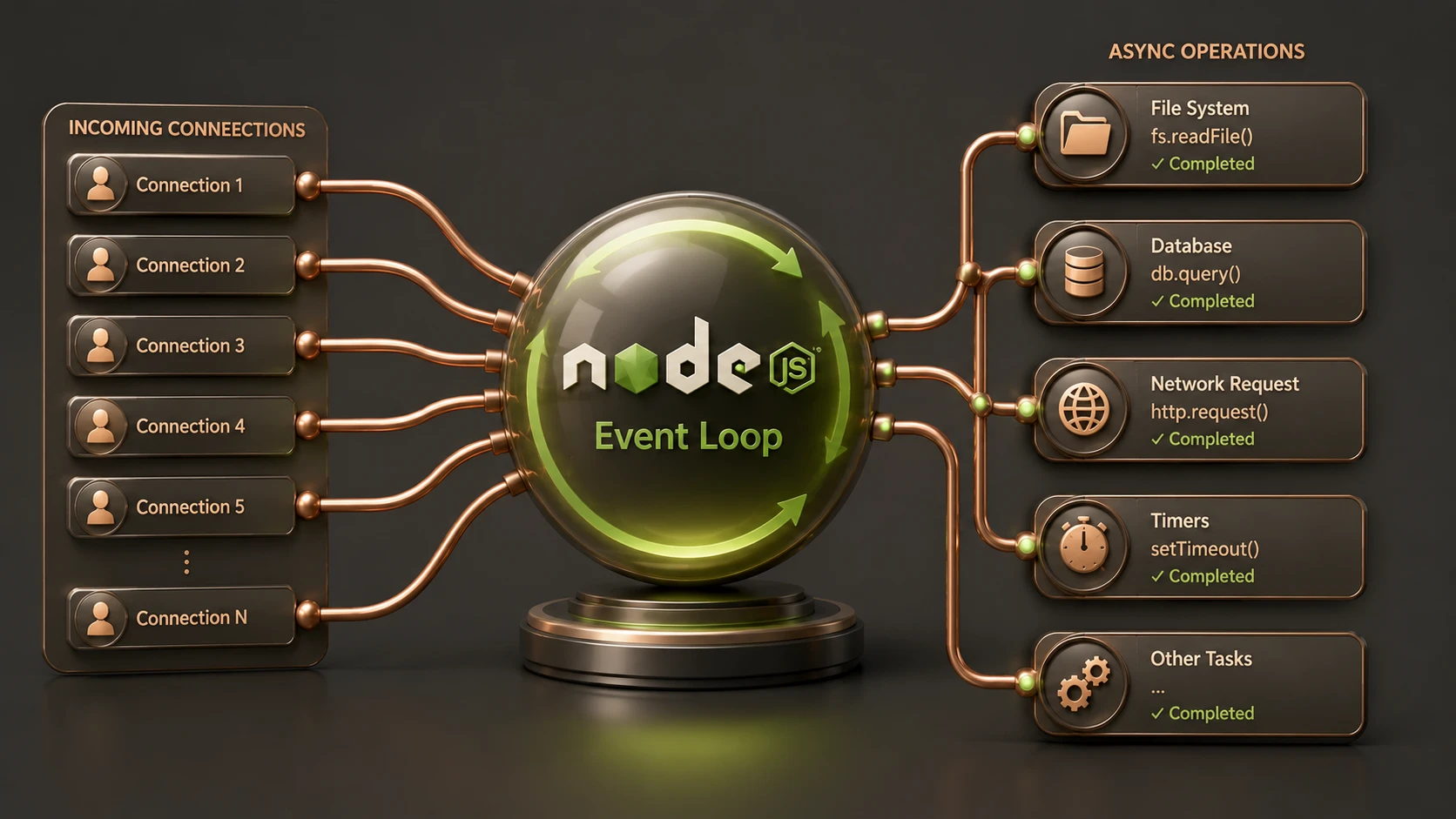
Node.js has established itself as a compelling platform for building scalable network applications by embracing an event-driven, non-blocking I/O architecture. Rather than allocating a dedicated thread for every connection, Node.js efficiently handles thousands of concurrent operations using asynchronous event processing.
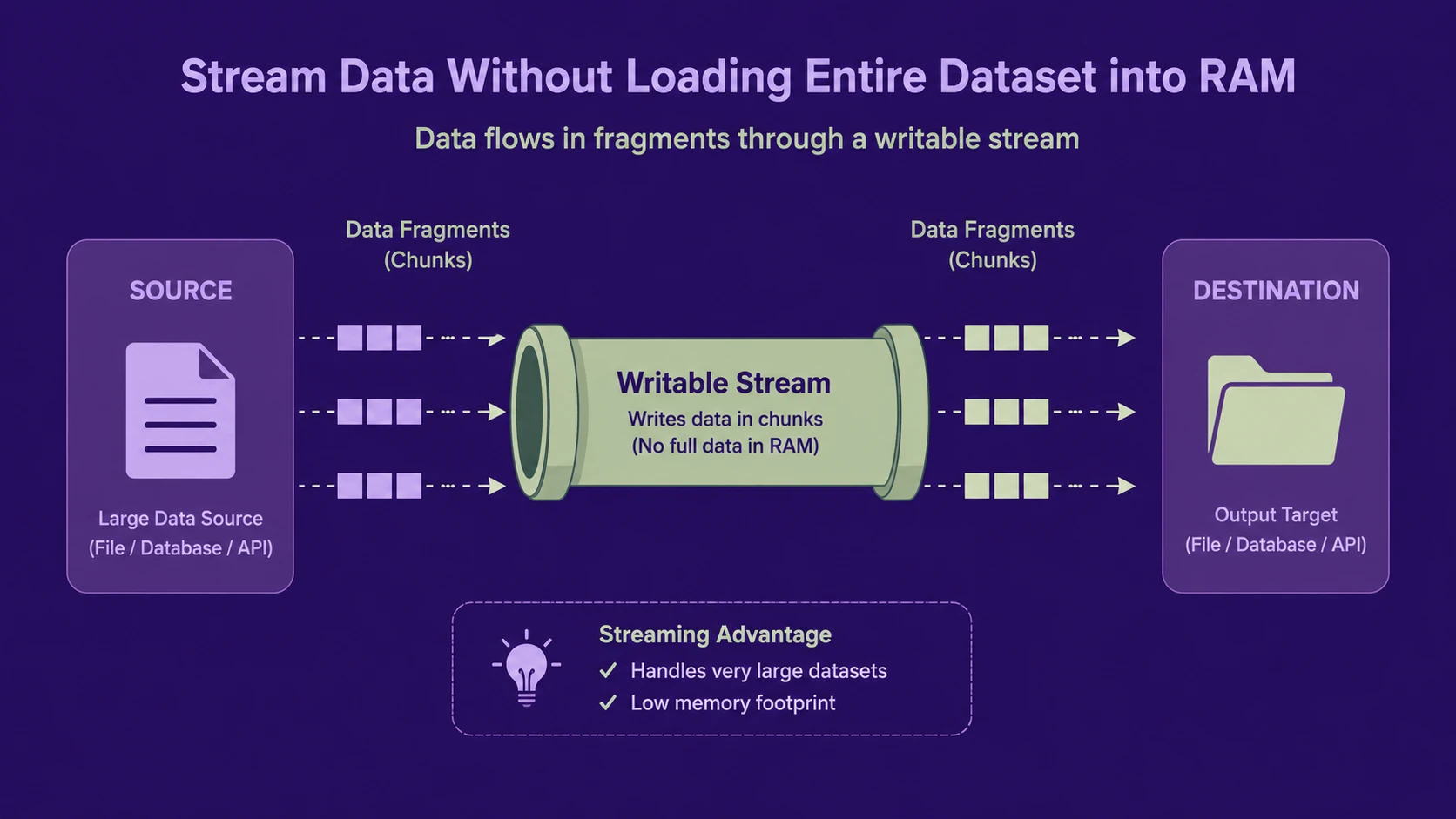
A fundamental component of this architecture is the Stream API. Streams enable applications to process data incrementally instead of loading entire datasets into memory, making them essential for file processing, HTTP communication, compression, proxy servers, and real-time data transfer.
Earlier versions of the Stream API introduced considerable flexibility but also presented implementation inconsistencies that made custom stream development difficult. Streams v2 addresses many of these challenges by standardizing stream behavior, improving readable and writable stream semantics, and providing better handling of backpressure.
For enterprise architects building high-throughput Node.js services, understanding Streams v2 is essential for developing efficient and reliable server-side applications.
Industry Background
Modern enterprise systems increasingly process continuous streams of information rather than isolated requests.
Common workloads include:
- ◆File uploads
- ◆Video streaming
- ◆HTTP proxying
- ◆API gateways
- ◆Log aggregation
- ◆Data transformation
- ◆Compression pipelines
- ◆Network communication
Efficiently processing these workloads requires incremental data handling instead of buffering complete datasets in memory.
Node.js streams provide this capability while maintaining the platform's asynchronous programming model.
The Business Problem
Organizations developing high-performance server applications commonly encounter:
- ◆Excessive memory consumption
- ◆Slow file transfers
- ◆Buffer overflows
- ◆Uncontrolled data flow
- ◆Complex asynchronous processing
- ◆Resource contention
Without effective flow control, fast data producers can overwhelm slower consumers, resulting in degraded performance or application instability.
Understanding Streams v2
Streams v2 refines Node.js's stream architecture by introducing more consistent APIs and clearer behavior for readable and writable streams.
The revised implementation emphasizes:
- ◆Predictable stream states
- ◆Improved interoperability
- ◆Better flow control
- ◆Easier custom stream implementation
- ◆More reliable backpressure handling
- ◆Cleaner event semantics
These improvements simplify enterprise application development while increasing reliability across streaming workloads.
Core Architecture
Streams v2 organizes data flow through specialized stream types.
| Component | Responsibility |
|---|---|
| Readable Stream | Produces data |
| Writable Stream | Consumes data |
| Duplex Stream | Reads and writes |
| Transform Stream | Modifies streaming data |
| Pipe Mechanism | Connects streams |
| Event Loop | Coordinates asynchronous execution |
| Buffer | Temporary data storage |
This modular architecture enables developers to construct reusable processing pipelines.
How Streams v2 Works
A typical streaming workflow includes:
- 1.A readable stream receives input.
- 2.Data is buffered according to configured thresholds.
- 3.Chunks become available for consumption.
- 4.Optional transform streams process incoming data.
- 5.Writable streams consume processed output.
- 6.Backpressure regulates transfer speed.
- 7.Resources are released when processing completes.
Applications therefore process continuous data efficiently without requiring complete datasets in memory.
Understanding Backpressure
Backpressure is one of the most important concepts introduced and refined within Streams v2.
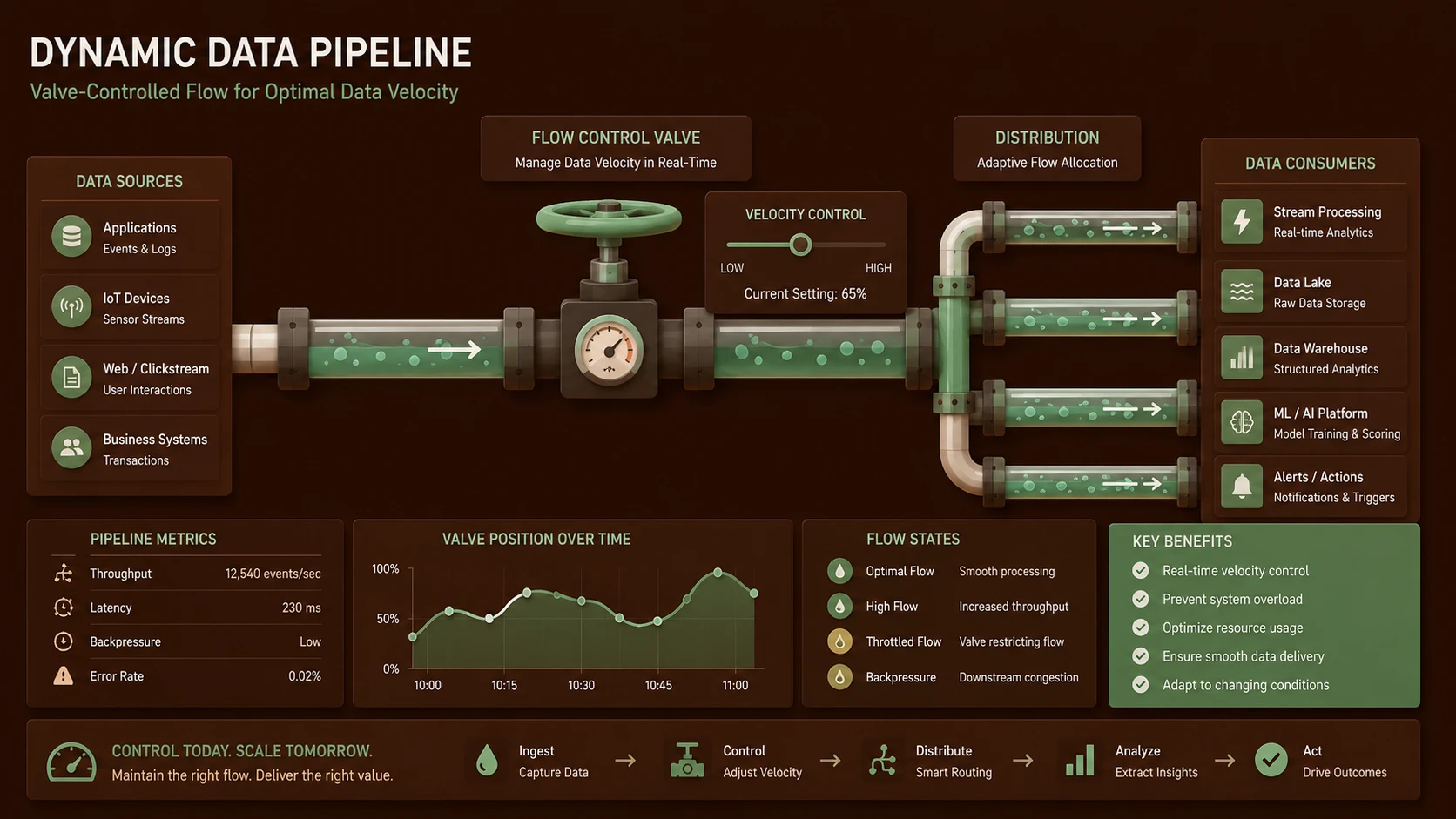
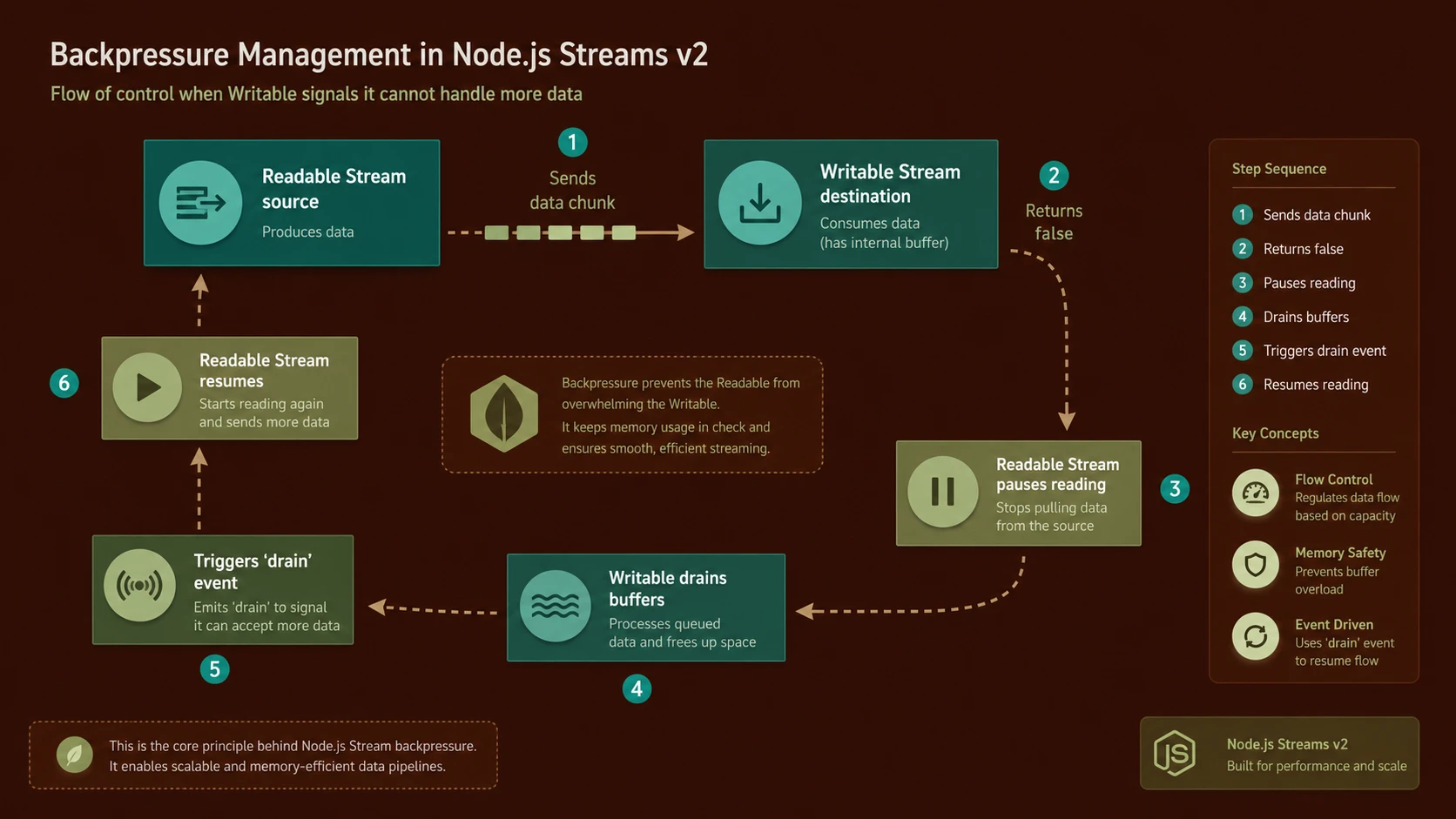
When a writable destination cannot process incoming data quickly enough, the stream infrastructure temporarily slows or pauses the producer until additional capacity becomes available.
Benefits include:
- ◆Controlled memory utilization
- ◆Stable throughput
- ◆Reduced buffer growth
- ◆Better resource management
- ◆Improved application reliability
Rather than allowing producers to continuously generate data, Streams v2 coordinates both sides of the pipeline automatically.
Readable and Writable Modes
Streams v2 introduces clearer behavior for stream operation.
Readable Streams
Readable streams generate data incrementally from sources such as files, network sockets, or compressed archives.
Typical examples include:
- ◆File readers
- ◆HTTP request bodies
- ◆TCP sockets
- ◆Compression streams
Writable Streams
Writable streams accept data and deliver it to destinations including:
- ◆Files
- ◆HTTP responses
- ◆Databases
- ◆Network connections
Applications commonly connect readable and writable streams using the pipe mechanism, allowing efficient end-to-end data transfer.
Key Features
Improved Backpressure
Automatic flow control prevents fast producers from overwhelming slower consumers.
Standardized APIs
Stream implementations become more predictable across the Node.js ecosystem.
Better Pipe Handling
Stream composition becomes simpler while improving reliability.
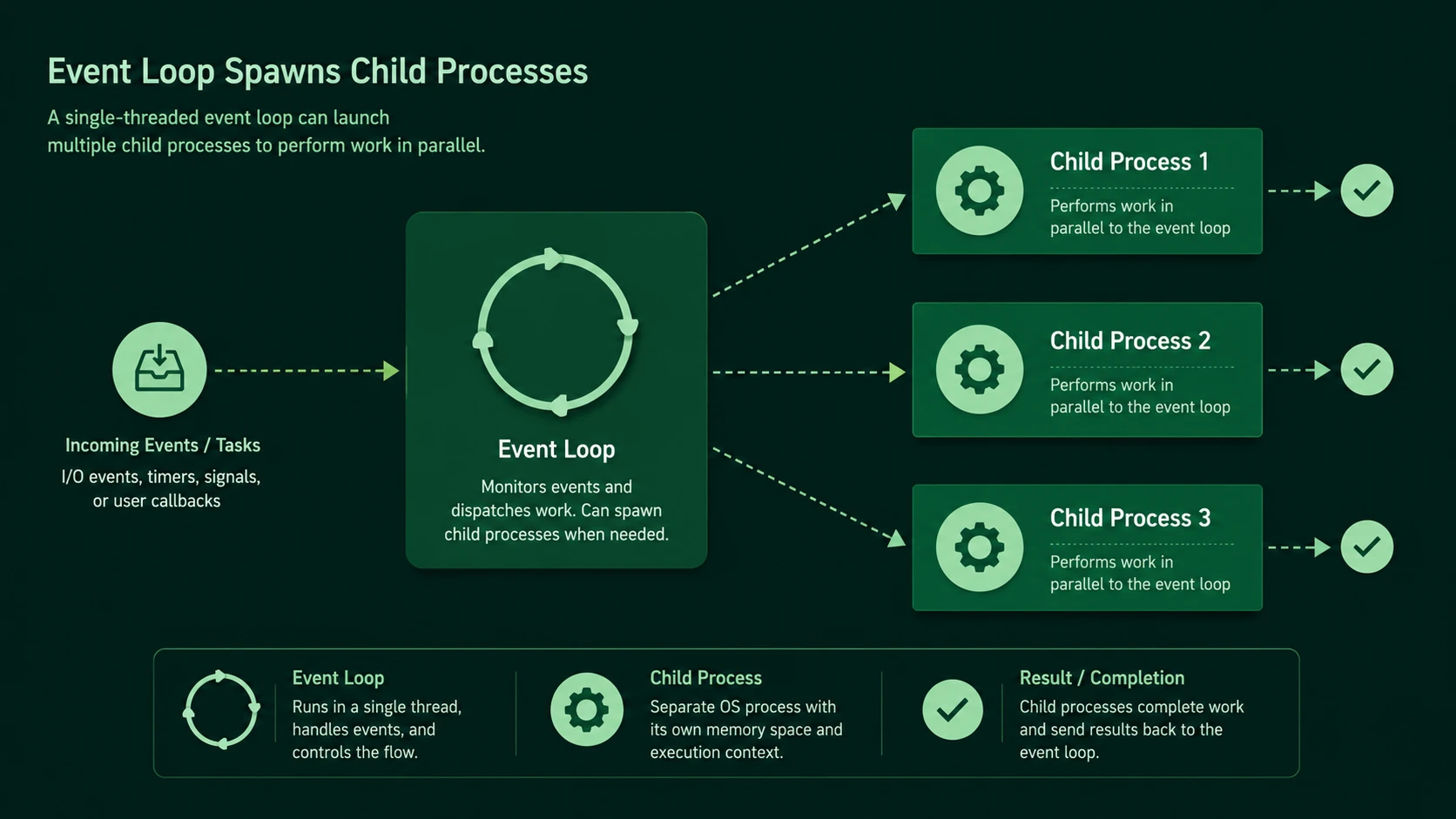
Event loop routing for non-blocking asynchronous I/O execution threads.
Transform Streams
Applications can process data while it moves through the pipeline without buffering complete datasets.
Improved Custom Stream Development
Developers building reusable stream components benefit from a more consistent programming model.
Enterprise Use Cases
Streams v2 supports numerous enterprise workloads.
File Processing
Large documents can be processed incrementally without exhausting available memory.
Reverse Proxy Servers
HTTP requests and responses pass efficiently between clients and backend services.
Data Transformation
Streaming pipelines perform compression, encryption, and formatting while data remains in transit.
Log Processing
Continuous operational logs can be filtered and forwarded without interruption.
Media Delivery
Audio and video streaming applications benefit from controlled throughput and reduced buffering requirements.
Performance Considerations
Streams significantly improve application efficiency compared with loading complete datasets into memory.
Performance benefits include:
- ◆Reduced memory allocation
- ◆Better throughput
- ◆Efficient I/O utilization
- ◆Lower garbage collection pressure
- ◆Improved scalability
- ◆Controlled buffering
Developers should configure stream buffer sizes according to workload characteristics rather than relying upon default values in every scenario.
Security Considerations
Streaming applications should continue implementing established security controls.
Recommended practices include:
- ◆Input validation
- ◆Resource limits
- ◆Secure file handling
- ◆Authentication
- ◆Authorization
- ◆Monitoring for abnormal traffic
Applications processing untrusted input should avoid assuming streamed data is inherently safe simply because it is processed incrementally.
Scalability
Streams contribute directly to Node.js scalability.
Advantages include:
- ◆Low memory overhead
- ◆Efficient asynchronous processing
- ◆Reusable processing pipelines
- ◆Better network utilization
- ◆Support for large concurrent workloads
These characteristics align well with enterprise services handling significant I/O activity.
Best Practices
Organizations implementing Streams v2 should consider the following recommendations.
- ◆Prefer streaming over full buffering for large datasets.
- ◆Respect backpressure signals.
- ◆Handle stream errors consistently.
- ◆Use transform streams for incremental processing.
- ◆Close streams properly.
- ◆Benchmark production workloads.
- ◆Monitor resource utilization.
- ◆Design reusable stream components.
Common Mistakes
| Mistake | Enterprise Impact |
|---|---|
| Ignoring backpressure | Excessive memory usage |
| Buffering entire files unnecessarily | Reduced scalability |
| Missing error handlers | Application failures |
| Improper stream cleanup | Resource leaks |
| Overusing synchronous operations | Reduced concurrency |
| Inefficient pipeline design | Lower throughput |
Successful streaming applications depend upon disciplined flow control and consistent resource management.
Technology Comparison
| Capability | Streams v1 | Streams v2 |
|---|---|---|
| API Consistency | Limited | Improved |
| Readable Stream Behavior | Less Predictable | Standardized |
| Backpressure Handling | Basic | Enhanced |
| Custom Stream Development | More Complex | Simplified |
| Pipe Reliability | Moderate | Improved |
| Enterprise Maintainability | Moderate | Higher |
Streams v2 refines the existing architecture rather than replacing Node.js's event-driven programming model.
Adoption Strategy
Organizations upgrading to Streams v2 should proceed incrementally.
- 1.Review existing stream implementations.
- 2.Validate compatibility with the updated API.
- 3.Test custom stream components.
- 4.Measure memory utilization.
- 5.Benchmark throughput under realistic workloads.
- 6.Monitor backpressure behavior.
- 7.Update internal development guidelines.
- 8.Expand adoption after successful validation.
A phased migration allows development teams to benefit from the improved stream model while minimizing operational risk.
Limitations
Although Streams v2 significantly improves stream consistency, several considerations remain.
- ◆Developers must understand asynchronous programming concepts.
- ◆Custom stream implementations require careful testing.
- ◆Poor pipeline design can still reduce performance.
- ◆Streaming is not appropriate for every workload.
- ◆Resource monitoring remains essential in production environments.
Streams provide a powerful abstraction, but efficient implementation continues to depend upon sound application architecture.
Looking Ahead
From the perspective of November 2014, Streams v2 represents a major refinement of one of Node.js's most important architectural features. By improving API consistency, simplifying readable and writable stream behavior, and strengthening backpressure management, the platform enables developers to build more reliable and scalable server-side applications.
As enterprise systems continue processing growing volumes of data across APIs, cloud services, and distributed applications, efficient streaming architectures will remain fundamental to high-performance Node.js development. Streams v2 establishes a stronger foundation for those workloads while preserving the simplicity and efficiency that have become defining characteristics of the Node.js platform.