Introduction
More than a decade after the introduction of Node.js, JavaScript has become one of the world's most important programming languages for server-side development. Organizations rely on JavaScript for web APIs, microservices, serverless functions, command-line tools, real-time communication platforms, and enterprise automation systems.
While Node.js fundamentally changed backend development, its success also revealed architectural decisions that reflected the technology landscape of 2009. Dependency management, security permissions, module loading, asynchronous APIs, and tooling have evolved considerably since then.
In 2018, Ryan Dahl, the original creator of Node.js, publicly discussed several design decisions he would approach differently if building the runtime again. Those lessons ultimately became the foundation for Deno.
Deno 1.0 marks the first stable release of this new JavaScript and TypeScript runtime. Rather than attempting to replace Node.js immediately, Deno presents an alternative runtime built around modern JavaScript standards, secure execution, native TypeScript support, and simplified tooling.
From the perspective of May 2020, Deno 1.0 represents one of the most significant developments in the JavaScript ecosystem since the introduction of Node.js itself.
Industry Background
Enterprise backend development increasingly depends upon JavaScript and TypeScript.
Organizations commonly build:
- ◆REST APIs.
- ◆Microservices.
- ◆Server-side rendering platforms.
- ◆Automation tools.
- ◆Cloud-native services.
- ◆Command-line utilities.
- ◆Developer tooling.
Engineering teams increasingly prioritize:
- ◆Secure execution.
- ◆Dependency transparency.
- ◆Modern language support.
- ◆Standardized APIs.
- ◆Simplified tooling.
- ◆Cross-platform portability.
These priorities align closely with Deno's design philosophy.
The Business Problem
Large JavaScript server applications frequently encounter several operational challenges.
Organizations commonly experience:
- ◆Excessive third-party dependencies.
- ◆Complex package management.
- ◆Security risks from unrestricted runtime permissions.
- ◆Build configuration overhead.
- ◆TypeScript compilation workflows.
- ◆Fragmented tooling.
- ◆Legacy module compatibility concerns.
While mature ecosystems provide flexibility, they also increase operational complexity.
Deno attempts to simplify many of these concerns through modern runtime architecture.
Understanding the Technology
Deno is a secure runtime for JavaScript and TypeScript built using Rust and Google's V8 JavaScript engine.
Unlike traditional JavaScript runtimes, Deno adopts modern web standards and secure execution as foundational architectural principles.
Major capabilities include:
- ◆Native TypeScript execution.
- ◆Secure-by-default runtime.
- ◆ES Module support.
- ◆Standard library.
- ◆Single executable distribution.
- ◆Asynchronous APIs.
- ◆Cross-platform compatibility.
These capabilities are designed to reduce development complexity while improving application security.
Core Architecture
A simplified Deno 1.0 architecture appears below.
| Component | Responsibility |
|---|---|
| JavaScript or TypeScript Source | Application implementation |
| Deno CLI | Execution and tooling |
| TypeScript Compiler Integration | TypeScript transpilation |
| V8 JavaScript Engine | Code execution |
| Rust Runtime | Core runtime implementation |
| Standard Library | Common utilities |
| Operating System | Process execution |
The runtime combines modern JavaScript execution with integrated tooling and secure permission management.
Key Features
Secure-by-Default Execution
The defining feature of Deno is its security model.
Applications execute with no implicit access to:
- ◆File systems.
- ◆Network connections.
- ◆Environment variables.
- ◆External processes.
Developers explicitly grant permissions using command-line flags.
This permission-based execution model reduces the potential impact of accidental or malicious code.
Native TypeScript Support
Unlike many existing JavaScript workflows, Deno provides integrated TypeScript execution.
Developers can write TypeScript applications without separately configuring compilation pipelines.
This simplifies development workflows while encouraging broader TypeScript adoption.
ES Module Support
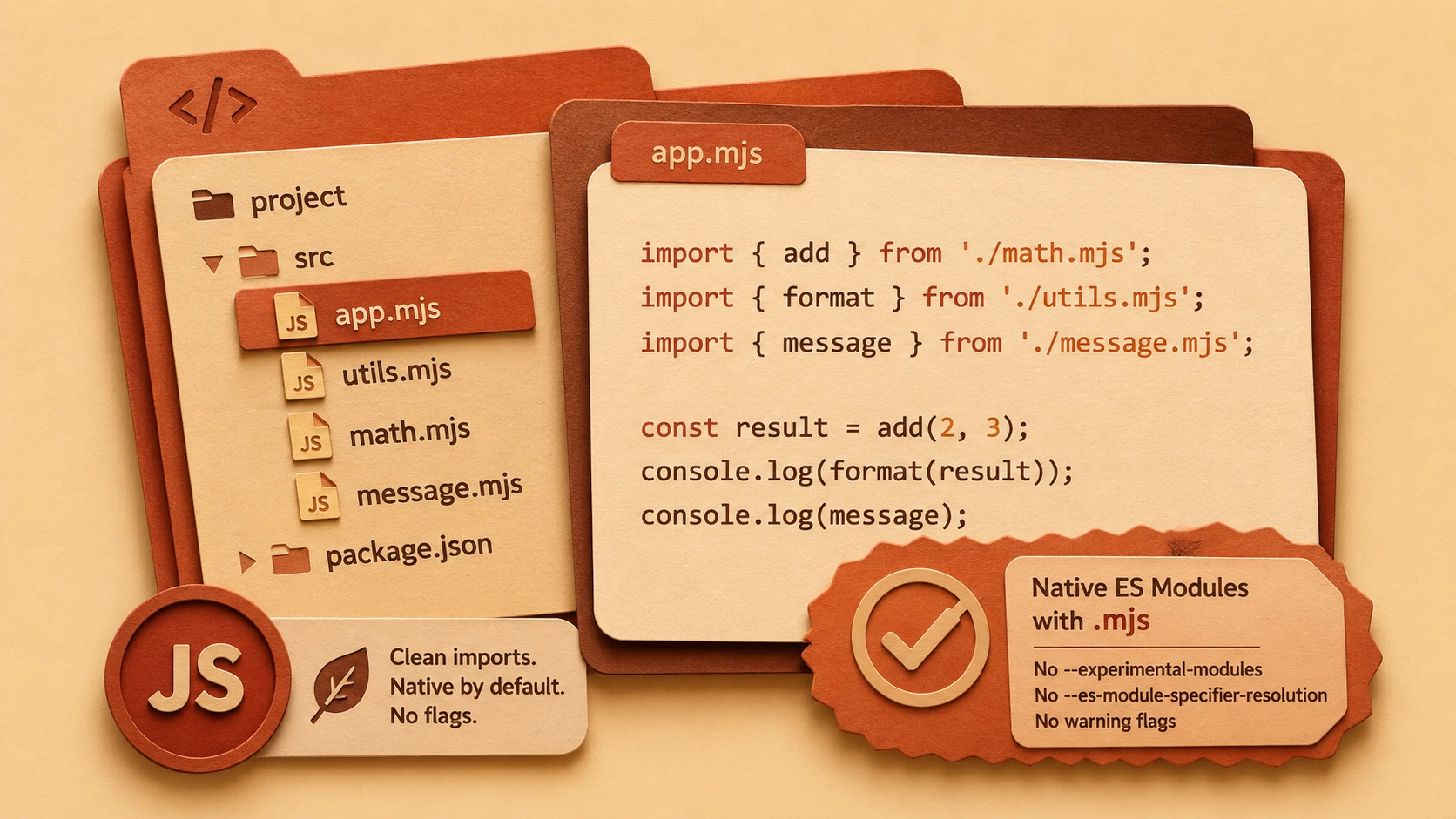
Deno embraces the ECMAScript module standard.
Applications import modules using standard URLs or local module paths rather than relying exclusively on package management conventions.
This aligns runtime behavior more closely with evolving JavaScript standards.
Standard Library
Deno provides an officially maintained standard library containing reusable utilities for:
- ◆File operations.
- ◆HTTP services.
- ◆Testing.
- ◆Date handling.
- ◆Encoding.
- ◆Logging.
The standard library aims to reduce dependence on numerous third-party packages.
Integrated Tooling
The Deno command-line interface includes built-in development tools for:
- ◆Formatting.
- ◆Testing.
- ◆Dependency management.
- ◆Documentation generation.
- ◆Script execution.
This reduces the number of external development utilities required for many projects.
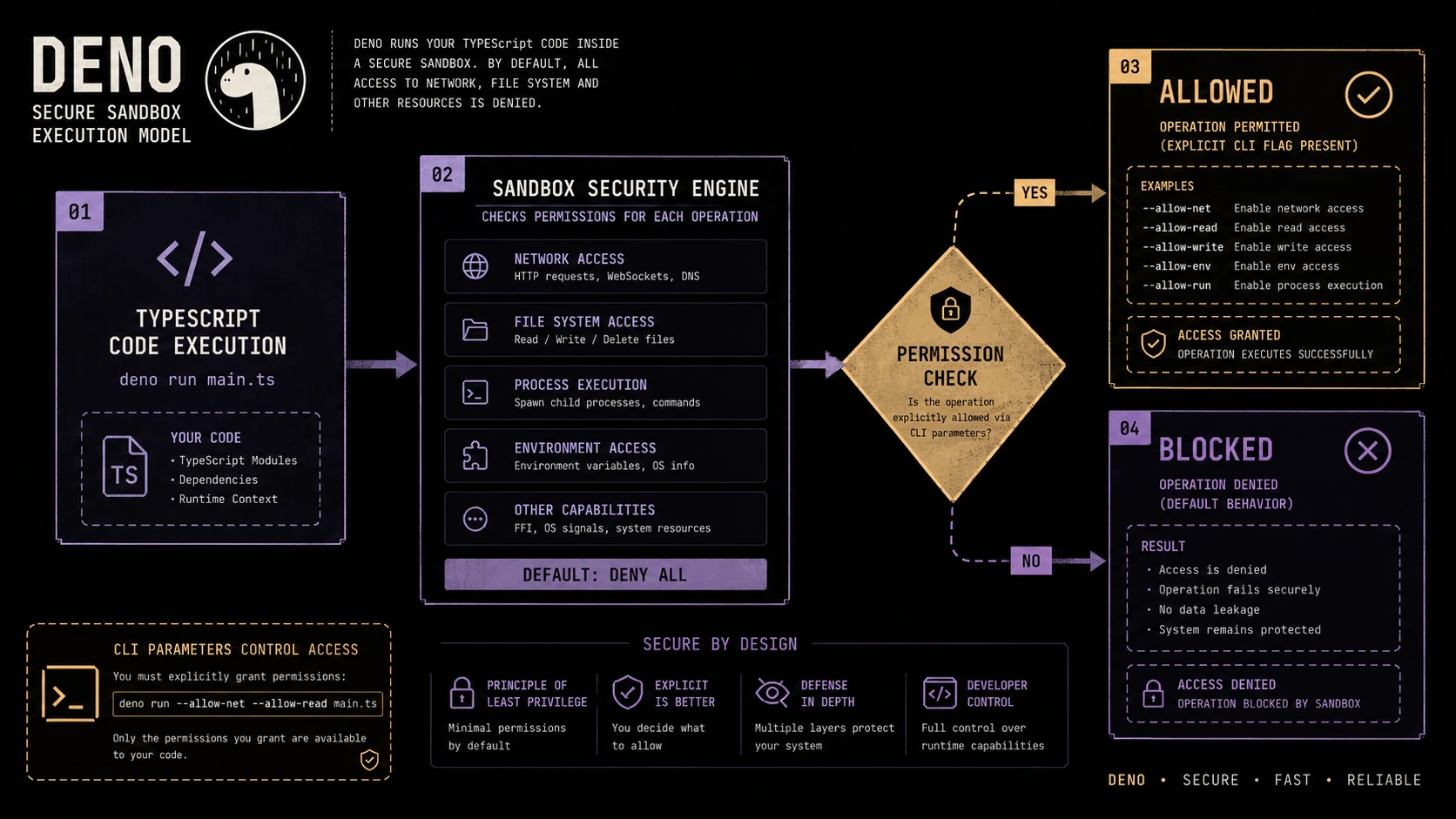
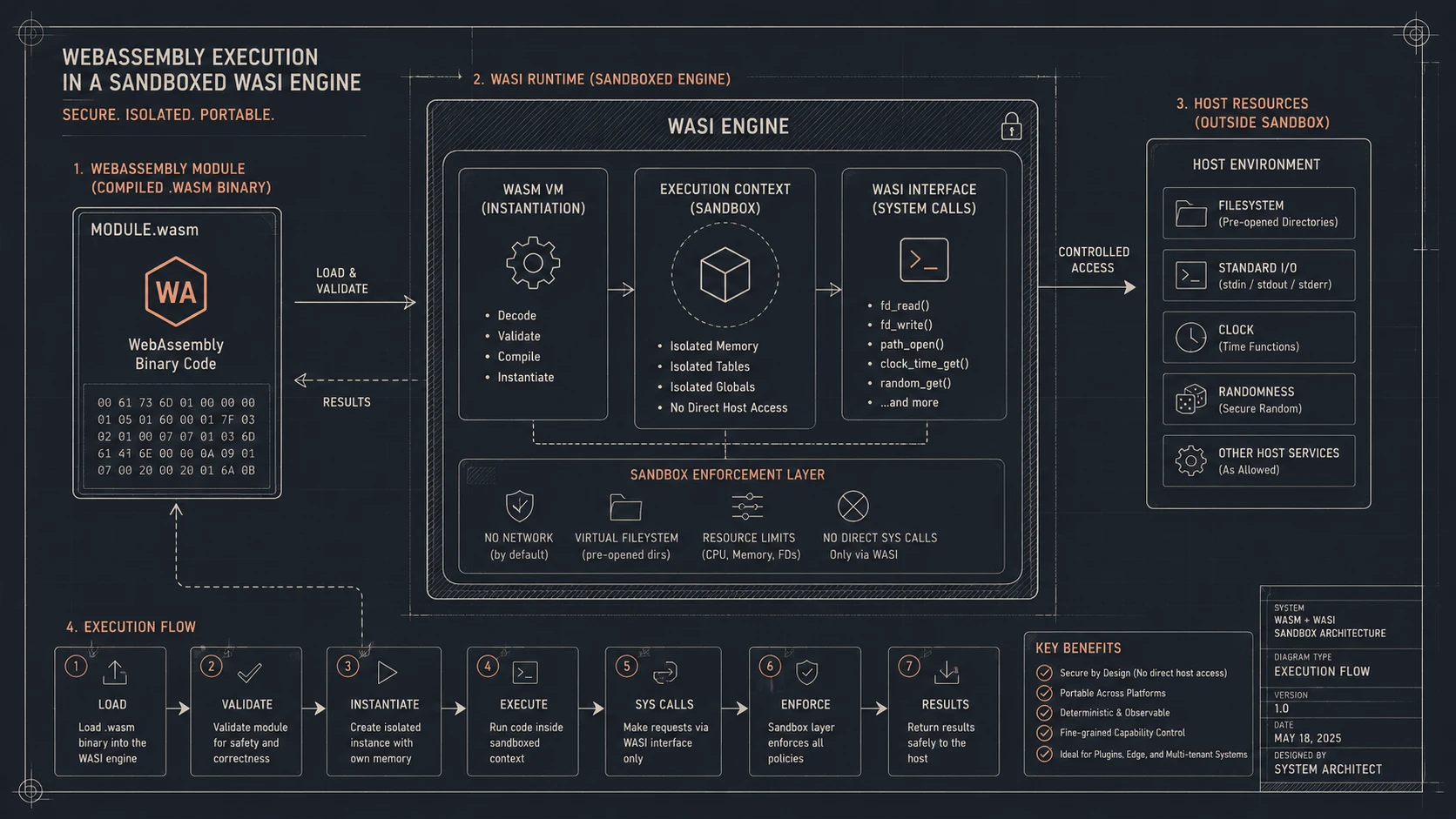
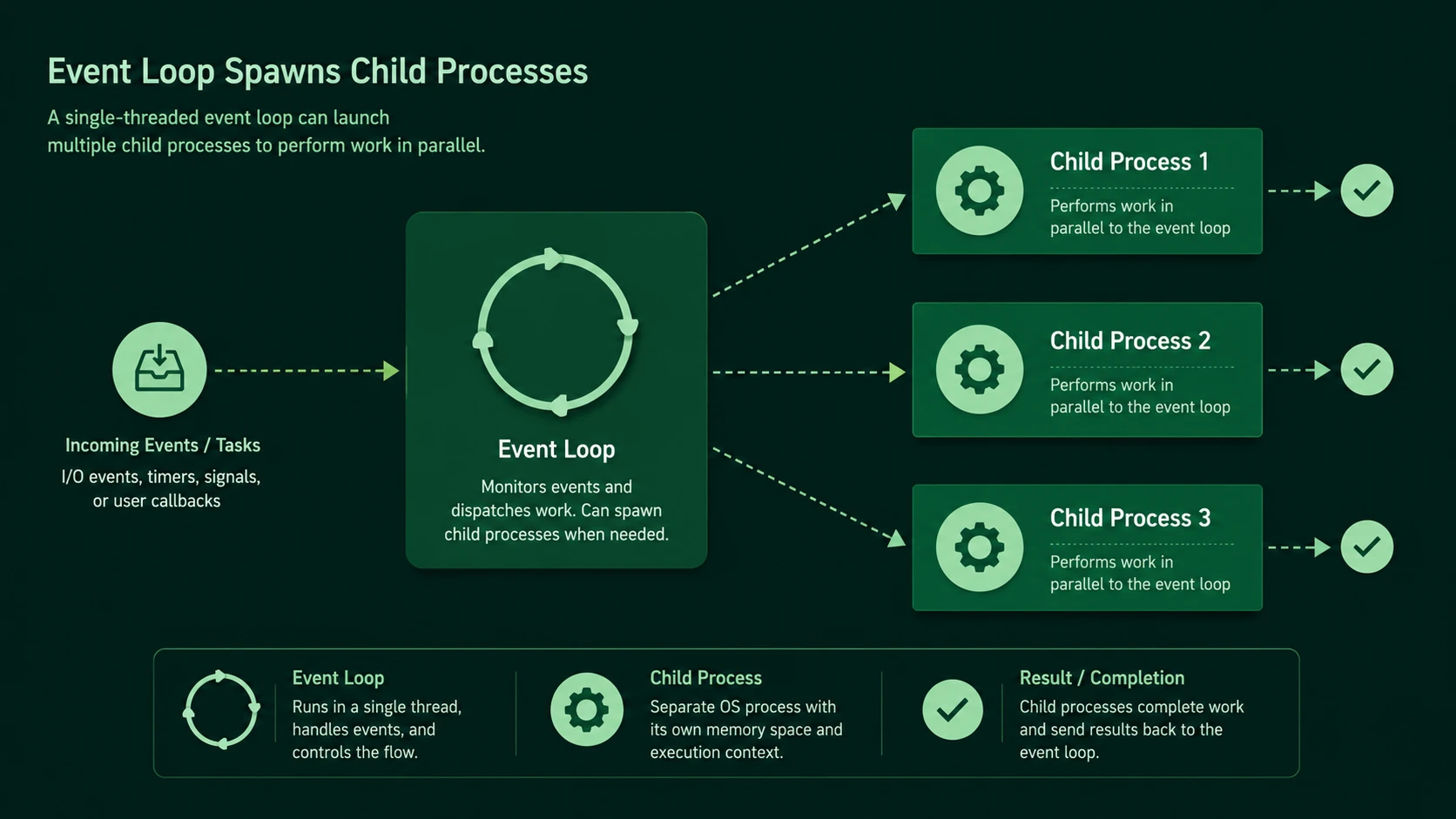
System architecture diagram and conceptual workflow layout for Deno 1.0 Release.
Modern Runtime Design
Deno benefits from architectural lessons learned throughout the evolution of server-side JavaScript, emphasizing simplicity, consistency, and standards-based APIs.
How It Works
A simplified execution workflow appears below.
TypeScript Source
        |
Deno Runtime
        |
Permission Validation
        |
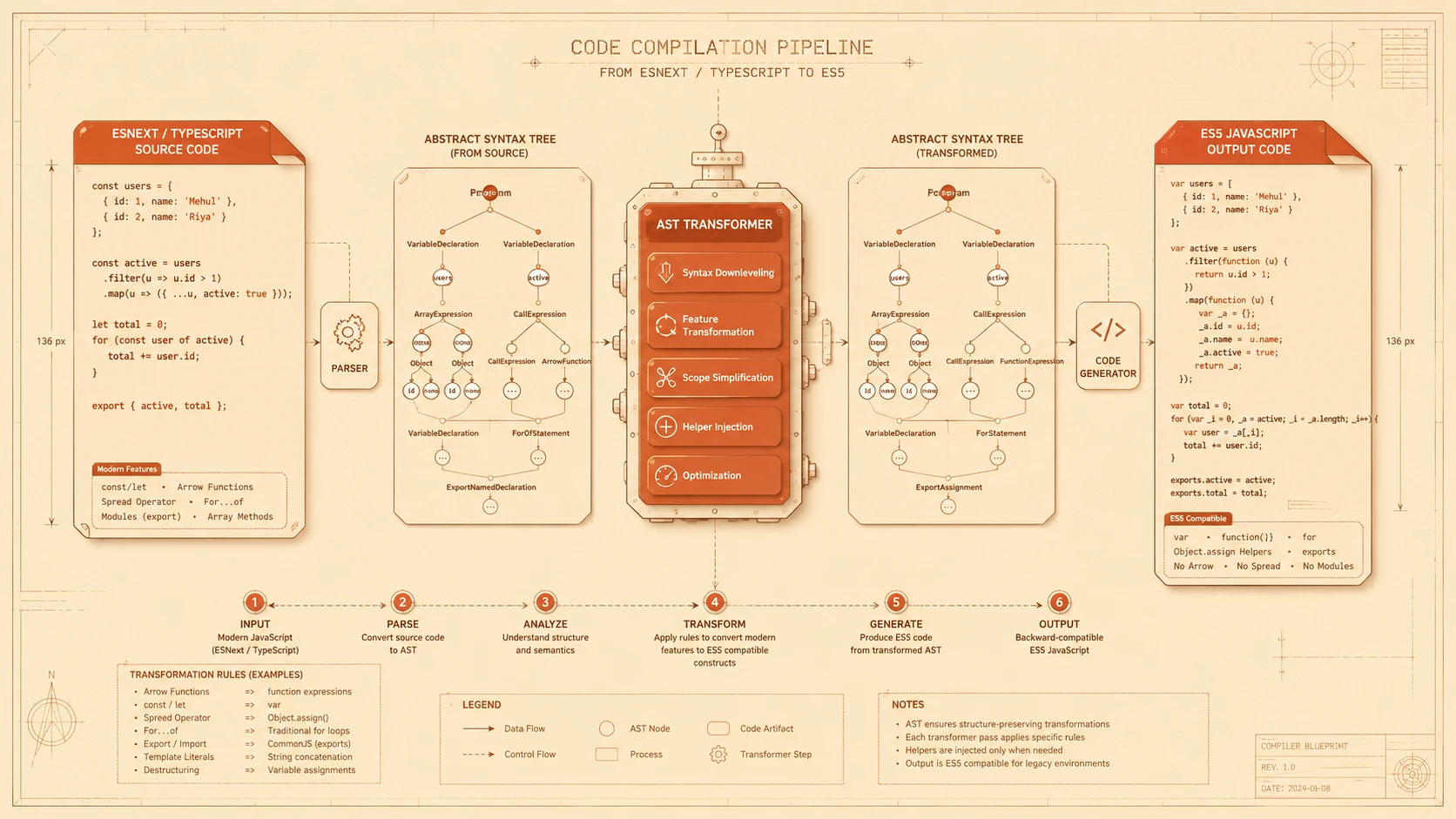
TypeScript Compilation
        |
V8 Engine
        |
Application Execution
The runtime validates requested permissions before executing application code while automatically handling TypeScript compilation.
Enterprise Use Cases
Cloud APIs
Secure permission boundaries make Deno suitable for modern API development where controlled resource access is desirable.
Command-Line Utilities
Built-in tooling and a single executable simplify distribution of developer utilities.
Internal Automation
Organizations can build administrative scripts with explicit runtime permissions.
Microservices
Small services benefit from integrated TypeScript support and modern JavaScript standards.
Educational Platforms
Teams adopting TypeScript may appreciate the simplified development workflow and consistent tooling.
Performance Considerations
Deno emphasizes architectural simplicity alongside runtime performance.
Organizations should evaluate:
- ◆Startup time.
- ◆Memory utilization.
- ◆TypeScript compilation overhead.
- ◆Module loading behavior.
- ◆HTTP request throughput.
- ◆Permission validation impact.
Performance characteristics should be benchmarked using representative production workloads.
Security Considerations
Security represents one of Deno's primary architectural objectives.
Organizations should continue implementing:
- ◆Least privilege execution.
- ◆Secure authentication.
- ◆Authorization.
- ◆HTTPS communication.
- ◆Secure dependency review.
- ◆Infrastructure monitoring.
Deno's permission system complements broader enterprise security practices rather than replacing them.
Scalability
Deno supports enterprise scalability through:
- ◆Modern runtime architecture.
- ◆Explicit permission management.
- ◆Integrated tooling.
- ◆Native TypeScript support.
- ◆Simplified dependency management.
These characteristics may reduce operational complexity as applications continue growing.
Best Practices
Organizations evaluating Deno 1.0 should:
- ◆Begin with new projects or internal tools.
- ◆Grant only the minimum runtime permissions required.
- ◆Adopt ES module conventions consistently.
- ◆Evaluate the standard library before introducing external dependencies.
- ◆Benchmark representative workloads.
- ◆Validate deployment workflows.
- ◆Train development teams on the runtime's security model.
Incremental adoption allows organizations to evaluate Deno while minimizing migration risk.
Common Mistakes
| Mistake | Business Impact |
|---|---|
| Assuming Deno is a drop-in replacement for existing Node.js applications | Migration challenges |
| Granting unnecessary runtime permissions | Reduced security benefits |
| Ignoring ecosystem maturity during planning | Deployment risk |
| Recreating Node.js workflows unnecessarily | Increased complexity |
| Skipping production benchmarking | Performance uncertainty |
| Introducing Deno into critical systems without evaluation | Operational risk |
Successful adoption depends upon understanding Deno as a new runtime with its own architectural goals rather than a direct Node.js replacement.
Technology Comparison
| Characteristic | Node.js (2020) | Deno 1.0 |
|---|---|---|
| Runtime Permissions | Broad system access by default | Explicit permission model |
| TypeScript | External tooling typically required | Native support |
| Module System | CommonJS predominant, ES Modules emerging | ES Modules by default |
| Standard Library | Community ecosystem | Official standard library |
| Tooling | Multiple external utilities | Integrated CLI tooling |
| Security Model | Application managed | Secure by default |
Deno introduces a modern runtime architecture while learning from more than a decade of JavaScript server-side development.
Adoption Strategy
Organizations should evaluate Deno through controlled experimentation.
- 1.Deploy Deno in development environments.
- 2.Build small internal services or utilities.
- 3.Evaluate the permission model.
- 4.Benchmark performance against existing workloads.
- 5.Review ecosystem compatibility.
- 6.Expand adoption only after operational validation.
This phased approach minimizes business risk while allowing engineering teams to understand Deno's architectural advantages.
Limitations
As of May 2020, organizations should recognize several considerations.
- ◆Deno is a newly released runtime with a comparatively young ecosystem.
- ◆Existing Node.js applications may require significant migration effort.
- ◆Third-party library availability continues evolving.
- ◆Development teams should become familiar with the permission model and ES module workflow.
- ◆Production adoption should follow careful evaluation and testing.
These considerations should guide enterprise adoption planning.
Looking Ahead
From the perspective of May 2020, Deno 1.0 represents an ambitious rethinking of server-side JavaScript development. By combining secure-by-default execution, native TypeScript support, modern ECMAScript modules, integrated tooling, and a standardized library, Deno addresses many architectural concerns identified during more than a decade of Node.js evolution.
Although the surrounding ecosystem is still developing, Deno provides a compelling vision for future JavaScript runtime design. Organizations building new cloud-native services, developer tools, and internal automation platforms should monitor Deno closely as it matures, particularly where security, simplicity, and standards compliance are strategic priorities.