Introduction
The growth of Node.js has fundamentally changed server-side application development by introducing an event-driven, non-blocking I/O architecture capable of supporting highly concurrent web applications. Since its introduction, Node.js has become widely adopted for REST APIs, real-time communication platforms, microservices, build automation, and numerous cloud-native workloads.
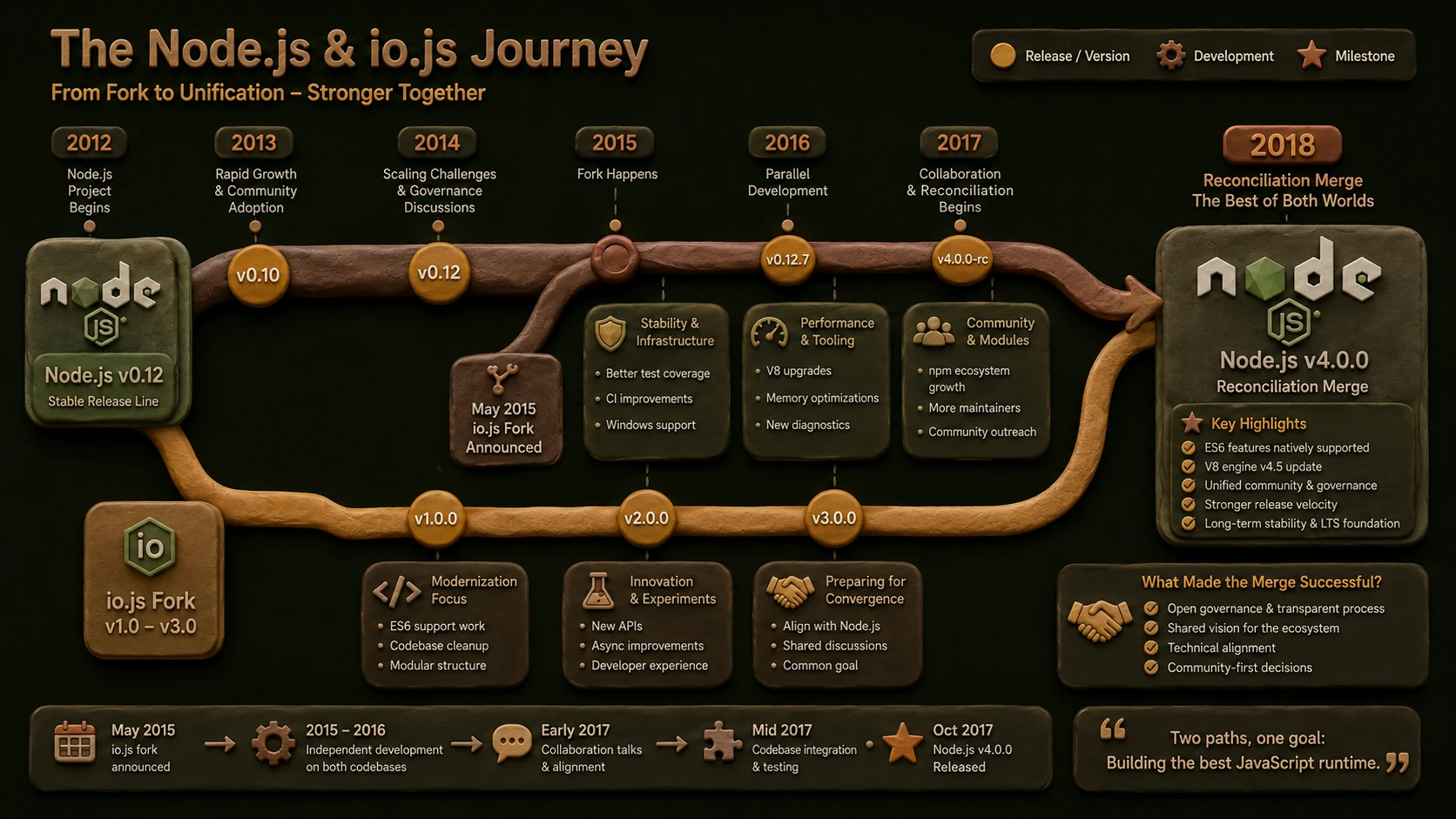
Earlier in 2015, however, the Node.js ecosystem experienced an important period of uncertainty following the creation of the io.js project. Differences surrounding project governance, release cadence, and technical direction resulted in two actively developed runtimes that shared a common origin but evolved independently.
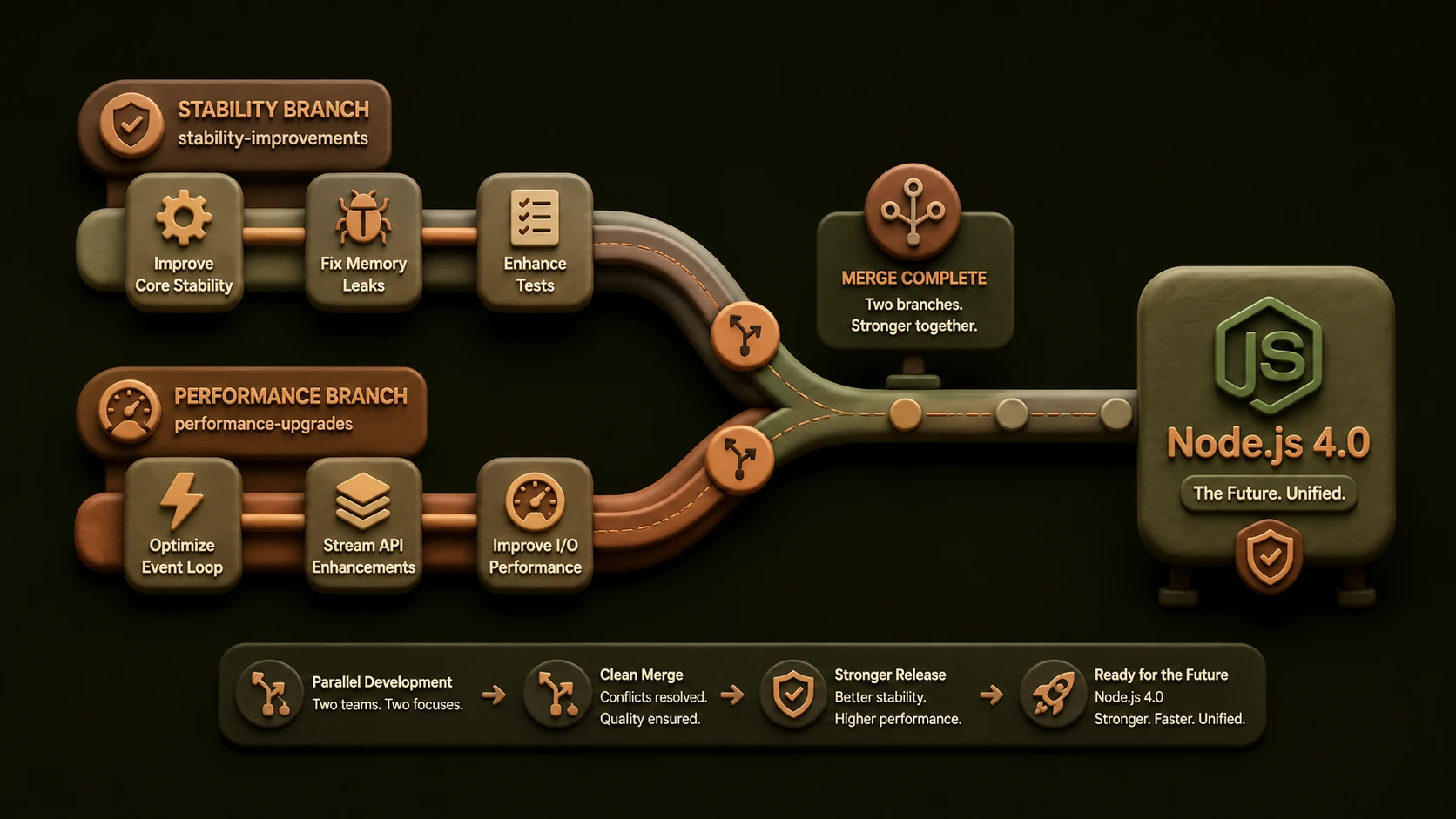
The release of Node.js 4.0 represents the successful reconciliation of these two communities. By merging the technical innovations introduced through io.js with the stability and ecosystem of Node.js, the platform enters a new stage of enterprise maturity supported by an open governance model and predictable Long Term Support (LTS) strategy.
For enterprise architects, Node.js 4.0 provides renewed confidence that server-side JavaScript can serve as a dependable platform for production workloads while benefiting from an increasingly collaborative open-source ecosystem.
Industry Background
JavaScript has expanded far beyond browser development. Organizations increasingly rely upon Node.js for:
- ◆REST APIs
- ◆Microservices
- ◆Real-time communication
- ◆Build automation
- ◆API gateways
- ◆Cloud applications
- ◆Mobile backends
- ◆Streaming services
Its asynchronous programming model allows applications to handle large numbers of concurrent network connections efficiently.
As enterprise adoption increased, project stability and governance became as important as technical capabilities.
The Business Problem
The temporary split between Node.js and io.js created several concerns for enterprise organizations:
- ◆Uncertain platform direction
- ◆Fragmented community support
- ◆Compatibility concerns
- ◆Library maintenance challenges
- ◆Release management uncertainty
- ◆Increased adoption risk
Organizations evaluating Node.js required confidence that the platform would continue evolving under a stable governance model.
Understanding Node.js 4.0
Node.js 4.0 represents the first major release following the merger of the Node.js and io.js projects.
The unified platform combines:
- ◆Stable enterprise governance
- ◆Updated V8 JavaScript engine
- ◆Improved ECMAScript support
- ◆Stronger community collaboration
- ◆Predictable release planning
- ◆Long Term Support (LTS) roadmap
Rather than introducing an entirely new runtime, Node.js 4.0 consolidates previous technical advancements into a single production-ready platform.
Core Architecture
| Component | Responsibility |
|---|---|
| V8 JavaScript Engine | Executes JavaScript code |
| Event Loop | Coordinates asynchronous operations |
| libuv | Cross-platform asynchronous I/O |
| Module System | Organizes application code |
| Streams | Efficient data processing |
| Buffer | Binary data handling |
| npm Ecosystem | Package management |
These architectural components continue providing the foundation for scalable server-side JavaScript applications.
How Node.js 4.0 Works
A typical application workflow includes:
- 1.Client sends a request.
- 2.Event loop receives the request.
- 3.Non-blocking I/O operations execute asynchronously.
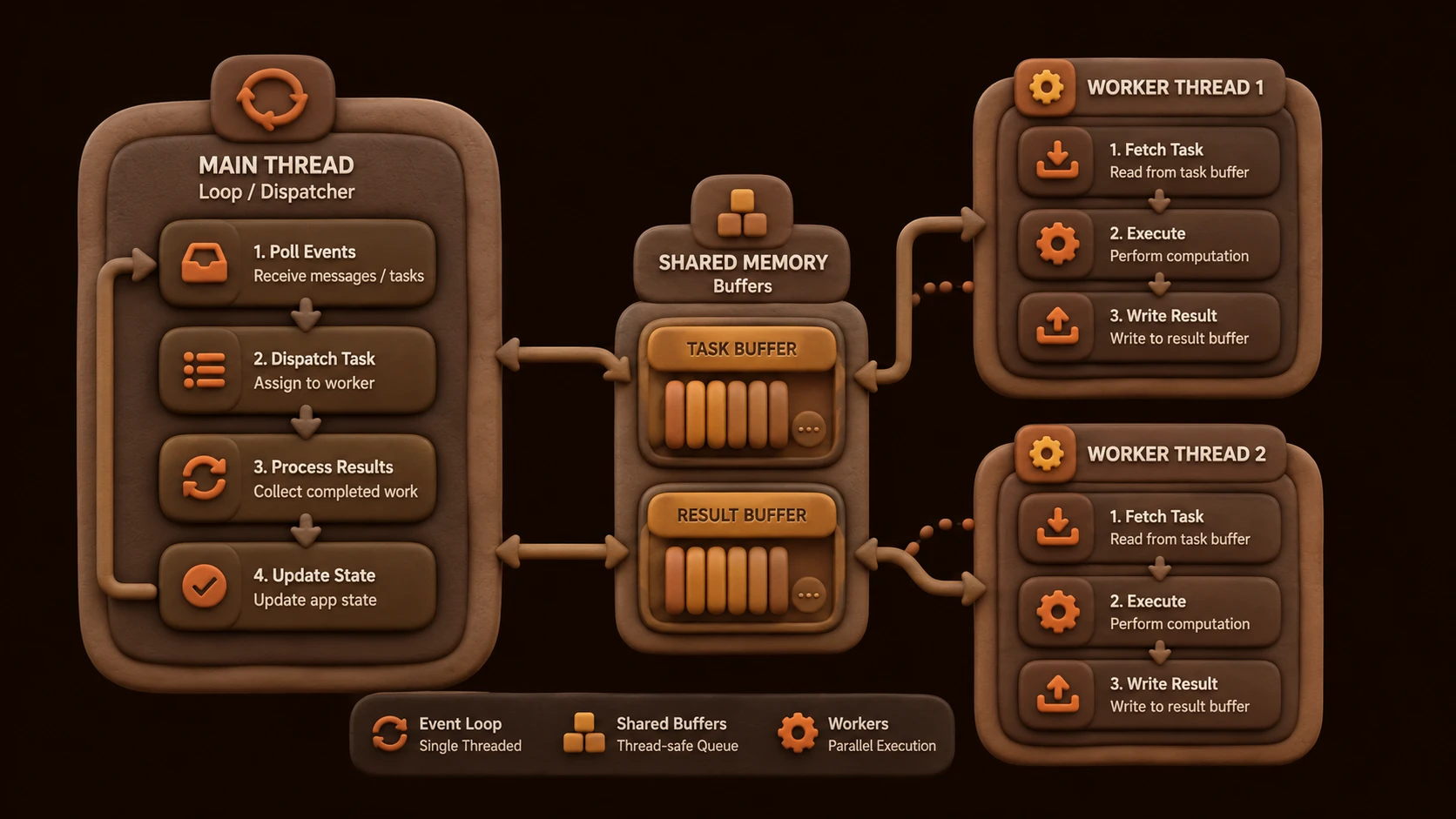
- 4.Worker threads handle operating system tasks where required.
- 5.Callback execution resumes when operations complete.
- 6.Application generates a response.
- 7.Event loop continues processing additional requests.
This architecture minimizes thread overhead while supporting high concurrency.
The Node.js and io.js Reconciliation
The merger represents one of the most significant organizational events in the history of Node.js.
Key outcomes include:
- ◆Unified source code
- ◆Shared technical roadmap
- ◆Open governance model
- ◆Community collaboration
- ◆Consolidated ecosystem
- ◆Enterprise confidence
Rather than maintaining competing implementations, the community now develops a single runtime platform.
Key Features
Improved ECMAScript Support
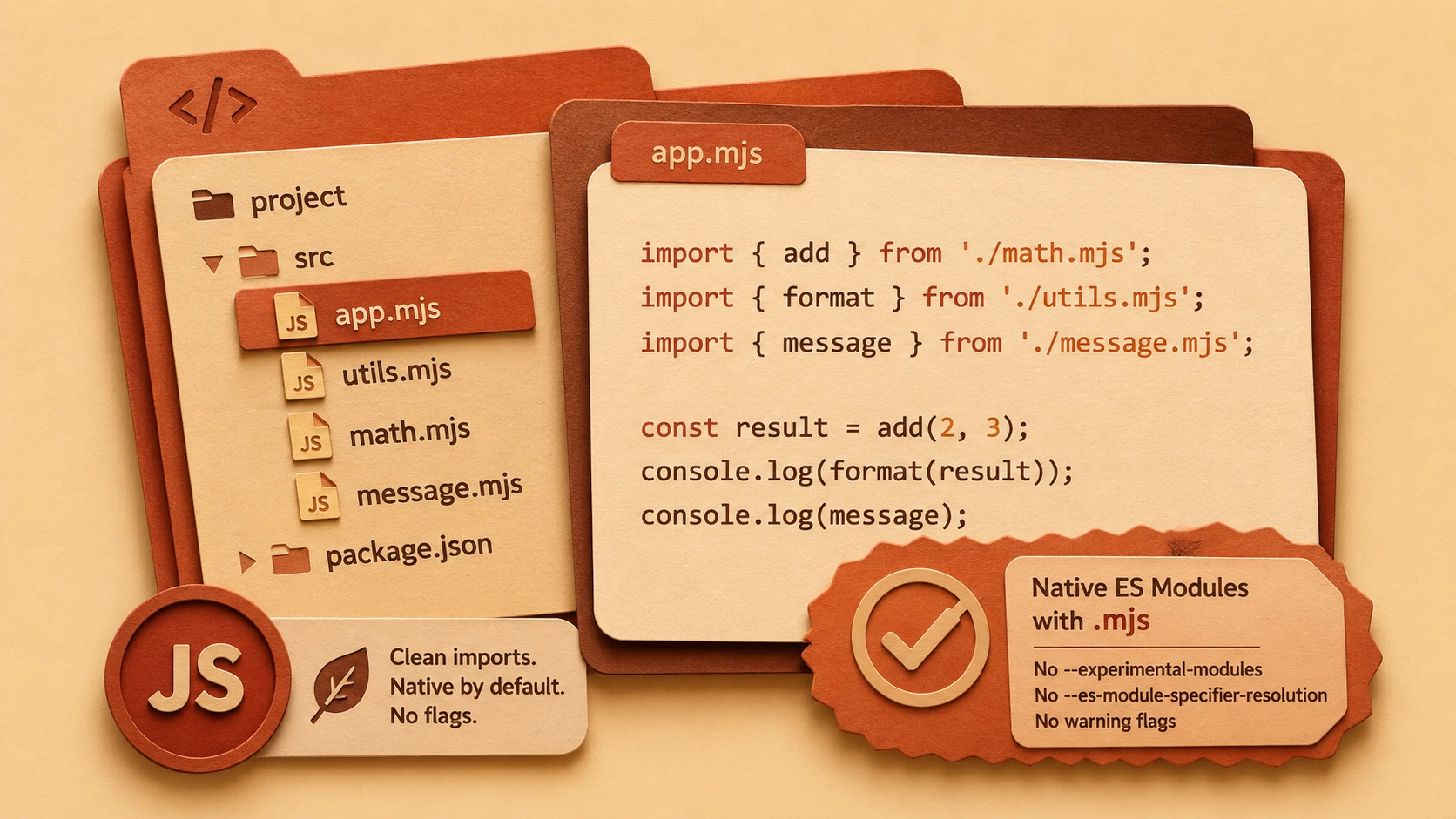
Node.js 4.0 incorporates a newer V8 engine with expanded support for modern JavaScript language features available at the time.
Long Term Support
The newly established release strategy provides enterprise organizations with greater confidence when planning production deployments.
Improved Stability
The unified development effort reduces fragmentation while simplifying long-term maintenance.
Mature npm Ecosystem
Developers continue benefiting from one of the largest open-source package ecosystems available.
Cross-Platform Runtime
Applications continue operating consistently across Linux, Windows, and macOS environments.
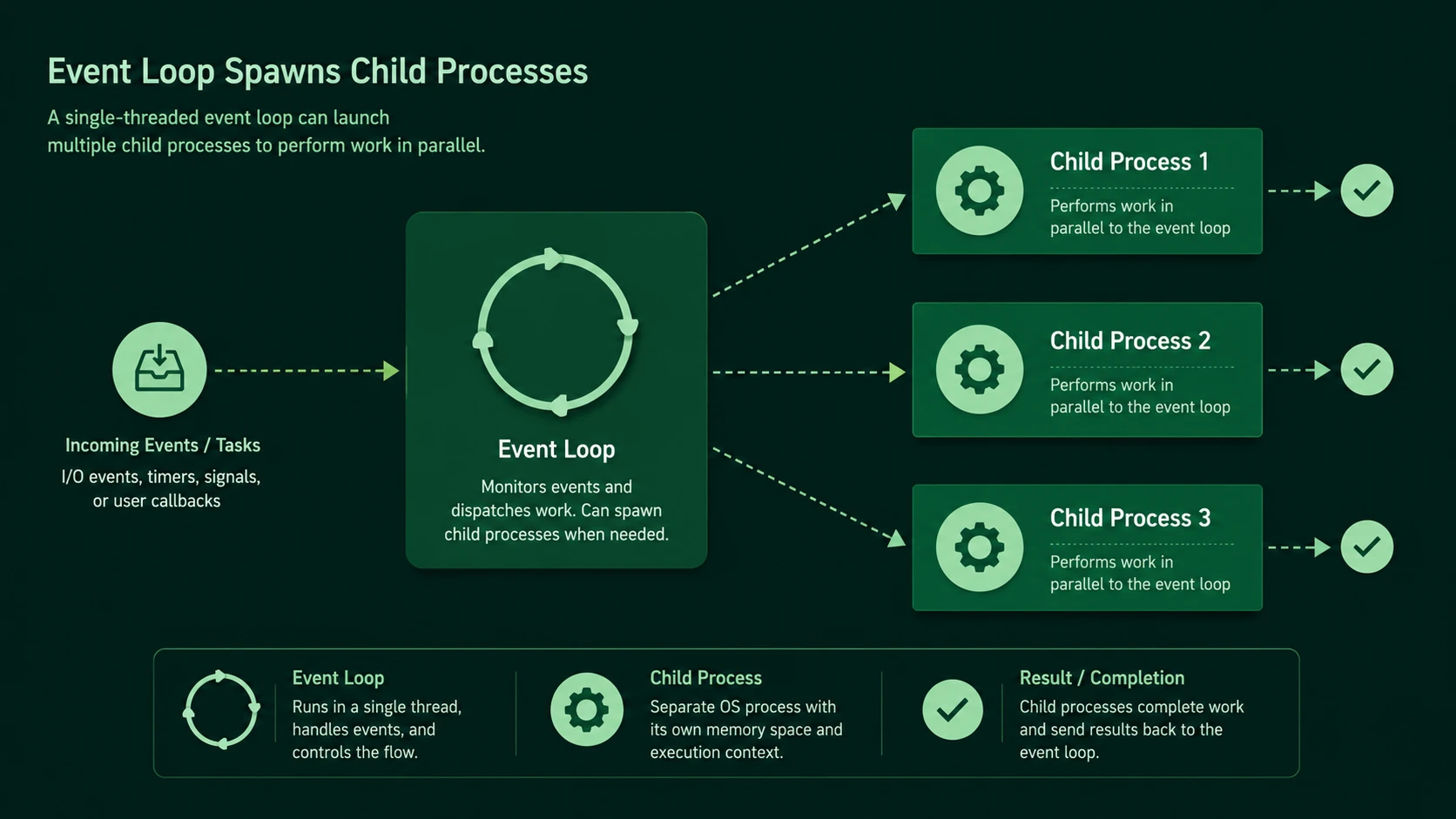
Event loop routing for non-blocking asynchronous I/O execution threads.
Enterprise Use Cases
REST APIs
Node.js efficiently serves high volumes of HTTP requests using asynchronous processing.
Microservices
Lightweight services can be deployed independently while leveraging the extensive npm ecosystem.
Real-Time Applications
WebSocket-based collaboration and messaging platforms benefit from Node.js's event-driven architecture.
API Gateways
Node.js performs request routing, authentication, and protocol translation efficiently.
Cloud Applications
Its lightweight runtime aligns well with modern cloud deployment models.
Performance Considerations
Node.js continues emphasizing efficient I/O performance.
Performance characteristics include:
- ◆Non-blocking networking
- ◆Efficient memory utilization
- ◆High connection concurrency
- ◆Event-driven execution
- ◆Lightweight processes
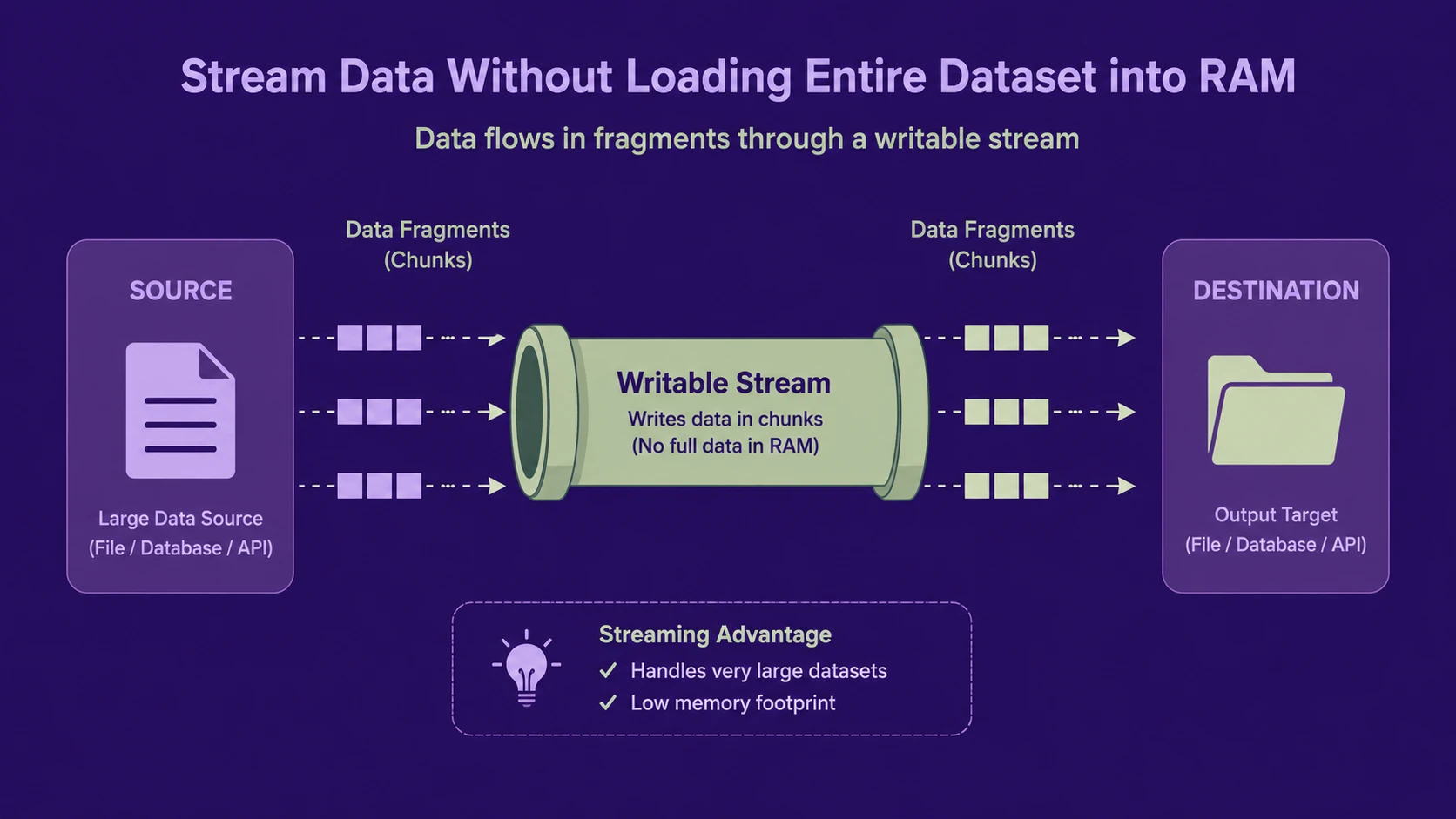
- ◆Stream-based data handling
CPU-intensive workloads should continue being evaluated carefully because JavaScript execution primarily occurs within a single event loop.
Security Considerations
Enterprise deployments should implement:
- ◆HTTPS
- ◆Authentication
- ◆Authorization
- ◆Input validation
- ◆Dependency management
- ◆Regular security updates
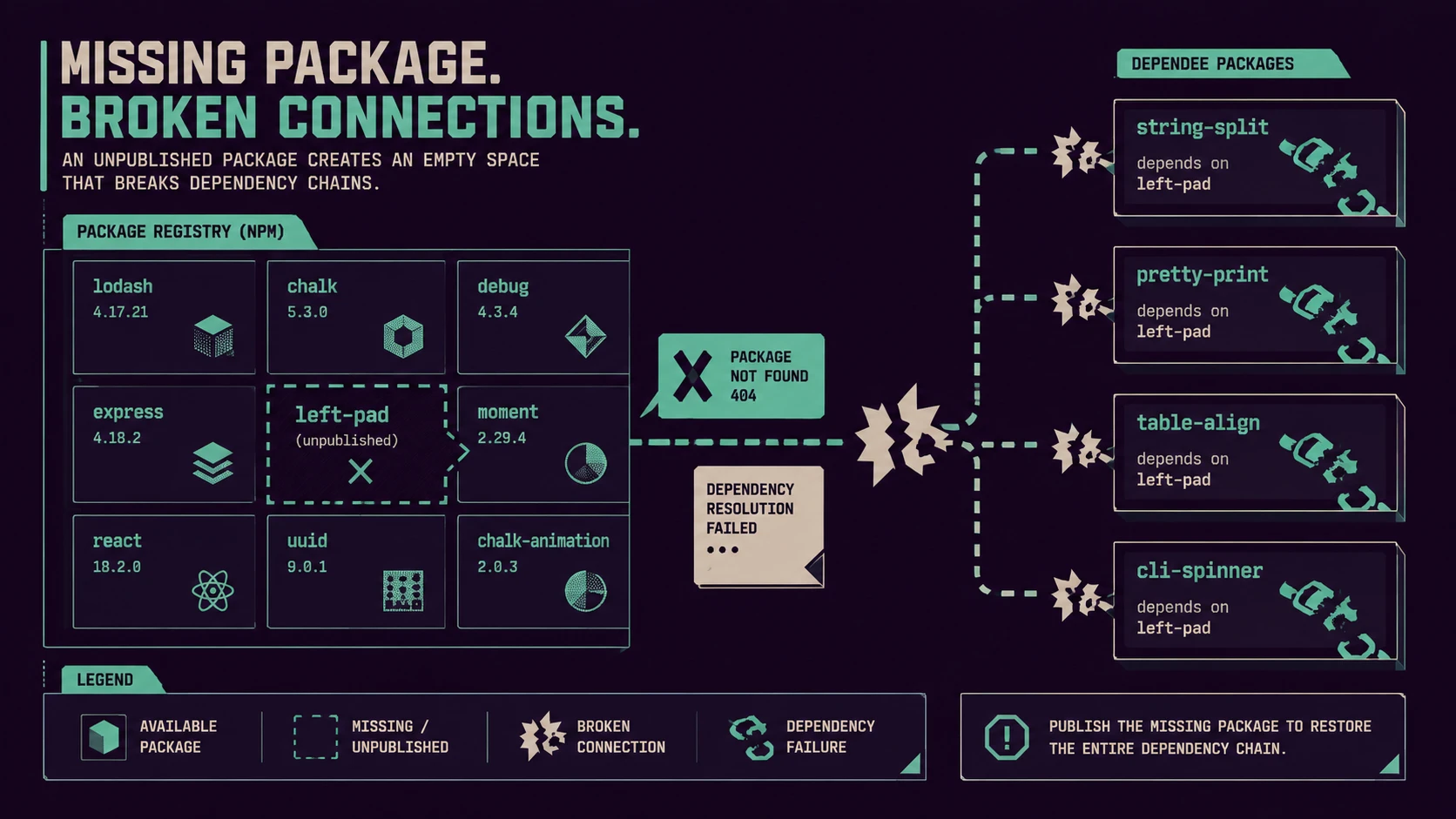
Organizations should also monitor third-party npm packages and establish package governance policies.
Scalability
Node.js supports scalable application deployment through:
- ◆Stateless services
- ◆Horizontal scaling
- ◆Load balancing
- ◆Asynchronous request processing
- ◆Stream-based architectures
- ◆Modular application design
These characteristics make the platform well suited for cloud-native infrastructure.
Best Practices
Organizations adopting Node.js 4.0 should consider the following recommendations.
- ◆Design stateless services.
- ◆Use asynchronous APIs consistently.
- ◆Keep modules focused.
- ◆Monitor application performance.
- ◆Validate external input.
- ◆Manage npm dependencies carefully.
- ◆Automate testing and deployment.
- ◆Follow the Long Term Support release strategy for production systems.
Common Mistakes
| Mistake | Enterprise Impact |
|---|---|
| Blocking the event loop | Reduced scalability |
| Excessive synchronous operations | Lower throughput |
| Ignoring dependency updates | Security exposure |
| Large monolithic applications | Reduced maintainability |
| Poor error handling | Service instability |
| Uncontrolled package adoption | Operational risk |
Successful Node.js deployments depend upon understanding asynchronous application architecture.
Technology Comparison
| Capability | Earlier Node.js Releases | Node.js 4.0 |
|---|---|---|
| Governance | Fragmented During io.js Split | Unified Community |
| JavaScript Features | Earlier V8 Support | Improved ECMAScript Support |
| Enterprise Stability | Transitional | Improved |
| Release Strategy | Less Predictable | LTS Roadmap |
| Community Ecosystem | Divided | Unified |
| Production Readiness | Strong | Stronger |
Node.js 4.0 strengthens both the technical and organizational foundations of the platform.
Adoption Strategy
Organizations planning upgrades should:
- 1.Review existing Node.js applications.
- 2.Validate compatibility with Node.js 4.0.
- 3.Test third-party dependencies.
- 4.Benchmark production workloads.
- 5.Adopt automated testing.
- 6.Standardize deployment practices.
- 7.Follow the LTS release schedule.
- 8.Expand deployment after successful validation.
A structured migration minimizes operational risk while enabling organizations to benefit from the unified platform.
Limitations
Although Node.js 4.0 significantly improves project stability, several considerations remain.
- ◆CPU-intensive workloads may require architectural planning.
- ◆Enterprise applications should continue monitoring dependency quality.
- ◆Teams must understand asynchronous programming concepts.
- ◆Existing applications require compatibility testing before upgrades.
- ◆Operational monitoring remains essential for production environments.
Node.js continues to excel for I/O-bound workloads while requiring thoughtful application design.
Looking Ahead
From the perspective of December 2015, Node.js 4.0 represents a defining milestone for the JavaScript ecosystem. The successful reconciliation of the Node.js and io.js projects demonstrates the strength of open-source collaboration while providing enterprises with a stable and unified platform for server-side development. Combined with modern JavaScript capabilities, predictable release management, and a rapidly expanding ecosystem, Node.js 4.0 establishes a strong foundation for organizations building scalable web services, APIs, and cloud-native applications.