Introduction
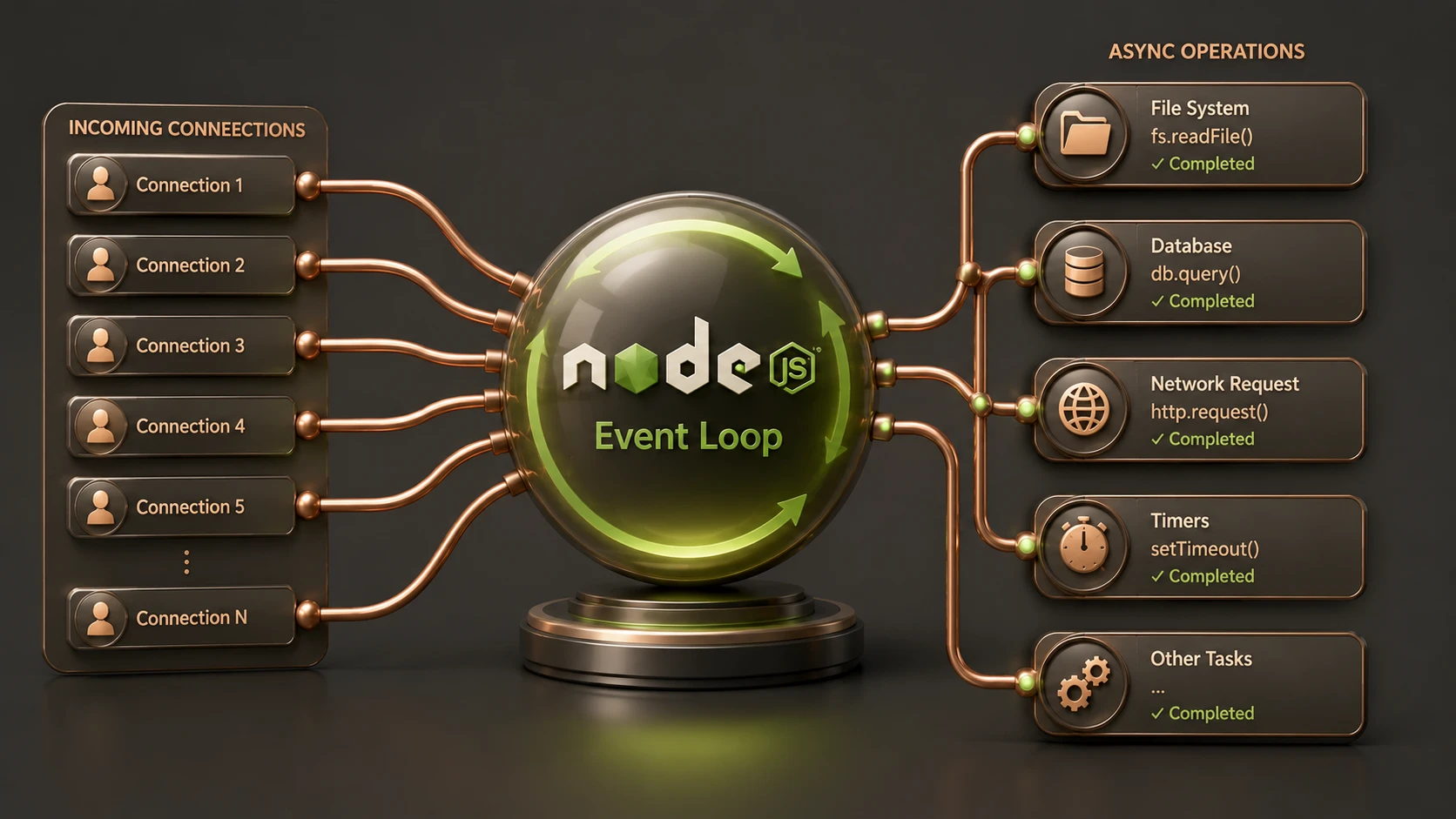
Node.js has established itself as a compelling platform for building scalable network applications by combining Google's V8 JavaScript engine with an event-driven, non-blocking I/O architecture. Unlike traditional server-side platforms that often allocate a thread for each client request, Node.js processes asynchronous operations through an event loop, making efficient use of system resources.
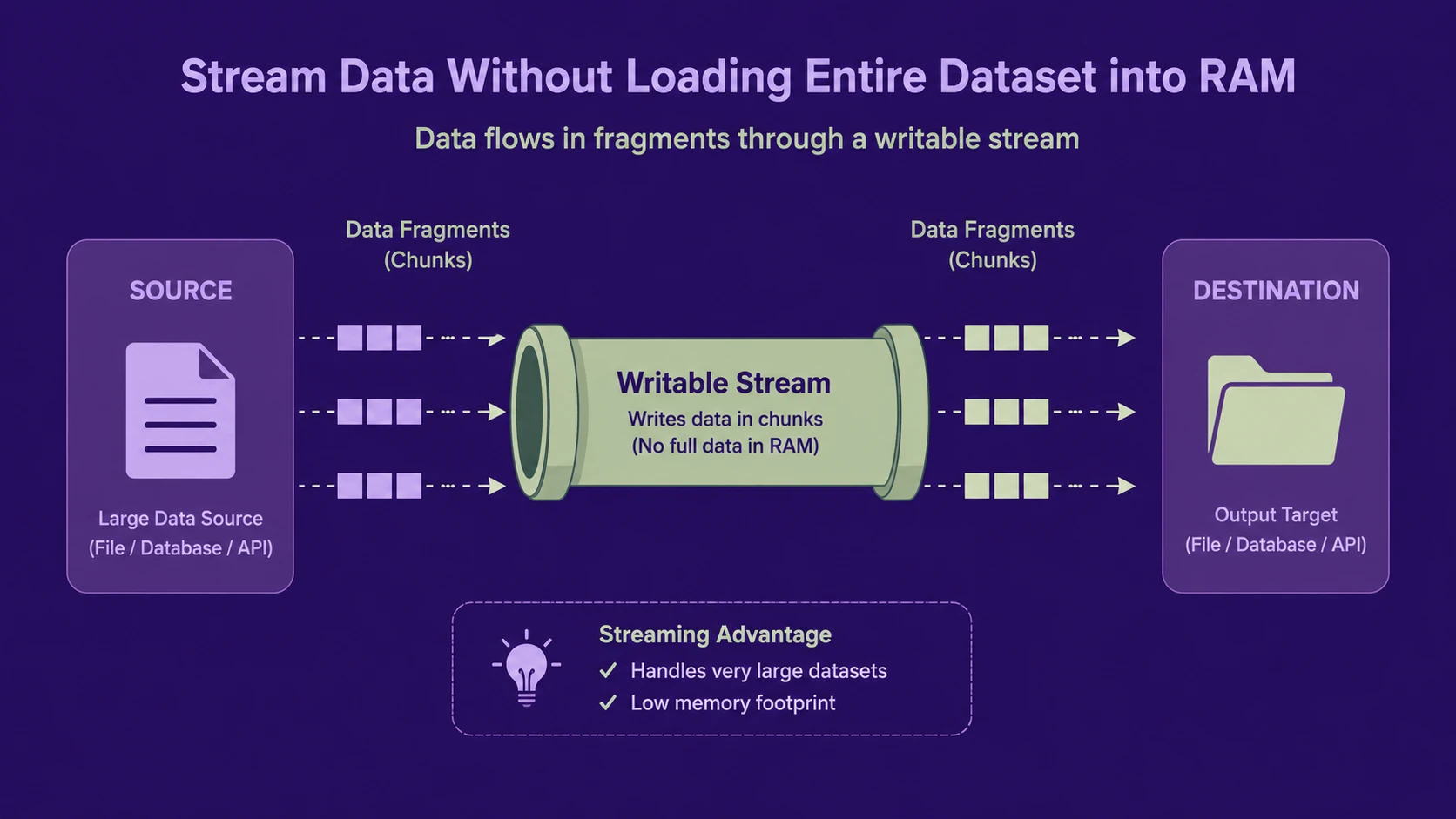
As enterprise applications begin handling larger datasets, streaming APIs have become increasingly important. Processing entire files or network payloads in memory is often inefficient and can significantly increase resource consumption. Node.js Streams provide an alternative approach by processing data incrementally as it becomes available.
From the perspective of May 2013, streams represent one of the platform's most important architectural capabilities for building scalable, high-performance server applications.
Industry Background
Modern enterprise applications increasingly process continuous data rather than isolated requests.
Typical workloads include:
- ◆File uploads.
- ◆Log processing.
- ◆Video streaming.
- ◆Network proxies.
- ◆HTTP communication.
- ◆Data transformation.
- ◆Backup utilities.
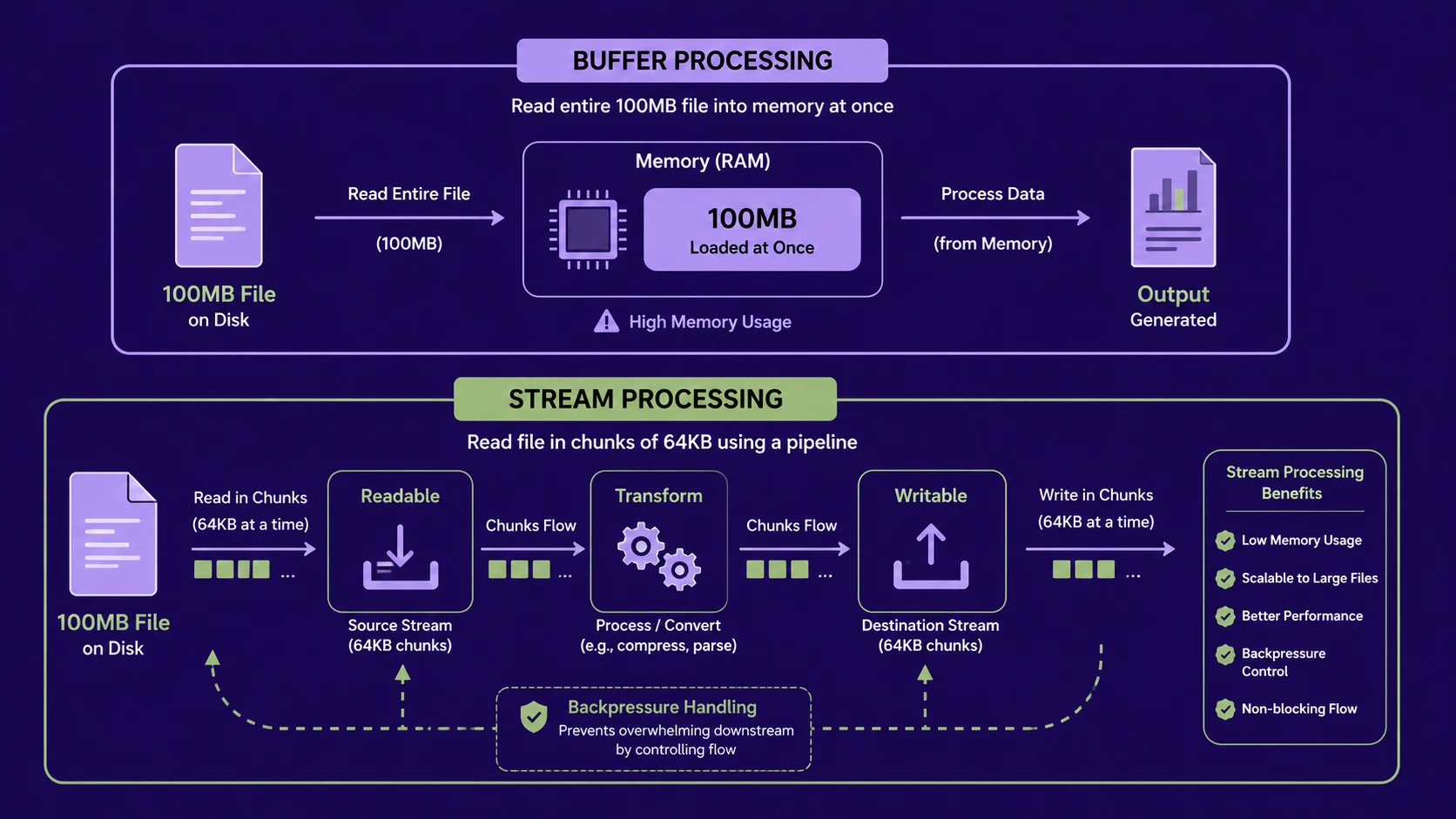
Traditional programming models frequently load entire datasets into memory before processing begins. While suitable for small files, this approach becomes increasingly inefficient for large datasets and concurrent workloads.
Node.js addresses this challenge through streaming interfaces that process data incrementally.
The Business Problem
Applications that load complete datasets into memory often experience several operational challenges.
- ◆High memory consumption.
- ◆Increased garbage collection.
- ◆Reduced scalability.
- ◆Longer response times.
- ◆Limited support for very large files.
- ◆Poor concurrency under heavy workloads.
As enterprise systems grow, efficient resource utilization becomes increasingly important.
Streaming data rather than buffering complete datasets enables applications to scale more effectively while reducing infrastructure costs.
Understanding the Technology
A stream represents a sequence of data that can be consumed or produced over time.
Instead of waiting for an entire dataset to become available, applications process individual chunks as they are received.
Node.js provides several stream types.
- ◆Readable Streams.
- ◆Writable Streams.
- ◆Duplex Streams.
- ◆Transform Streams.
Together, these abstractions support efficient movement and transformation of data between multiple sources and destinations.
Core Architecture
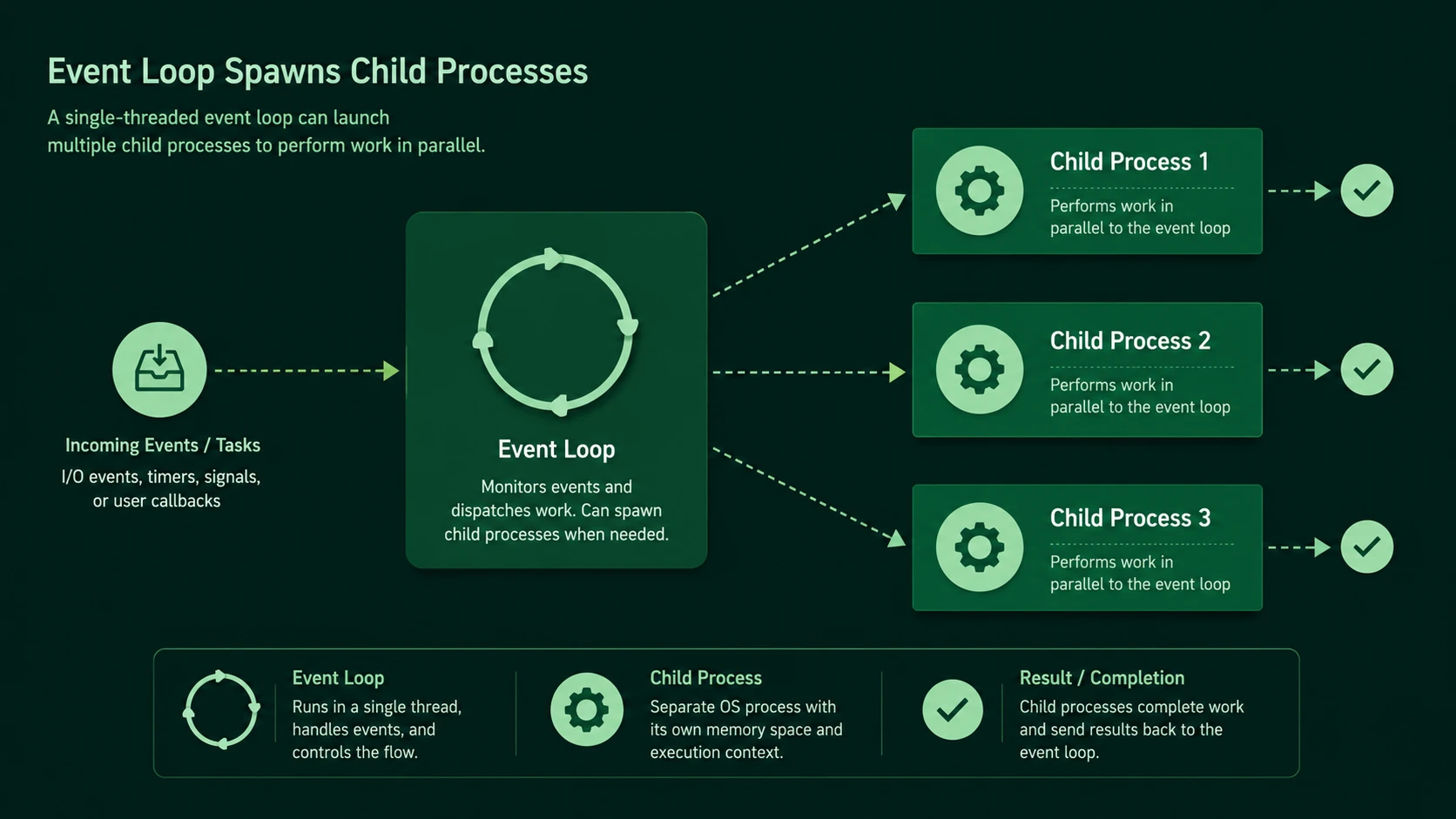
Node.js streams integrate closely with the platform's event-driven architecture.
| Component | Responsibility |
|---|---|
| Readable Stream | Produces incoming data |
| Writable Stream | Accepts outgoing data |
| Duplex Stream | Supports both reading and writing |
| Transform Stream | Modifies data while streaming |
| Event Loop | Coordinates asynchronous execution |
| Buffers | Temporary storage for data chunks |
Applications respond to stream events rather than processing complete datasets in a single operation.
Key Features
Incremental Processing
Applications begin processing data immediately without waiting for complete file transfers or downloads.
Memory Efficiency
Only small portions of data remain in memory at any given time.
Event-Driven Operation
Streams integrate naturally with Node.js asynchronous programming model.
Pipeline Composition
Multiple streams can be connected to create reusable processing pipelines.
Network Optimization
Streaming supports efficient communication across sockets, HTTP connections, and file systems.
Flexible Data Transformation
Transform streams allow applications to modify data while it flows through the processing pipeline.
How It Works
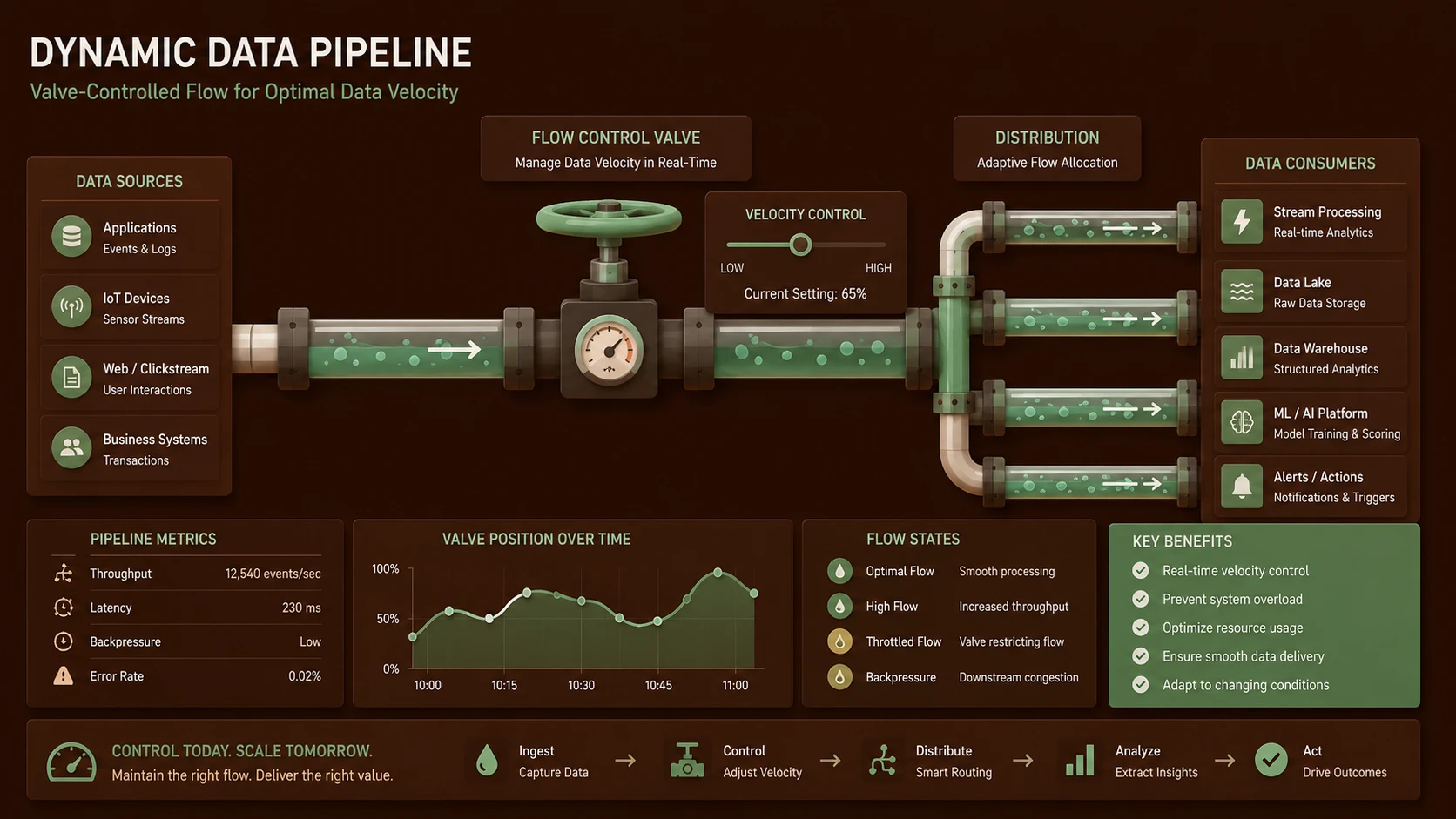
A simplified stream processing workflow appears below.
Input Source
      |
Readable Stream
      |
Transform Stream
      |
Writable Stream
      |
Destination
Each component processes data incrementally, allowing the application to maintain consistent memory usage regardless of dataset size.
Enterprise Use Cases
Streams support numerous enterprise workloads.
File Processing
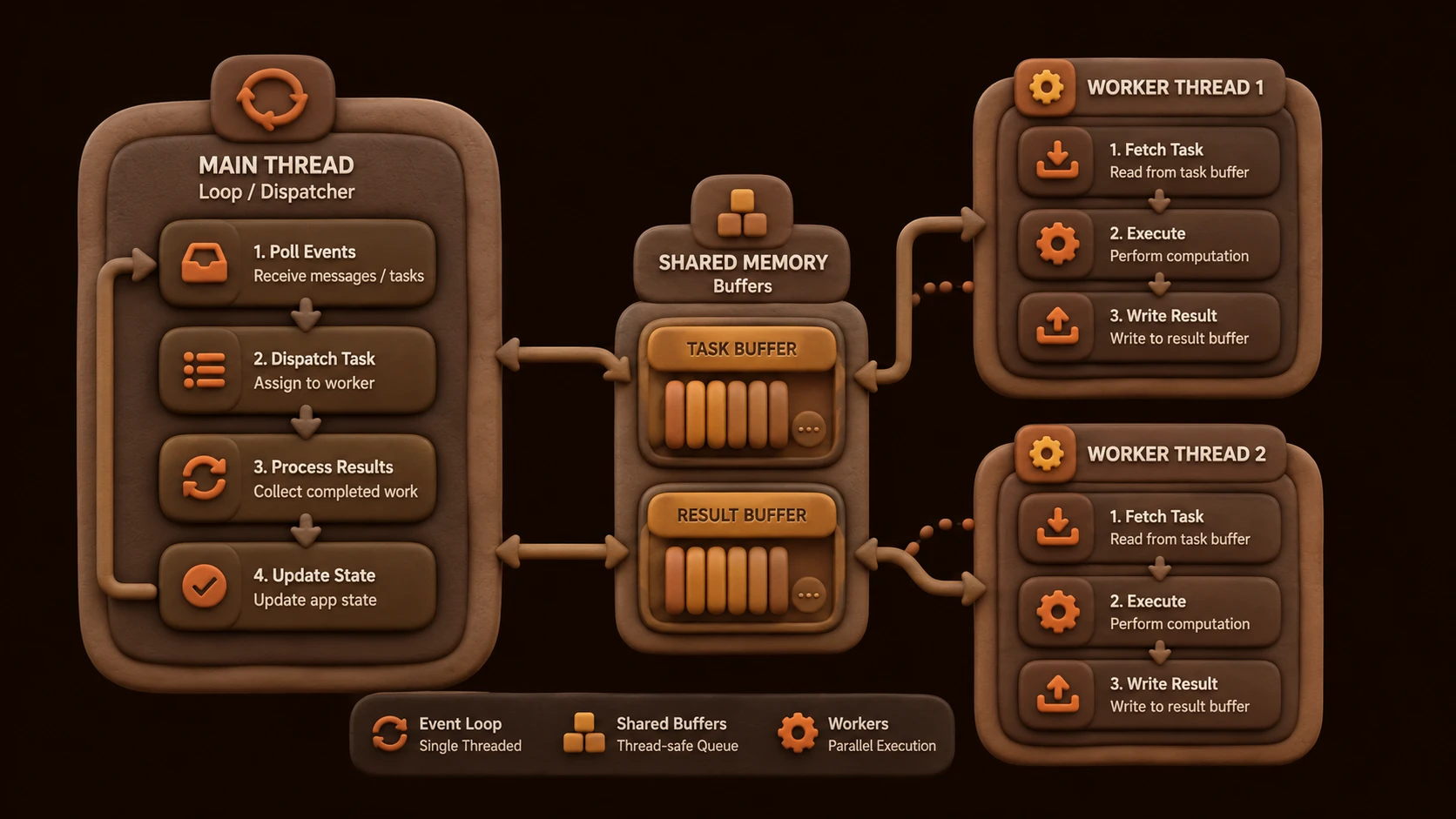
Event loop routing for non-blocking asynchronous I/O execution threads.
Large log files and exported datasets can be processed without consuming excessive system memory.
HTTP Services
Web servers can stream request and response bodies directly between clients and backend services.
Data Import and Export
Organizations handling large CSV or XML datasets benefit from incremental processing.
Network Proxies
Proxy servers can relay traffic efficiently while minimizing buffering.
Media Delivery
Streaming supports efficient delivery of audio and video content over network connections.
Performance Considerations
Streams provide several performance advantages.
Important considerations include:
- ◆Reduced memory allocation.
- ◆Lower garbage collection overhead.
- ◆Continuous data processing.
- ◆Efficient disk access.
- ◆Network throughput optimization.
Applications should avoid unnecessarily buffering streamed data, as doing so reduces many of the benefits provided by the streaming architecture.
Security Considerations
Streaming applications should implement the same security practices expected of other enterprise services.
Recommended controls include:
- ◆Input validation.
- ◆Authentication.
- ◆Authorization.
- ◆Secure transport using HTTPS where appropriate.
- ◆File size limitations.
- ◆Resource monitoring.
Streaming improves efficiency but does not replace secure application design.
Scalability
Streams contribute significantly to Node.js scalability.
Benefits include:
- ◆Predictable memory usage.
- ◆Improved concurrency.
- ◆Efficient processing of large files.
- ◆Better utilization of asynchronous I/O.
- ◆Reduced infrastructure requirements.
These characteristics align well with high-volume web services and cloud-hosted applications.
Best Practices
Development teams should consider the following recommendations.
- ◆Prefer streams for large files.
- ◆Chain processing stages into reusable pipelines.
- ◆Handle stream errors consistently.
- ◆Close streams properly after processing.
- ◆Monitor application memory usage.
- ◆Avoid unnecessary buffering.
- ◆Test with production-sized datasets.
Applying these practices improves reliability and operational efficiency.
Common Mistakes
| Mistake | Business Impact |
|---|---|
| Reading entire files into memory | Increased memory consumption |
| Ignoring stream errors | Application instability |
| Breaking pipeline flow | Reduced performance |
| Excessive buffering | Loss of scalability |
| Poor resource cleanup | File descriptor exhaustion |
| Blocking the event loop | Reduced concurrency |
Avoiding these issues helps maintain the efficiency of stream-based architectures.
Technology Comparison
| Approach | Memory Usage | Scalability |
|---|---|---|
| Complete Buffering | High | Limited for large datasets |
| Node.js Streams | Low and incremental | Excellent for continuous processing |
| Traditional Synchronous File Processing | Moderate to High | Dependent on workload size |
Streams distinguish themselves by enabling continuous processing rather than waiting for complete datasets.
Adoption Strategy
Organizations adopting Node.js streams should begin with workloads involving large or continuous data.
Recommended roadmap:
- 1.Identify applications processing large files.
- 2.Replace full buffering with stream-based processing.
- 3.Introduce transform streams where data conversion is required.
- 4.Monitor memory consumption.
- 5.Benchmark application throughput.
- 6.Expand stream usage across network services.
Incremental adoption enables engineering teams to validate performance improvements while minimizing implementation risk.
Limitations
Although streams provide substantial advantages, organizations should recognize several considerations.
- ◆Event-driven programming introduces additional complexity.
- ◆Debugging asynchronous pipelines requires careful attention.
- ◆Small datasets may not benefit significantly from streaming.
- ◆Proper error handling is essential throughout the pipeline.
- ◆Development teams must understand backpressure and flow control concepts.
These trade-offs should be evaluated alongside the operational benefits.
Looking Ahead
From the perspective of May 2013, Node.js Streams represent one of the platform's strongest architectural features for enterprise-scale application development. Their ability to process large datasets incrementally, minimize memory consumption, and integrate naturally with asynchronous I/O makes them well suited for modern web services and cloud-based applications.
As organizations continue building data-intensive systems and real-time network services, stream-based processing is likely to become an increasingly important design pattern. Engineering teams that understand streaming architectures today will be better positioned to develop scalable, efficient, and maintainable server-side applications as Node.js continues to mature.