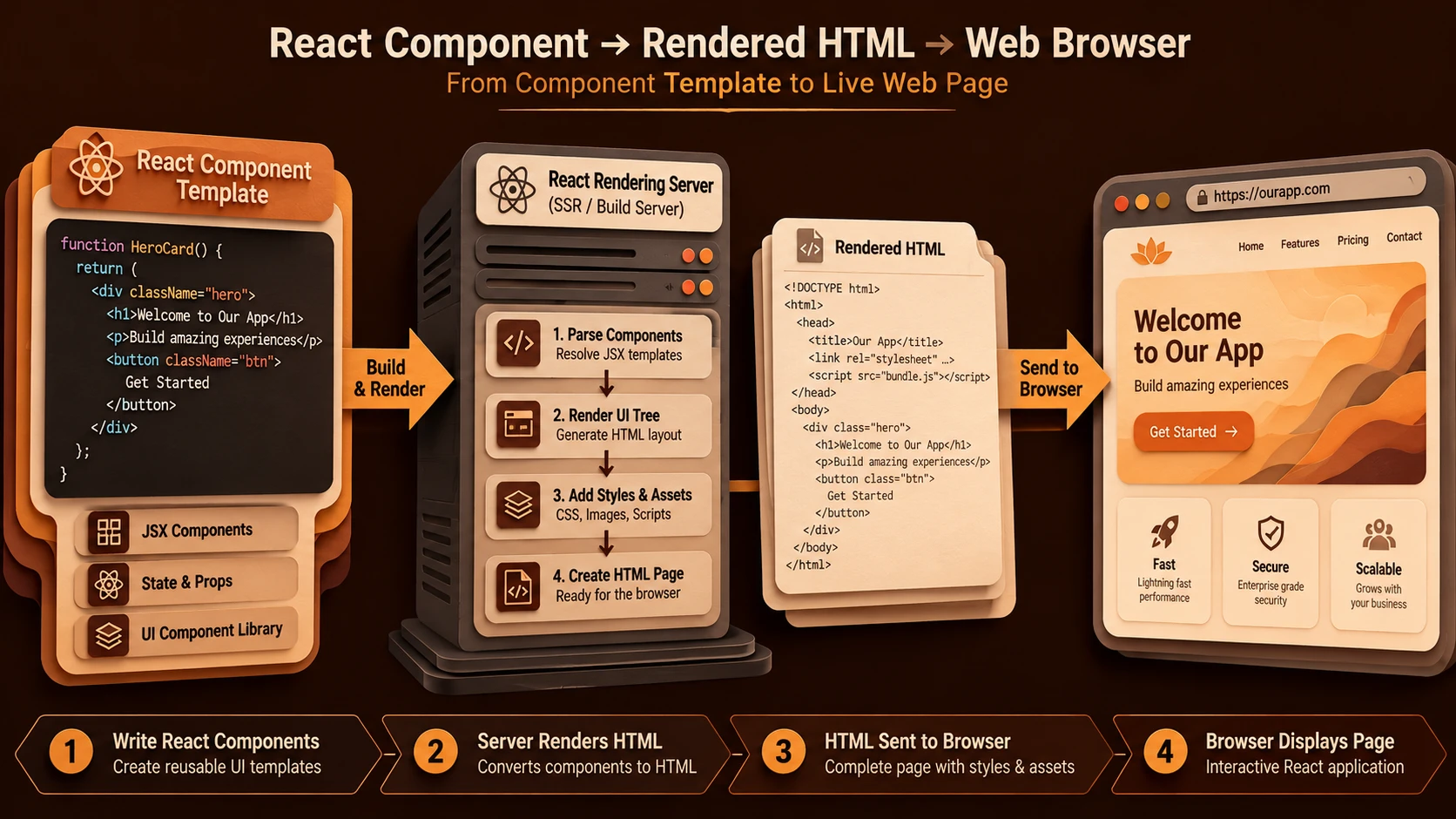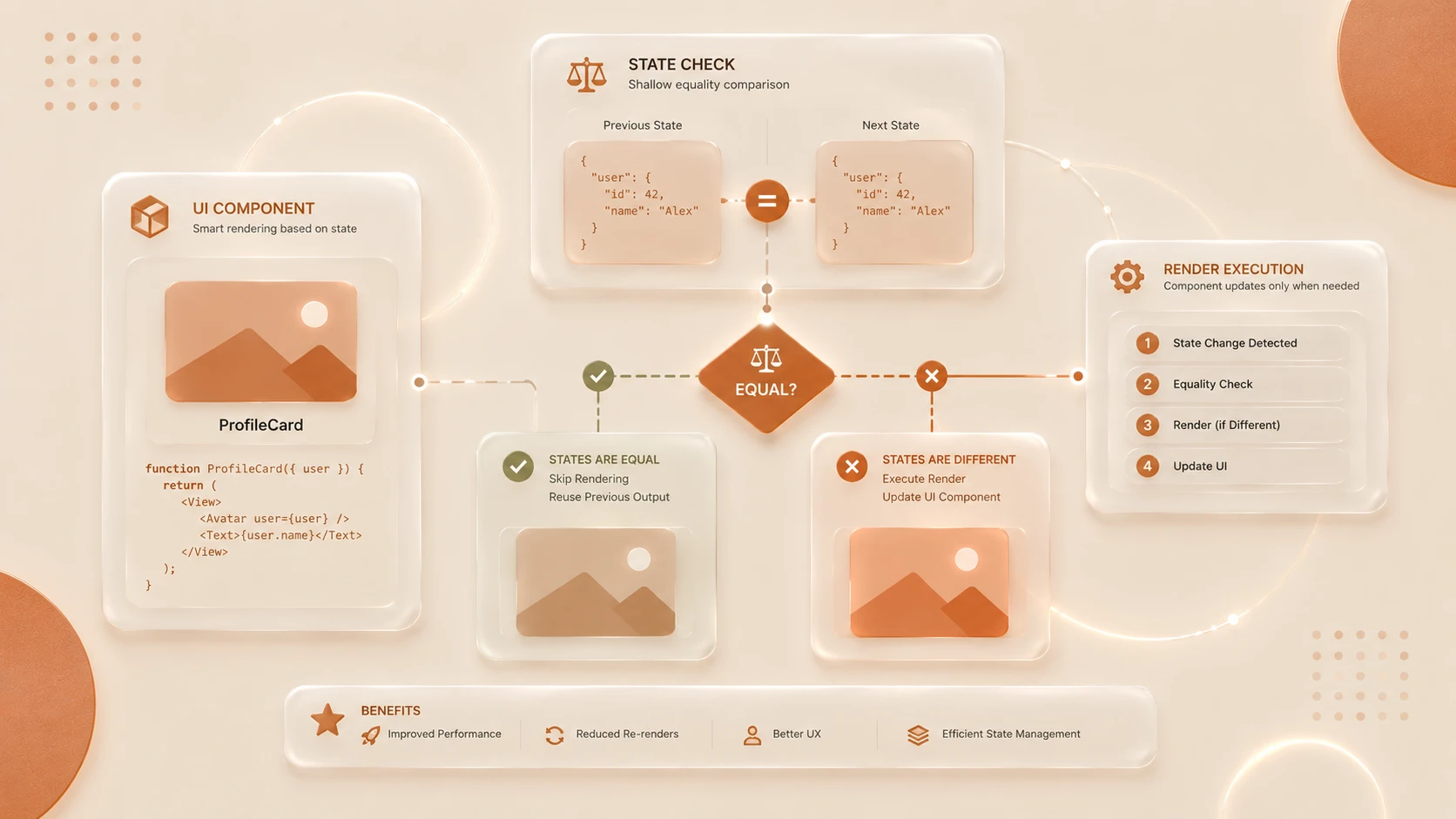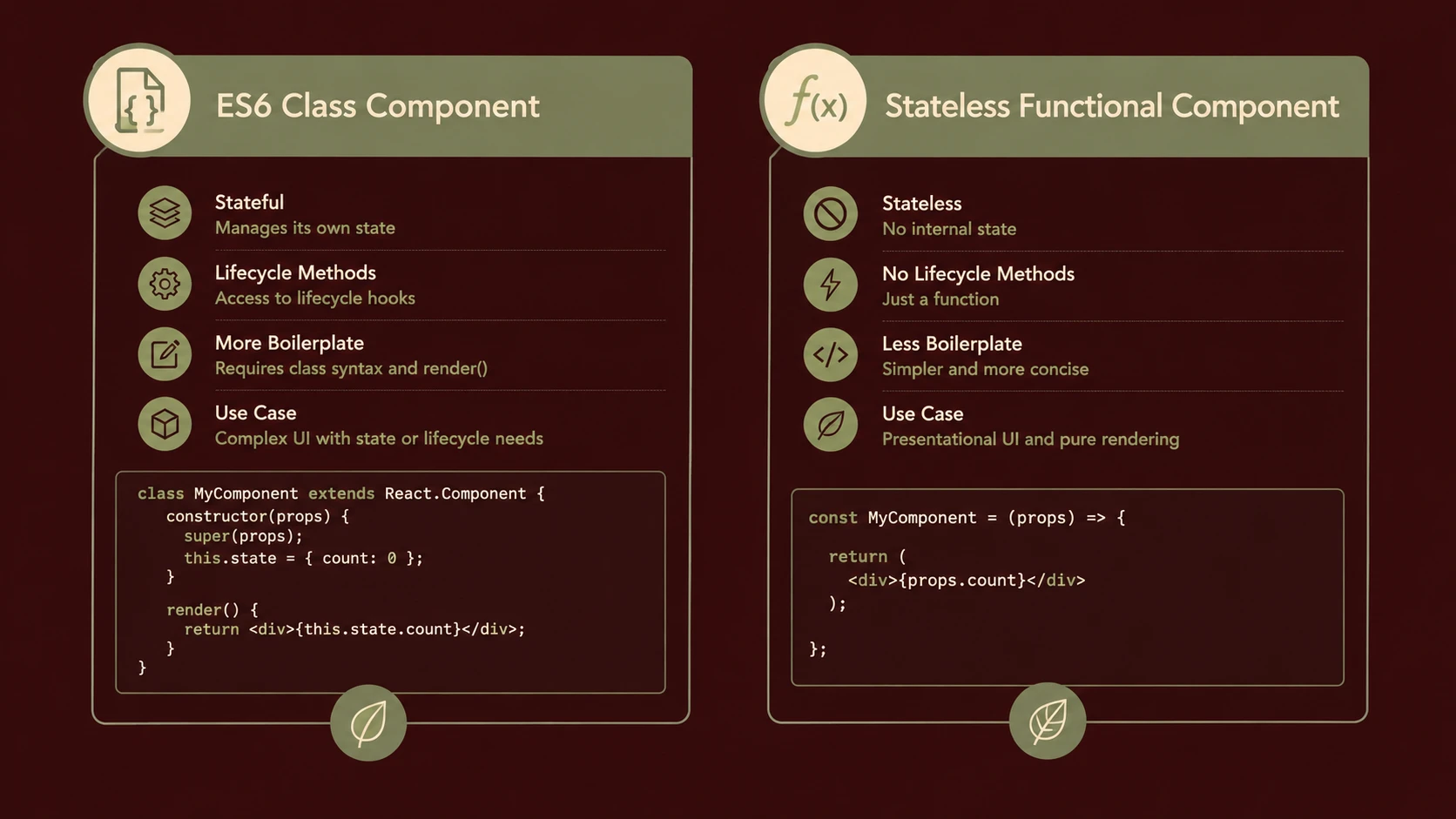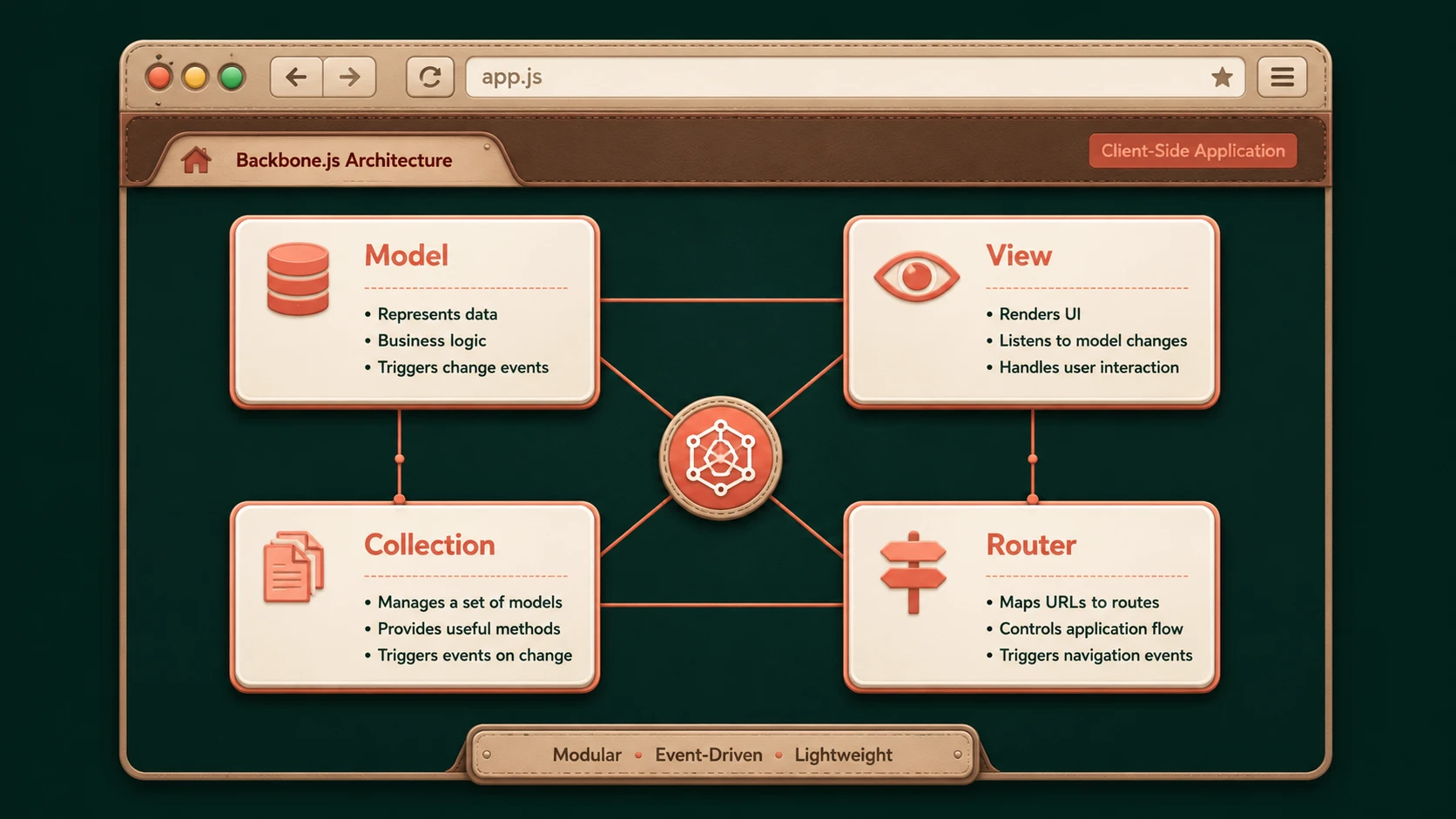
Introduction
Modern web applications increasingly consume data through APIs rather than server-rendered HTML. Single Page Applications built with frameworks such as React, Angular, and other component-based architectures often require data from multiple backend services while maintaining responsive user interfaces.
Traditional REST-based architectures typically require developers to coordinate numerous HTTP requests, manage duplicated client-side state, and implement custom caching mechanisms. As applications become larger, maintaining consistency between server data and user interface components becomes increasingly difficult.
GraphQL introduces a different approach by allowing clients to request precisely the data they require through a strongly typed schema. Building upon this model, Apollo Client provides a unified client-side library responsible for query execution, caching, data normalization, and application integration.
As of April 2016, Apollo Client represents an emerging addition to the GraphQL ecosystem. Its emphasis on normalized caching and declarative data fetching offers enterprise development teams an opportunity to simplify frontend data management while improving application maintainability.
Industry Background
Enterprise applications continue moving toward API-first architectures. Customer portals, Software as a Service (SaaS) platforms, administrative dashboards, collaboration systems, and mobile applications increasingly separate presentation from backend services.
This evolution has introduced several challenges:
- ◆Multiple API requests for a single screen
- ◆Duplicate client-side state
- ◆Manual cache management
- ◆Complex data synchronization
- ◆Increasing frontend complexity
GraphQL seeks to address flexible data retrieval, while Apollo Client focuses on efficiently consuming GraphQL services within browser applications.
The Business Problem
Large frontend applications frequently experience:
- ◆Redundant network requests
- ◆Inconsistent cached data
- ◆Complex state synchronization
- ◆Duplicate application logic
- ◆Difficult cache invalidation
- ◆Slower user interface responsiveness
- ◆Increased maintenance effort
A standardized client-side data layer can reduce these issues by centralizing query execution and cache management.
Understanding Apollo Client
Apollo Client is a JavaScript library designed to consume GraphQL services.
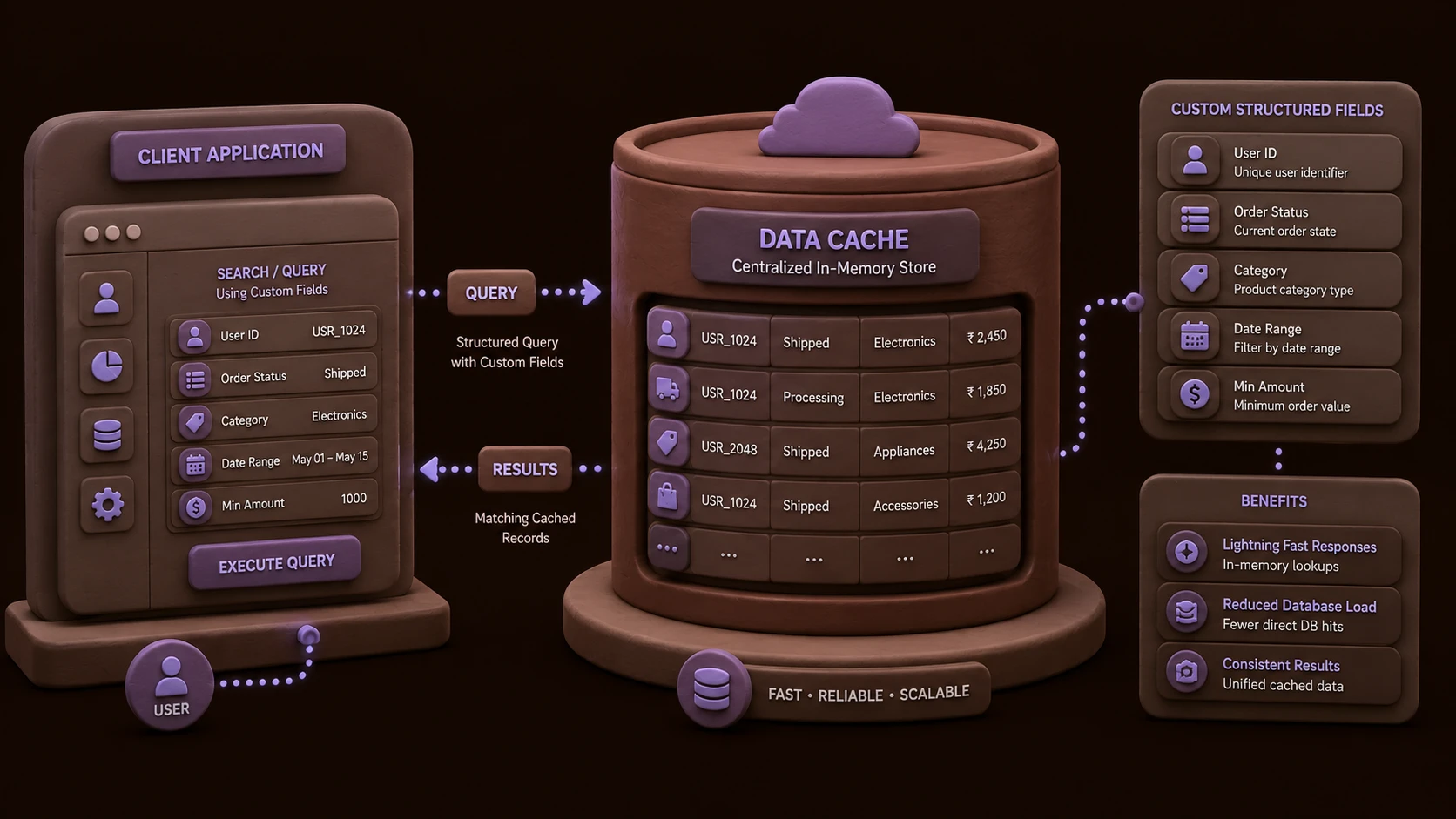
Rather than treating every HTTP request independently, Apollo Client maintains a structured client-side cache that stores query results for reuse across application components.
Primary responsibilities include:
- ◆Executing GraphQL queries
- ◆Managing mutations
- ◆Maintaining a normalized cache
- ◆Synchronizing UI components
- ◆Reducing unnecessary network requests
This architecture separates data management concerns from presentation logic.
Core Architecture
| Component | Responsibility |
|---|---|
| UI Components | Render application interface |
| Apollo Client | Coordinates GraphQL operations |
| Normalized Cache | Stores reusable entities |
| GraphQL Server | Processes queries |
| Network Layer | Transfers requests and responses |
| Application State | Reflects current data |
Together these components provide a structured pipeline for retrieving and managing application data.
GraphQL Query Execution
// Query execution and configuration in Apollo Client
import { ApolloClient, InMemoryCache, gql } from '@apollo/client';

const client = new ApolloClient({
  uri: 'https://api.shivamitcs.com/graphql',
  cache: new InMemoryCache()
});

const GET_USER_QUERY = gql`
  query GetUser($id: ID!) {
    user(id: $id) {
      id
      name
      email
    }
  }
`;
A typical request lifecycle includes:
- 1.A user interaction triggers a GraphQL query.
- 2.Apollo Client evaluates the local cache.
- 3.Cached data is returned when appropriate.
- 4.Missing data is requested from the GraphQL server.
- 5.The server executes the query.
- 6.Results are normalized and stored.
- 7.User interface components update automatically.
This workflow minimizes redundant data retrieval while keeping the interface synchronized.
Normalized Caching
One of Apollo Client's defining capabilities is normalized caching.
Rather than storing complete query responses independently, Apollo Client separates individual entities and stores them according to unique identifiers.
For example, a customer appearing in multiple queries can exist as a single cached entity rather than multiple duplicated objects.
Potential benefits include:
- ◆Reduced duplication
- ◆Consistent application state
- ◆Smaller memory footprint
- ◆Simplified updates
- ◆Improved cache reuse
Normalization becomes increasingly valuable as application size grows.
Query Reuse
Because entities are normalized, multiple interface components may reuse previously retrieved information.
This enables:
- ◆Faster page transitions
- ◆Reduced API requests
- ◆Consistent displayed information
- ◆Improved perceived responsiveness
Applications benefit from a centralized understanding of previously retrieved data.
Mutations and Cache Updates
GraphQL mutations modify server-side data.
Apollo Client helps coordinate these operations by updating the local cache after successful mutations.
Maintaining synchronization between server responses and cached entities reduces the need for unnecessary data retrieval following user actions.
Careful cache update strategies contribute to responsive user experiences.
Integration with Component-Based UI
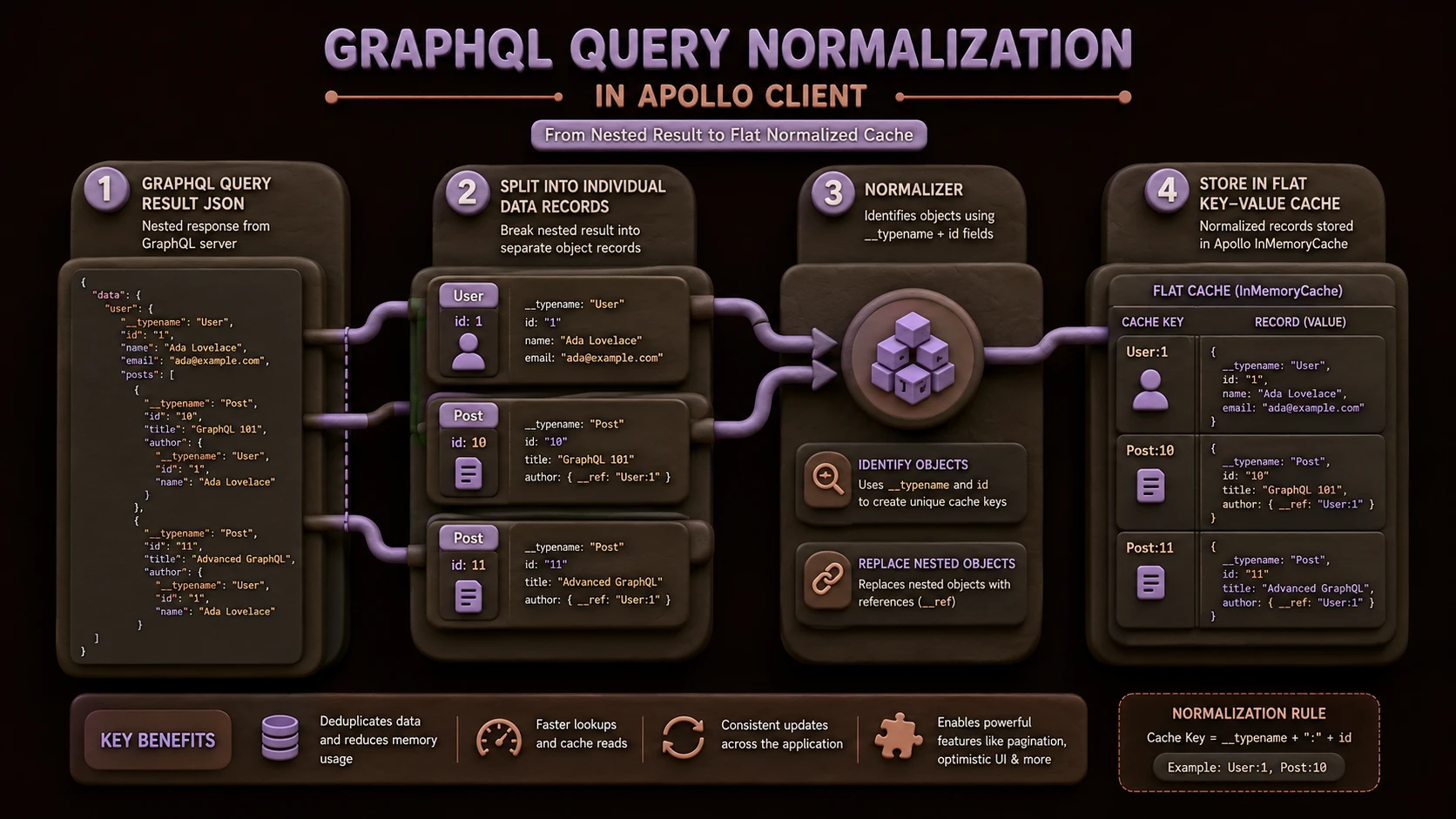
System architecture diagram and conceptual workflow layout for Apollo Client for GraphQL.
// Binding GraphQL data to a React Component using Apollo's useQuery Hook
import { useQuery } from '@apollo/client';

function UserProfile({ userId }) {
  const { loading, error, data } = useQuery(GET_USER_QUERY, {
    variables: { id: userId }
  });

  if (loading) return <p>Loading Profile...</p>;
  if (error) return <p>Error loading profile: {error.message}</p>;

  return (
    <div>
      <h2>{data.user.name}</h2>
      <p>Email: {data.user.email}</p>
    </div>
  );
}
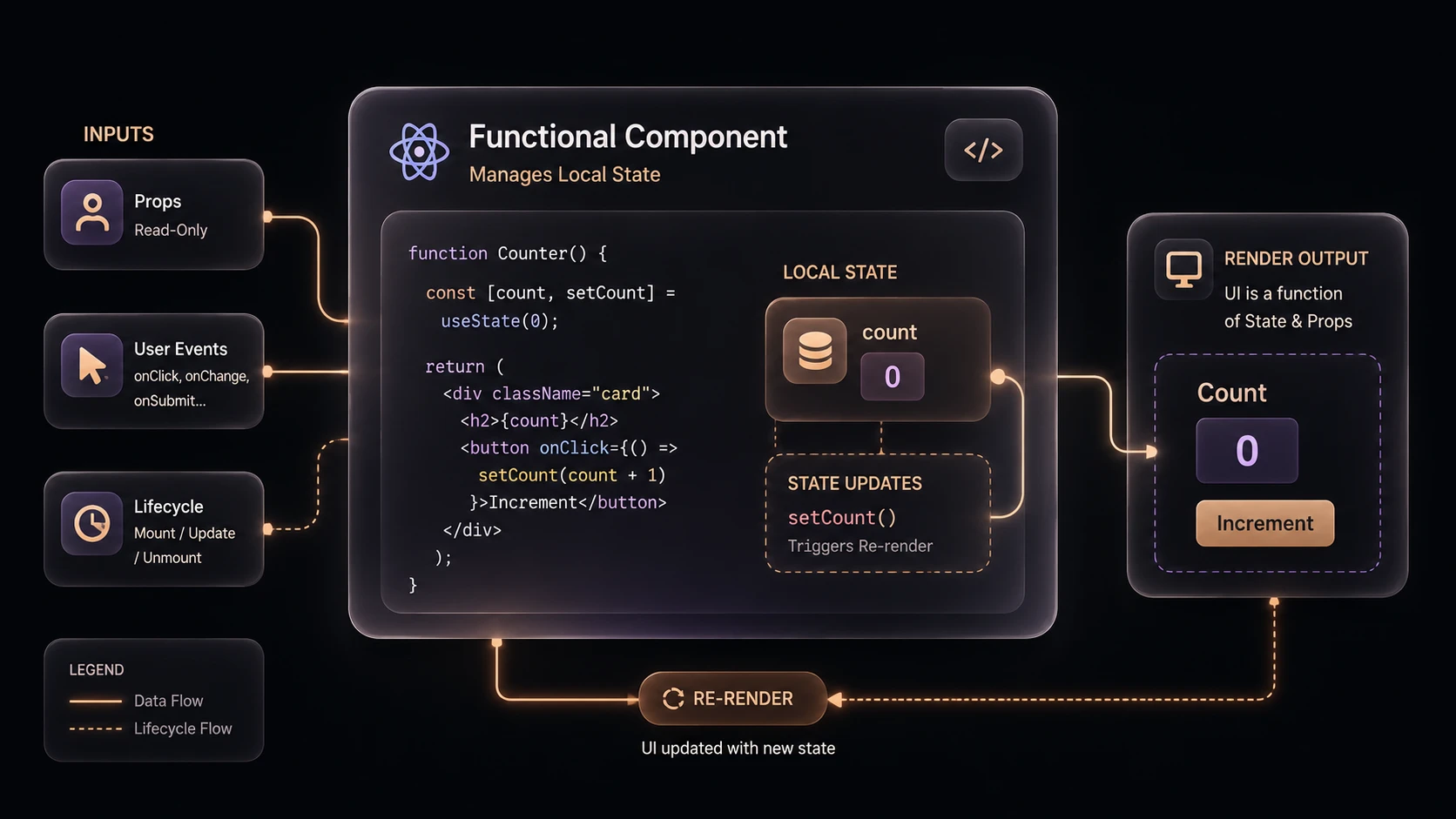
Apollo Client integrates naturally with component-oriented application architecture.
Individual interface components can declare the data they require without needing detailed knowledge of networking logic.
Benefits include:
- ◆Better separation of responsibilities
- ◆Reduced duplication
- ◆Reusable components
- ◆Easier testing
- ◆Improved maintainability
This aligns well with modern frontend engineering practices.
Enterprise Use Cases
| Scenario | Benefit |
|---|---|
| SaaS Platforms | Centralized client-side data management |
| Enterprise Dashboards | Efficient reuse of analytical data |
| CRM Applications | Consistent customer information |
| Business Portals | Reduced network traffic |
| Mobile Web Applications | Improved responsiveness |
| Administrative Consoles | Simplified GraphQL integration |
Organizations developing data-intensive browser applications benefit from centralized caching strategies.
Performance Considerations
Performance planning should evaluate:
- ◆Cache hit rates
- ◆Query complexity
- ◆Network latency
- ◆Entity normalization
- ◆Memory utilization
- ◆Component rendering frequency
Normalized caching reduces unnecessary requests, but application architecture remains an important factor in overall performance.
Security Considerations
Apollo Client focuses on frontend data management rather than application security.
Organizations should continue implementing:
- ◆HTTPS communication
- ◆Authentication
- ◆Authorization
- ◆Input validation
- ◆Secure GraphQL endpoint configuration
- ◆Appropriate access controls
Client-side caching should never be considered a substitute for server-side security enforcement.
Scalability
Apollo Client contributes to scalable frontend architecture by encouraging:
- ◆Centralized cache management
- ◆Reusable queries
- ◆Modular application design
- ◆Consistent data access
- ◆Separation of presentation and networking logic
These characteristics become increasingly valuable in enterprise applications maintained by multiple development teams.
Best Practices
Organizations evaluating Apollo Client should:
- ◆Design stable GraphQL schemas.
- ◆Normalize reusable entities consistently.
- ◆Keep UI components focused on presentation.
- ◆Separate business logic from networking concerns.
- ◆Monitor cache effectiveness.
- ◆Avoid unnecessary duplicate queries.
- ◆Test query behavior thoroughly.
- ◆Document data access patterns.
A disciplined data architecture simplifies long-term application maintenance.
Common Mistakes
Development teams should avoid:
- ◆Treating the cache as permanent storage.
- ◆Ignoring entity identifiers.
- ◆Creating unnecessarily large GraphQL queries.
- ◆Mixing presentation logic with networking implementation.
- ◆Performing redundant requests when cached data is available.
- ◆Assuming client-side caching eliminates server-side optimization requirements.
Well-designed GraphQL services remain essential regardless of client implementation.
Technology Comparison
| Capability | Traditional REST Client | Apollo Client with GraphQL |
|---|---|---|
| Data Requests | Endpoint specific | Query driven |
| Client Cache | Custom implementation | Built-in normalized cache |
| Entity Reuse | Limited | Centralized |
| Duplicate Data | Common | Reduced |
| UI Synchronization | Manual | Simplified |
| Component Integration | Varies | Designed for component architectures |
Apollo Client introduces a structured approach to managing GraphQL data while reducing repetitive client-side implementation.
Adoption Strategy
Organizations considering Apollo Client should proceed incrementally.
A practical approach includes:
- 1.Identify a suitable GraphQL service.
- 2.Introduce Apollo Client within a pilot application.
- 3.Define consistent entity identifiers.
- 4.Evaluate normalized cache behavior.
- 5.Measure network request reductions.
- 6.Establish development guidelines for GraphQL queries.
- 7.Expand adoption as architectural experience grows.
Pilot implementations allow engineering teams to evaluate the framework before broader enterprise adoption.
Limitations
As of April 2016, Apollo Client represents an emerging technology within the growing GraphQL ecosystem.
Current considerations include:
- ◆Best practices continue evolving.
- ◆Existing REST-based applications may require gradual integration.
- ◆Effective cache management depends on well-designed GraphQL schemas.
- ◆Development teams should evaluate operational complexity alongside potential productivity improvements.
Organizations should assess Apollo Client within the context of their broader API strategy.
Looking Ahead
Apollo Client represents an important advancement in client-side GraphQL application development by combining declarative queries, normalized caching, and centralized data management into a cohesive architecture. Rather than requiring every component to manage its own networking and caching responsibilities, applications gain a unified data layer capable of improving consistency and reducing duplication.
As of April 2016, enterprise architects evaluating GraphQL should consider Apollo Client as a promising foundation for modern frontend applications. Organizations that adopt disciplined schema design, consistent entity identification, and modular UI architecture will be well positioned to take advantage of standardized client-side caching and increasingly sophisticated GraphQL-based application development.