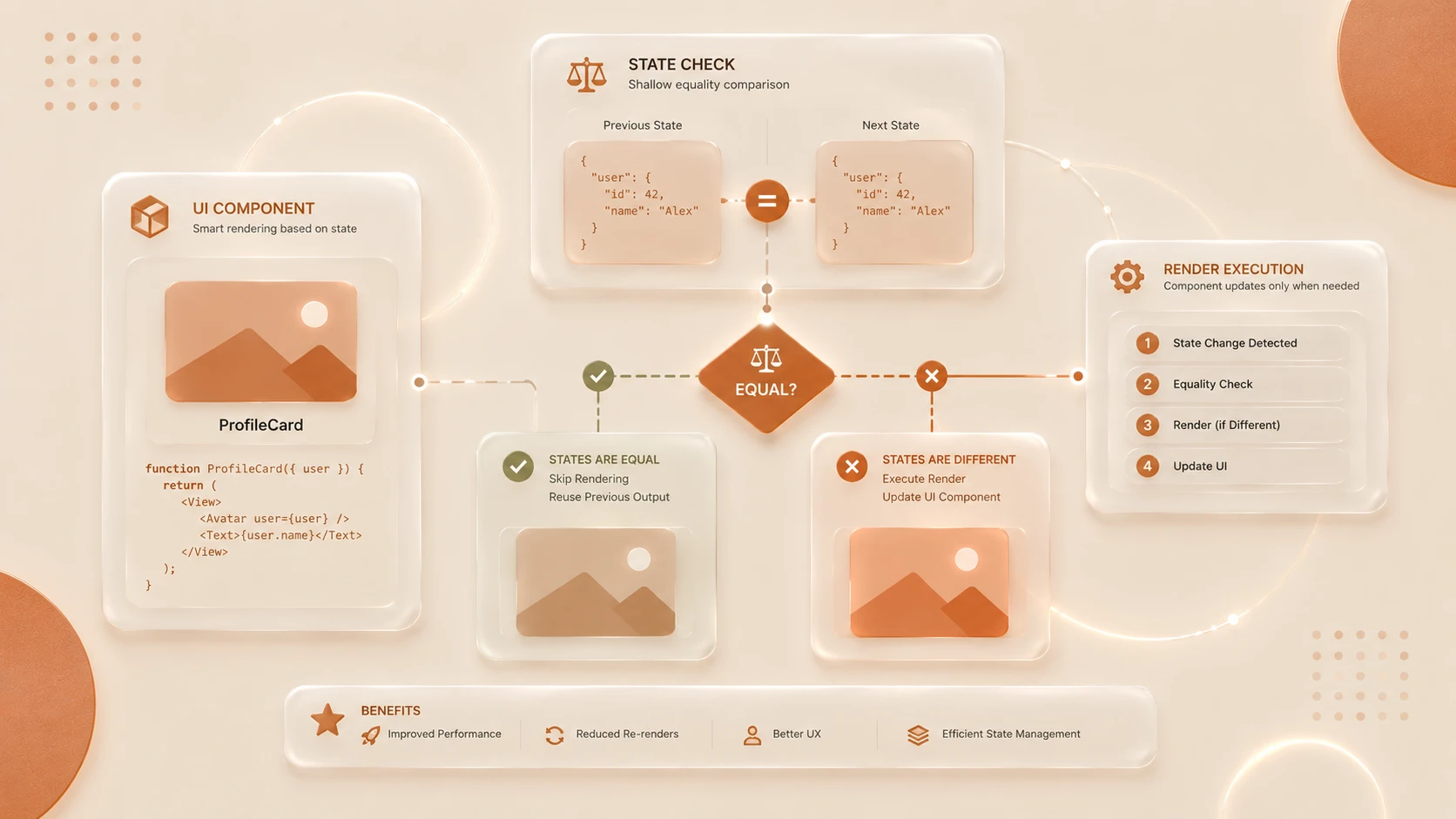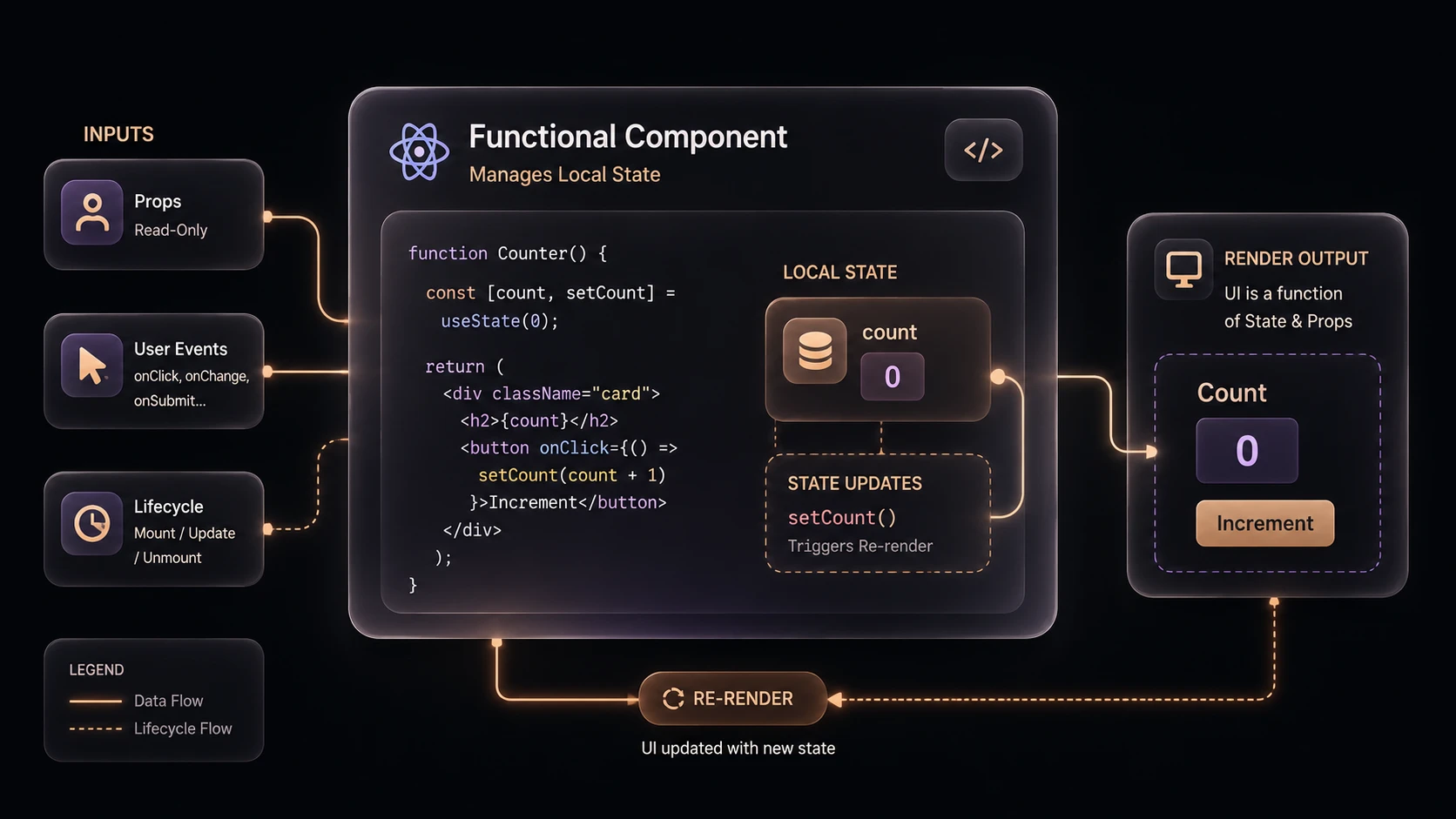
Introduction
Enterprise web applications have grown dramatically in both size and complexity. Modern React applications power customer relationship management platforms, cloud administration consoles, financial dashboards, collaboration software, healthcare portals, and enterprise resource planning systems. These applications often contain thousands of reusable UI components, multiple shared state layers, asynchronous network operations, and sophisticated rendering logic.
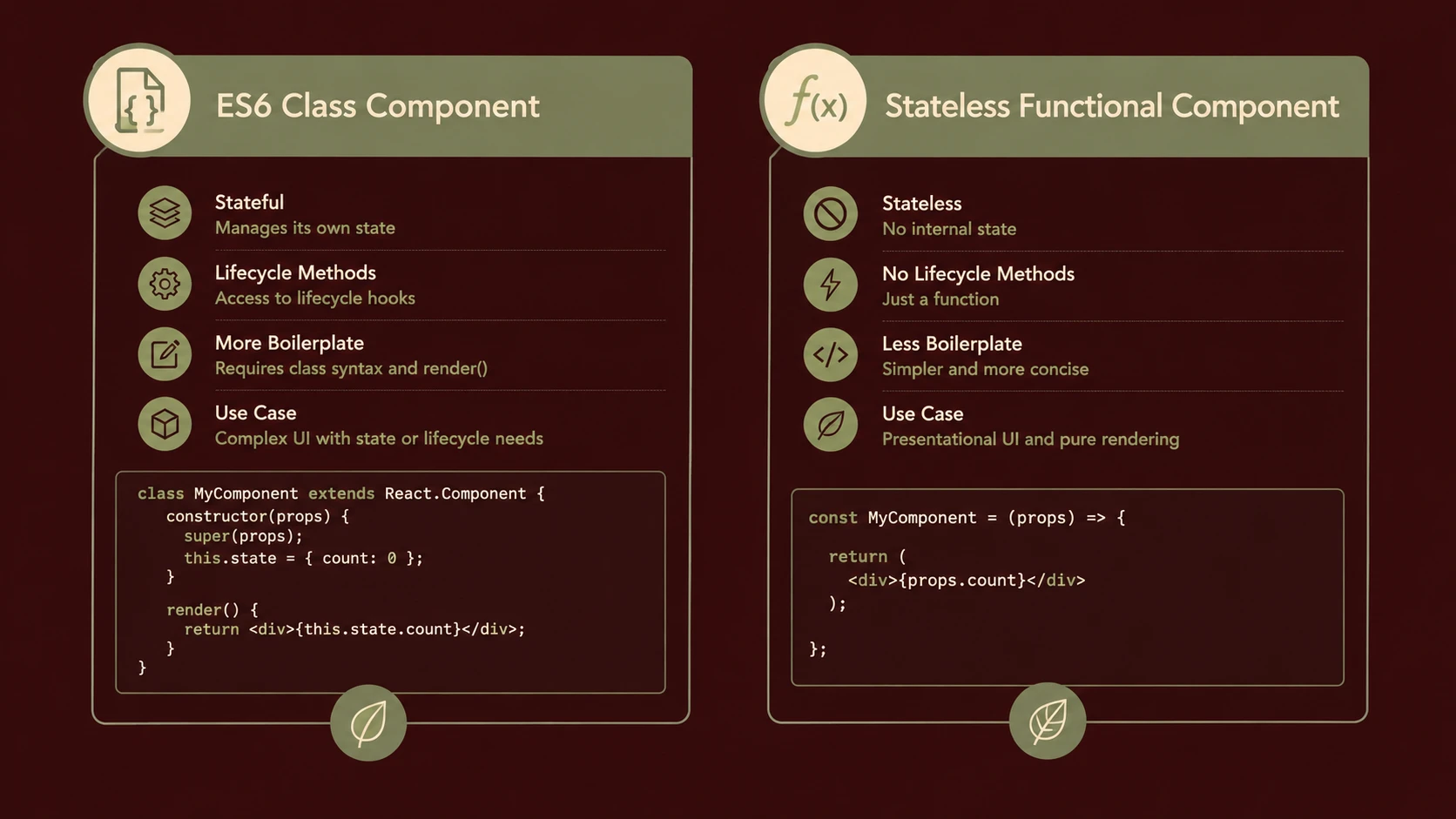
Until now, React developers have generally relied on class components whenever state management, lifecycle methods, or side effects were required. Functional components offered a lightweight and readable programming model, but they remained primarily suitable for presentation logic because they could not independently manage state or lifecycle behavior.
React 16.8 fundamentally changes this architecture through the introduction of Hooks. Hooks allow functional components to use state, lifecycle behavior, context, references, and reusable logic without requiring JavaScript classes.
Rather than replacing existing React capabilities, Hooks provide an alternative programming model built upon the Fiber architecture introduced in React 16. Engineering teams can now organize component logic according to functionality instead of lifecycle methods, resulting in applications that are easier to understand, maintain, and extend.
From the perspective of February 2019, React Hooks represent one of the most significant architectural shifts in modern front-end development.
Industry Background
Enterprise React adoption continues accelerating across industries.
Organizations increasingly develop:
- ◆Software-as-a-Service platforms.
- ◆Enterprise dashboards.
- ◆Customer self-service portals.
- ◆Financial applications.
- ◆Healthcare systems.
- ◆Business intelligence platforms.
- ◆Cloud infrastructure management tools.
Large development teams increasingly prioritize:
- ◆Component reuse.
- ◆Maintainable code.
- ◆Predictable state management.
- ◆Testability.
- ◆Performance optimization.
- ◆Long-term application evolution.
As applications mature, reducing component complexity becomes essential for sustainable development.
The Business Problem
Large React codebases commonly encounter architectural challenges.
Organizations frequently experience:
- ◆Large class components.
- ◆Repeated lifecycle logic.
- ◆Difficult code reuse.
- ◆Complex inheritance patterns.
- ◆Wrapper component proliferation.
- ◆Higher onboarding complexity.
- ◆Increased maintenance costs.
Class components often mix unrelated responsibilities across lifecycle methods, making applications progressively harder to maintain.
React 16.8 addresses these issues by introducing reusable stateful logic through Hooks.
Understanding the Technology
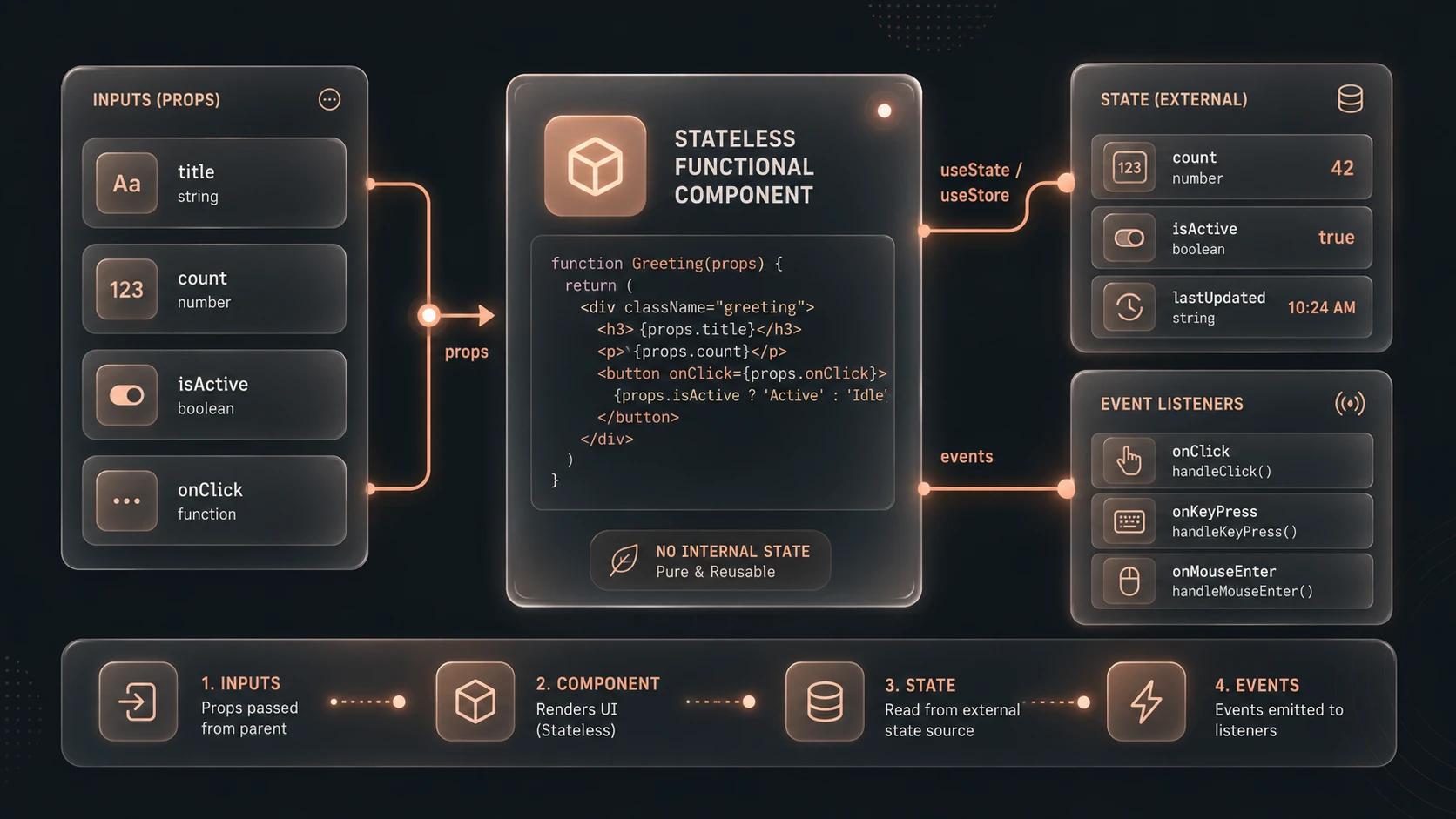
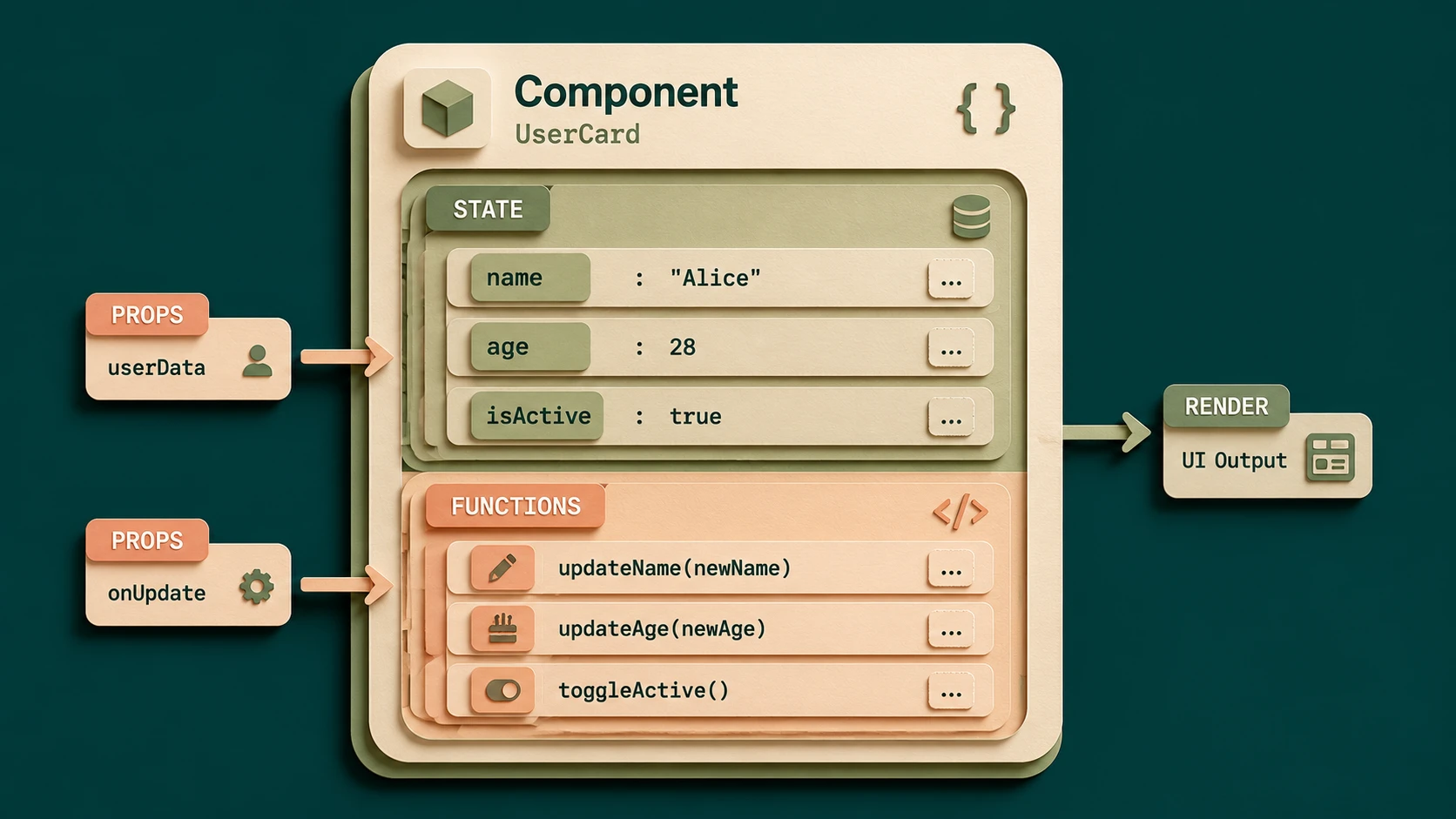
Hooks are functions that allow React functional components to access features previously available only to class components.
Core capabilities include:
- ◆Component state.
- ◆Side effects.
- ◆Context access.
- ◆References.
- ◆Performance optimization.
- ◆Reusable stateful logic.
- ◆Custom abstractions.
Hooks preserve React's declarative programming model while eliminating many of the limitations previously associated with functional components.
Core Architecture
A simplified React Hooks architecture appears below.
| Component | Responsibility |
|---|---|
| Functional Component | User interface |
| React Hooks | State and lifecycle logic |
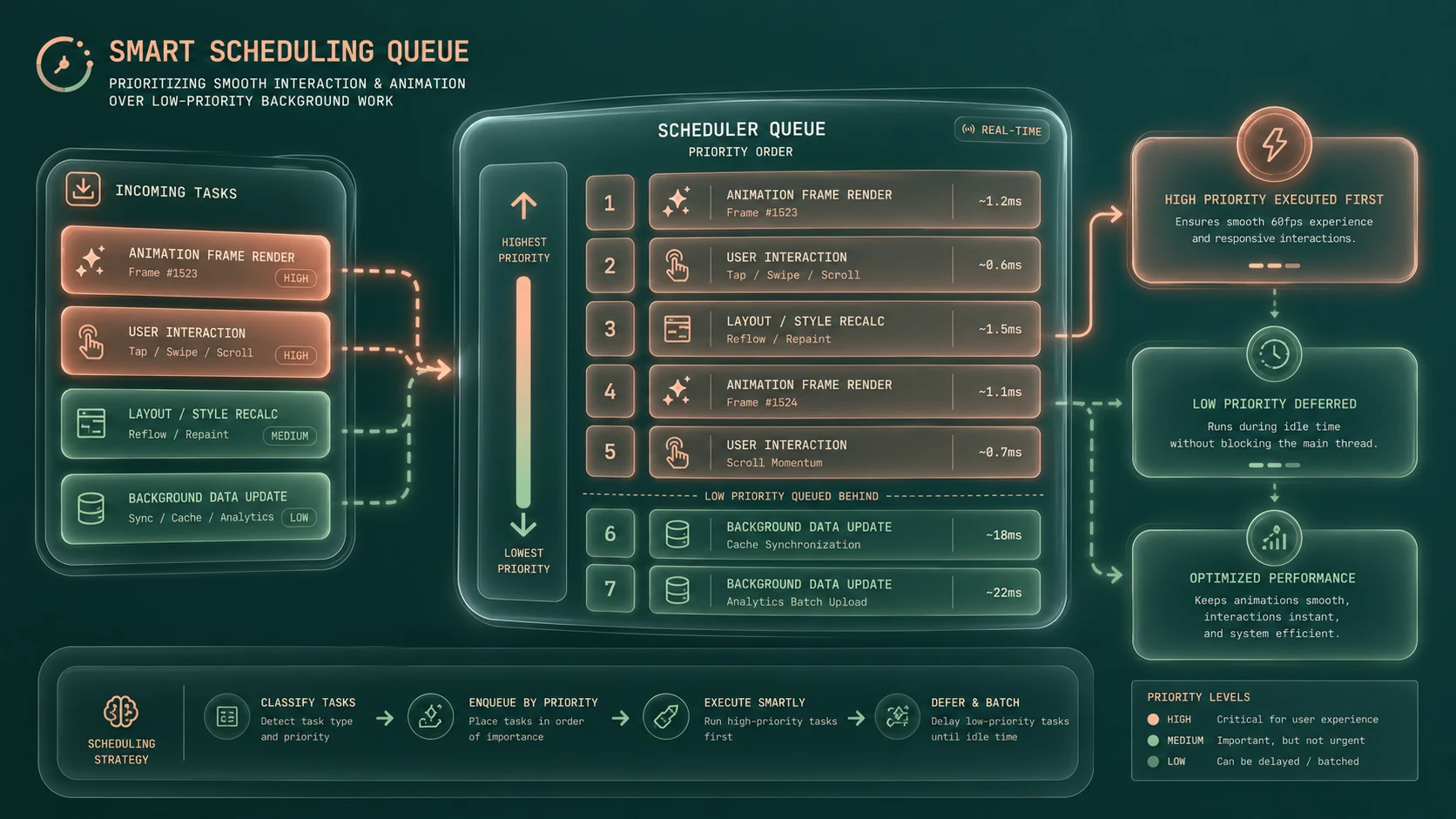
| Fiber Scheduler | Rendering coordination |
| React Context | Shared application state |
| Browser DOM | Final rendering |
Hooks integrate directly with the existing Fiber rendering architecture while allowing stateful behavior inside functional components.
Key Features
useState
The useState Hook enables functional components to maintain internal state.
Instead of converting components into classes, developers can declare state variables directly within function components.
This significantly simplifies component implementation while preserving predictable rendering behavior.
useEffect
The useEffect Hook provides a unified mechanism for handling operations traditionally implemented using multiple lifecycle methods.
Common scenarios include:
- ◆Data retrieval.
- ◆Event subscriptions.
- ◆Timer management.
- ◆Resource cleanup.
- ◆Browser interactions.
Grouping related behavior into a single Hook often produces clearer and more maintainable code.
Custom Hooks
Perhaps the most important architectural capability introduced in React 16.8 is the ability to create custom Hooks.
Rather than relying on inheritance or Higher-Order Components to share stateful logic, organizations can encapsulate reusable behavior into custom Hook functions.
Examples include:
- ◆Authentication logic.
- ◆API communication.
- ◆Form validation.
- ◆Responsive layout detection.
- ◆Business-specific workflows.
This significantly improves code reuse across enterprise applications.
useContext
The useContext Hook provides direct access to React Context values without requiring Consumer components.
Applications gain simpler integration with shared data such as:
- ◆Authentication.
- ◆Themes.
- ◆Localization.
- ◆User preferences.
useRef
The useRef Hook enables persistent references across renders while supporting interaction with DOM elements where necessary.
Hooks Rules
To preserve predictable rendering behavior, React defines clear rules governing Hook usage.
Hooks should:
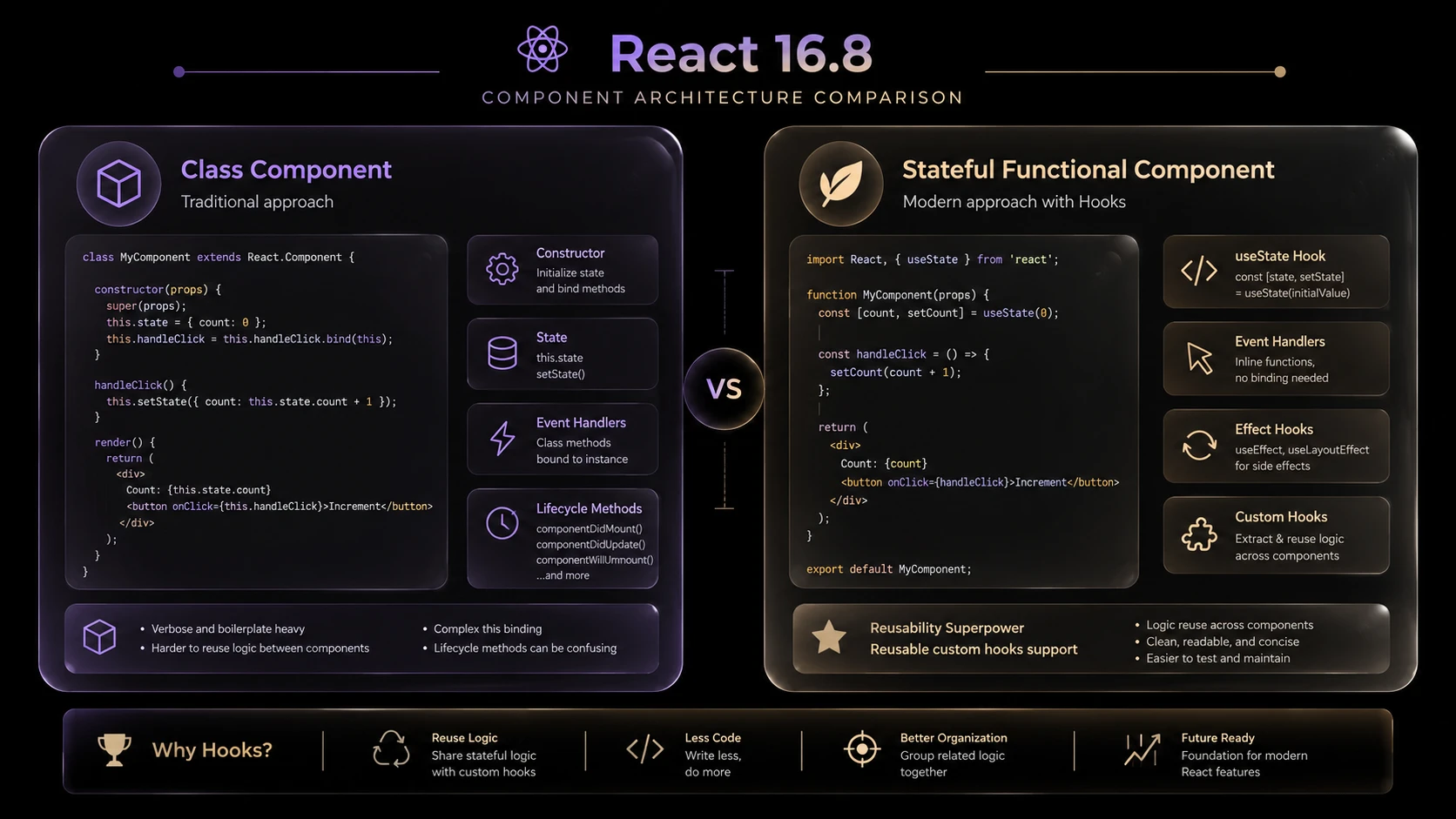
System architecture diagram and conceptual workflow layout for React 16.8 Release.
- ◆Be called only from React function components or custom Hooks.
- ◆Be invoked consistently during rendering.
- ◆Avoid conditional execution paths.
These rules allow React to associate Hook state reliably across renders.
How It Works
A simplified rendering workflow appears below.
Functional Component
          |
React Hooks
          |
Fiber Scheduler
          |
State Update
          |
Component Re-render
          |
Browser DOM
Hooks participate directly in React's rendering lifecycle while maintaining state across successive renders.
Enterprise Use Cases
Enterprise Dashboards
Shared data retrieval logic can be encapsulated within reusable Hooks used across multiple dashboard modules.
Software-as-a-Service Platforms
Authentication, feature configuration, and customer-specific behavior become easier to organize through custom Hooks.
Design Systems
Reusable interface behavior can be distributed through custom Hook libraries instead of inheritance.
Internal Business Applications
Organizations can simplify large component hierarchies while reducing duplication across development teams.
API Integration
Custom Hooks provide reusable abstractions for communicating with REST services while maintaining consistent application behavior.
Performance Considerations
Hooks do not inherently improve rendering performance.
Organizations should continue evaluating:
- ◆Component rendering frequency.
- ◆State update patterns.
- ◆Memoization opportunities.
- ◆Context update scope.
- ◆Component hierarchy.
- ◆Bundle size.
Well-designed Hook architecture can improve maintainability while supporting efficient rendering.
Security Considerations
Hooks primarily improve application architecture rather than security.
Organizations should continue implementing:
- ◆Authentication.
- ◆Authorization.
- ◆Secure API communication.
- ◆HTTPS.
- ◆Input validation.
- ◆Dependency management.
Application security remains an architectural responsibility independent of component implementation style.
Scalability
Hooks strengthen enterprise scalability through improved software organization.
Advantages include:
- ◆Smaller components.
- ◆Better code reuse.
- ◆Reduced lifecycle duplication.
- ◆Simpler testing.
- ◆Improved maintainability.
These characteristics become increasingly valuable as applications continue expanding.
Best Practices
Organizations adopting React 16.8 should:
- ◆Introduce Hooks gradually rather than rewriting existing applications.
- ◆Create custom Hooks for reusable business logic.
- ◆Keep Hooks focused on a single responsibility.
- ◆Follow the official Hook usage rules consistently.
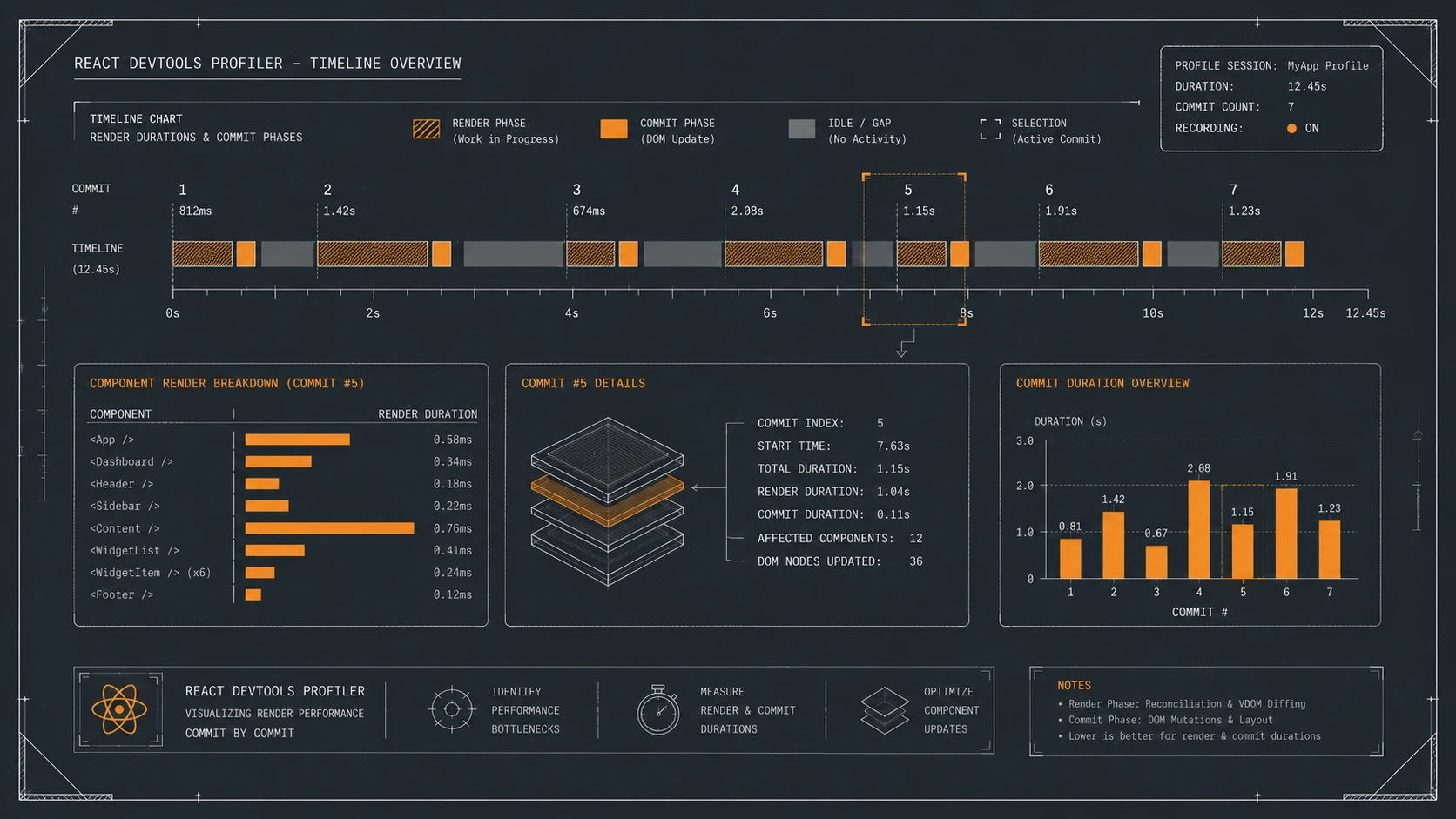
- ◆Continue profiling rendering performance.
- ◆Organize application state carefully.
- ◆Standardize Hook usage across development teams.
Incremental adoption minimizes migration risk while allowing engineering teams to gain experience with the new programming model.
Common Mistakes
| Mistake | Business Impact |
|---|---|
| Rewriting every class component immediately | Increased migration risk |
| Calling Hooks conditionally | Unpredictable application behavior |
| Creating excessively large custom Hooks | Reduced maintainability |
| Treating Hooks as a state management framework | Architectural misunderstanding |
| Ignoring component organization | Long-term technical debt |
| Reusing Hooks without clear responsibility boundaries | Difficult debugging |
Successful adoption depends more on architectural discipline than on replacing classes with functions.
Technology Comparison
| Characteristic | Class Components | Functional Components with Hooks |
|---|---|---|
| Local State | Supported | Supported using useState |
| Lifecycle Behavior | Lifecycle methods | useEffect |
| Shared Stateful Logic | Higher-Order Components or render props | Custom Hooks |
| Context Consumption | Consumer components | useContext |
| Component Complexity | Can grow significantly | Generally easier to organize |
| Code Reuse | Limited | Improved through custom Hooks |
Hooks provide a simpler mechanism for composing reusable behavior while preserving React's existing component model.
Adoption Strategy
Organizations should adopt React 16.8 through a phased modernization strategy.
- 1.Upgrade React and supporting development tools.
- 2.Begin using Hooks for new components.
- 3.Introduce custom Hooks for shared business logic.
- 4.Modernize selected class components during routine maintenance.
- 5.Benchmark representative production workloads.
- 6.Establish organization-wide Hook design guidelines.
This incremental strategy reduces operational risk while enabling engineering teams to benefit from React's new architectural capabilities.
Limitations
As of February 2019, organizations should recognize several considerations.
- ◆Existing class components remain fully supported.
- ◆Development teams require familiarity with the Rules of Hooks.
- ◆Hooks do not eliminate the need for thoughtful application architecture.
- ◆Third-party libraries should be evaluated for Hook compatibility.
- ◆Migration should occur gradually rather than through large-scale rewrites.
These considerations should guide enterprise modernization planning.
Looking Ahead
From the perspective of February 2019, React 16.8 represents one of the most influential releases in the framework's history. By introducing Hooks, React provides developers with a simpler and more composable programming model that reduces reliance on class components while improving code reuse, readability, and maintainability.
Rather than replacing React's existing architecture, Hooks build upon the Fiber rendering engine and enable a more functional approach to component design. Organizations developing long-lived enterprise applications should evaluate Hooks carefully, not merely as a new API, but as a foundational architectural pattern capable of simplifying large React codebases and improving long-term software maintainability.