Introduction
Enterprise software architecture is increasingly becoming API-driven. Web applications, mobile clients, business intelligence platforms, microservices, and third-party integrations all depend upon clearly defined interfaces that evolve predictably over time. As APIs become strategic enterprise assets, organizations require stronger contracts between service providers and consumers.
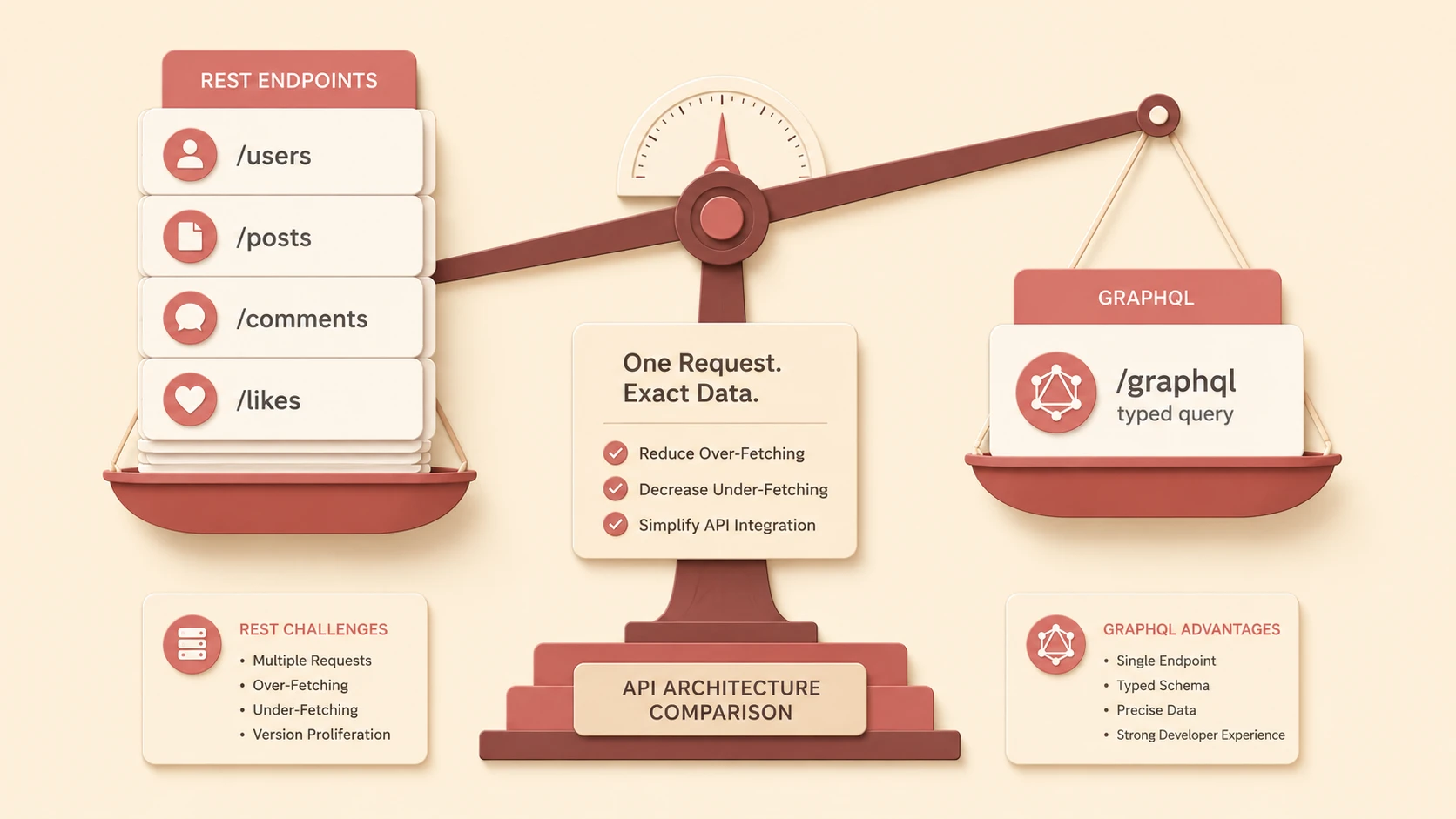
REST has become the dominant architectural style for web APIs, but many organizations continue facing challenges related to endpoint proliferation, over-fetching of data, under-fetching requiring multiple requests, and inconsistent documentation. GraphQL introduces a query language that allows clients to request exactly the data they require while exposing a single endpoint backed by a strongly typed schema.
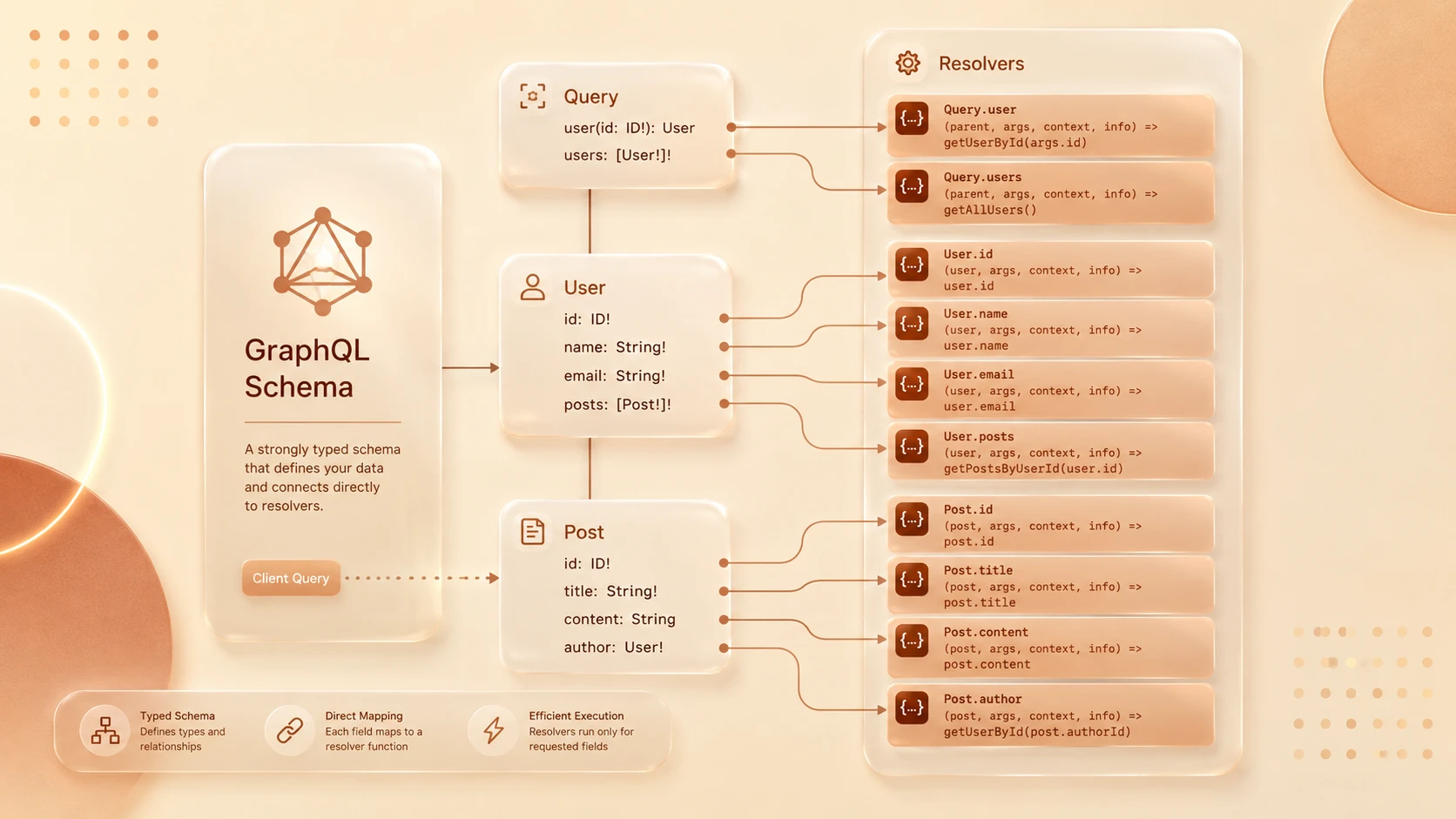
One of GraphQL's most significant advancements is the Schema Definition Language (SDL). Rather than defining APIs entirely through programmatic code, SDL provides a declarative language for describing object types, relationships, operations, and contracts in a consistent and human-readable format.
As of April 2017, the GraphQL ecosystem continues maturing rapidly. Schema-first API development is becoming an increasingly attractive approach for organizations seeking stronger contracts, better tooling, and improved collaboration across frontend and backend engineering teams.
Industry Background
Enterprise applications increasingly expose services through APIs consumed by:
- ◆Single Page Applications
- ◆Mobile applications
- ◆Internal business systems
- ◆Microservices
- ◆Third-party integrations
- ◆Reporting platforms
- ◆Business automation systems
As API ecosystems grow, maintaining consistent documentation and preventing contract drift become significant engineering challenges.
Strongly typed schemas address these concerns by establishing a shared definition understood by both developers and tooling.
The Business Problem
Organizations commonly encounter:
- ◆Inconsistent API documentation
- ◆Unclear service contracts
- ◆Duplicate interface definitions
- ◆Difficult client integration
- ◆Breaking API changes
- ◆Weak validation
- ◆Poor collaboration between frontend and backend teams
Schema-first API design seeks to improve consistency by making the interface definition a central architectural artifact.
Understanding GraphQL SDL
The Schema Definition Language provides a declarative syntax for describing GraphQL APIs.
Rather than implementing interfaces solely through server code, developers explicitly define:
- ◆Object types
- ◆Scalar fields
- ◆Queries
- ◆Mutations
- ◆Relationships
- ◆Enumerations
- ◆Input objects
The schema becomes the formal contract between API providers and consumers.
Core Architecture
| Component | Responsibility |
|---|---|
| Schema Definition Language | Defines API contract |
| GraphQL Server | Executes operations |
| Resolver Functions | Supply requested data |
| Client Application | Executes queries |
| Type System | Validates requests |
| Data Sources | Store application data |
This architecture separates interface definition from implementation while enabling consistent API behavior.
Strongly Typed APIs
GraphQL schemas define explicit data types.
Each field specifies:
- ◆Name
- ◆Data type
- ◆Relationships
- ◆Nullability
This explicit type information allows clients and servers to validate requests before execution.
Strong typing provides:
- ◆Earlier error detection
- ◆Better documentation
- ◆Improved tooling
- ◆More predictable integrations
Enterprise systems benefit from interfaces that clearly communicate expected behavior.
Object Types
Object types represent the primary building blocks of GraphQL schemas.
Examples include:
- ◆Customer
- ◆Order
- ◆Product
- ◆Employee
- ◆Invoice
- ◆Account
Each object defines a structured collection of fields that describe business entities.
Unlike loosely structured JSON responses, GraphQL schemas formally describe available information.
Query Definitions
Queries define read operations exposed by the API.
Clients specify precisely which fields should be returned.
A typical request lifecycle includes:
- 1.Client submits a GraphQL query.
- 2.Schema validates the request.
- 3.Query execution begins.
- 4.Resolver functions retrieve data.
- 5.Response structure matches the schema.
- 6.Requested fields are returned.
The schema acts as the authoritative contract throughout execution.
Mutation Definitions
# GraphQL SDL Mutation schema representing a create operation contract
input CreateProductInput {
  name: String!
  price: Float!
  sku: String!
}

type CreateProductPayload {
  success: Boolean!
  product: Product
  errors: [String!]
}

type Mutation {
  createProduct(input: CreateProductInput!): CreateProductPayload!
}
Mutations define operations that modify application state.
Typical examples include:
- ◆Creating records
- ◆Updating entities
- ◆Deleting objects
- ◆Performing business transactions
Separating read and write operations improves clarity while making API capabilities easier to understand.
Input Types
Complex operations often require structured input.
SDL supports dedicated input object definitions.
Benefits include:
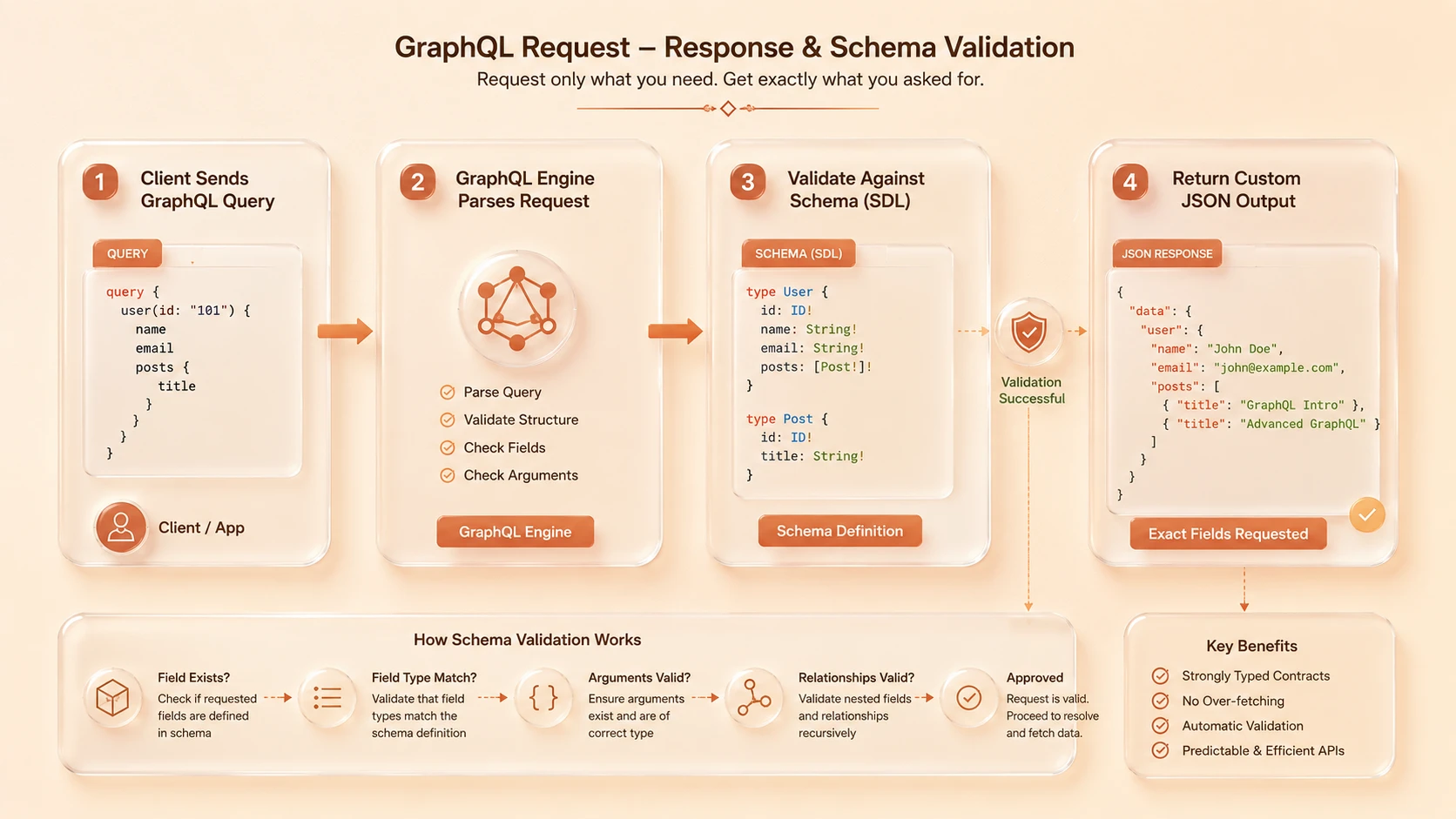
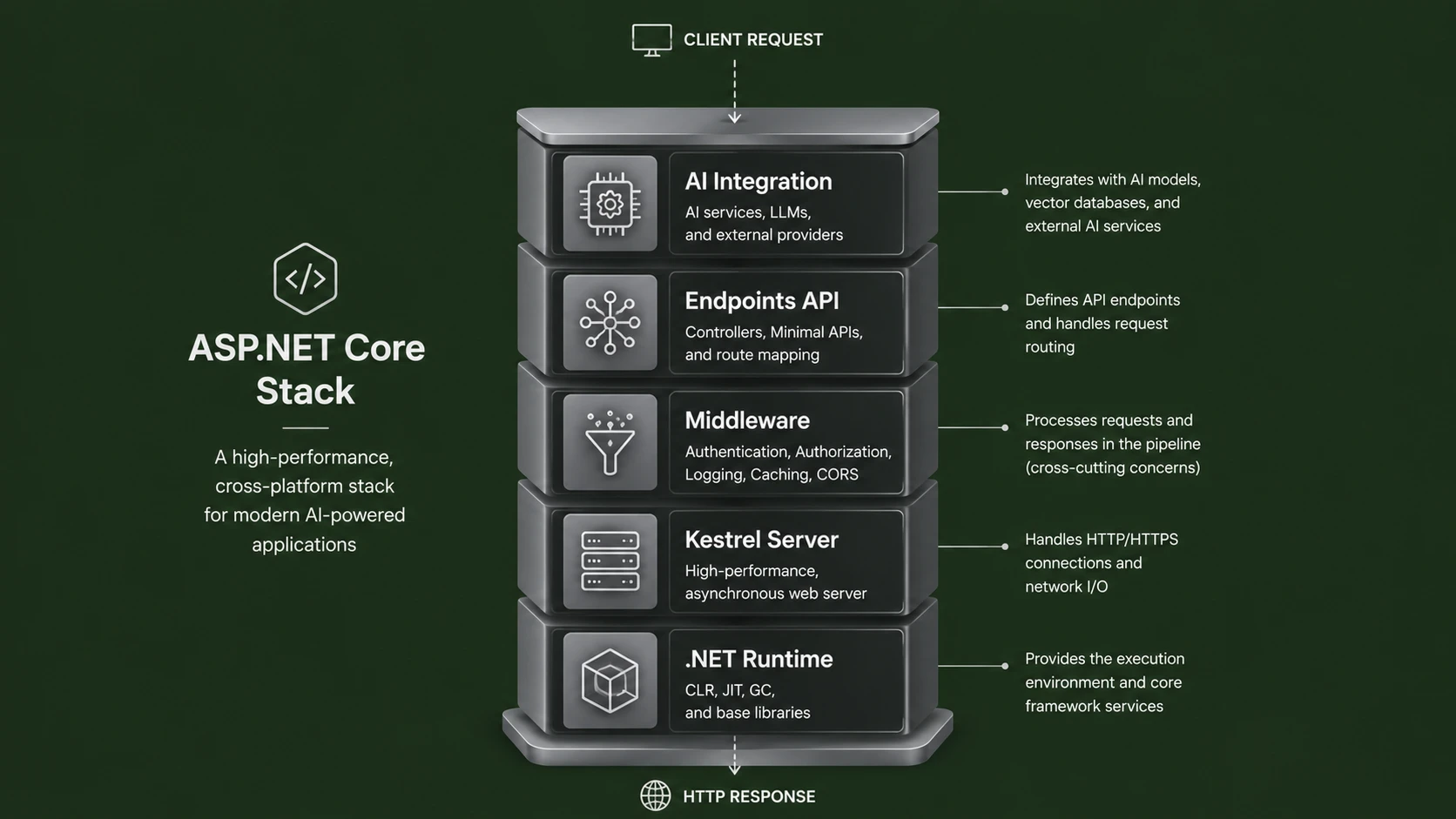
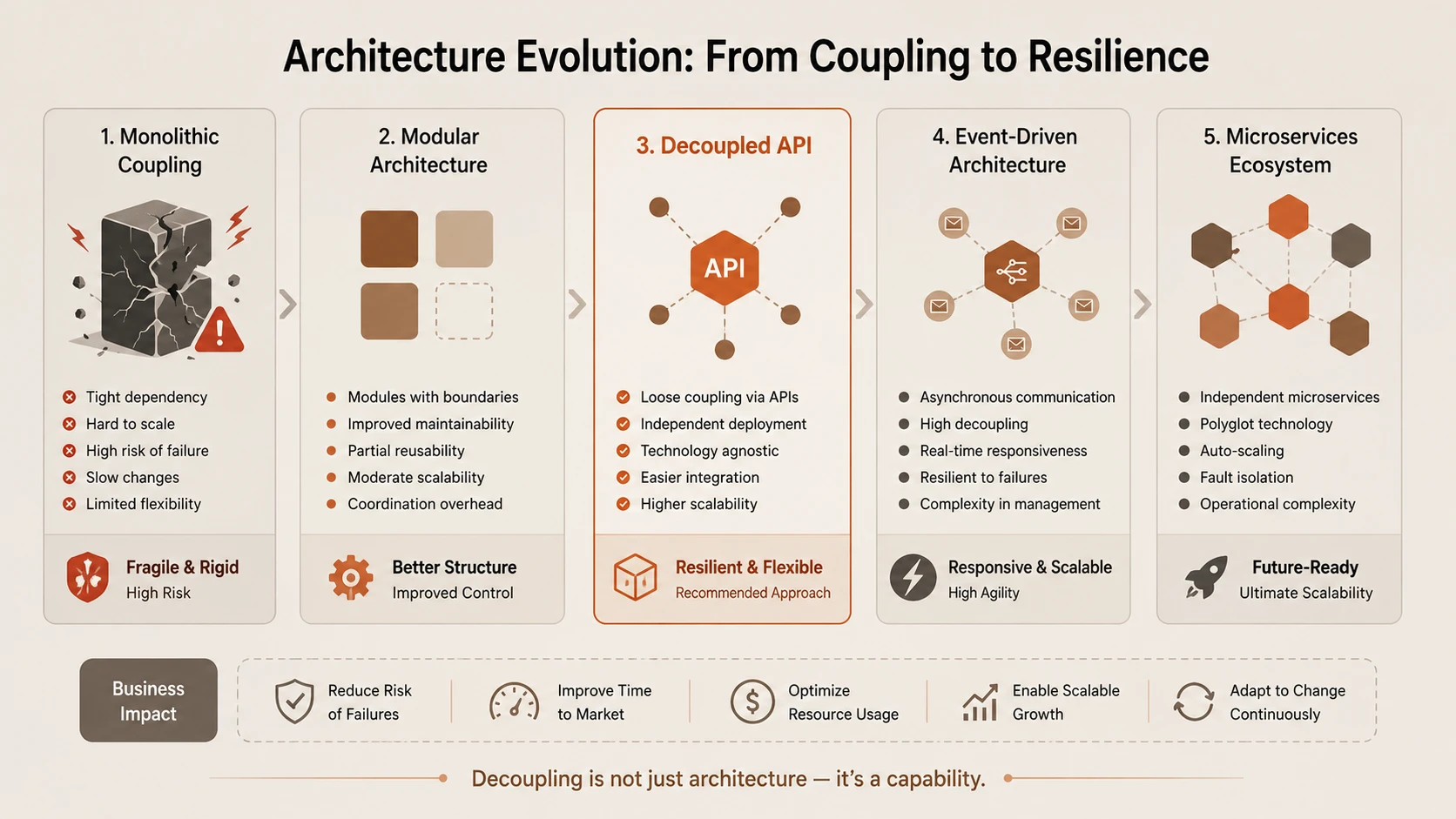
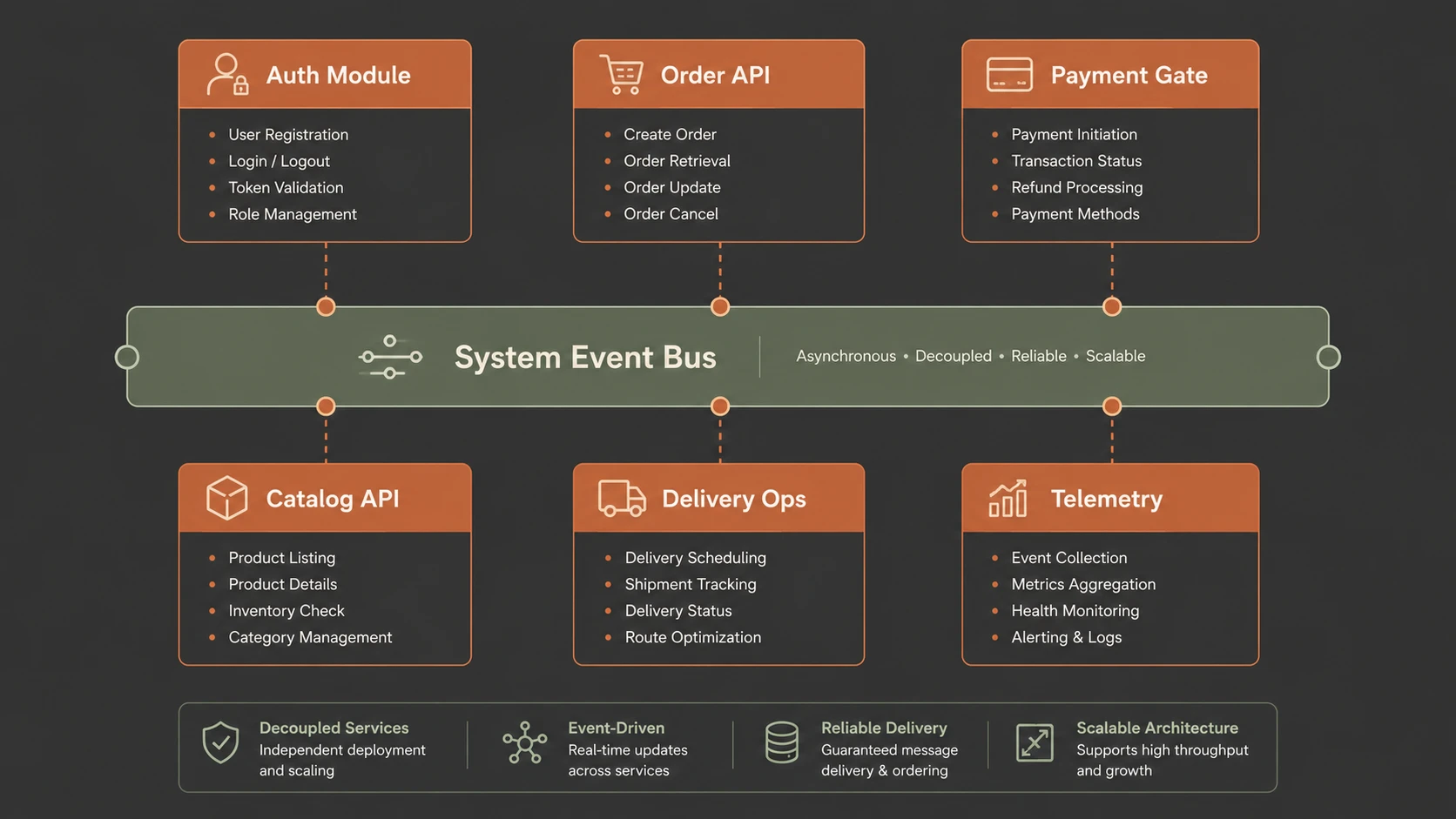
System architecture diagram and conceptual workflow layout for GraphQL Schema Definition Language.
- ◆Explicit validation
- ◆Improved documentation
- ◆Reusable request structures
- ◆Stronger client contracts
Input types reduce ambiguity while simplifying API evolution.
Schema-First Development
An increasingly popular design approach begins with the schema rather than implementation.
Typical workflow:
- 1.Design the API contract.
- 2.Review schema with stakeholders.
- 3.Implement resolver functions.
- 4.Integrate backend services.
- 5.Validate client interactions.
- 6.Deploy completed implementation.
Beginning with the contract encourages collaboration between frontend and backend teams before implementation begins.
Introspection and Tooling
One significant advantage of GraphQL schemas is their support for introspection.
Tooling can examine schema definitions to provide:
- ◆Interactive documentation
- ◆Query validation
- ◆Client generation
- ◆Developer assistance
- ◆API exploration
The schema becomes a foundation for development tooling rather than merely a server implementation detail.
Enterprise Use Cases
| Scenario | Benefit |
|---|---|
| SaaS Platforms | Stable API contracts |
| Mobile Applications | Strongly typed interfaces |
| Enterprise Portals | Better client integration |
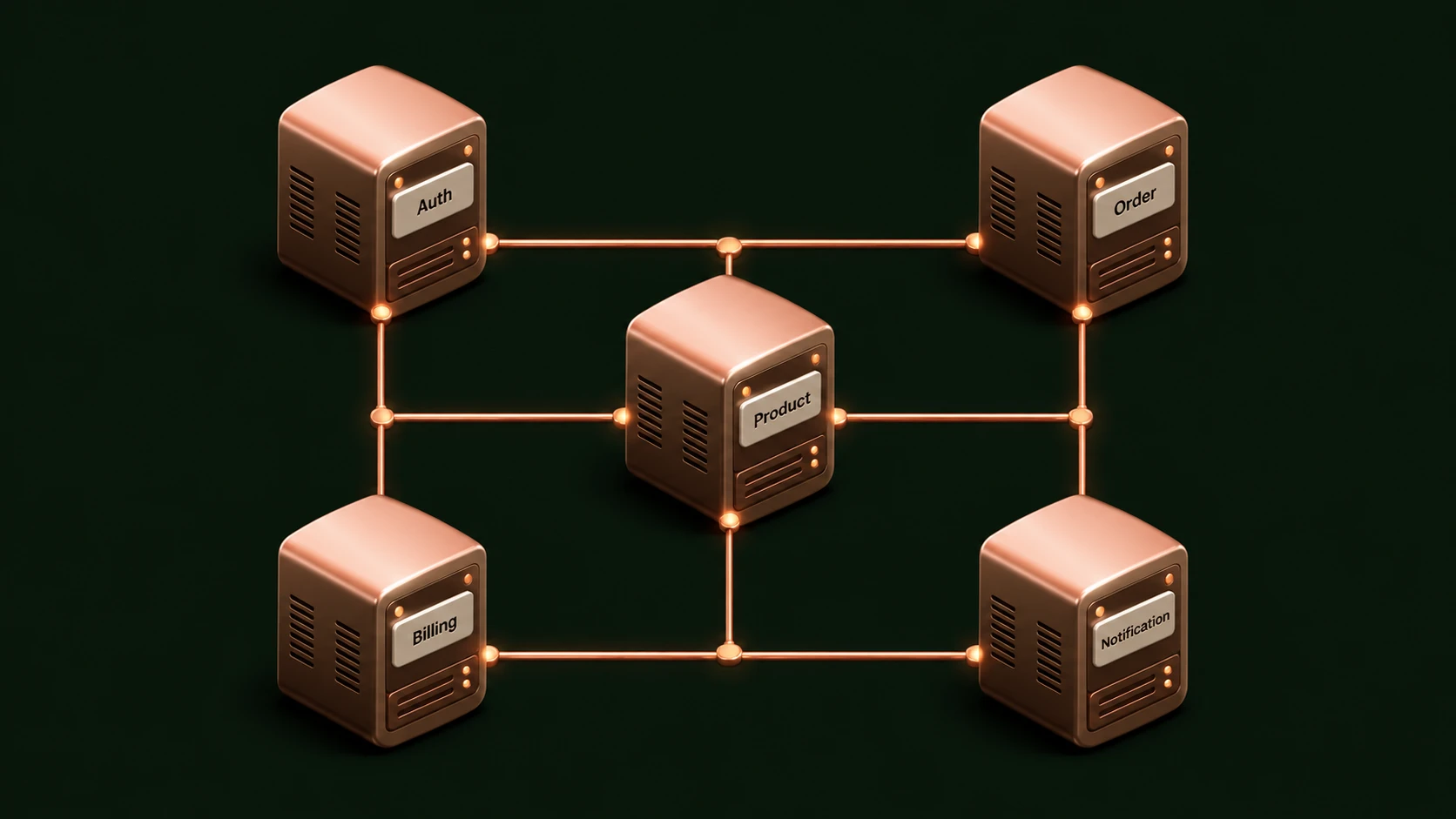
| Microservices | Standardized service contracts |
| Internal APIs | Improved documentation |
| Analytics Platforms | Predictable data models |
Organizations exposing APIs to multiple consumer applications benefit from centralized schema definitions.
Performance Considerations
Schema Definition Language itself does not determine runtime performance.
Development teams should evaluate:
- ◆Query complexity
- ◆Resolver efficiency
- ◆Data source performance
- ◆Network latency
- ◆Response size
- ◆Server resource utilization
Well-designed schemas should be complemented by efficient resolver implementations.
Security Considerations
Strong typing does not eliminate application security requirements.
Organizations should continue implementing:
- ◆Authentication
- ◆Authorization
- ◆Input validation
- ◆Query complexity controls
- ◆HTTPS communication
- ◆Audit logging
Schema validation complements but does not replace secure API design.
Scalability
GraphQL SDL supports scalable API architecture through:
- ◆Explicit contracts
- ◆Modular schema organization
- ◆Reusable type definitions
- ◆Consistent interface evolution
- ◆Improved collaboration
These characteristics become increasingly valuable as API ecosystems expand.
Best Practices
Organizations evaluating GraphQL SDL should:
- ◆Design schemas around business domains.
- ◆Use descriptive type names.
- ◆Keep object definitions focused.
- ◆Reuse input and output types where appropriate.
- ◆Review schema changes carefully.
- ◆Document business semantics within the schema.
- ◆Validate schema consistency during continuous integration.
- ◆Separate schema design from implementation details.
A disciplined schema-first approach improves long-term maintainability.
Common Mistakes
Development teams should avoid:
- ◆Designing schemas around database tables rather than business concepts.
- ◆Creating excessively large object types.
- ◆Exposing unnecessary implementation details.
- ◆Treating schema evolution casually.
- ◆Mixing unrelated responsibilities within a single type.
- ◆Ignoring backward compatibility when modifying contracts.
Successful API design emphasizes clarity, stability, and maintainability.
Technology Comparison
| Capability | Traditional REST Documentation | GraphQL SDL |
|---|---|---|
| Formal Type System | Limited | Built in |
| Human-Readable Schema | Varies | Yes |
| Query Validation | Limited | Strong |
| API Contract | External documentation | Central schema |
| Tooling Integration | Moderate | Extensive |
| Client Discoverability | Documentation dependent | Schema driven |
GraphQL SDL transforms the schema into the primary source of truth for API definition and validation.
Adoption Strategy
Organizations should adopt GraphQL SDL incrementally.
A practical strategy includes:
- 1.Identify an API suitable for GraphQL.
- 2.Design the schema before implementation.
- 3.Review the contract with frontend teams.
- 4.Implement resolver functions.
- 5.Validate client interactions.
- 6.Integrate schema validation into continuous integration.
- 7.Expand schema-first development across additional services.
Early collaboration around schema design reduces integration challenges later in the development lifecycle.
Limitations
As of April 2017, GraphQL continues to mature as an enterprise API technology.
Current considerations include:
- ◆Existing REST ecosystems may continue serving many organizational needs.
- ◆Schema governance becomes increasingly important as APIs expand.
- ◆Teams require familiarity with GraphQL's execution model.
- ◆Successful adoption depends upon disciplined API design rather than tooling alone.
Organizations should evaluate GraphQL within the context of their broader API strategy.
Looking Ahead
The GraphQL Schema Definition Language represents an important advancement in API engineering by placing the interface contract at the center of application development. Through explicit types, declarative schema definitions, and strong validation capabilities, SDL provides a foundation for building APIs that are easier to understand, document, and evolve.
As of April 2017, enterprise architects should evaluate schema-first development for new GraphQL services where strong contracts, improved collaboration, and enhanced tooling can simplify long-term API management. Organizations that establish disciplined schema governance and modular API design practices will be well positioned to build maintainable service ecosystems as GraphQL adoption continues to grow.