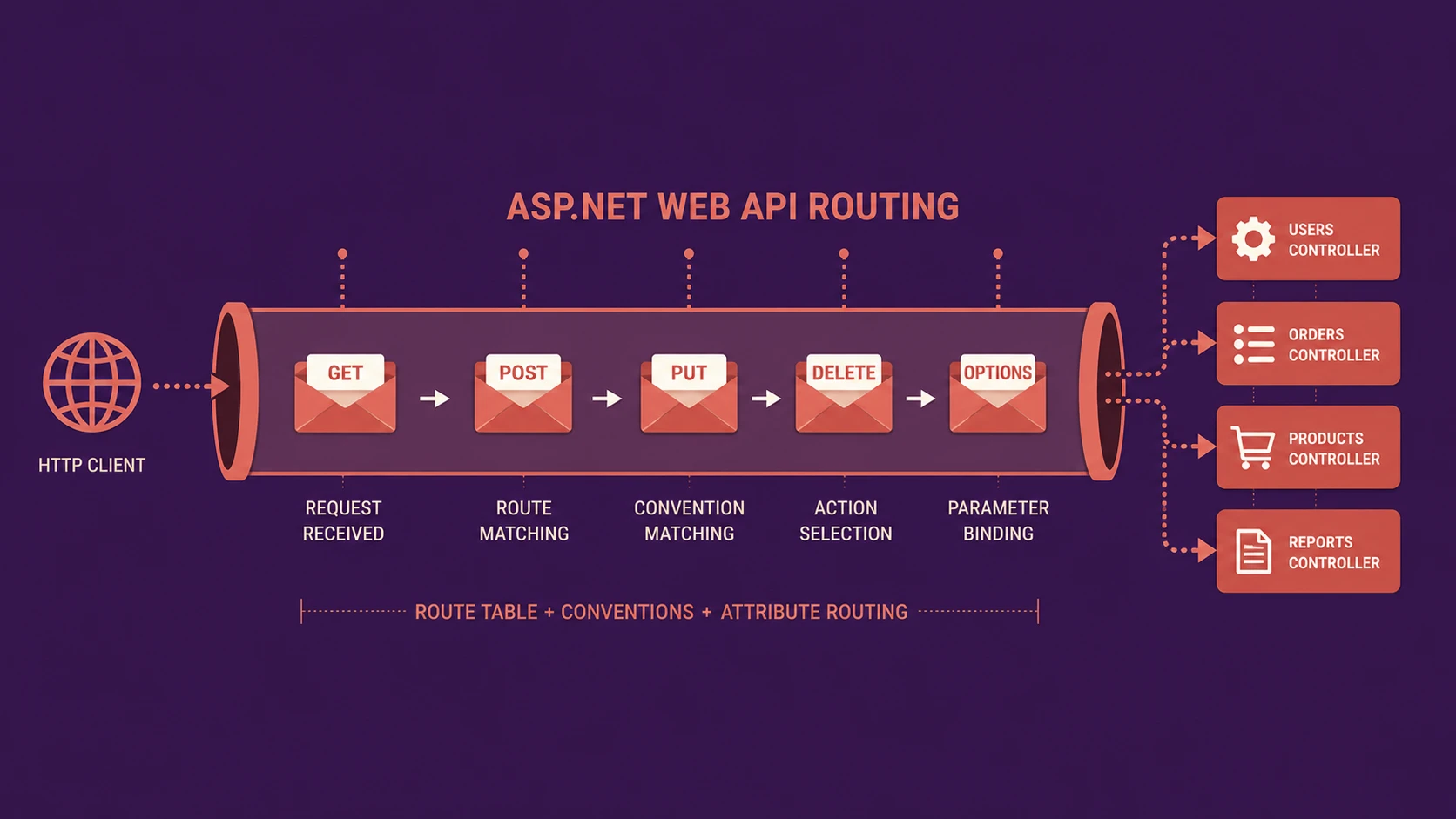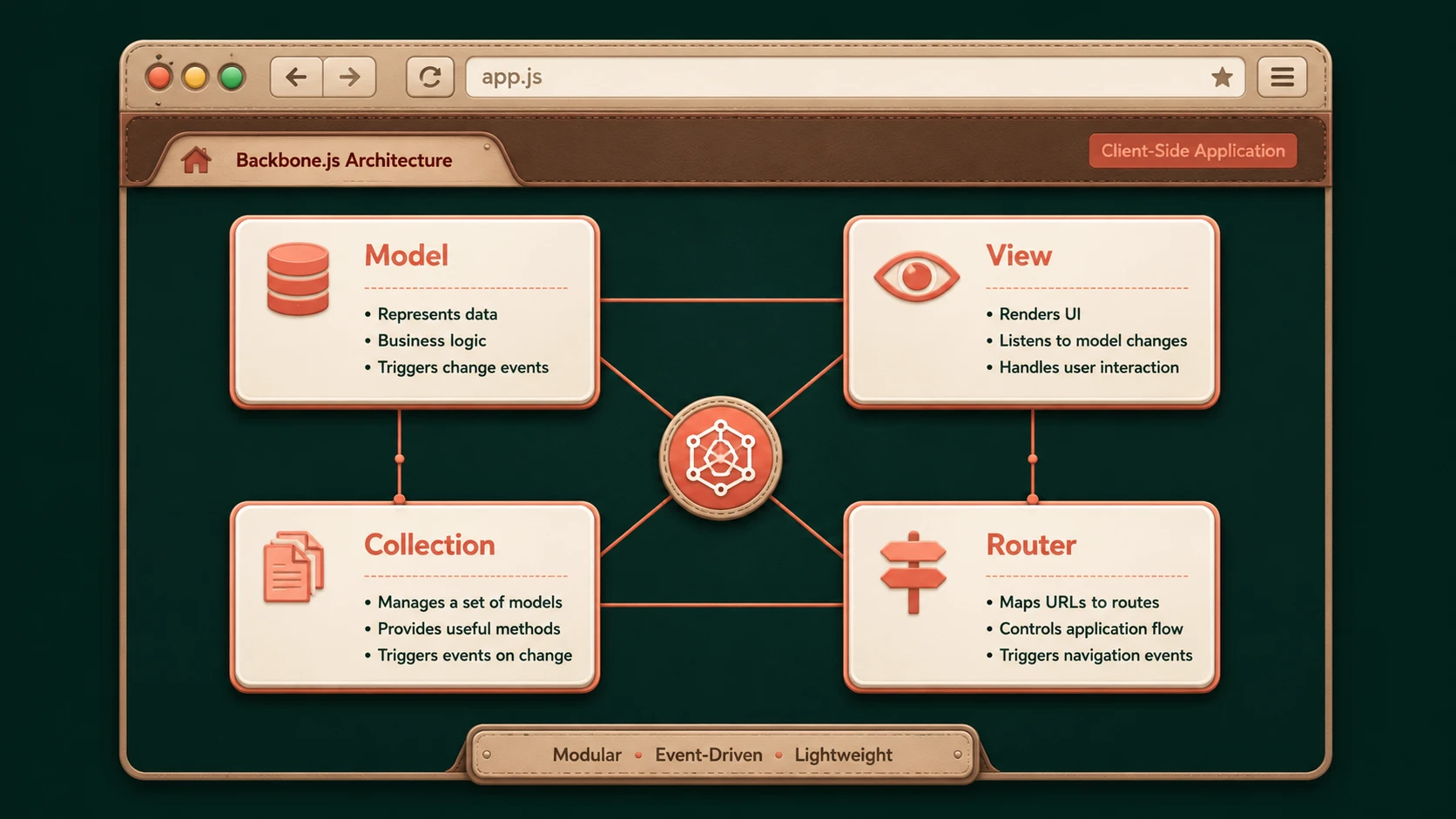
Enterprise software integration has traditionally revolved around SOAP-based web services. For many organizations, Windows Communication Foundation (WCF) has become the preferred Microsoft platform for exposing secure, interoperable enterprise services that integrate line-of-business systems, business partners, and internal applications.
However, web development is evolving. Modern browsers, JavaScript-rich applications, mobile devices, and lightweight clients increasingly favor simple HTTP communication over complex SOAP messaging. Developers are beginning to explore resource-oriented architectures that make fuller use of HTTP methods, URLs, caching, and standard web infrastructure.
Recognizing this shift, Microsoft has introduced the WCF Web API Preview, an early framework intended to simplify the creation of HTTP services using familiar .NET technologies while embracing a more web-oriented programming model.
Although WCF Web API is still in its early stages during late 2010, it provides enterprise architects with an opportunity to evaluate how future HTTP-based service architectures may evolve.
Why Enterprises Are Rethinking Service Architectures
Over the past several years, Service-Oriented Architecture (SOA) has enabled organizations to expose reusable business functionality through standardized service contracts.
Typical enterprise services include:
- ◆Customer management
- ◆Order processing
- ◆Inventory management
- ◆Authentication
- ◆Reporting
- ◆Billing
Most of these services have been implemented using SOAP, XML, and WS-* standards.
While SOAP remains an excellent choice for many enterprise integration scenarios, not every application requires the complete WS-* stack. Lightweight clients often need simpler communication models that rely directly on HTTP.
This shift is encouraging architects to examine alternative approaches for exposing business capabilities.
The Growing Importance of HTTP
HTTP is already the foundation of the World Wide Web.
Rather than treating HTTP merely as a transport protocol, resource-oriented architectures encourage developers to use its built-in semantics.
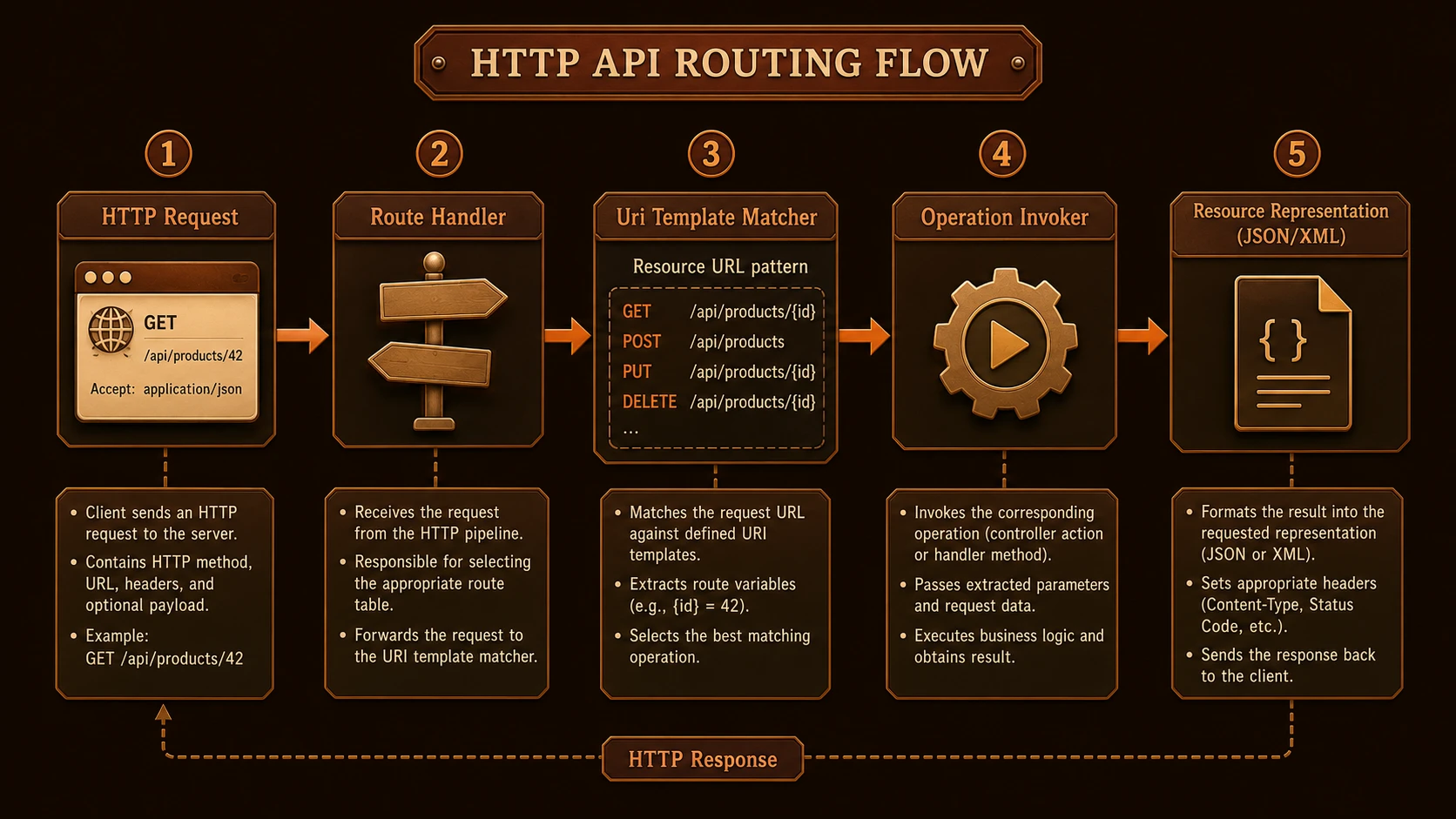
Common HTTP methods include:
| Method | Typical Purpose |
|---|---|
| GET | Retrieve resources |
| POST | Create new resources or submit processing requests |
| PUT | Update existing resources |
| DELETE | Remove resources |
Using these methods consistently can simplify API design while improving interoperability with browsers, mobile devices, and third-party applications.
Introducing WCF Web API
The WCF Web API Preview builds upon Windows Communication Foundation while providing a programming model focused on HTTP.
Rather than emphasizing SOAP contracts, developers work more directly with:
- ◆HTTP requests
- ◆HTTP responses
- ◆URIs
- ◆Content negotiation
- ◆Resource representations
This makes the framework particularly interesting for developers building web-facing services.
It is important to note that WCF Web API remains an early preview technology. Organizations should evaluate it carefully before considering production adoption.
Resource-Oriented Design
One of the central concepts behind HTTP APIs is the idea of resources.
Instead of exposing operations such as:
- ◆CreateCustomer()
- ◆DeleteCustomer()
- ◆UpdateCustomer()
an HTTP API may instead expose:
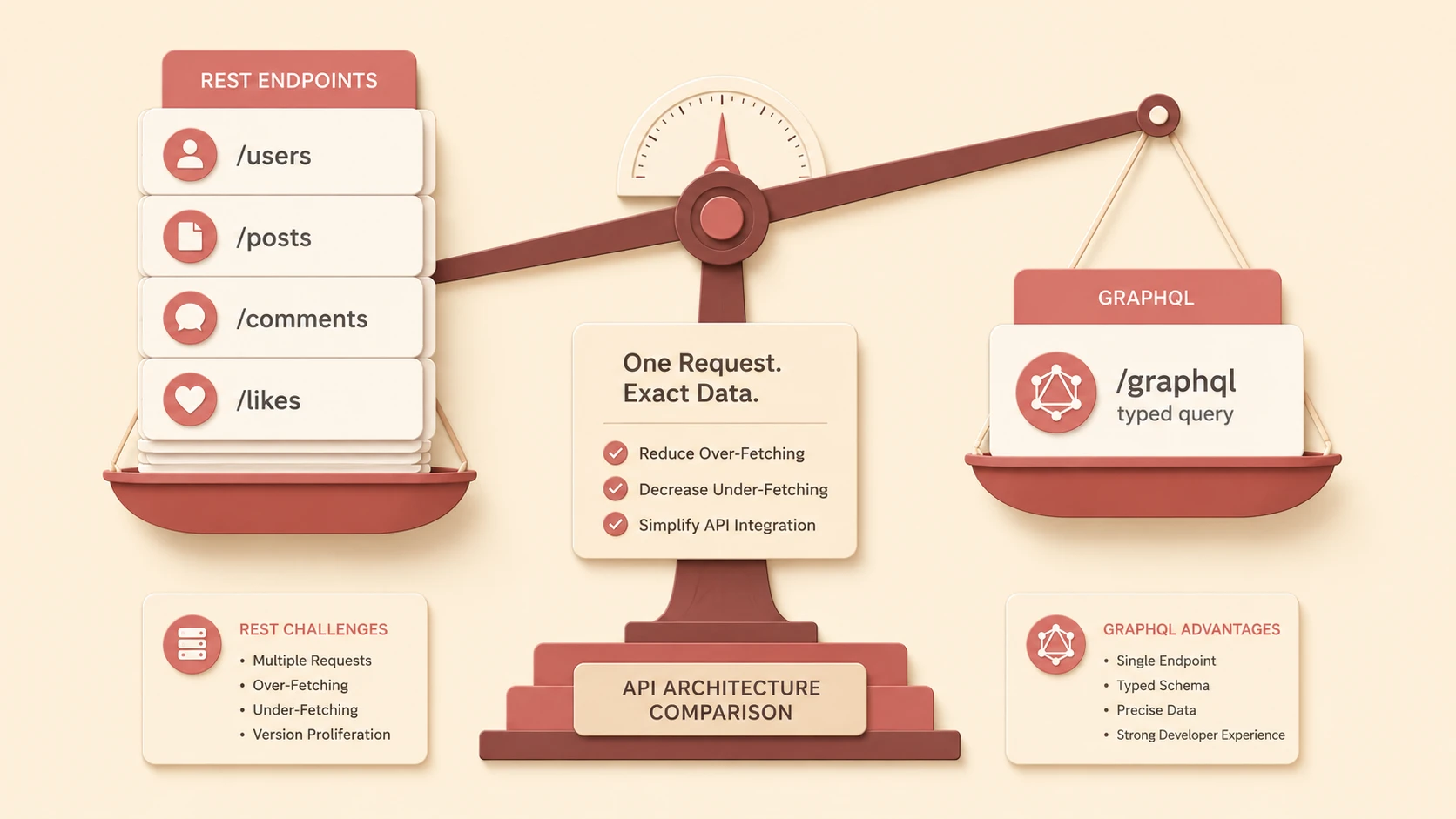
/customers
/customers/105
/orders
/orders/3001
/products
Operations are determined by HTTP methods rather than action-oriented URLs.
This approach often produces APIs that are easier to understand and more consistent.
Typical Architecture
An enterprise HTTP service may follow this layered architecture.
Client Applications
(Browsers, Mobile Apps, Desktop Apps)
          |
HTTP Requests
          |
WCF Web API
          |
Business Services
          |
Repositories
          |
SQL Server
Separating transport concerns from business logic allows services to evolve independently from client applications.
URI Design Principles
A well-designed API begins with meaningful resource identifiers.
Recommended conventions include:
- ◆Use nouns rather than verbs.
- ◆Keep URIs consistent.
- ◆Organize resources hierarchically.
- ◆Avoid exposing implementation details.
- ◆Use predictable naming conventions.
Examples:
/customers
/customers/15
/customers/15/orders
/orders
/products
Poorly structured URLs can quickly become difficult to maintain as services grow.
HTTP Status Codes
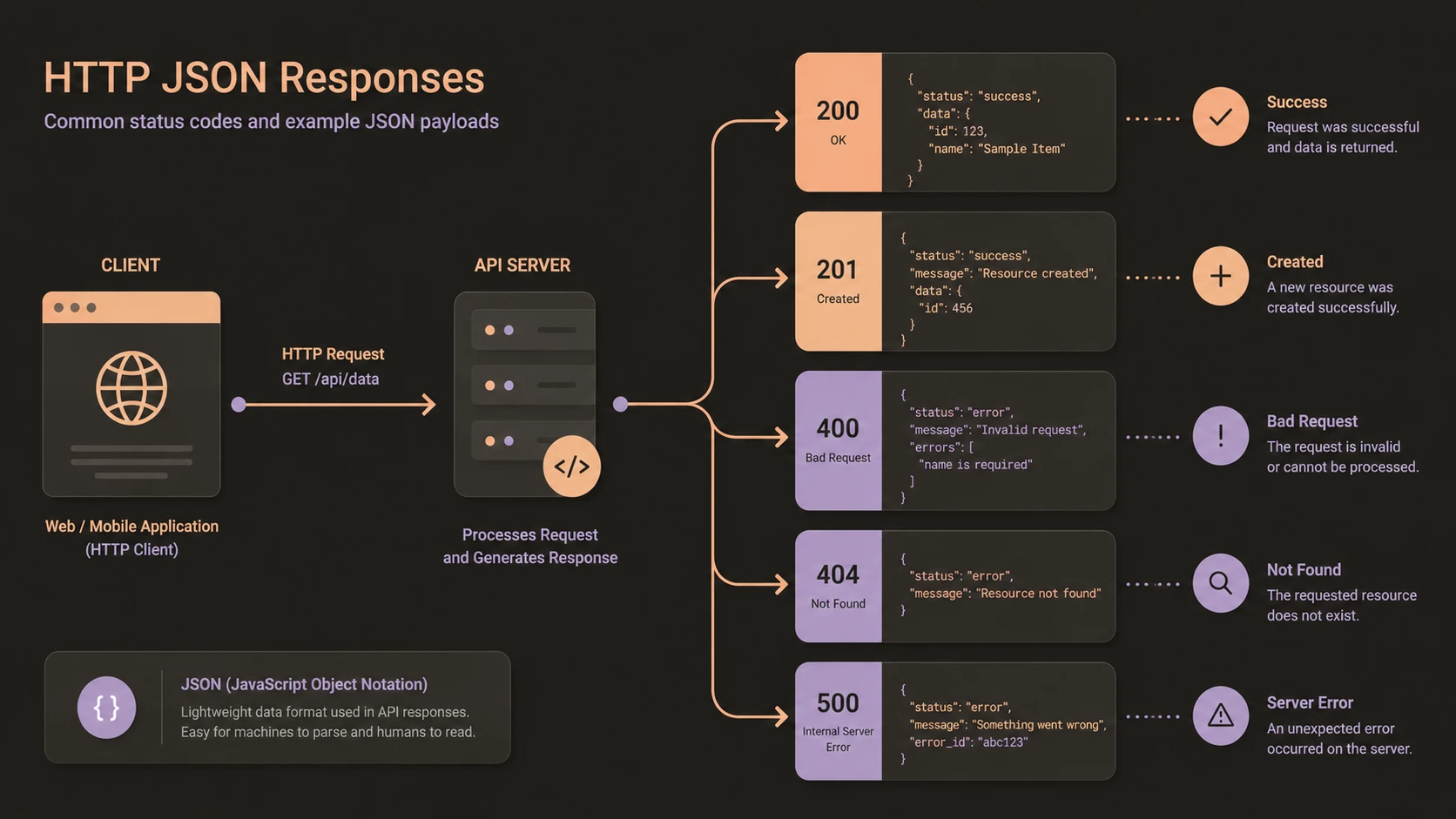
A significant advantage of HTTP-based services is the ability to leverage standard response codes.
| Status Code | Meaning |
|---|---|
| 200 OK | Request completed successfully |
| 201 Created | Resource successfully created |
| 400 Bad Request | Invalid client request |
| 401 Unauthorized | Authentication required |
| 404 Not Found | Requested resource does not exist |
| 500 Internal Server Error | Unexpected server error |
Using appropriate status codes improves interoperability and simplifies client development.
Working with Resource Representations
HTTP services may expose resources using different representations depending on client requirements.
Examples include:
- ◆XML
- ◆JSON
- ◆Plain text
The WCF Web API Preview introduces mechanisms for working with multiple media types while relying on standard HTTP communication.
This flexibility can simplify integration across diverse platforms.
Enterprise Use Cases
Many organizations are beginning to evaluate HTTP APIs for scenarios such as:
Mobile Applications
Smartphones increasingly require lightweight communication with enterprise systems.
HTTP services reduce complexity for mobile developers while integrating naturally with browser technologies.
AJAX Applications
Rich JavaScript applications benefit from APIs that communicate directly over HTTP without requiring extensive SOAP processing.
Service-Oriented Architecture (SOA) channel bindings and message security configurations.
Partner Integration
Business partners often prefer straightforward HTTP interfaces that are easier to consume from a variety of development platforms.
Internal Service Portals
Departments within large organizations can expose reusable business resources through standardized HTTP endpoints.
Comparing WCF SOAP Services and WCF Web API
| WCF SOAP Services | WCF Web API |
|---|---|
| SOAP messaging | HTTP-oriented programming |
| XML contracts | Resource representations |
| WS-* standards | Standard HTTP semantics |
| Service operations | Resource-based design |
| Enterprise integration focus | Web-oriented service development |
Both approaches have strengths, and architects should choose the model that best matches application requirements.
Scalability Considerations
Scalable HTTP APIs require more than simply exposing endpoints.
Architects should consider:
- ◆Stateless request processing
- ◆Efficient resource retrieval
- ◆Appropriate caching strategies
- ◆Optimized database access
- ◆Connection management
- ◆Load balancing infrastructure
Keeping services stateless simplifies horizontal scaling by allowing requests to be processed by multiple servers.
Security Considerations
Enterprise APIs frequently expose sensitive business information.
Security planning should include:
- ◆HTTPS transport
- ◆Authentication mechanisms
- ◆Authorization policies
- ◆Input validation
- ◆Audit logging
- ◆Exception handling
Organizations should ensure that API security aligns with existing enterprise governance policies.
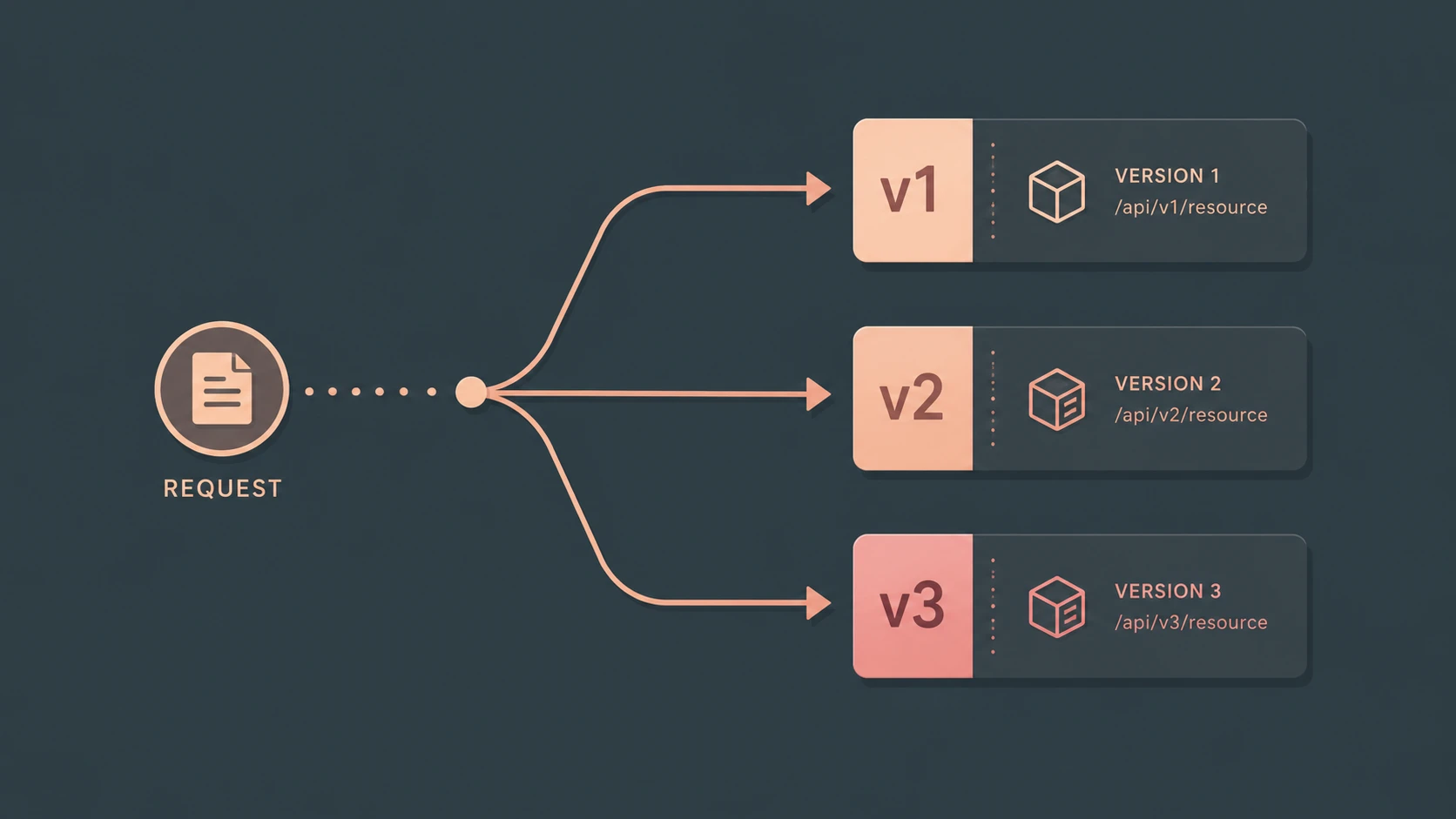
Versioning Challenges
Service interfaces evolve over time.
Architects should establish versioning strategies early in the design process.
Possible approaches include:
- ◆Versioned URIs
- ◆Media type versioning
- ◆Parallel service deployments
Maintaining backward compatibility reduces disruption for consuming applications.
Designing Maintainable APIs
Successful enterprise APIs typically emphasize:
- ◆Consistent naming
- ◆Predictable behavior
- ◆Clear documentation
- ◆Stable contracts
- ◆Meaningful error responses
- ◆Minimal coupling
Well-designed APIs remain understandable even as the underlying implementation evolves.
Best Practices
Organizations evaluating WCF Web API should consider the following recommendations.
Keep Services Stateless
Avoid storing client-specific session information whenever practical.
Design Around Resources
Think in terms of business entities rather than remote procedure calls.
Use HTTP Consistently
Leverage standard HTTP methods and response codes instead of inventing custom behaviors.
Separate Business Logic
Keep business rules independent from HTTP infrastructure.
Validate Inputs Carefully
Client input should always be validated before processing.
Common Mistakes
Early HTTP API implementations frequently encounter several challenges.
Treating HTTP Like SOAP
Simply exposing SOAP-style operations through HTTP often limits the benefits of resource-oriented design.
Inconsistent URI Naming
Mixed naming conventions create unnecessary complexity for API consumers.
Ignoring HTTP Status Codes
Returning identical responses for every situation reduces the usefulness of HTTP semantics.
Overloading Individual Endpoints
Endpoints should represent clear business resources rather than attempting to perform unrelated operations.
Neglecting Documentation
Enterprise APIs require comprehensive documentation to support long-term maintenance and external integration.
Adoption Recommendations
Given that WCF Web API is still an early preview, organizations should approach adoption thoughtfully.
Recommended roadmap:
- 1.Identify suitable pilot projects.
- 2.Evaluate HTTP-oriented design principles.
- 3.Build internal prototypes.
- 4.Compare with existing WCF SOAP implementations.
- 5.Gather developer feedback.
- 6.Monitor framework maturity.
- 7.Expand adoption where appropriate.
Pilot implementations provide valuable experience while minimizing production risk.
Looking Ahead
The growing demand for lightweight web services is encouraging the software industry to explore alternatives to traditional SOAP-based communication. The WCF Web API Preview reflects Microsoft's interest in supporting HTTP as a first-class application platform while building upon the existing strengths of the .NET ecosystem.
Although the framework remains in an early stage during 2010, enterprise architects should monitor its evolution closely. Organizations that begin experimenting with resource-oriented design, stateless service architectures, and consistent HTTP practices will be better prepared to build scalable APIs capable of supporting browsers, mobile applications, and increasingly diverse enterprise clients as web technologies continue to mature.