API Development
Viewing all posts categorized under API Development.

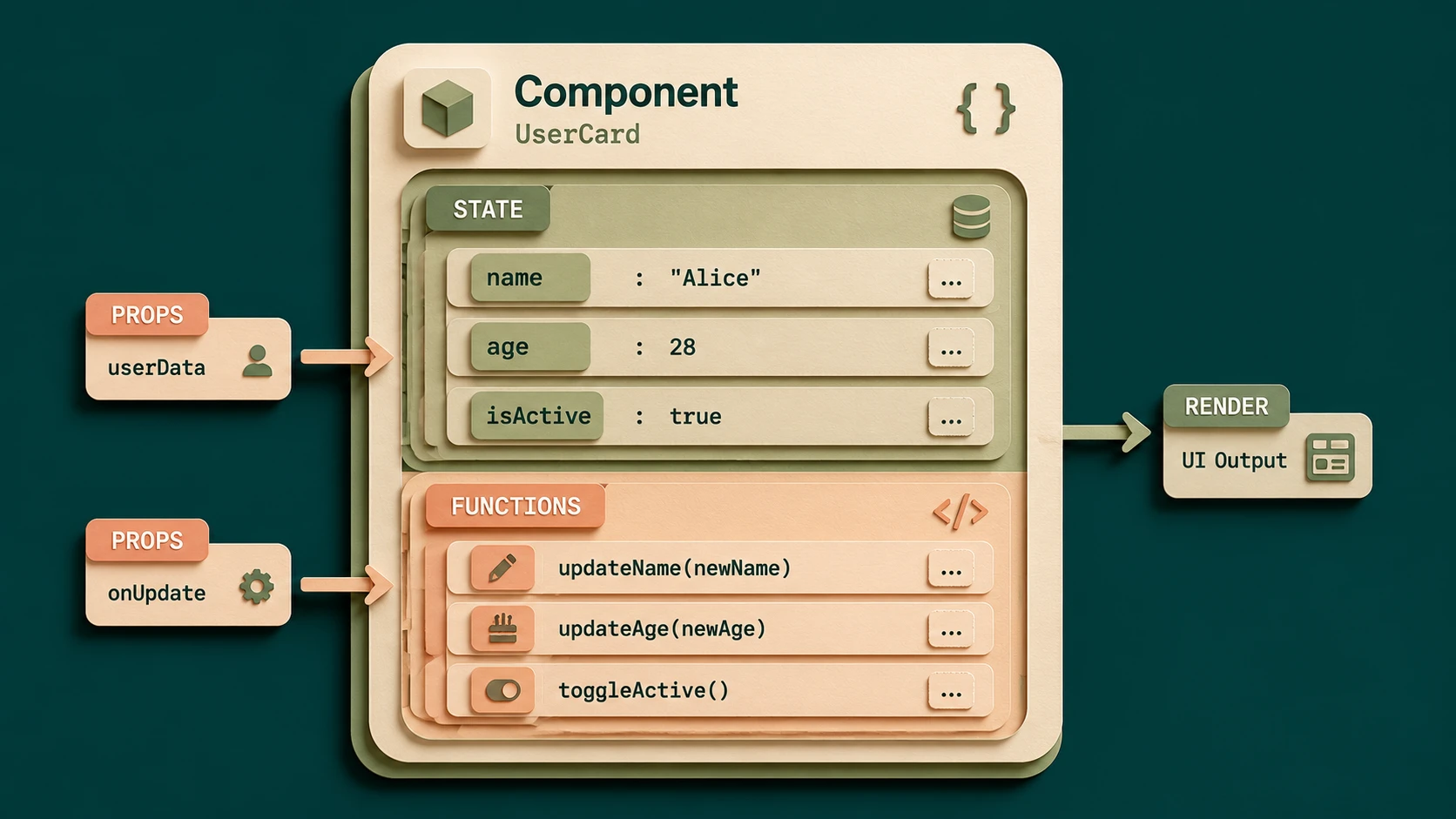
Vue.js 3.0 Composition API RFC: Rethinking Code Reuse in Vue Apps
The Vue.js 3.0 Composition API RFC introduces a new programming model aimed at improving code organization, logic reuse, and scalability in large Vue applications. Rather than replacing the familiar Options API, the proposal offers an alternative approach that groups code by feature instead of component option. This article examines the Composition API RFC from the perspective of February 2019, when it was first introduced for community feedback.
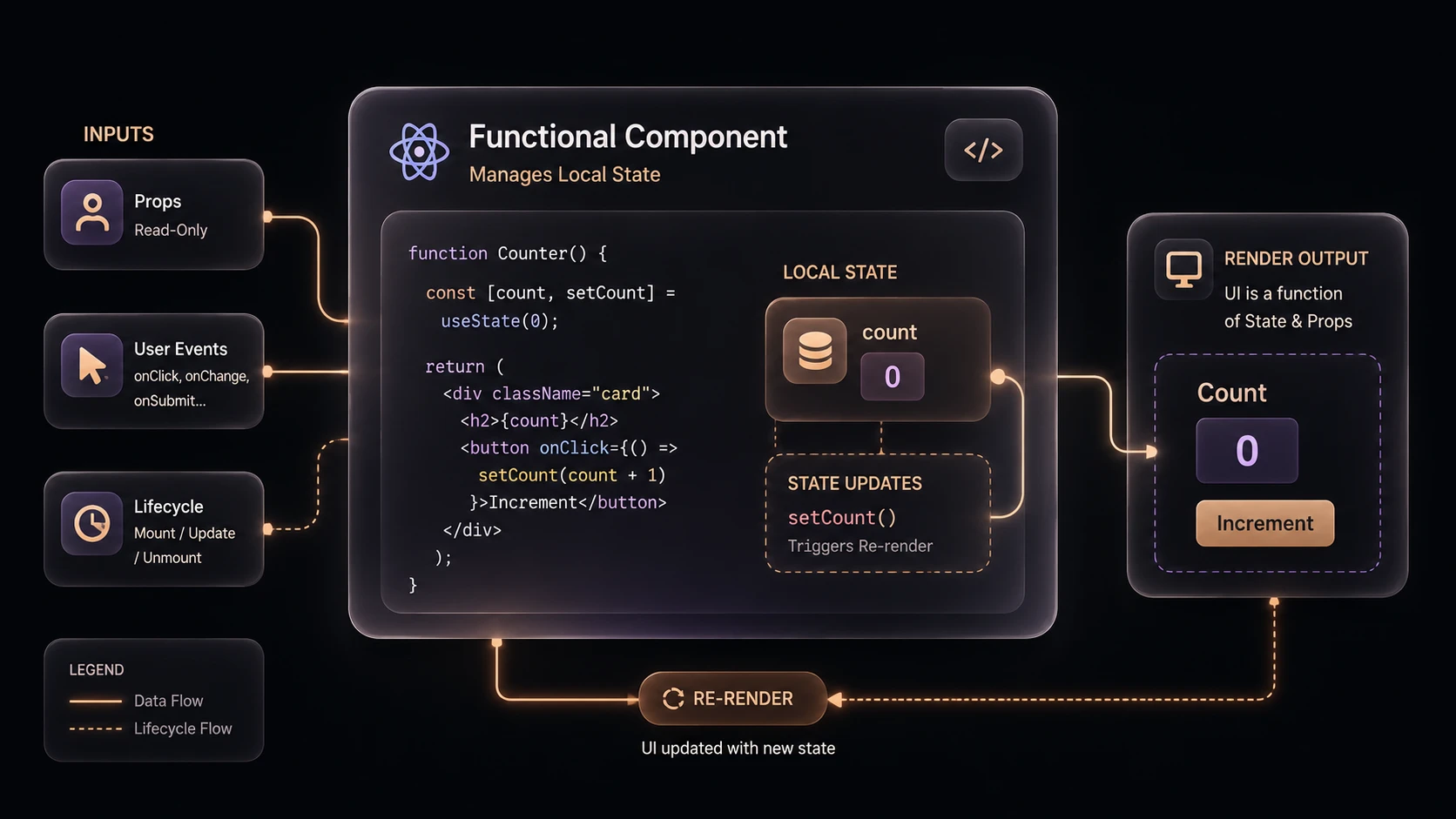
React 16.8 Release: Standardizing React Hooks and Stateful Functional Components
React 16.8 introduces Hooks, one of the most significant API additions since React's original release. Hooks allow functional components to manage state, lifecycle behavior, and side effects without classes, simplifying component architecture while improving code reuse and maintainability. This article examines React 16.8 from the perspective of February 2019, evaluating its architecture, enterprise implications, performance characteristics, migration strategies, and adoption guidance.
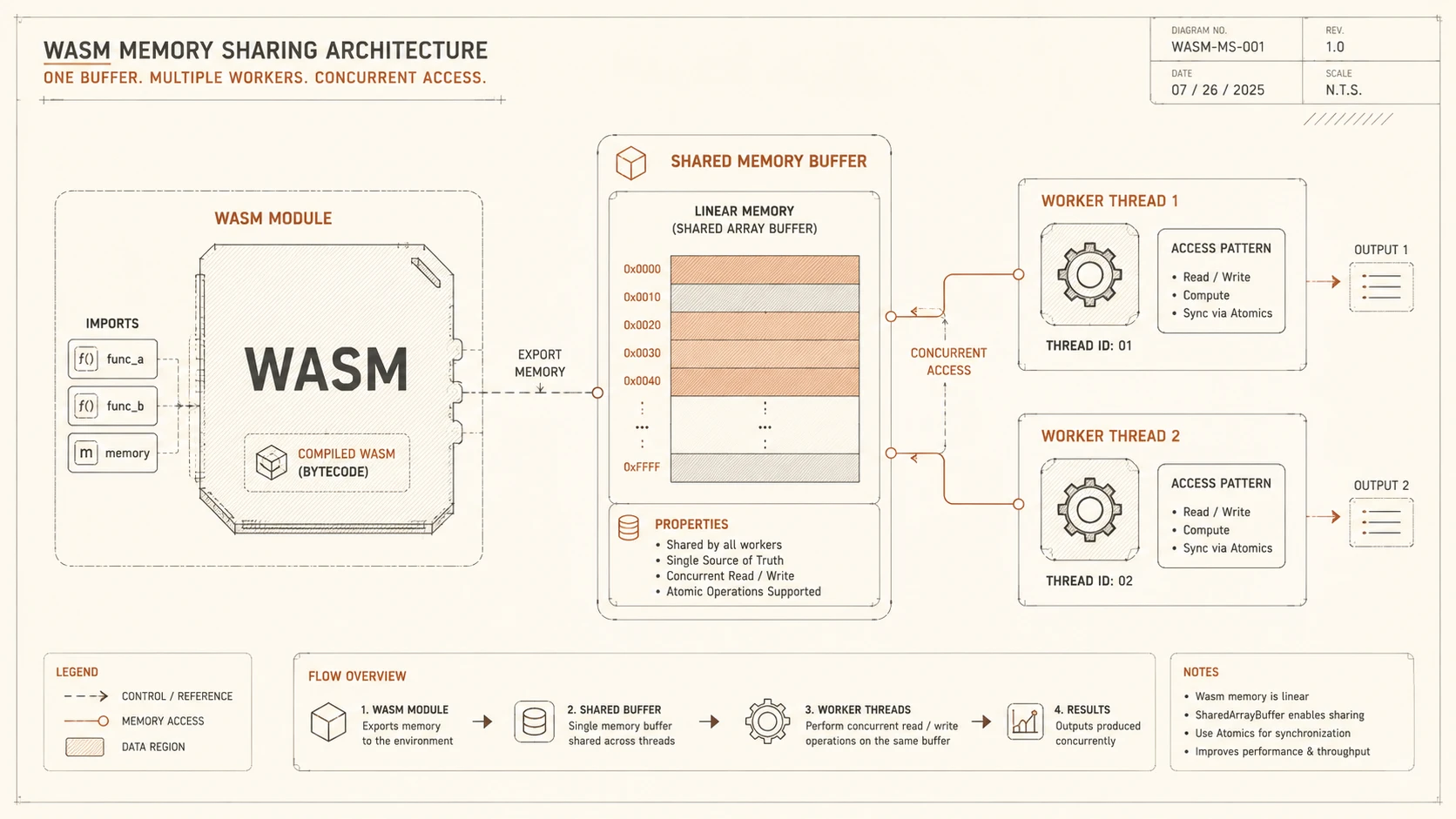
WebAssembly Threads: SharedArrayBuffer and Concurrency in the Browser
WebAssembly Threads introduce a standardized model for parallel execution inside modern browsers by combining SharedArrayBuffer and JavaScript Atomics. As browser vendors continue restoring shared memory capabilities following Spectre mitigations, WebAssembly gains an important foundation for computationally intensive applications. This article examines the architecture, programming model, enterprise implications, and adoption considerations from the perspective of January 2019.
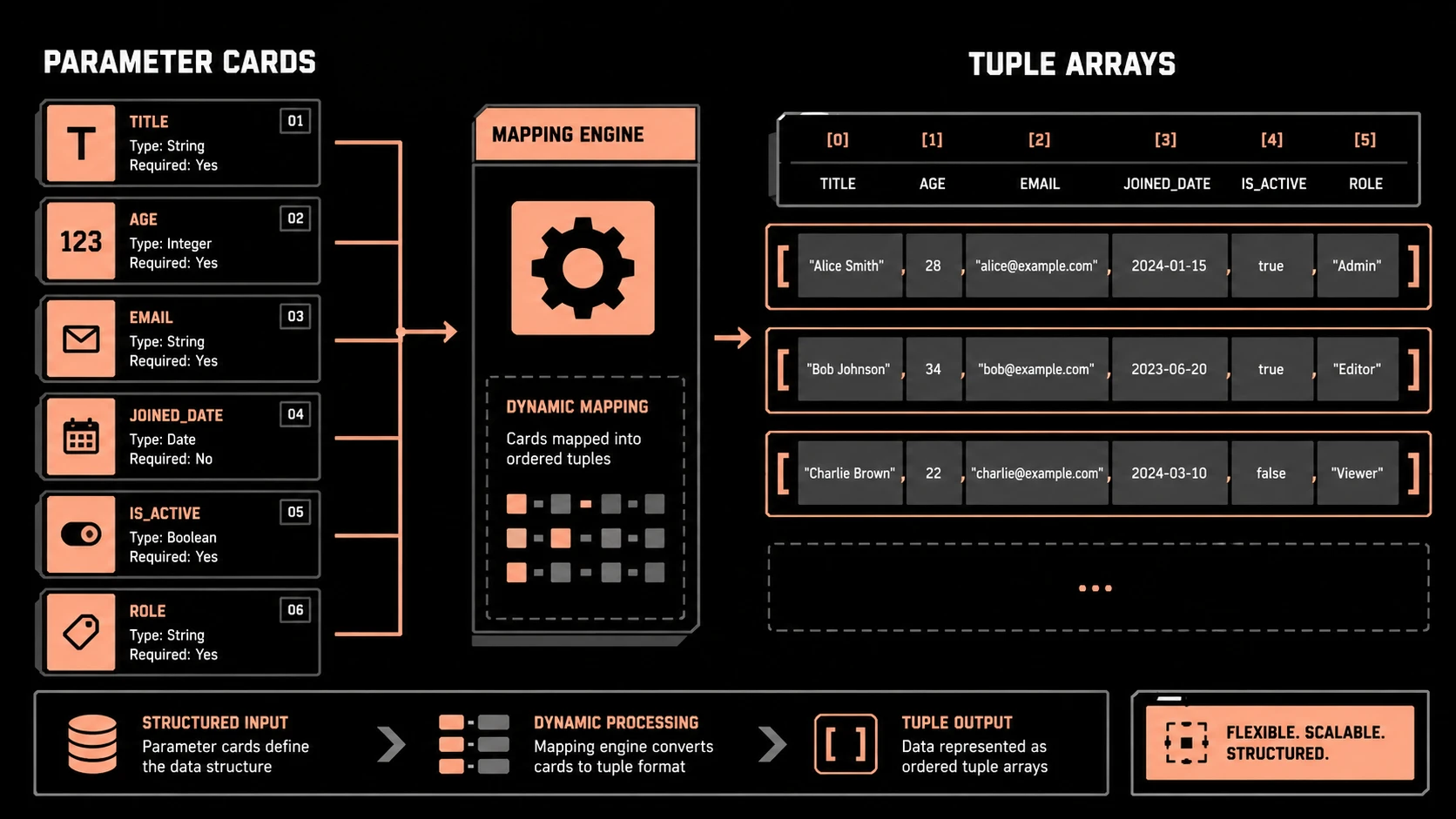
TypeScript 3.1: Mapped Types, Generic Parameter Tuples, and Compile Speeds
TypeScript 3.1 continues Microsoft's rapid evolution of the language with improvements to mapped types over tuples and arrays, enhanced function property declarations, faster compiler performance, and better developer tooling. This release further strengthens TypeScript as the preferred language for building scalable enterprise JavaScript applications. This article examines TypeScript 3.1 from the perspective of November 2018.
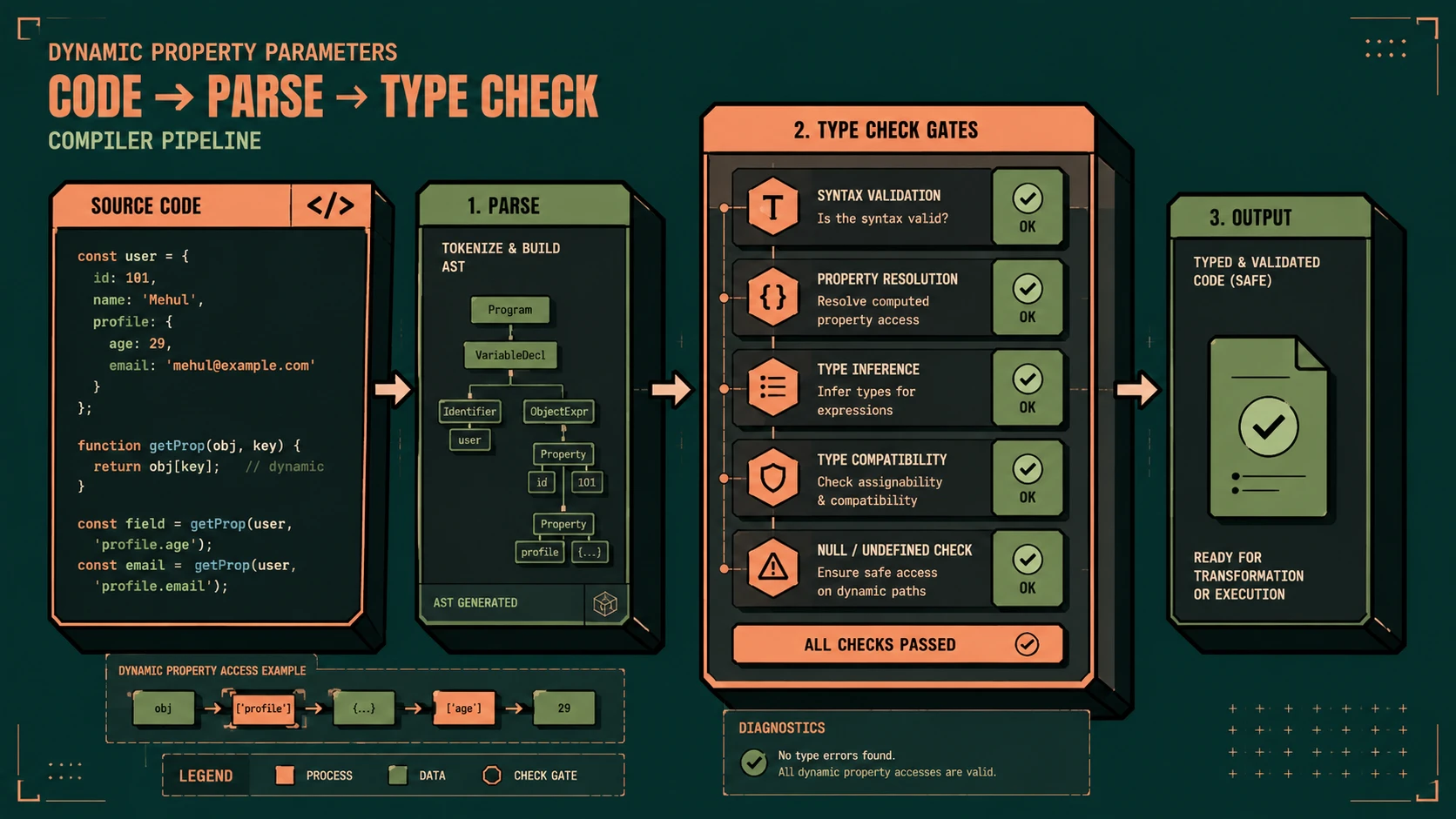
Swift 4.2: Dynamic Member Lookup and Compiler Optimizations
Swift 4.2 continues Apple's rapid evolution of the Swift programming language by introducing compiler optimizations, developer tooling improvements, dynamic member lookup proposals, and numerous standard library refinements. This article examines Swift 4.2 from the perspective of September 2018, exploring its architecture, enterprise implications, performance enhancements, interoperability goals, and adoption strategy.
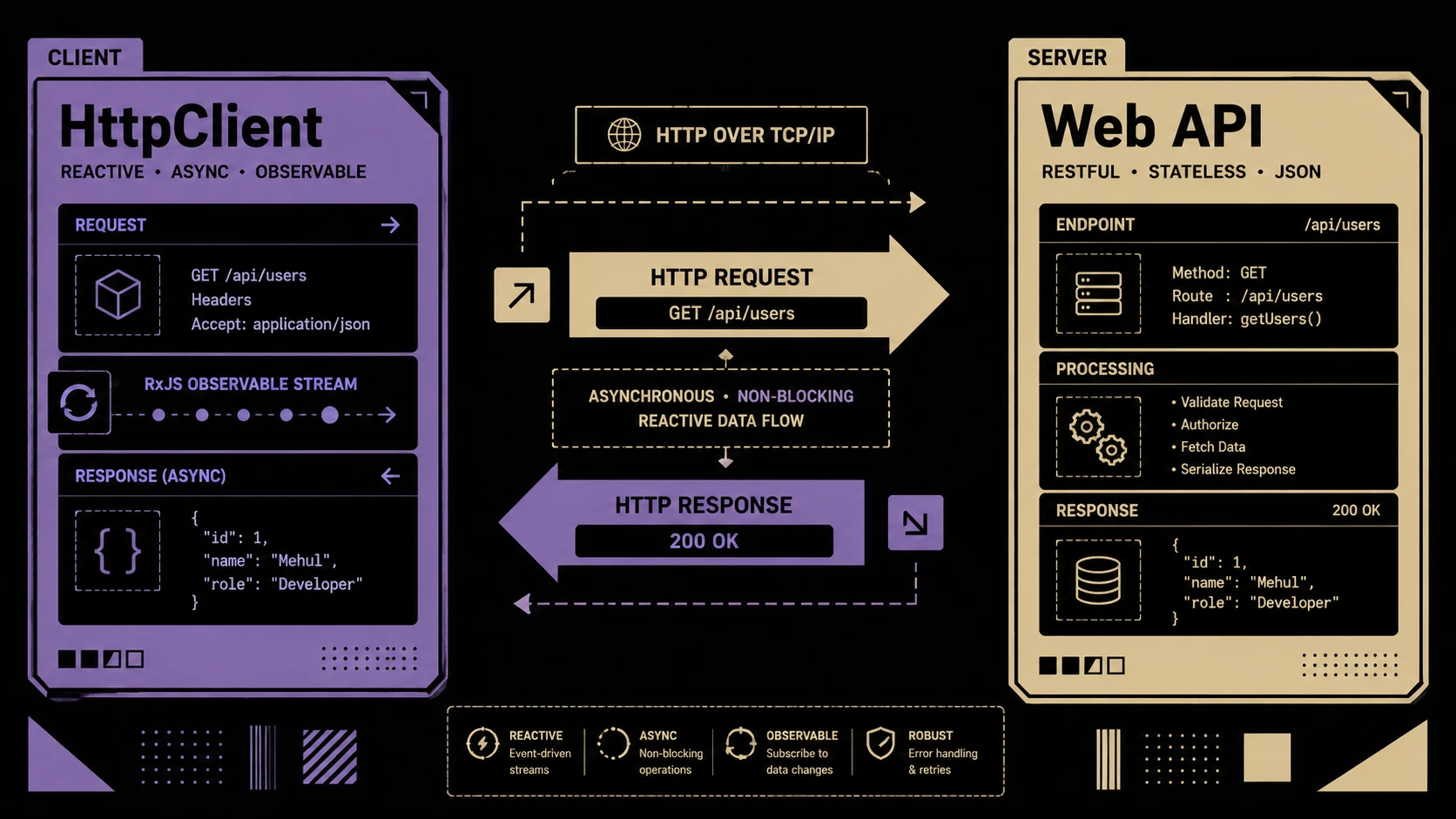
Java 11 LTS: Migrating to the Modular HTTP Client and G1 GC Default Upgrades
Java 11 becomes the next Long-Term Support (LTS) release, delivering a standardized HTTP Client API, continued improvements to the Java Platform Module System, G1 Garbage Collector enhancements, and numerous platform refinements. This article examines Java 11 from the perspective of September 2018, focusing on enterprise modernization, migration planning, and production adoption.
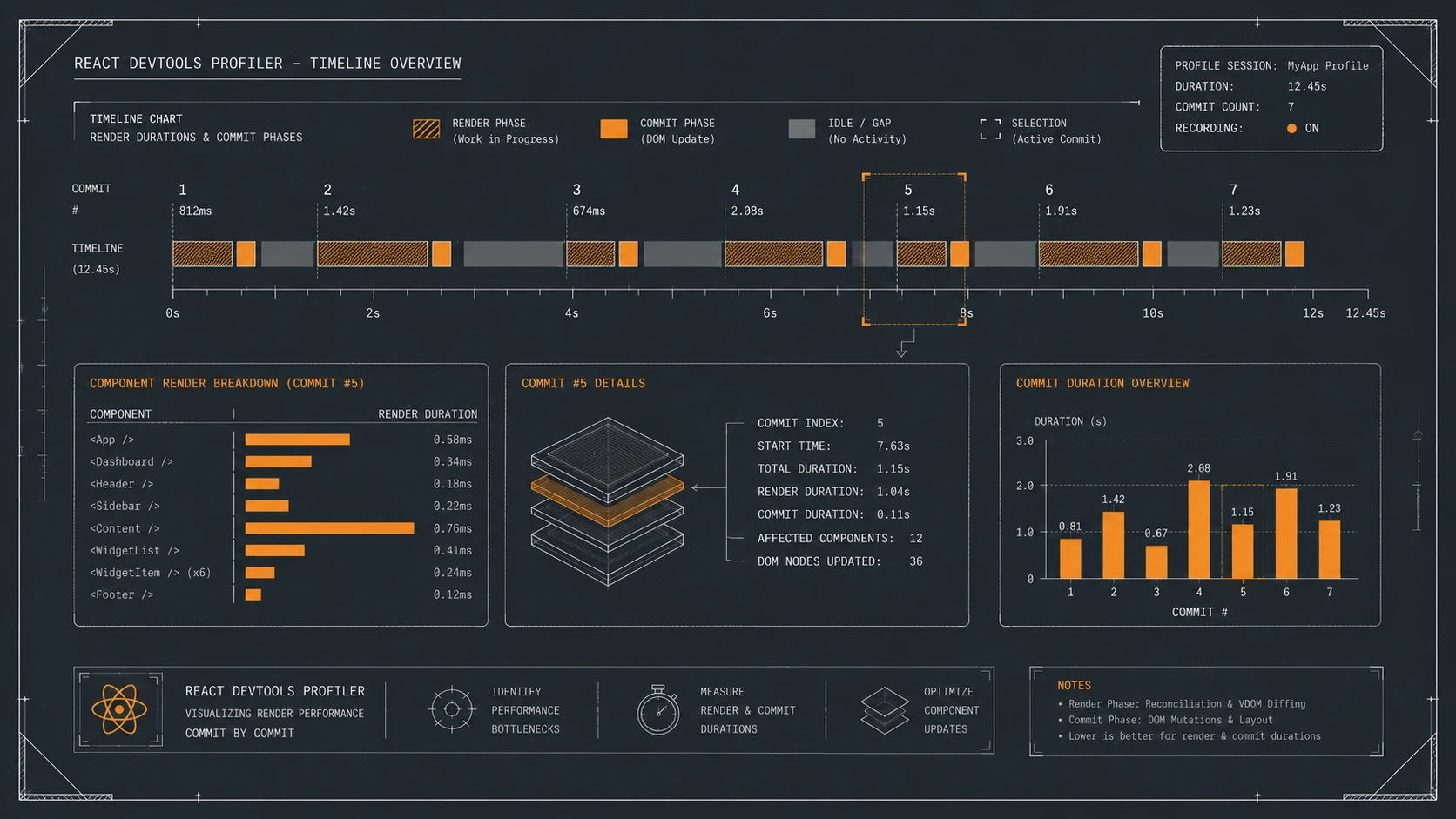
React 16.5: Profiler Integration and Component Render Performance Auditing
React 16.5 introduces the Profiler API through the react-dom/profiling package, giving development teams a standardized way to measure rendering performance and identify component bottlenecks. Combined with ongoing Fiber improvements and enhanced Developer Tools support, React 16.5 strengthens performance engineering for enterprise-scale applications. This article examines React 16.5 from the perspective of August 2018.
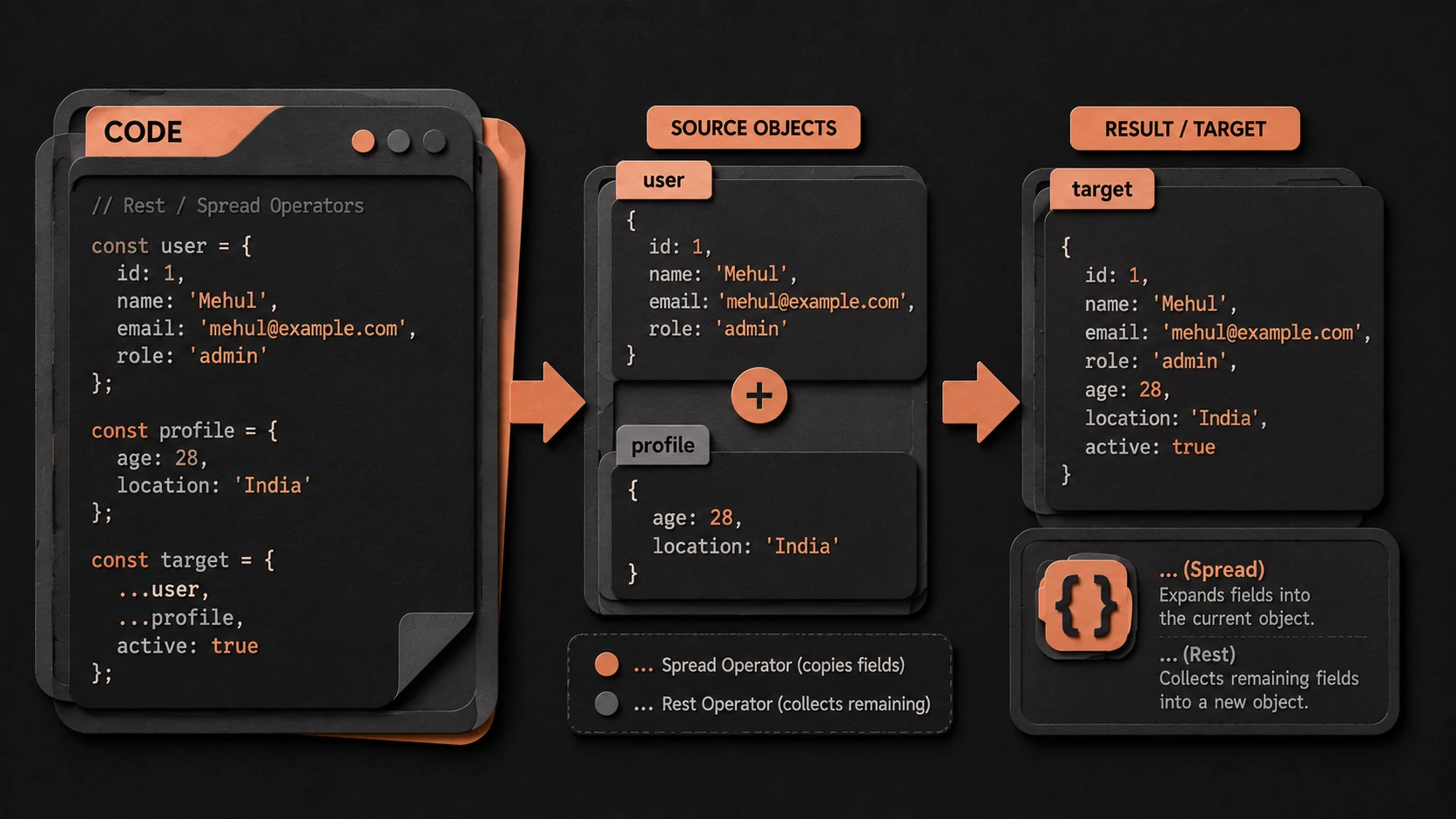
ES9 / ECMAScript 2018: Object Rest/Spread Properties and Asynchronous Iteration
ECMAScript 2018 (ES9) introduces object rest/spread properties, asynchronous iteration, Promise.finally(), regular expression enhancements, and additional language improvements that simplify modern JavaScript development. This article examines the new features, compiler behavior, enterprise use cases, performance considerations, and adoption strategies from the perspective of June 2018.
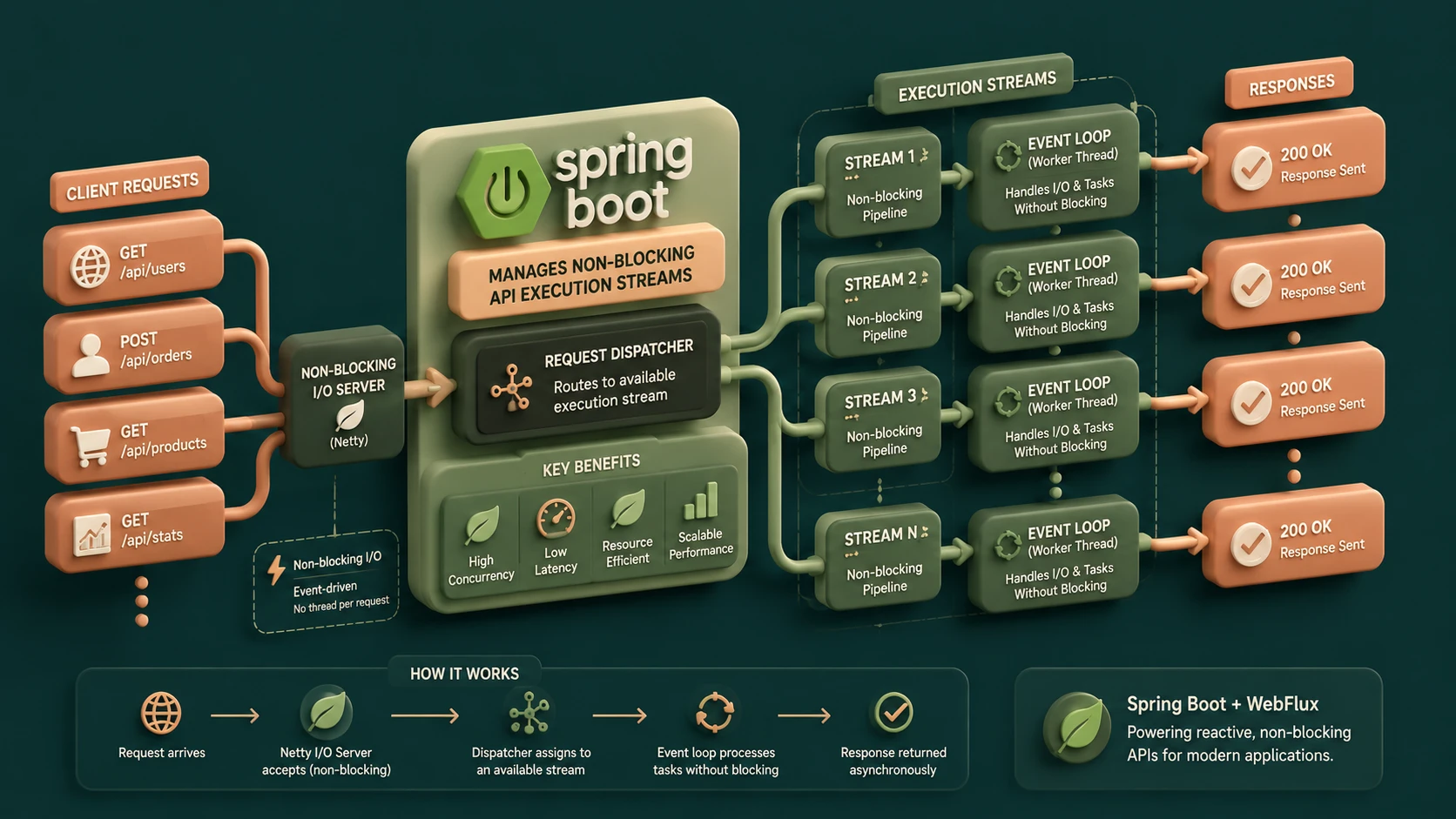
Spring Boot 2.0: Reactive Starters and WebFlux Production Integration
Spring Boot 2.0 introduces first-class support for Spring WebFlux, reactive starters, Project Reactor integration, and numerous production-ready improvements for cloud-native Java applications. This article examines the reactive programming model, architecture, deployment considerations, and enterprise adoption strategies from the perspective of April 2018.
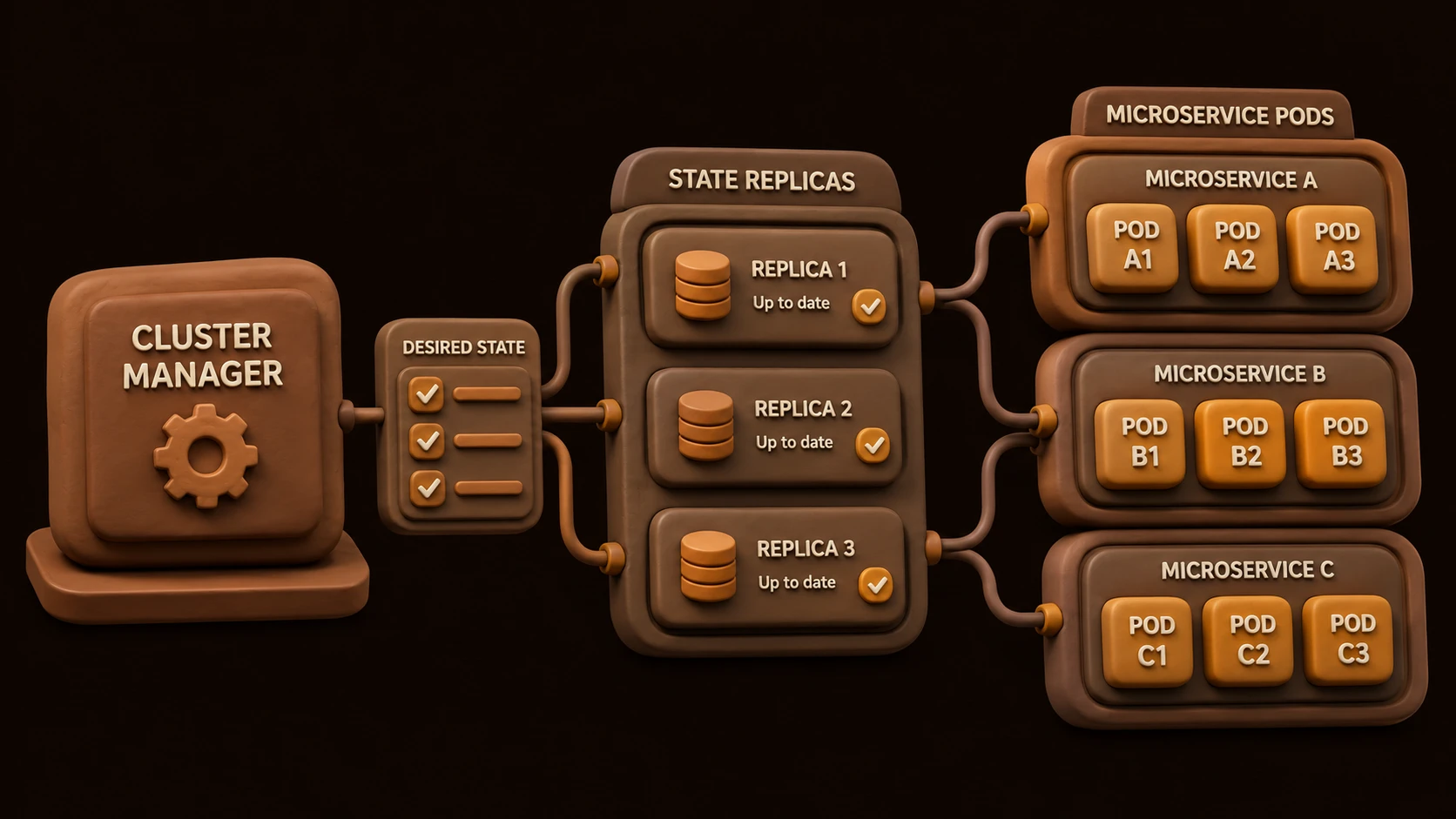
Kubernetes 1.9 Workloads API GA: The Stabilization of Production Pod Controllers
Kubernetes 1.9 marks a significant milestone with the General Availability of the Workloads API, providing stable APIs for Deployments, ReplicaSets, StatefulSets, and DaemonSets. This release strengthens Kubernetes as an enterprise-grade container orchestration platform by improving API consistency, operational stability, and production readiness. This article examines Kubernetes 1.9 from the perspective of December 2017.
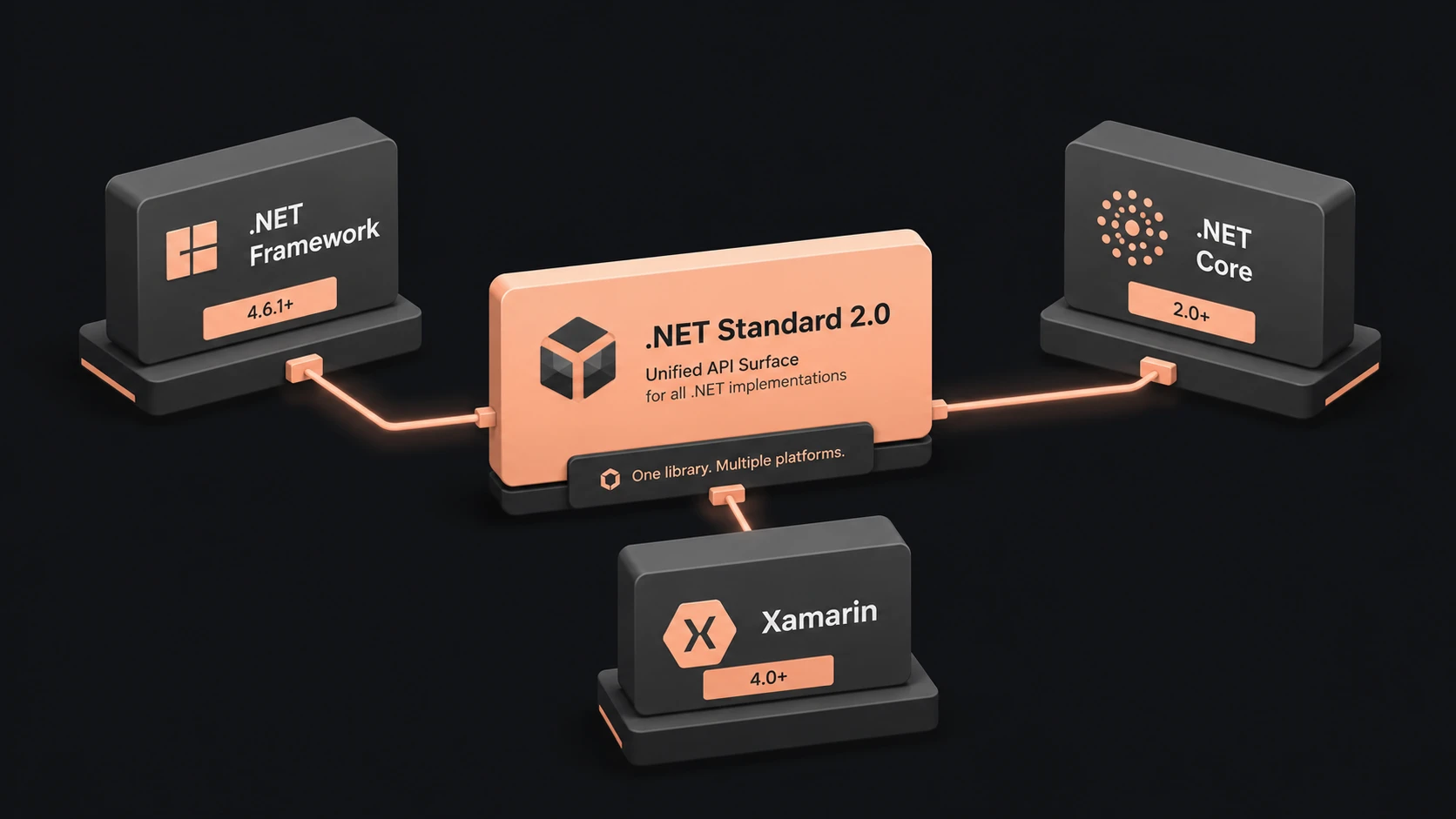
.NET Core 2.0 and .NET Standard 2.0: Unifying APIs across Cross-Platform Runtimes
.NET Core 2.0 and .NET Standard 2.0 represent a major milestone in Microsoft's cross-platform strategy by significantly expanding API compatibility, improving portability, and simplifying code sharing across .NET implementations. This article examines the release from the perspective of August 2017, exploring the architecture, enterprise implications, runtime improvements, and adoption strategies for modern software development.
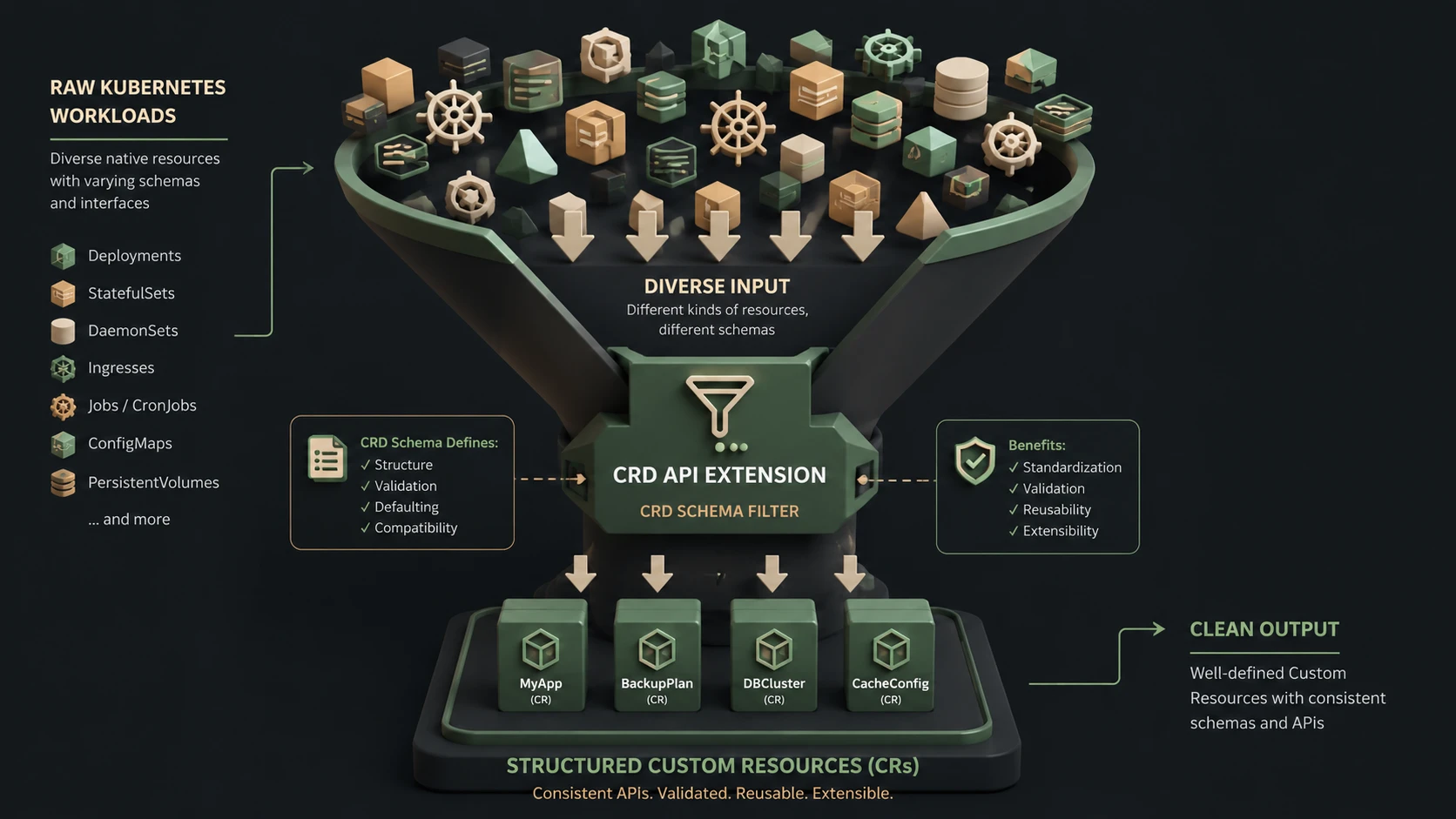
Kubernetes 1.7: Custom Resource Definitions (CRDs) and Operator Architectures
Kubernetes 1.7 introduces Custom Resource Definitions (CRDs) in beta, providing a significantly simpler mechanism for extending the Kubernetes API without writing custom API servers. Combined with the growing Operator pattern pioneered by CoreOS, CRDs enable enterprise teams to model complex distributed applications as first-class Kubernetes resources. This article examines Kubernetes 1.7 from the perspective of July 2017.
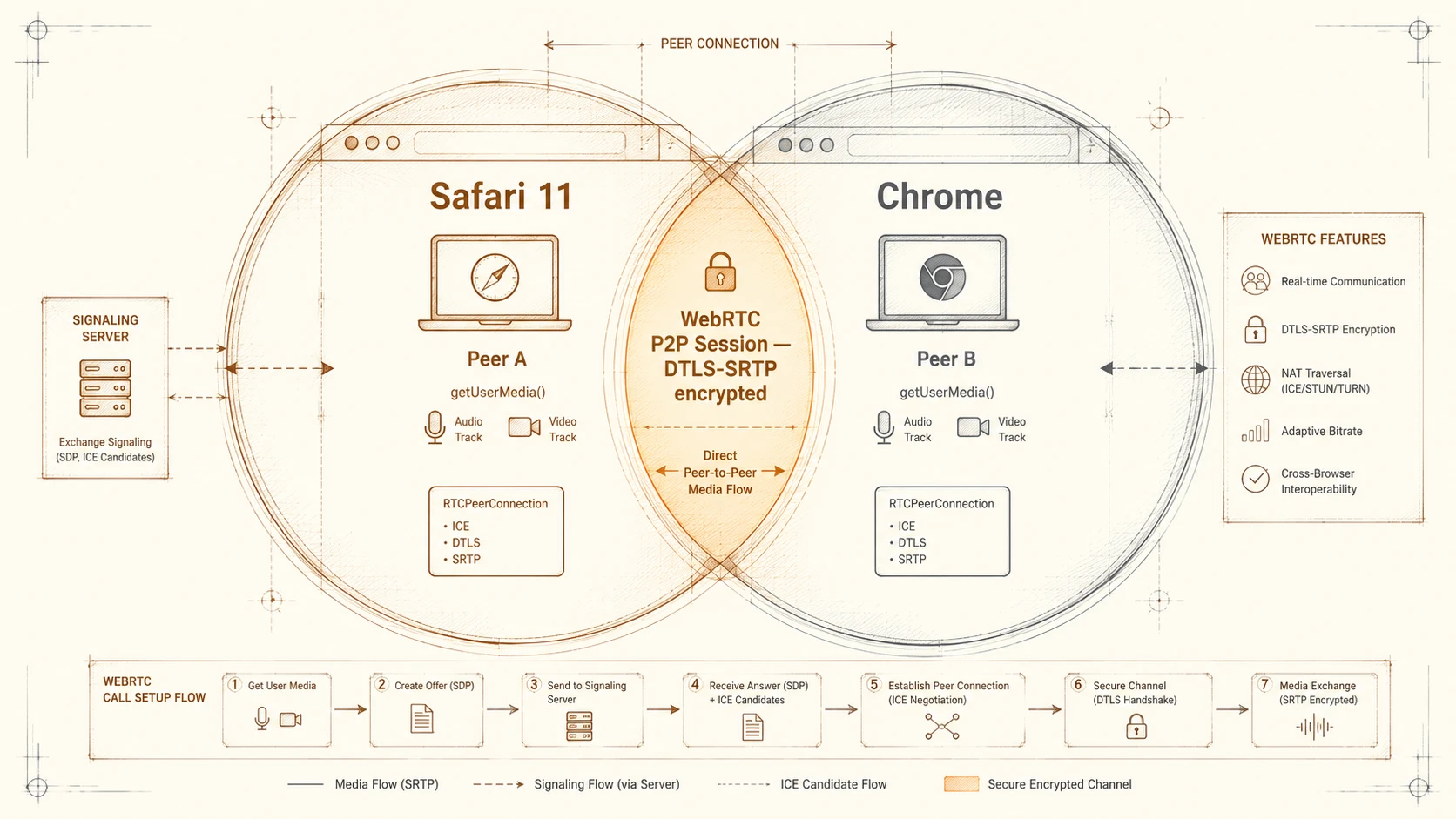
WebRTC Native Support in Safari 11: Real-Time Browser Communication is Complete
With Safari 11 introducing native WebRTC support, all major browser engines now provide a standardized foundation for real-time audio, video, and peer-to-peer data communication. This milestone significantly expands deployment opportunities for enterprise collaboration platforms, telemedicine, customer support, and browser-based conferencing solutions. This article examines the announcement from the perspective of June 2017.
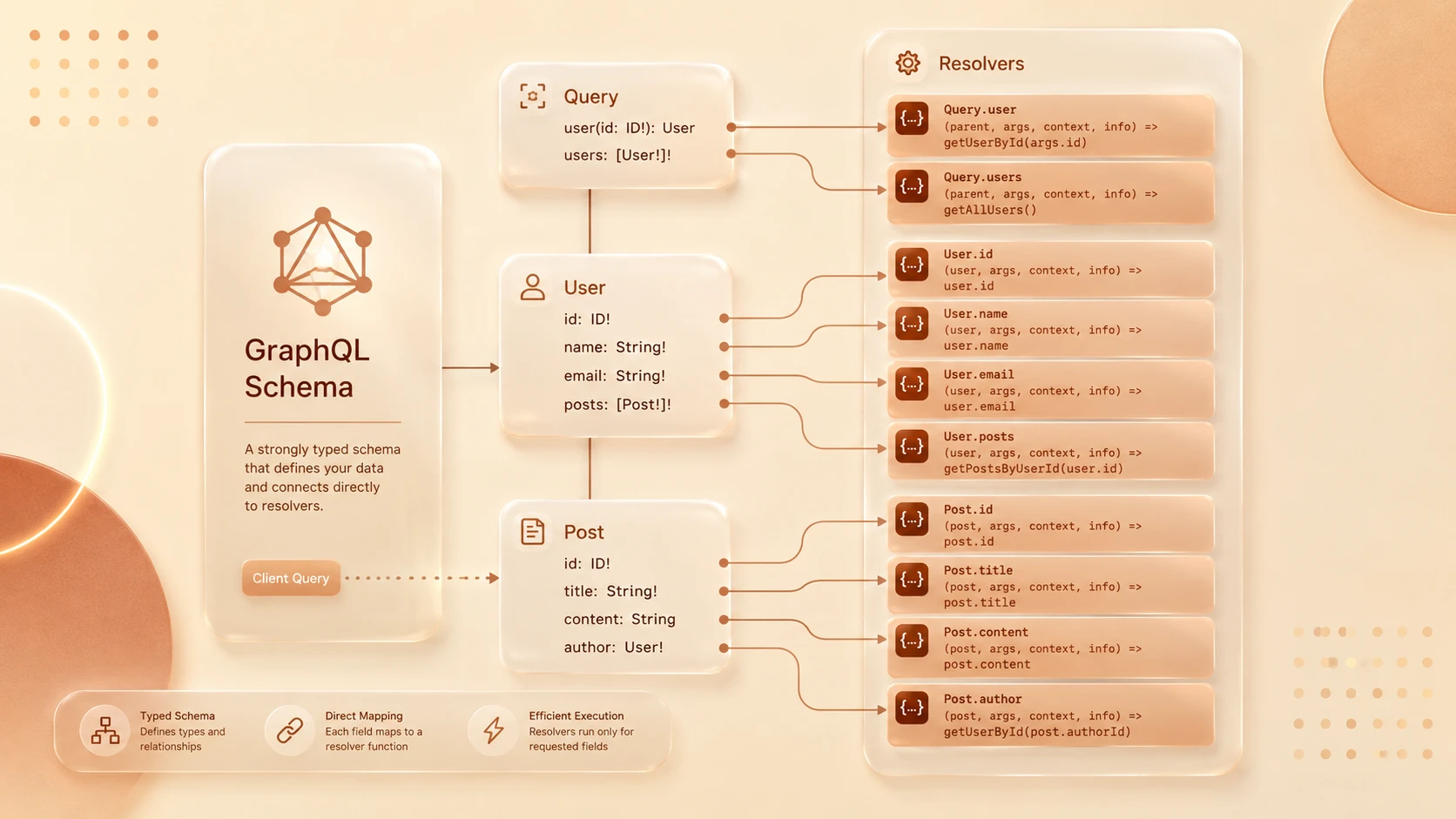
GraphQL Schema Definition Language: Standardizing APIs with Static Types
The GraphQL Schema Definition Language (SDL) provides a standardized, human-readable approach to defining GraphQL APIs using explicit types, queries, mutations, and relationships. This article examines SDL architecture, schema-first API design, type systems, tooling, and enterprise adoption considerations from the perspective of April 2017.
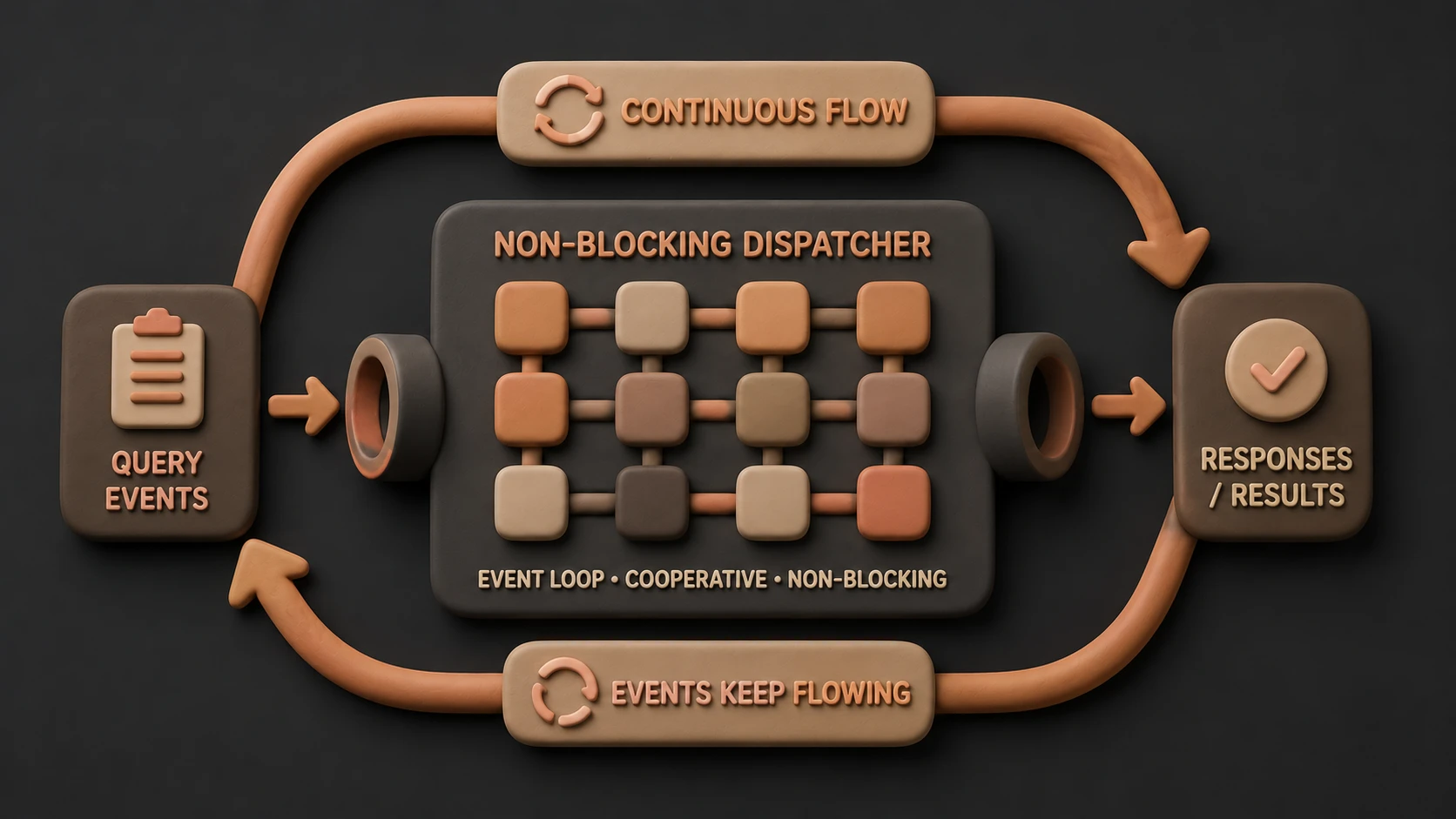
Spring Framework 5.0 and WebFlux: Developing Non-Blocking Reactive Web APIs
The requested publish date is historically inconsistent with the topic.