API Development
Viewing all posts categorized under API Development.

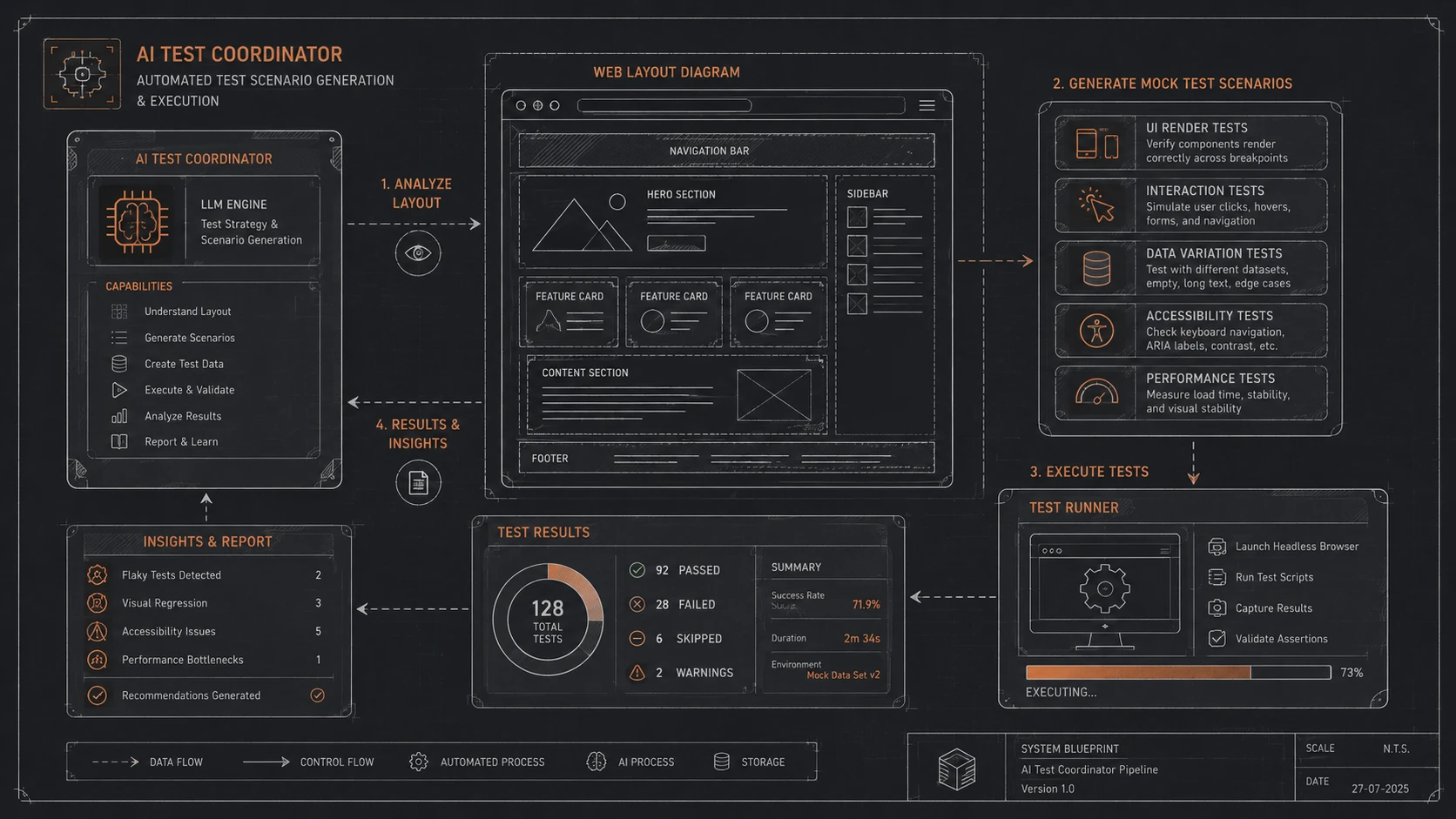
AI-driven QA and Autonomous Testing
Artificial Intelligence is reshaping software quality assurance by moving beyond scripted automation toward intelligent, adaptive, and autonomous testing. By late 2023, AI-driven QA platforms are assisting teams with test generation, self-healing automation, defect prediction, risk-based testing, and continuous quality engineering. This article explores the evolution of AI-powered testing from the perspective of September 2023.
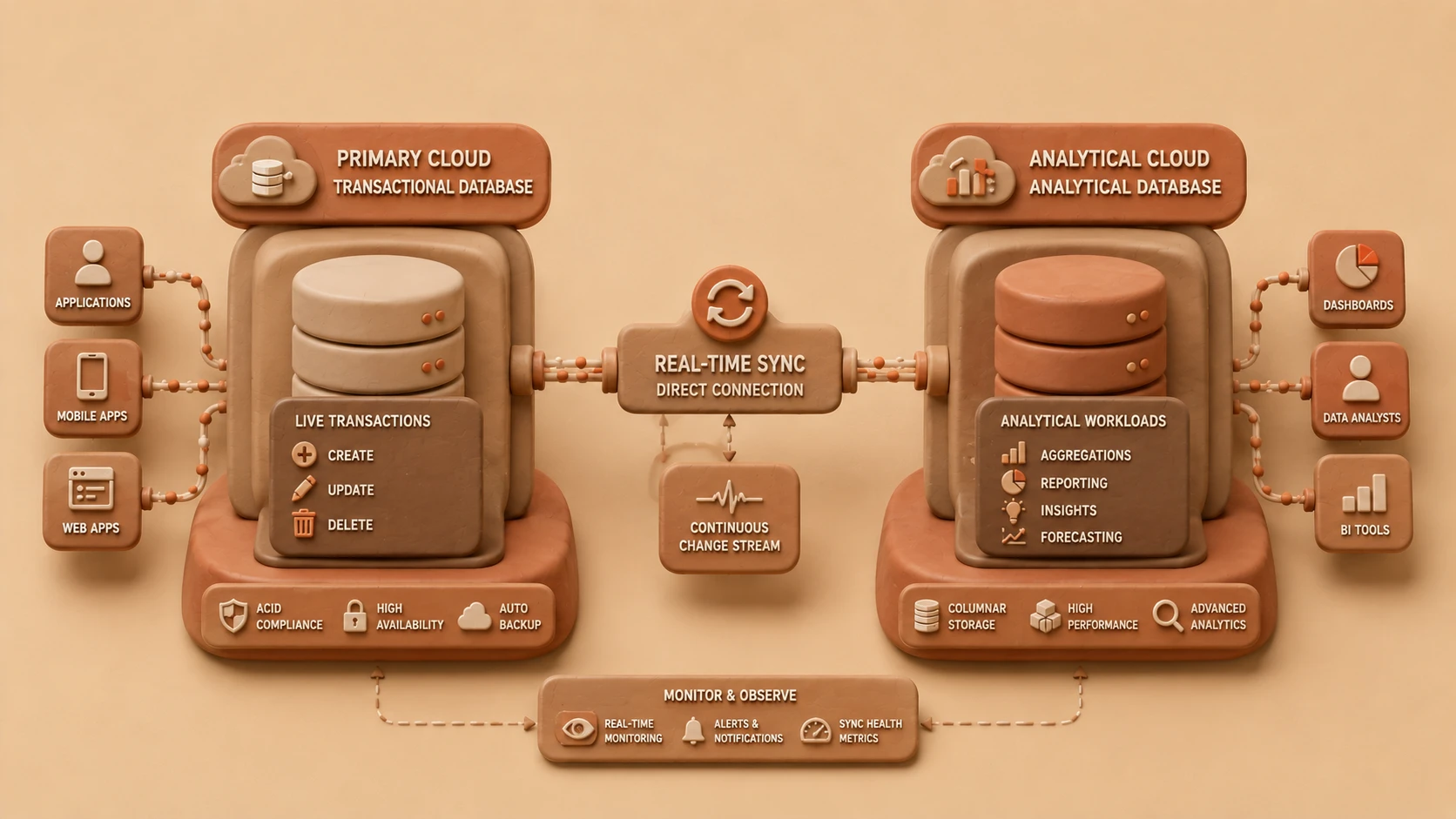
Hybrid Cloud APIs and Zero-ETL Pipelines: Building Real-Time Enterprise Data Architectures
By 2023, enterprises are increasingly replacing traditional batch-oriented ETL architectures with API-driven integration and Zero-ETL data pipelines. Hybrid cloud platforms, event streaming, managed databases, and cloud-native analytics services enable organizations to synchronize operational and analytical systems with minimal data movement. This article examines Hybrid Cloud APIs and Zero-ETL Pipelines from the perspective of August 2023.
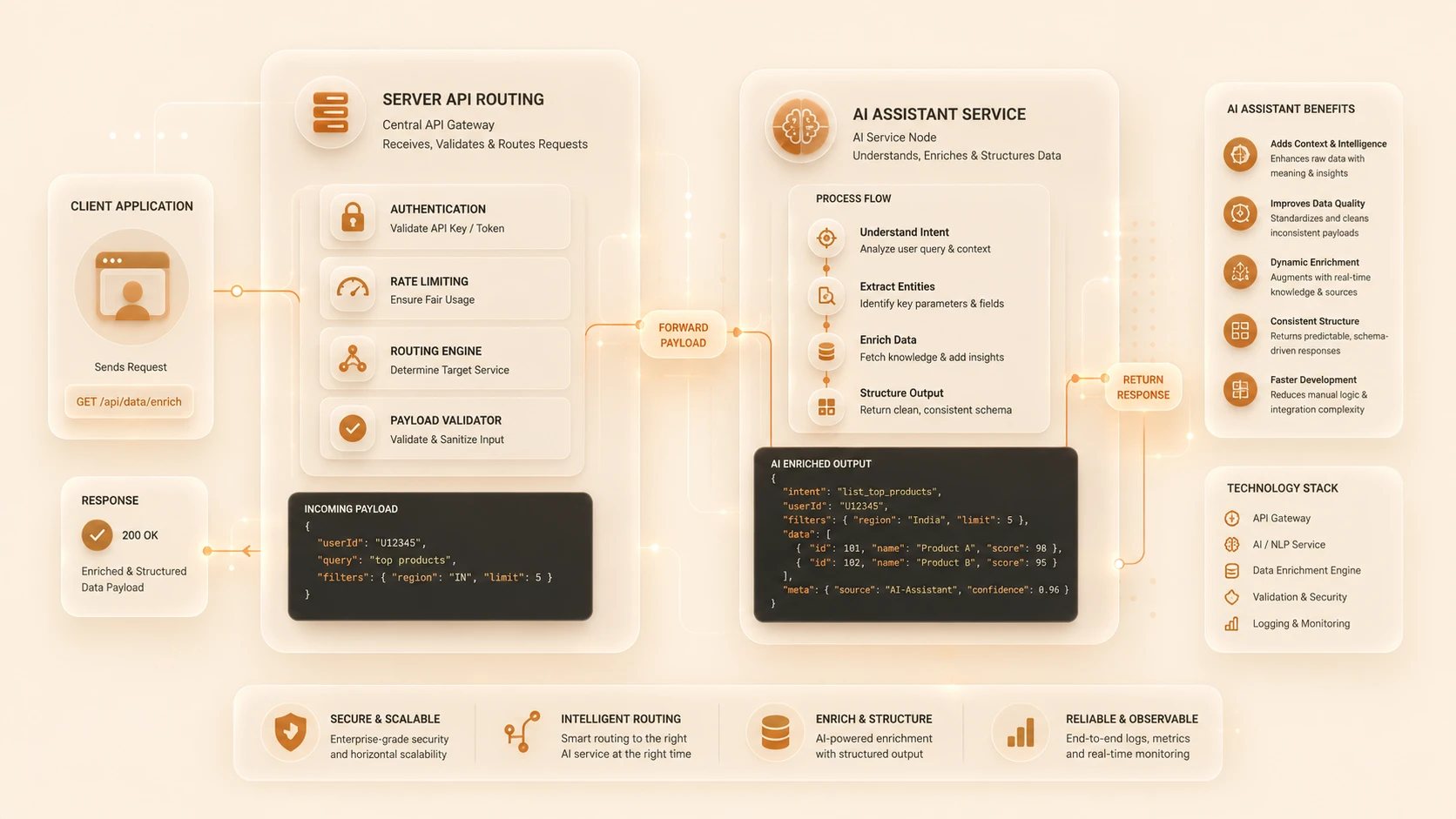
Intelligent APIs with AI Assistants
The emergence of Large Language Models (LLMs) and AI assistants has transformed APIs from simple request-response interfaces into intelligent service layers capable of understanding natural language, reasoning over enterprise data, and orchestrating complex workflows. This article explores the architectural patterns, opportunities, and challenges of building AI-powered APIs from the perspective of June 2023.
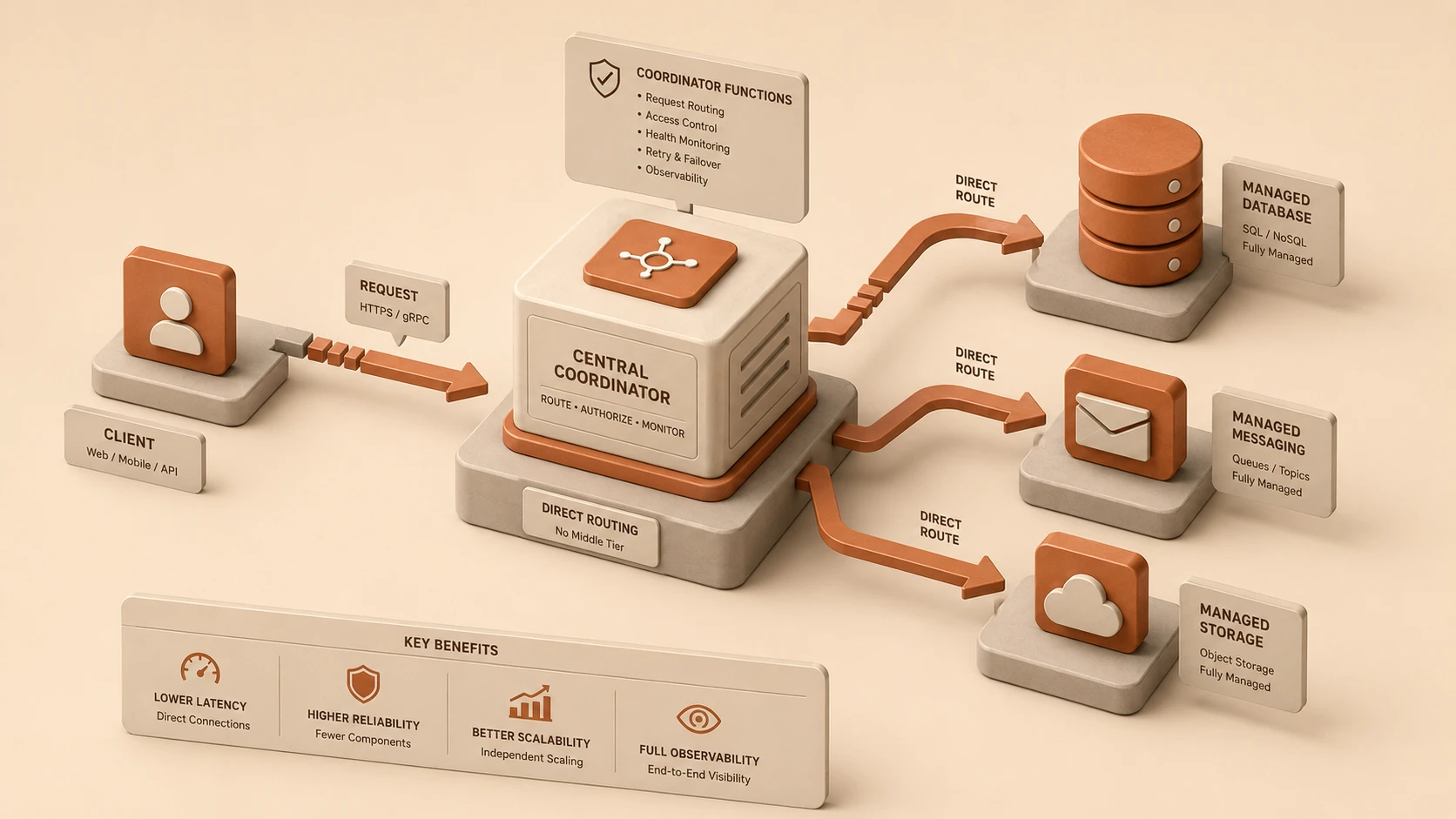
Evolution of Serverless Beyond Functions
Serverless computing has matured far beyond simple Function-as-a-Service (FaaS). By early 2023, cloud providers increasingly offer serverless databases, containers, messaging, workflows, APIs, and event-driven integration services that enable organizations to build complete cloud-native platforms without managing infrastructure. This article examines the evolution of serverless computing from the perspective of March 2023.
Rethinking Legacy Systems with Modernization Patterns
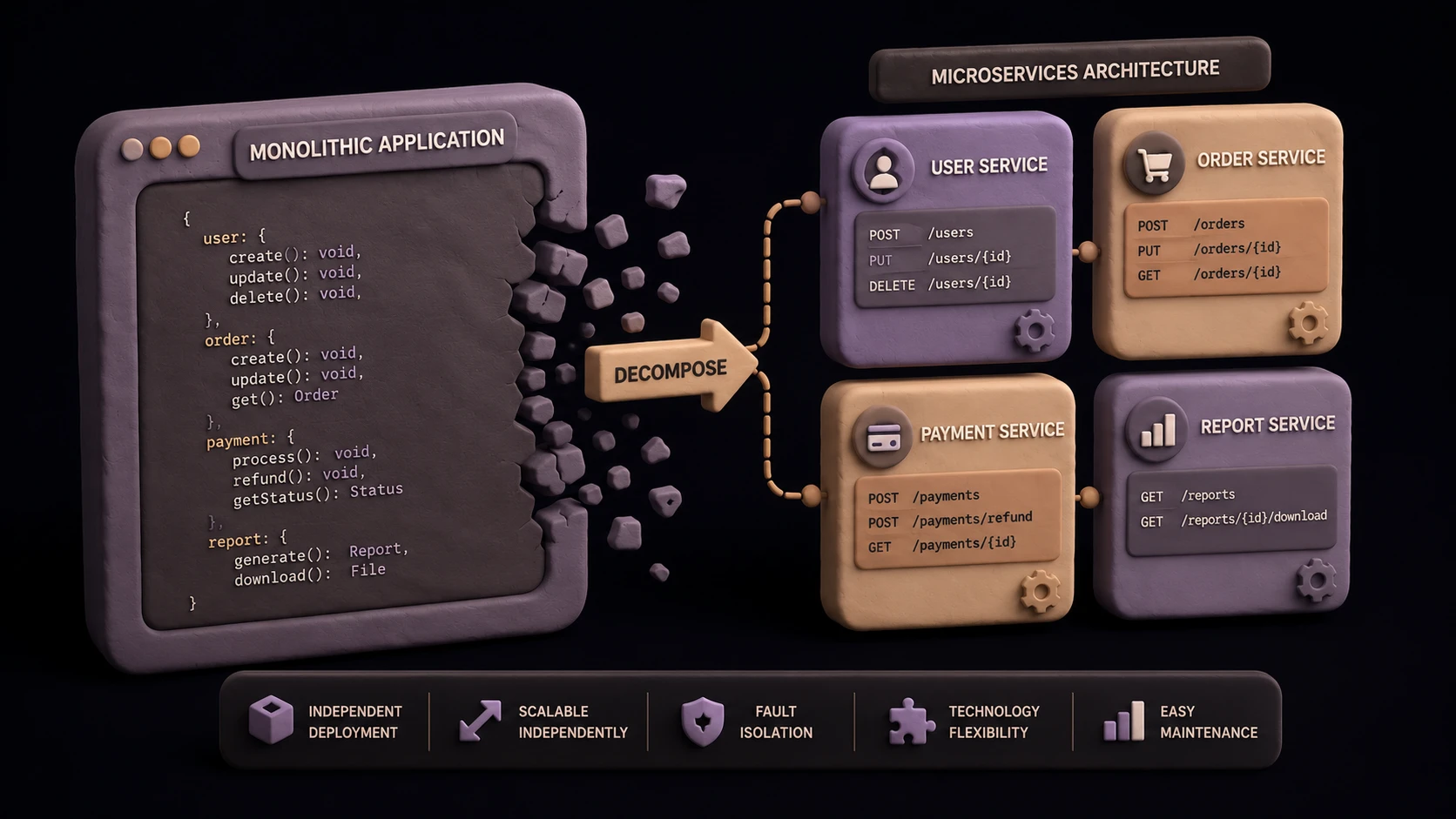
Enterprise organizations continue to depend on decades-old mission-critical systems that remain essential to business operations. As cloud computing, APIs, containers, and modern development practices mature, modernization has become less about complete replacement and more about controlled evolution. This article explores modernization patterns, architectural strategies, migration approaches, and governance considerations from the perspective of January 2023.
Building Your First .NET MAUI App: A Complete Step-by-Step Guide
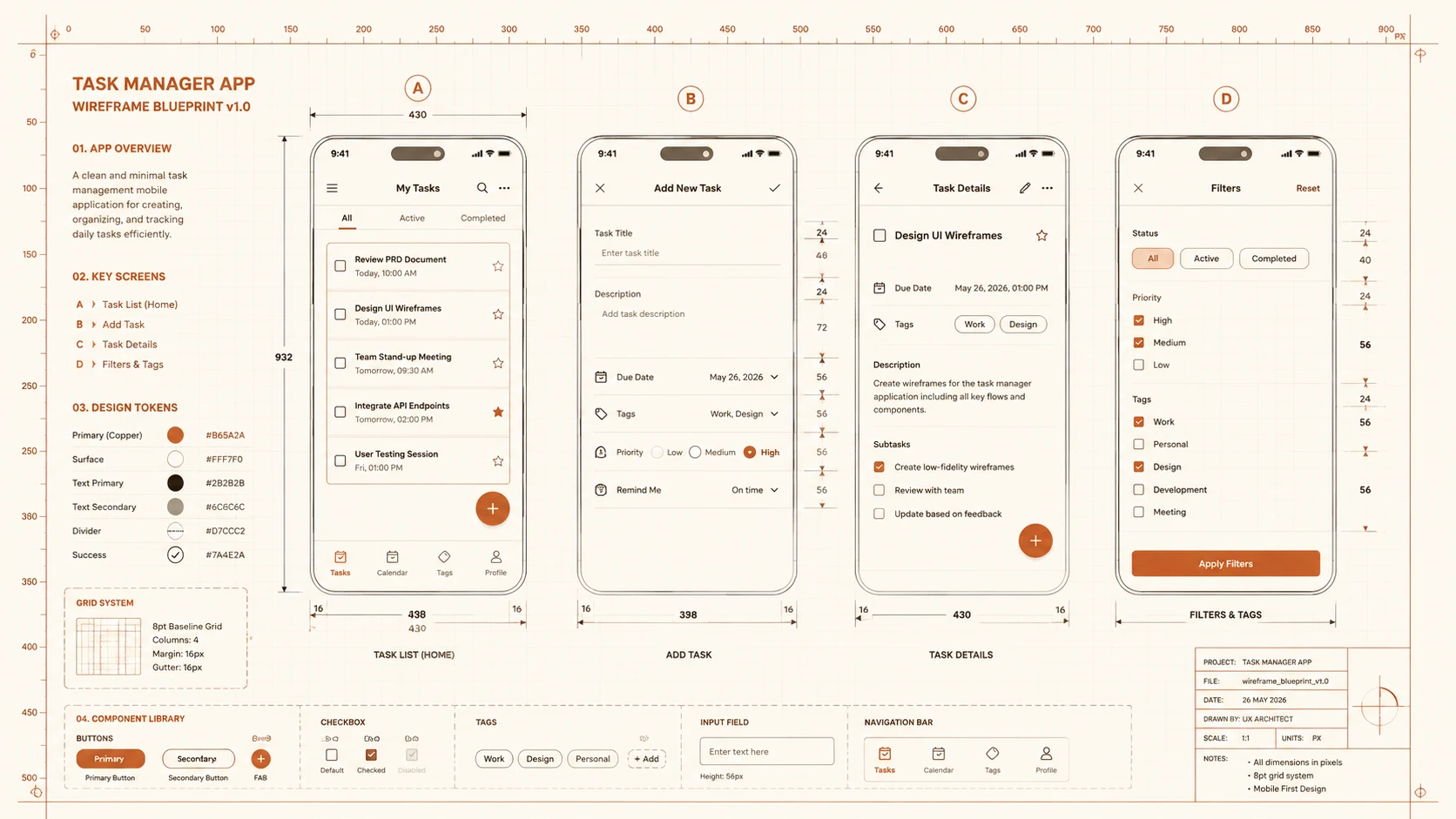
Walk through building a complete cross-platform task manager in .NET MAUI — covering Shell navigation, MVVM with CommunityToolkit, local SQLite storage, API calls, swipe-to-delete, pull-to-refresh, and platform-specific customisation from a single C# codebase.
Low-Code & Pro-Code Fusion: Building Enterprise Applications Through Collaborative Development
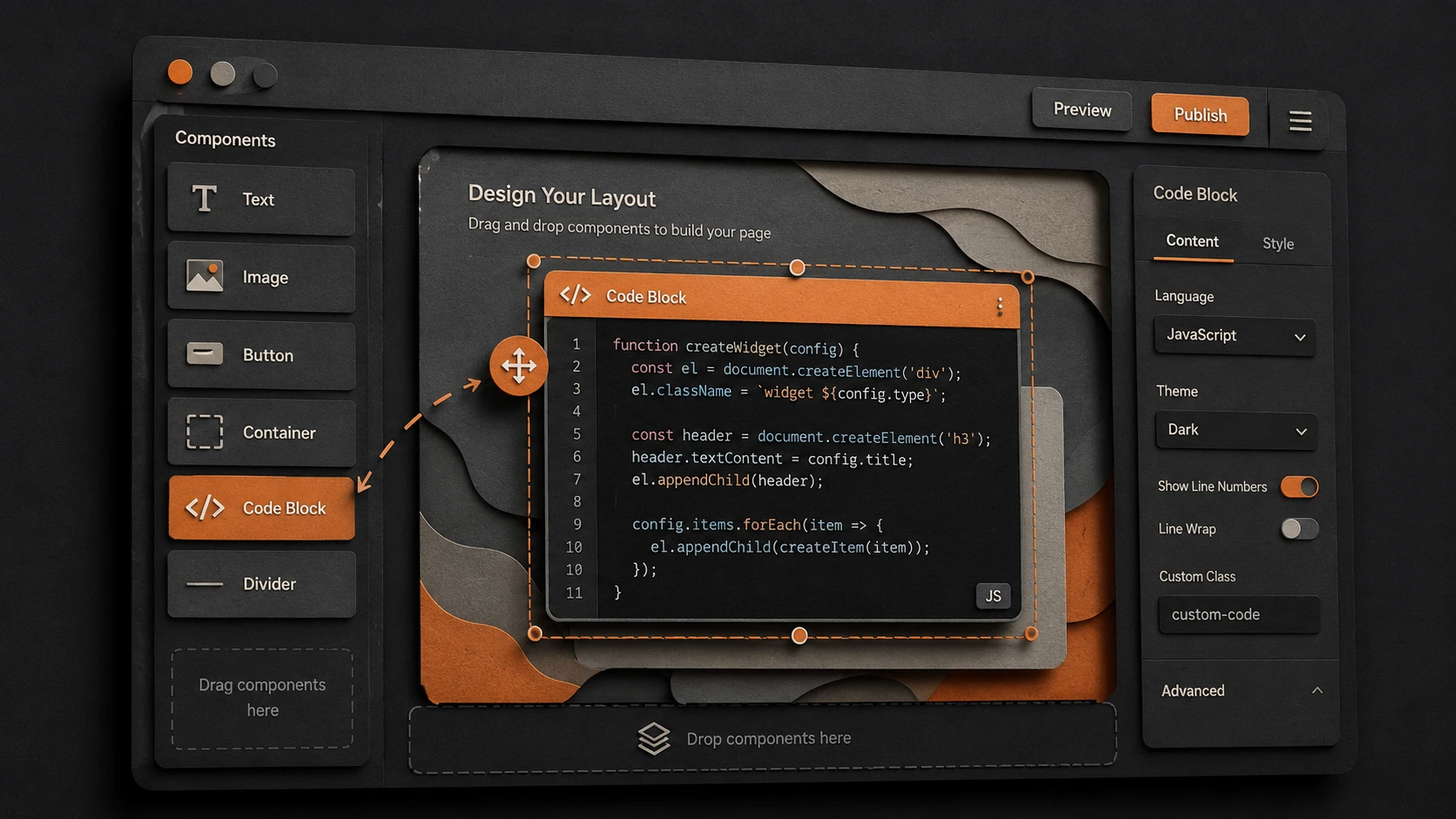
By 2022, low-code platforms have evolved beyond simple workflow builders into enterprise application platforms that increasingly integrate with professional development practices. Rather than replacing software engineers, modern low-code platforms are enabling collaboration between citizen developers and professional developers. This article examines the emerging Low-Code and Pro-Code fusion model from the perspective of March 2022.
Kubernetes 1.20: Deprecating Dockershim and Transitioning to CRI-Compliant Runtimes
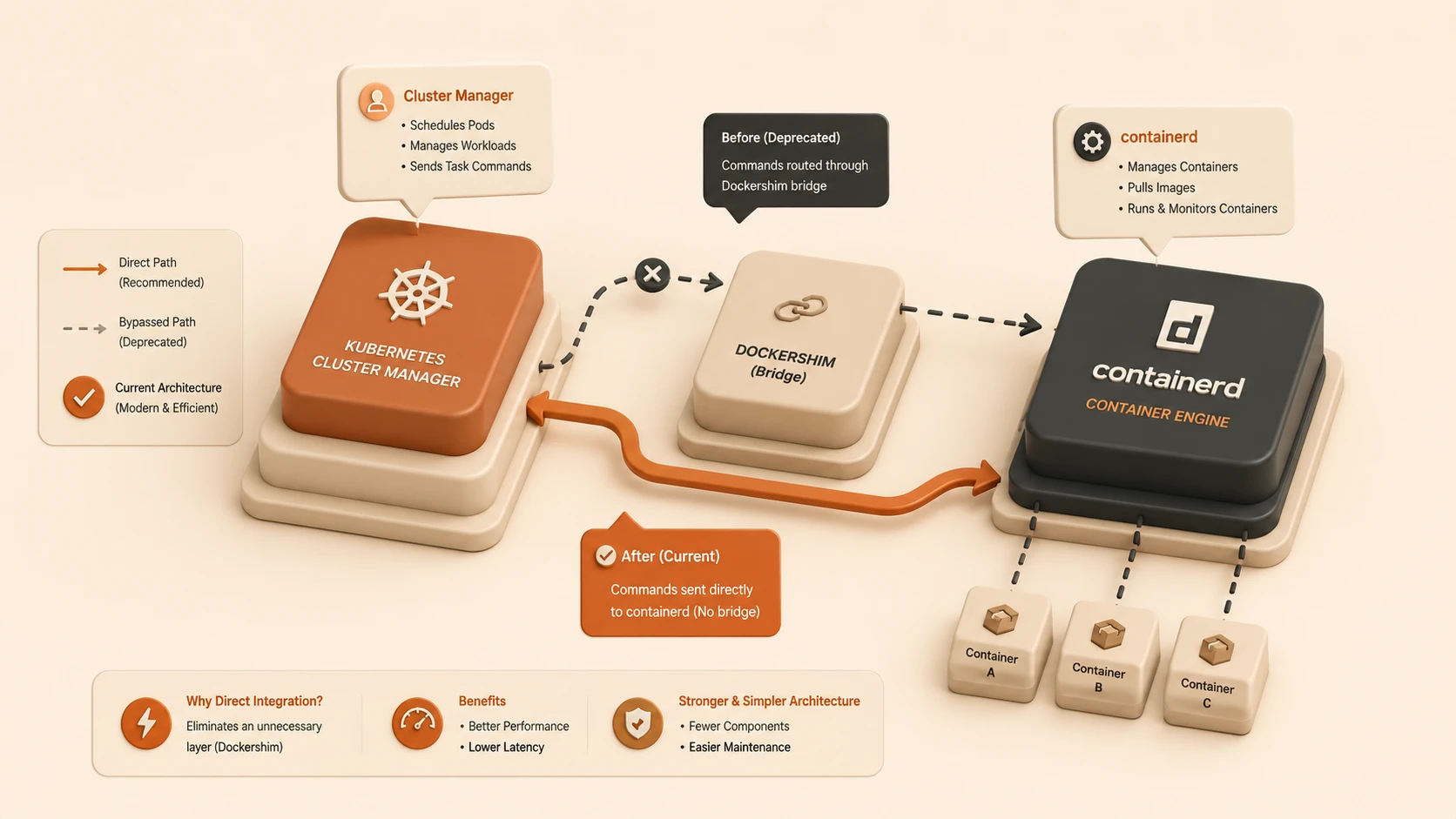
Kubernetes 1.20 announces the deprecation of Dockershim, signaling a major architectural shift toward standardized Container Runtime Interface (CRI) implementations such as containerd and CRI-O. Combined with numerous API stabilizations and platform improvements, this release prepares enterprises for a more modular, maintainable, and runtime-agnostic Kubernetes ecosystem. This article examines Kubernetes 1.20 from the perspective of December 2020.
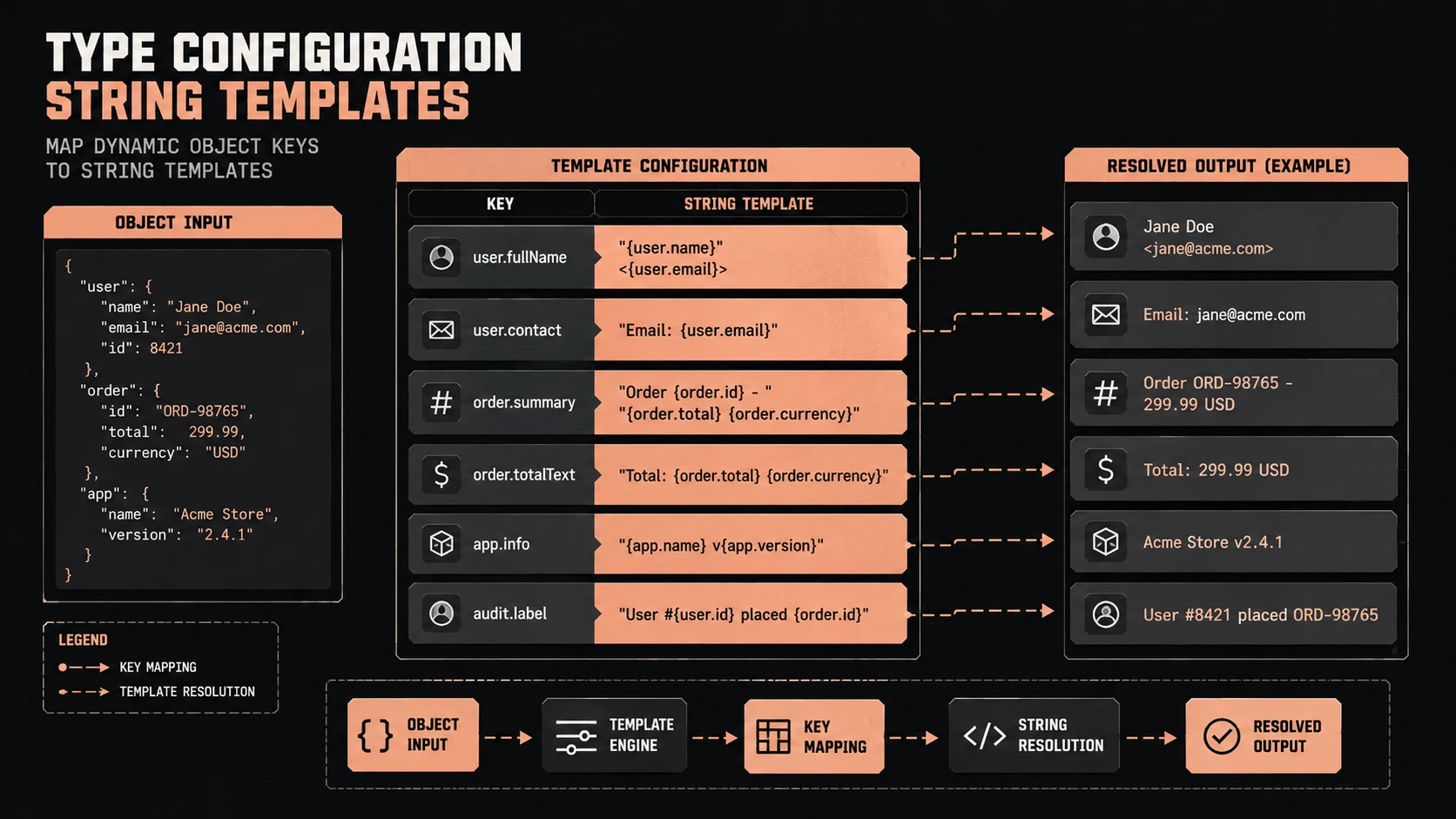
TypeScript 4.1: Template Literal Types, Key Remapping, and Strict Compiler Checking
TypeScript 4.1 introduces some of the most significant type system enhancements since the language's inception, including Template Literal Types, Key Remapping in Mapped Types, Recursive Conditional Types, and improved compiler checking. This release enables developers to model increasingly sophisticated APIs while maintaining compile-time safety. This article examines these capabilities from the perspective of December 2020 and their impact on enterprise software architecture.
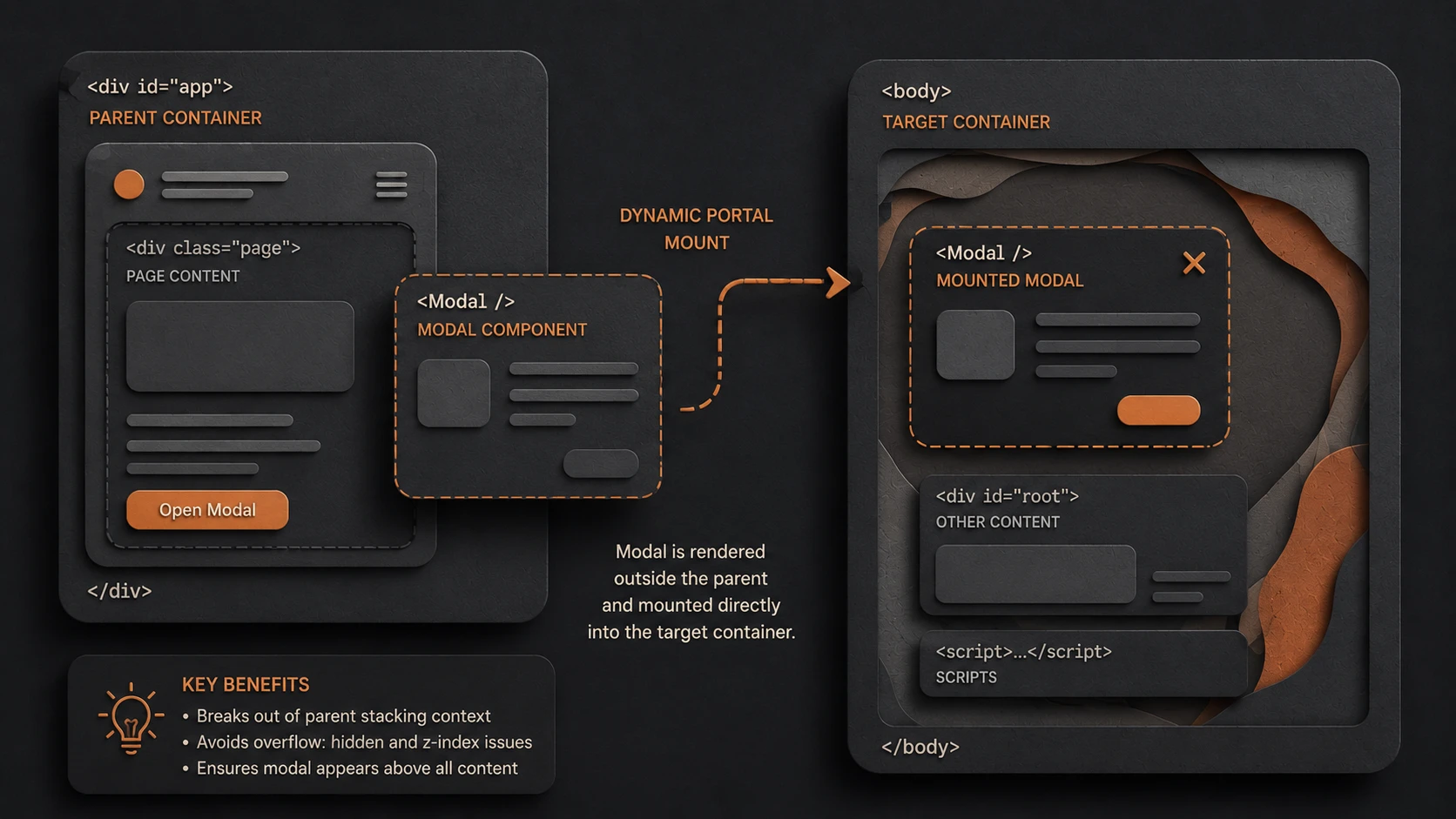
Vue.js 3.0 Release: Composition API, Teleport, and TypeScript Re-architecture
Vue.js 3.0 marks the most significant evolution of the Vue framework since its initial release. Built around a rewritten TypeScript-powered core, the release introduces the Composition API, Teleport, Fragments, improved reactivity, and numerous runtime optimizations designed to improve scalability, maintainability, and enterprise application development. This article examines Vue.js 3.0 from the perspective of September 2020.
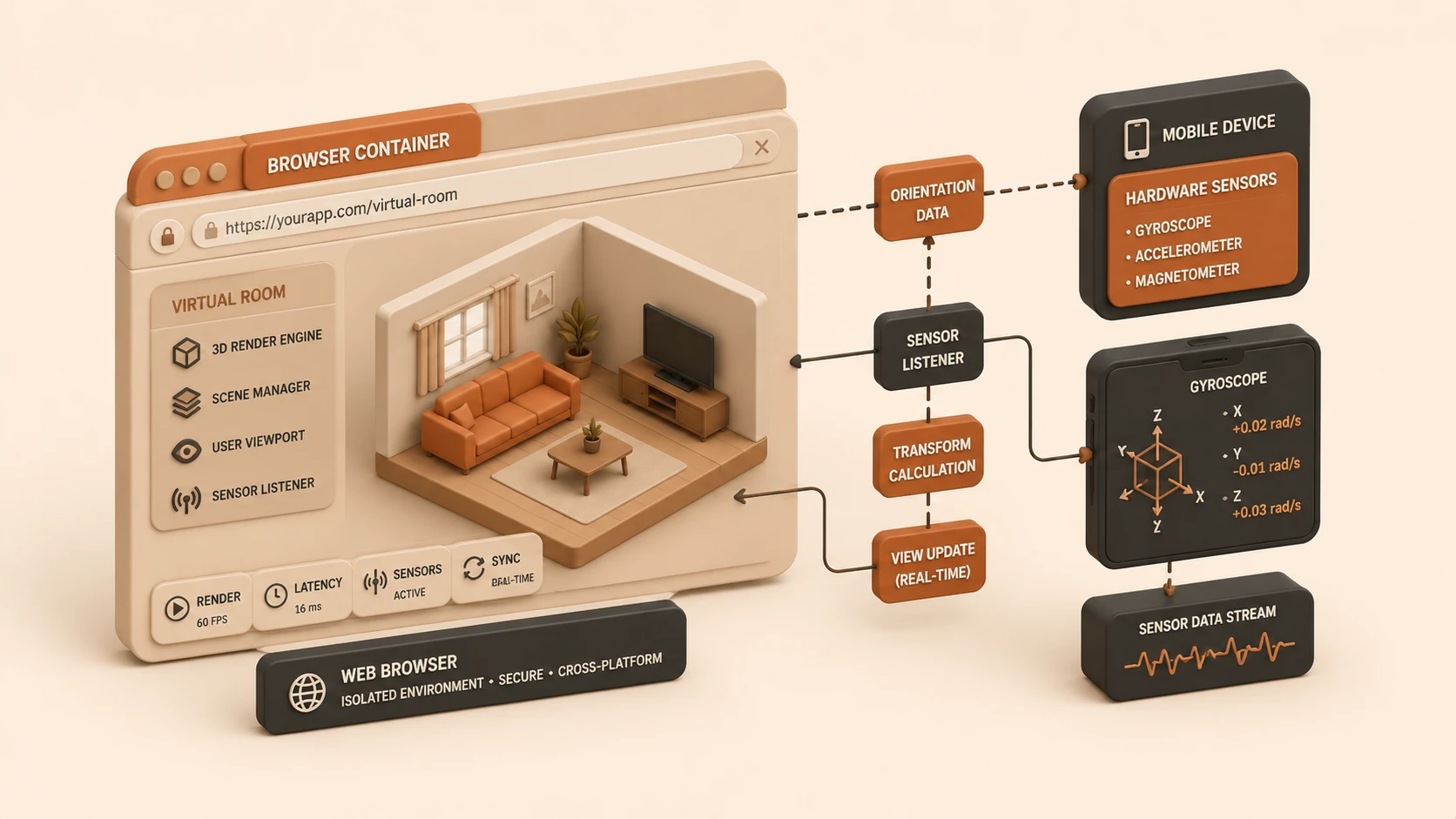
Spatial Web and the Metaverse Stack: Interfacing WebXR with Device Sensors
As WebXR matures across modern browsers, developers are beginning to explore immersive web experiences that combine virtual reality, augmented reality, and real-world device sensors. This article examines the emerging Spatial Web architecture as of July 2020, explaining WebXR fundamentals, device sensor integration, enterprise opportunities, performance considerations, and practical adoption strategies without assuming future industry outcomes.
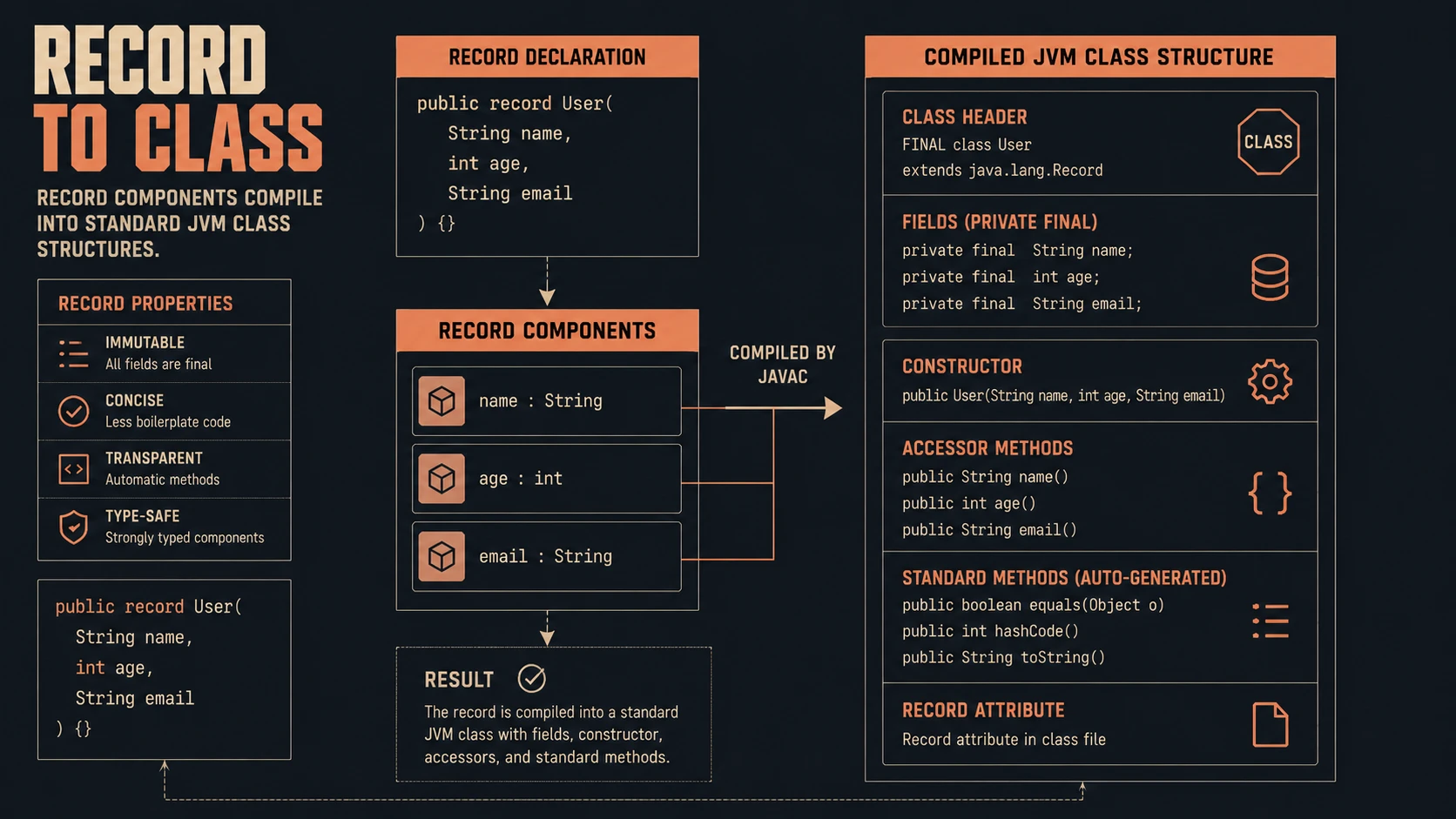
Java 14: Record Classes, Pattern Matching, and Helpful NullPointerExceptions
Java 14 continues the OpenJDK rapid release cadence by introducing Record Classes and Pattern Matching for instanceof as preview features, enabling Helpful NullPointerExceptions by default, and delivering numerous JVM and language refinements. This article examines these capabilities from the perspective of March 2020, focusing on enterprise software architecture, maintainability, developer productivity, and migration planning.
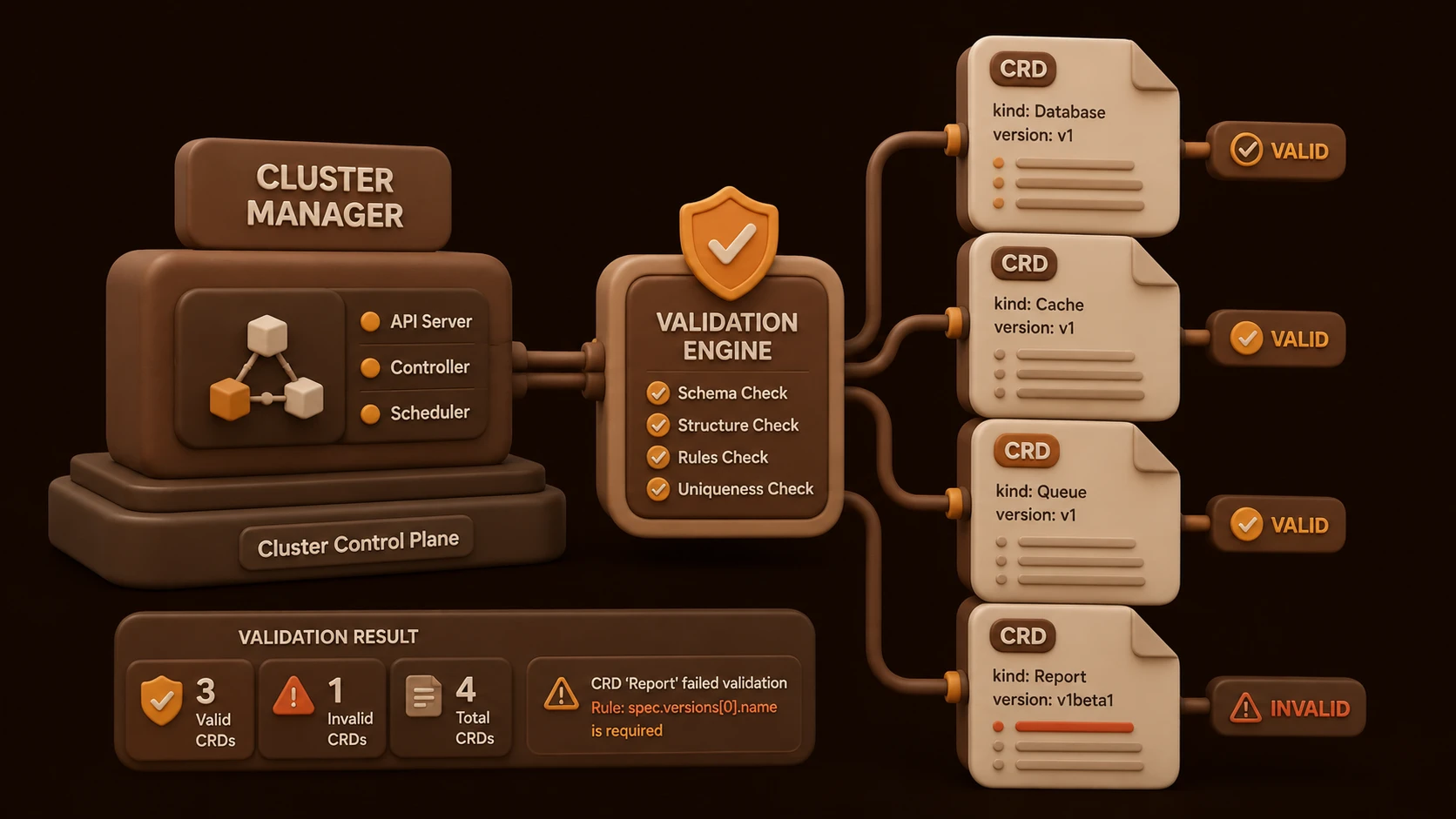
Kubernetes 1.15: Custom Resource Definition Validation and API Schemas
Kubernetes 1.15 significantly improves the maturity of Custom Resource Definitions (CRDs) by introducing stronger schema validation based on OpenAPI v3, enabling more reliable API extensions and reducing configuration errors. These enhancements simplify the development of Kubernetes Operators and custom platforms while improving API consistency across enterprise clusters. This article examines Kubernetes 1.15 from the perspective of August 2019.
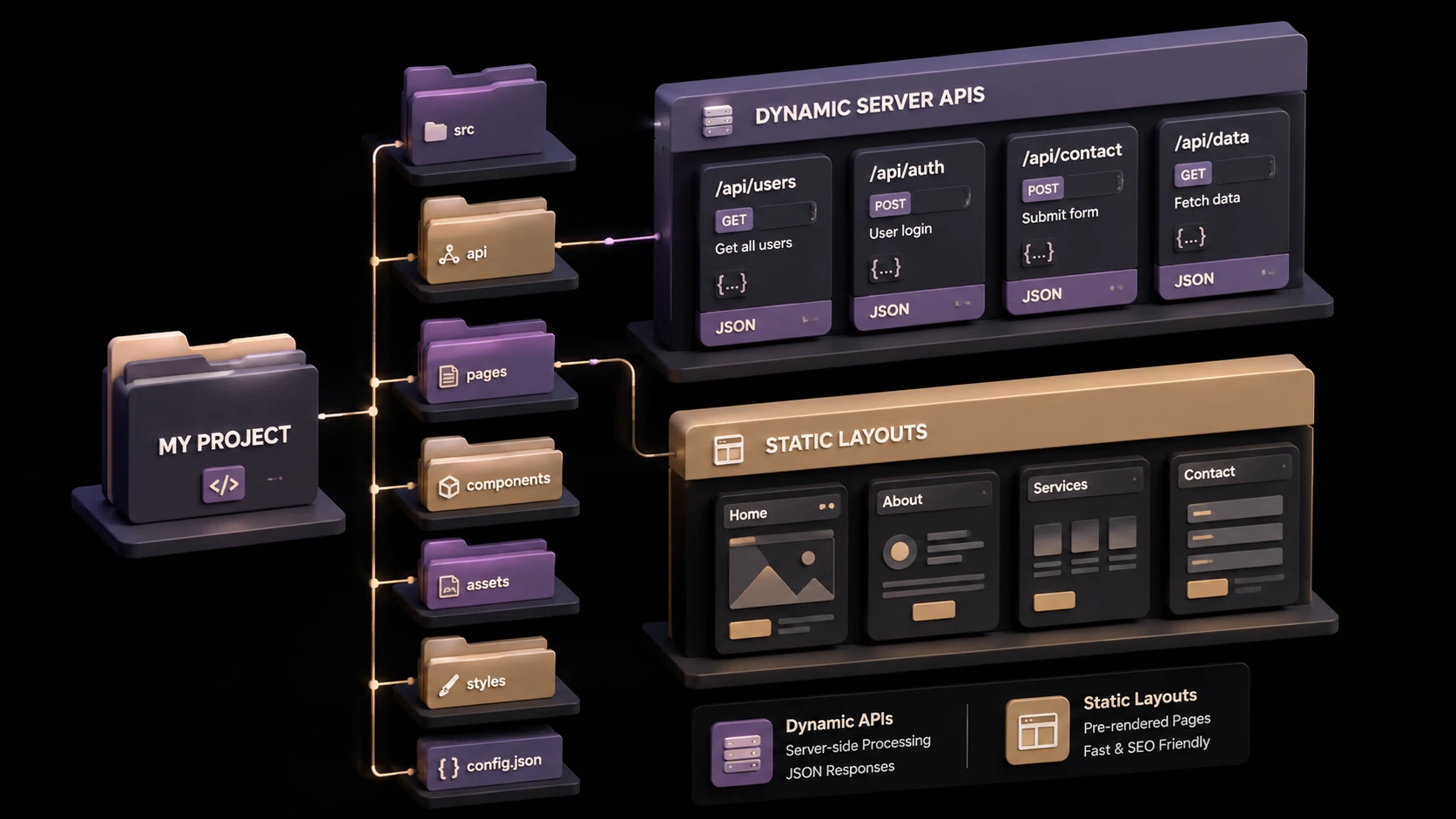
Next.js 9.0: Native API Routes, Automatic Static Optimization, and TypeScript Integration
Next.js 9 marks one of the framework's most significant releases by introducing Native API Routes, Automatic Static Optimization, built-in TypeScript support, and improved production performance. These additions reduce infrastructure complexity while enabling developers to build full-stack React applications using a unified framework. This article examines Next.js 9.0 from the perspective of July 2019.
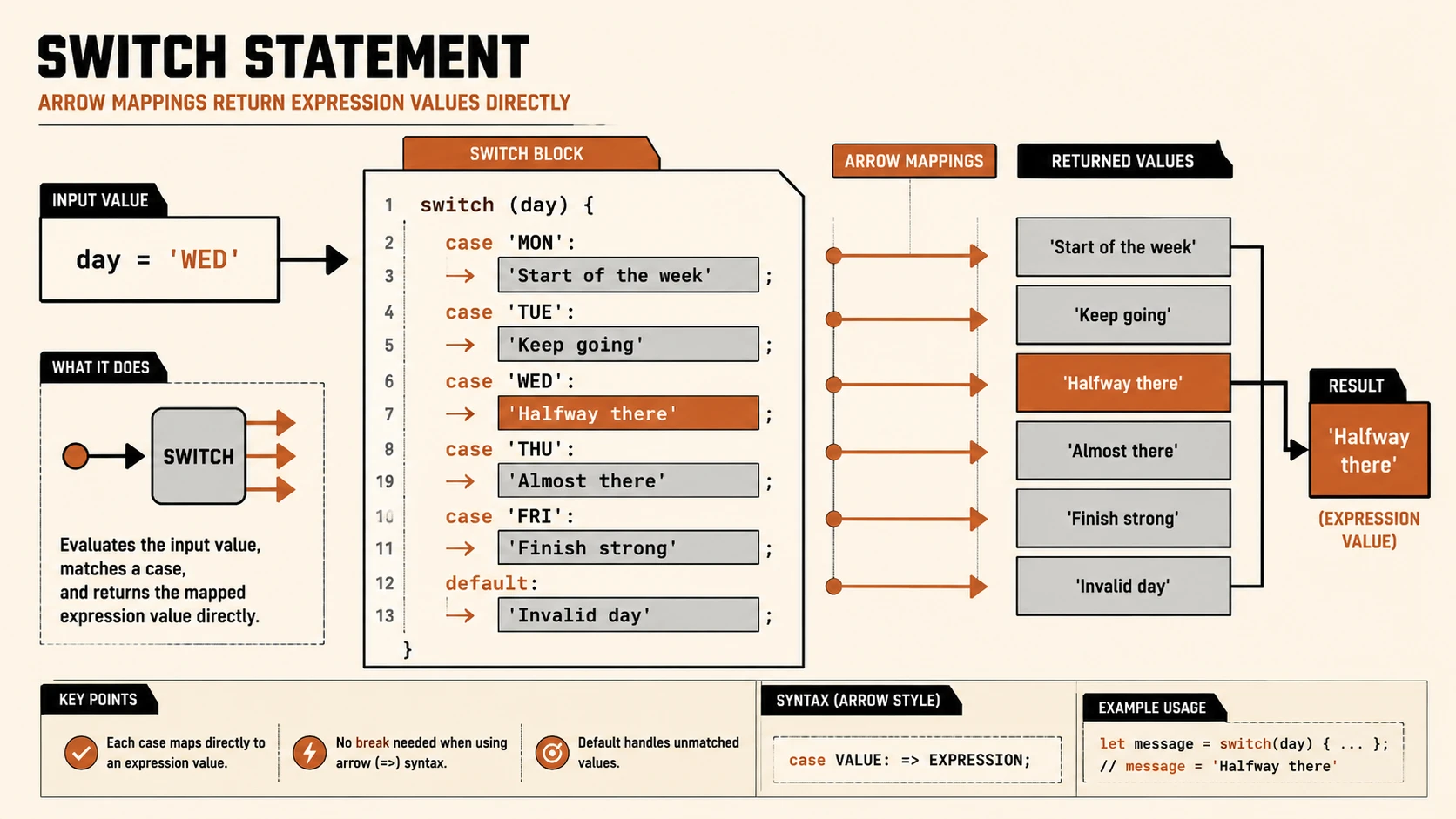
Java 12: Standardizing Switch Expressions and Compact Number Formatting
Java 12 continues the rapid release cadence by introducing preview support for Switch Expressions, Compact Number Formatting through the NumberFormat API, Shenandoah Garbage Collector as an experimental feature, and numerous JVM refinements. This article examines these capabilities from the perspective of March 2019, focusing on enterprise Java development, language evolution, and migration planning.