Introduction
Over the past several Kubernetes releases, Custom Resource Definitions (CRDs) have evolved from a convenient mechanism for extending the Kubernetes API into one of the platform's most important extensibility features. Organizations are increasingly using CRDs to model databases, messaging systems, monitoring platforms, networking components, security policies, and numerous domain-specific services directly inside Kubernetes.
As adoption grows, maintaining consistency across custom resources becomes increasingly important. Poorly defined APIs, inconsistent validation rules, and incomplete specifications can lead to operational errors that are difficult to detect until workloads reach production.
Kubernetes 1.15 addresses these challenges by significantly improving CRD validation capabilities. Enhanced OpenAPI schema support enables administrators to define stricter validation rules while allowing Kubernetes to reject invalid resource definitions before they reach controllers. These improvements strengthen Kubernetes as an extensible platform for building reliable enterprise infrastructure.
For platform engineering teams, Kubernetes 1.15 represents an important advancement toward treating custom APIs with the same discipline as built-in Kubernetes resources.
Industry Background
Enterprise Kubernetes platforms increasingly manage:
- ◆Microservices
- ◆Stateful databases
- ◆Message queues
- ◆Monitoring systems
- ◆Storage platforms
- ◆Security policies
- ◆Service mesh components
- ◆Internal platform services
Many of these workloads depend upon CRDs to expose application-specific resources through the Kubernetes API.
The Business Problem
Without strong schema validation, enterprise teams frequently encounter:
- ◆Invalid resource definitions
- ◆Configuration inconsistencies
- ◆Runtime reconciliation failures
- ◆Difficult troubleshooting
- ◆Poor API documentation
- ◆Increased operational risk
Validating resource specifications before deployment improves platform reliability and developer productivity.
Understanding Custom Resource Definitions
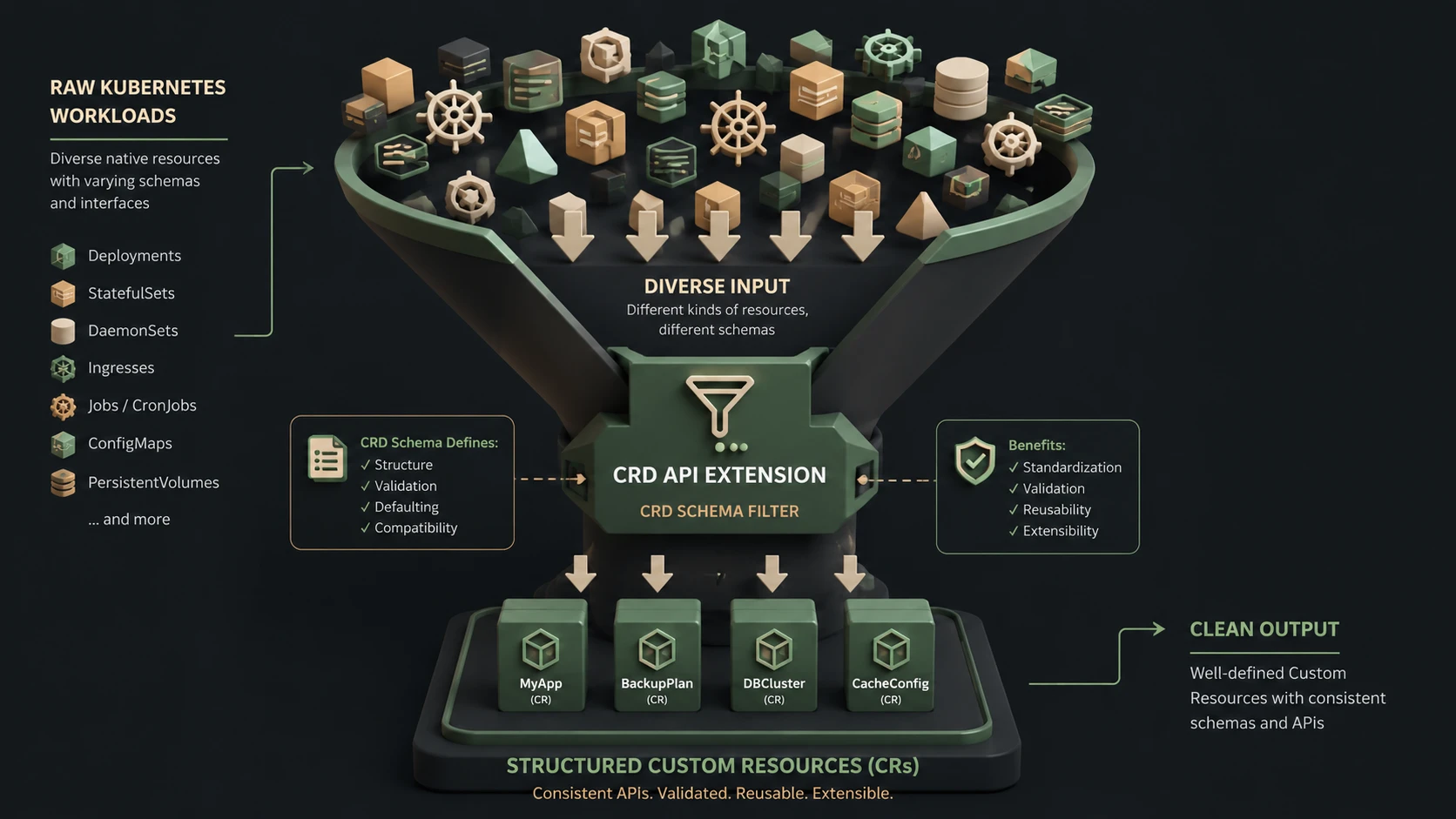
Custom Resource Definitions allow Kubernetes administrators to extend the Kubernetes API without implementing custom API servers.
After registering a CRD, Kubernetes automatically exposes:
- ◆REST API endpoints
- ◆kubectl integration
- ◆Watch operations
- ◆Role-Based Access Control compatibility
- ◆Label and selector support
Controllers observe these custom resources and continuously reconcile the desired state with the actual cluster state.
Core Architecture
| Component | Responsibility |
|---|---|
| API Server | Serves Kubernetes APIs |
| Custom Resource Definition | Defines custom resource types |
| OpenAPI Validation Schema | Validates resource specifications |
| etcd | Stores cluster state |
| Custom Controller | Reconciles desired state |
| kubectl | Resource management |
Together these components create a declarative platform for extending Kubernetes.
How CRD Validation Works
A typical workflow includes:
- 1.Administrators define a Custom Resource Definition.
- 2.An OpenAPI validation schema is included within the CRD.
- 3.Kubernetes registers the new API resource.
- 4.Users submit custom resource manifests.
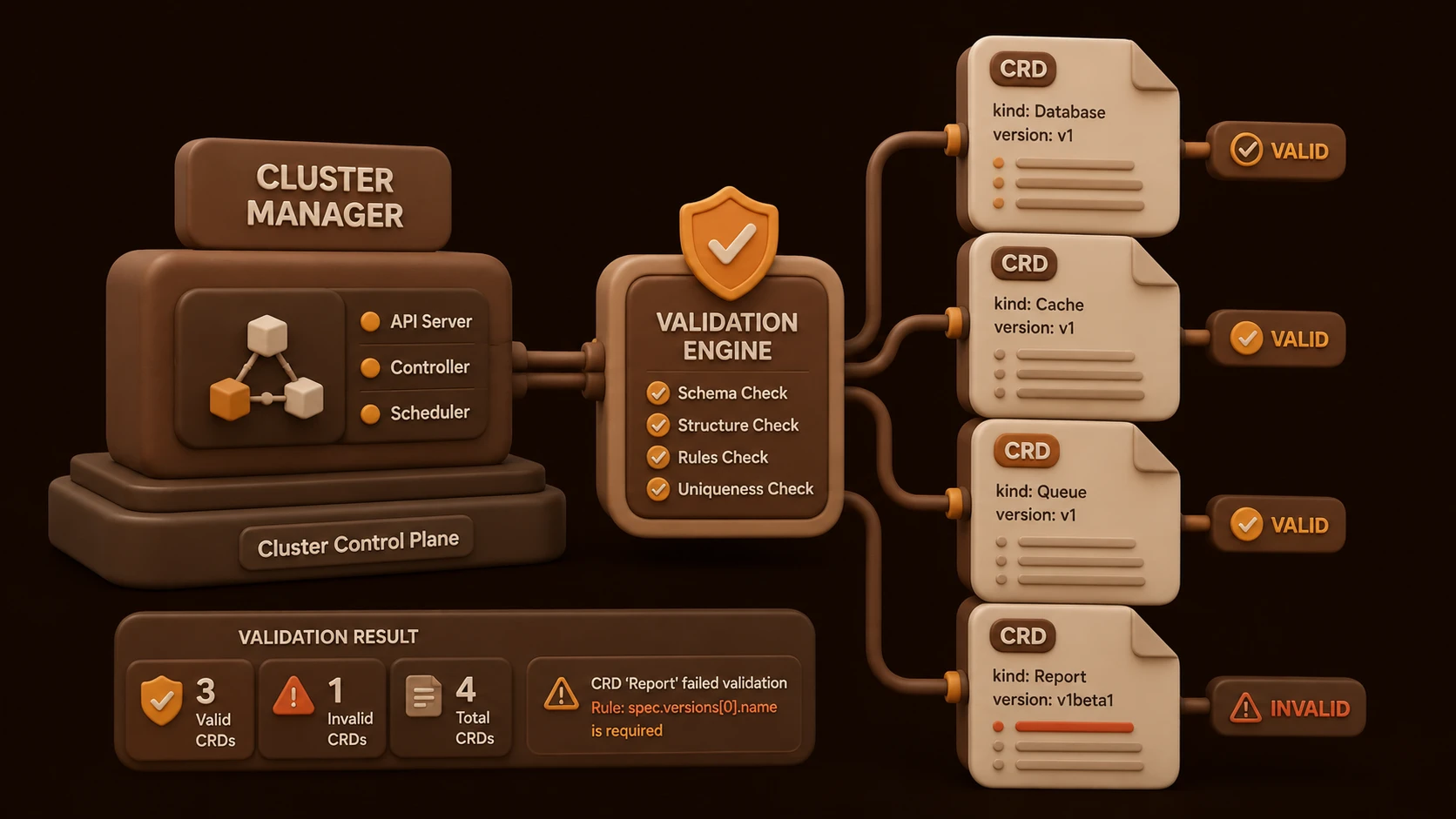
- 5.The API Server validates resource fields.
- 6.Invalid objects are rejected.
- 7.Controllers process only valid resources.
This validation occurs before controllers begin reconciliation.
OpenAPI Validation Schemas
# CustomResourceDefinition with OpenAPI validation schemas in Kubernetes 1.15
apiVersion: apiextensions.k8s.io/v1beta1
kind: CustomResourceDefinition
metadata:
  name: databases.shivamitcs.com
spec:
  validation:
    openAPIV3Schema:
      type: object
      properties:
        spec:
          type: object
          required: ["version", "replicas"]
          properties:
            version:
              type: string
            replicas:
              type: integer
              minimum: 1
              maximum: 5
One of the most important improvements in Kubernetes 1.15 is expanded support for OpenAPI-based validation.
Administrators can define schemas describing:
- ◆Required fields
- ◆Field types
- ◆Nested objects
- ◆Arrays
- ◆Enumerated values
- ◆Numeric constraints
Advantages include:
- ◆Earlier error detection
- ◆Consistent resource definitions
- ◆Improved API quality
- ◆Better developer experience
- ◆Reduced controller complexity
Why Schema Validation Matters
Enterprise Kubernetes environments often contain multiple platform teams creating custom resources.
Schema validation provides several important benefits:
Improved Reliability
Invalid configurations are rejected before reaching production workloads.
Better API Consistency
All users interact with predictable resource structures.
Simplified Controller Development
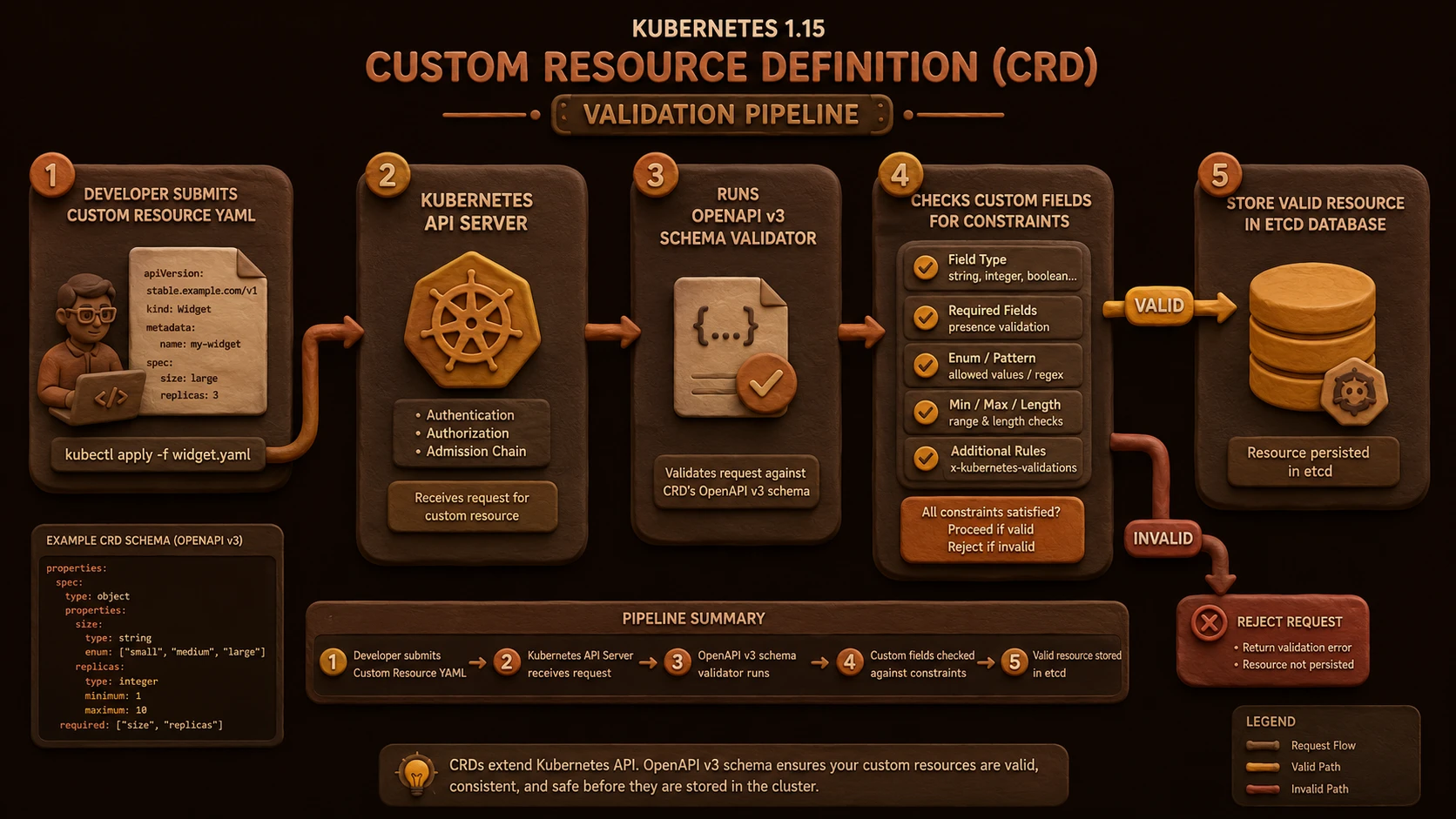
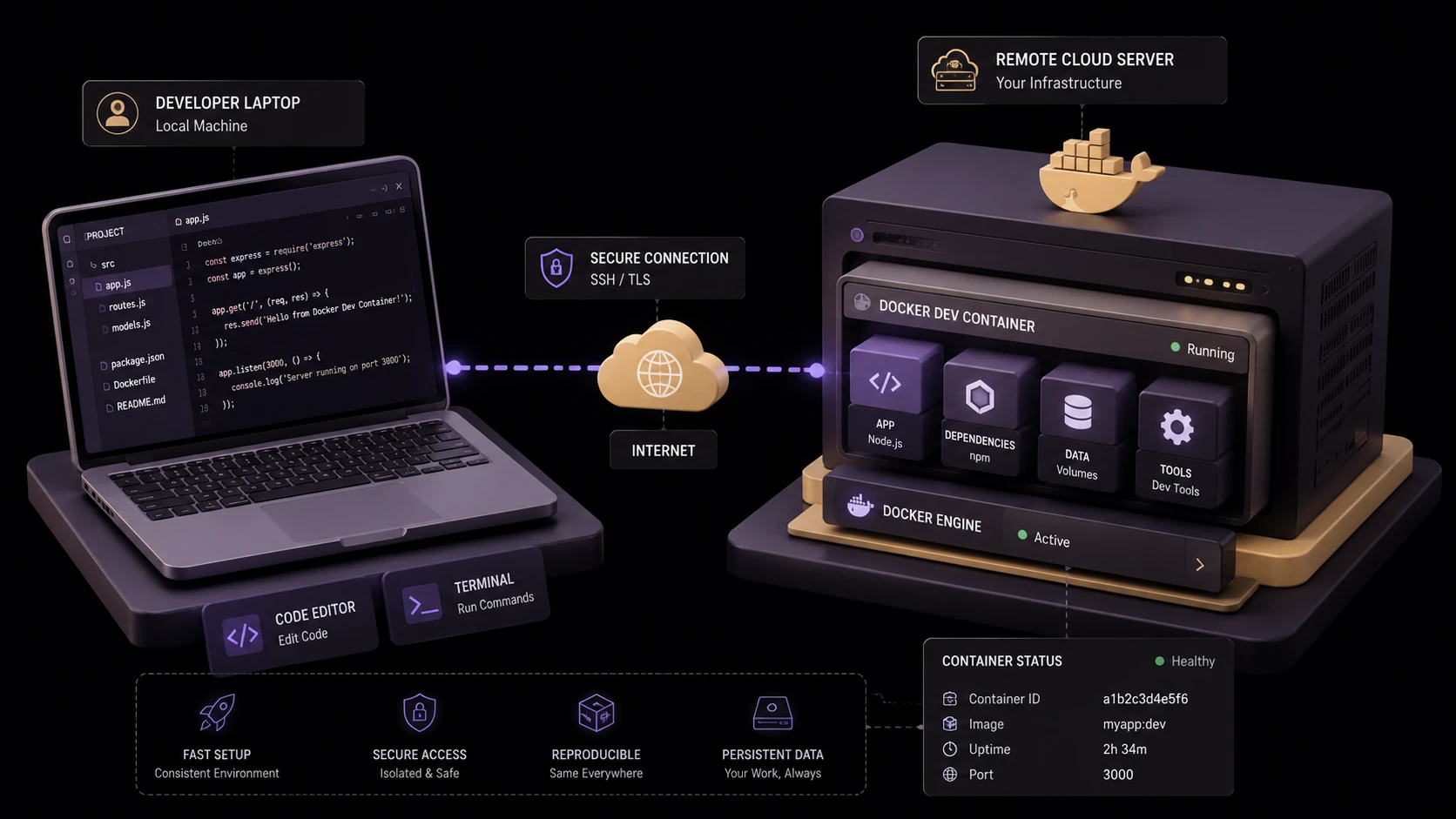
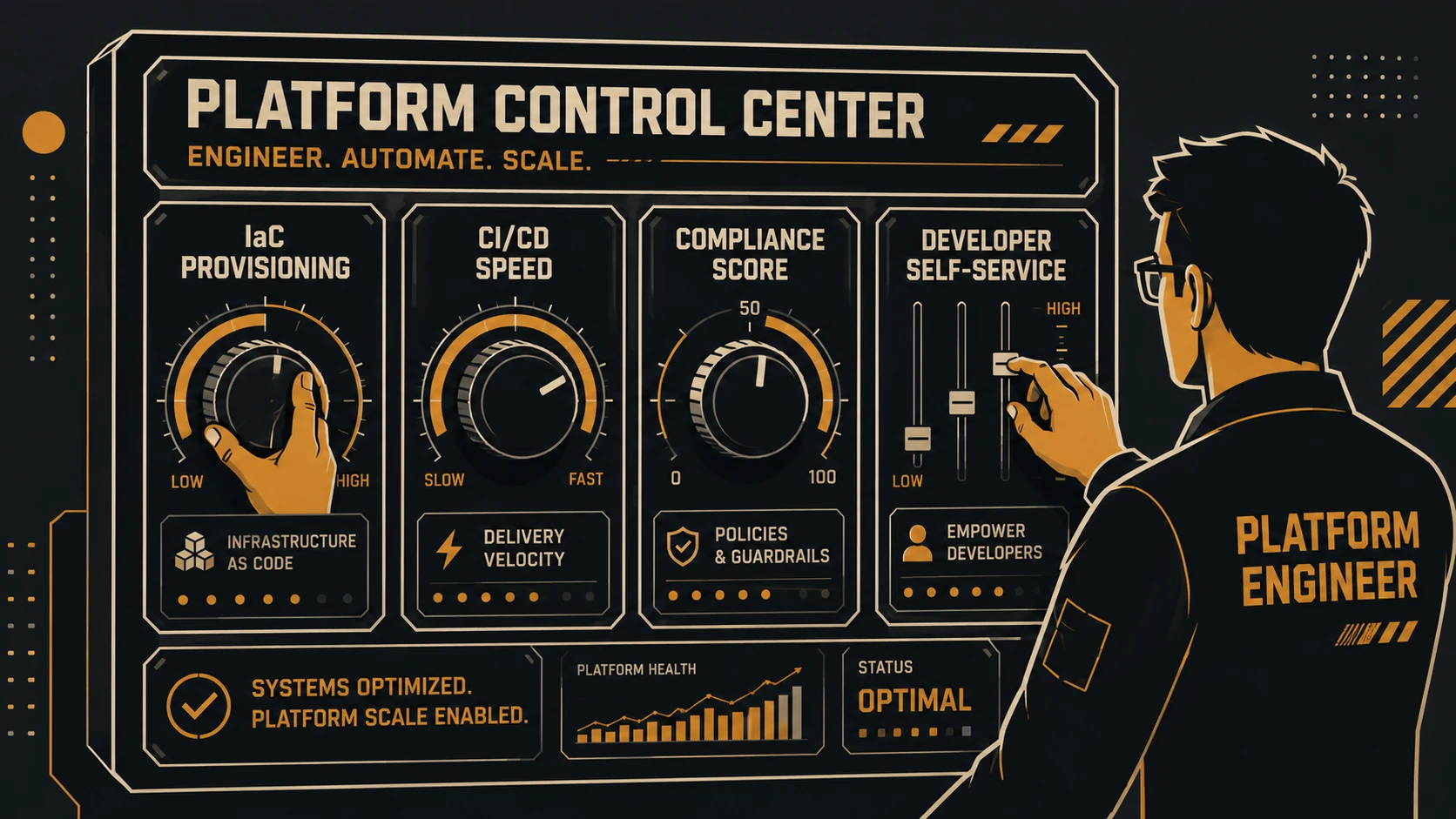
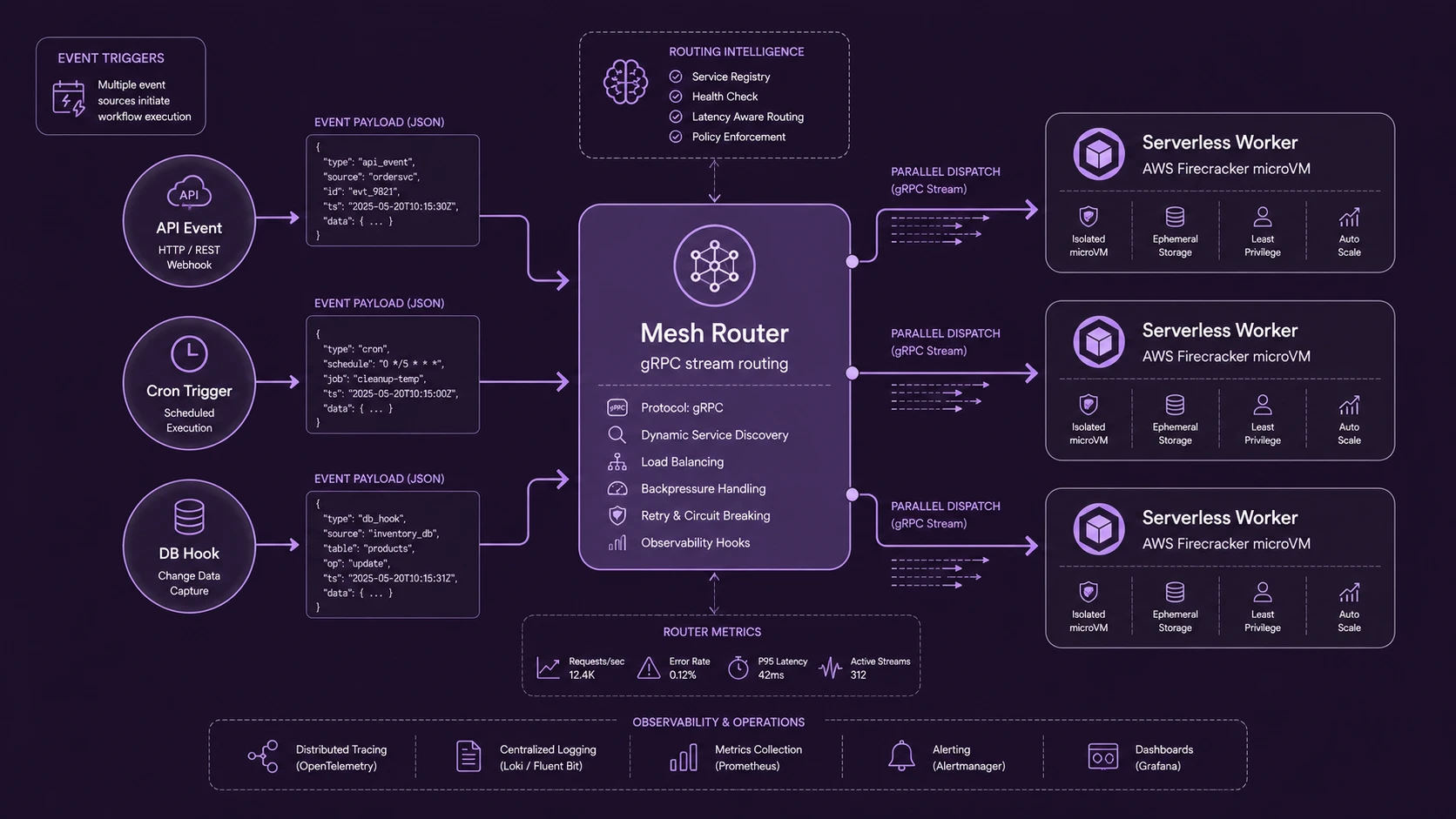
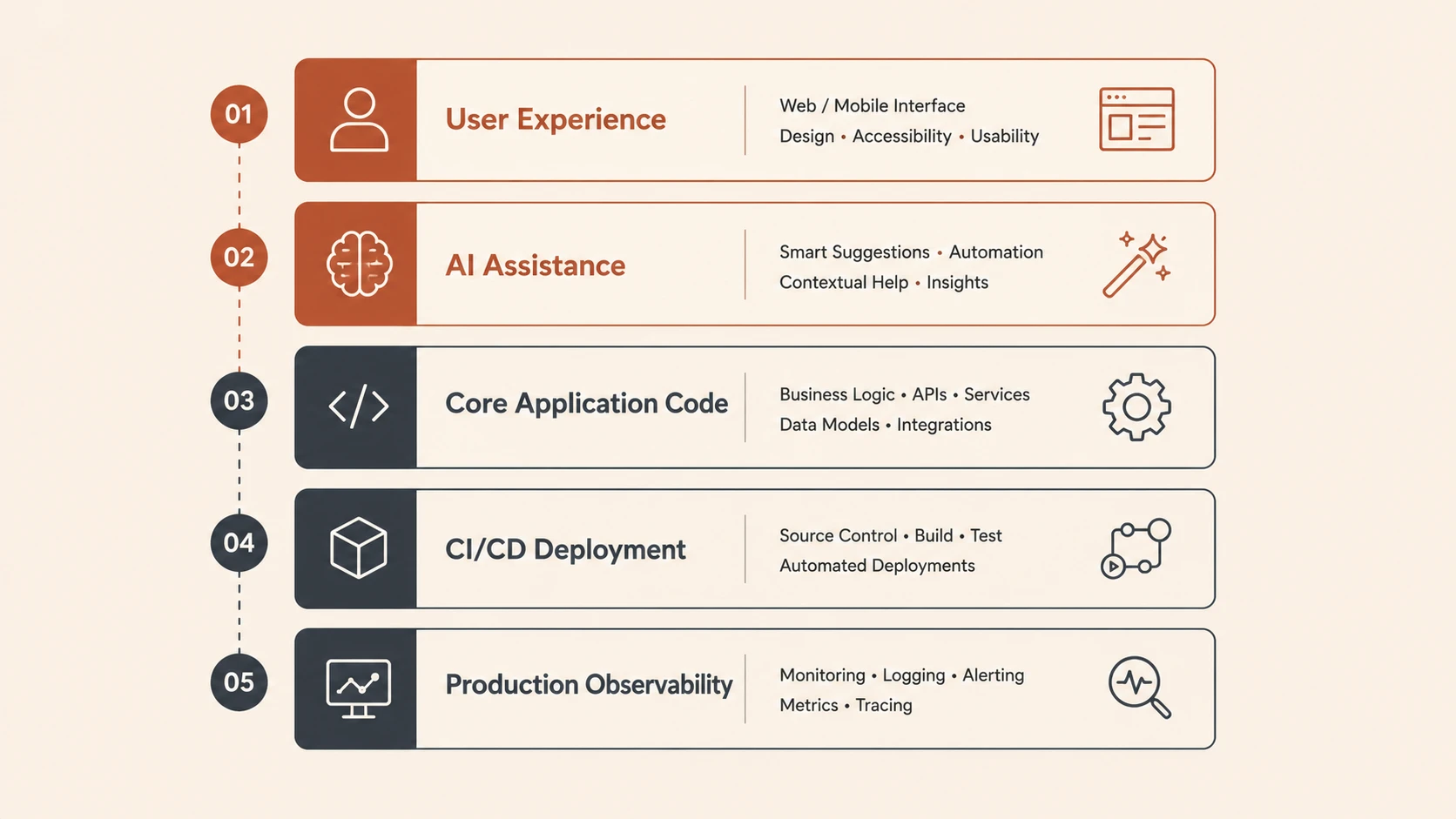
System architecture diagram and conceptual workflow layout for Kubernetes 1.15.
Controllers can assume incoming resources satisfy expected validation rules.
Better Documentation
Schemas clearly describe supported resource fields.
Enterprise Use Cases
Database Operators
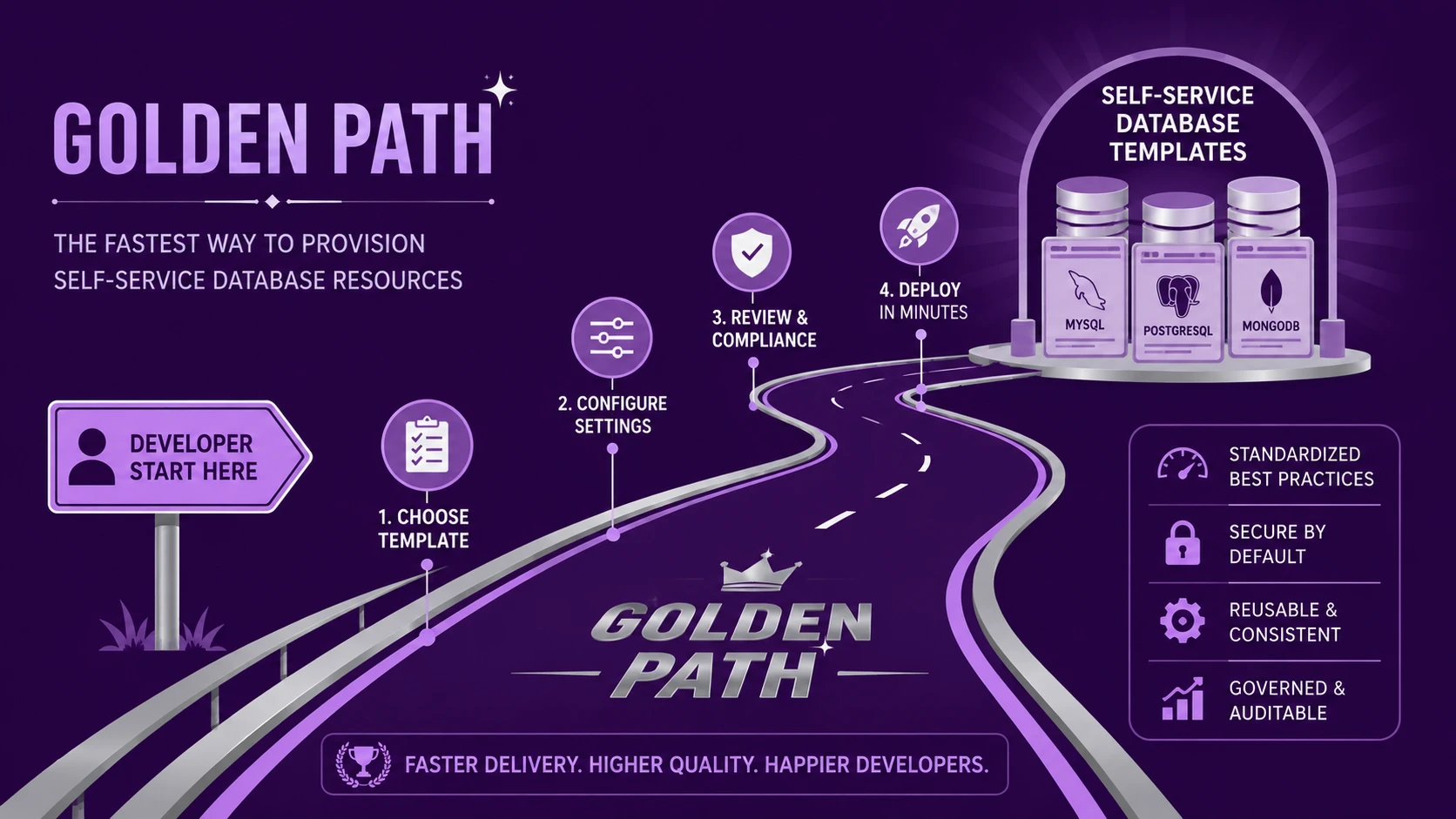
Database configuration can be validated before provisioning begins.
Messaging Platforms
CRDs define messaging clusters with consistent specifications.
Monitoring Infrastructure
Monitoring resources become easier to validate and maintain.
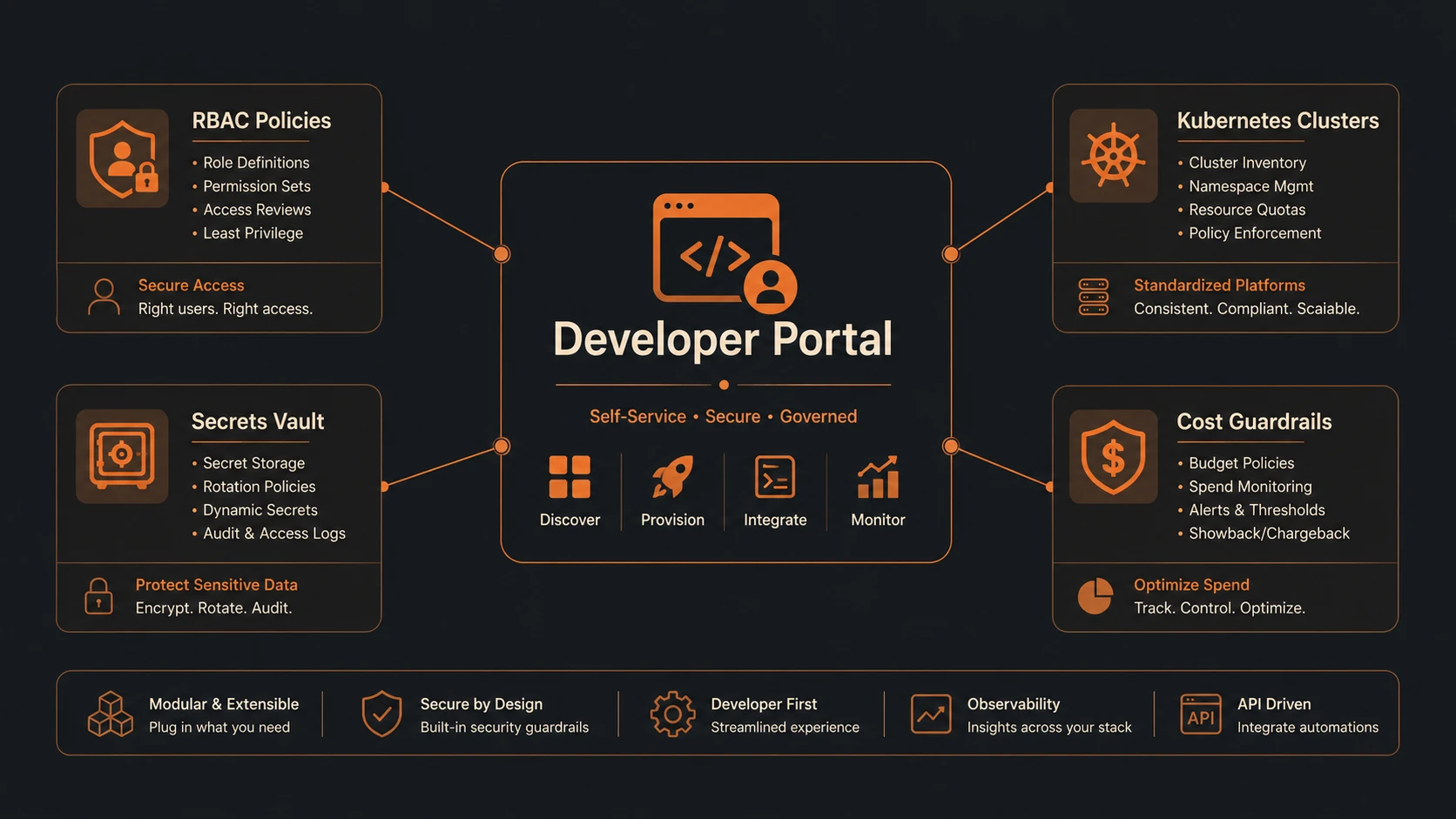
Internal Developer Platforms
Platform engineering teams expose standardized APIs for application deployment.
Security Automation
Security policies benefit from strict schema enforcement before deployment.
Performance Considerations
Validation introduces minimal processing overhead compared with the operational benefits it provides.
Organizations should evaluate:
- ◆API request latency
- ◆Controller reconciliation time
- ◆Schema complexity
- ◆Cluster API throughput
- ◆etcd storage efficiency
Well-designed validation reduces downstream operational failures.
Security Considerations
Schema validation complements existing Kubernetes security features.
Enterprise deployments should continue implementing:
- ◆Role-Based Access Control (RBAC)
- ◆Admission Controllers
- ◆Namespace isolation
- ◆TLS-protected API communication
- ◆Audit logging
- ◆Least-privilege controller permissions
Validation improves resource quality but does not replace access control.
Scalability
Kubernetes 1.15 strengthens large-scale platform development through:
- ◆Consistent APIs
- ◆Reduced operational errors
- ◆Better controller reliability
- ◆Standardized custom resources
- ◆Easier collaboration across platform teams
These capabilities become increasingly valuable as organizations build internal Kubernetes platforms.
Best Practices
- ◆Define validation schemas for every CRD.
- ◆Require mandatory fields where appropriate.
- ◆Document resource specifications clearly.
- ◆Keep schemas backward compatible whenever possible.
- ◆Test CRDs before production deployment.
- ◆Monitor API validation failures.
- ◆Version custom resources carefully.
- ◆Design controllers to remain idempotent.
Common Mistakes
| Mistake | Enterprise Impact |
|---|---|
| Omitting validation schemas | Invalid resources reach controllers |
| Overly restrictive schemas | Reduced API flexibility |
| Inconsistent resource naming | Difficult platform adoption |
| Ignoring schema versioning | Upgrade complexity |
| Weak controller error handling | Operational instability |
| Skipping CRD testing | Increased production risk |
Technology Comparison
| Capability | Earlier CRDs | Kubernetes 1.15 CRDs |
|---|---|---|
| API Extension | Yes | Yes |
| OpenAPI Validation | Basic | Enhanced |
| Schema Enforcement | Limited | Stronger |
| API Consistency | Moderate | Improved |
| Controller Reliability | Good | Better |
| Enterprise Readiness | Strong | Enhanced |
Adoption Strategy
- 1.Review existing Custom Resource Definitions.
- 2.Add OpenAPI validation schemas.
- 3.Test resource validation in development clusters.
- 4.Update controller logic where necessary.
- 5.Document custom APIs.
- 6.Train platform engineering teams.
- 7.Monitor validation failures after deployment.
- 8.Standardize CRD development across the organization.
Limitations
As of August 2019, Kubernetes 1.15 significantly improves CRD validation, but organizations should continue evaluating schema evolution carefully as custom APIs mature. Platform teams must also balance strict validation with the flexibility required to support evolving application requirements.
Looking Ahead
From the perspective of August 2019, Kubernetes 1.15 represents another important milestone in transforming Kubernetes into a fully extensible platform for enterprise infrastructure. Enhanced OpenAPI validation strengthens the quality of Custom Resource Definitions, improves API consistency, and simplifies the development of Operators and platform automation. As organizations continue building internal developer platforms on Kubernetes, well-defined custom APIs and robust validation are expected to become essential elements of production-grade cloud-native architecture.