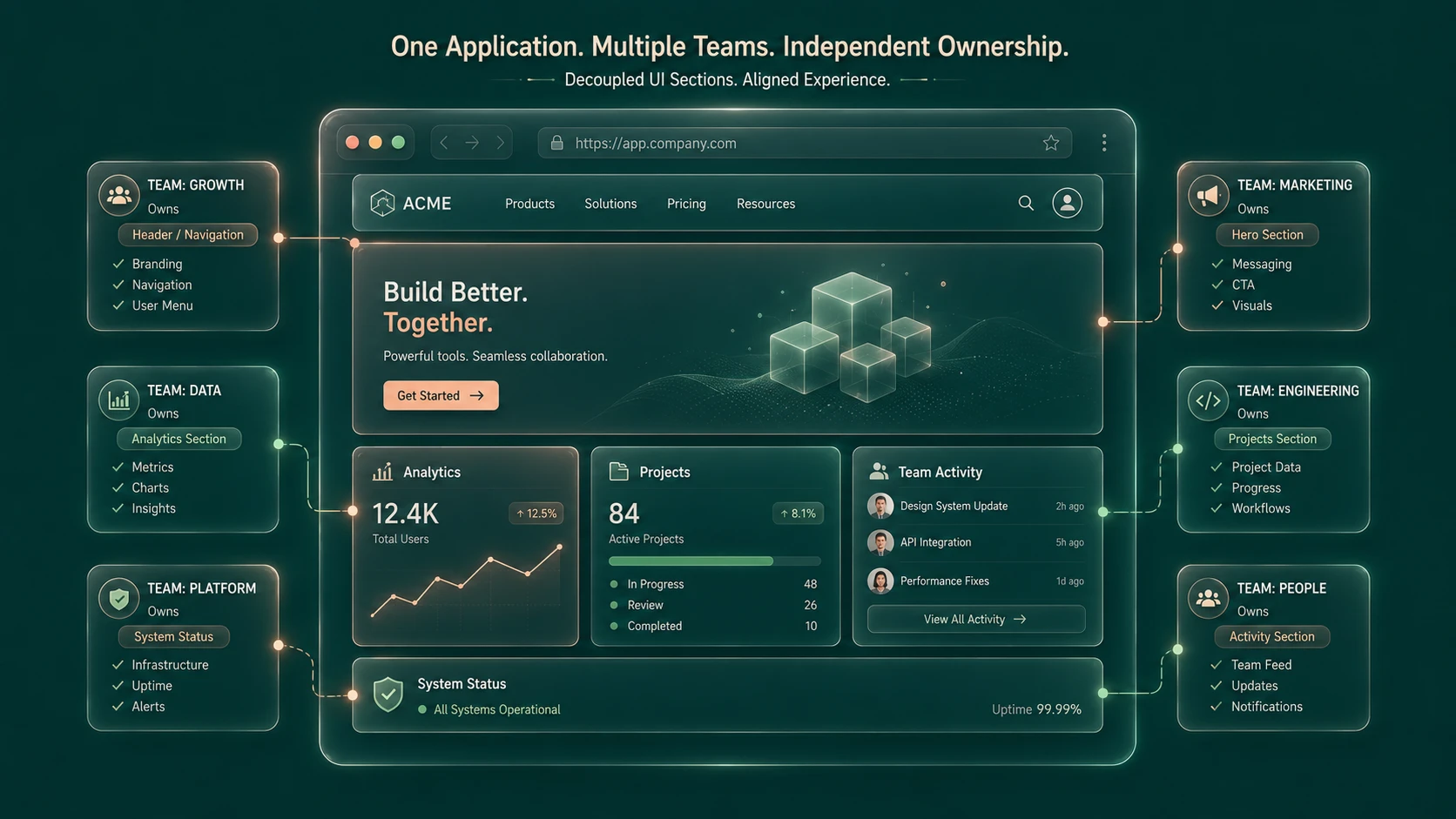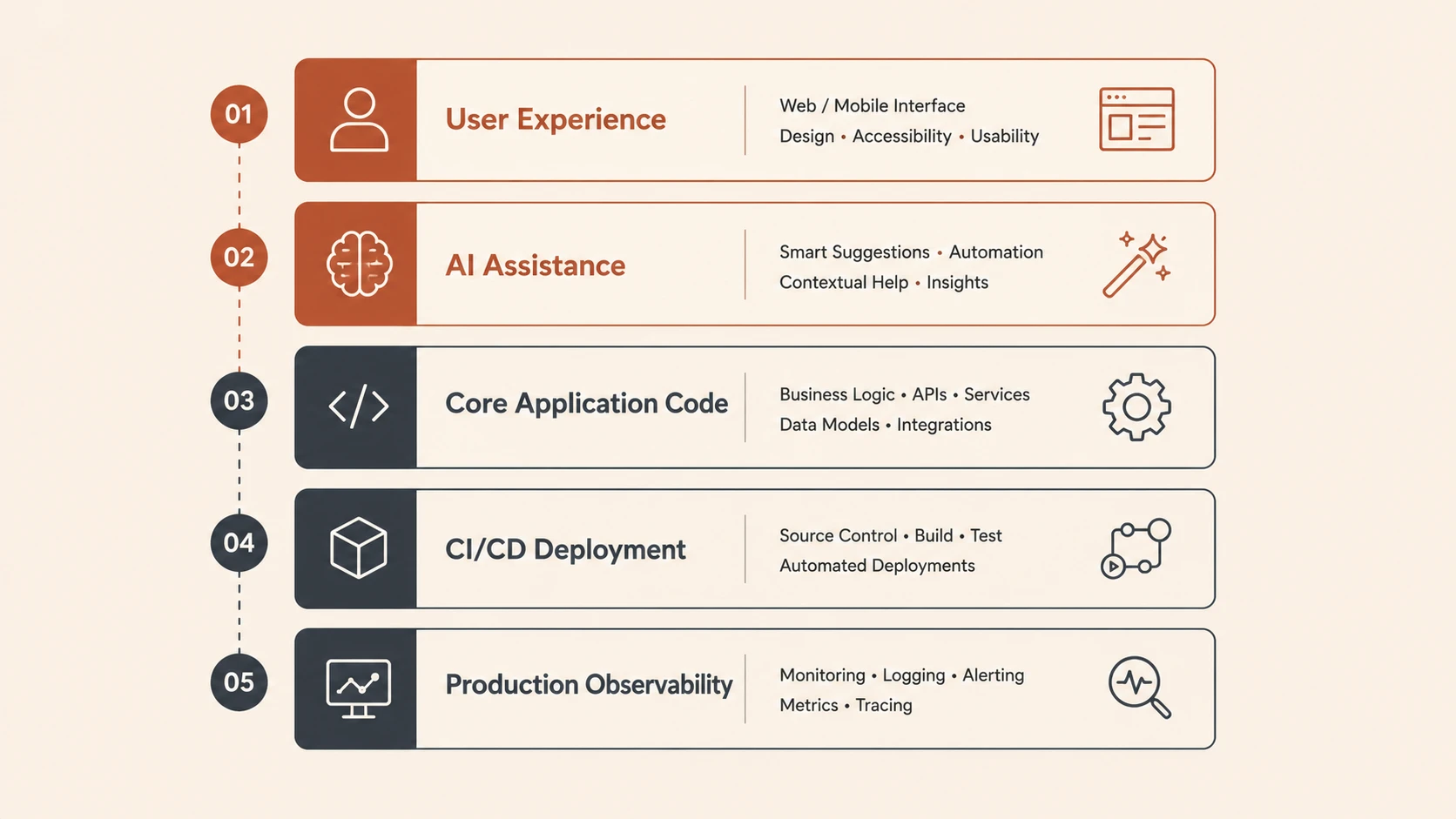
Introduction
For much of software engineering history, responsibilities were divided into specialized disciplines. Developers implemented features, operations teams managed infrastructure, quality assurance engineers validated releases, designers owned user experience, data engineers maintained analytics pipelines, and security teams reviewed applications before deployment.
While specialization enabled organizations to scale, it also introduced communication gaps, slower delivery cycles, fragmented ownership, and increasing coordination overhead. Modern cloud-native platforms, DevOps practices, Infrastructure as Code, platform engineering, AI-assisted development, and product-centric organizations have gradually reduced these boundaries.
By 2024, many organizations no longer measure engineering success solely by the number of features delivered. Instead, engineering teams are increasingly accountable for customer experience, application reliability, operational performance, security posture, AI integration, cost efficiency, accessibility, and business outcomes.
This evolution has led to the concept of the Full-Cycle Engineer—a software professional who owns the complete lifecycle of digital products, from architecture and implementation to deployment, monitoring, AI integration, continuous improvement, and user satisfaction.
Rather than replacing specialists, the Full-Cycle Engineering model encourages broader technical ownership while leveraging platform engineering and automation to reduce operational complexity.
From the perspective of December 2024, Full-Cycle Engineering has become one of the defining characteristics of high-performing software organizations.
Industry Background
Enterprise software organizations continue modernizing around cloud-native principles.
Modern engineering organizations increasingly build:
- ◆Cloud-native platforms.
- ◆AI-powered applications.
- ◆Internal developer platforms.
- ◆Microservices.
- ◆Event-driven systems.
- ◆Multi-cloud infrastructure.
- ◆Intelligent enterprise software.
Technology leaders increasingly prioritize:
- ◆Developer Experience.
- ◆Platform Engineering.
- ◆Product ownership.
- ◆AI adoption.
- ◆Reliability.
- ◆Continuous delivery.
- ◆Customer outcomes.
Engineering roles are evolving alongside platform capabilities.
The Business Problem
Traditional organizational models frequently create delivery bottlenecks.
Organizations commonly experience:
- ◆Multiple approval layers.
- ◆Handoffs between departments.
- ◆Slow incident response.
- ◆Limited production ownership.
- ◆Poor operational visibility.
- ◆Fragmented customer feedback.
- ◆Delayed innovation.
As software becomes increasingly central to business operations, organizations require engineering teams capable of owning products throughout their complete lifecycle.
Full-Cycle Engineering addresses these challenges by expanding developer ownership across development, operations, AI, security, and user experience.
Understanding the Technology
Full-Cycle Engineering is not a programming language or framework. It is an engineering operating model that combines software development with platform engineering, DevOps, AI, observability, security, product thinking, and user-centered design.
Core capabilities include:
- ◆Software architecture.
- ◆Cloud infrastructure.
- ◆AI integration.
- ◆Continuous Delivery.
- ◆Observability.
- ◆User experience awareness.
- ◆Production ownership.
- ◆Security engineering.
Rather than operating in isolated disciplines, engineers collaborate across the complete product lifecycle.
Core Architecture
A simplified Full-Cycle Engineering ecosystem appears below.
| Component | Responsibility |
|---|---|
| Product Team | Business objectives and planning |
| Full-Cycle Engineer | Design, development, deployment, operations |
| AI Engineering Platform | Copilots, automation, intelligent workflows |
| CI/CD Platform | Continuous integration and deployment |
| Cloud Infrastructure | Compute, networking, storage |
| Observability Platform | Monitoring, tracing, logging |
| Customer Feedback Systems | Usage analytics and product insights |
Engineering teams continuously improve products through feedback loops connecting development, operations, AI, and user experience.
Key Features
End-to-End Product Ownership
The defining characteristic of the Full-Cycle Engineer is ownership.
Developers increasingly participate in:
- ◆Product planning.
- ◆Architecture.
- ◆Implementation.
- ◆Deployment.
- ◆Monitoring.
- ◆Incident response.
- ◆Continuous improvement.
Ownership extends beyond writing code to delivering business value.
AI as an Engineering Partner
Artificial Intelligence has become an everyday engineering capability.
Developers increasingly use AI for:
- ◆Code generation.
- ◆Documentation.
- ◆Test creation.
- ◆Architecture exploration.
- ◆Log analysis.
- ◆Incident investigation.
- ◆Knowledge discovery.
Rather than replacing engineers, AI reduces repetitive work while improving productivity.
Production Ownership
Modern engineering organizations increasingly embrace the principle that teams build and operate their own software.
Developers monitor:
- ◆Service health.
- ◆Application performance.
- ◆Error rates.
- ◆Infrastructure utilization.
- ◆User behavior.
- ◆Deployment quality.
This shortens feedback loops while improving operational reliability.
Platform Engineering
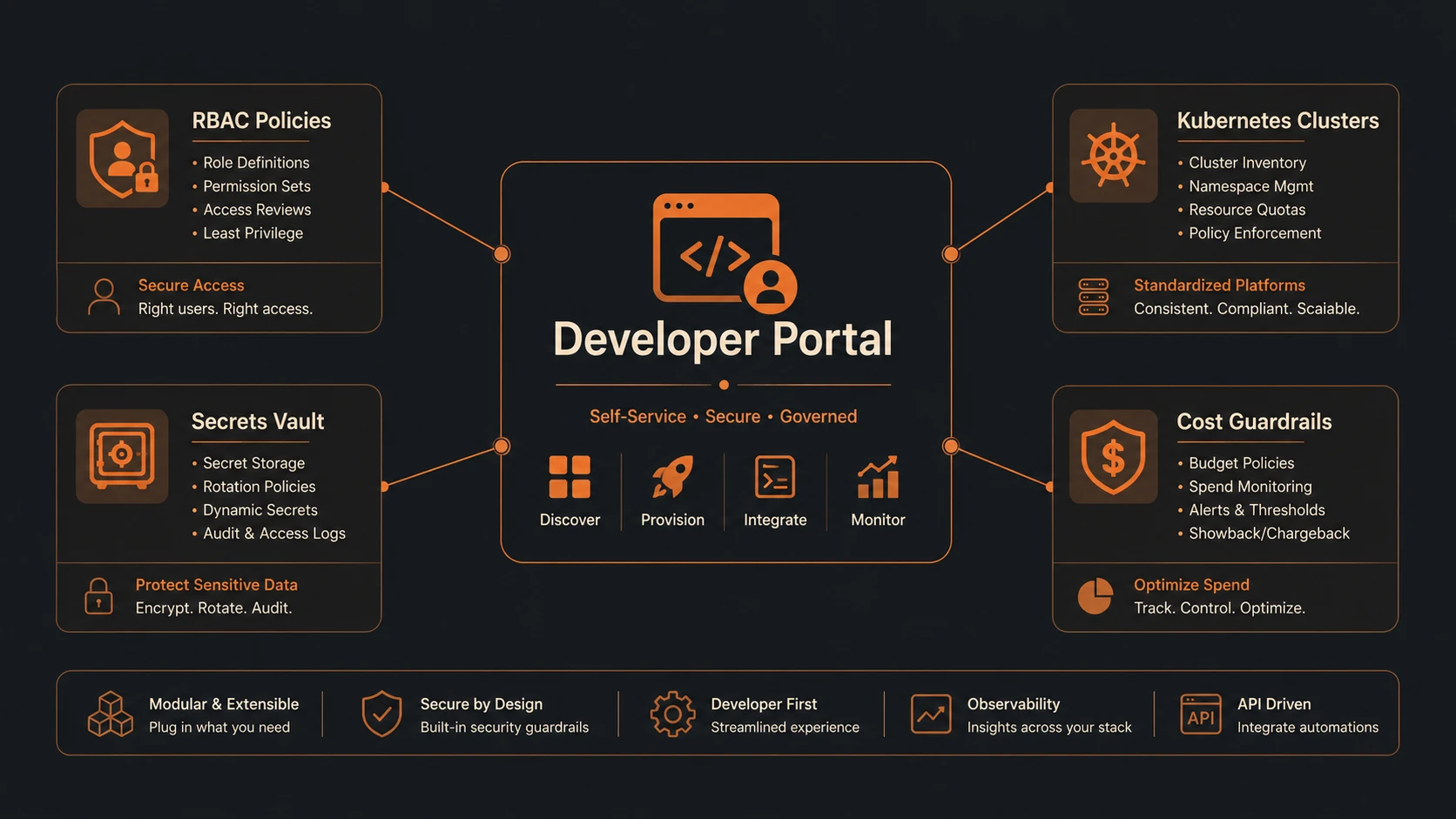
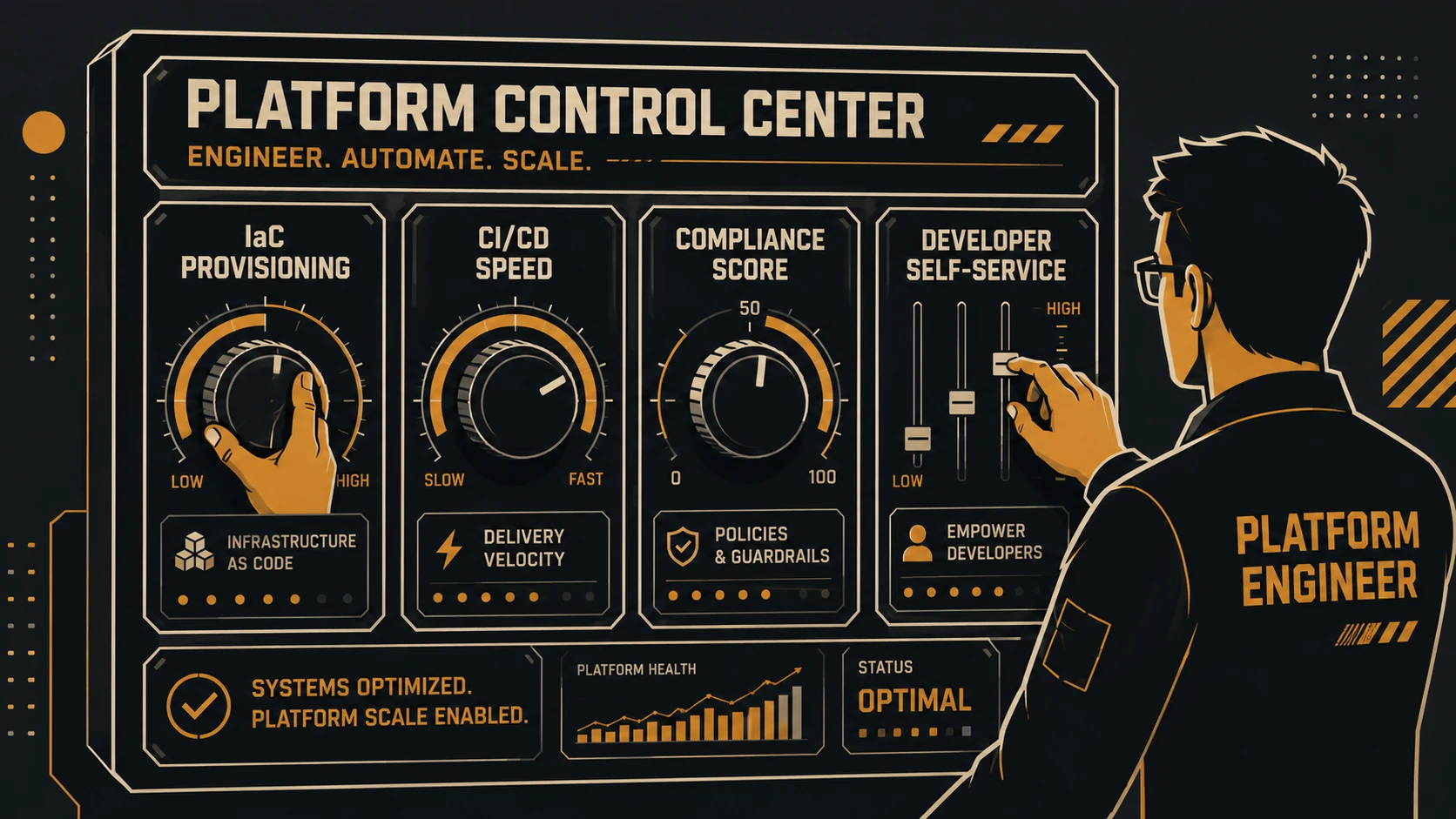
Internal developer platforms reduce operational complexity by providing reusable infrastructure capabilities.
Typical platform services include:
- ◆Deployment automation.
- ◆Infrastructure templates.
- ◆Secret management.
- ◆Service discovery.
- ◆Identity integration.
- ◆Monitoring.
Platform engineering enables developers to focus on business problems while maintaining production ownership.
UX-Aware Development
User experience increasingly influences engineering decisions.
Developers now consider:
- ◆Accessibility.
- ◆Performance.
- ◆Responsiveness.
- ◆Interface consistency.
- ◆User journeys.
- ◆Customer feedback.
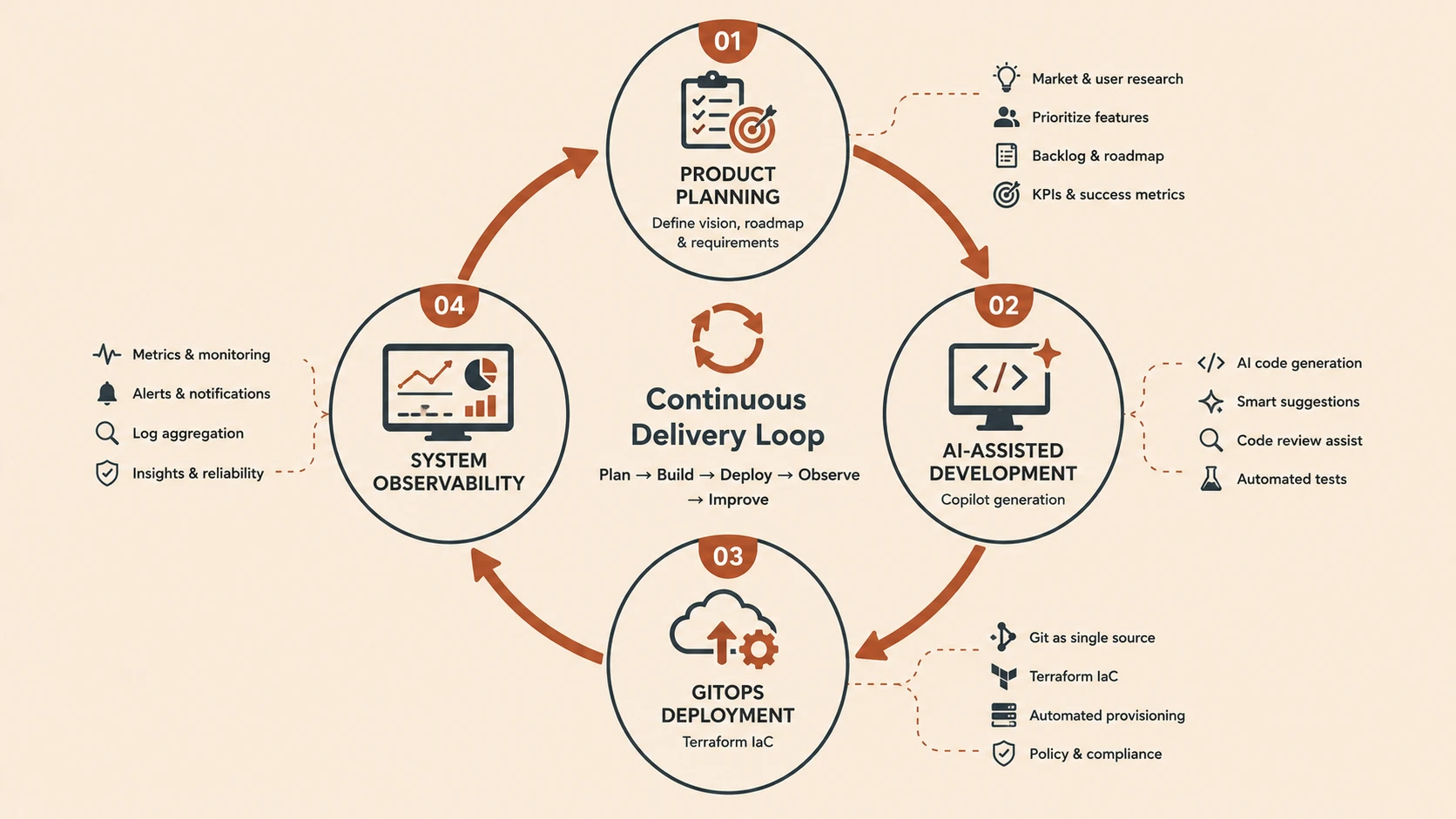
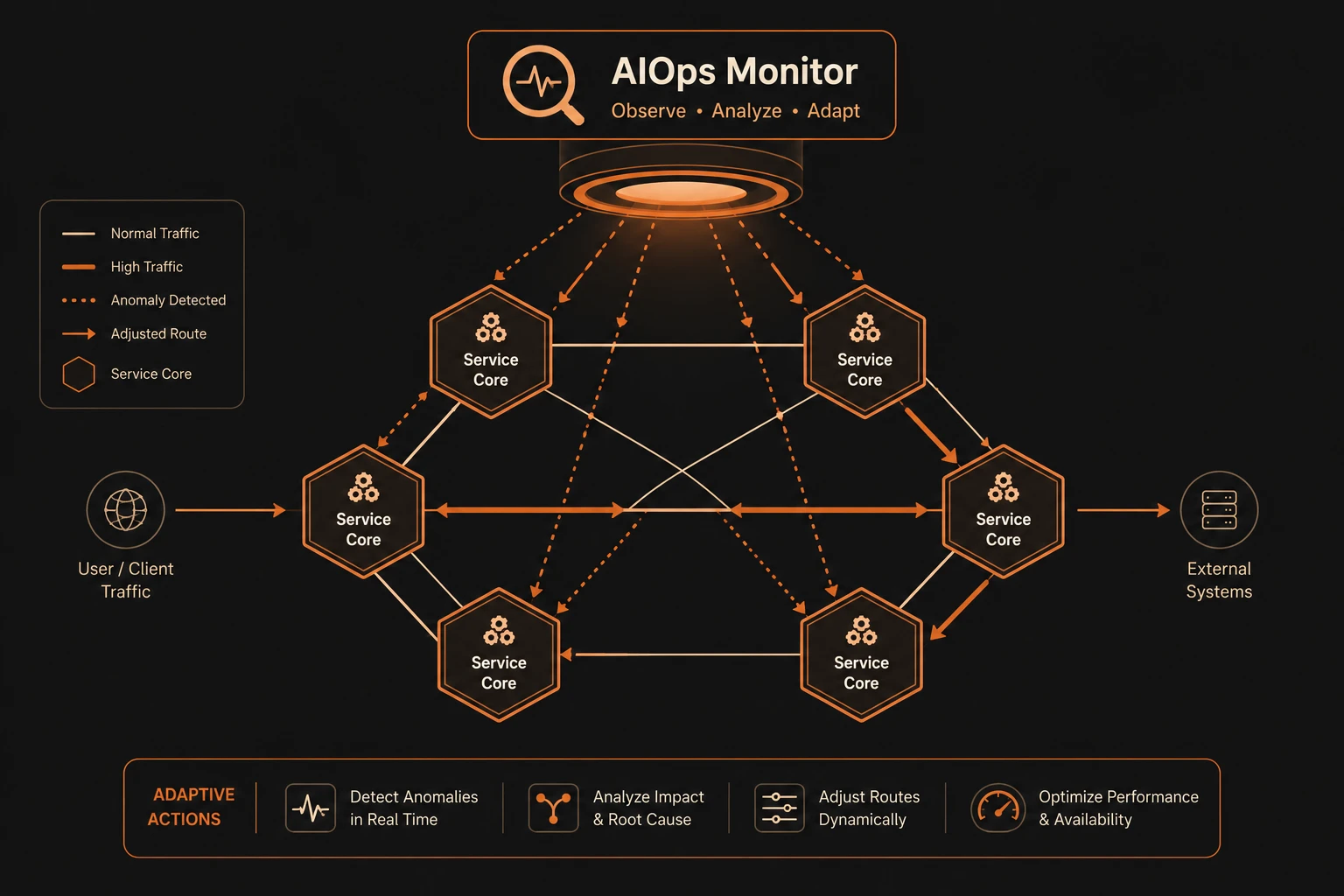
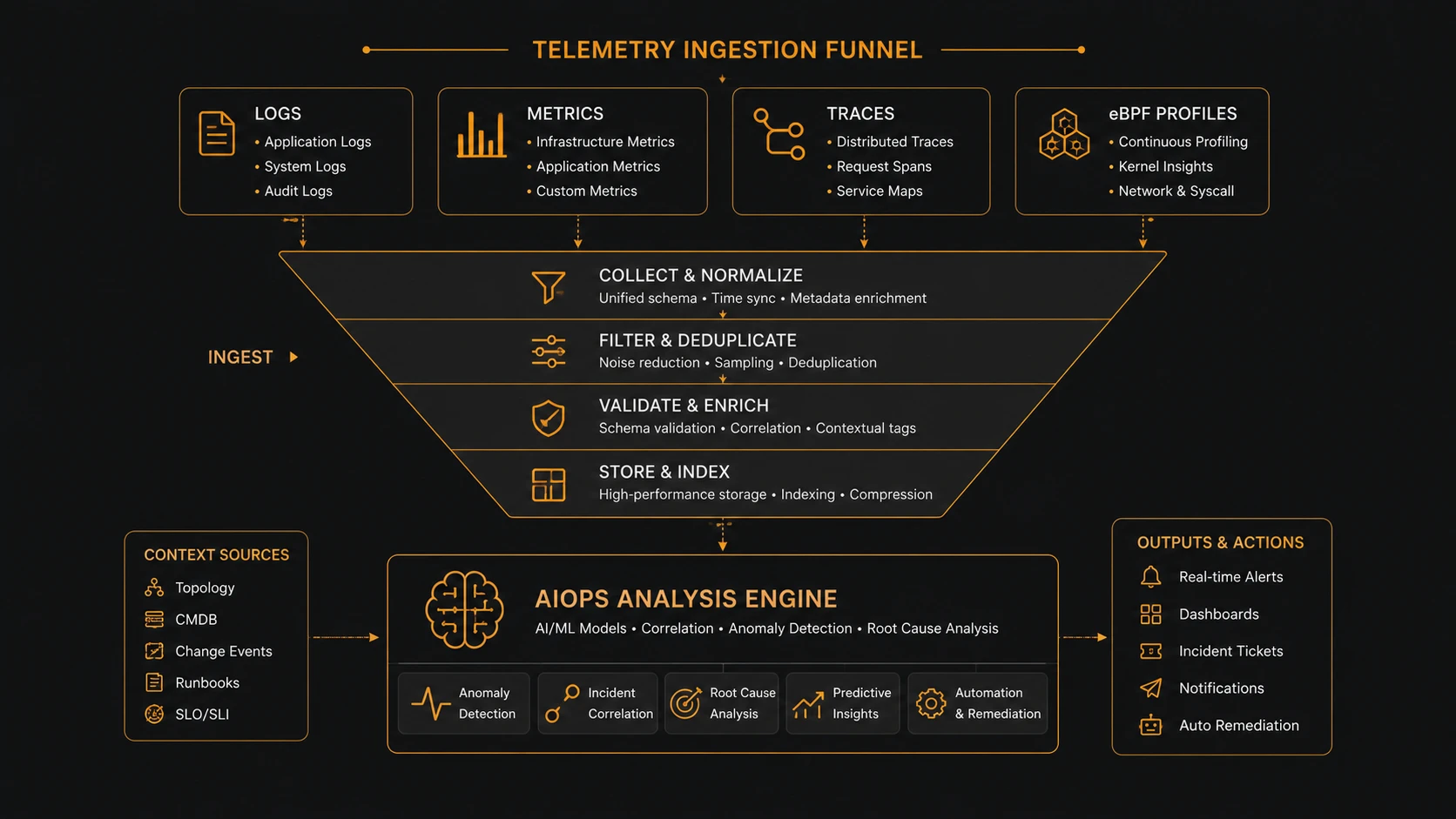
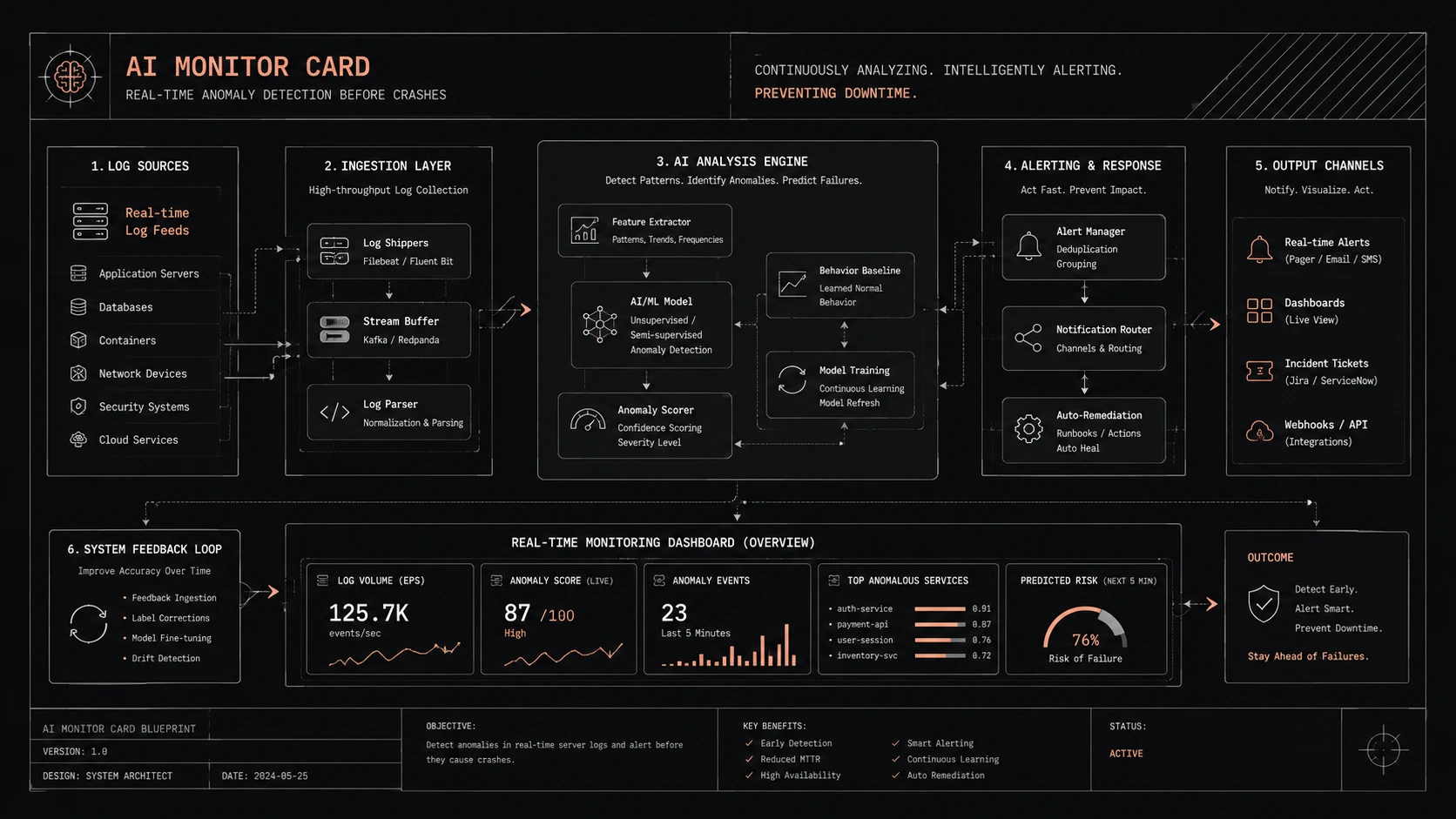
System architecture diagram and conceptual workflow layout for The Full-Cycle Engineer.
Engineering quality extends beyond functional correctness to overall user satisfaction.
Continuous Learning
Full-cycle organizations emphasize rapid feedback.
Engineering teams continuously analyze:
- ◆Customer behavior.
- ◆Performance metrics.
- ◆Production incidents.
- ◆AI recommendations.
- ◆Feature adoption.
- ◆Product analytics.
Insights guide ongoing product evolution.
How It Works
A simplified engineering lifecycle appears below.
Business Goals
        |
Architecture Design
        |
AI-Assisted Development
        |
CI/CD Pipeline
        |
Cloud Deployment
        |
Monitoring & Observability
        |
Customer Feedback
        |
Continuous Improvement
Engineering teams remain responsible throughout the lifecycle rather than handing ownership to separate operational groups.
Enterprise Use Cases
SaaS Product Teams
Cross-functional engineering teams deliver features, monitor production systems, analyze customer usage, and continuously improve user experiences.
Financial Platforms
Engineering teams maintain secure payment systems while monitoring performance, regulatory compliance, and customer experience.
AI-Powered Enterprise Applications
Developers integrate AI copilots, monitor inference quality, optimize costs, and improve workflows using production feedback.
Healthcare Systems
Engineering teams combine secure application delivery with reliability engineering, observability, and accessibility improvements.
Internal Developer Platforms
Platform teams provide reusable infrastructure while enabling application teams to retain deployment and operational ownership.
Performance Considerations
Organizations adopting Full-Cycle Engineering should evaluate:
- ◆Deployment frequency.
- ◆Lead time for changes.
- ◆Service availability.
- ◆Incident resolution time.
- ◆Developer productivity.
- ◆User satisfaction.
- ◆Platform efficiency.
Performance metrics should align with business outcomes rather than individual engineering activities.
Security Considerations
Security becomes a shared engineering responsibility.
Organizations should implement:
- ◆Secure SDLC.
- ◆Identity and access management.
- ◆Dependency scanning.
- ◆Infrastructure security.
- ◆AI governance.
- ◆Continuous compliance.
- ◆Automated security testing.
Security practices should be embedded into engineering workflows rather than performed only before production releases.
Scalability
Full-Cycle Engineering improves organizational scalability through:
- ◆Platform automation.
- ◆AI-assisted development.
- ◆Continuous feedback.
- ◆Reduced organizational silos.
- ◆Shared operational ownership.
- ◆Faster innovation.
These capabilities allow engineering organizations to scale products while maintaining quality and operational excellence.
Best Practices
Organizations adopting Full-Cycle Engineering should:
- ◆Build internal developer platforms that simplify production ownership.
- ◆Encourage developers to understand operational metrics.
- ◆Integrate AI responsibly into engineering workflows.
- ◆Establish shared engineering accountability.
- ◆Continuously measure customer outcomes.
- ◆Invest in observability and developer experience.
- ◆Promote collaboration across product, design, operations, and security teams.
Successful implementation depends on organizational culture as much as technology.
Common Mistakes
| Mistake | Business Impact |
|---|---|
| Expecting every engineer to become an expert in every discipline | Reduced effectiveness and burnout |
| Expanding responsibilities without investing in platform engineering | Increased operational burden |
| Measuring productivity solely by code output | Misaligned engineering incentives |
| Ignoring UX during development | Lower customer satisfaction |
| Treating AI as a replacement for engineering judgment | Reduced software quality |
| Neglecting continuous learning from production data | Slower product improvement |
Organizations should balance broader ownership with sustainable engineering practices and strong platform support.
Technology Comparison
| Characteristic | Traditional Software Engineer | Full-Cycle Engineer |
|---|---|---|
| Primary Responsibility | Feature development | End-to-end product ownership |
| Operations | Separate operations team | Shared production ownership |
| AI Usage | Optional development tool | Integrated engineering capability |
| User Experience | Primarily design responsibility | Shared engineering consideration |
| Observability | Operational concern | Core engineering responsibility |
| Success Metrics | Features delivered | Customer outcomes, reliability, and business value |
The Full-Cycle Engineer extends traditional software development by integrating platform engineering, AI, operations, and product thinking into a unified engineering model.
Adoption Strategy
Organizations should adopt Full-Cycle Engineering incrementally.
- 1.Strengthen platform engineering capabilities.
- 2.Automate infrastructure and deployment processes.
- 3.Improve engineering observability and operational visibility.
- 4.Introduce AI-assisted development responsibly.
- 5.Expand developer ownership through training and shared accountability.
- 6.Measure engineering success using customer, operational, and business outcomes.
This phased approach enables organizations to broaden engineering ownership while maintaining sustainable delivery practices.
Limitations
As of December 2024, organizations should recognize several considerations.
- ◆Full-Cycle Engineering does not eliminate the need for specialists in areas such as security, data engineering, accessibility, or site reliability engineering.
- ◆Expanding ownership without adequate automation and platform support can increase developer workload and reduce productivity.
- ◆AI accelerates engineering activities but still requires human oversight for architectural decisions, security, and business logic.
- ◆Organizational culture plays a critical role in successful adoption, requiring collaboration, continuous learning, and shared accountability.
- ◆Long-term success depends on balancing engineering breadth with deep expertise, platform maturity, and customer-focused product development.
These considerations should guide enterprise engineering transformation initiatives.
Looking Ahead
From the perspective of December 2024, the Full-Cycle Engineer represents the evolution of software engineering from code-centric development to product-centric ownership. Modern engineers increasingly contribute across architecture, cloud infrastructure, AI integration, security, observability, user experience, and business outcomes while leveraging platform engineering and intelligent automation to reduce operational complexity.
Rather than creating a single universal role, Full-Cycle Engineering encourages broader collaboration, stronger ownership, and continuous learning throughout the software lifecycle. Organizations that invest in developer experience, AI-assisted engineering, platform automation, and cross-functional product teams will be best positioned to build resilient, customer-focused, and innovative software systems in the years ahead.