Introduction
Over the past several years, enterprise software development has undergone one of its largest operational transformations since the adoption of distributed version control. Development is no longer tied to a single workstation inside a corporate office. Modern engineering teams collaborate across countries, time zones, cloud platforms, and multiple devices while maintaining continuous access to source code, development environments, testing infrastructure, and deployment pipelines.
Several technological advances have converged to make this possible. Cloud-native infrastructure has matured, browser-based Integrated Development Environments (IDEs) have become production capable, AI coding assistants have accelerated software delivery, Infrastructure as Code (IaC) has standardized environment provisioning, and Platform Engineering has simplified developer onboarding through Internal Developer Platforms (IDPs).
The result is the emergence of the Code Anywhere model. Developers can begin work from a laptop, continue from a browser-based workspace, debug inside a cloud environment, execute workloads near production infrastructure, and collaborate with AI-assisted tools without fundamentally changing their workflow.
As of August 2024, hybrid development environments are becoming the default operating model for many enterprise engineering organizations rather than a niche capability.
Industry Background
Several technology trends continue accelerating hybrid developer workflows:
- ◆Cloud Development Environments (CDEs)
- ◆Browser-based IDEs
- ◆AI coding assistants
- ◆Platform Engineering
- ◆Kubernetes-based development
- ◆GitOps workflows
- ◆Remote development extensions
- ◆Zero Trust enterprise security
Organizations increasingly seek development platforms that improve productivity while maintaining governance, consistency, and security.
The Business Problem
Traditional development environments often introduce:
- ◆Slow onboarding
- ◆Environment inconsistencies
- ◆"Works on my machine" issues
- ◆Hardware limitations
- ◆Difficult remote collaboration
- ◆Manual workstation configuration
- ◆Security management complexity
Engineering organizations require standardized environments that can be reproduced quickly and operated securely regardless of developer location.
Understanding the Code Anywhere Model
The Code Anywhere approach separates the developer experience from the physical workstation.
Rather than treating laptops as the primary execution environment, development increasingly occurs across distributed infrastructure.
Typical characteristics include:
- ◆Cloud-hosted workspaces
- ◆Remote execution
- ◆AI-assisted development
- ◆Infrastructure automation
- ◆Browser accessibility
- ◆Environment reproducibility
- ◆Centralized governance
The objective is to make development environments portable, secure, and consistent.
Core Architecture
| Component | Responsibility |
|---|---|
| Developer Device | User interface and lightweight tooling |
| Cloud Development Environment | Source code editing and execution |
| Internal Developer Platform | Self-service developer capabilities |
| Version Control Platform | Source management and collaboration |
| CI/CD Platform | Automated build, testing, and deployment |
| Kubernetes or Cloud Infrastructure | Runtime environment |
| AI Coding Assistant | Code generation, explanation, and productivity support |
This architecture separates developer productivity tools from infrastructure management while enabling consistent workflows across teams.
Cloud Development Environments
Cloud Development Environments (CDEs) host development workspaces on centralized infrastructure instead of individual laptops.
Typical capabilities include:
- ◆Preconfigured development stacks
- ◆Containerized environments
- ◆Persistent workspaces
- ◆Browser access
- ◆Resource scaling
- ◆Shared tooling
Developers spend less time configuring local machines and more time building software.
Ephemeral Development Environments
One of the defining trends of 2024 is the growing use of ephemeral environments.
Instead of manually maintaining long-lived development servers, organizations create temporary environments for:
- ◆Feature branches
- ◆Pull requests
- ◆Bug fixes
- ◆Integration testing
- ◆Demonstrations
Benefits include:
- ◆Consistent testing
- ◆Faster provisioning
- ◆Reduced configuration drift
- ◆Improved infrastructure utilization
Automation allows these environments to be created and removed as needed.
AI-Assisted Development
AI has become a standard component of many developer workflows.
Common applications include:
- ◆Code completion
- ◆Documentation generation
- ◆Unit test creation
- ◆Refactoring assistance
- ◆Code explanation
- ◆API discovery
AI accelerates repetitive engineering tasks while developers remain responsible for architectural decisions, validation, and code quality.
Remote Execution
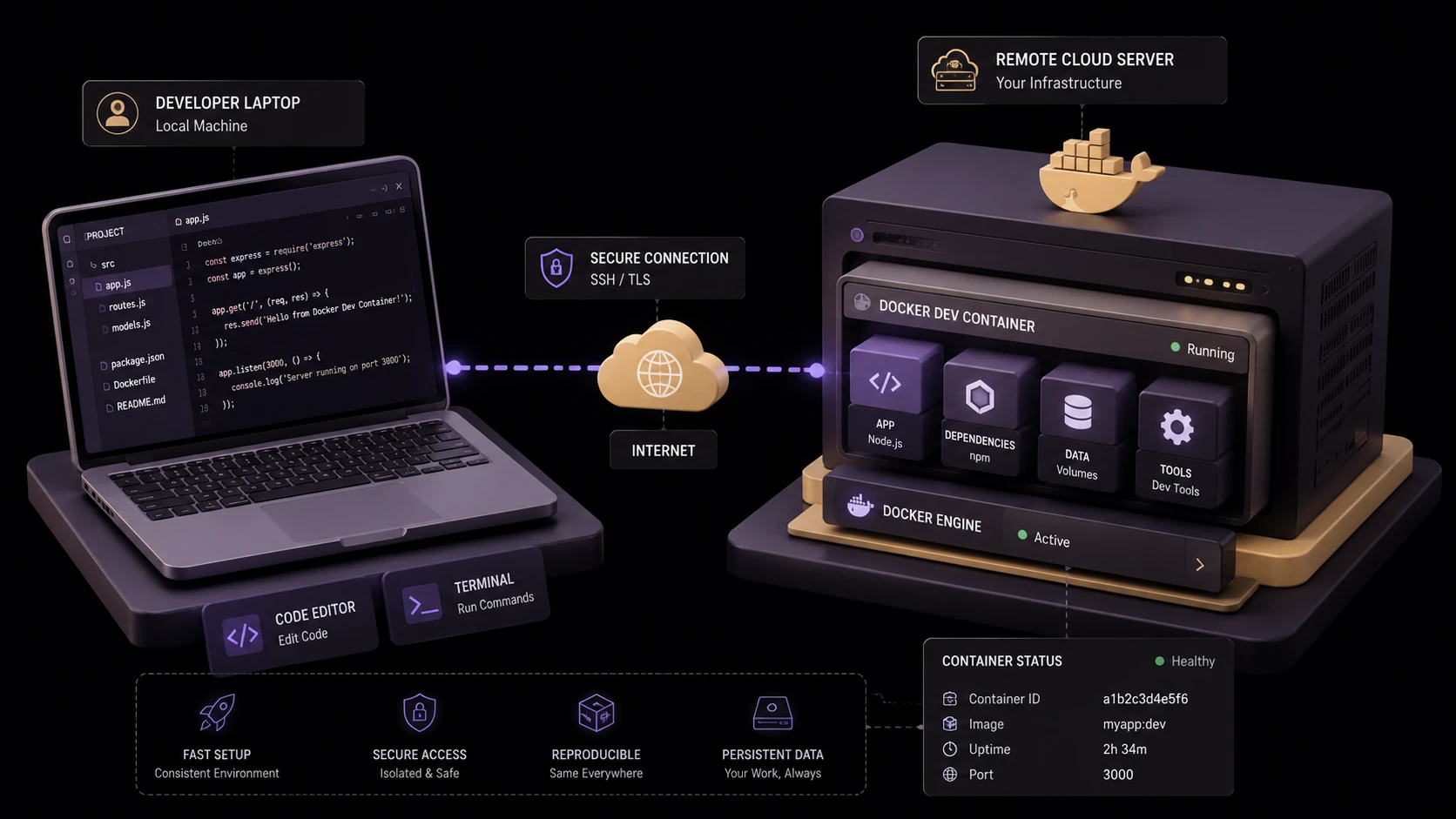
Modern development increasingly separates code editing from code execution.
Developers may:
- ◆Edit locally
- ◆Execute remotely
- ◆Debug cloud workloads
- ◆Access production-like infrastructure
- ◆Test distributed systems
This approach reduces workstation limitations while improving environment consistency.
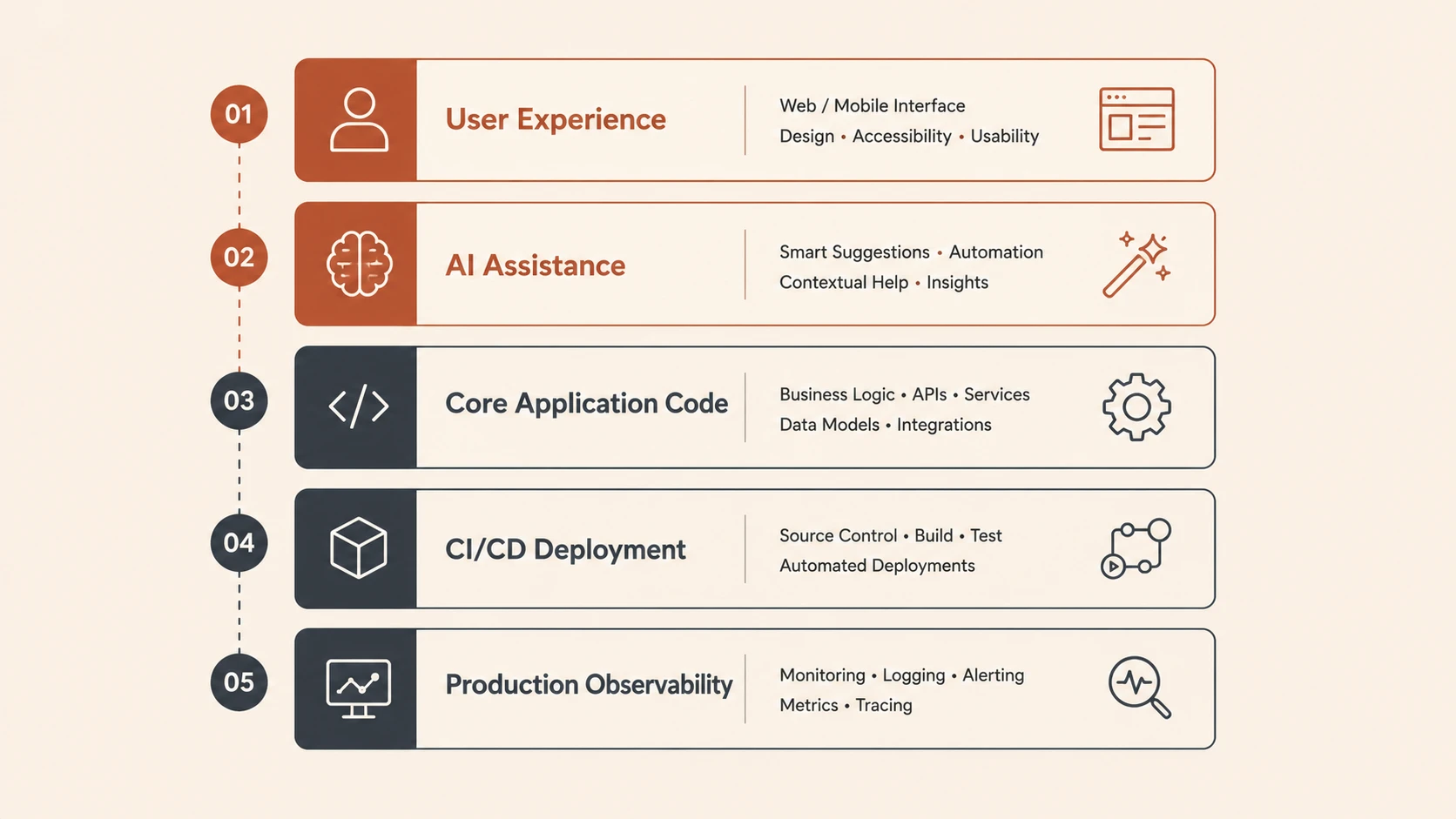
System architecture diagram and conceptual workflow layout for Hybrid Workflows & Dev Environments.
Platform Engineering Integration
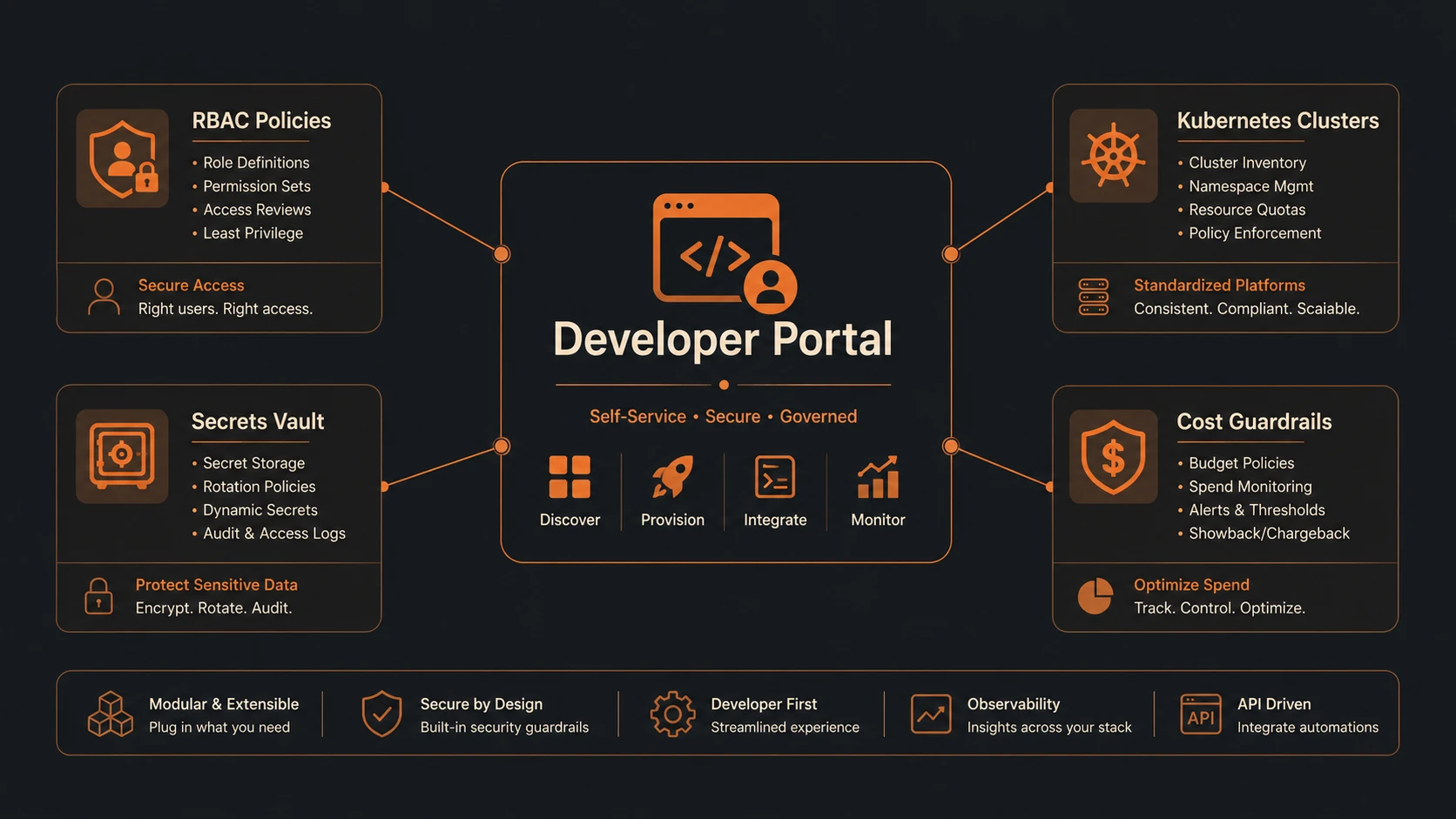
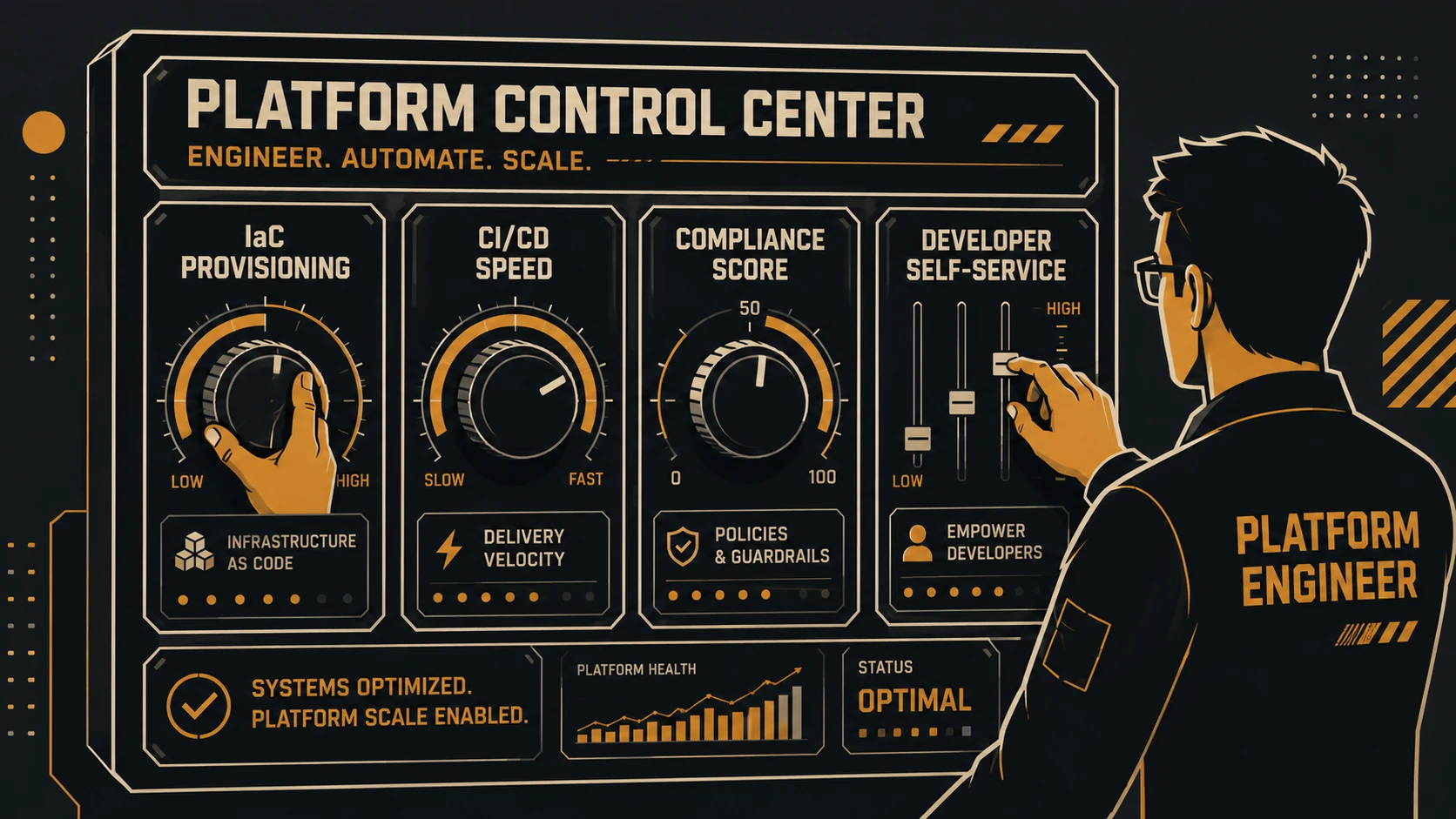
Platform Engineering plays a central role in hybrid development.
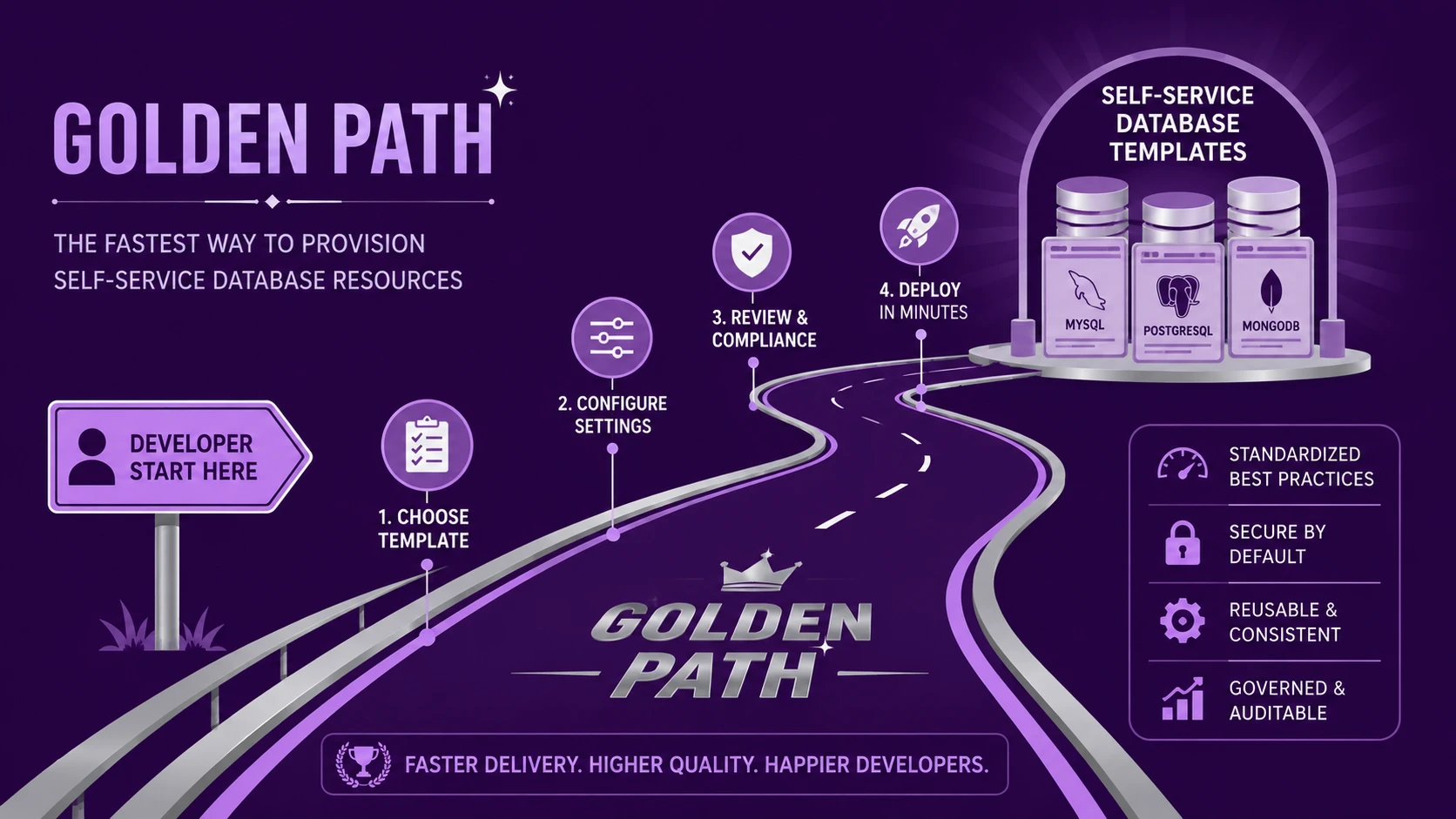
Internal Developer Platforms provide:
- ◆Self-service environment creation
- ◆Standard templates
- ◆Secret management
- ◆Deployment automation
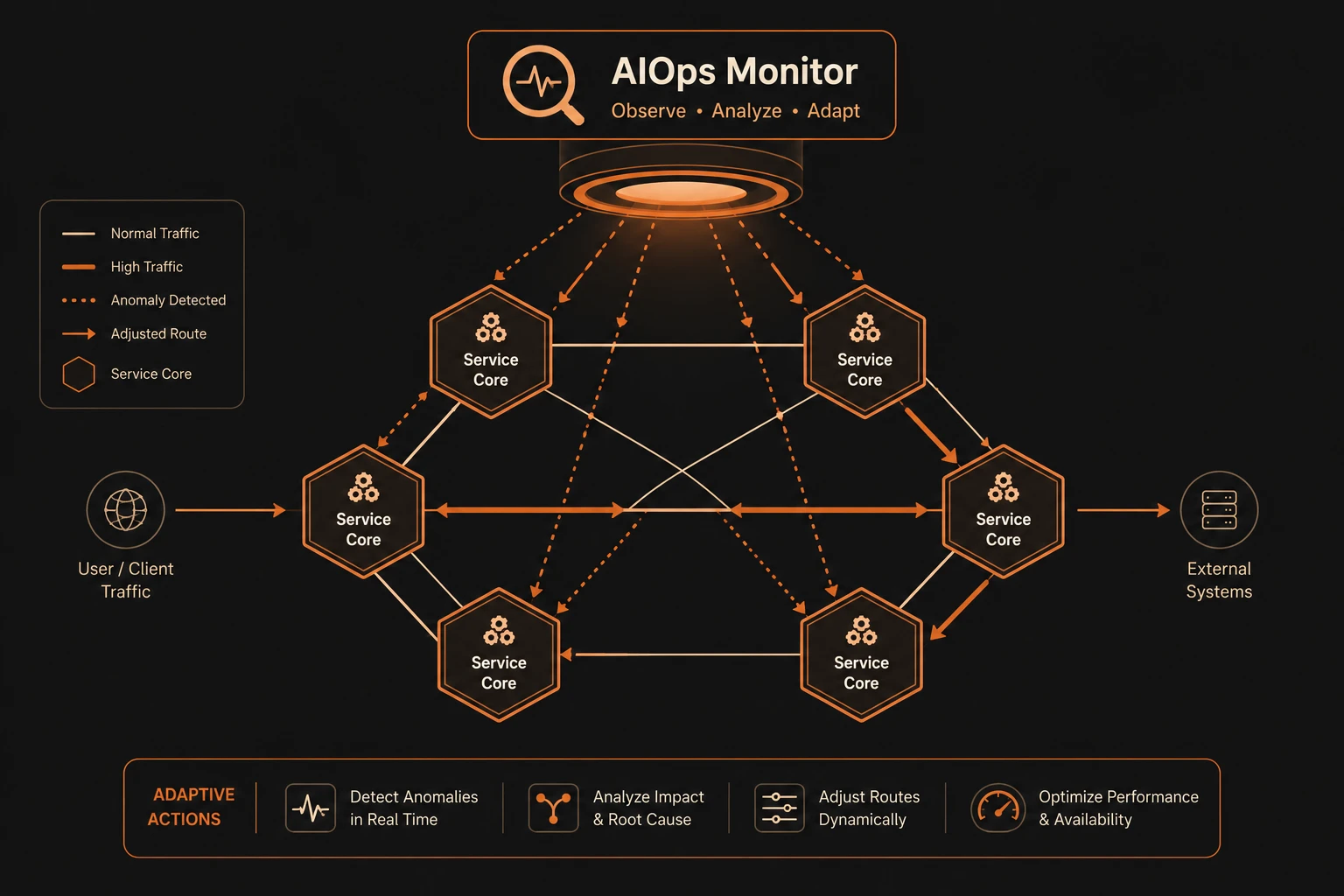
- ◆Observability integration
- ◆Security policies
Developers interact with standardized capabilities rather than manually configuring infrastructure.
Enterprise Use Cases
| Scenario | Benefit |
|---|---|
| Global Engineering Teams | Consistent development experience |
| SaaS Platforms | Faster onboarding and deployment |
| Financial Services | Centralized governance and security |
| Government Projects | Controlled development environments |
| Enterprise Software | Standardized engineering workflows |
| Consulting Organizations | Rapid customer project provisioning |
Organizations operating distributed engineering teams often realize substantial productivity improvements through standardized hybrid workflows.
Performance Considerations
Engineering teams should evaluate:
- ◆Workspace startup time
- ◆Development environment provisioning speed
- ◆Build duration
- ◆Remote debugging latency
- ◆AI response performance
- ◆Infrastructure utilization
Developer productivity depends on balancing responsiveness with centralized operational efficiency.
Security Considerations
Hybrid development environments require comprehensive security governance.
Organizations should continue implementing:
- ◆Zero Trust access controls
- ◆Multi-Factor Authentication
- ◆Identity federation
- ◆Secrets management
- ◆Endpoint security
- ◆Role-based authorization
- ◆Audit logging
- ◆Software supply chain protection
Centralized environments can simplify governance while reducing sensitive data stored on individual workstations.
Scalability
Code Anywhere architectures support enterprise growth through:
- ◆Automated workspace provisioning
- ◆Elastic infrastructure
- ◆Standardized development templates
- ◆Centralized policy management
- ◆Cloud-native scaling
These capabilities enable organizations to onboard engineering teams rapidly while maintaining operational consistency.
Best Practices
Organizations adopting hybrid development workflows should:
- ◆Standardize development environments using Infrastructure as Code.
- ◆Treat developer platforms as internal products.
- ◆Automate environment provisioning.
- ◆Support both browser-based and desktop workflows where appropriate.
- ◆Integrate AI responsibly into software development.
- ◆Monitor developer experience metrics.
- ◆Embed security controls into development platforms.
- ◆Continuously improve workflows based on engineering feedback.
A successful developer platform balances flexibility, governance, and productivity.
Common Mistakes
Organizations should avoid:
- ◆Assuming every developer requires identical workflows.
- ◆Treating cloud development environments as replacements for sound engineering practices.
- ◆Ignoring network performance for remote development.
- ◆Building overly restrictive developer platforms.
- ◆Deploying AI coding tools without governance and review processes.
- ◆Measuring success solely by infrastructure utilization instead of developer productivity.
Developer experience should remain the primary measure of platform effectiveness.
Technology Comparison
| Capability | Traditional Local Development | Hybrid Code Anywhere Model |
|---|---|---|
| Development Environment | Individual workstation | Cloud and local hybrid |
| Environment Provisioning | Manual setup | Automated and reproducible |
| Infrastructure Access | Local execution | Remote and cloud execution |
| Collaboration | Repository sharing | Shared environments and AI assistance |
| Security | Device-centric | Centralized governance |
| Scalability | Hardware limited | Elastic cloud resources |
Hybrid workflows extend traditional development practices by making environments portable, reproducible, and accessible from virtually anywhere.
Adoption Strategy
Organizations should adopt hybrid development incrementally.
A practical roadmap includes:
- 1.Standardize development environments.
- 2.Introduce cloud-hosted workspaces for selected teams.
- 3.Automate environment provisioning.
- 4.Integrate AI-assisted development into engineering workflows.
- 5.Expand Internal Developer Platform capabilities.
- 6.Measure onboarding time, deployment efficiency, and developer satisfaction.
- 7.Continuously refine workflows based on operational data and engineering feedback.
A phased strategy minimizes disruption while allowing organizations to validate productivity improvements.
Limitations
As of August 2024, organizations should recognize several considerations.
Current observations include:
- ◆Reliable network connectivity remains important for many remote development workflows.
- ◆Some specialized development scenarios continue to benefit from local execution.
- ◆AI-assisted coding requires human review, testing, and architectural oversight.
- ◆Successful hybrid development depends on organizational processes, platform maturity, and developer experience rather than cloud technology alone.
Organizations should therefore design development platforms that support multiple workflows while maintaining consistent governance and engineering standards.
Looking Ahead
As of August 2024, the Code Anywhere era represents a significant evolution in enterprise software development. Cloud development environments, browser-based tooling, AI-assisted engineering, ephemeral infrastructure, and Platform Engineering are collectively reducing onboarding time, improving collaboration, and enabling developers to work effectively regardless of location or device.
For CTOs, platform engineers, engineering managers, and software architects, the strategic opportunity lies in creating developer platforms that maximize productivity while maintaining security, consistency, and operational excellence. Organizations that invest in reproducible environments, AI-enabled workflows, automation, and developer-centric platform design will be well positioned to build software faster and more reliably in the years ahead.