Introduction
Over the past decade, enterprises have embraced cloud computing, container orchestration, Infrastructure as Code (IaC), Continuous Integration and Continuous Delivery (CI/CD), and microservices to accelerate software delivery. While these technologies have enabled unprecedented scalability and deployment flexibility, they have also introduced considerable operational complexity.
Modern development teams are now expected to understand Kubernetes, service meshes, cloud networking, identity management, observability, security policies, deployment pipelines, cost optimization, secrets management, and infrastructure provisioning. As engineering organizations scale, this growing cognitive load often slows software delivery instead of accelerating it.
Platform Engineering has emerged as an architectural and organizational response to this complexity. Rather than requiring every product team to become infrastructure specialists, dedicated platform teams build Internal Developer Platforms (IDPs) that provide standardized, self-service capabilities while embedding operational best practices.
Unlike traditional infrastructure teams that primarily manage environments, Platform Engineering treats the developer experience as a product. The platform itself becomes a reusable engineering capability that enables application teams to deliver software more efficiently while maintaining governance, security, and operational consistency.
As of November 2023, Platform Engineering has become a mainstream enterprise strategy for organizations operating cloud-native applications at scale.
Industry Background
Several industry trends have accelerated Platform Engineering adoption:
- ◆Kubernetes standardization
- ◆Cloud-native application development
- ◆Infrastructure as Code
- ◆GitOps workflows
- ◆DevSecOps
- ◆Multi-cloud deployments
- ◆Developer Experience (DevEx)
- ◆Software supply chain security
Organizations increasingly recognize that improving developer productivity directly influences software delivery velocity and business outcomes.
The Business Problem
Large engineering organizations commonly encounter:
- ◆Increasing infrastructure complexity
- ◆Inconsistent deployment practices
- ◆Repetitive operational tasks
- ◆Long onboarding times
- ◆Security policy inconsistencies
- ◆Fragmented tooling ecosystems
- ◆Growing developer cognitive load
Without standardized platforms, engineering teams often spend excessive time managing infrastructure rather than building business features.
Understanding Platform Engineering
Platform Engineering focuses on building reusable internal platforms that simplify software development while enforcing enterprise operational standards.
Typical objectives include:
- ◆Self-service infrastructure
- ◆Standardized deployment pipelines
- ◆Consistent security controls
- ◆Automated environment provisioning
- ◆Improved developer productivity
- ◆Reduced operational overhead
Rather than replacing DevOps principles, Platform Engineering operationalizes them through reusable products and automation.
Core Architecture
| Component | Responsibility |
|---|---|
| Internal Developer Platform (IDP) | Self-service engineering capabilities |
| Kubernetes Platform | Application orchestration |
| Infrastructure as Code | Automated infrastructure provisioning |
| CI/CD Pipelines | Build, test, and deployment automation |
| Identity & Access Management | Secure platform access |
| Observability Stack | Monitoring, logging, and tracing |
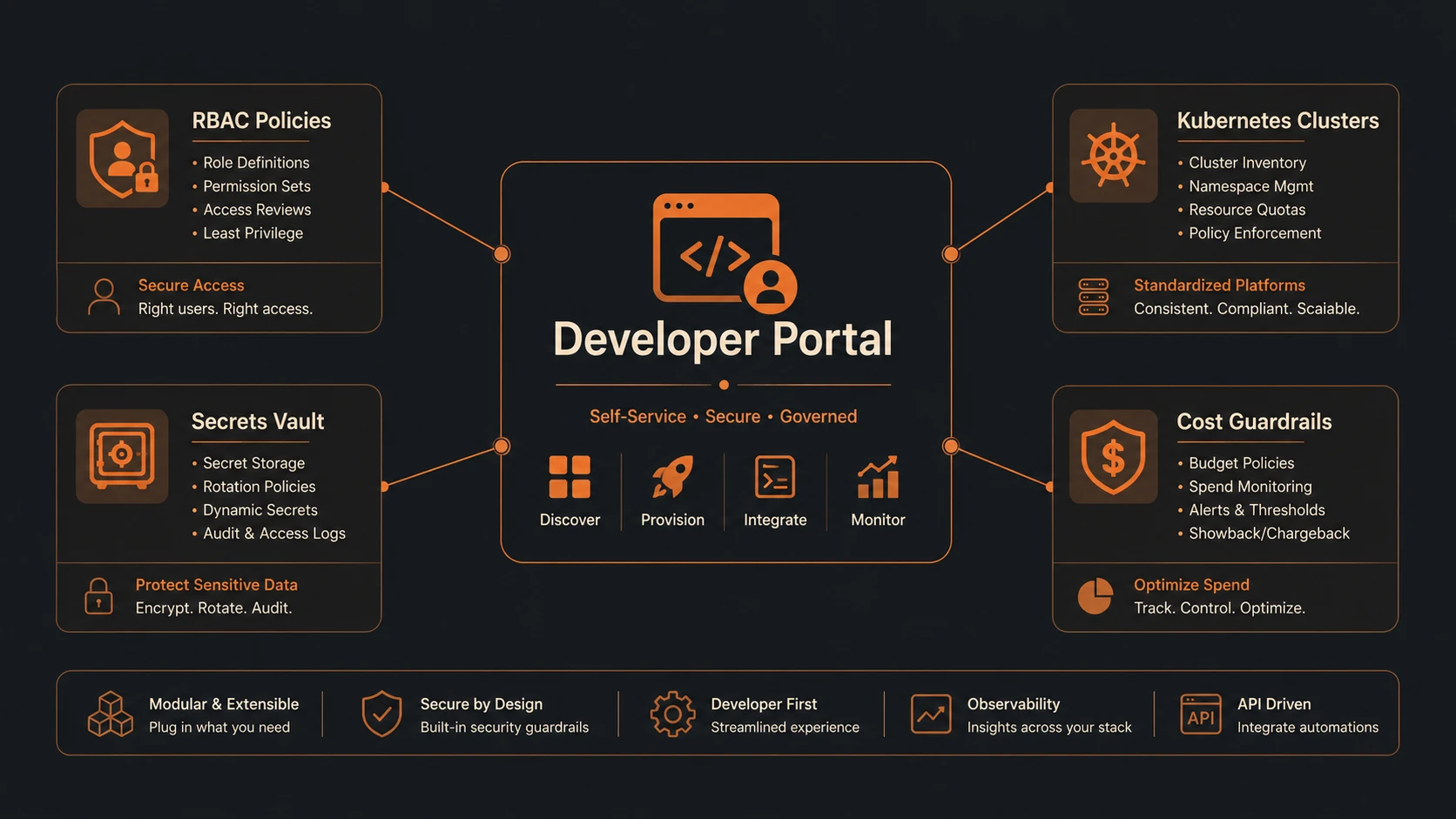
| Developer Portal | Centralized platform interface |
Together these components create a consistent development environment that abstracts infrastructure complexity from application teams.
Internal Developer Platforms
The Internal Developer Platform serves as the foundation of Platform Engineering.
Rather than manually requesting infrastructure or deployment environments, developers interact with standardized platform capabilities.
Typical services include:
- ◆Environment provisioning
- ◆Application templates
- ◆Deployment automation
- ◆Secret management
- ◆Logging integration
- ◆Monitoring setup
- ◆Service discovery
This self-service model enables product teams to move faster while remaining aligned with organizational standards.
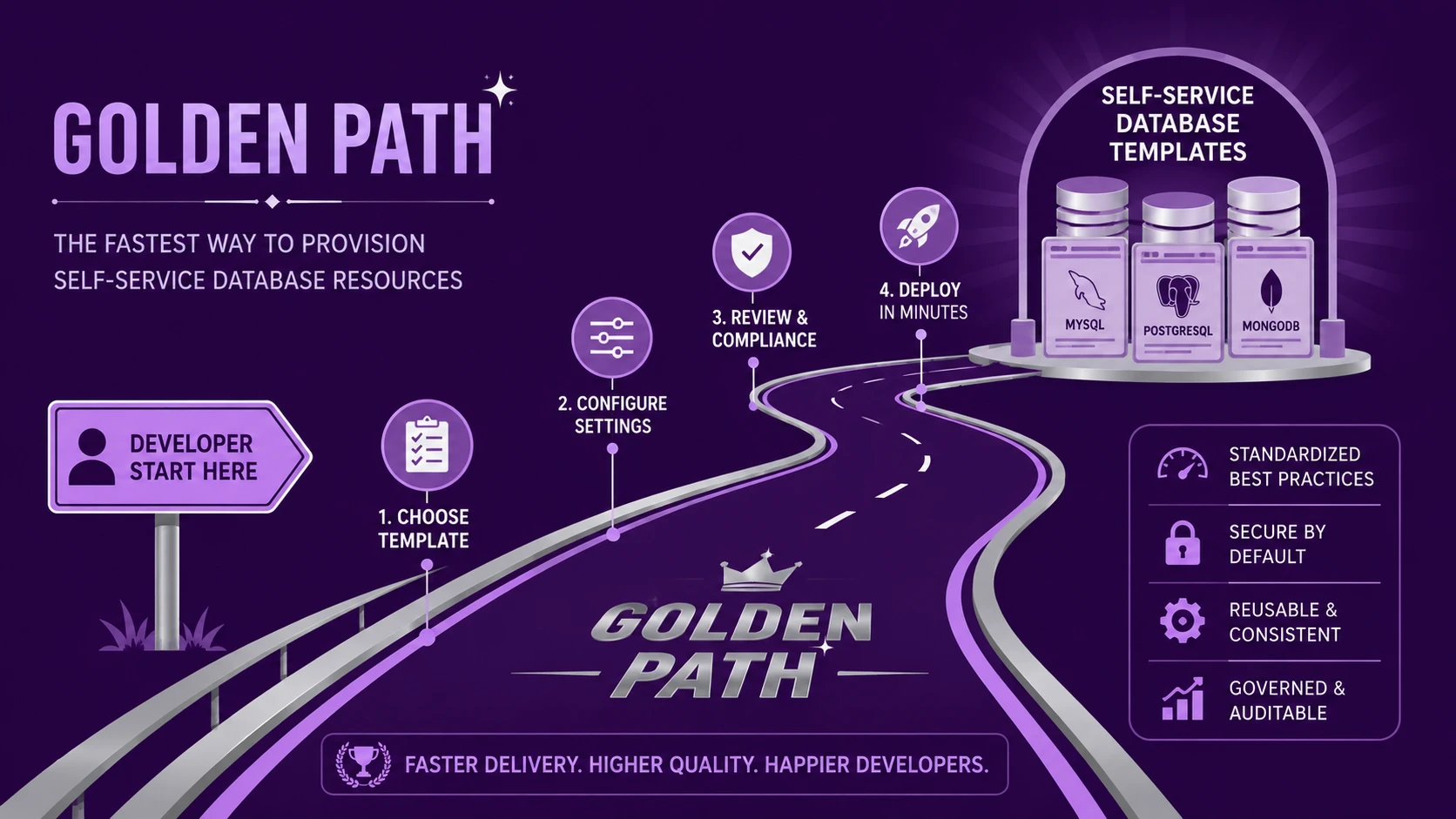
Golden Paths
One of the defining concepts in Platform Engineering is the creation of "Golden Paths."
A Golden Path provides a recommended implementation approach that incorporates engineering best practices.
Examples include:
- ◆Standard microservice templates
- ◆Secure deployment pipelines
- ◆Approved infrastructure configurations
- ◆Logging and monitoring integration
- ◆Security policy enforcement
Golden Paths reduce decision fatigue while encouraging architectural consistency.
Self-Service Infrastructure
Platform Engineering emphasizes self-service rather than manual operational processes.
Typical workflow:
- 1.Developer requests a new service.
- 2.Platform validates organizational policies.
- 3.Infrastructure is provisioned automatically.
- 4.Deployment pipelines are configured.
- 5.Monitoring and security integrations are applied.
- 6.Development teams begin delivering business functionality.
Automation reduces operational delays and minimizes manual configuration errors.
Developer Experience as a Product
Platform teams increasingly measure success through developer experience.
Key objectives include:
- ◆Faster onboarding
- ◆Reduced deployment time
- ◆Simplified workflows
- ◆Consistent documentation
- ◆Reliable platform services
Treating internal platforms as products encourages continuous improvement based on developer feedback.
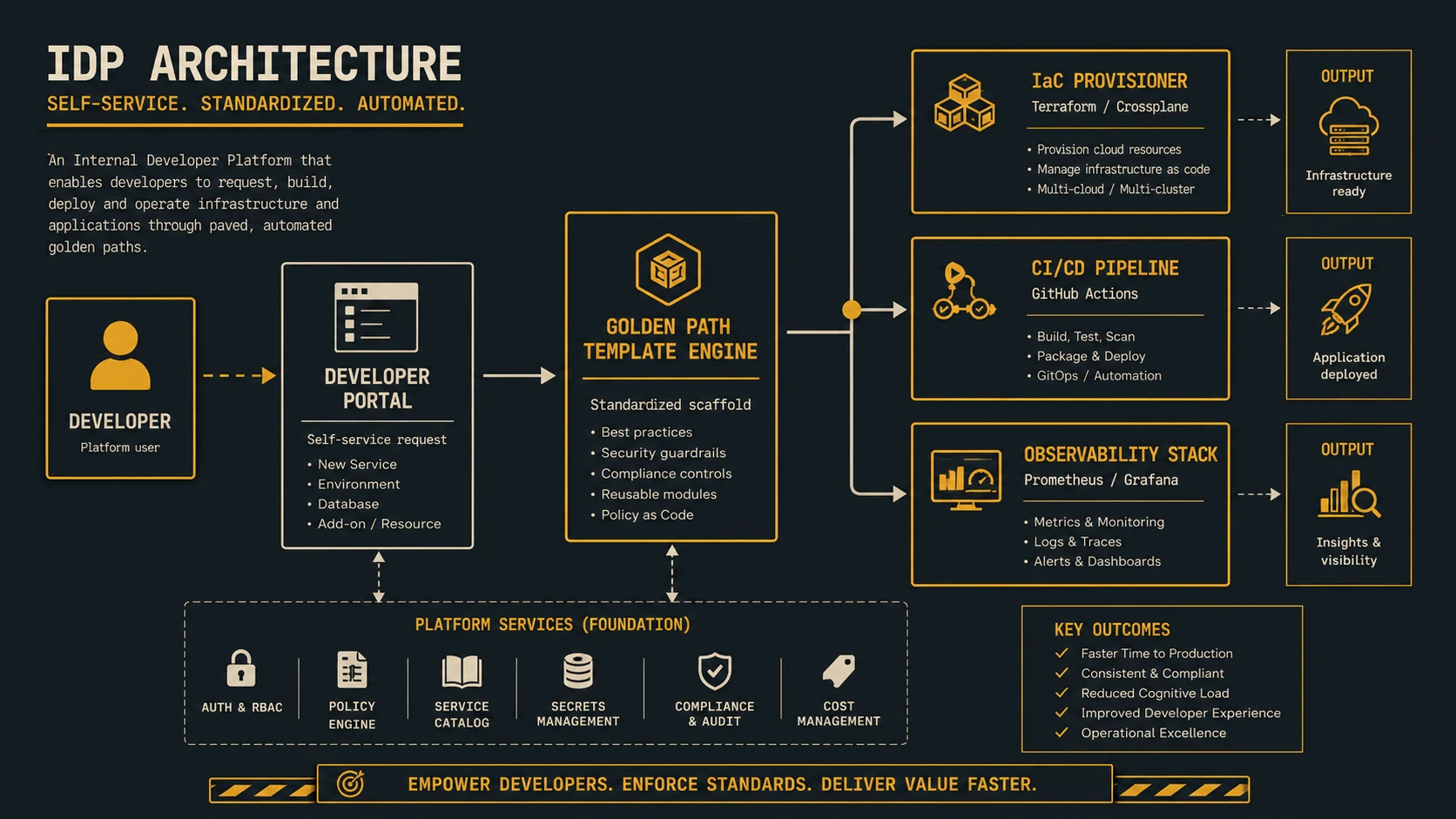
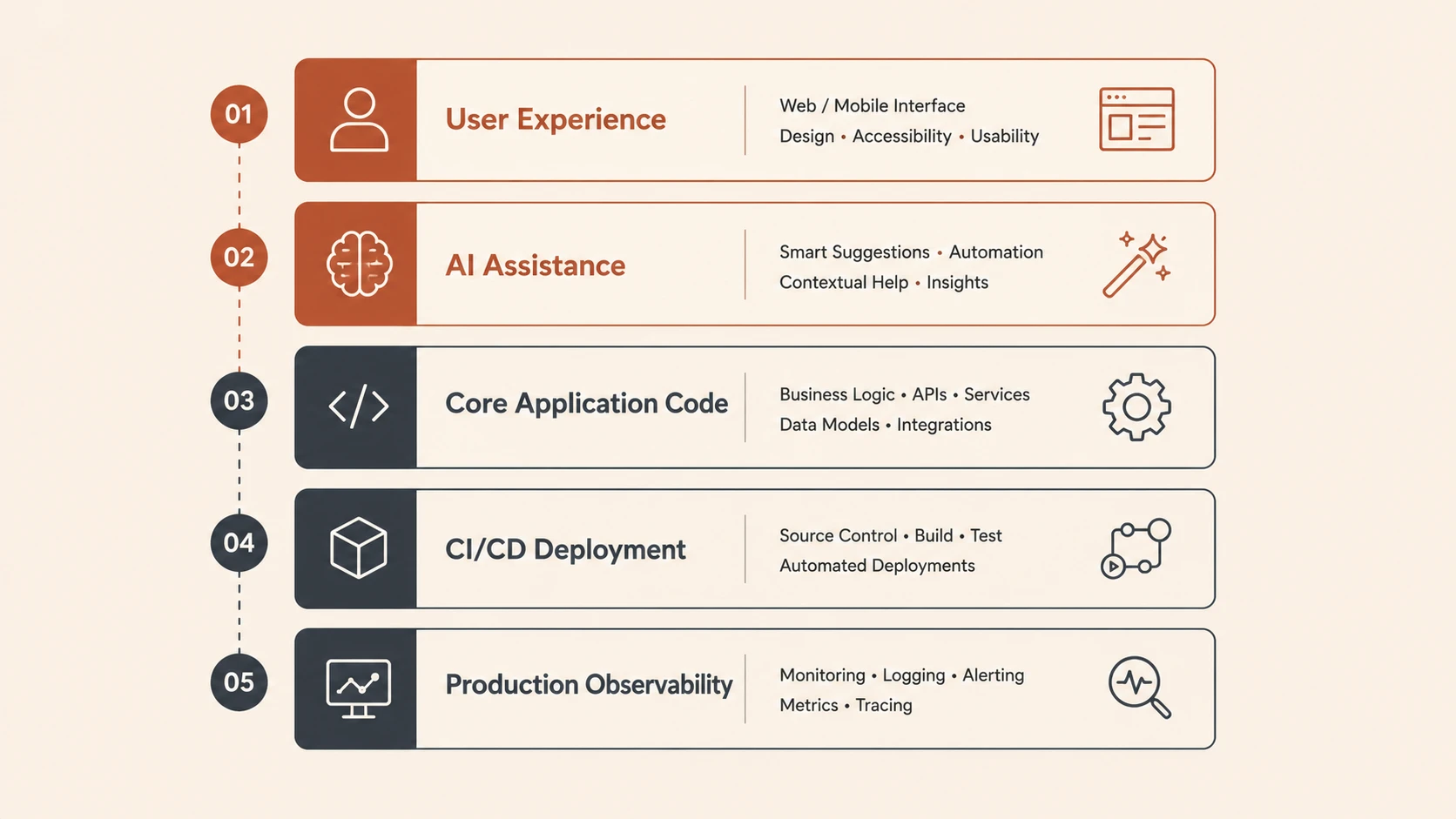
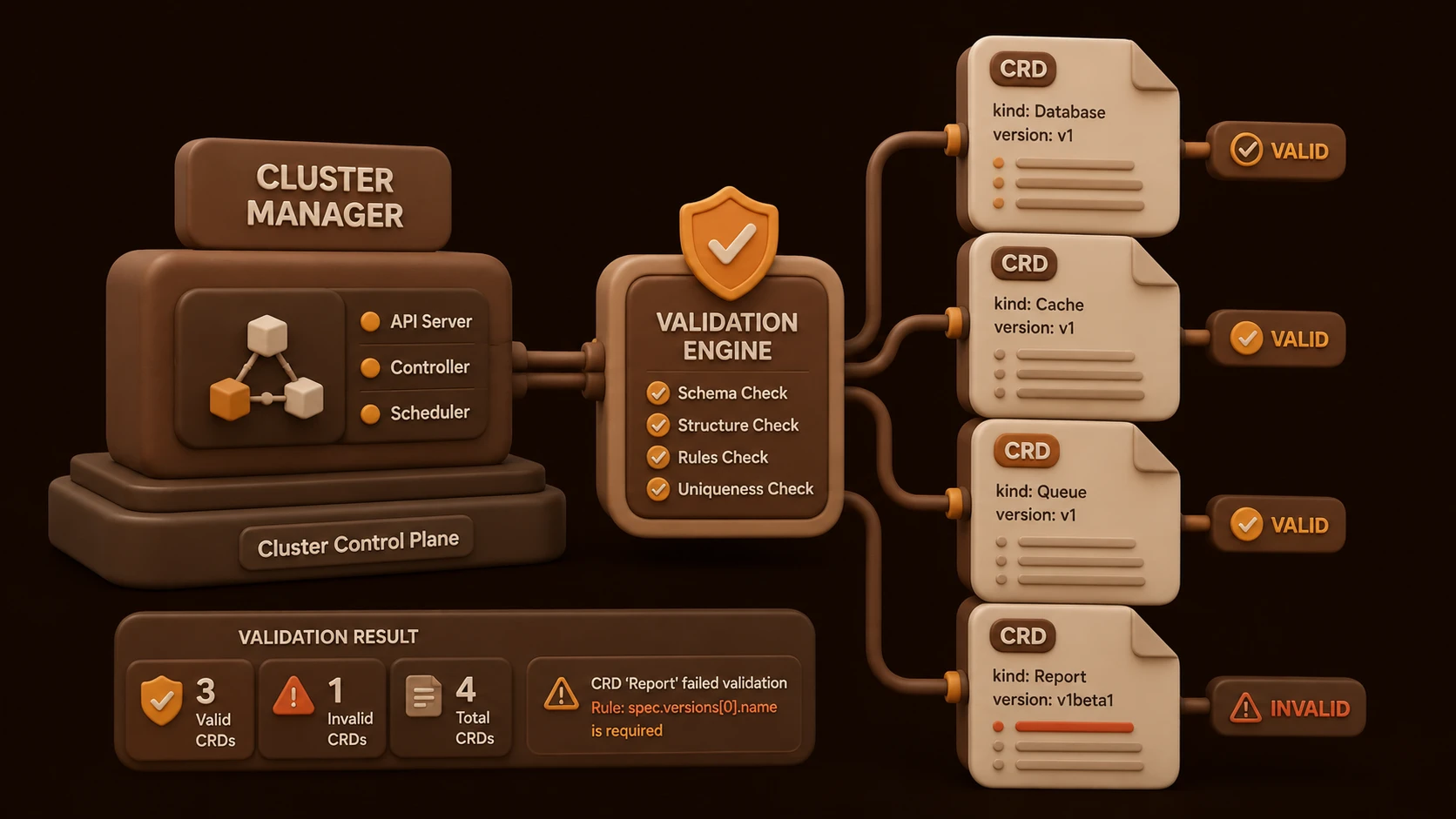
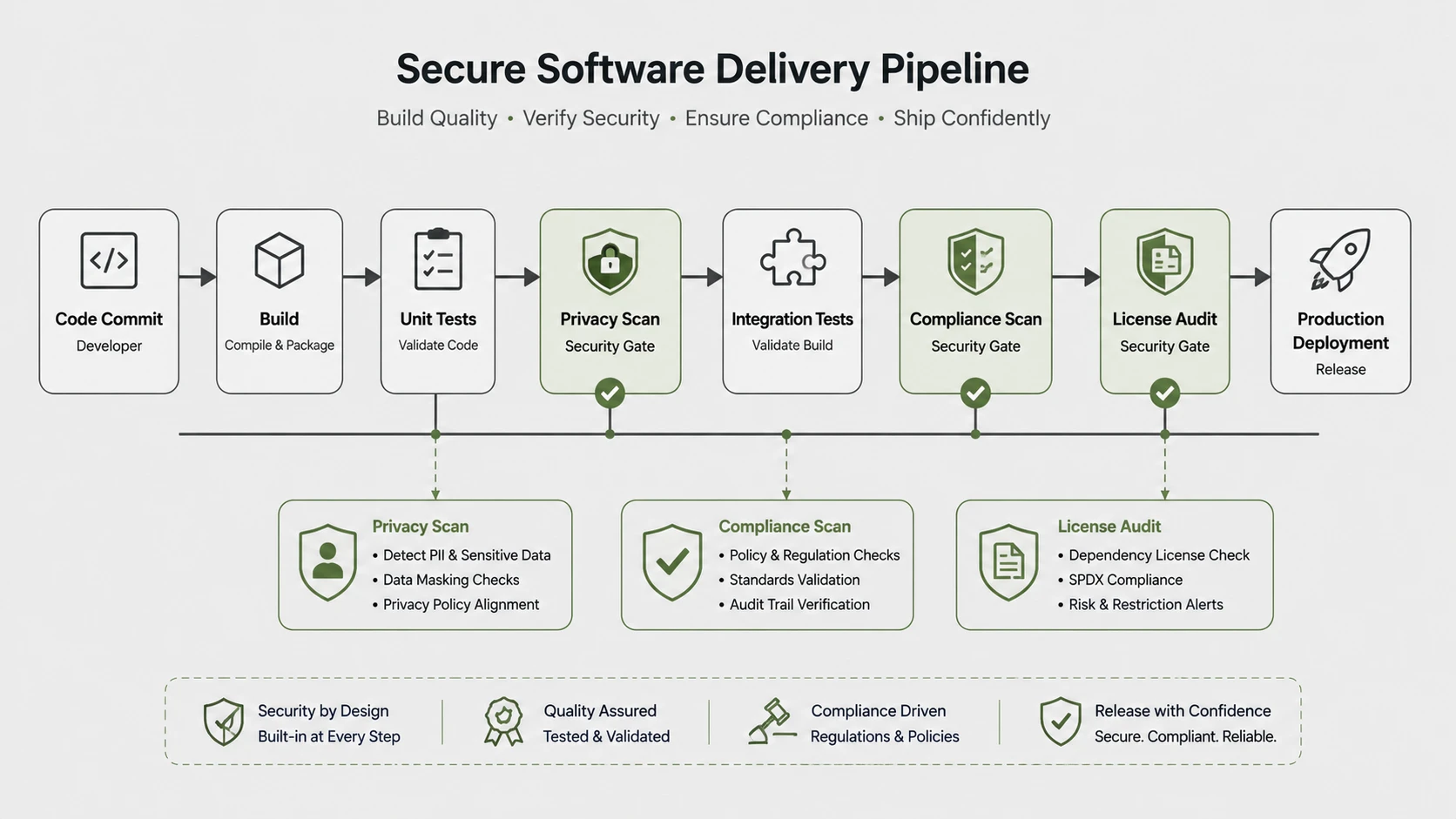
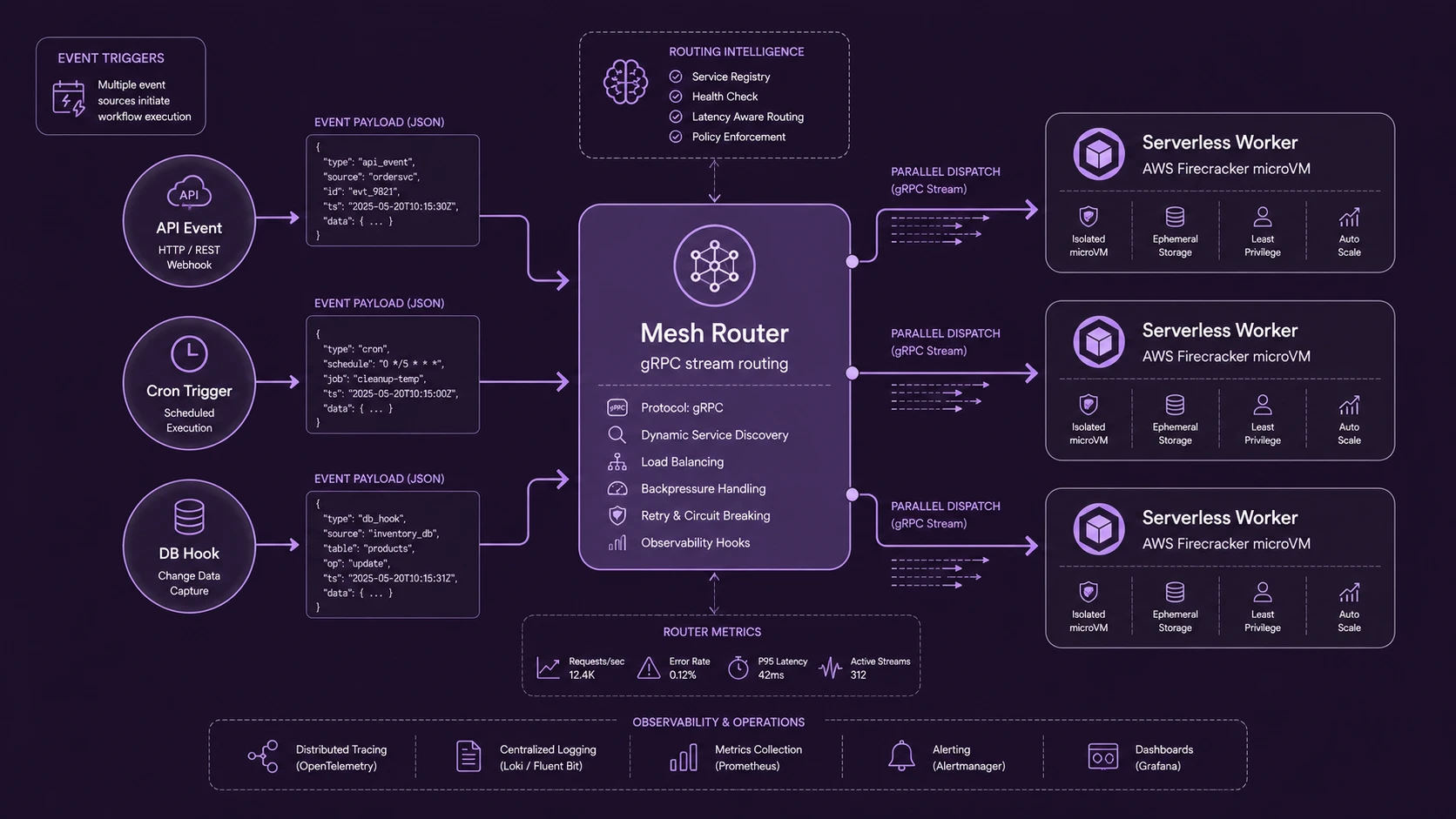
System architecture diagram and conceptual workflow layout for Platform Engineering Becomes Mainstream.
Governance and Standardization
Platform Engineering enables organizations to embed governance directly into development workflows.
Common controls include:
- ◆Identity management
- ◆Policy enforcement
- ◆Infrastructure standards
- ◆Deployment approvals
- ◆Compliance validation
- ◆Audit logging
Automation ensures governance scales alongside engineering growth.
Enterprise Use Cases
| Scenario | Benefit |
|---|---|
| SaaS Platforms | Standardized application deployment |
| Financial Services | Embedded security and compliance |
| Healthcare Systems | Controlled infrastructure provisioning |
| Retail Platforms | Faster feature delivery |
| Government Applications | Consistent operational governance |
| Enterprise Software | Improved developer productivity |
Organizations managing hundreds of services often realize significant operational improvements through standardized internal platforms.
Performance Considerations
Platform Engineering initiatives should monitor:
- ◆Deployment frequency
- ◆Lead time for changes
- ◆Environment provisioning time
- ◆Platform availability
- ◆Infrastructure utilization
- ◆Developer productivity metrics
Performance should be evaluated using both technical and organizational outcomes.
Security Considerations
Platform Engineering strengthens enterprise security by embedding controls into platform capabilities.
Organizations should continue implementing:
- ◆Identity federation
- ◆Least privilege access
- ◆Secret management
- ◆Policy as Code
- ◆Software supply chain security
- ◆Continuous vulnerability scanning
- ◆Audit logging
Security becomes part of the platform rather than an afterthought during application delivery.
Scalability
Platform Engineering supports enterprise growth through:
- ◆Standardized automation
- ◆Reusable engineering capabilities
- ◆Consistent deployment models
- ◆Centralized governance
- ◆Self-service operations
These characteristics allow organizations to scale engineering teams without proportionally increasing operational complexity.
Best Practices
Organizations implementing Platform Engineering should:
- ◆Build platforms around developer needs.
- ◆Create opinionated but flexible Golden Paths.
- ◆Automate repetitive operational tasks.
- ◆Treat the platform as a continuously evolving product.
- ◆Measure developer satisfaction alongside operational metrics.
- ◆Embed security and compliance into platform workflows.
- ◆Maintain comprehensive documentation.
- ◆Continuously refine platform capabilities based on adoption data.
Successful Platform Engineering depends on balancing standardization with developer autonomy.
Common Mistakes
Organizations should avoid:
- ◆Treating Platform Engineering as simply another infrastructure team.
- ◆Building platforms without engaging developers.
- ◆Automating inefficient manual processes without redesign.
- ◆Creating overly restrictive Golden Paths.
- ◆Ignoring developer experience metrics.
- ◆Measuring success solely through infrastructure utilization.
Effective platforms simplify software delivery rather than introducing additional layers of complexity.
Technology Comparison
| Capability | Traditional Infrastructure Team | Platform Engineering |
|---|---|---|
| Primary Focus | Infrastructure operations | Developer platform product |
| Service Delivery | Manual requests | Self-service automation |
| Governance | External processes | Embedded into platform |
| Developer Experience | Secondary concern | Primary objective |
| Infrastructure Provisioning | Ticket-driven | Automated |
| Standardization | Documentation-based | Platform-enforced |
Platform Engineering extends DevOps principles by delivering reusable internal platforms that improve consistency and productivity.
Adoption Strategy
Organizations should adopt Platform Engineering incrementally.
A practical roadmap includes:
- 1.Assess developer pain points.
- 2.Identify common engineering workflows.
- 3.Build foundational self-service capabilities.
- 4.Develop Golden Paths for common application types.
- 5.Integrate observability and security services.
- 6.Measure developer adoption and feedback.
- 7.Expand platform capabilities based on measurable engineering outcomes.
Incremental implementation enables continuous improvement while minimizing disruption to product teams.
Limitations
As of November 2023, organizations should recognize several considerations.
Current observations include:
- ◆Platform Engineering requires sustained investment in platform teams.
- ◆Successful adoption depends on organizational culture as much as technology.
- ◆Excessive standardization can reduce flexibility if not managed carefully.
- ◆Platform success should be measured through developer productivity and business outcomes rather than infrastructure metrics alone.
Organizations should therefore approach Platform Engineering as a long-term organizational capability rather than a one-time infrastructure project.
Looking Ahead
As of November 2023, Platform Engineering has become one of the most influential trends in enterprise software delivery. By combining self-service infrastructure, Internal Developer Platforms, Golden Paths, Infrastructure as Code, and embedded governance, organizations are reducing developer cognitive load while improving security, operational consistency, and software delivery speed.
For enterprise architects, CTOs, engineering managers, and platform teams, the strategic objective is to build platforms that empower developers rather than constrain them. Organizations that treat their internal platforms as products, continuously invest in developer experience, and balance automation with flexibility will be well positioned to scale software delivery in increasingly complex cloud-native environments.