Introduction
Vue.js has steadily established itself as one of the leading JavaScript frameworks for building modern web applications. Its approachable learning curve, declarative templates, reactive programming model, and incremental adoption strategy have made it attractive for startups as well as large enterprise organizations.
As frontend applications continue increasing in size and complexity, engineering teams require architectural patterns that improve code organization, component reuse, maintainability, testing, and TypeScript integration. While Vue 2's Options API has served these needs effectively for many projects, larger applications often require better logical grouping of related functionality.
Vue.js 3.0 addresses these challenges through one of the largest architectural updates in the framework's history. The framework has been substantially rewritten with TypeScript, introduces the Composition API for organizing complex component logic, improves runtime performance through a redesigned reactivity engine, and adds new capabilities such as Teleport, Fragments, Suspense (experimental), and enhanced compiler optimizations.
As of September 2020, Vue.js 3.0 represents a major platform release intended to support the next generation of enterprise frontend applications while preserving Vue's core philosophy of progressive adoption.
Industry Background
Modern enterprise frontend development increasingly emphasizes:
- ◆Component-driven architecture
- ◆TypeScript adoption
- ◆Progressive Web Applications
- ◆Single Page Applications
- ◆Design systems
- ◆Server-side rendering
- ◆Micro frontend architectures
- ◆Continuous Integration and Continuous Delivery
Development teams increasingly require frameworks that balance developer productivity with long-term maintainability.
The Business Problem
Large frontend applications commonly encounter:
- ◆Components with excessive responsibilities
- ◆Difficult code reuse
- ◆Growing Options API complexity
- ◆Limited organization of business logic
- ◆TypeScript integration challenges
- ◆Runtime performance concerns
- ◆Large component trees
Organizations require architectural patterns that simplify long-term application maintenance without sacrificing productivity.
Understanding Vue.js 3.0
Vue.js 3.0 introduces several foundational improvements:
- ◆Composition API
- ◆TypeScript-based core implementation
- ◆Teleport
- ◆Fragments
- ◆Improved reactivity system
- ◆Compiler optimizations
- ◆Performance improvements
- ◆Better TypeScript support
The release modernizes the framework while preserving compatibility with familiar Vue development practices.
Core Architecture
| Component | Responsibility |
|---|---|
| Vue Runtime | Executes application components |
| Composition API | Organizes reusable component logic |
| Reactive System | Tracks state dependencies |
| Template Compiler | Optimizes rendering |
| Virtual DOM | Efficient UI updates |
| TypeScript Core | Improves maintainability and tooling |
These architectural improvements strengthen Vue's ability to support increasingly complex enterprise applications.
Composition API
// Reactivity and lifecycle composition in Vue.js 3.0 Composition API
import { ref, onMounted, computed } from 'vue';

export default {
  setup() {
    const count = ref(0);
    const doubleCount = computed(() => count.value * 2);

    const increment = () => {
      count.value++;
    };

    onMounted(() => {
      console.log('Component mounted in Vue 3!');
    });

    return { count, doubleCount, increment };
  }
};
The Composition API is the most significant feature introduced in Vue.js 3.
Instead of organizing components solely by categories such as:
- ◆Data
- ◆Methods
- ◆Computed properties
- ◆Watchers
- ◆Lifecycle hooks
Developers can organize code according to business functionality.
Related state, logic, computed values, and lifecycle behavior can now be grouped together.
Potential enterprise benefits include:
- ◆Improved code organization
- ◆Better reuse of business logic
- ◆Easier maintenance
- ◆Improved readability
- ◆Better support for large components
The Composition API complements rather than replaces the existing Options API, allowing organizations to adopt it incrementally.
Improved Reactivity System
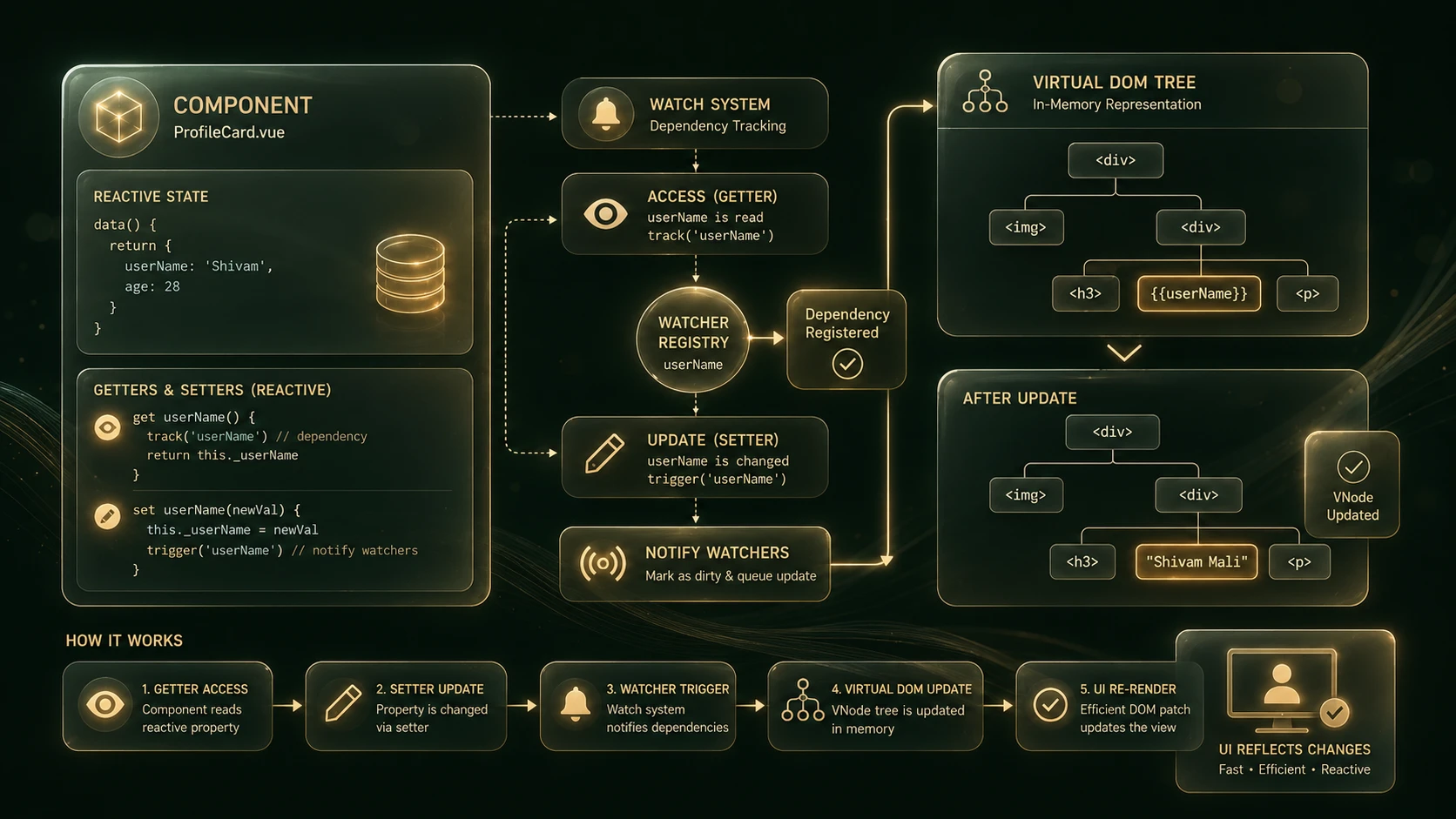
Vue 3 introduces a redesigned reactivity engine.
The new implementation provides:
- ◆More efficient dependency tracking
- ◆Improved memory management
- ◆Better scalability
- ◆Cleaner internal architecture
Applications with complex state relationships may benefit from reduced runtime overhead and improved responsiveness.
TypeScript Re-architecture
One of the most important internal changes is the framework's TypeScript rewrite.
The Vue core itself has been rewritten using TypeScript.
Enterprise advantages include:
- ◆Improved maintainability of the framework
- ◆Better editor support
- ◆Enhanced type inference
- ◆Stronger tooling integration
- ◆Improved developer experience
Organizations adopting TypeScript across frontend applications may benefit from improved consistency between application code and framework tooling.
Teleport
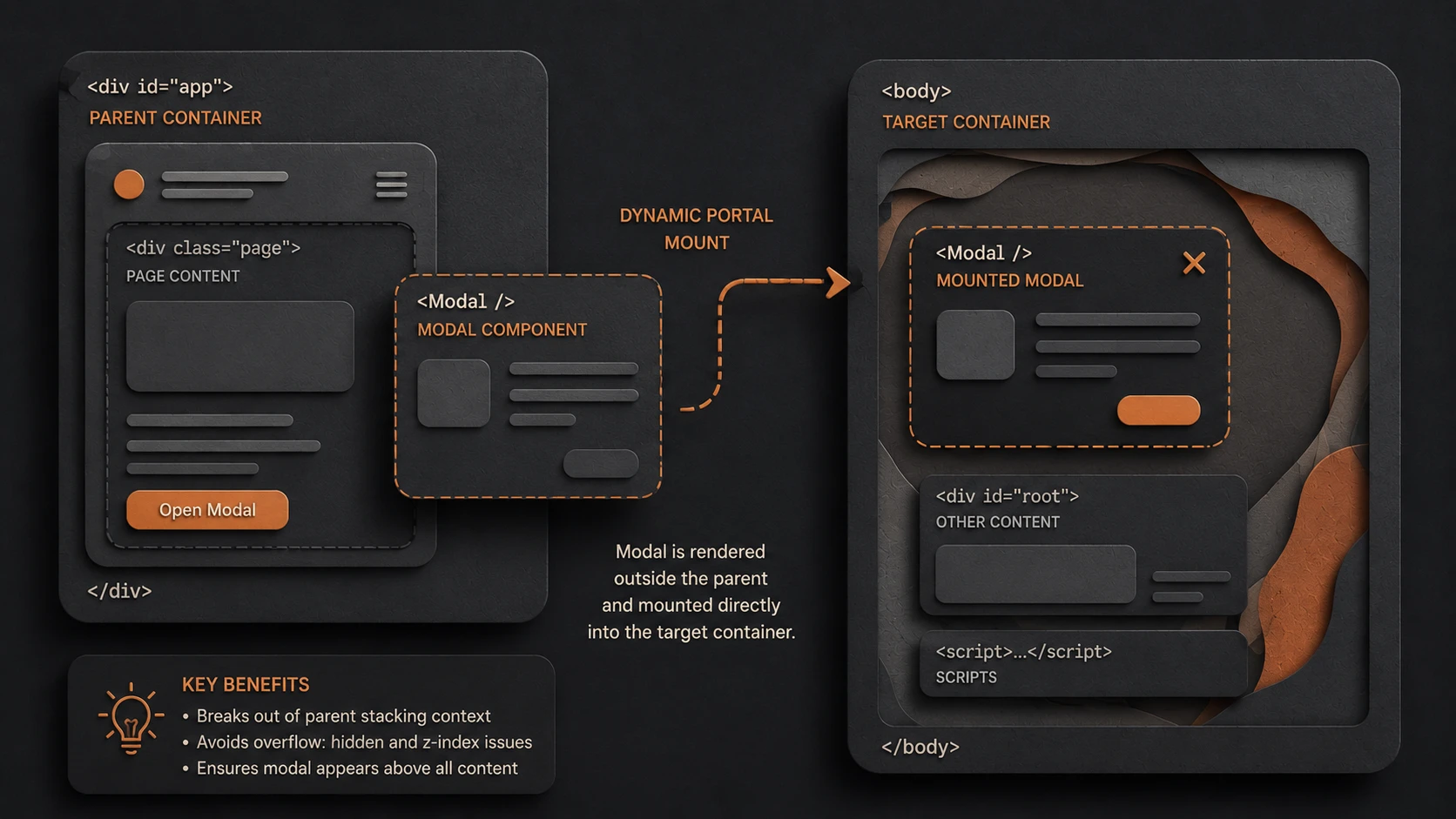
Complex enterprise interfaces frequently require UI elements to render outside their logical component hierarchy.
Examples include:
- ◆Modal dialogs
- ◆Notification systems
- ◆Context menus
- ◆Global overlays
- ◆Pop-up interfaces
Teleport allows a component to render its output elsewhere in the DOM while preserving its logical relationship with the originating component.
Potential benefits include:
- ◆Cleaner application architecture
- ◆Improved overlay management
- ◆Better separation of concerns
- ◆Simplified component composition
Fragments
Vue 2 required every component template to contain a single root element.
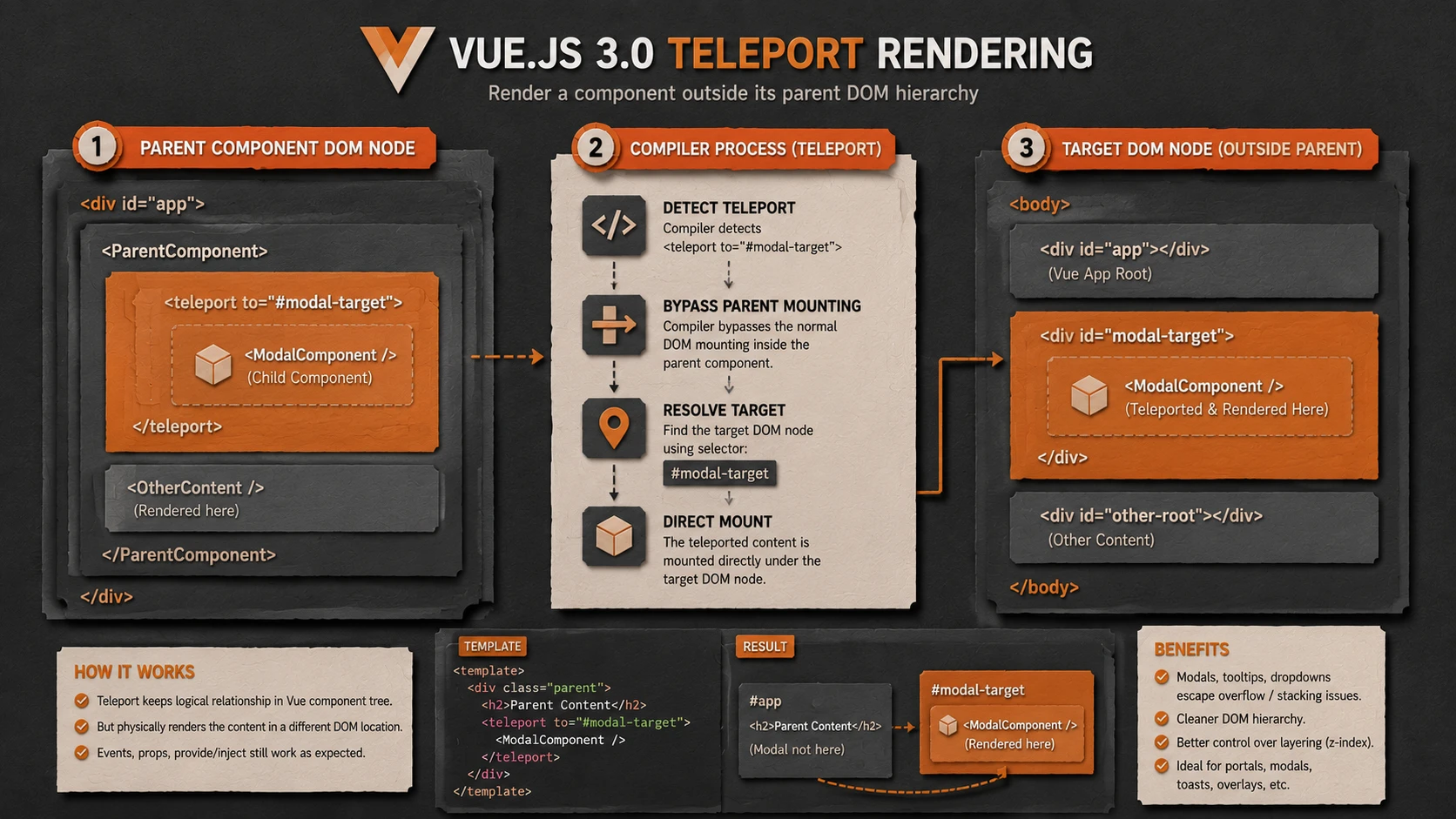
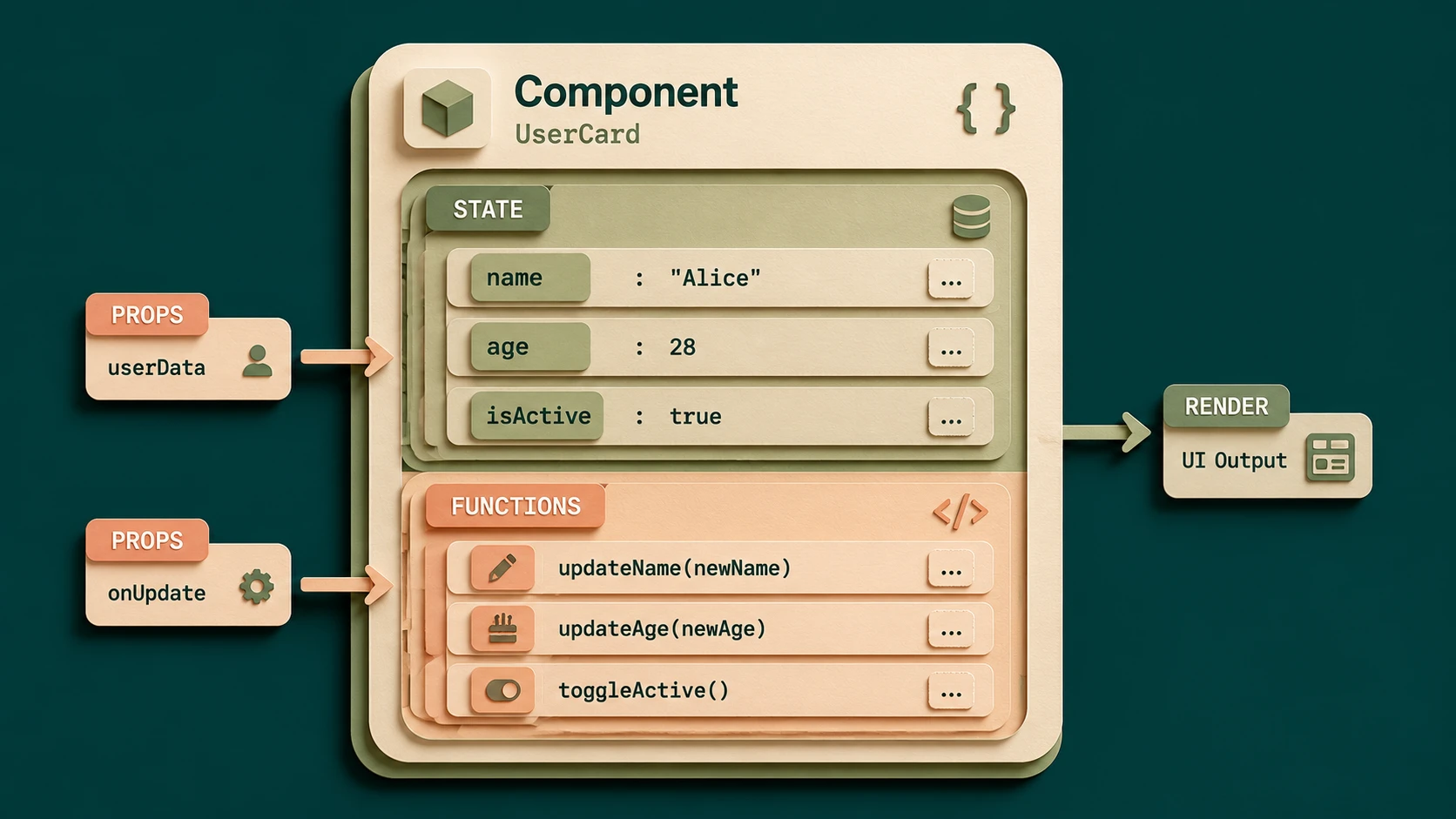
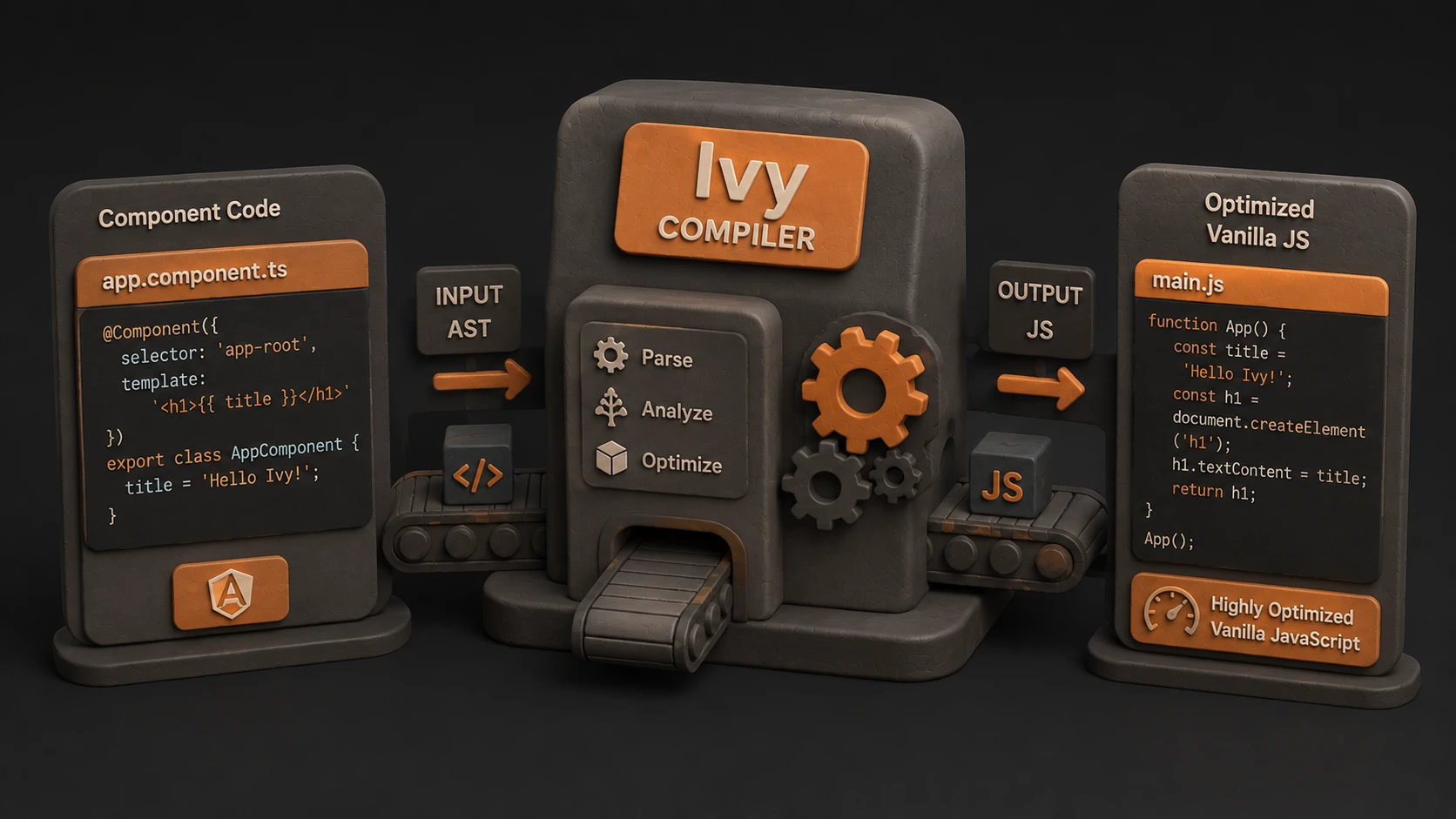
System architecture diagram and conceptual workflow layout for Vue.js 3.0 Release.
Vue.js 3 introduces Fragment support, allowing multiple root nodes.
Benefits include:
- ◆Cleaner markup
- ◆Reduced unnecessary wrapper elements
- ◆Simplified component layouts
- ◆Improved template readability
This enhancement reduces DOM complexity while making component templates more expressive.
Compiler Optimizations
Vue 3 includes significant compiler improvements.
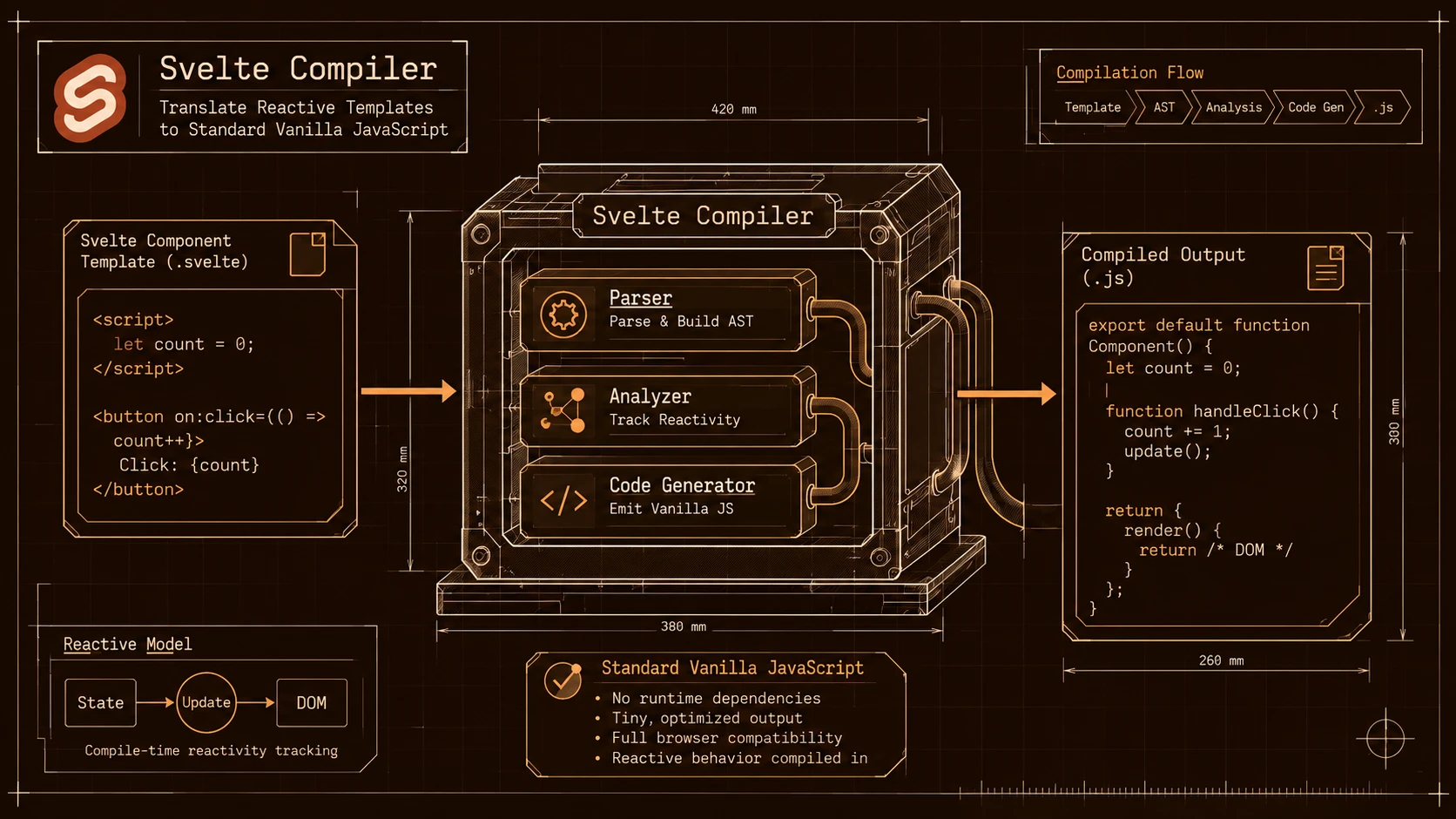
The compiler performs additional analysis during the build process, enabling more efficient runtime rendering.
Potential optimization areas include:
- ◆Static content detection
- ◆Patch optimization
- ◆Reduced runtime work
- ◆Improved update efficiency
These optimizations contribute to better rendering performance without requiring application code changes.
Enterprise Use Cases
| Scenario | Benefit |
|---|---|
| Enterprise Dashboards | Better organization of complex component logic |
| SaaS Platforms | Improved TypeScript integration |
| Administrative Applications | Cleaner modal management using Teleport |
| Design Systems | Reusable Composition API logic |
| Customer Portals | Improved rendering performance |
| Progressive Web Applications | More efficient component architecture |
Organizations maintaining large Vue applications benefit from architectural improvements that reduce maintenance complexity while supporting modern development practices.
Performance Considerations
Vue.js 3 includes several runtime and compiler optimizations.
Development teams should benchmark:
- ◆Initial application startup
- ◆Bundle size
- ◆Component rendering
- ◆Reactive state updates
- ◆Memory utilization
- ◆Large component tree performance
Performance decisions should continue relying on representative production workloads rather than synthetic benchmarks.
Security Considerations
Vue.js 3 does not fundamentally alter frontend security practices.
Organizations should continue implementing:
- ◆Input validation
- ◆Output encoding
- ◆Authentication
- ◆Authorization
- ◆Secure API communication
- ◆Dependency governance
Framework improvements complement secure engineering practices without replacing established application security controls.
Scalability
Vue.js 3 improves long-term scalability through:
- ◆Better code organization
- ◆Enhanced reactivity
- ◆Improved compiler optimization
- ◆Stronger TypeScript support
- ◆Cleaner component composition
These improvements become increasingly valuable as enterprise frontend applications continue growing in complexity.
Best Practices
Organizations adopting Vue.js 3 should:
- ◆Continue using the Options API where it remains appropriate.
- ◆Introduce the Composition API gradually for new development.
- ◆Group logic by business functionality rather than technical categories.
- ◆Standardize TypeScript usage across projects.
- ◆Use Teleport for overlays and modal interfaces.
- ◆Benchmark performance after migration.
- ◆Maintain comprehensive automated testing.
- ◆Validate third-party library compatibility before production deployment.
Incremental adoption minimizes operational risk while allowing development teams to gain experience with the new architecture.
Common Mistakes
Development teams should avoid:
- ◆Rewriting mature applications solely to adopt the Composition API.
- ◆Assuming the Options API is obsolete.
- ◆Mixing organizational patterns inconsistently across projects.
- ◆Ignoring migration planning for third-party dependencies.
- ◆Treating TypeScript adoption as mandatory for every project.
- ◆Skipping regression testing during framework upgrades.
Successful modernization depends upon disciplined engineering practices rather than immediate feature adoption.
Technology Comparison
| Capability | Vue.js 2.x | Vue.js 3.0 |
|---|---|---|
| Options API | Yes | Yes |
| Composition API | No | Yes |
| TypeScript-Based Core | No | Yes |
| Teleport | No | Yes |
| Fragments | No | Yes |
| Improved Reactivity Engine | Limited | Redesigned |
| Compiler Optimizations | Good | Enhanced |
Vue.js 3 builds upon the strengths of Vue 2 while introducing architectural improvements that support larger and more maintainable applications.
Adoption Strategy
Organizations should approach Vue.js 3 migration through phased adoption.
A recommended strategy includes:
- 1.Evaluate existing Vue 2 applications.
- 2.Upgrade development environments.
- 3.Introduce Vue 3 in new projects.
- 4.Adopt the Composition API where it improves maintainability.
- 5.Benchmark runtime performance.
- 6.Validate third-party ecosystem compatibility.
- 7.Expand migration after successful production validation.
A measured migration strategy minimizes operational disruption while allowing engineering teams to benefit from the framework's architectural improvements.
Limitations
As of September 2020, organizations should recognize several considerations.
Current observations include:
- ◆Existing Vue 2 applications require migration planning.
- ◆Third-party ecosystem compatibility should be evaluated carefully.
- ◆Development teams require time to become familiar with the Composition API.
- ◆Architectural improvements should be introduced according to measurable business value rather than immediately rewriting stable applications.
Vue.js 3 offers significant long-term advantages, but enterprise adoption should proceed through disciplined evaluation and incremental migration.
Looking Ahead
Vue.js 3.0 represents the framework's most substantial architectural evolution to date. The Composition API introduces a more scalable approach to organizing complex application logic, the TypeScript rewrite strengthens tooling and maintainability, Teleport simplifies advanced interface composition, and compiler optimizations improve runtime efficiency. Together, these enhancements position Vue for increasingly sophisticated enterprise applications.
As of September 2020, enterprise architects and frontend engineering leaders should evaluate Vue.js 3 as the foundation for new application development while planning gradual migration strategies for existing systems. Organizations that combine careful migration planning, standardized development practices, and comprehensive testing will be well positioned to benefit from Vue's next generation architecture.