Introduction
Enterprise software development has traditionally relied on professional engineering teams responsible for designing, building, deploying, and maintaining business applications. While this model provides flexibility and architectural control, it also creates challenges as organizations face increasing demand for digital transformation, workflow automation, customer-facing portals, internal productivity tools, and data-driven applications.
Business departments often require new software faster than centralized IT teams can deliver it. This growing application backlog has fueled the rapid rise of low-code development platforms, allowing business users and technical specialists to assemble applications using visual designers, reusable components, workflow automation, and minimal manual coding.
Initially, many organizations viewed low-code platforms as competitors to traditional software development. However, enterprise adoption over the past several years has demonstrated a different trend. Rather than replacing professional developers, modern platforms increasingly encourage collaboration between citizen developers and engineering teams.
This collaborative approach, commonly described as Low-Code and Pro-Code Fusion, combines visual application development with professional software engineering practices. Business users accelerate solution delivery while software engineers extend, secure, integrate, and govern enterprise systems.
From the perspective of March 2022, Low-Code and Pro-Code Fusion represents one of the most significant shifts in enterprise application development strategy.
Industry Background
Organizations across every industry continue accelerating digital transformation initiatives.
Common enterprise priorities include:
- ◆Business process automation.
- ◆Internal workflow modernization.
- ◆Customer self-service portals.
- ◆Mobile business applications.
- ◆Cloud migration.
- ◆Data integration.
- ◆Faster application delivery.
Development teams increasingly support:
- ◆Professional software engineers.
- ◆Business analysts.
- ◆Citizen developers.
- ◆Platform administrators.
- ◆Enterprise architects.
- ◆DevOps engineers.
These diverse stakeholders require tools that balance productivity with governance.
The Business Problem
Traditional enterprise software delivery frequently encounters several challenges.
Organizations commonly experience:
- ◆Application backlogs.
- ◆Limited engineering capacity.
- ◆Increasing software demand.
- ◆Repetitive business application development.
- ◆Long project delivery cycles.
- ◆Shadow IT.
- ◆Integration complexity.
Business users often possess deep domain knowledge but lack traditional programming experience, while software engineers focus on strategic enterprise systems.
Low-Code and Pro-Code Fusion attempts to bridge this gap.
Understanding the Technology
The fusion model combines visual development environments with traditional software engineering.
Typical capabilities include:
- ◆Visual application designers.
- ◆Workflow automation.
- ◆API integration.
- ◆Custom code extensions.
- ◆Professional development environments.
- ◆DevOps pipelines.
- ◆Enterprise governance.
Rather than separating business and engineering teams, the platform enables collaboration using shared application assets.
Core Architecture
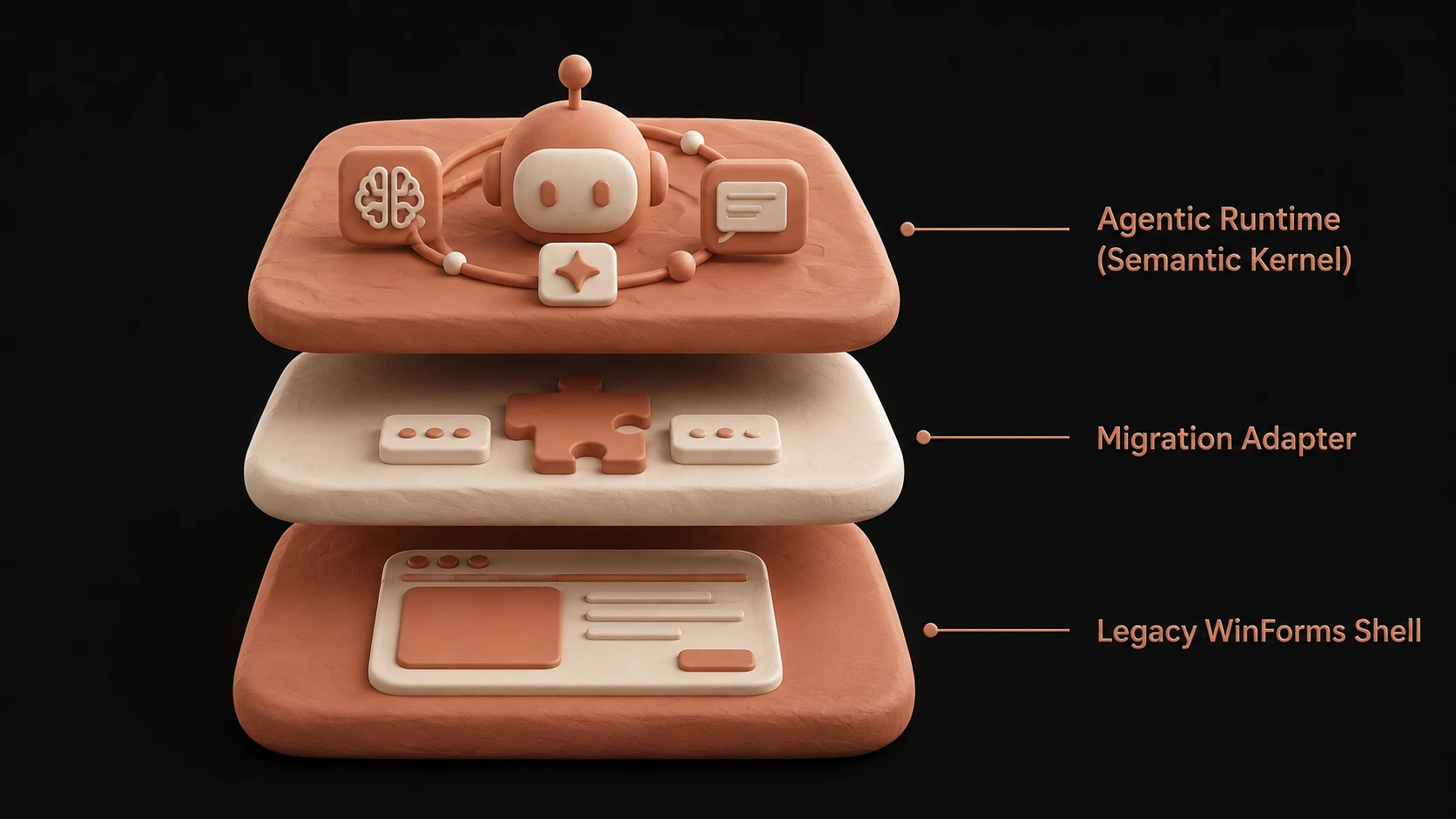
A simplified Low-Code and Pro-Code architecture appears below.
| Component | Responsibility |
|---|---|
| Citizen Developers | Visual workflow creation |
| Low-Code Platform | Application assembly |
| Professional Developers | Custom business logic |
| APIs | Enterprise integration |
| DevOps Pipeline | Deployment automation |
| Enterprise Systems | Business applications |
| Governance Layer | Security and compliance |
Visual development accelerates application creation while professional developers extend capabilities using traditional programming techniques.
Key Features
Collaborative Development
The defining characteristic of the fusion model is collaboration.
Business users can rapidly develop workflows and interfaces while software engineers implement:
- ◆Custom APIs.
- ◆Complex business logic.
- ◆Security integrations.
- ◆Performance optimization.
- ◆Enterprise architecture.
Each group contributes according to its expertise.
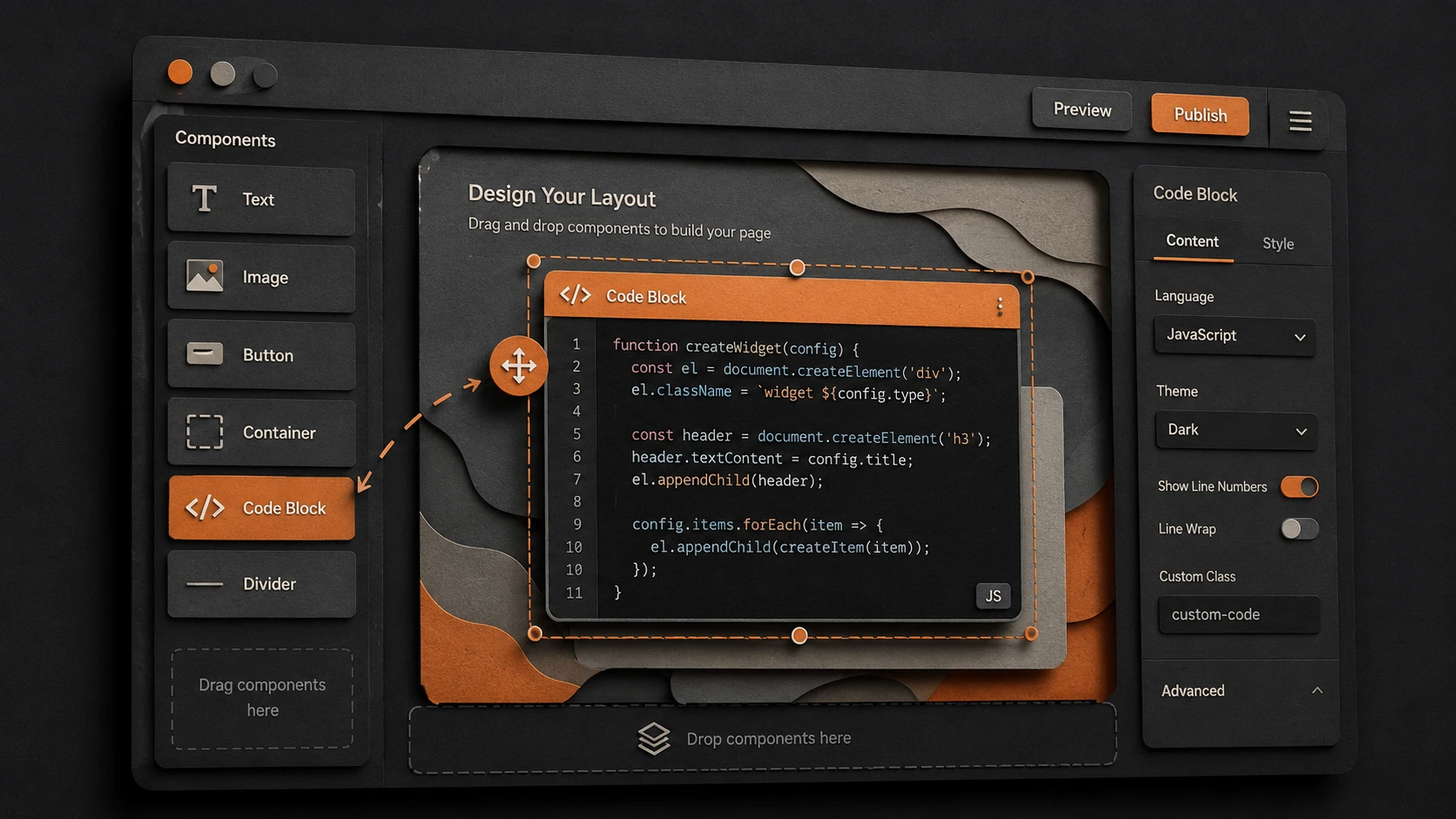
Visual Application Design
Low-code platforms provide drag-and-drop environments for creating:
- ◆Forms.
- ◆Dashboards.
- ◆Approval workflows.
- ◆Business processes.
- ◆Mobile interfaces.
This reduces development time for common application patterns.
Professional Code Extensions
Modern platforms increasingly allow developers to extend applications using traditional programming languages.
Custom extensions may include:
- ◆REST services.
- ◆Business rules.
- ◆Authentication providers.
- ◆Data transformations.
- ◆Enterprise integrations.
This flexibility enables low-code solutions to address more sophisticated business requirements.
API-Driven Integration
Enterprise platforms increasingly expose APIs that allow low-code applications to communicate with:
- ◆ERP systems.
- ◆CRM platforms.
- ◆Identity providers.
- ◆Cloud services.
- ◆Data warehouses.
Professional developers typically design and secure these integrations while business users consume them through visual tooling.
Governance and Security
Enterprise adoption requires centralized governance.
Organizations can define:
- ◆Authentication policies.
- ◆Role-based permissions.
- ◆Deployment workflows.
- ◆Audit controls.
- ◆Data access restrictions.
Governance ensures rapid development does not compromise operational security.
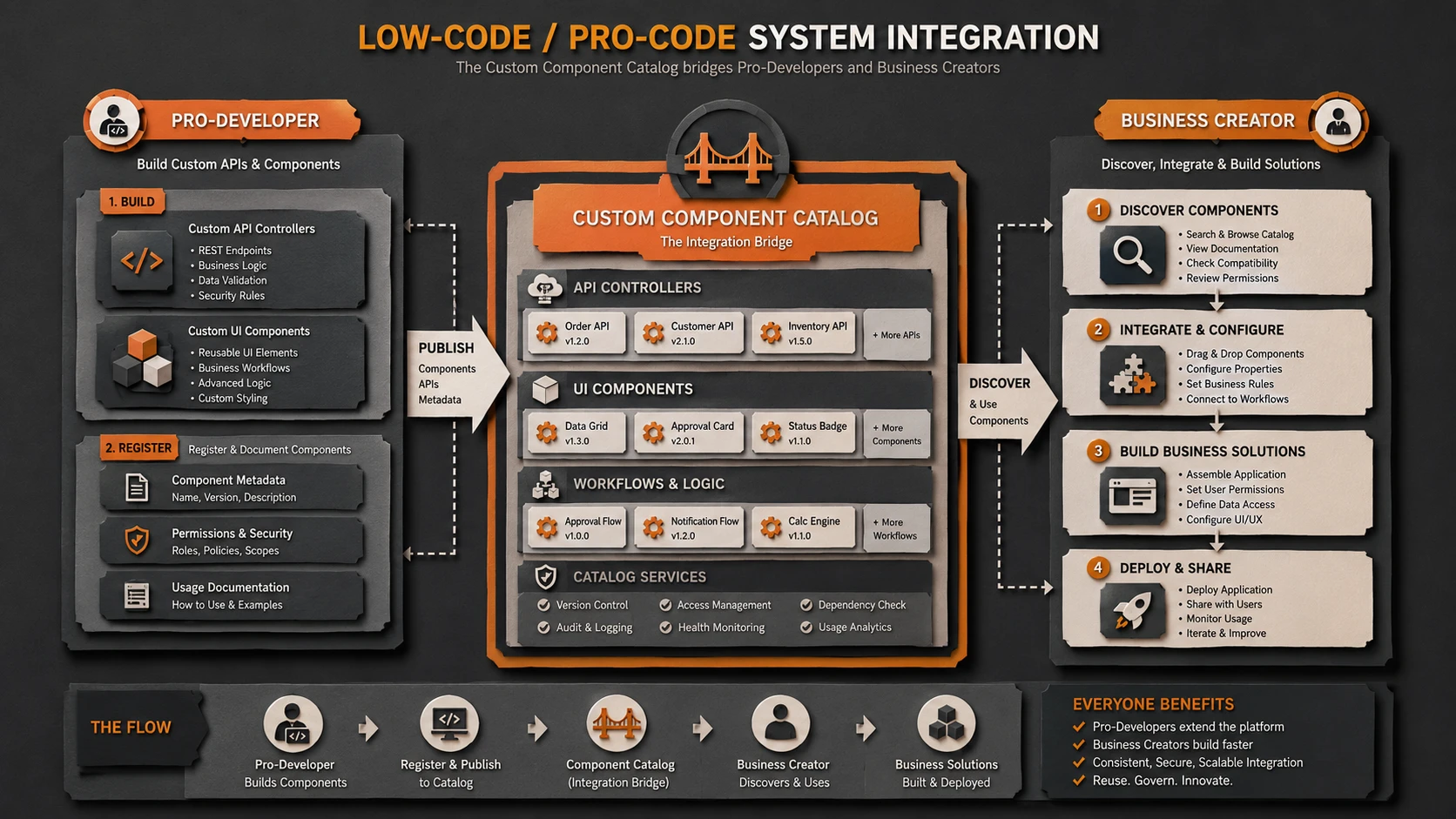
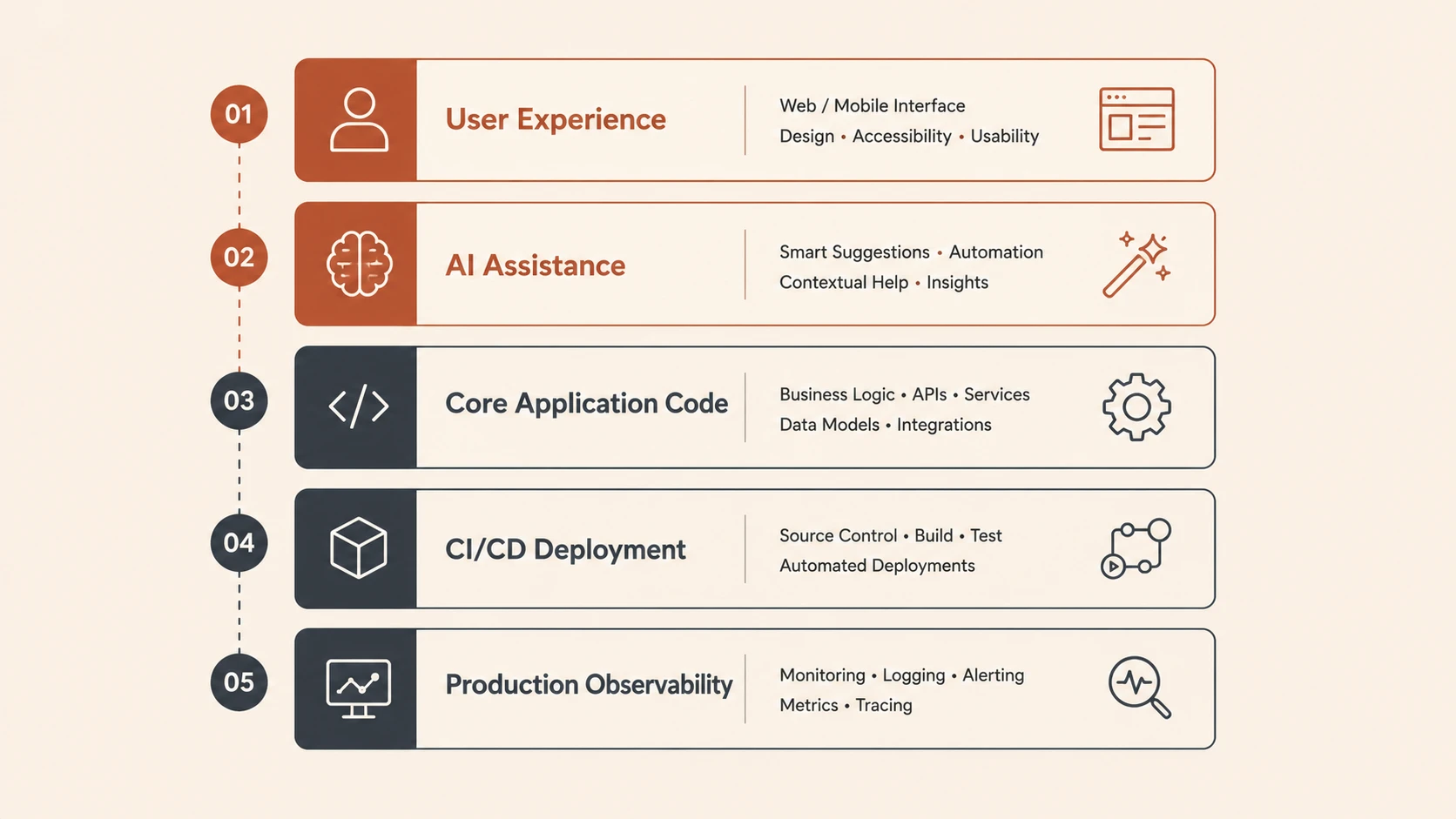
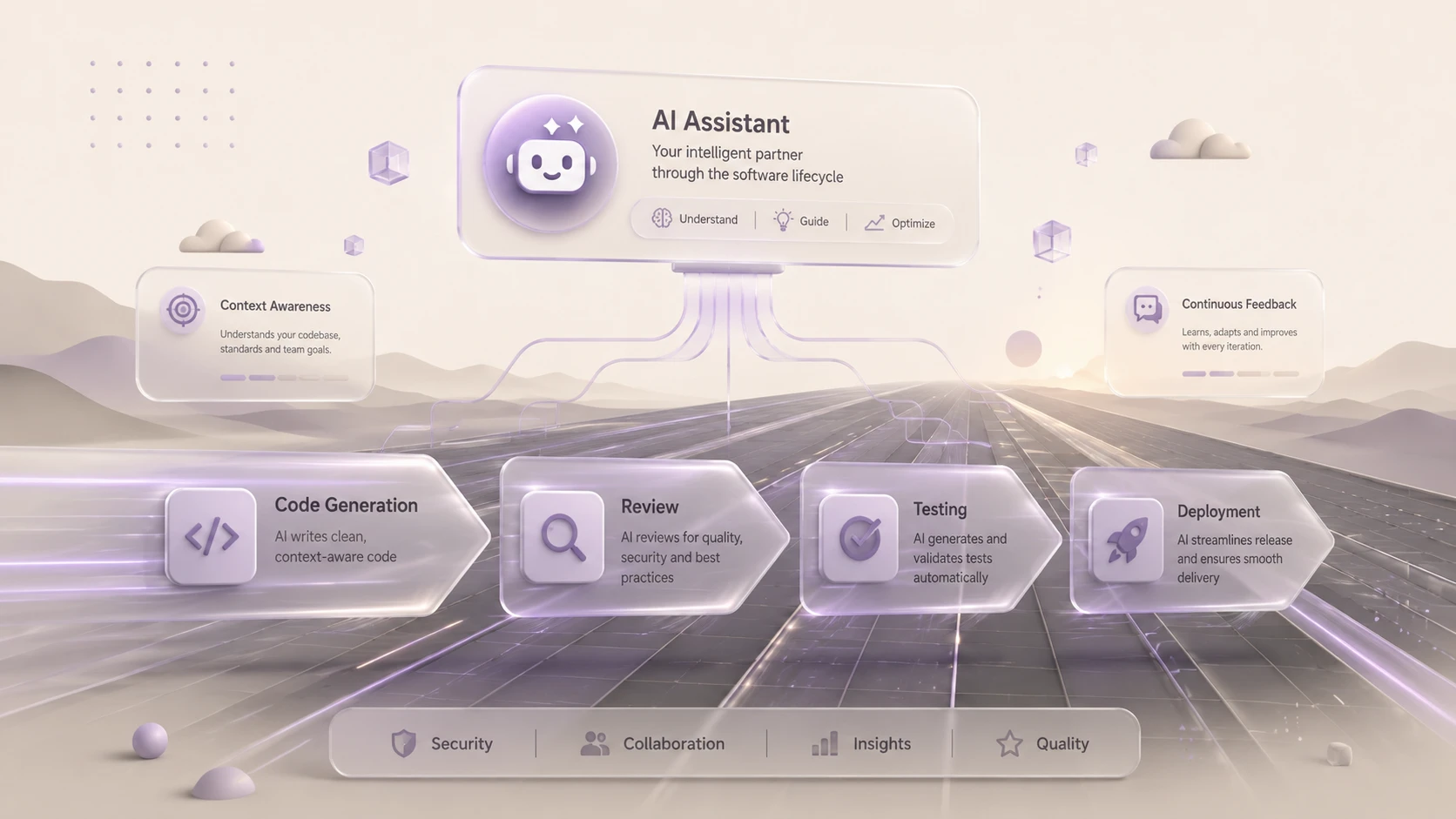
System architecture diagram and conceptual workflow layout for Low-Code & Pro-Code Fusion.
DevOps Integration
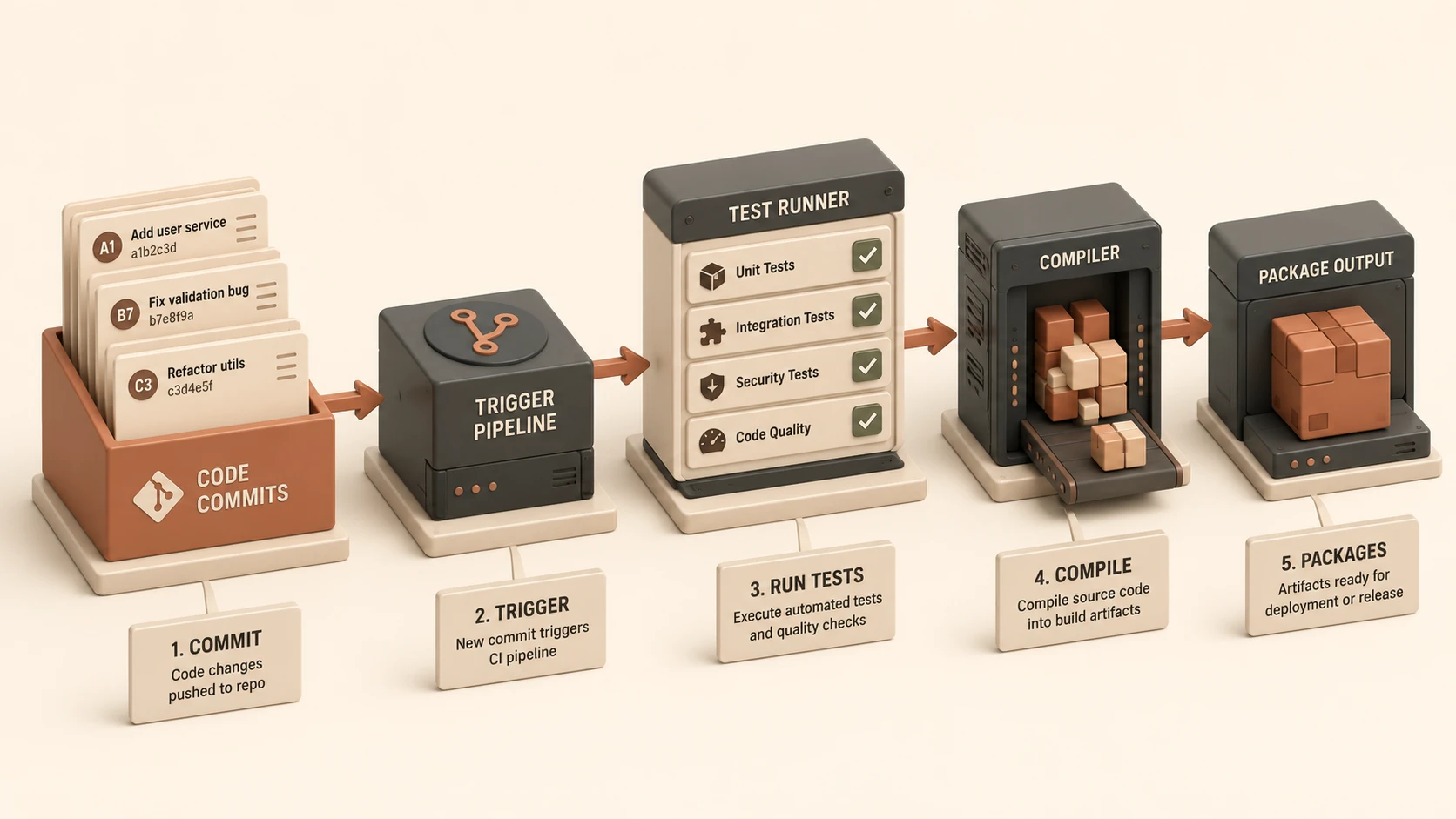
Modern low-code platforms increasingly integrate with professional DevOps practices including:
- ◆Version control.
- ◆Automated testing.
- ◆Continuous Integration.
- ◆Continuous Delivery.
- ◆Environment promotion.
These capabilities improve reliability while supporting enterprise deployment standards.
How It Works
A simplified collaboration workflow appears below.
Business Requirements
          |
Citizen Developer
          |
Low-Code Platform
          |
Professional Developer
(Custom Logic & APIs)
          |
Testing
          |
DevOps Pipeline
          |
Enterprise Deployment
Visual development accelerates solution creation while professional engineering ensures scalability, integration, and maintainability.
Enterprise Use Cases
Internal Workflow Automation
Departments can automate approval processes while engineering teams manage enterprise integrations.
Human Resources
Employee onboarding, leave management, and internal service requests benefit from collaborative application development.
Financial Operations
Business users define approval workflows while developers integrate accounting and ERP systems.
Customer Service
Support portals combine visual interfaces with professionally developed backend services.
Manufacturing
Operational dashboards integrate production data through secure enterprise APIs.
Performance Considerations
Organizations adopting the fusion model should evaluate:
- ◆Application scalability.
- ◆API performance.
- ◆Workflow execution time.
- ◆Platform resource utilization.
- ◆Integration latency.
- ◆Deployment consistency.
Performance bottlenecks often arise within custom integrations rather than visual application components.
Security Considerations
Low-code adoption should follow enterprise security standards.
Organizations should implement:
- ◆Identity management.
- ◆Role-Based Access Control.
- ◆Multi-factor authentication.
- ◆API security.
- ◆Data encryption.
- ◆Audit logging.
Governance remains essential as application development expands beyond traditional engineering teams.
Scalability
Low-Code and Pro-Code Fusion improves enterprise scalability through:
- ◆Faster application delivery.
- ◆Reusable components.
- ◆Shared APIs.
- ◆Standardized governance.
- ◆Reduced engineering bottlenecks.
These characteristics enable organizations to respond more rapidly to changing business requirements.
Best Practices
Organizations adopting the fusion model should:
- ◆Clearly define responsibilities for citizen developers and professional developers.
- ◆Establish enterprise governance policies.
- ◆Build reusable API services.
- ◆Standardize DevOps workflows.
- ◆Review application security before deployment.
- ◆Monitor platform performance.
- ◆Document architectural standards.
Successful collaboration depends on balancing developer productivity with architectural discipline.
Common Mistakes
| Mistake | Business Impact |
|---|---|
| Allowing unrestricted citizen development without governance | Security and compliance risks |
| Treating low-code as a replacement for software engineering | Architectural limitations |
| Building duplicate integrations across departments | Increased maintenance costs |
| Ignoring DevOps practices | Deployment inconsistency |
| Creating isolated applications without enterprise APIs | Data silos |
| Delaying architecture reviews | Reduced long-term maintainability |
Organizations should treat low-code as an extension of enterprise software engineering rather than a separate technology strategy.
Technology Comparison
| Characteristic | Traditional Pro-Code | Low-Code & Pro-Code Fusion |
|---|---|---|
| Application Development | Professional developers only | Collaborative teams |
| Delivery Speed | Moderate | Faster for business applications |
| Customization | Maximum flexibility | Visual development with code extensions |
| Governance | IT managed | Shared governance model |
| Integration | Developer implemented | APIs shared across both models |
| Enterprise Scalability | High | High with proper governance |
The fusion approach combines the productivity of visual development with the architectural strengths of professional software engineering.
Adoption Strategy
Organizations should adopt Low-Code and Pro-Code Fusion through a structured modernization plan.
- 1.Identify suitable business processes for low-code development.
- 2.Establish governance, security, and architectural standards.
- 3.Develop reusable enterprise APIs.
- 4.Train citizen developers and engineering teams.
- 5.Integrate low-code platforms into existing DevOps pipelines.
- 6.Expand adoption after validating security, scalability, and operational performance.
This phased strategy enables organizations to accelerate application delivery while maintaining enterprise-quality software practices.
Limitations
As of March 2022, organizations should recognize several considerations.
- ◆Low-code platforms are not suitable for every application scenario, particularly highly specialized systems requiring extensive custom engineering.
- ◆Governance frameworks are essential to prevent application sprawl and Shadow IT.
- ◆Platform-specific limitations should be evaluated before large-scale adoption.
- ◆Enterprise integrations require professional engineering oversight.
- ◆Long-term platform strategy should align with organizational architecture standards.
These considerations should guide enterprise digital transformation planning.
Looking Ahead
From the perspective of March 2022, Low-Code and Pro-Code Fusion represents a fundamental shift in enterprise application development. Rather than positioning visual development and professional software engineering as competing approaches, organizations increasingly recognize their complementary strengths. Citizen developers accelerate business innovation through rapid application creation, while professional developers provide the architectural foundation, security, scalability, and integrations required for enterprise success.
As digital transformation initiatives continue expanding, collaborative development models are likely to become a standard enterprise practice. Organizations that successfully combine governance, reusable APIs, DevOps automation, and cross-functional collaboration will be well positioned to deliver software faster without sacrificing quality, security, or long-term maintainability.