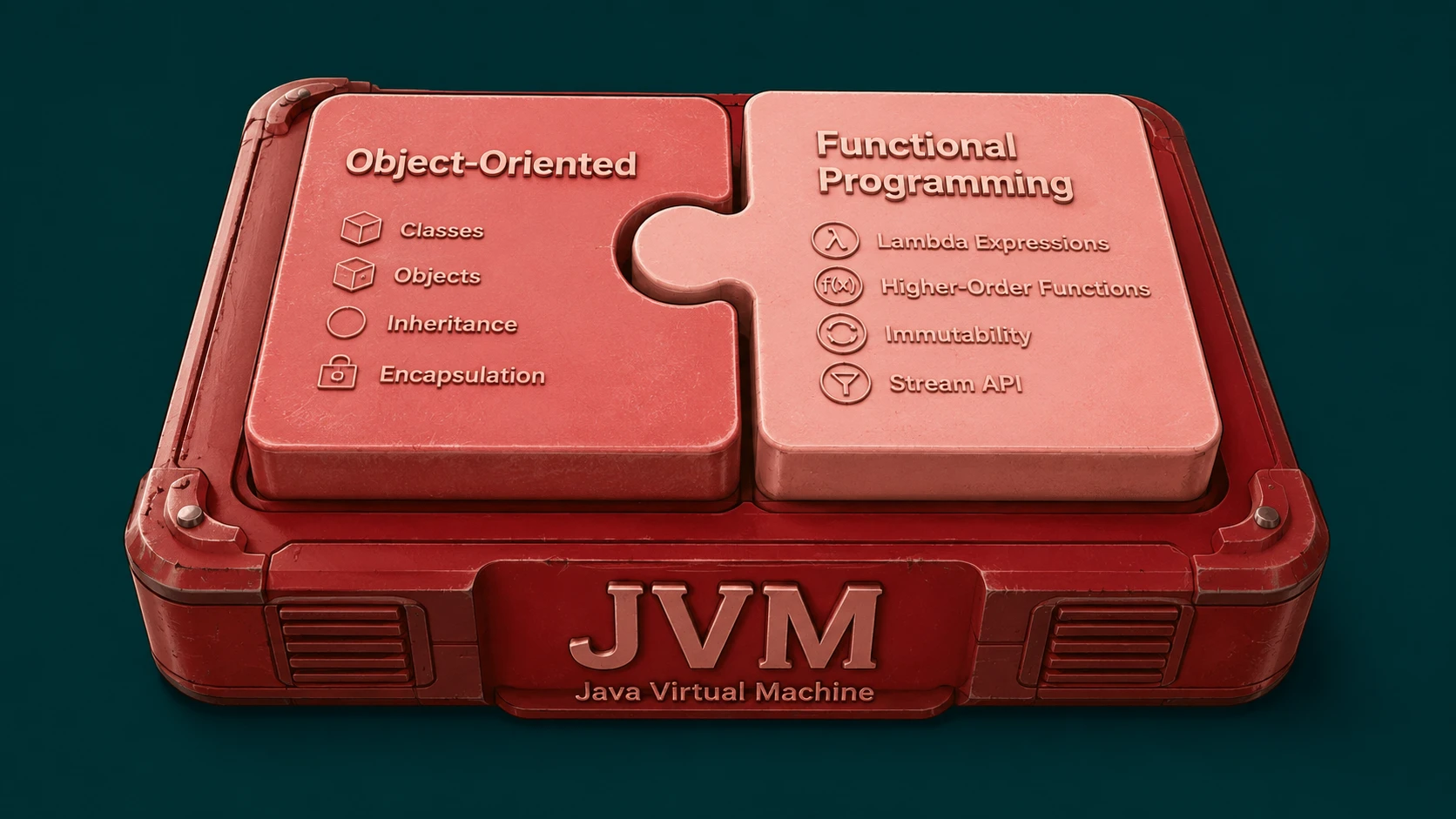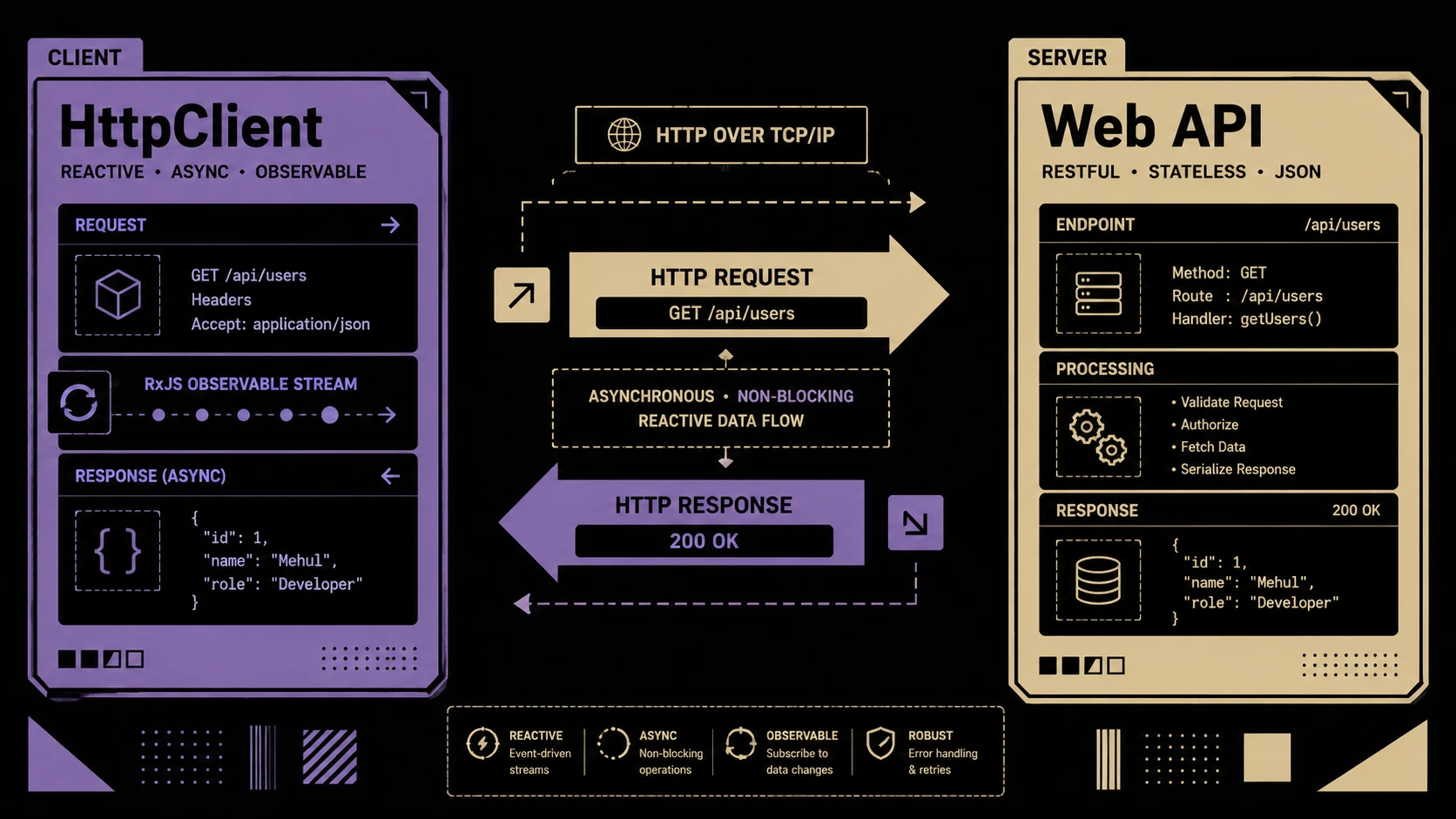
Introduction
Java has remained one of the most trusted enterprise platforms for nearly two decades because of its emphasis on portability, backward compatibility, and predictable platform evolution. Large organizations continue to rely on Java for banking platforms, telecommunications systems, insurance applications, retail infrastructure, healthcare systems, government software, and cloud services.
Following Java 9's introduction of the Java Platform Module System (JPMS) and Java 10's language refinements, Java 11 represents an important milestone as the next Long-Term Support (LTS) release. For many organizations, LTS releases serve as the preferred upgrade targets because they provide a stable platform for enterprise deployments that may remain in production for several years.
Java 11 introduces a standardized HTTP Client API, further improves the G1 Garbage Collector, expands platform capabilities, and continues refining modular application development. Rather than introducing disruptive architectural changes, Java 11 focuses on production readiness, developer productivity, and operational improvements.
As of September 2018, enterprise architects should view Java 11 as the primary modernization target for organizations planning their next major Java platform upgrade.
Industry Background
Enterprise software development continues moving toward:
- ◆Cloud-native deployment
- ◆Microservices
- ◆Containerized infrastructure
- ◆RESTful APIs
- ◆Event-driven systems
- ◆Continuous Integration and Continuous Delivery
- ◆Modular software architecture
Modern Java applications increasingly communicate through HTTP-based services while requiring scalable runtime performance and simplified deployment models.
Java 11 addresses these trends through platform improvements rather than fundamental redesign.
The Business Problem
Organizations maintaining Java platforms commonly encounter:
- ◆Legacy HTTP client implementations
- ◆Third-party networking libraries for common HTTP operations
- ◆Increasing application modularity requirements
- ◆Long-term platform maintenance challenges
- ◆Large heap server deployments
- ◆Complex runtime management
Development teams require a stable platform capable of supporting modern application architectures while minimizing migration risk.
Understanding Java 11 LTS
Java 11 builds upon the architectural foundation established by Java 9 and Java 10.
Major platform capabilities include:
- ◆Standardized HTTP Client API
- ◆Continued JPMS improvements
- ◆G1 Garbage Collector enhancements
- ◆TLS improvements
- ◆Flight Recorder availability
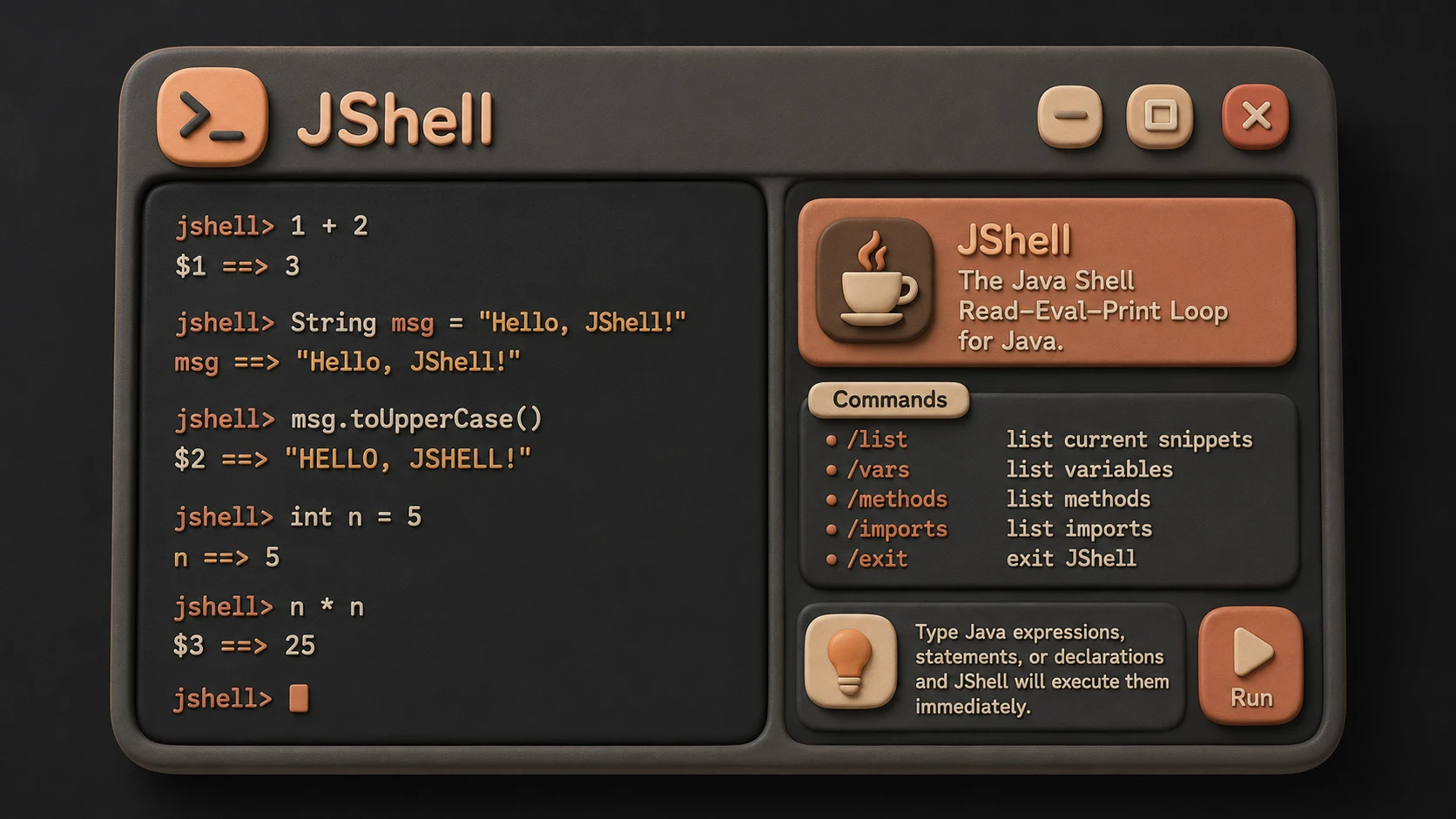
- ◆Launching single-file source-code programs
- ◆Ongoing JVM optimization
The release emphasizes production stability while continuing to modernize the Java ecosystem.
Core Architecture
| Component | Responsibility |
|---|---|
| Java Platform Module System | Modular application organization |
| HTTP Client API | HTTP communication |
| G1 Garbage Collector | Automatic memory management |
| JVM | Application execution |
| Java Compiler | Source compilation |
| Java Runtime | Platform services |
Together these components provide a modern foundation for enterprise application development.
Standardized HTTP Client API
One of the most significant additions in Java 11 is the standard HTTP Client API.
Previous Java applications often relied upon HttpURLConnection or external libraries for HTTP communication.
The standardized client provides a modern programming model supporting:
- ◆HTTP request creation
- ◆HTTP response processing
- ◆Synchronous communication
- ◆Asynchronous communication
- ◆HTTP/2 support
- ◆WebSocket client functionality
Having a standard API within the JDK reduces the need for basic third-party HTTP client libraries in many scenarios.
HTTP Client Architecture
A typical request lifecycle includes:
- 1.Create an HTTP client.
- 2.Build an HTTP request.
- 3.Send the request synchronously or asynchronously.
- 4.Receive the server response.
- 5.Process headers and payload.
- 6.Continue application execution.
The API follows an immutable builder-oriented design that aligns well with modern Java programming practices.
HTTP/2 Support
Java 11 includes support for HTTP/2 within the standardized client.
HTTP/2 introduces improvements such as:
- ◆Multiplexed communication
- ◆Header compression
- ◆Efficient connection utilization
- ◆Improved request handling
Organizations exposing RESTful services or consuming cloud APIs should evaluate HTTP/2 compatibility within their deployment environments.
Asynchronous Communication
The new HTTP Client integrates naturally with Java's existing asynchronous programming model.
Typical enterprise scenarios include:
- ◆Calling multiple downstream services
- ◆Cloud service integration
- ◆Distributed microservices
- ◆Non-blocking background operations
Asynchronous communication enables applications to improve resource utilization during network-bound operations.
Java Platform Module System
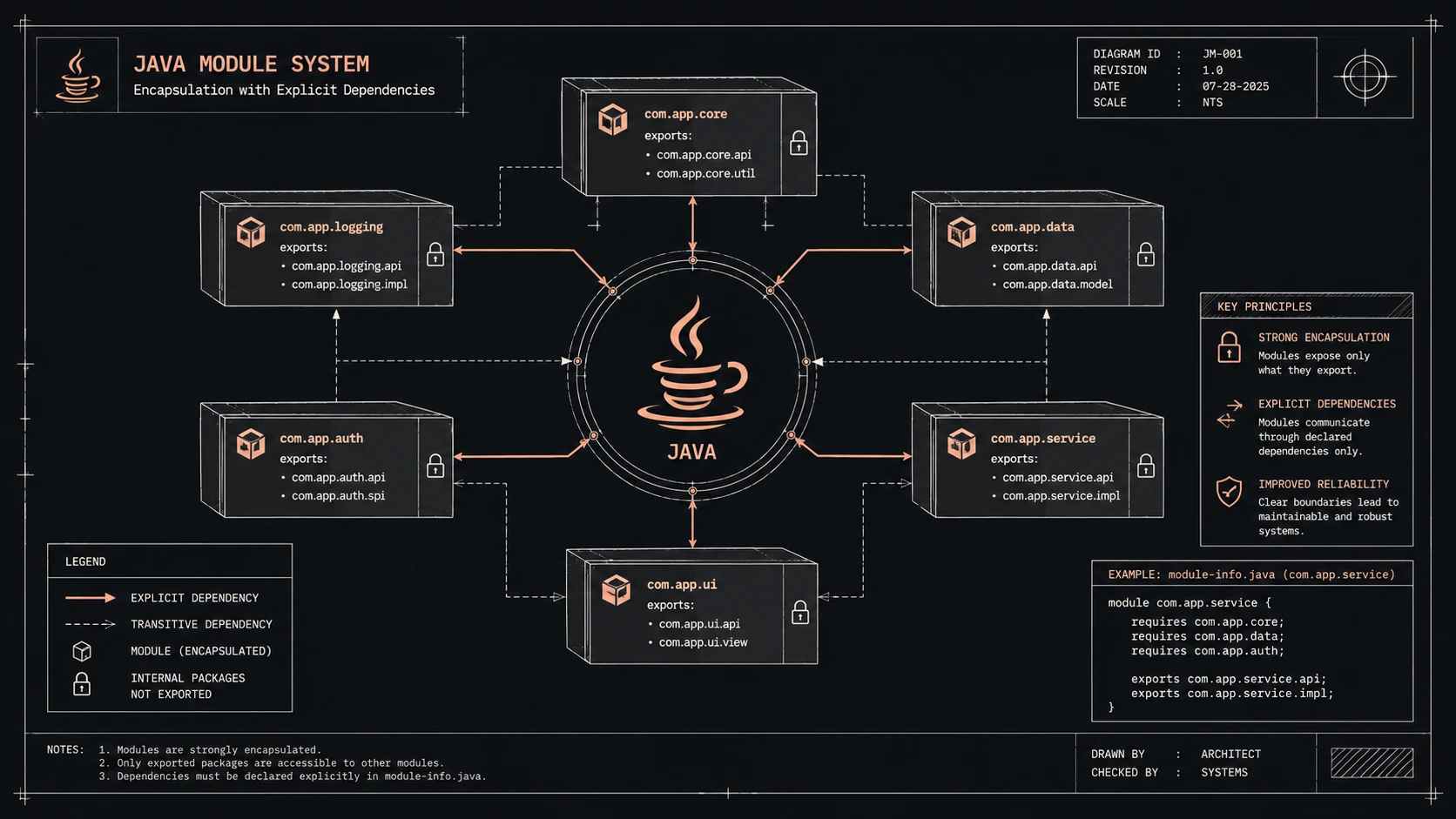
Java 11 continues supporting modular application development introduced in Java 9.
Modules continue providing:
- ◆Explicit dependencies
- ◆Strong encapsulation
- ◆Improved maintainability
- ◆Better architectural organization
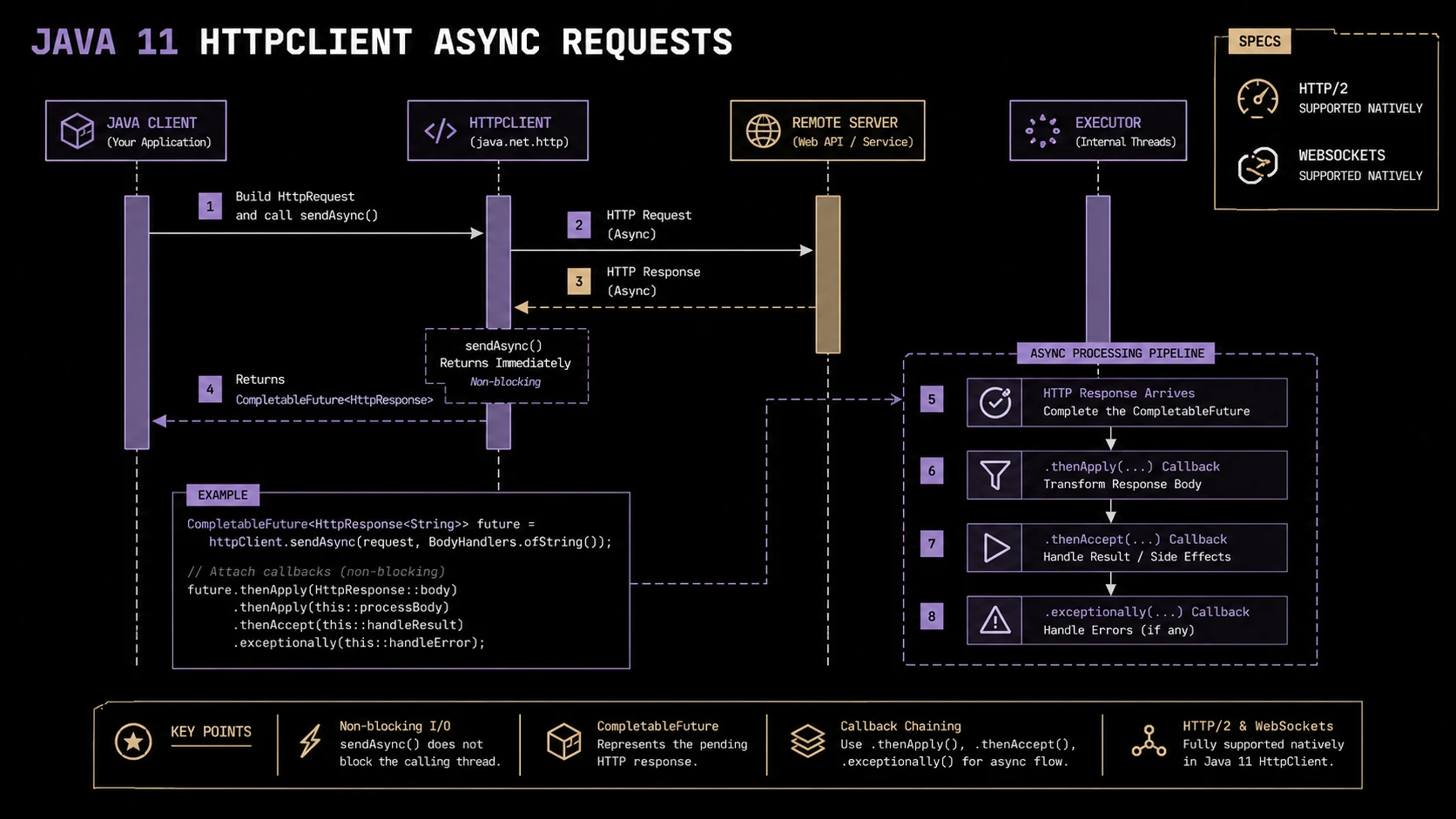
System architecture diagram and conceptual workflow layout for Java 11 LTS: Migrating to the Modular HTTP Client and G1 GC Default Upgrades.
Organizations beginning migration to modular applications should continue adopting JPMS incrementally.
G1 Garbage Collector Improvements
Java 11 continues investing in the G1 Garbage Collector.
G1 remains the default garbage collector and receives ongoing improvements intended to:
- ◆Improve pause-time behavior
- ◆Enhance memory reclamation
- ◆Increase predictability
- ◆Improve scalability for server workloads
Enterprise teams should benchmark memory-intensive applications under representative production conditions before broad deployment.
Enterprise Use Cases
| Scenario | Benefit |
|---|---|
| REST APIs | Modern HTTP client support |
| Cloud Services | HTTP/2 communication |
| Microservices | Simplified service integration |
| Enterprise Middleware | Standardized networking APIs |
| Banking Platforms | Improved runtime stability |
| Internal Platforms | Modular architecture |
Organizations building distributed systems benefit from standardized networking capabilities within the platform itself.
Performance Considerations
Java 11 introduces improvements across networking and runtime infrastructure.
Development teams should evaluate:
- ◆HTTP request throughput
- ◆Connection reuse
- ◆Garbage collection behavior
- ◆Heap utilization
- ◆Startup performance
- ◆Memory allocation
Performance decisions should continue to be guided by production benchmarking rather than synthetic measurements.
Security Considerations
Java 11 continues strengthening enterprise platform security.
Organizations should continue implementing:
- ◆TLS best practices
- ◆Secure authentication
- ◆Authorization
- ◆Certificate management
- ◆Dependency governance
- ◆Input validation
The standardized HTTP Client supports secure communication but should be integrated within broader organizational security policies.
Scalability
Java 11 supports scalable enterprise architecture through:
- ◆Modular application design
- ◆Improved networking capabilities
- ◆Efficient HTTP communication
- ◆Enhanced garbage collection
- ◆Continued JVM optimization
Combined with horizontal scaling strategies, these capabilities support modern enterprise deployments.
Best Practices
Organizations adopting Java 11 should:
- ◆Evaluate migration to the standard HTTP Client API.
- ◆Benchmark G1 Garbage Collector performance.
- ◆Continue modularizing applications where appropriate.
- ◆Validate third-party library compatibility.
- ◆Update continuous integration pipelines.
- ◆Perform compatibility testing before production deployment.
- ◆Monitor runtime metrics after migration.
- ◆Establish standardized Java 11 development guidelines.
Incremental migration minimizes operational risk while allowing engineering teams to evaluate platform improvements.
Common Mistakes
Development teams should avoid:
- ◆Migrating production systems without comprehensive testing.
- ◆Assuming all third-party libraries immediately support Java 11.
- ◆Ignoring module compatibility.
- ◆Benchmarking only synthetic workloads.
- ◆Replacing mature HTTP implementations without evaluating operational requirements.
- ◆Treating LTS adoption as a purely technical upgrade rather than an organizational initiative.
Successful platform modernization requires careful planning across development, operations, and infrastructure teams.
Technology Comparison
| Capability | Java 8 | Java 11 |
|---|---|---|
| Java Platform Module System | No | Yes |
| Standard HTTP Client | No | Yes |
| HTTP/2 Support | External libraries commonly used | Built into the standard client |
| G1 Garbage Collector | Available | Default with continued enhancements |
| Single-File Source Launch | No | Yes |
| Long-Term Support | Previous LTS | Current LTS |
Java 11 modernizes enterprise development while preserving the platform's long-standing emphasis on stability and compatibility.
Adoption Strategy
Organizations should approach Java 11 through phased migration.
A recommended strategy includes:
- 1.Inventory existing Java applications.
- 2.Validate third-party dependency compatibility.
- 3.Upgrade build environments.
- 4.Pilot Java 11 in lower-risk services.
- 5.Evaluate migration to the standard HTTP Client.
- 6.Benchmark runtime behavior under production-like workloads.
- 7.Expand deployment after operational validation.
An incremental rollout allows organizations to gain experience while minimizing disruption to business-critical systems.
Limitations
As of September 2018, organizations should recognize several considerations.
Current observations include:
- ◆Existing applications may require dependency updates before migration.
- ◆Some legacy libraries may need compatibility verification.
- ◆Modularization remains optional but beneficial for long-term architecture.
- ◆Platform upgrades should always be accompanied by comprehensive regression testing.
Java 11 provides a mature modernization path while maintaining Java's commitment to backward compatibility.
Looking Ahead
Java 11 establishes itself as the next Long-Term Support release and provides a stable foundation for enterprise Java development over the coming years. The standardized HTTP Client API modernizes network communication, G1 Garbage Collector enhancements continue improving server performance, and the Java Platform Module System strengthens application architecture through explicit modularity.
As of September 2018, enterprise architects should strongly consider Java 11 as the preferred upgrade target for organizations seeking long-term platform stability. By combining disciplined migration planning, comprehensive compatibility testing, and incremental adoption, enterprises can modernize their Java platforms while preserving the reliability and maintainability that have long defined the Java ecosystem.