Enterprise software development is experiencing a period of rapid evolution. Over the past decade, Java has established itself as one of the dominant enterprise development platforms, powering financial systems, telecommunications infrastructure, e-commerce applications, and large-scale business software around the world. At the same time, developers are facing increasingly complex challenges involving concurrency, scalability, maintainability, and distributed computing.
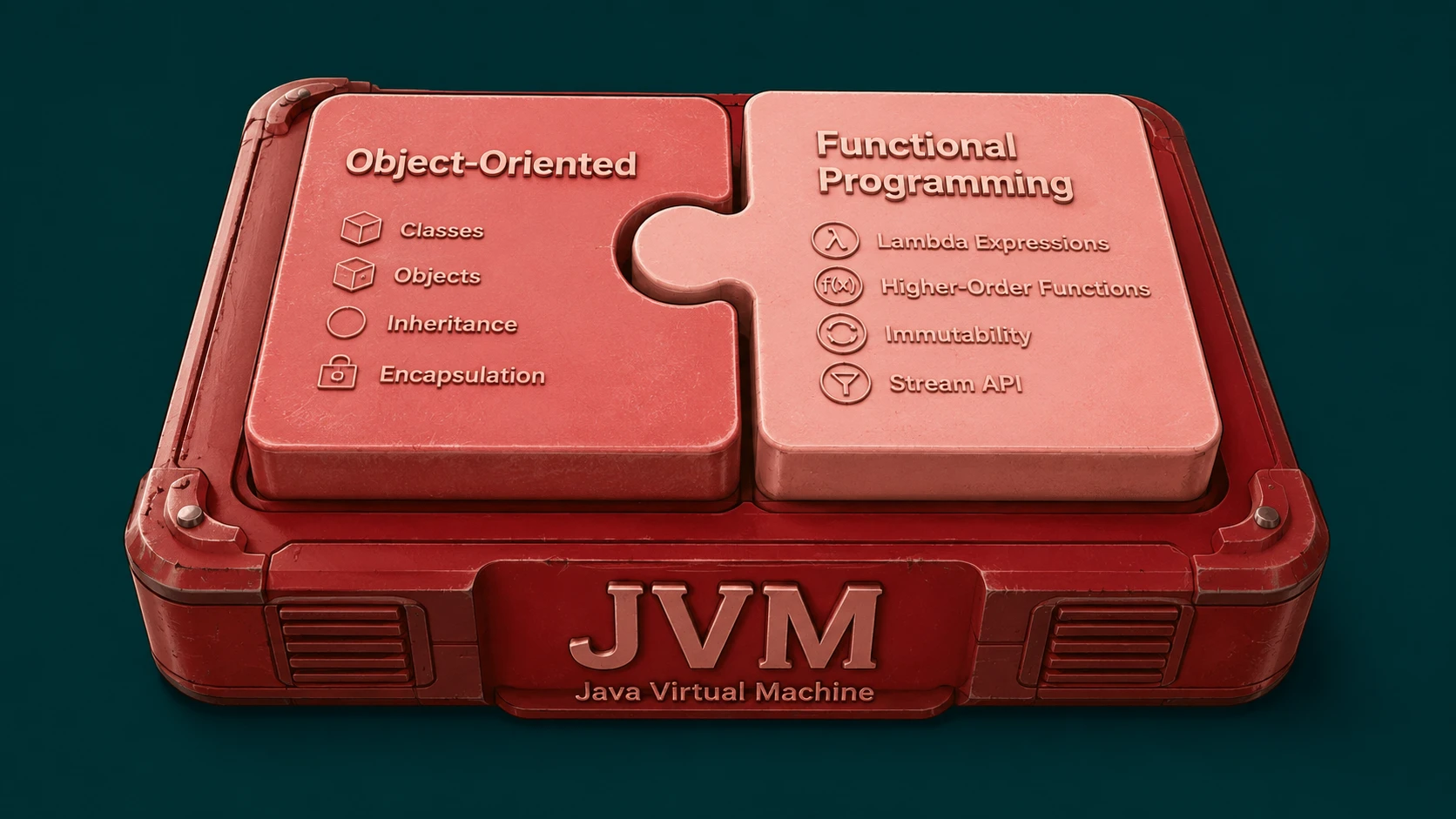
These challenges have renewed interest in programming paradigms beyond traditional object-oriented development. Functional programming, once largely associated with academic research and specialized languages, is beginning to influence mainstream software engineering. One language attracting considerable attention is Scala, which combines object-oriented and functional programming while running directly on the Java Virtual Machine (JVM).
Rather than requiring organizations to abandon existing Java infrastructure, Scala offers an opportunity to leverage mature JVM technologies while introducing expressive language features that may simplify application development.
Although Scala remains an emerging language in enterprise environments during early 2011, its growing community and expanding ecosystem make it an important technology for architects and development teams to evaluate.
Why Enterprise Development Is Changing
Modern enterprise systems are expected to support:
- ◆Growing user populations
- ◆Large-scale distributed processing
- ◆Multi-core processors
- ◆High availability
- ◆Continuous business evolution
- ◆Complex business logic
Traditional object-oriented programming remains highly effective, but some development teams are exploring additional techniques that improve code expressiveness, reduce boilerplate, and simplify concurrent programming.
Functional programming has emerged as one possible approach to addressing these concerns.
What Is Scala?
Scala is a statically typed programming language designed to integrate object-oriented and functional programming concepts.
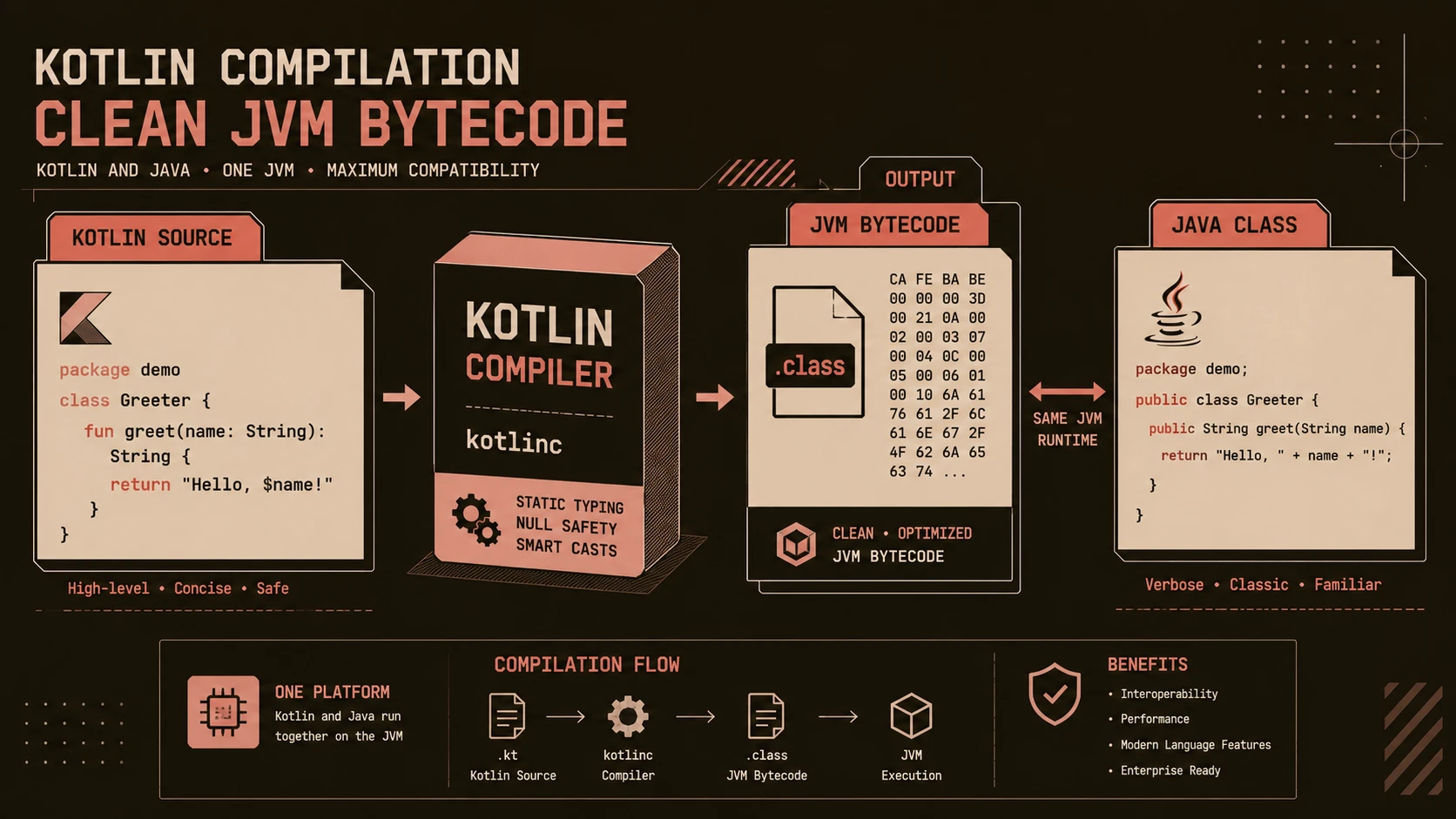
The language compiles to JVM bytecode, allowing applications to execute alongside existing Java applications.
Key characteristics include:
- ◆JVM compatibility
- ◆Strong static typing
- ◆Functional programming support
- ◆Object-oriented architecture
- ◆Type inference
- ◆Concise syntax
- ◆Seamless Java interoperability
This combination allows organizations to experiment with modern language features without abandoning existing Java investments.
Scala and the Java Virtual Machine
One of Scala's greatest advantages is its ability to run on the mature Java Virtual Machine.
This provides immediate access to:
- ◆Java libraries
- ◆Enterprise application servers
- ◆Existing frameworks
- ◆Development tools
- ◆JVM performance optimizations
Organizations can reuse proven infrastructure while gradually introducing Scala where appropriate.
Scala's Dual Programming Model
Unlike languages focused exclusively on either object-oriented or functional programming, Scala embraces both.
Everything in Scala is treated as an object, while the language also supports many functional programming concepts.
Developers can choose the style that best fits a particular problem.
This flexibility makes Scala attractive to teams transitioning from Java.
Concise Syntax
Scala reduces much of the boilerplate commonly found in Java.
For example:
val message = "Hello Enterprise"
println(message)
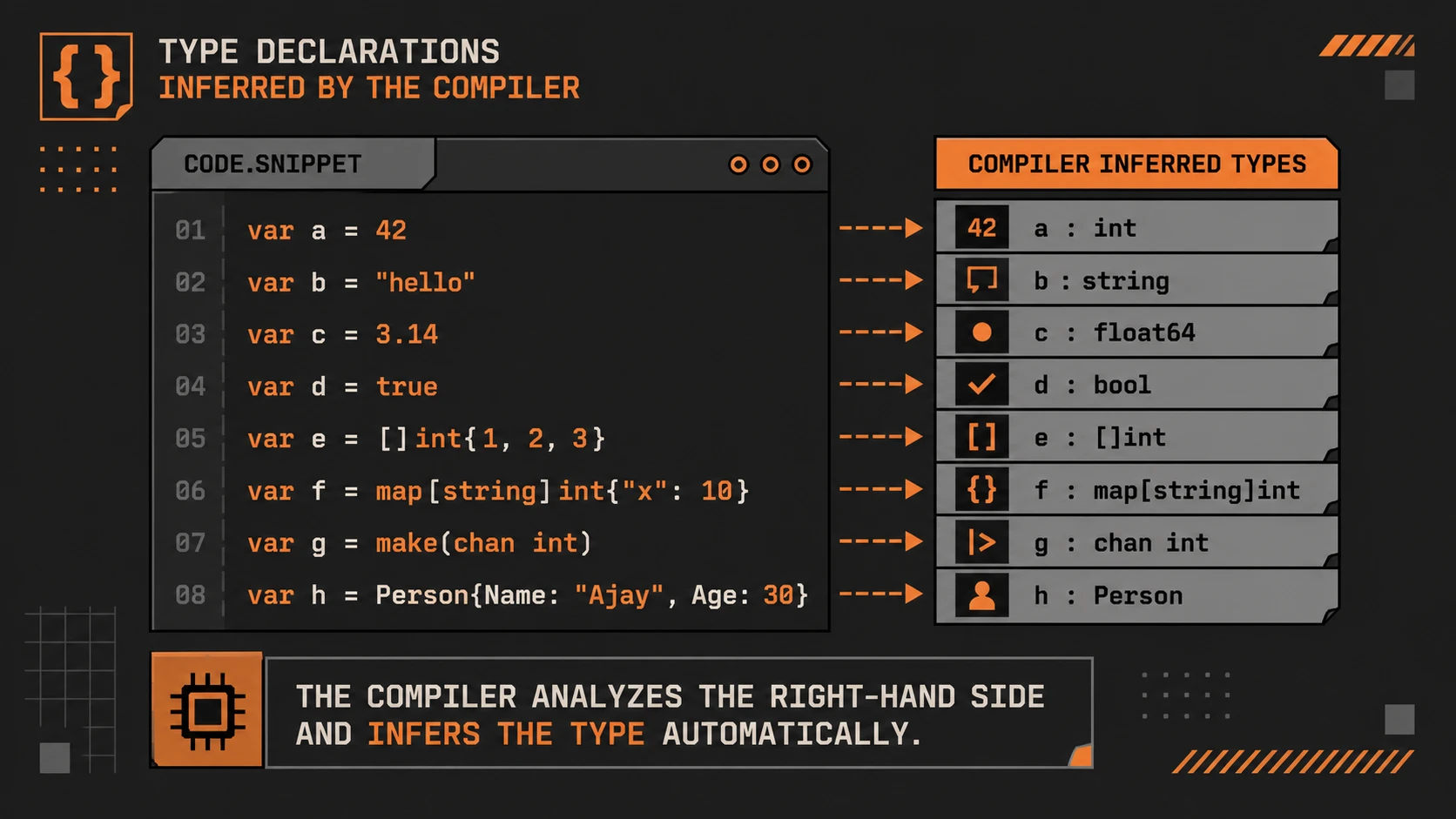
The language uses type inference in many situations, allowing developers to write less code without sacrificing type safety.
Reduced verbosity may improve readability, particularly in large projects.
Functional Programming Concepts
Scala introduces several functional programming features that are receiving increased attention.
Examples include:
- ◆Immutable collections
- ◆Higher-order functions
- ◆Anonymous functions
- ◆Pattern matching
- ◆First-class functions
- ◆Closures
These capabilities encourage developers to write expressive code while reducing certain categories of programming errors.
Immutability
Immutable objects cannot be modified after creation.
Rather than changing existing objects, applications create new values representing updated state.
Potential advantages include:
- ◆Easier reasoning
- ◆Improved reliability
- ◆Simpler concurrent programming
- ◆Reduced unintended side effects
Although mutable objects remain available, Scala encourages developers to consider immutability where appropriate.
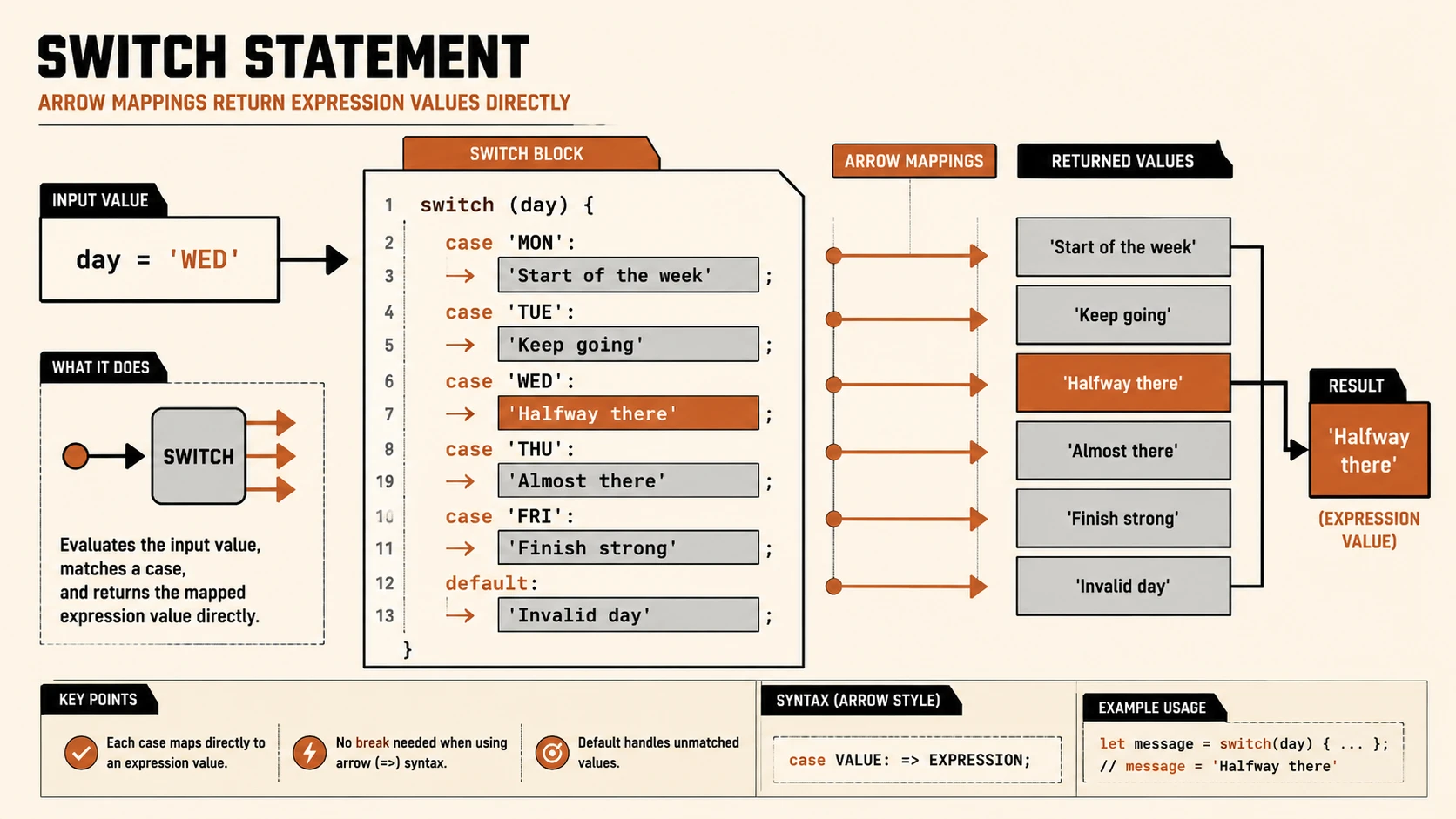
Pattern Matching
Pattern matching provides a structured mechanism for evaluating different conditions.
Example:
value match {
  case 1 => "One"
  case 2 => "Two"
  case _ => "Other"
}
Compared to long chains of conditional statements, pattern matching can improve readability in many scenarios.
Java Interoperability
One of Scala's strongest enterprise advantages is its close integration with Java.
Scala applications can:
- ◆Call existing Java libraries
- ◆Extend Java classes
- ◆Implement Java interfaces
- ◆Reuse enterprise frameworks
Likewise, Java applications can interact with Scala-generated classes.
This interoperability reduces migration risk and protects existing technology investments.
Enterprise Architecture
A Scala-based enterprise application may follow a familiar layered architecture.
Presentation Layer
        |
Application Services
        |
Business Logic
        |
Scala Domain Model
        |
Persistence Layer
        |
Enterprise Database
The language influences implementation rather than architectural structure.
Organizations can adopt Scala without fundamentally changing established enterprise design principles.
Enterprise Use Cases
Several categories of enterprise software may benefit from Scala.
Financial Systems
Financial institutions often develop:
- ◆Trading platforms
- ◆Risk analysis systems
- ◆Portfolio management tools
- ◆Market data processing
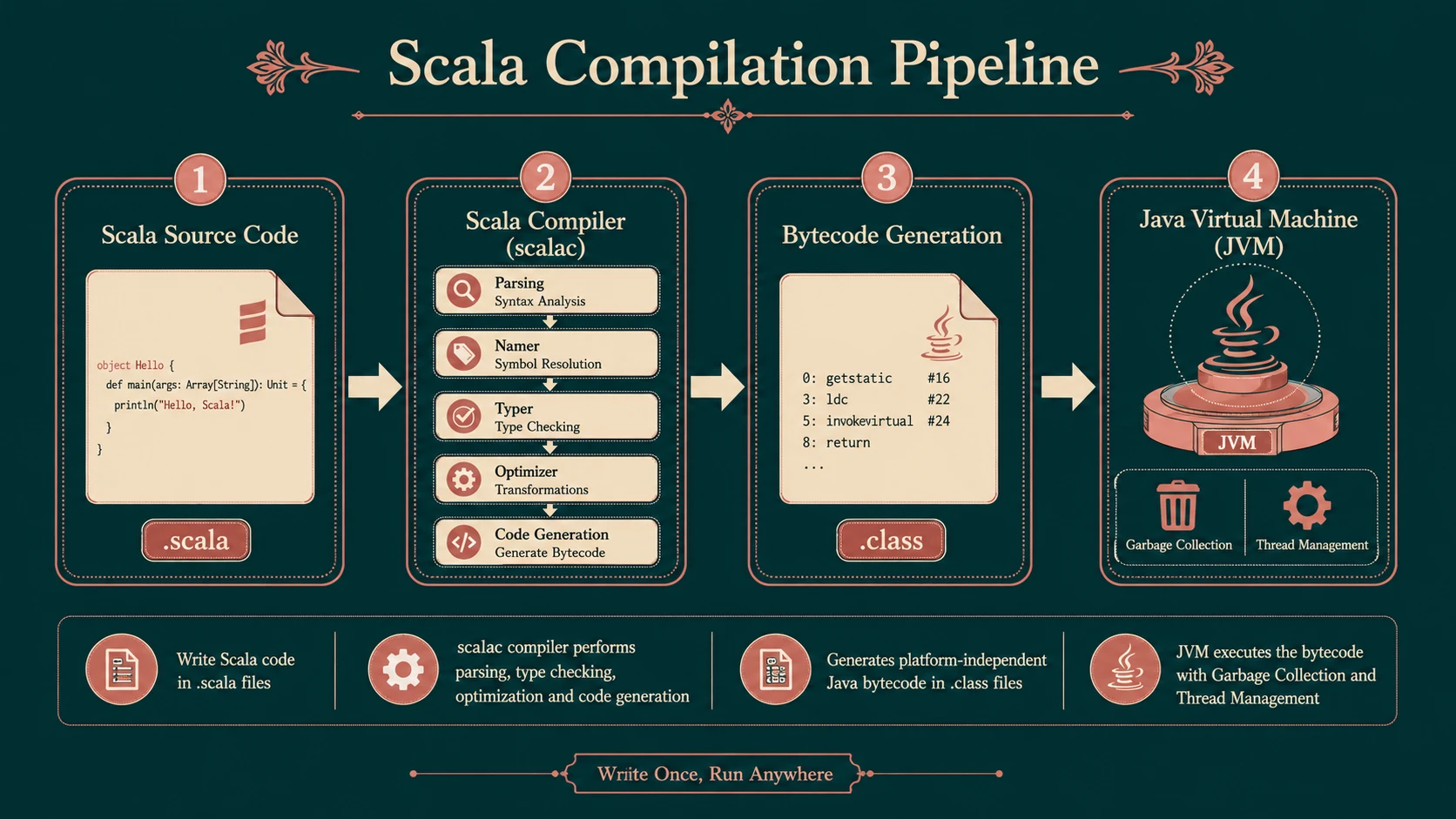
System architecture diagram and conceptual workflow layout for The Rise of Scala.
Scala's expressive syntax and JVM performance make it an interesting option for these workloads.
Telecommunications
Large-scale messaging and network management applications frequently require concurrency and scalability.
Scala's functional capabilities may help simplify these systems.
Web Applications
Modern web applications increasingly demand scalable server-side architectures capable of handling growing user populations.
Scala can be integrated into JVM-based web development environments while leveraging existing infrastructure.
Data Processing
Organizations processing large datasets may benefit from Scala's concise programming model and compatibility with distributed JVM platforms.
Concurrency Considerations
Multi-core processors are becoming standard across enterprise servers.
Applications increasingly require efficient concurrent execution.
Functional programming techniques, particularly immutability, may reduce some complexities associated with shared mutable state.
Developers should nevertheless continue following sound concurrency design principles.
Comparing Scala and Java
| Java | Scala |
|---|---|
| Primarily object-oriented | Object-oriented and functional |
| More explicit syntax | More concise syntax |
| Explicit type declarations | Type inference available |
| Mature enterprise ecosystem | Runs on the JVM and leverages Java ecosystem |
| Widely adopted | Emerging enterprise adoption |
Scala complements rather than replaces Java for many organizations.
Development Productivity
Scala's language features may improve developer productivity by reducing repetitive code.
Examples include:
- ◆Type inference
- ◆Concise collection operations
- ◆Functional abstractions
- ◆Pattern matching
Smaller codebases may improve readability and reduce maintenance effort over time.
Learning Curve
Despite its advantages, Scala introduces concepts unfamiliar to many Java developers.
Teams may need to become comfortable with:
- ◆Functional programming terminology
- ◆Higher-order functions
- ◆Immutable data structures
- ◆Pattern matching
- ◆Advanced type system features
Training and mentoring should accompany enterprise adoption.
Best Practices
Organizations evaluating Scala should consider the following recommendations.
Begin with Pilot Projects
Introduce Scala through carefully selected projects before broader adoption.
Encourage Incremental Learning
Developers can gradually adopt functional programming techniques while continuing to use familiar object-oriented patterns.
Reuse Existing Java Libraries
Take advantage of mature enterprise frameworks already available within the JVM ecosystem.
Establish Coding Standards
Consistent language usage improves maintainability across development teams.
Balance Flexibility and Readability
Scala offers many advanced language features, but clarity should remain a primary objective.
Common Mistakes
Organizations adopting Scala often encounter several challenges.
Attempting Complete Java Replacement
Scala can coexist with Java. Incremental adoption generally reduces project risk.
Overusing Advanced Language Features
Readability should not be sacrificed for clever syntax.
Ignoring Team Experience
Successful adoption depends on developer understanding rather than language capabilities alone.
Mixing Programming Styles Inconsistently
Teams should establish clear architectural and coding guidelines.
Neglecting Testing
Functional programming encourages testable code, but comprehensive testing remains essential.
Migration Strategy
Organizations interested in Scala should adopt a measured approach.
Recommended roadmap:
- 1.Identify suitable pilot applications.
- 2.Train a small development team.
- 3.Integrate Scala alongside existing Java projects.
- 4.Reuse established Java libraries.
- 5.Evaluate maintainability and developer productivity.
- 6.Develop internal coding standards.
- 7.Expand adoption based on project success.
This incremental strategy allows organizations to gain practical experience while protecting existing investments.
Adoption Recommendations
Scala should be evaluated as a strategic addition to the JVM ecosystem rather than a complete replacement for Java.
Organizations should:
- ◆Focus on business value.
- ◆Build internal expertise.
- ◆Encourage code reviews.
- ◆Standardize development practices.
- ◆Leverage existing JVM infrastructure.
- ◆Evaluate performance and maintainability throughout pilot projects.
With careful planning, Scala can become a valuable tool within enterprise software development portfolios.
Looking Ahead
The growing interest in functional programming reflects the software industry's search for techniques that improve scalability, maintainability, and developer productivity. Scala brings many of these ideas to the familiar environment of the Java Virtual Machine while preserving access to the mature Java ecosystem.
Although enterprise adoption remains in its early stages during 2011, Scala presents an intriguing opportunity for organizations seeking modern language capabilities without abandoning proven JVM infrastructure. Development teams that invest time in understanding both its object-oriented foundations and functional programming concepts will be well positioned to evaluate where Scala can complement existing enterprise application strategies.