Introduction
JavaScript has become the foundation of modern web application development. Originally designed to add interactivity to web pages, it now powers increasingly sophisticated client-side applications, browser-based productivity tools, and rich internet experiences. As organizations build larger applications in JavaScript, development teams are encountering new challenges involving maintainability, tooling, code organization, and long-term scalability.
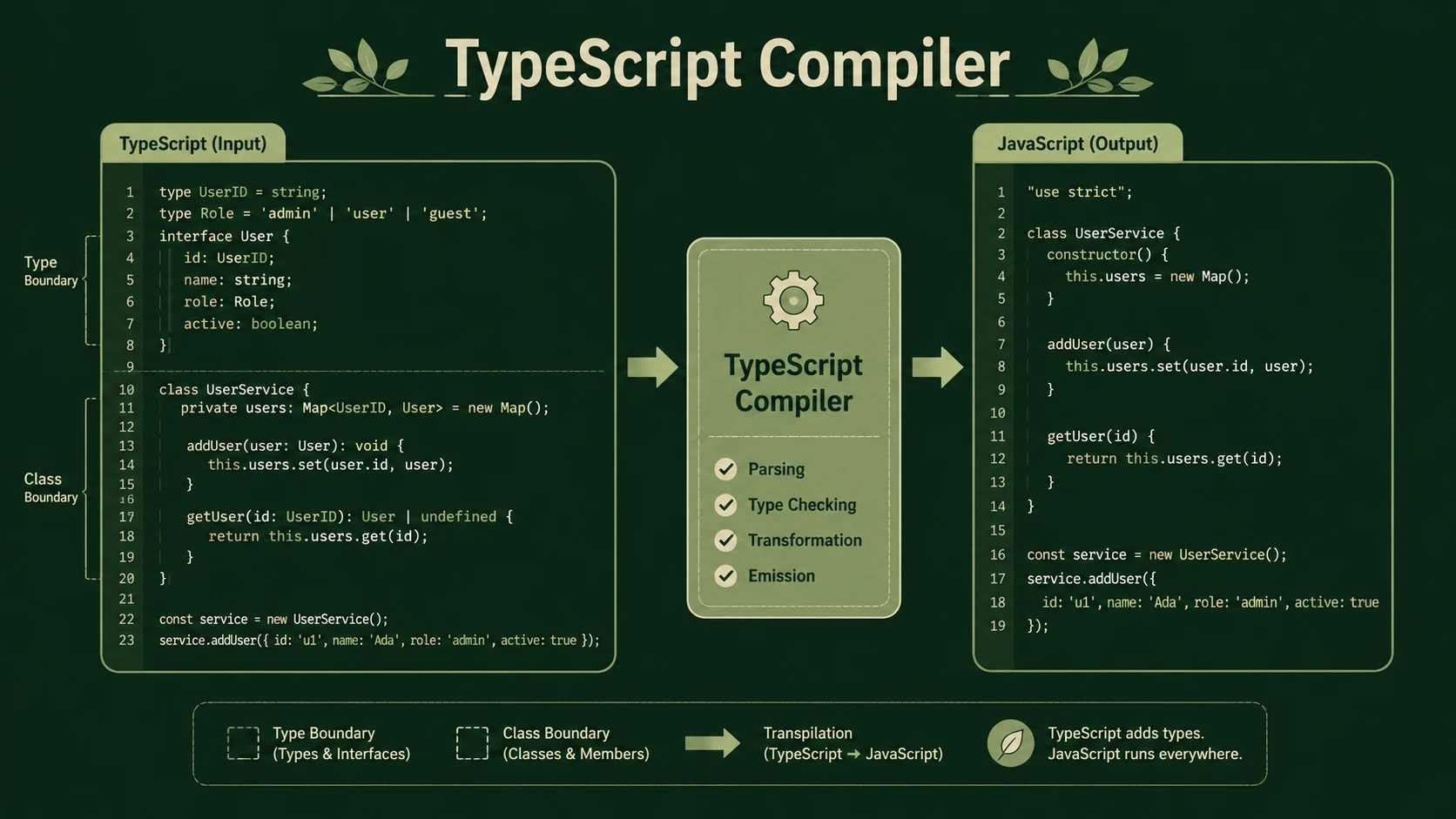
Microsoft has announced TypeScript, a programming language that extends JavaScript with optional static typing, classes, interfaces, and additional language constructs intended to improve developer productivity without sacrificing JavaScript compatibility. Rather than replacing JavaScript, TypeScript compiles into standard JavaScript, allowing applications to continue running in existing browsers.
For enterprise software architects and engineering teams, TypeScript represents an interesting approach to improving large-scale JavaScript development while preserving compatibility with current web standards.
Industry Background
The rapid adoption of AJAX, HTML5, CSS3, and increasingly capable JavaScript engines has encouraged organizations to move more business logic into the browser. Frameworks such as jQuery have simplified client-side development, while emerging MVC-style JavaScript frameworks have begun introducing greater application structure.
However, JavaScript itself remains a dynamically typed language. While dynamic typing provides flexibility, it can also introduce maintenance challenges as projects expand and development teams grow.
Large enterprise applications often require stronger tooling support, predictable refactoring, and improved code navigation. Development environments have traditionally provided these capabilities for languages such as C# and Java, but JavaScript projects have generally relied more heavily on developer discipline and testing.
TypeScript seeks to bridge this gap by introducing optional type annotations while maintaining JavaScript interoperability.
The Business Problem
As JavaScript codebases increase in size, organizations frequently encounter issues that affect both productivity and software quality.
Common challenges include:
- ◆Difficult code navigation
- ◆Runtime type-related errors
- ◆Limited refactoring support
- ◆Inconsistent coding conventions
- ◆Reduced maintainability of large codebases
- ◆Complex dependency management
- ◆Limited discoverability of object interfaces
These issues become increasingly significant in enterprise environments where applications may be maintained for many years by multiple development teams.
Understanding TypeScript
TypeScript is a programming language that extends JavaScript by introducing optional static typing and additional language constructs intended for application-scale development.
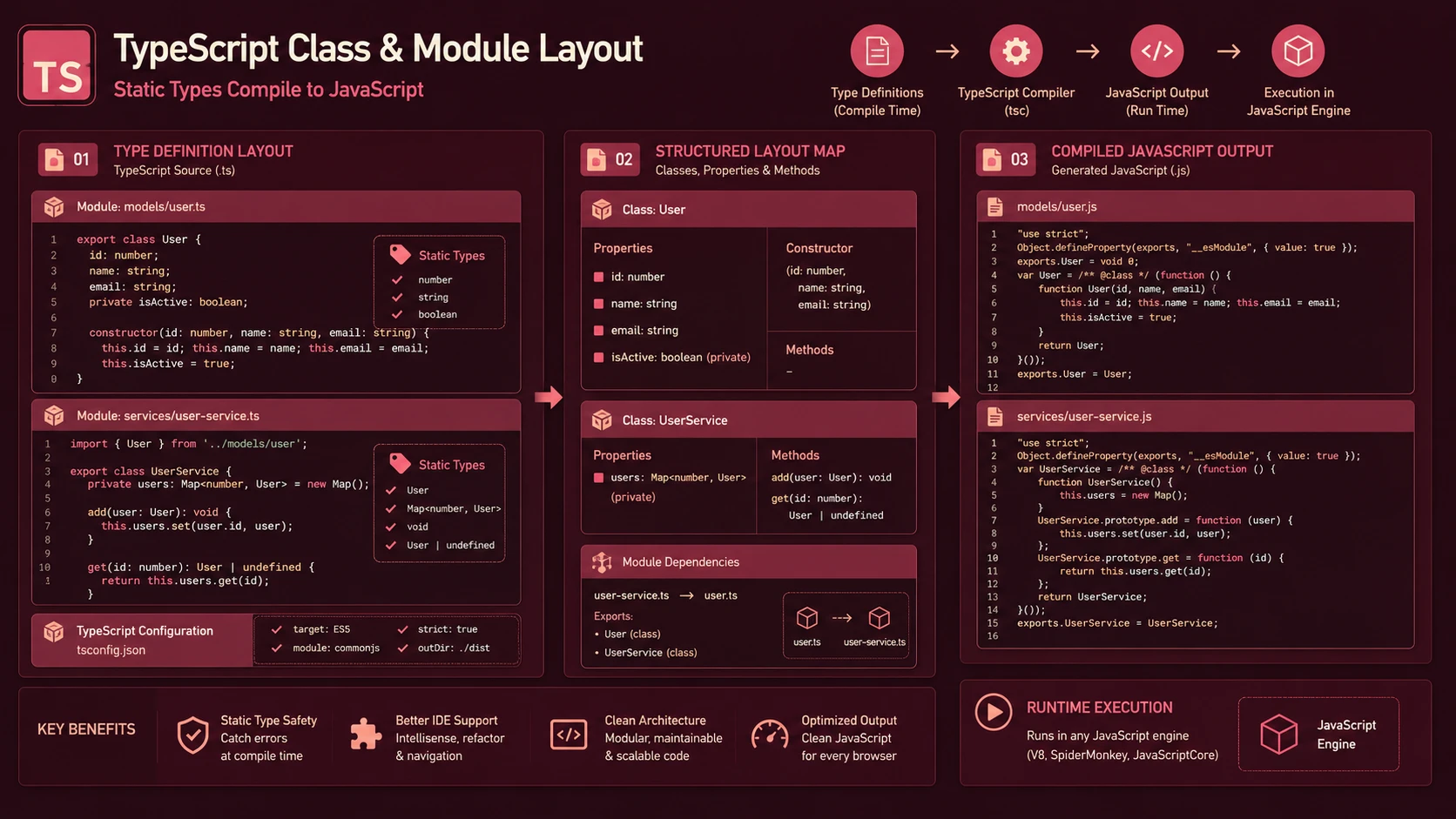
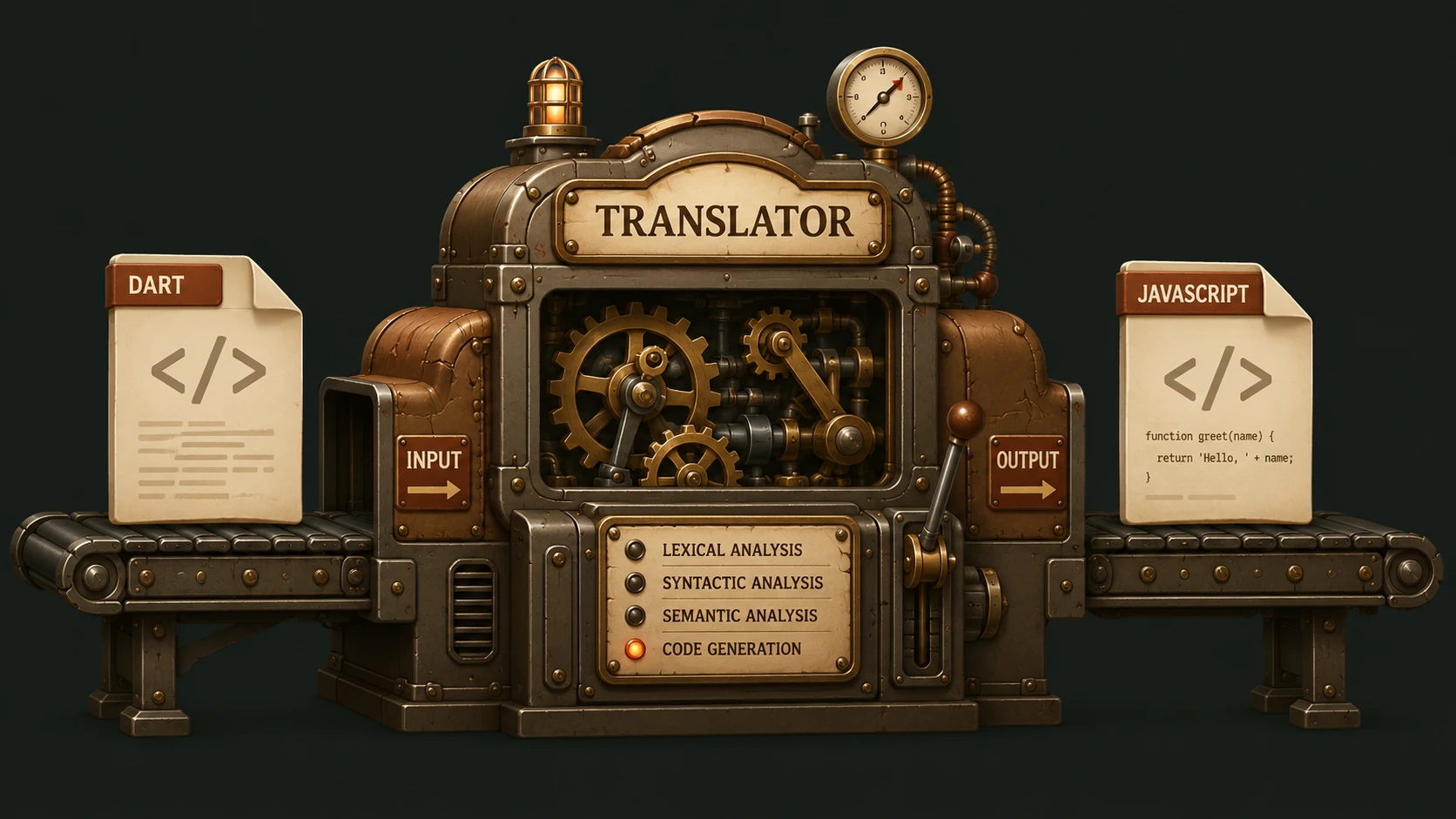
Source files written in TypeScript are compiled into standard JavaScript before deployment.
Because browsers continue to execute JavaScript rather than TypeScript directly, the language integrates naturally into existing web deployment models.
Developers can gradually introduce TypeScript into existing projects while continuing to leverage JavaScript libraries and browser APIs.
Core Architecture
TypeScript builds upon JavaScript rather than replacing it.
| Component | Responsibility |
|---|---|
| TypeScript Source | Developer-authored code |
| Compiler | Converts TypeScript into JavaScript |
| Type System | Performs static analysis during compilation |
| JavaScript Output | Executes within existing browsers |
| Browser Runtime | Executes generated JavaScript |
| Development Tools | Provide editing, navigation, and diagnostics |
This architecture enables developers to benefit from compile-time analysis while preserving compatibility with current JavaScript execution environments.
Language Features
TypeScript introduces several capabilities intended to improve application development.
Key language features include:
- ◆Optional static typing
- ◆Classes
- ◆Interfaces
- ◆Modules
- ◆Function type annotations
- ◆Inheritance
- ◆Access modifiers
- ◆Improved tooling support
Importantly, these features exist primarily at development time. The generated JavaScript remains compatible with supported browser environments.
Optional Static Typing
Unlike statically typed languages that require explicit type declarations throughout an application, TypeScript adopts an optional approach.
Developers may add type information where it improves readability or tooling while retaining JavaScript's flexible programming style.
Potential benefits include:
- ◆Earlier detection of programming mistakes
- ◆Better editor assistance
- ◆Improved documentation through type definitions
- ◆Safer refactoring
- ◆Enhanced maintainability
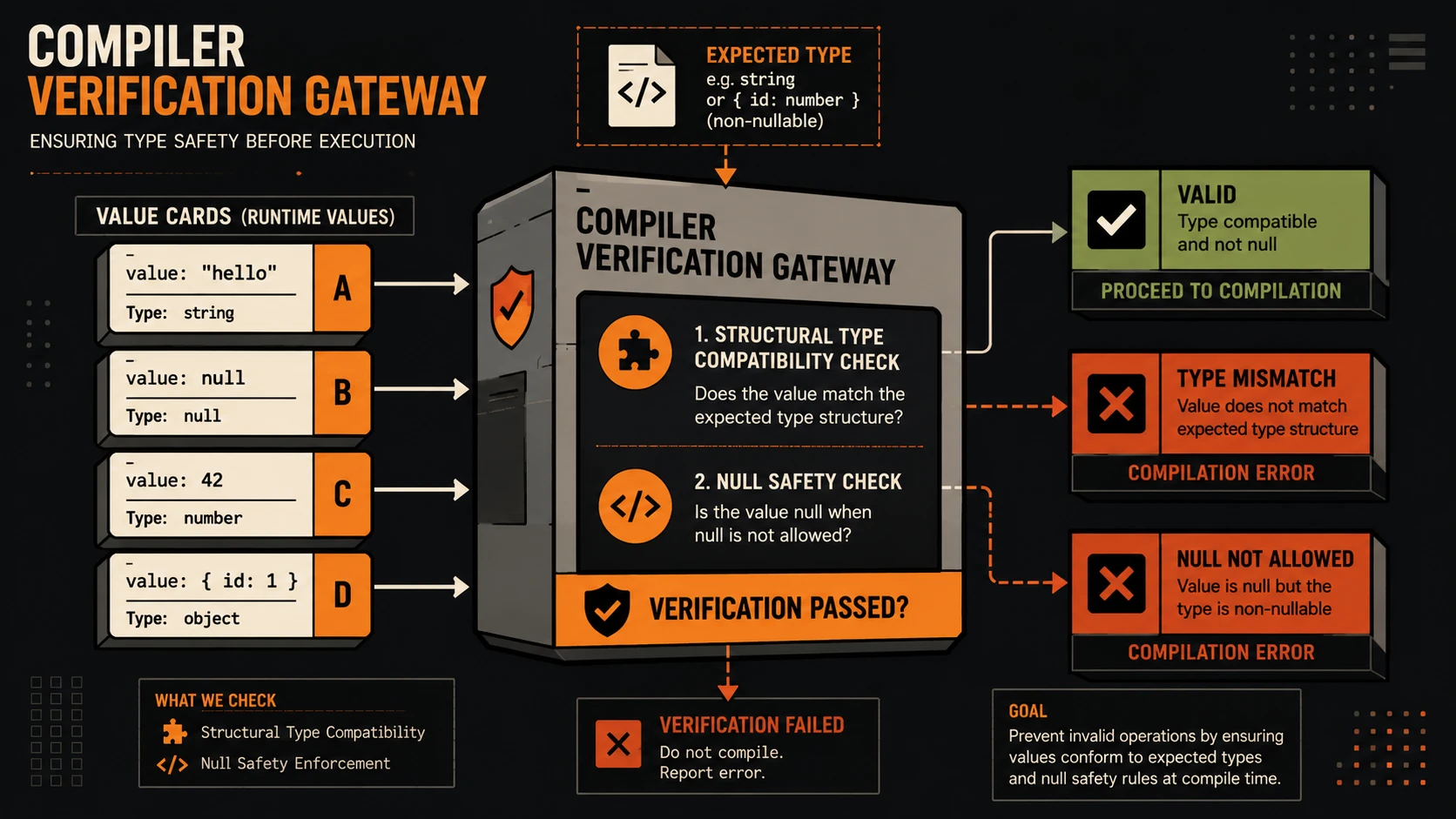
Static analysis occurs during compilation rather than within the browser.
Classes and Object-Oriented Development
// Declaring compile-time safe classes in TypeScript
interface User {
    id: number;
    name: string;
    email: string;
}

class UserService {
    private users: User[] = [];

    public addUser(user: User): void {
        this.users.push(user);
    }

    public getUser(id: number): User | undefined {
        return this.users.find(u => u.id === id);
    }
}
Building large JavaScript applications frequently requires developers to establish conventions for creating reusable objects.
TypeScript introduces language-level support for classes, constructors, inheritance, and visibility modifiers.
These constructs allow development teams to express application structure more clearly while continuing to generate standard JavaScript.
Organizations with existing object-oriented development experience may find this programming model more familiar.
Interfaces
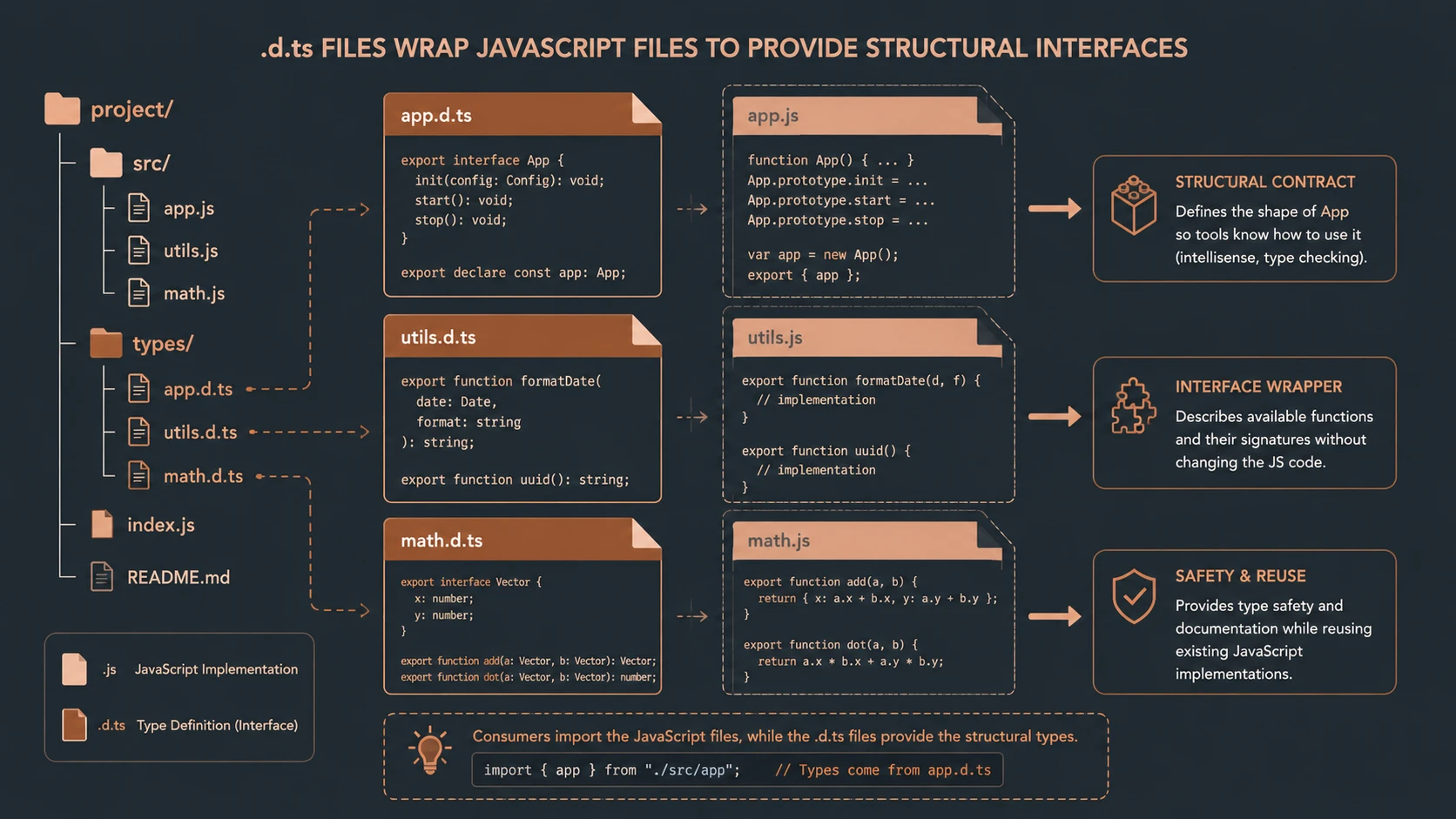
Interfaces provide a mechanism for describing the expected shape of objects.
Rather than specifying implementation details, interfaces define contracts that objects are expected to satisfy.
Potential enterprise advantages include:
- ◆Improved API documentation
- ◆Clearer collaboration between development teams
- ◆Better compile-time validation
- ◆Simplified maintenance of shared libraries
Interfaces encourage consistency without imposing runtime overhead.
Modules and Code Organization
As client-side applications become larger, organizing source code becomes increasingly important.
TypeScript introduces module constructs intended to help developers separate functionality into logical units.
Well-organized modules can improve:
- ◆Maintainability
- ◆Code reuse
- ◆Team collaboration
- ◆Dependency management
- ◆Project scalability
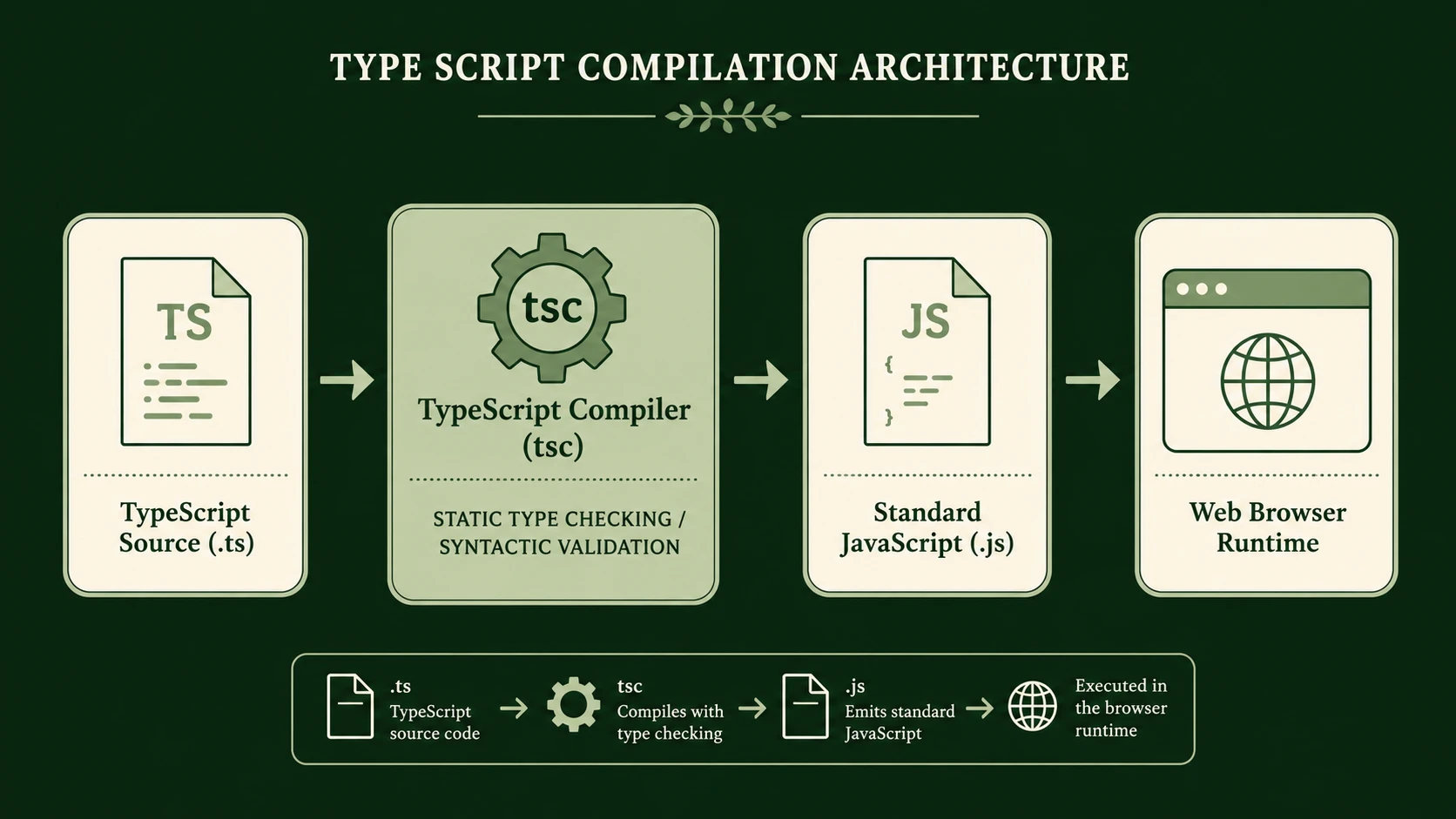
System architecture diagram and conceptual workflow layout for TypeScript Announcement.
Modular organization also reduces the likelihood of naming conflicts within large applications.
Tooling Improvements
One of TypeScript's strongest enterprise advantages lies in its integration with development tools.
Because the compiler understands application structure and type information, development environments can offer:
- ◆Code completion
- ◆Navigation
- ◆Refactoring assistance
- ◆Compile-time diagnostics
- ◆Symbol discovery
- ◆Error highlighting
These capabilities become increasingly valuable as projects expand beyond thousands of lines of code.
Enterprise Use Cases
TypeScript is particularly well suited for organizations building substantial JavaScript applications.
| Scenario | Benefit |
|---|---|
| Enterprise web applications | Improved maintainability |
| Rich browser clients | Better code organization |
| Long-lived software projects | Safer refactoring |
| Multi-developer teams | Consistent interfaces |
| JavaScript libraries | Stronger API contracts |
| Internal business applications | Enhanced tooling support |
Organizations investing heavily in browser-based software may find the language especially attractive.
Performance Considerations
Because TypeScript compiles into JavaScript before deployment, runtime performance depends primarily on the generated JavaScript and browser execution engine.
Compilation introduces an additional build step but does not require changes to browser infrastructure.
Development teams should evaluate:
- ◆Compilation time
- ◆Generated JavaScript size
- ◆Build process integration
- ◆Debugging workflow
Efficient build automation becomes increasingly important for larger projects.
Security Considerations
TypeScript focuses primarily on developer productivity rather than runtime security.
Applications should continue following established web security practices, including:
- ◆Input validation
- ◆Output encoding
- ◆Authentication
- ◆Authorization
- ◆Secure communication over HTTPS
- ◆Protection against cross-site scripting
Static typing does not replace secure application design.
Scalability
One of TypeScript's principal objectives is improving the scalability of software development rather than runtime execution.
The language assists growing development teams by:
- ◆Encouraging consistent interfaces
- ◆Supporting modular architecture
- ◆Improving readability
- ◆Simplifying maintenance
- ◆Reducing accidental programming errors
As projects grow, these organizational improvements may become increasingly valuable.
Best Practices
Organizations evaluating TypeScript should consider adopting consistent development standards.
Recommended practices include:
- ◆Introduce type annotations incrementally.
- ◆Define interfaces for shared APIs.
- ◆Organize code into logical modules.
- ◆Maintain consistent naming conventions.
- ◆Separate business logic from presentation code.
- ◆Integrate compilation into automated builds.
- ◆Review generated JavaScript during initial adoption.
- ◆Document shared libraries.
Gradual adoption may reduce migration risk for existing JavaScript applications.
Common Mistakes
Early adopters should avoid several common assumptions.
Examples include:
- ◆Assuming TypeScript replaces JavaScript entirely.
- ◆Overusing type annotations where unnecessary.
- ◆Ignoring generated JavaScript output.
- ◆Treating compile-time validation as a substitute for testing.
- ◆Neglecting browser compatibility testing.
- ◆Mixing inconsistent coding styles across teams.
Successful adoption depends on disciplined software engineering rather than language features alone.
Technology Comparison
| Capability | JavaScript | TypeScript |
|---|---|---|
| Static Type Checking | No | Optional |
| Classes | Prototype-based patterns | Language support |
| Interfaces | No | Yes |
| Compile Step | Not Required | Required |
| Browser Execution | Native | Generated JavaScript |
| Tooling Support | Good | Enhanced |
| Large Project Organization | Manual conventions | Language constructs |
Rather than competing with JavaScript, TypeScript extends it with features intended to simplify enterprise application development.
Adoption Strategy
Organizations should approach TypeScript as an incremental enhancement to existing JavaScript projects.
A practical strategy includes:
- 1.Pilot TypeScript on a new application or isolated module.
- 2.Introduce optional type annotations gradually.
- 3.Establish coding standards for interfaces and modules.
- 4.Integrate compilation into existing build processes.
- 5.Train development teams on the language and tooling.
- 6.Evaluate productivity improvements before expanding adoption.
This phased approach allows organizations to gain experience without requiring immediate rewrites of existing applications.
Limitations
As a newly announced technology, TypeScript should be evaluated carefully.
Current considerations include:
- ◆Teams must learn additional language constructs.
- ◆Compilation becomes part of the development workflow.
- ◆Existing JavaScript projects may require gradual migration planning.
- ◆Tooling and community resources are still developing.
- ◆Organizations should assess compatibility with their preferred JavaScript frameworks and build environments.
Technology selection should align with long-term application architecture and development practices.
Looking Ahead
TypeScript introduces an interesting direction for enterprise JavaScript development by combining familiar object-oriented concepts with JavaScript compatibility. As browser applications continue growing in complexity, development teams are likely to place greater emphasis on maintainability, tooling, and scalable code organization.
Whether TypeScript becomes a widely adopted language will depend on developer acceptance, tooling maturity, and successful integration into existing JavaScript workflows. Nevertheless, its focus on optional static typing and compile-time analysis addresses several challenges currently faced by organizations building large-scale web applications, making it a technology worthy of close evaluation during 2012.