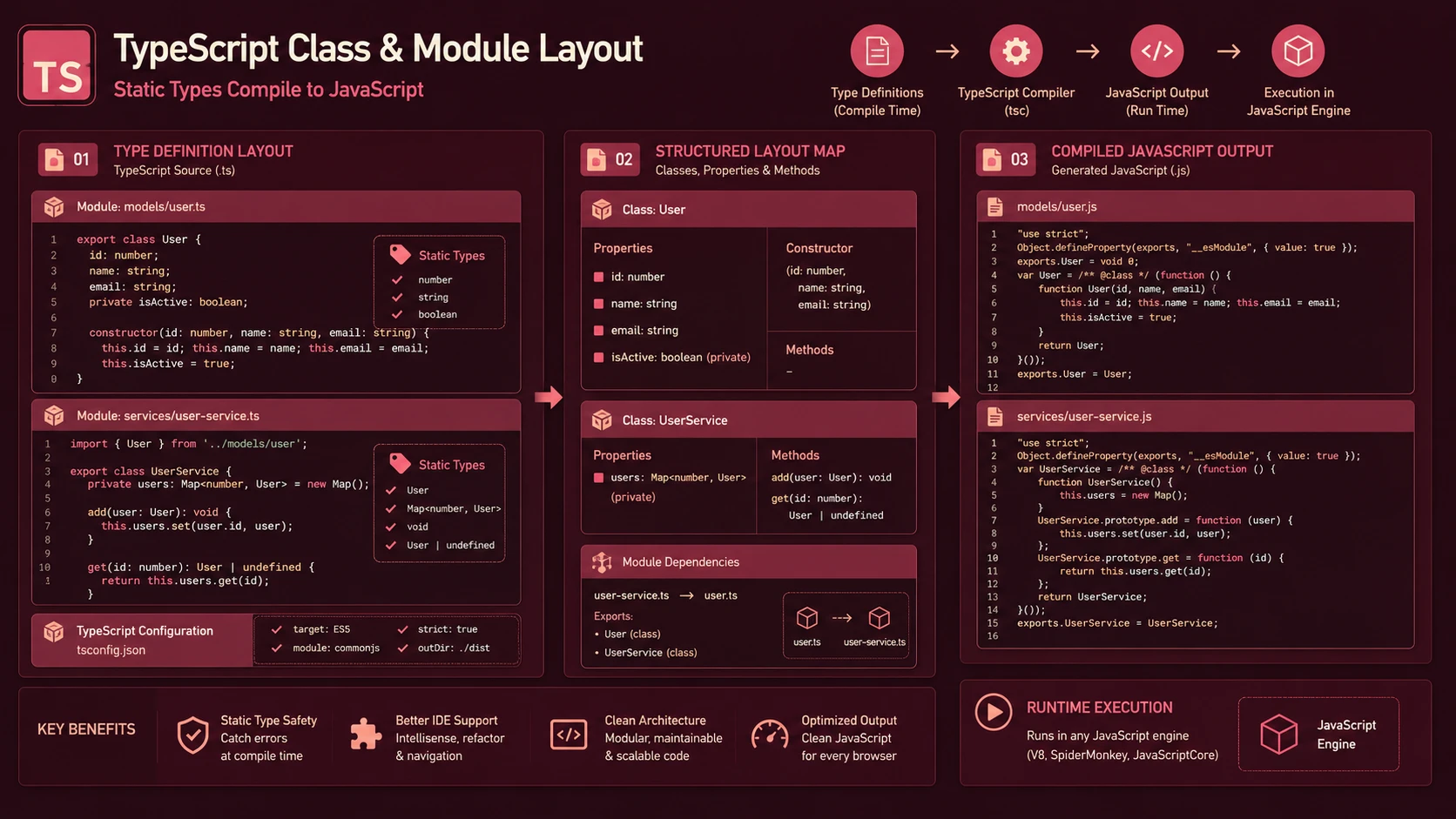
Introduction
JavaScript has become the dominant programming language for modern web application development. Rich client-side frameworks, AJAX-driven applications, and increasingly sophisticated browser capabilities have transformed JavaScript from a simple scripting language into the foundation of large enterprise applications.
However, as JavaScript codebases continue growing into hundreds of thousands of lines, development teams face new challenges surrounding maintainability, tooling, refactoring, and long-term software quality. Dynamic typing, while flexible, often makes large applications more difficult to manage, particularly across distributed development teams.
Microsoft's release of TypeScript 1.0 represents an important milestone in addressing these concerns. Rather than replacing JavaScript, TypeScript extends it with optional static typing, interfaces, modules, classes, and improved tooling while compiling into standards-compliant JavaScript that executes in existing browsers.
For enterprise architects and application developers, TypeScript offers a compelling approach to building large-scale JavaScript applications without sacrificing compatibility with the existing web platform.
Industry Background
Enterprise web development has undergone significant transformation during the past several years. Single Page Applications, HTML5, and JavaScript frameworks such as AngularJS have shifted increasing amounts of business logic into browsers.
Large client-side applications now include:
- ◆Business dashboards
- ◆Customer portals
- ◆Enterprise resource planning interfaces
- ◆Collaboration platforms
- ◆Financial reporting systems
- ◆Real-time web applications
As projects expand, traditional JavaScript development presents several operational challenges related to code organization and long-term maintenance.
Development teams increasingly require stronger language features without abandoning the JavaScript ecosystem.
The Business Problem
Organizations building large JavaScript applications frequently encounter:
- ◆Difficult refactoring
- ◆Runtime type errors
- ◆Limited compile-time validation
- ◆Inconsistent coding standards
- ◆Complex dependency management
- ◆Reduced maintainability in large codebases
As enterprise applications grow, identifying defects during development becomes increasingly valuable compared with discovering them during production execution.
Understanding TypeScript 1.0
TypeScript is a typed superset of JavaScript that introduces additional language features while preserving compatibility with standard JavaScript.
TypeScript source files are compiled into ordinary JavaScript before deployment.
This approach enables developers to leverage:
- ◆Optional static typing
- ◆Interfaces
- ◆Classes
- ◆Modules
- ◆Generics
- ◆Improved tooling
without requiring changes to browser runtimes.
Existing JavaScript code can generally coexist with TypeScript, enabling gradual adoption.
Core Architecture
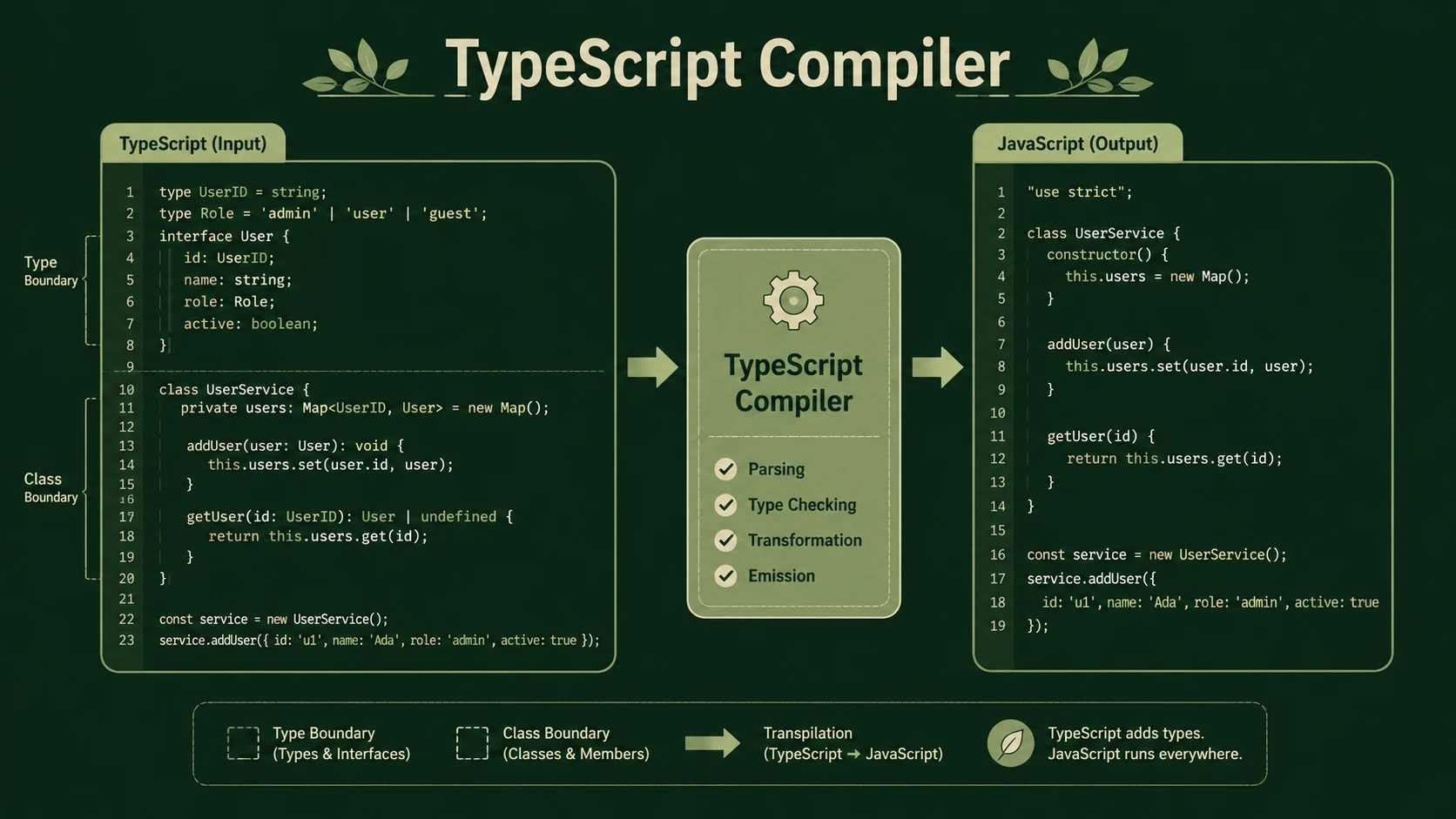
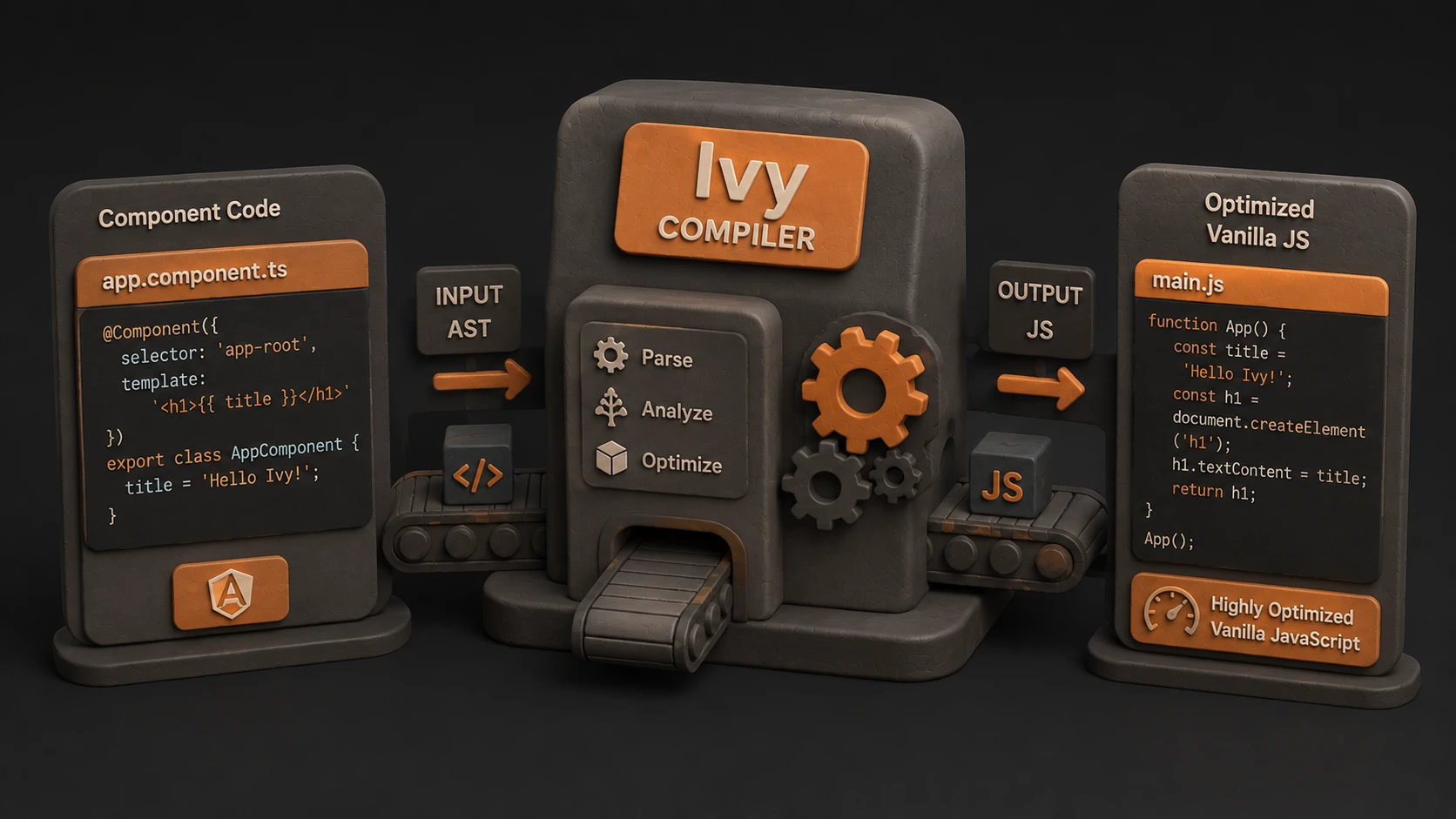
TypeScript extends JavaScript through a compilation process.
| Component | Responsibility |
|---|---|
| TypeScript Source | Application development |
| TypeScript Compiler | Converts TypeScript into JavaScript |
| Generated JavaScript | Browser-compatible output |
| Browser JavaScript Engine | Executes compiled code |
| IDE Tooling | Refactoring, navigation, IntelliSense |
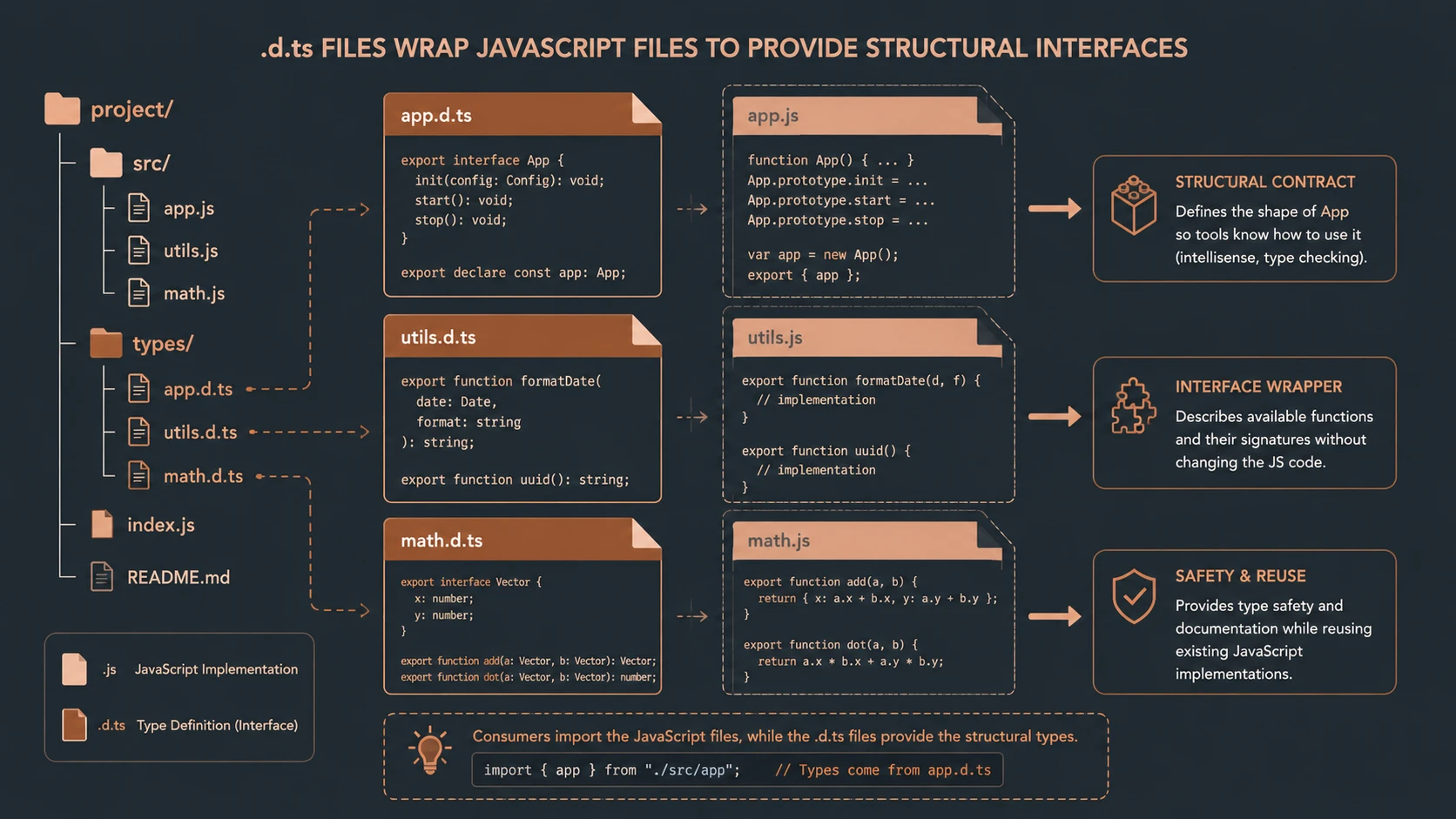
| Type Definitions | Describe external libraries |
The compiler performs static analysis while generating JavaScript suitable for supported browsers.
How TypeScript Works
A typical development workflow includes:
- 1.Developers write TypeScript source code.
- 2.The compiler performs syntax and type analysis.
- 3.Compile-time errors are reported.
- 4.JavaScript output is generated.
- 5.Browsers execute the generated JavaScript.
- 6.Existing JavaScript libraries continue operating normally.
This workflow separates development productivity improvements from runtime execution.
Key Features
Optional Static Typing
Developers can describe expected variable and function types without sacrificing JavaScript compatibility.
Classes
TypeScript introduces a class syntax that simplifies object-oriented application design while generating compatible JavaScript.
Interfaces
Interfaces provide contracts describing application structures, improving readability and reducing implementation ambiguity.
Modules
Modular application organization reduces global namespace pollution while improving code maintainability.
Generics
// generic repository pattern implementation in TypeScript 1.0
interface IRepository<T> {
    getAll(): T[];
    getById(id: number): T;
    add(entity: T): void;
}

class EntityRepository<T> implements IRepository<T> {
    private items: T[] = [];

    public getAll(): T[] {
        return this.items;
    }

    public getById(id: number): T {
        // In real app, search by primary key property
        return this.items[0];
    }

    public add(entity: T): void {
        this.items.push(entity);
    }
}
Generic programming enables reusable components while preserving stronger compile-time validation.
Improved Tooling
Type information enables enhanced code navigation, refactoring, auto-completion, and static analysis within supported development environments.
Enterprise Use Cases
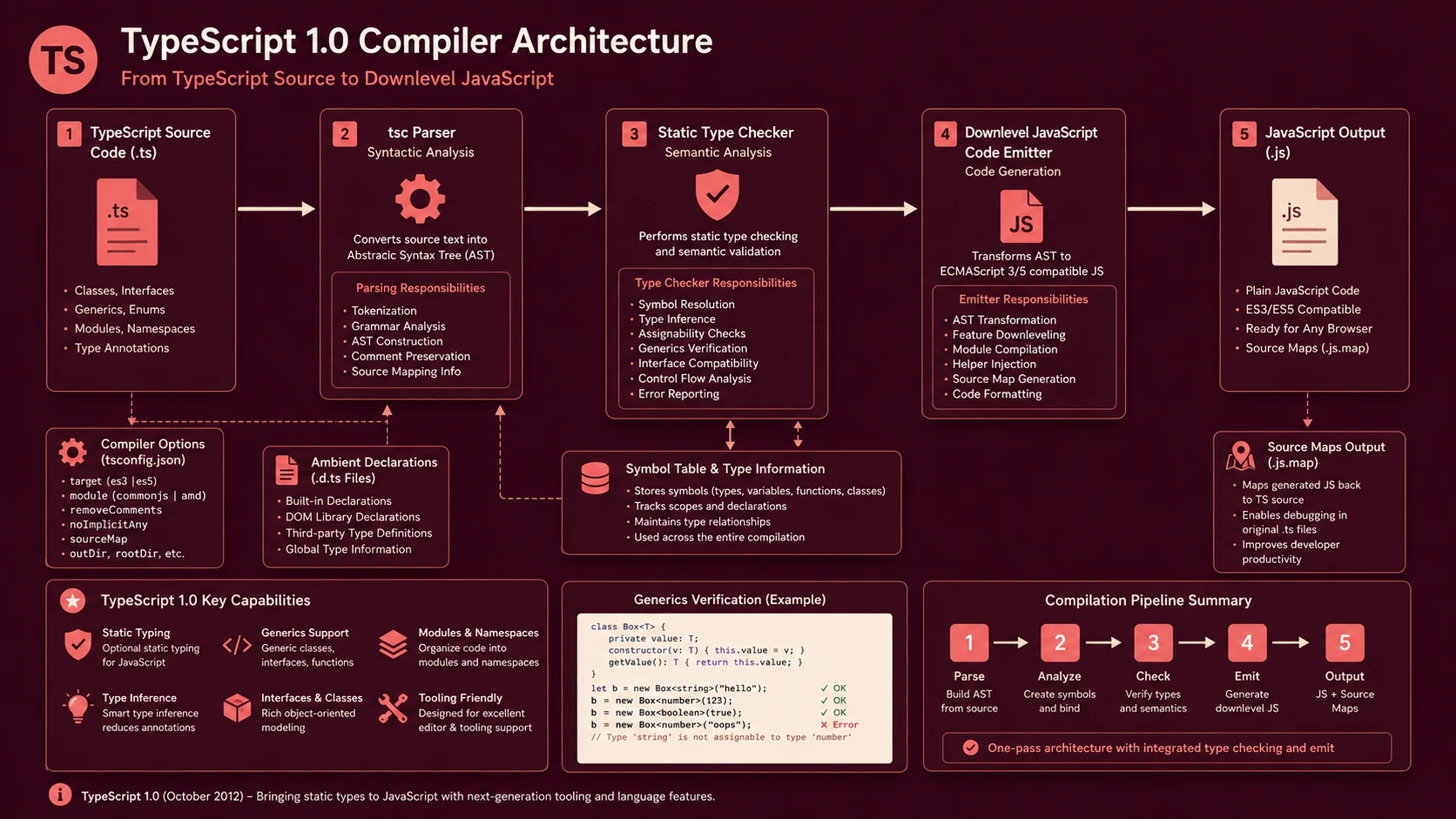
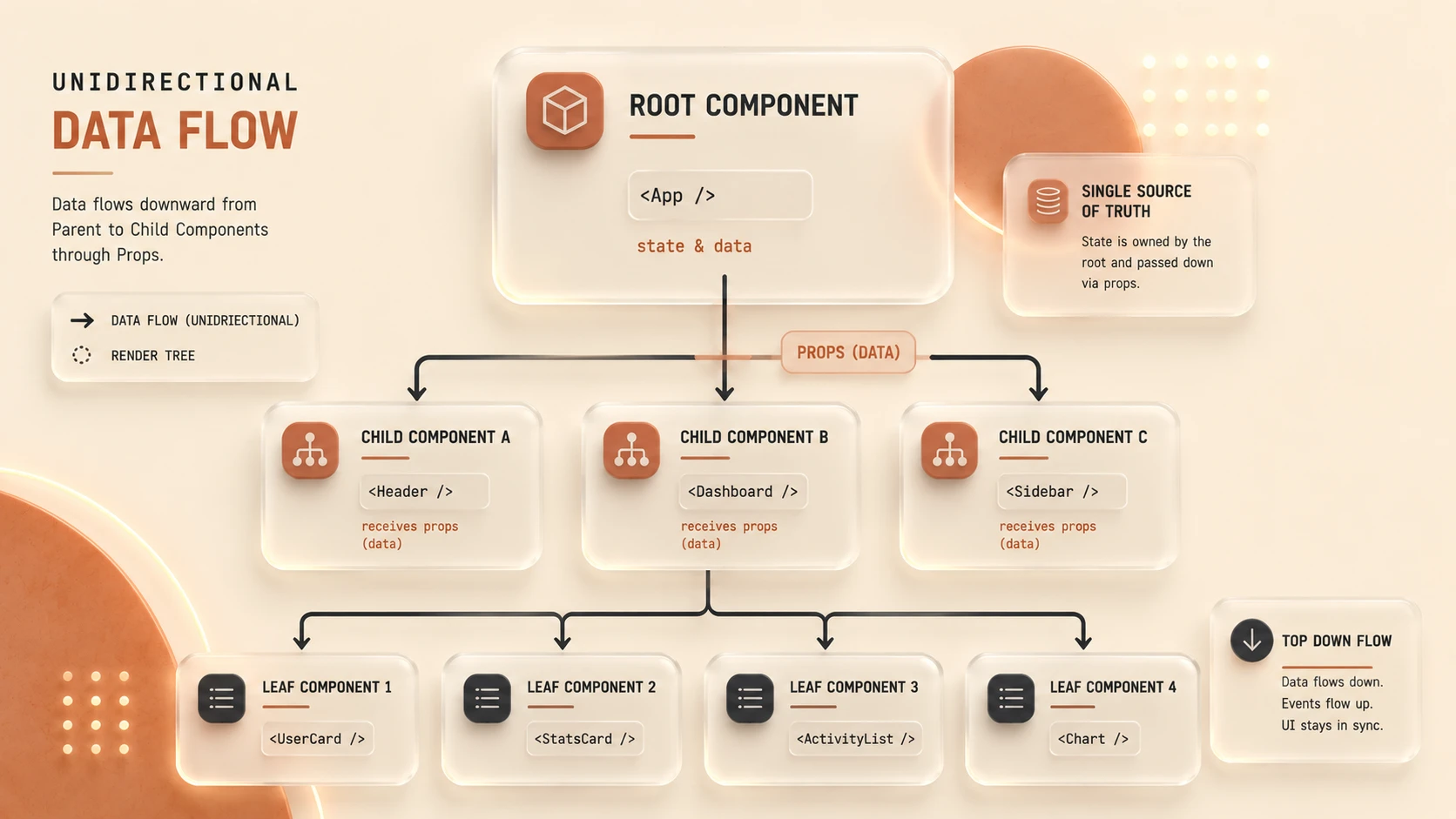
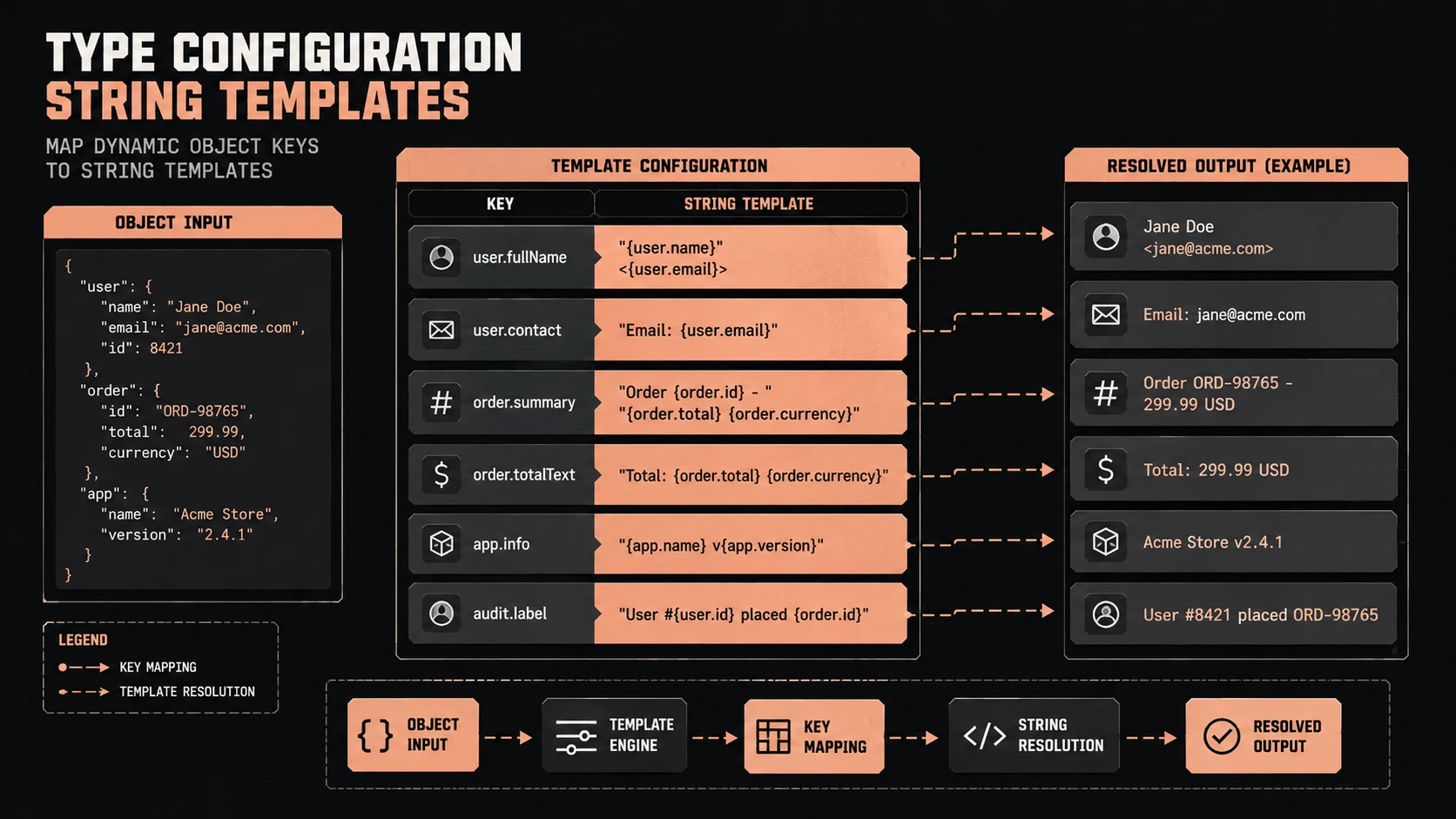
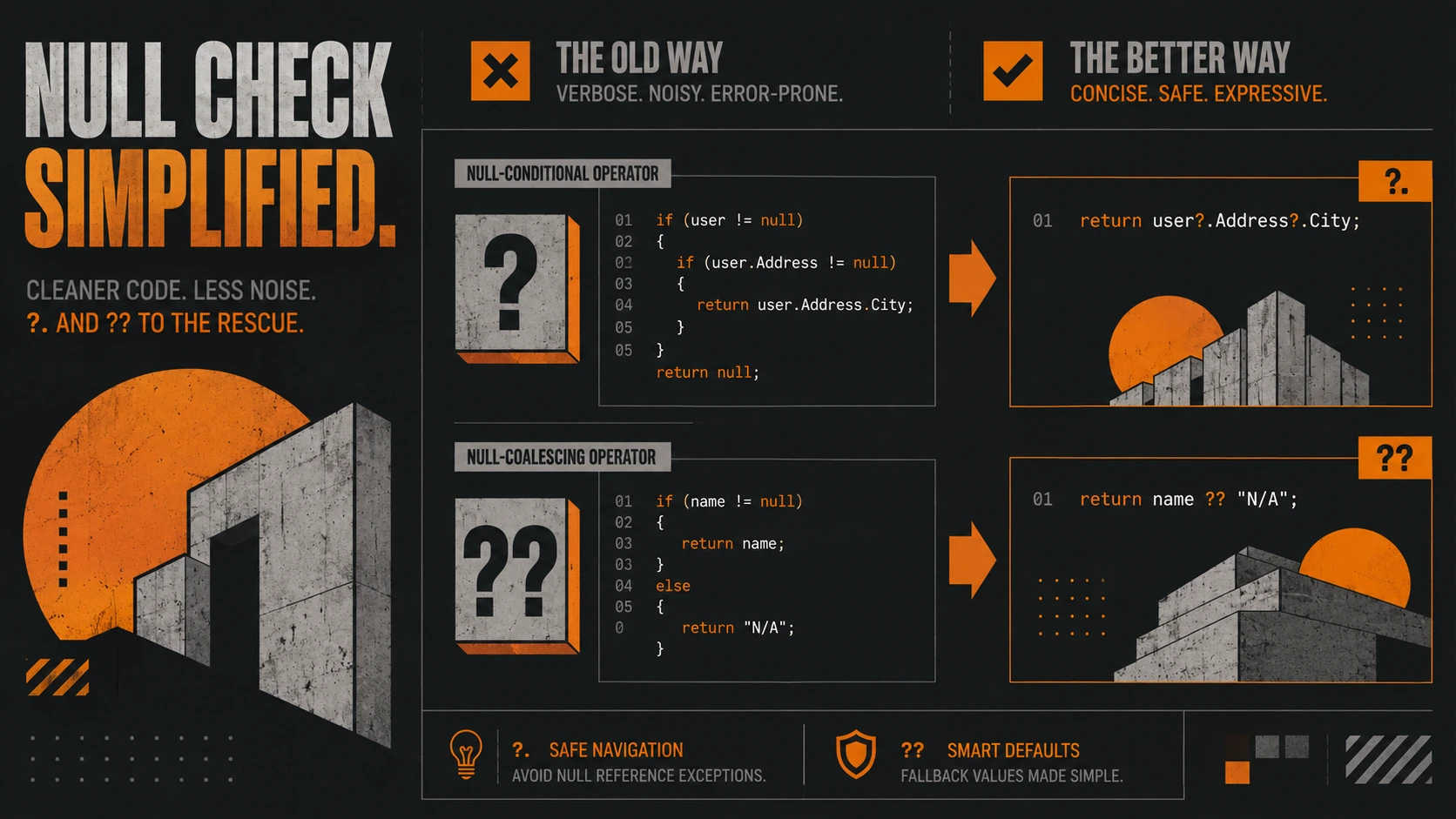
System architecture diagram and conceptual workflow layout for TypeScript 1.0: Production-Grade Static Typing for Large JavaScript App Development.
TypeScript is particularly valuable across numerous enterprise scenarios.
Single Page Applications
Large AngularJS applications benefit from stronger code organization and improved maintainability.
Enterprise Portals
Business applications containing numerous modules become easier to maintain through structured language features.
Financial Systems
Applications processing complex business logic benefit from compile-time validation.
Software as a Service
Large development teams gain improved collaboration through consistent interfaces and stronger code contracts.
Client-Side Framework Development
Reusable application libraries become easier to maintain using classes, modules, and interfaces.
Performance Considerations
TypeScript itself does not directly improve runtime JavaScript execution performance.
Performance advantages primarily arise from:
- ◆Earlier defect detection
- ◆Improved maintainability
- ◆Cleaner application architecture
- ◆Better code organization
- ◆Easier optimization
- ◆Reduced debugging effort
Generated JavaScript performance depends primarily upon the compiled output and browser execution engine.
Security Considerations
TypeScript enhances development productivity but does not replace established application security practices.
Enterprise developers should continue implementing:
- ◆Server-side validation
- ◆Secure authentication
- ◆Authorization controls
- ◆Input sanitization
- ◆HTTPS communication
- ◆Secure session management
Static typing improves code quality but does not prevent application-level security vulnerabilities.
Scalability
One of TypeScript's primary strengths is supporting large software projects.
Scalability benefits include:
- ◆Better code organization
- ◆Stronger interfaces
- ◆Modular application design
- ◆Improved developer collaboration
- ◆Easier maintenance
- ◆Reduced long-term technical debt
Large enterprise applications particularly benefit from stronger compile-time analysis.
Best Practices
Organizations adopting TypeScript should consider the following recommendations.
- ◆Introduce types gradually.
- ◆Keep modules focused.
- ◆Define interfaces consistently.
- ◆Organize reusable business components.
- ◆Maintain clear project structure.
- ◆Continue writing standards-compliant JavaScript.
- ◆Validate generated output during build processes.
- ◆Establish coding standards for enterprise projects.
Common Mistakes
| Mistake | Enterprise Impact |
|---|---|
| Attempting immediate full migration | Increased project risk |
| Ignoring interface design | Reduced maintainability |
| Excessive use of the any type | Limited compile-time validation |
| Poor module organization | Difficult scalability |
| Treating TypeScript as a new runtime | Architectural misunderstanding |
| Neglecting JavaScript compatibility testing | Deployment issues |
Organizations should view TypeScript as an incremental enhancement rather than a complete replacement for JavaScript.
Technology Comparison
| Capability | JavaScript | TypeScript 1.0 |
|---|---|---|
| Static Typing | No | Optional |
| Classes | Prototype-Based | Class Syntax |
| Interfaces | No | Yes |
| Modules | Limited Patterns | Built-In Language Support |
| Compile-Time Checking | Limited | Extensive |
| Browser Execution | Native | Compiled to JavaScript |
TypeScript builds upon JavaScript rather than introducing a separate execution platform.
Adoption Strategy
Organizations evaluating TypeScript should proceed incrementally.
- 1.Identify large JavaScript projects.
- 2.Introduce TypeScript into new modules.
- 3.Train development teams.
- 4.Establish interface design standards.
- 5.Integrate the compiler into build processes.
- 6.Validate generated JavaScript across supported browsers.
- 7.Expand adoption gradually.
- 8.Measure maintainability improvements throughout development.
Incremental migration reduces project risk while preserving compatibility with existing JavaScript applications.
Limitations
Although TypeScript introduces substantial language improvements, organizations should recognize several considerations.
- ◆A compilation step becomes part of the development workflow.
- ◆Existing projects may require gradual migration.
- ◆Development teams must learn additional language features.
- ◆Runtime behavior ultimately depends upon generated JavaScript.
- ◆Third-party libraries may require corresponding type definitions for maximum tooling benefits.
Careful planning ensures that TypeScript adoption complements existing enterprise development practices.
Looking Ahead
From the perspective of September 2014, TypeScript 1.0 represents one of the most significant advancements in enterprise JavaScript development. By combining optional static typing with full JavaScript compatibility, Microsoft has introduced a language capable of supporting increasingly large client-side applications while preserving the flexibility that made JavaScript successful.
As enterprise web applications continue growing in size and complexity, development platforms emphasizing maintainability, tooling, and structured application architecture are expected to receive increasing attention. TypeScript provides organizations with a practical path toward improving JavaScript development without abandoning the extensive ecosystem of existing libraries, frameworks, and browser technologies.