Introduction
Android has become one of the world's most widely deployed mobile platforms, powering billions of smartphones, tablets, embedded devices, and enterprise mobility solutions. For years, Java has served as the primary language for Android application development, supported by mature tooling, extensive libraries, and a large developer community.
As Android applications have grown more sophisticated, development teams have increasingly sought programming languages that improve developer productivity while reducing boilerplate code, improving type safety, and encouraging modern software engineering practices.
At Google I/O 2017, Google officially announced first-class support for Kotlin, a statically typed programming language developed by JetBrains. Rather than replacing Java, Kotlin is designed to interoperate seamlessly with existing Android development ecosystems while offering a more expressive and concise programming model.
From the perspective of May 2017, Google's endorsement represents one of the most significant changes to Android development since the platform's introduction.
Industry Background
Enterprise mobile applications continue expanding in both functionality and complexity.
Organizations increasingly develop:
- ◆Enterprise Resource Planning applications.
- ◆Customer Relationship Management solutions.
- ◆Mobile banking platforms.
- ◆Healthcare applications.
- ◆Retail commerce solutions.
- ◆Field service management software.
- ◆Internal productivity applications.
These applications require:
- ◆Long-term maintainability.
- ◆Reliable tooling.
- ◆Strong IDE support.
- ◆Safe refactoring.
- ◆High developer productivity.
- ◆Interoperability with existing Java libraries.
Modern programming languages increasingly emphasize concise syntax, stronger type systems, and safer programming models while maintaining compatibility with established ecosystems.
The Business Problem
Large Android applications frequently encounter several engineering challenges.
Organizations commonly experience:
- ◆Verbose Java code.
- ◆Null pointer exceptions.
- ◆Boilerplate implementations.
- ◆Slower development cycles.
- ◆Difficult maintenance.
- ◆Large codebases.
- ◆Increasing architectural complexity.
As enterprise applications continue growing, reducing accidental complexity becomes increasingly important.
Kotlin seeks to improve software quality while remaining fully compatible with existing Android development investments.
Understanding the Technology
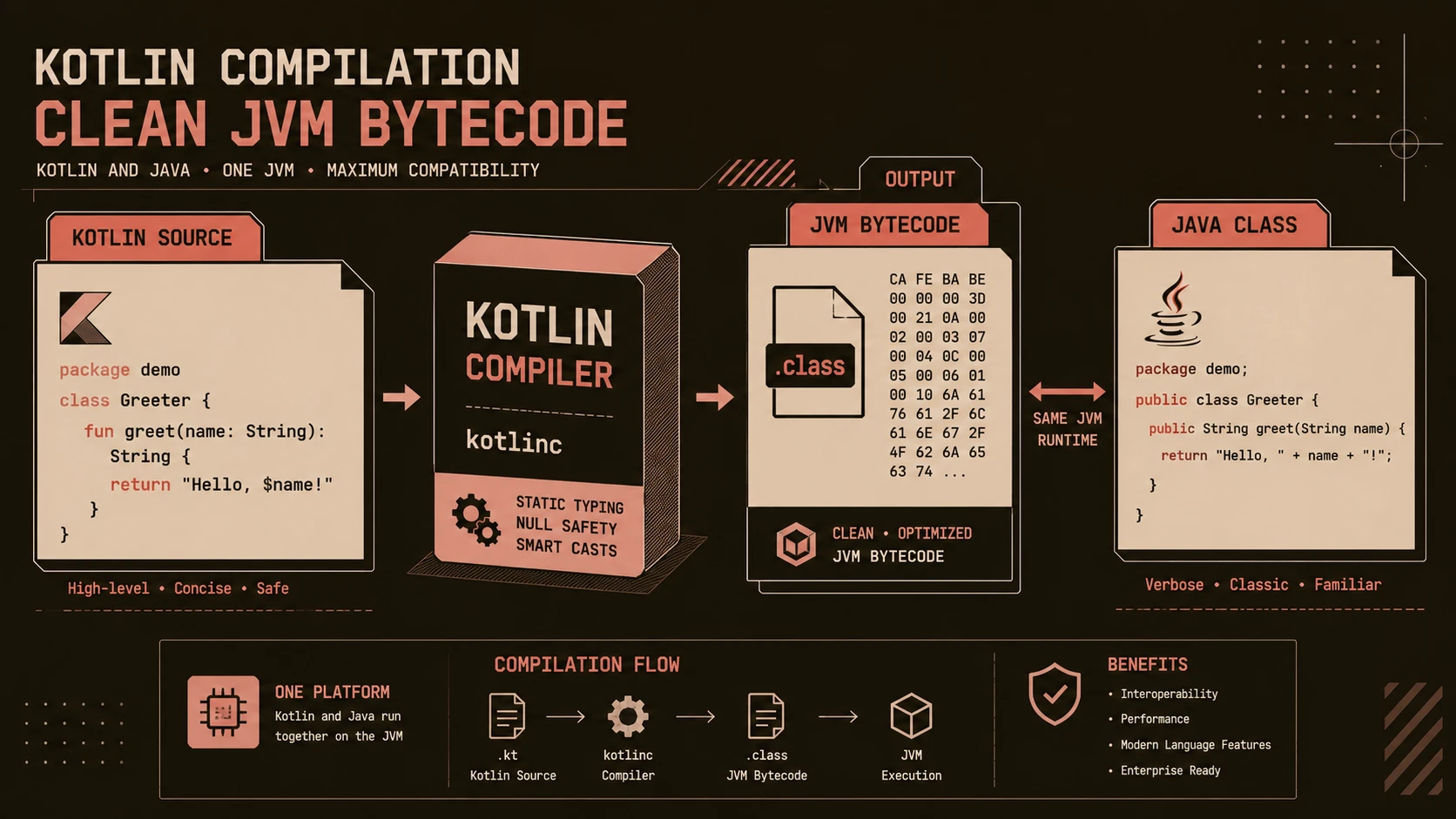
Kotlin is a statically typed programming language that compiles to Java Virtual Machine bytecode.
Major characteristics include:
- ◆Full Java interoperability.
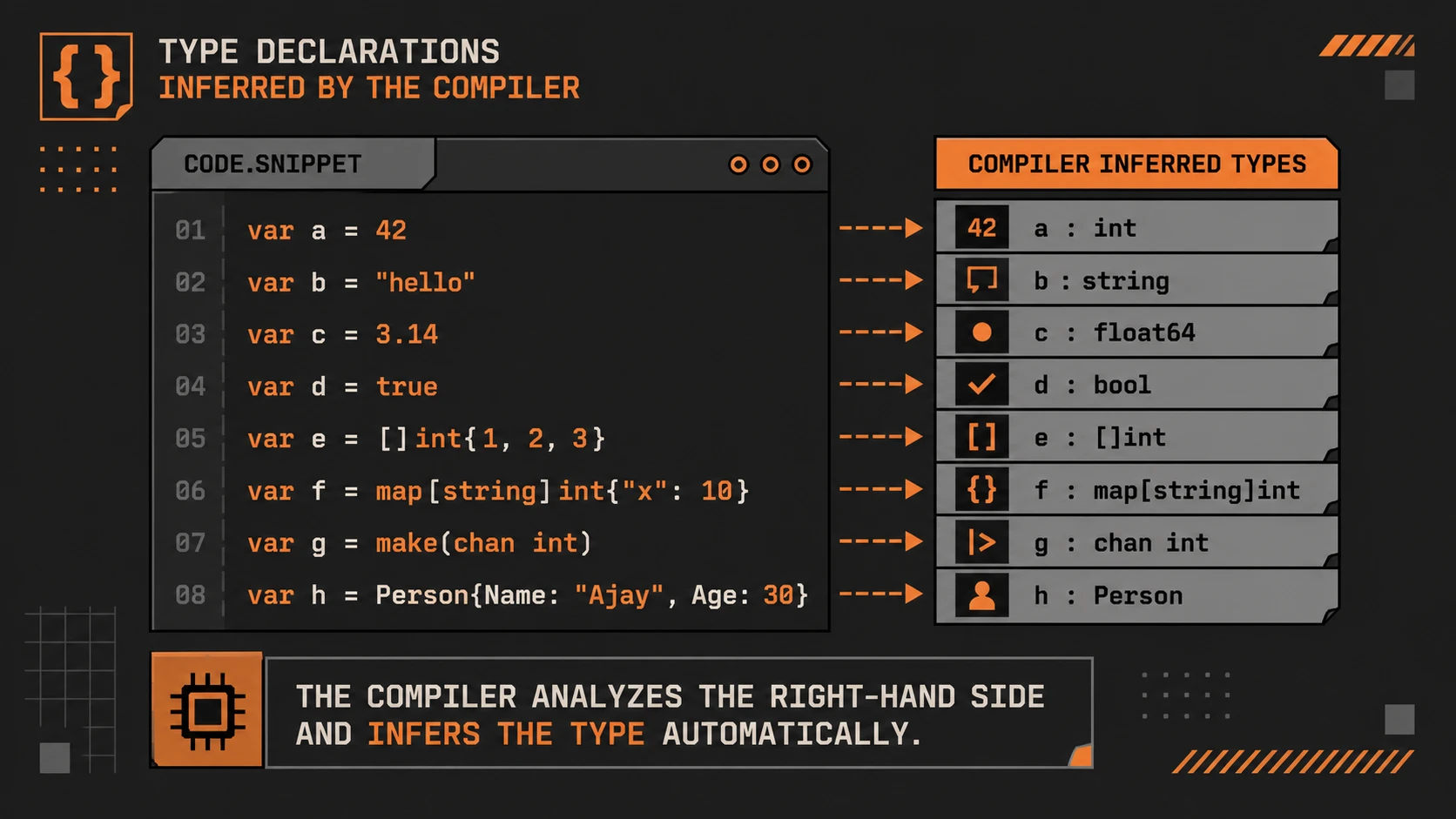
- ◆Type inference.
- ◆Null safety.
- ◆Extension functions.
- ◆Data classes.
- ◆Higher-order functions.
- ◆Concise syntax.
Rather than requiring organizations to abandon Java, Kotlin allows both languages to coexist within the same Android project.
Core Architecture
A simplified Kotlin on Android architecture appears below.
| Component | Responsibility |
|---|---|
| Kotlin Source Code | Application implementation |
| Kotlin Compiler | Generates JVM bytecode |
| Android Runtime | Executes compiled applications |
| Android SDK | Platform APIs |
| Java Libraries | Existing application dependencies |
| Android Studio | Development environment |
This architecture enables Kotlin applications to leverage the existing Android platform without requiring changes to runtime infrastructure.
Key Features
Official Android Support
Google's announcement establishes Kotlin as an officially supported language for Android development.
This provides organizations with greater confidence when evaluating Kotlin for long-term enterprise projects.
Complete Java Interoperability
One of Kotlin's greatest strengths is its seamless interoperability with Java.
Existing Java libraries, Android SDK APIs, and enterprise frameworks remain directly accessible.
Organizations can migrate applications incrementally rather than performing complete rewrites.
Null Safety
Kotlin's type system distinguishes nullable and non-nullable references.
Many potential null reference errors can therefore be detected during compilation instead of occurring at runtime.
Reduced Boilerplate
Language features such as data classes, property syntax, default parameters, and type inference significantly reduce repetitive code.
Cleaner codebases improve long-term maintainability.
Extension Functions
Developers can extend existing classes without modifying their original implementation.
This encourages reusable utility functionality while preserving compatibility.
Modern Language Design
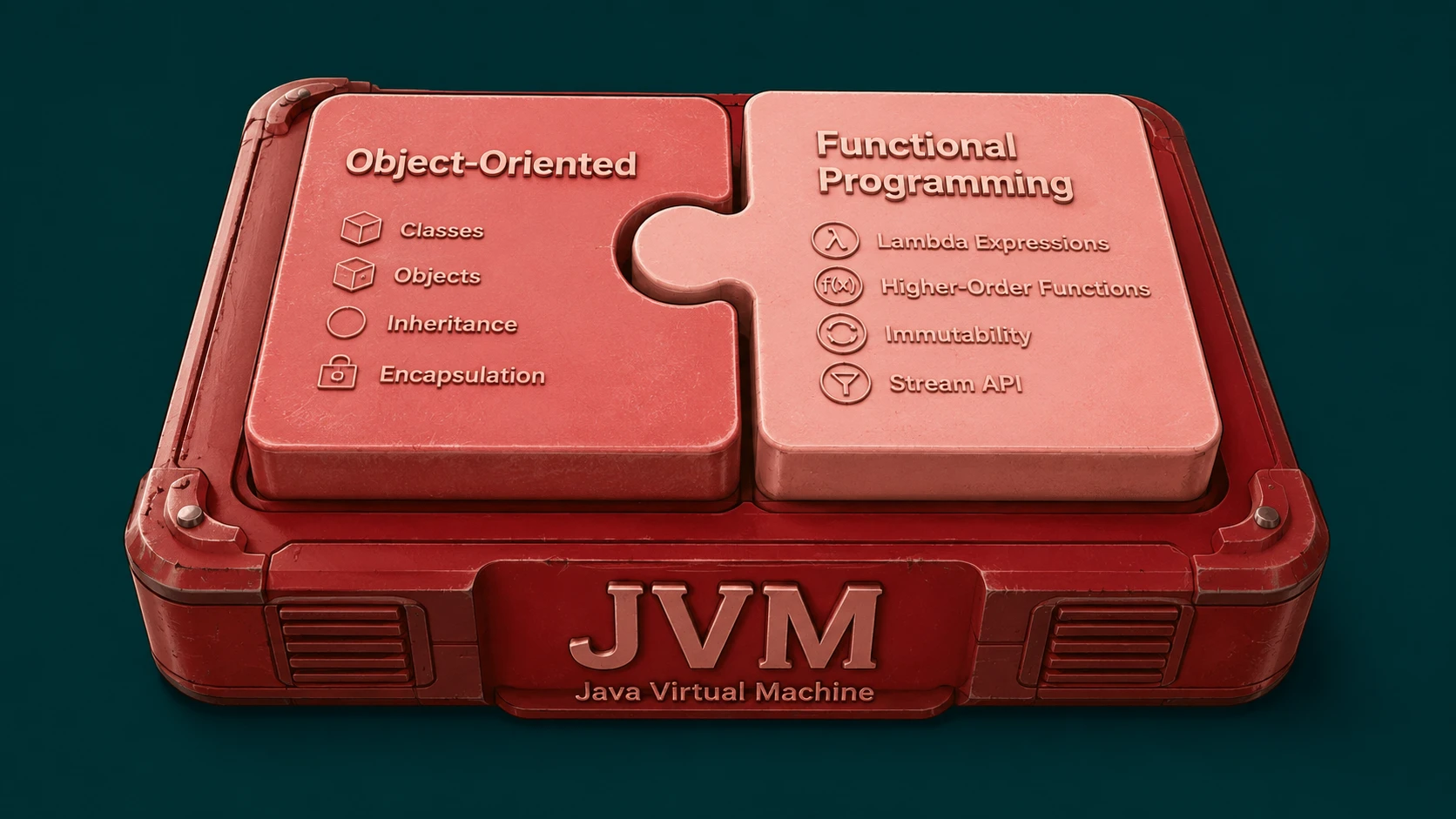
Kotlin incorporates contemporary programming language features while remaining familiar to developers with Java experience.
How It Works
A simplified Android development workflow appears below.
Kotlin Source Code
          |
Kotlin Compiler
          |
JVM Bytecode
          |
Android Build Process
          |
Android Runtime
          |
Mobile Application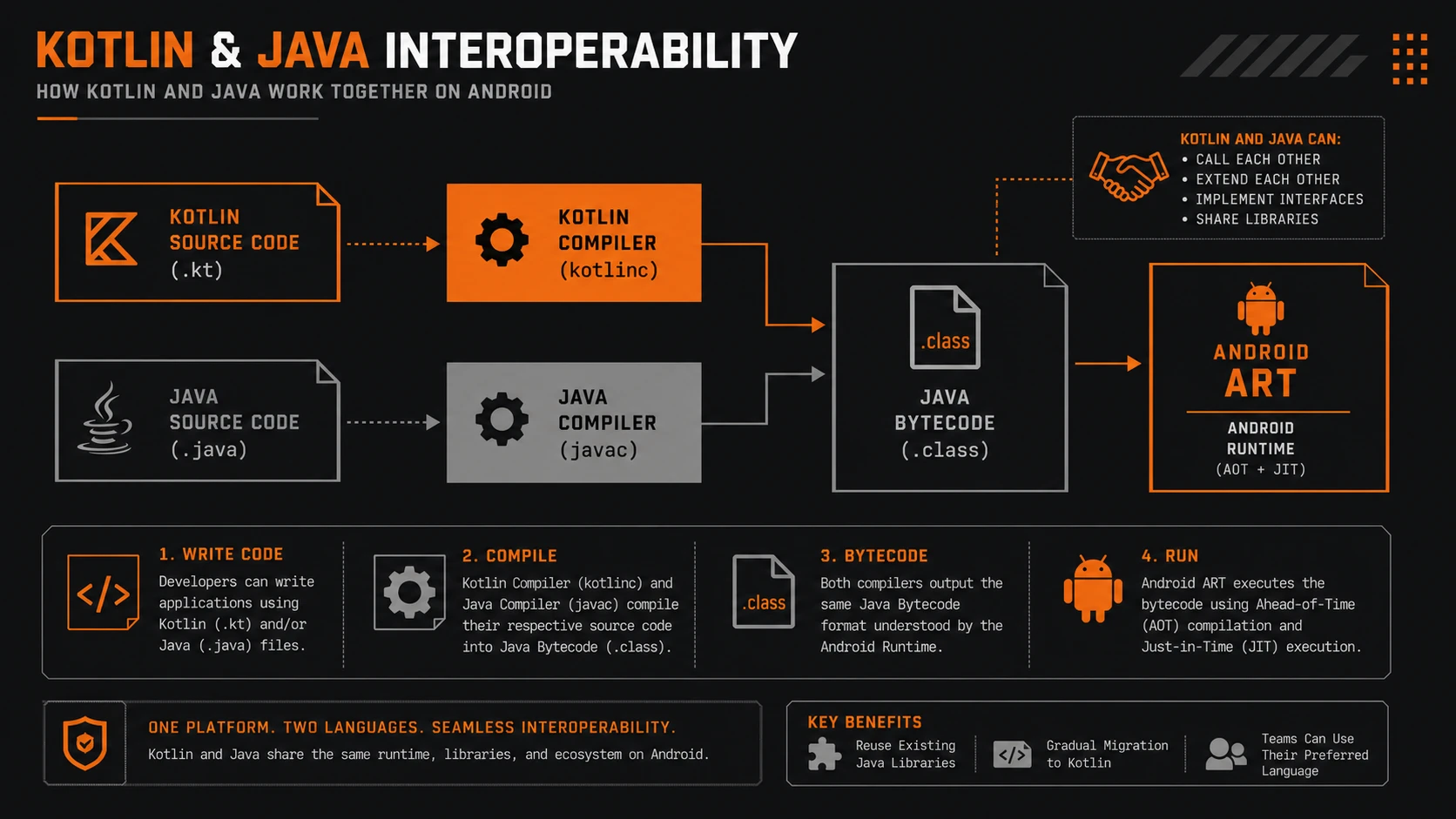
Comparative timeline of platform capability announcements across Microsoft, Google, and AWS.
Applications continue using the standard Android toolchain while benefiting from Kotlin's language enhancements.
Enterprise Use Cases
Enterprise Mobile Applications
Organizations developing long-lived Android applications benefit from improved readability and maintainability.
Existing Java Projects
Large applications can gradually introduce Kotlin alongside existing Java code.
Financial Services
Applications requiring strong code quality benefit from Kotlin's null safety and expressive type system.
Healthcare Solutions
Mission-critical mobile software can leverage Kotlin's compiler-assisted correctness.
Internal Business Applications
Development teams gain productivity improvements without abandoning established Android development practices.
Performance Considerations
Kotlin primarily improves developer productivity rather than fundamentally changing Android runtime performance.
Organizations should evaluate:
- ◆Compilation speed.
- ◆Build pipeline integration.
- ◆Generated bytecode efficiency.
- ◆Application startup time.
- ◆Memory utilization.
- ◆Java interoperability overhead.
Performance characteristics remain largely dependent on application architecture and runtime behavior.
Security Considerations
Kotlin contributes to software quality but does not replace secure application design.
Organizations should continue implementing:
- ◆Authentication.
- ◆Authorization.
- ◆Secure network communication.
- ◆Input validation.
- ◆Secure credential storage.
- ◆Android application security best practices.
Null safety improves reliability but should be considered one element of broader secure software engineering.
Scalability
Kotlin supports scalable enterprise development through modern language design.
Advantages include:
- ◆Concise syntax.
- ◆Improved readability.
- ◆Strong type system.
- ◆Easier maintenance.
- ◆Better collaboration across development teams.
These characteristics become increasingly valuable as Android applications continue expanding.
Best Practices
Organizations evaluating Kotlin should:
- ◆Begin with new Android modules.
- ◆Introduce Kotlin gradually into existing Java projects.
- ◆Establish Kotlin coding standards.
- ◆Maintain automated testing throughout migration.
- ◆Continue leveraging existing Java libraries.
- ◆Train development teams on Kotlin language features.
- ◆Benchmark representative application builds.
Incremental adoption minimizes migration risk while building internal expertise.
Common Mistakes
| Mistake | Business Impact |
|---|---|
| Assuming Java applications require complete rewrites | Unnecessary migration effort |
| Mixing inconsistent coding styles | Reduced maintainability |
| Ignoring Kotlin coding conventions | Lower code quality |
| Overusing advanced language features prematurely | Reduced readability |
| Delaying automated testing during migration | Increased production risk |
| Underestimating developer training | Slower adoption |
Organizations should approach Kotlin adoption as a gradual modernization initiative.
Technology Comparison
| Characteristic | Java | Kotlin |
|---|---|---|
| Android Support | Official | Official |
| Null Safety | Runtime responsibility | Compiler-assisted null safety |
| Boilerplate Code | More verbose | More concise |
| Java Library Compatibility | Native | Full interoperability |
| Type Inference | Limited | Extensive |
| Learning Curve | Familiar to Android developers | Moderate for experienced Java developers |
Kotlin complements Java by introducing modern language capabilities while preserving compatibility across the Android ecosystem.
Adoption Strategy
Organizations should adopt Kotlin through a structured modernization plan.
- 1.Upgrade Android Studio and development tooling.
- 2.Train Android engineers on Kotlin fundamentals.
- 3.Develop new application modules in Kotlin.
- 4.Integrate Kotlin into existing Java projects incrementally.
- 5.Validate build and testing pipelines.
- 6.Expand adoption following successful production deployments.
This phased approach minimizes operational disruption while allowing development teams to gain practical experience.
Limitations
As of May 2017, Kotlin's official Android support is newly announced.
Organizations should recognize several considerations.
- ◆Enterprise adoption is still beginning.
- ◆Existing development standards may require revision.
- ◆Third-party Android libraries should be validated.
- ◆Developer training remains important.
- ◆Operational best practices will continue evolving as adoption increases.
These considerations should be incorporated into enterprise mobile modernization strategies.
Looking Ahead
From the perspective of May 2017, Google's announcement of first-class Kotlin support represents a defining moment for Android development. By officially embracing a modern programming language that remains fully interoperable with Java, Google provides enterprise organizations with a practical path toward improving application maintainability, reducing boilerplate code, and strengthening compile-time safety without abandoning their existing Android investments.
As Android applications continue growing in complexity and enterprise development teams seek greater productivity, Kotlin is well positioned to become an increasingly important language within the Android ecosystem. Organizations planning new Android initiatives or modernizing existing mobile applications should evaluate Kotlin carefully as part of their long-term mobile development strategy.