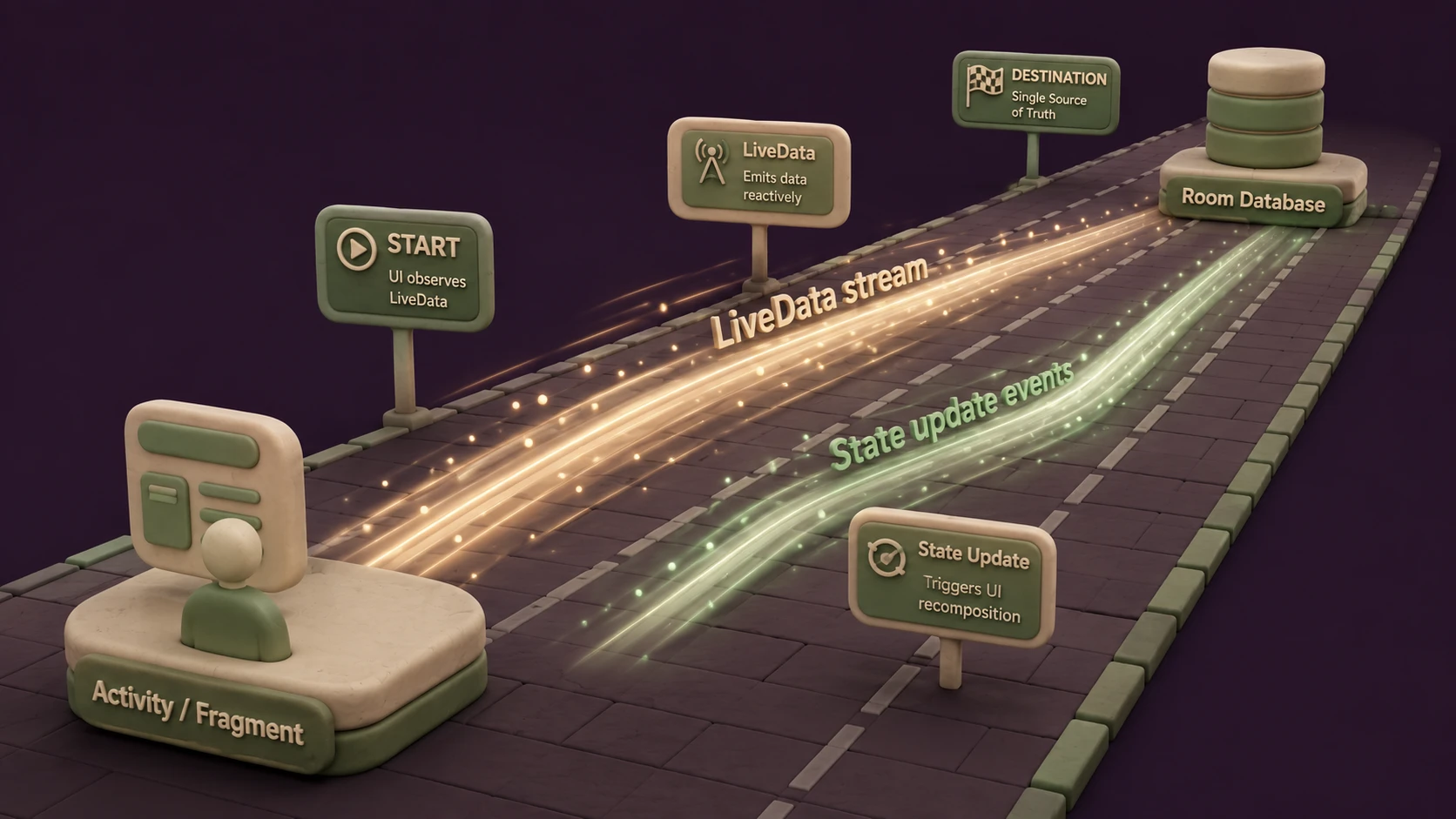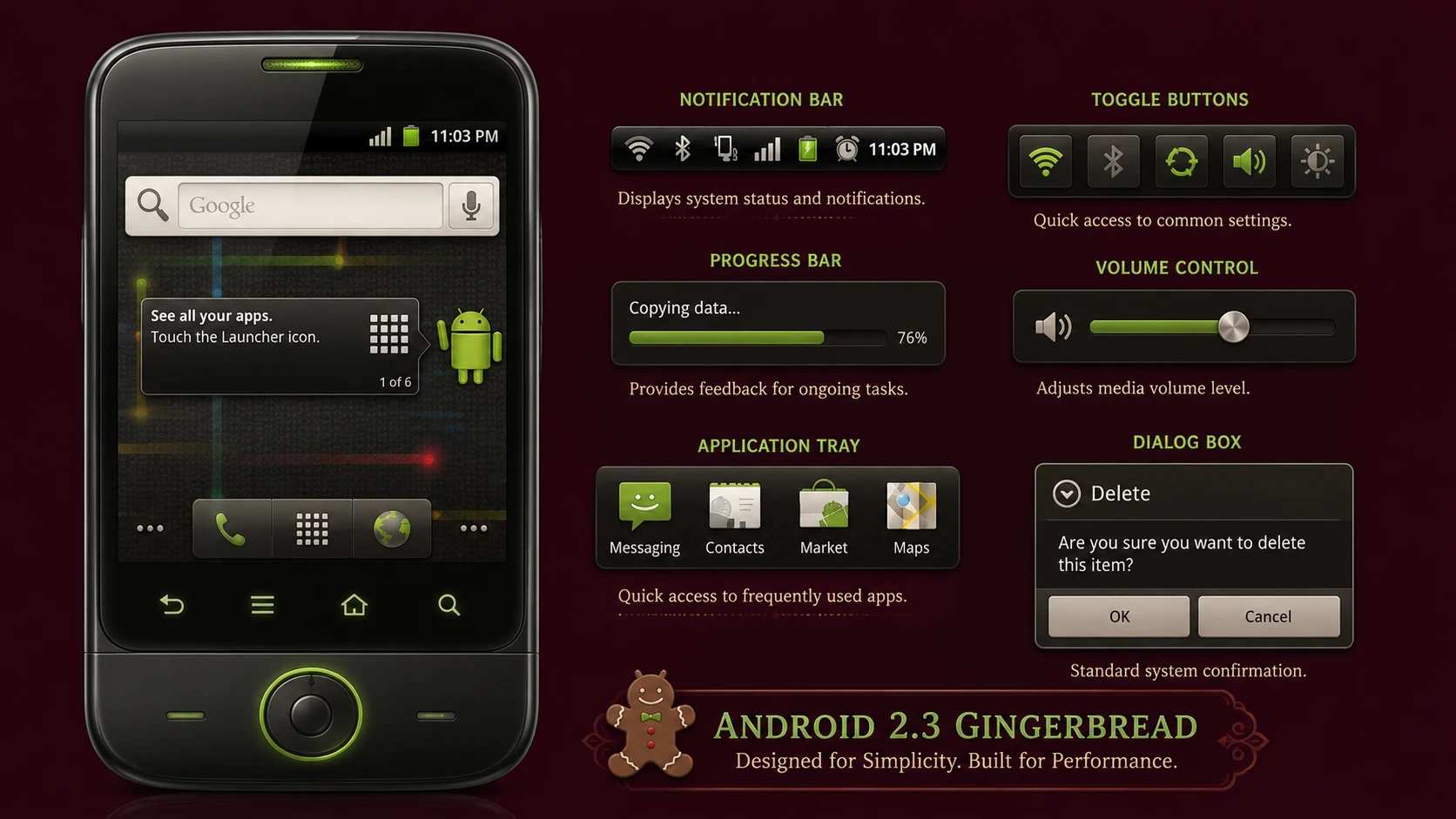
Mobile computing has entered a period of extraordinary growth. Only a few years ago, enterprise mobility largely meant email synchronization on business smartphones and limited mobile web access. Today, organizations are beginning to envision mobile devices as full-featured business tools capable of supporting productivity applications, customer engagement, field operations, and real-time access to enterprise systems.
Android has played a major role in this transformation. Since its introduction, Google's mobile operating system has experienced rapid adoption among device manufacturers, mobile carriers, software developers, and consumers. With each new release, Android continues to expand its capabilities while attracting an increasingly active developer community.
As of early November 2010, significant industry attention is focused on the anticipated Android 2.3 release, code-named Gingerbread. Although Google has not yet formally released the platform, announcements, developer discussions, and industry expectations suggest that Android will continue evolving to improve performance, user experience, and developer capabilities.
For enterprise architects, IT managers, and software development teams, understanding Android's growing ecosystem is becoming increasingly important when planning long-term mobile strategies.
The Rapid Growth of Enterprise Mobility
Business mobility is no longer limited to executive email access. Organizations across industries are beginning to deploy mobile solutions that improve operational efficiency and customer service.
Common enterprise scenarios include:
- ◆Sales force automation
- ◆Field service management
- ◆Inventory tracking
- ◆Mobile reporting dashboards
- ◆Healthcare information access
- ◆Logistics management
- ◆Retail inventory systems
- ◆Customer relationship management
These initiatives require mobile platforms that are flexible, scalable, and supported by an active software ecosystem.
Android's Expanding Market Presence
Since the introduction of Android, numerous handset manufacturers have adopted the platform.
Major characteristics contributing to Android's growth include:
- ◆Open-source foundation
- ◆Broad manufacturer support
- ◆Growing application marketplace
- ◆Java-based application development
- ◆Increasing hardware diversity
- ◆Rapid software innovation
Unlike platforms tied to a single hardware manufacturer, Android's availability across multiple devices has accelerated its visibility throughout both consumer and business markets.
Android Evolution So Far
Android has progressed steadily through several platform releases.
| Version | Highlights |
|---|---|
| Android 1.5 Cupcake | Improved user interface and widgets |
| Android 1.6 Donut | Enhanced search and device support |
| Android 2.0/2.1 Eclair | Improved browser, multiple account support, navigation enhancements |
| Android 2.2 Froyo | Performance improvements, JIT compiler, hotspot capabilities |
| Android 2.3 Gingerbread | Expected next major platform release |
Each release has expanded Android's capabilities while improving application development opportunities.
Why Gingerbread Matters
Although complete technical details have not yet been officially published, expectations surrounding Gingerbread reflect Android's continued maturation.
Developers anticipate improvements in areas such as:
- ◆User interface responsiveness
- ◆Application performance
- ◆Multimedia capabilities
- ◆Power management
- ◆Sensor integration
- ◆Developer APIs
As with previous Android releases, enterprise developers should evaluate official documentation carefully once the platform becomes available before adopting new platform features.
Android Application Architecture
Android applications are built using a layered architecture that separates application logic from the operating system.
Typical architecture:
Applications
      |
Application Framework
      |
Android Runtime
      |
Native Libraries
      |
Linux Kernel
This layered model provides developers with consistent APIs while allowing device manufacturers to innovate in hardware design.
Java-Based Development
Android application development primarily relies on the Java programming language.
Developers typically use:
- ◆Java
- ◆Android SDK
- ◆Eclipse development tools
- ◆XML layouts
This familiar development environment lowers the barrier for many enterprise Java developers entering mobile development.
Building Enterprise Mobile Applications
Organizations evaluating Android often focus on several categories of business applications.
Sales Automation
Sales representatives increasingly require:
- ◆Customer information
- ◆Opportunity tracking
- ◆Product catalogs
- ◆Mobile quotations
Android applications enable access to enterprise systems while employees remain in the field.
Healthcare
Healthcare providers may use Android devices for:
- ◆Appointment schedules
- ◆Patient information
- ◆Clinical reference materials
- ◆Mobile data collection
Security and privacy remain essential considerations for these deployments.
Logistics
Transportation and logistics companies benefit from:
- ◆Shipment tracking
- ◆Route management
- ◆Barcode scanning
- ◆Warehouse operations
Mobile access improves visibility throughout the supply chain.
Retail
Retail organizations can deploy Android applications for:
- ◆Inventory management
- ◆Product lookup
- ◆Store operations
- ◆Customer assistance
These scenarios demonstrate Android's growing role beyond consumer applications.
Enterprise Integration
Most mobile applications must communicate with existing enterprise infrastructure.
Typical integrations include:
- ◆Web services
- ◆WCF services
- ◆REST-style HTTP APIs
- ◆SQL Server back-end systems
- ◆ERP applications
- ◆CRM platforms
A well-designed service layer enables mobile applications to consume business functionality without exposing internal implementation details.
Designing Scalable Mobile Architectures
A typical enterprise mobile architecture may resemble:
Android Application
        |
HTTP / Web Services
        |
Application Server
        |
Business Services
        |
Enterprise Database
This separation allows mobile applications to evolve independently while centralizing business logic within enterprise systems.
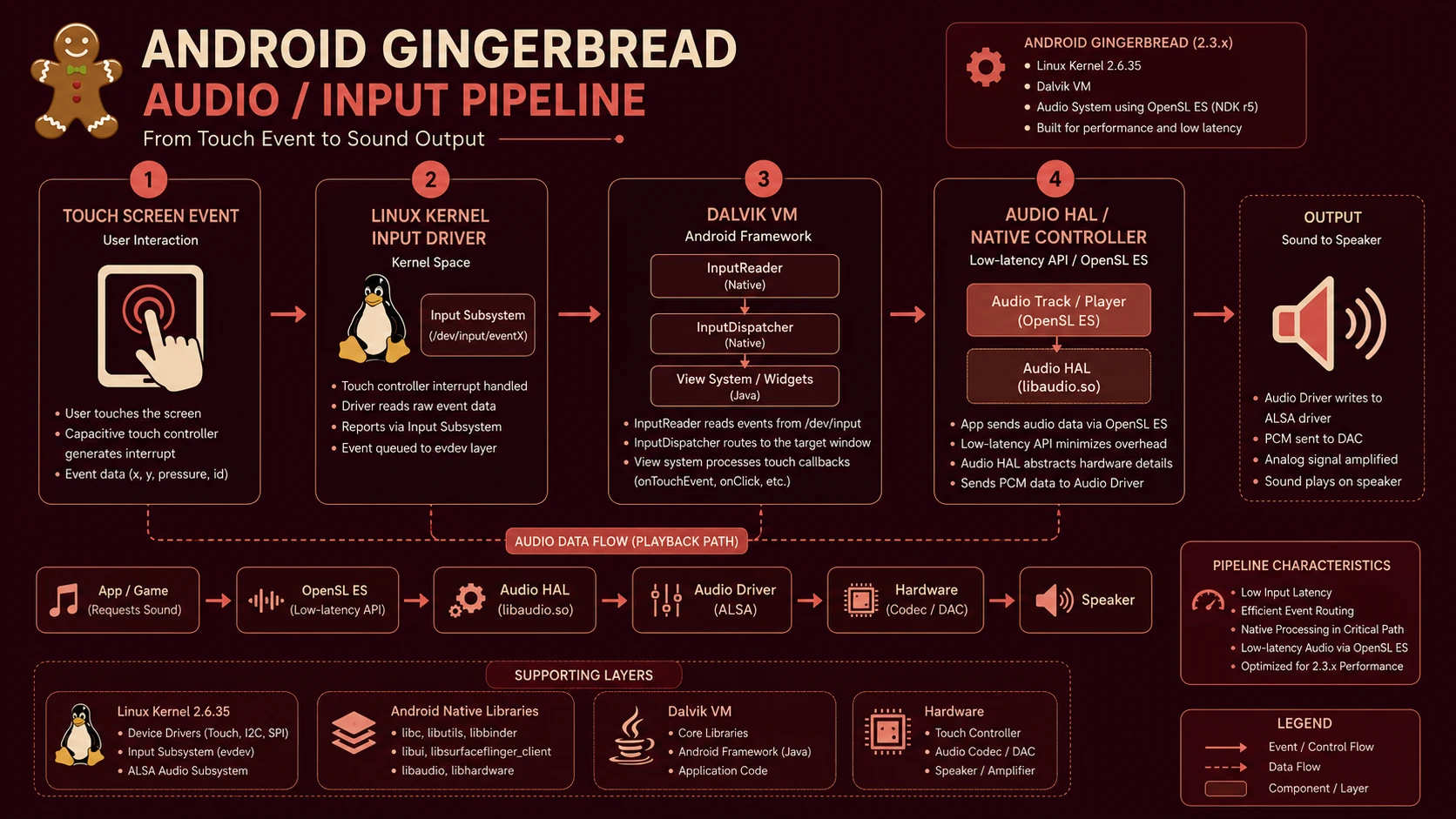
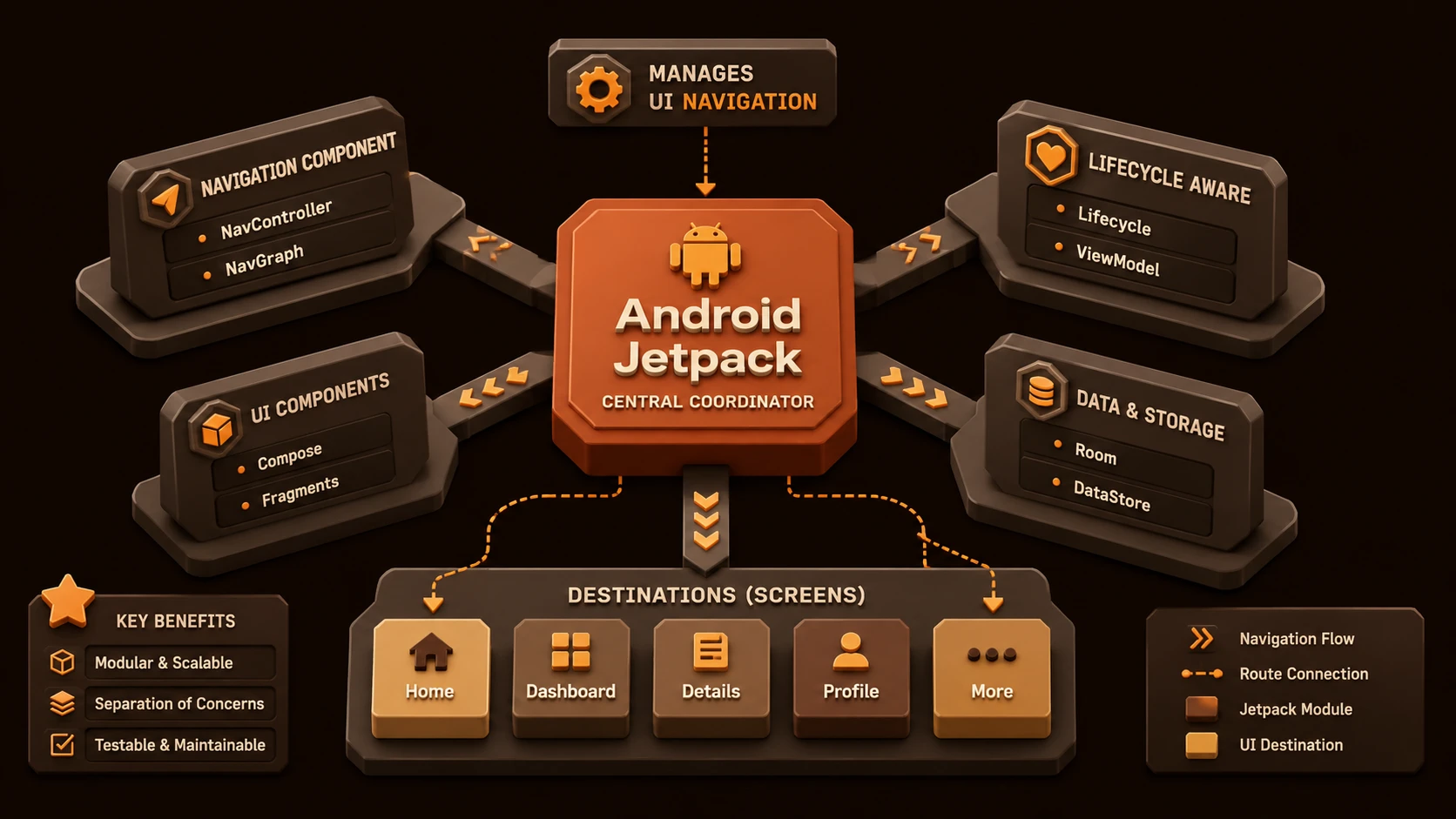
SDK framework stack showing unified platform layouts for unified target devices.
User Experience Considerations
Mobile devices present unique interface challenges.
Developers should consider:
- ◆Smaller screens
- ◆Touch interaction
- ◆Orientation changes
- ◆Variable network connectivity
- ◆Battery consumption
- ◆Limited input methods
Applications should prioritize simplicity and responsiveness over complex desktop-style interfaces.
Performance Best Practices
Enterprise mobile applications should be designed with efficiency in mind.
Recommended practices include:
- ◆Minimize network requests.
- ◆Cache frequently used data.
- ◆Perform lengthy operations asynchronously.
- ◆Optimize images and media.
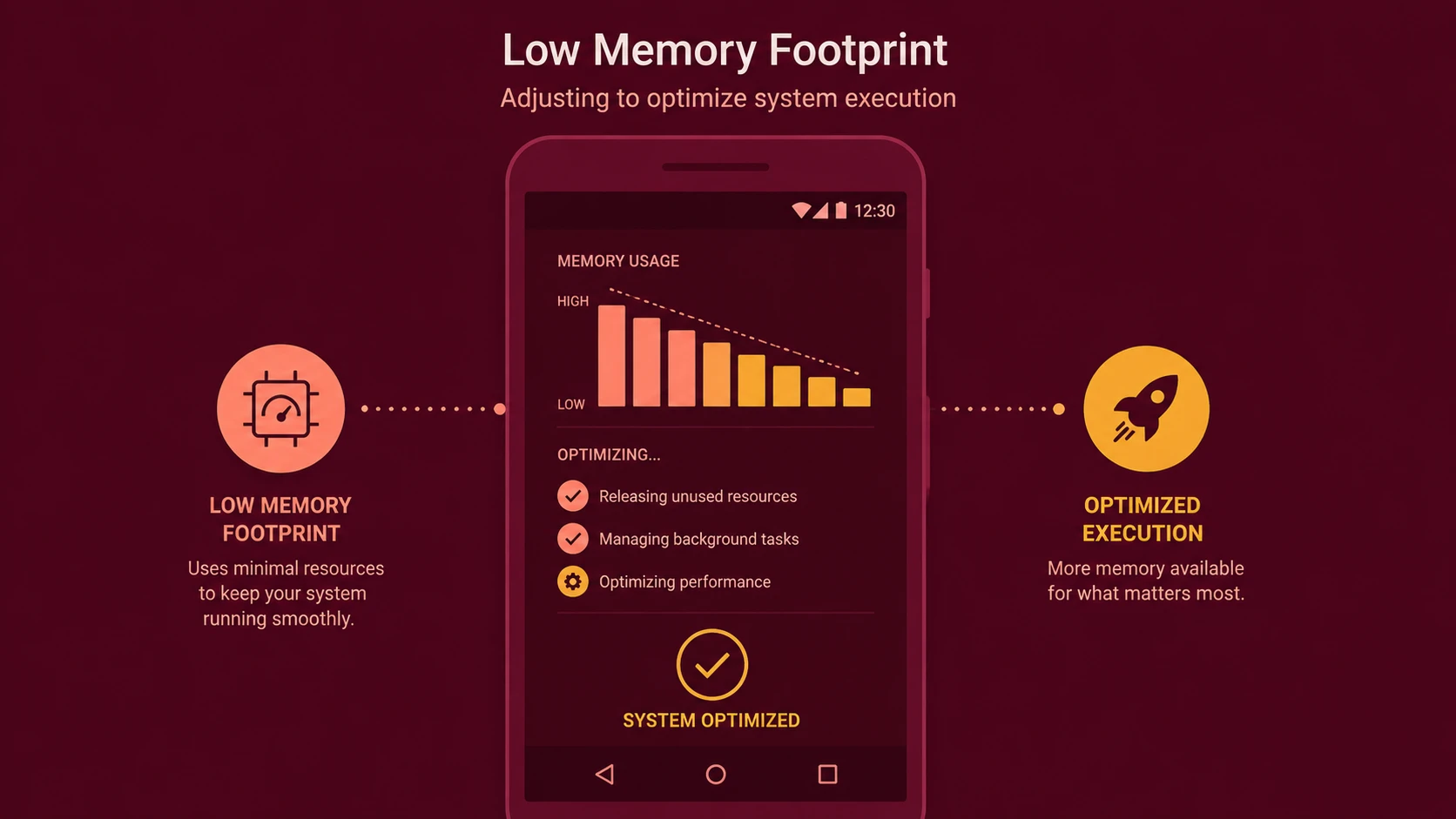
- ◆Reduce unnecessary memory usage.
- ◆Design efficient user interfaces.
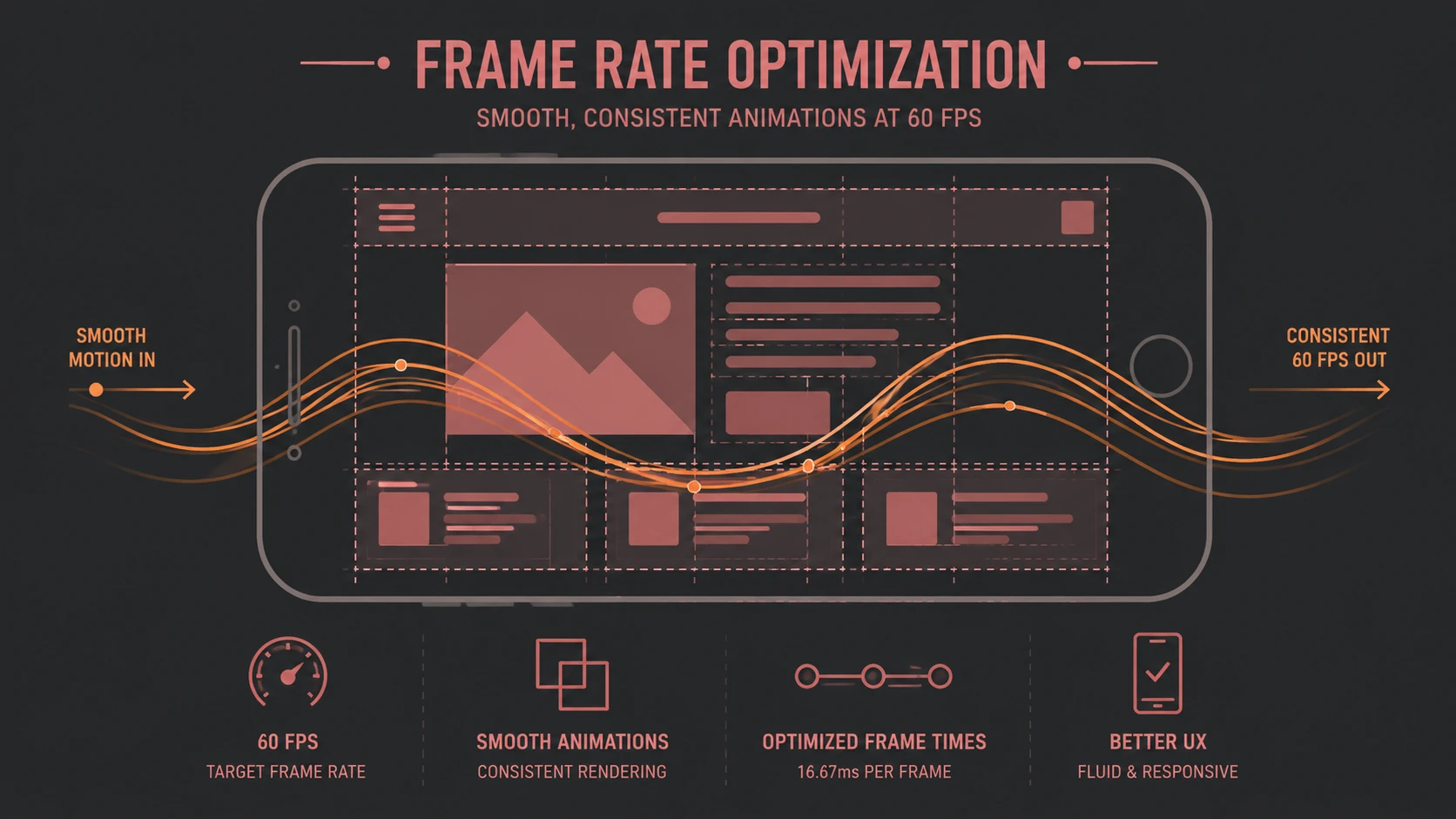
Performance directly influences usability, particularly for employees working in mobile environments.
Security Considerations
Enterprise mobility introduces additional security requirements.
Organizations should evaluate:
- ◆User authentication
- ◆Secure communication using HTTPS
- ◆Session management
- ◆Data encryption where appropriate
- ◆Device management policies
- ◆Secure storage of sensitive information
Security planning should be integrated into application architecture from the beginning.
Android Versus Other Mobile Platforms
| Android | Other Mobile Platforms |
|---|---|
| Multiple hardware manufacturers | Often tied to specific hardware ecosystems |
| Java-based development | Platform-specific development environments |
| Growing device diversity | Different hardware strategies |
| Expanding application ecosystem | Varies by platform |
| Open-source foundation | Different licensing approaches |
Organizations should evaluate platforms based on business requirements, target users, and long-term support considerations.
Common Challenges
Rapid platform growth also presents challenges.
Device Diversity
Different screen sizes, hardware capabilities, and manufacturer customizations require careful testing.
Platform Evolution
Frequent software updates may require application maintenance and compatibility testing.
Network Dependence
Applications should continue functioning gracefully when network connectivity is limited.
Security Management
Enterprise deployments require well-defined security policies and governance.
Best Practices for Enterprise Adoption
Organizations beginning Android development should consider the following recommendations.
Build Service-Oriented Applications
Keep business logic on enterprise servers while mobile devices focus on presentation and user interaction.
Design for Offline Scenarios
Where practical, applications should tolerate temporary network interruptions.
Test Across Multiple Devices
Device diversity makes broad testing increasingly important.
Optimize User Experience
Interfaces should remain simple, responsive, and consistent across supported devices.
Monitor Platform Updates
As Android evolves, development teams should evaluate new SDK releases before adopting additional platform capabilities.
Common Mistakes
Many organizations entering mobile development encounter similar issues.
Recreating Desktop Applications
Mobile applications should focus on the tasks users perform while away from their desks rather than duplicating every desktop feature.
Ignoring Device Variability
Testing only one device may overlook important compatibility issues.
Excessive Network Traffic
Applications should minimize unnecessary communication with enterprise systems.
Weak Security Practices
Business applications should never compromise enterprise security for convenience.
Neglecting Performance Testing
Applications should be evaluated under realistic network conditions and hardware configurations.
Adoption Recommendations
Organizations considering Android should adopt a measured approach.
Recommended roadmap:
- 1.Identify suitable mobile business scenarios.
- 2.Build a small proof-of-concept application.
- 3.Design reusable service interfaces.
- 4.Establish mobile development standards.
- 5.Test across multiple Android devices.
- 6.Evaluate security requirements.
- 7.Expand deployment gradually based on business value.
This incremental strategy allows organizations to gain practical experience while reducing implementation risk.
Looking Ahead
Enterprise mobility is rapidly becoming an important component of modern IT strategy. Android's continued evolution, combined with its expanding ecosystem of devices and developers, positions the platform as an increasingly significant option for organizations planning mobile initiatives.
While Android 2.3 Gingerbread has not yet been officially released as of November 2010, industry expectations indicate continued progress in performance, usability, and developer capabilities. Enterprise architects should closely monitor the official release and evaluate how its new features align with long-term mobility strategies, application architecture, and enterprise integration requirements before broad deployment.