Introduction
The Android ecosystem has experienced remarkable growth over the past several years. With smartphones and tablets becoming increasingly common across both consumer and enterprise environments, software distribution has become a critical component of the platform's success. Until now, Android applications have primarily been distributed through Android Market, while digital media such as books, music, and movies have been offered through separate Google services.
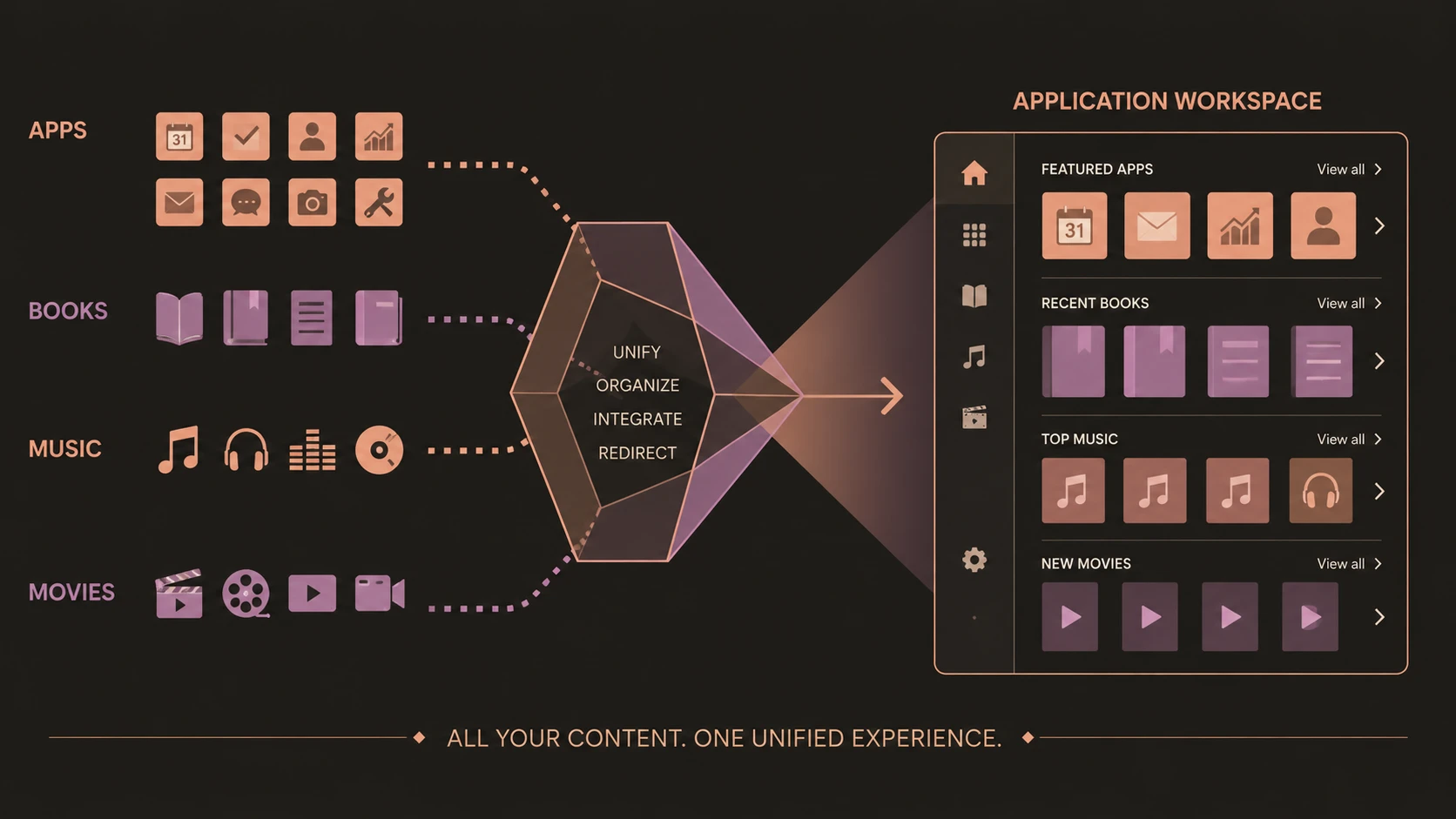
Google has announced Google Play, a unified digital distribution platform designed to bring these services together under a single brand and user experience. Rather than operating separate storefronts for applications and digital content, Google Play aims to provide a centralized destination where users can discover, purchase, and synchronize applications and media across supported Android devices.
For enterprise architects, application developers, and IT decision-makers, this announcement represents more than a branding exercise. It reflects Google's broader strategy of strengthening the Android ecosystem while simplifying digital content management and software distribution.
Industry Background
The mobile software industry has increasingly moved toward centralized application marketplaces. These marketplaces simplify software discovery, streamline updates, and provide developers with a standardized distribution mechanism.
Android Market has already established itself as the primary channel for Android application distribution. At the same time, Google has introduced additional services for digital books, music, and movie rentals. While each service has matured independently, they have operated under separate identities.
This separation has occasionally created inconsistencies in branding, navigation, and account management. By introducing Google Play, Google seeks to unify these services into a single ecosystem while continuing to leverage users' Google accounts for authentication and synchronization.
The Business Problem
Managing multiple digital storefronts presents several challenges for both users and developers.
Common issues include:
- ◆Fragmented service branding
- ◆Separate discovery experiences
- ◆Inconsistent navigation
- ◆Multiple entry points for digital purchases
- ◆Increased complexity for content promotion
- ◆Reduced visibility across content categories
Developers also benefit from greater visibility when applications exist within a broader digital marketplace that encourages user engagement across multiple content types.
Google Play attempts to simplify the overall ecosystem while maintaining existing application distribution capabilities.
Understanding Google Play
Google Play is a unified online marketplace that combines several existing Google digital services.
At launch, the platform brings together:
- ◆Android applications
- ◆Digital books
- ◆Movie rentals
- ◆Music services
Users access these services through a common interface while continuing to use a single Google account across supported devices.
Although the underlying services remain distinct in terms of content licensing and availability, Google Play presents them through a unified experience.
Core Architecture
Google Play builds upon Google's existing cloud infrastructure and Android ecosystem.
| Component | Purpose |
|---|---|
| Google Account | User authentication and synchronization |
| Google Play Store | Digital storefront |
| Android Devices | Content consumption and application execution |
| Cloud Services | Content synchronization |
| Developer Console | Application publishing and management |
| Licensing Infrastructure | Purchase validation |
This architecture allows users to acquire content from one location while synchronizing purchases across compatible devices associated with their Google account.
How the Platform Works
The overall workflow remains familiar for Android application developers while expanding content accessibility.
A typical interaction includes:
- 1.User signs in with a Google account.
- 2.Content is discovered through Google Play.
- 3.Applications or media are selected.
- 4.Purchases are processed through Google infrastructure.
- 5.Content becomes associated with the user's account.
- 6.Compatible devices can retrieve purchased content.
Because purchases are linked to user accounts rather than individual devices, device replacement becomes considerably simpler.
Application Distribution
For software developers, Google Play continues to provide the primary mechanism for Android application publishing.
Developers can:
- ◆Publish applications
- ◆Deliver updates
- ◆Reach global audiences
- ◆Manage application listings
- ◆Monitor downloads
From a development perspective, existing application publishing processes remain largely unchanged while benefiting from the broader Google Play branding.
Cloud Synchronization
One of Google's strengths continues to be cloud-based synchronization.
Google Play extends this concept by associating purchased content with user accounts rather than local device storage.
Potential advantages include:
- ◆Simplified device migration
- ◆Centralized purchase history
- ◆Automatic synchronization
- ◆Reduced manual content management
- ◆Consistent user experience
As organizations increasingly deploy multiple Android devices, cloud synchronization reduces administrative overhead.
Enterprise Implications
Although Google Play primarily targets consumers, enterprise organizations should also consider its implications.
Potential enterprise benefits include:
- ◆Simplified application deployment for supported scenarios
- ◆Improved software discovery
- ◆Faster application updates
- ◆Standardized application distribution
- ◆Consistent user authentication
Organizations developing internal Android applications may continue evaluating appropriate distribution strategies based on security and governance requirements.
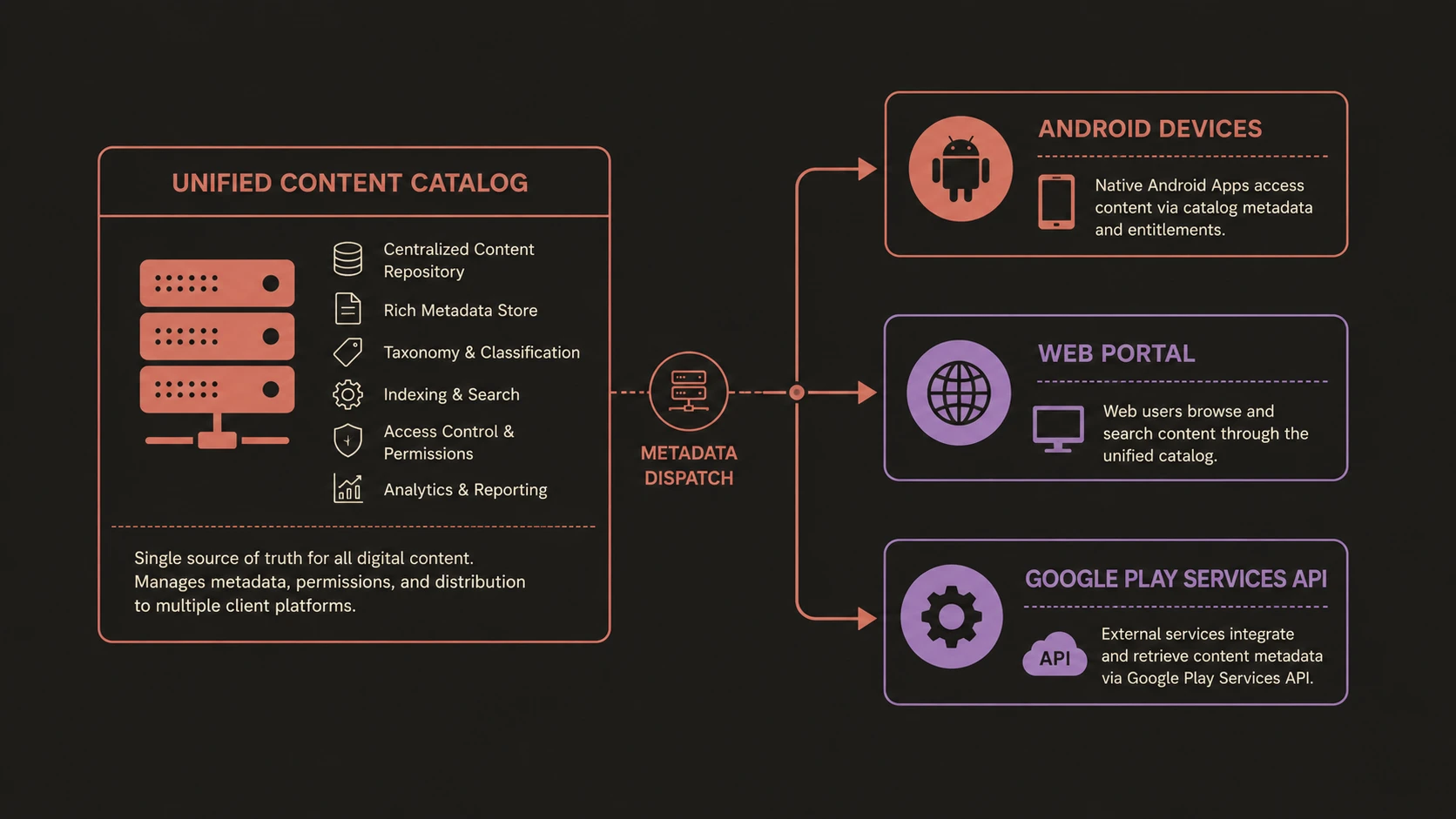
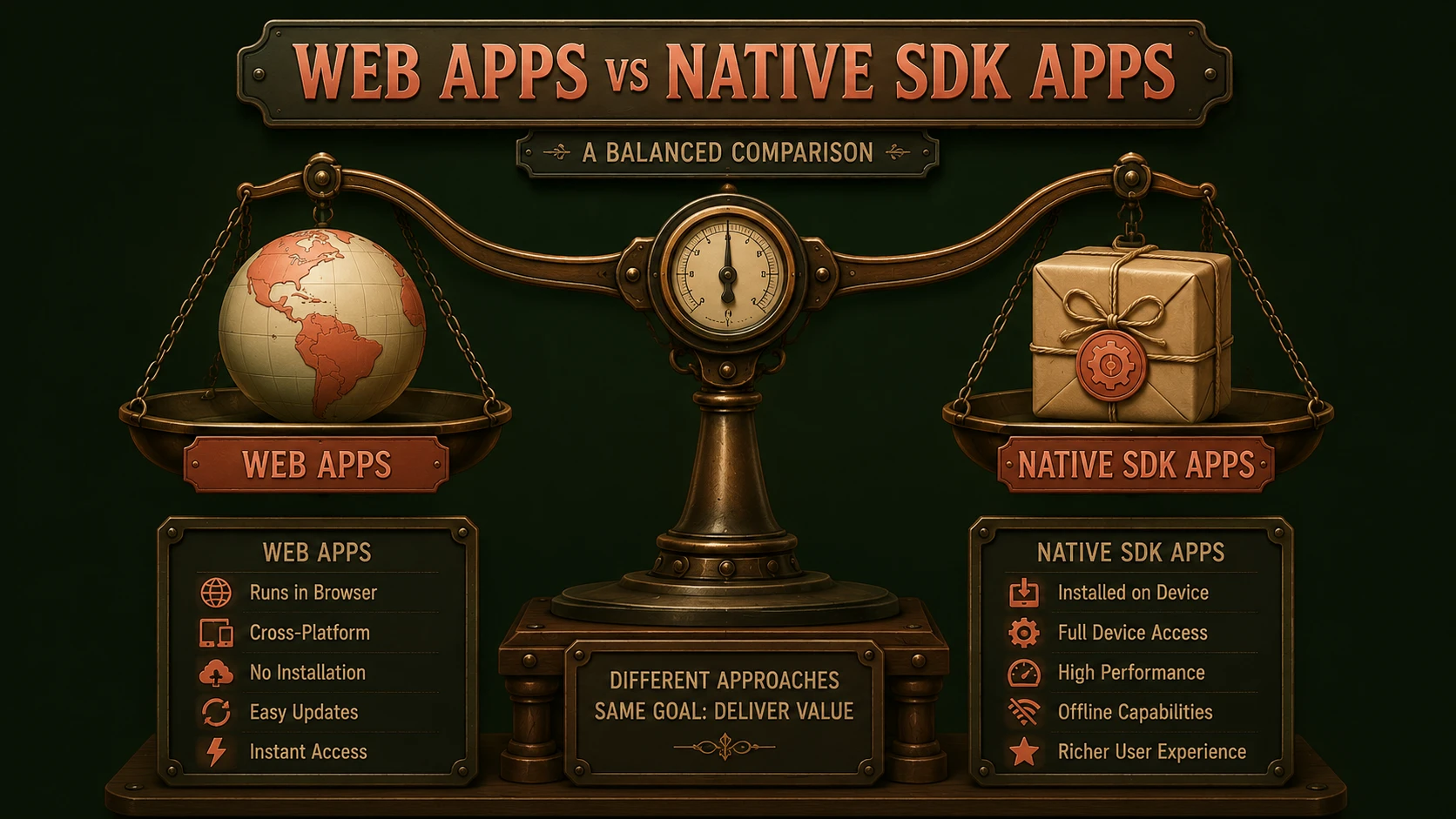
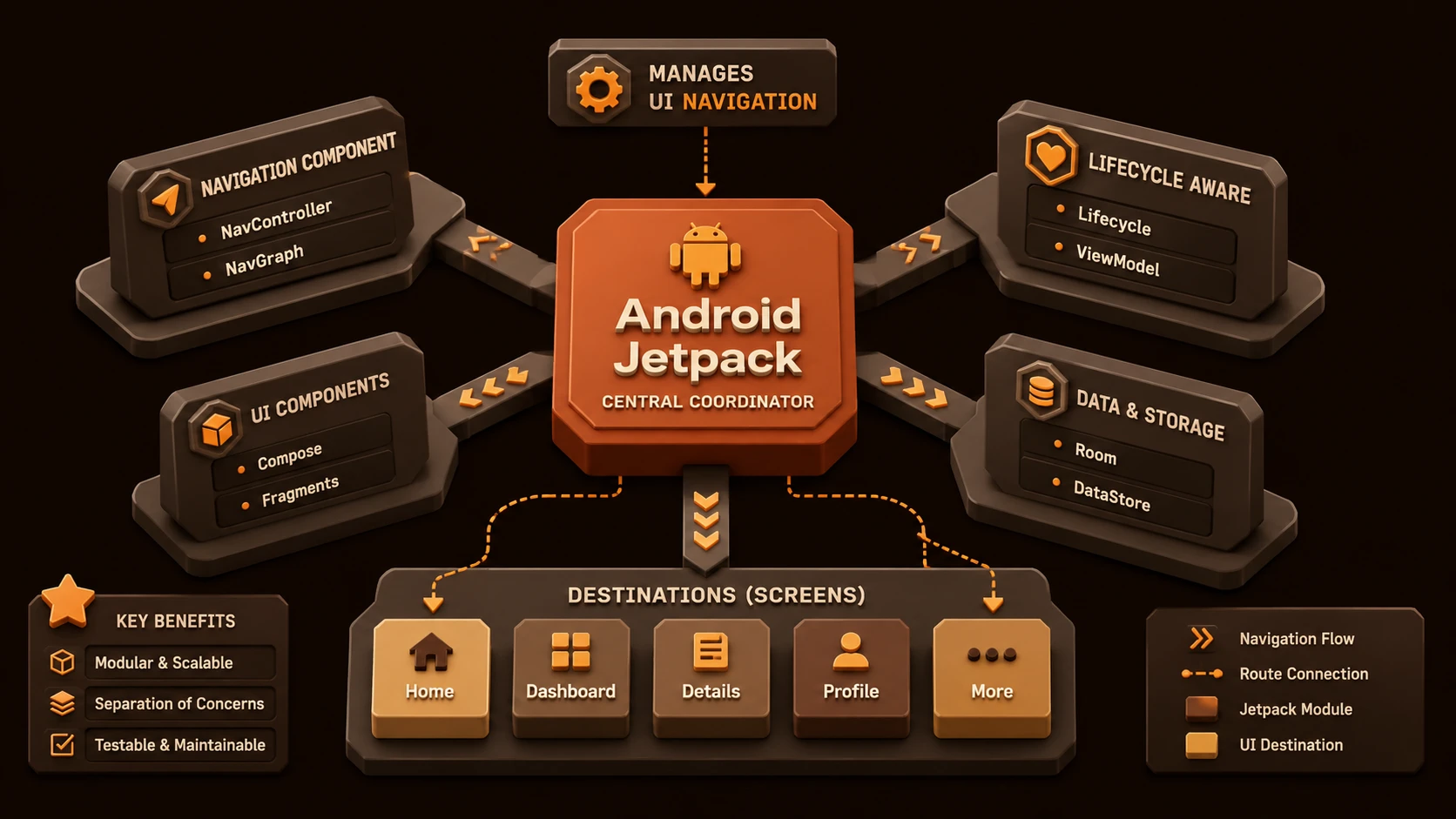
SDK framework stack showing unified platform layouts for unified target devices.
Enterprise Use Cases
Google Play supports several practical scenarios.
| Scenario | Potential Benefit |
|---|---|
| Commercial Android applications | Global software distribution |
| Mobile workforce applications | Simplified updates |
| Digital publishing | Expanded content reach |
| Educational applications | Centralized discovery |
| Consumer software | Unified purchasing experience |
| Media distribution | Integrated digital storefront |
As Android adoption continues to grow, centralized software delivery becomes increasingly valuable.
Performance Considerations
The effectiveness of Google Play depends upon reliable cloud infrastructure and network connectivity.
Performance considerations include:
- ◆Application download speed
- ◆Content synchronization latency
- ◆Device storage availability
- ◆Network bandwidth
- ◆Regional service availability
Developers should continue optimizing application package sizes to improve installation experiences, particularly over mobile data connections.
Security Considerations
Centralized application distribution provides opportunities for improving software trust and account management.
Organizations should continue evaluating:
- ◆Google account security
- ◆Application permissions
- ◆Secure authentication
- ◆Purchase authorization
- ◆Device protection
- ◆Data privacy
Developers remain responsible for implementing secure coding practices within their applications regardless of distribution platform.
Scalability
Google Play is designed to support a rapidly expanding Android ecosystem.
Scalability advantages include:
- ◆Centralized content management
- ◆Global application distribution
- ◆Cloud-based synchronization
- ◆Unified account infrastructure
- ◆Consistent purchasing workflows
As Android device adoption continues across smartphones and tablets, a unified marketplace reduces fragmentation in software distribution.
Best Practices
Application publishers should continue following established Android development guidelines.
Recommended practices include:
- ◆Maintain accurate application descriptions.
- ◆Publish regular updates.
- ◆Optimize application performance.
- ◆Respect Android design conventions.
- ◆Minimize unnecessary permissions.
- ◆Test across supported device configurations.
- ◆Monitor user feedback.
- ◆Provide clear support information.
A well-maintained application listing remains an important factor in software discoverability.
Common Mistakes
Developers should avoid several common issues when publishing applications.
Examples include:
- ◆Poor application descriptions
- ◆Inadequate testing across devices
- ◆Excessive permission requests
- ◆Large installation packages
- ◆Infrequent maintenance updates
- ◆Limited compatibility testing
A positive user experience depends on both technical quality and clear communication.
Technology Comparison
| Capability | Android Market | Google Play |
|---|---|---|
| Android Application Distribution | Yes | Yes |
| Digital Books | Separate Service | Integrated |
| Music Services | Separate Service | Integrated |
| Movie Rentals | Separate Service | Integrated |
| Unified Branding | No | Yes |
| Centralized Content Discovery | Limited | Improved |
Google Play represents an evolution of Google's digital distribution strategy rather than a replacement for Android application development itself.
Adoption Strategy
For organizations already developing Android applications, adoption requires relatively little operational change.
Recommended approach:
- 1.Review existing application listings.
- 2.Verify application metadata.
- 3.Continue publishing through Google's developer tools.
- 4.Monitor user adoption following the platform transition.
- 5.Evaluate opportunities to reach broader audiences through the unified marketplace.
Because the underlying Android platform remains unchanged, development investments continue to be applicable.
Limitations
Despite its advantages, Google Play introduces considerations that organizations should evaluate.
Current limitations include:
- ◆Availability of digital content varies by country.
- ◆Enterprise application distribution requirements may differ from consumer marketplaces.
- ◆Network connectivity remains necessary for many cloud-based features.
- ◆Organizations with strict governance policies may require additional application management processes.
These considerations should be incorporated into enterprise mobility planning.
Looking Ahead
Google Play represents an important step in Google's effort to create a more cohesive Android ecosystem. By bringing applications, books, music, and movies under a single platform, Google is simplifying content discovery while reinforcing the role of Google accounts as the foundation of its cloud services.
As of March 2012, the long-term success of Google Play will depend on continued developer participation, expansion of digital content availability, and sustained growth of Android devices. For enterprises investing in Android application development, the unified platform provides a more consistent software distribution experience while supporting the broader evolution of mobile computing and cloud-connected services.