Introduction
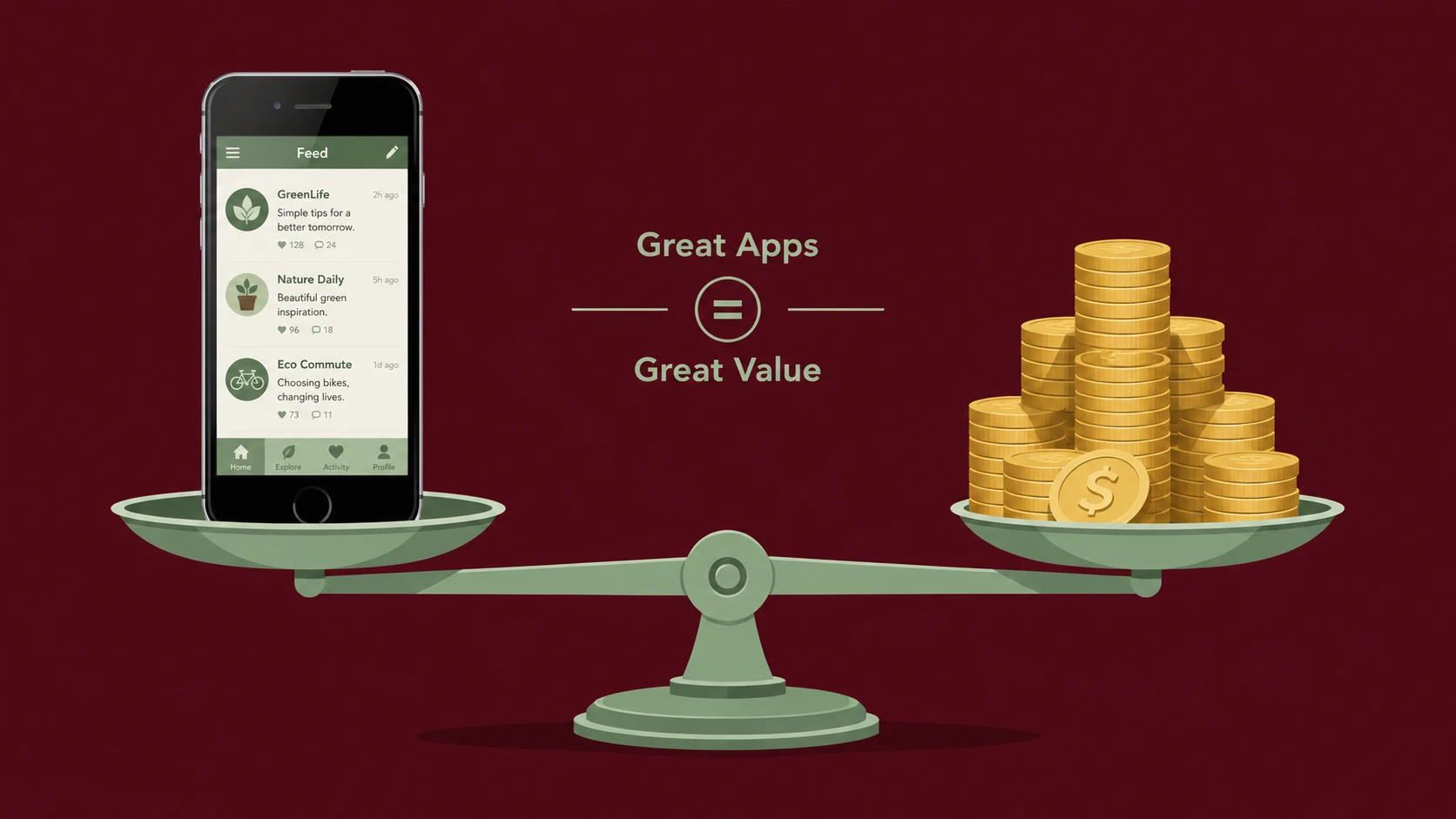
Facebook's announcement to acquire Instagram for approximately $1 billion has become one of the most discussed events in the rapidly evolving mobile software industry. Although Instagram is less than two years old and employs a relatively small engineering team, it has demonstrated extraordinary user growth, strong engagement, and an innovative approach to mobile-first social networking.
From the perspective of March 2012, the acquisition raises important questions for technology leaders. How should mobile applications be valued? What strategic assets justify billion-dollar acquisitions despite limited revenue? How does the growth of smartphones reshape software business models?
This article evaluates the acquisition from an enterprise architecture and technology strategy perspective, examining the technical, economic, and competitive factors influencing the deal.
Industry Background
The mobile application ecosystem has expanded rapidly following the introduction of Apple's App Store in 2008 and Google's Android Market. Smartphones are increasingly becoming primary computing devices for millions of users, while developers are shifting from desktop-first applications toward mobile-first experiences.
Several trends have contributed to this transformation:
- ◆Rapid smartphone adoption.
- ◆Improved mobile broadband availability.
- ◆Mature application marketplaces.
- ◆Cloud-based synchronization services.
- ◆Growth of social networking platforms.
Instagram has emerged during this period by focusing on mobile photography, image enhancement, and effortless sharing through social networks.
Unlike traditional desktop software vendors, many mobile startups prioritize user acquisition and engagement over immediate profitability.
The Business Problem
For Facebook, maintaining leadership in online social networking increasingly requires a strong presence on smartphones and tablets.
Users are creating and sharing content directly from mobile devices, reducing dependence on desktop browsers. Applications that successfully capture mobile engagement represent strategic assets because they influence where users spend their time and how content is shared.
Instagram addresses several business objectives:
- ◆Mobile-first engagement.
- ◆High-frequency user interaction.
- ◆Photo-centric social communication.
- ◆Strong brand recognition.
- ◆Cross-platform availability.
The acquisition therefore appears to be driven not only by current financial performance but also by long-term strategic positioning within the mobile ecosystem.
Understanding the Technology
Instagram combines several technologies into a streamlined mobile experience.
Core capabilities include:
- ◆Mobile image capture.
- ◆Image filtering.
- ◆Cloud storage.
- ◆Social networking integration.
- ◆Activity feeds.
- ◆User relationships.
- ◆Mobile notifications.
A simplified architecture includes:
| Component | Responsibility |
|---|---|
| Mobile Application | Image capture and user interaction |
| Cloud Infrastructure | Storage and synchronization |
| User Database | Profiles and relationships |
| Media Services | Image processing and delivery |
| Social APIs | Sharing to external platforms |
The application's simplicity masks the engineering complexity required to process millions of uploaded photographs while maintaining responsive performance.
Core Architecture
Instagram follows a cloud-centric architecture where mobile devices perform image capture while backend infrastructure manages storage, processing, and distribution.
Typical workflow:
User
   |
Capture Photo
   |
Apply Filter
   |
Upload to Cloud
   |
Image Processing
   |
Storage
   |
Feed Distribution
   |
Followers Receive Updates
The architecture emphasizes lightweight clients supported by scalable cloud services.
Key Features
Several characteristics distinguish Instagram within the mobile application market.
Mobile-First Design
Every aspect of the application is optimized for smartphone usage rather than adapted from desktop software.
Simple User Experience
Publishing photographs requires minimal user interaction.
Social Connectivity
Users can share content through existing social networks while building communities within Instagram itself.
Image Enhancement
Built-in photographic filters provide immediate visual improvements without requiring specialized editing software.
Continuous Engagement
Activity feeds encourage frequent application usage and repeated interaction.
How It Works
The user experience follows a straightforward sequence:
- 1.Capture an image.
- 2.Apply optional filters.
- 3.Add a caption.
- 4.Upload to cloud services.
- 5.Distribute content to followers.
- 6.Receive comments and likes.
Behind this simple workflow lies a distributed backend responsible for authentication, media storage, notification delivery, and feed generation.
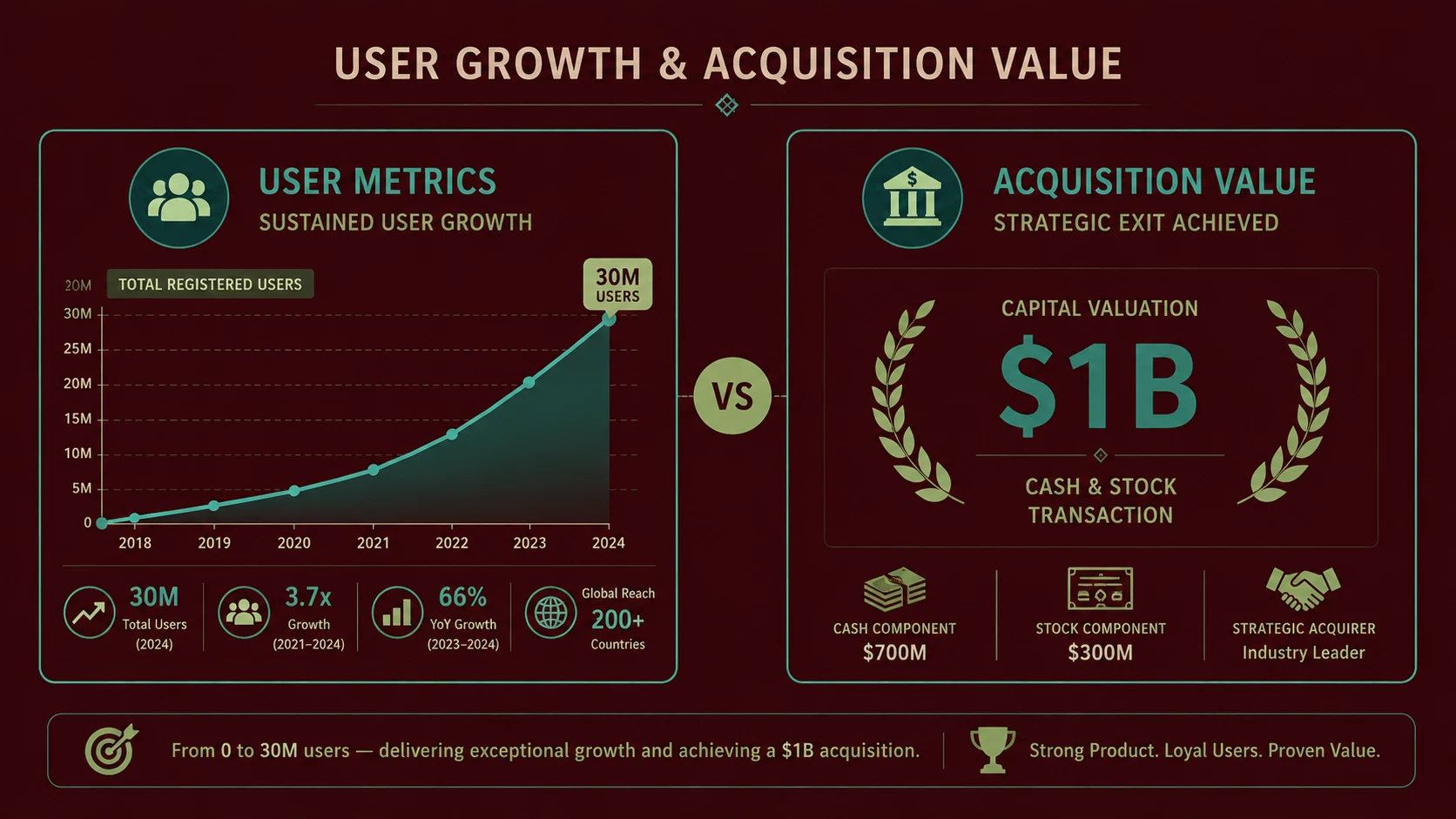
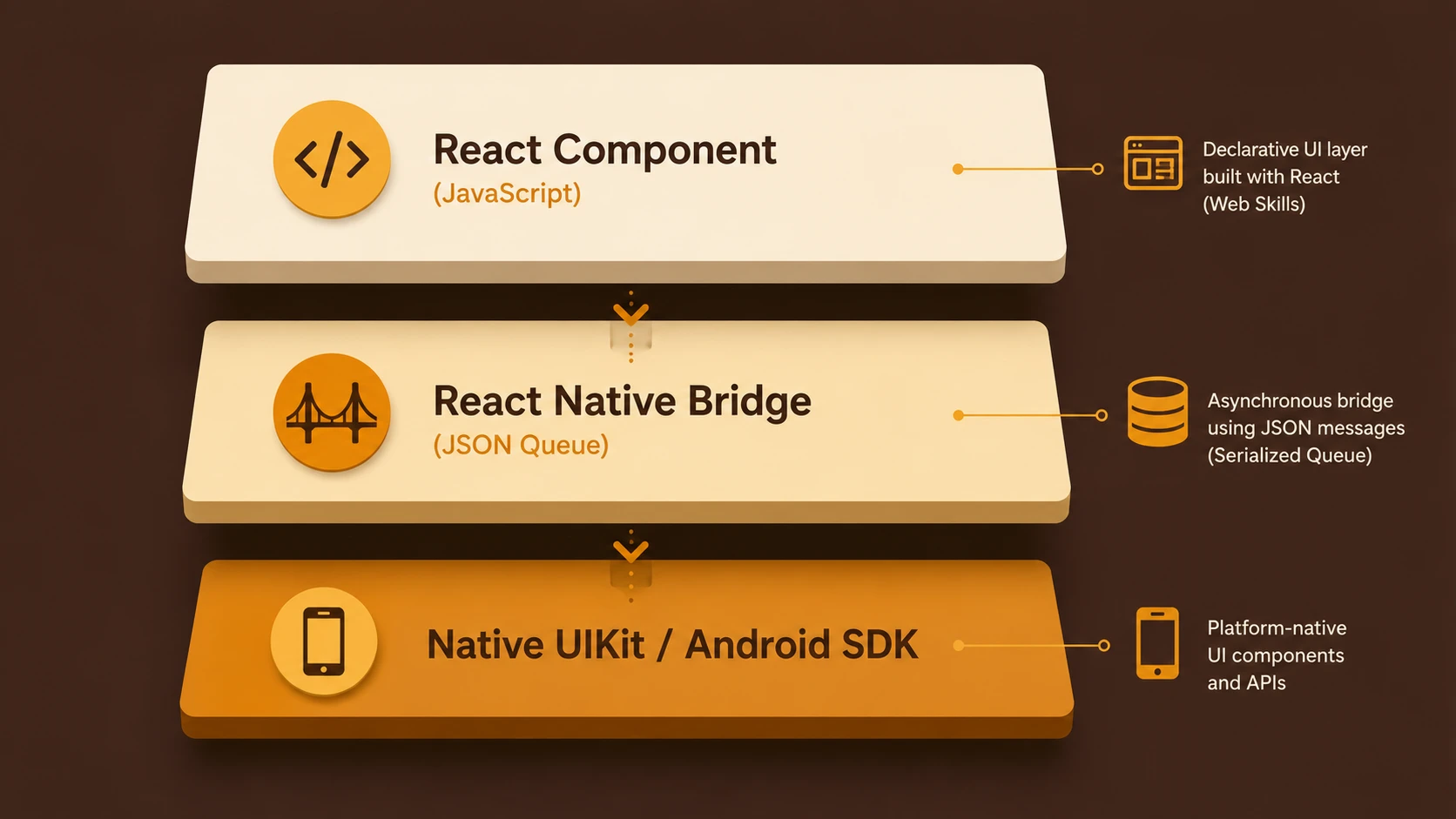
System architecture diagram and conceptual workflow layout for App Store Valuations.
Enterprise Use Cases
Although Instagram targets consumers, several enterprise lessons emerge.
Brand Engagement
Organizations can use visual storytelling to increase customer engagement.
Product Marketing
Companies may showcase products using mobile-generated content.
Event Coverage
Marketing teams can publish photographs from conferences and product launches.
Customer Communities
Brands may encourage user-generated content around products and services.
Mobile Strategy
The application's success demonstrates the importance of designing experiences specifically for smartphones rather than treating mobile as a secondary platform.
Performance Considerations
Supporting millions of active users requires careful engineering.
Performance priorities include:
- ◆Efficient image compression.
- ◆Distributed content delivery.
- ◆Database optimization.
- ◆Low-latency feed generation.
- ◆Responsive mobile interfaces.
As user growth accelerates, infrastructure scalability becomes increasingly important.
Security Considerations
Social platforms handling user-generated content should implement:
- ◆Secure authentication.
- ◆Encrypted communications.
- ◆Protection against unauthorized account access.
- ◆Media access controls.
- ◆Abuse reporting mechanisms.
Privacy expectations are likely to increase as users share larger portions of their personal lives through mobile applications.
Scalability
Instagram's rapid expansion demonstrates the importance of elastic infrastructure.
Scalable systems should support:
- ◆Growing storage requirements.
- ◆Increasing upload volumes.
- ◆Global user distribution.
- ◆High request concurrency.
- ◆Reliable media delivery.
Cloud computing enables startups to expand infrastructure more efficiently than traditional fixed-capacity hosting models.
Best Practices
Organizations building mobile platforms should consider:
- ◆Design for mobile-first experiences.
- ◆Prioritize usability.
- ◆Optimize network efficiency.
- ◆Build scalable backend services.
- ◆Monitor application performance continuously.
- ◆Encourage user engagement through intuitive workflows.
- ◆Plan infrastructure growth proactively.
Common Mistakes
| Mistake | Business Impact |
|---|---|
| Desktop-first design | Reduced mobile adoption |
| Slow application performance | Lower engagement |
| Poor scalability planning | Service instability |
| Complex user interfaces | Increased abandonment |
| Ignoring cloud architecture | Limited growth capacity |
Technology Comparison
| Platform | Primary Focus | Business Model |
|---|---|---|
| Mobile photo sharing | Community growth | |
| Social networking | Advertising and engagement | |
| Microblogging | Real-time communication | |
| Flickr | Photo hosting | Online image management |
Instagram differentiates itself through a streamlined mobile-first experience rather than extensive desktop functionality.
Adoption Strategy
Technology leaders evaluating mobile initiatives should view the acquisition as evidence that user engagement and ecosystem positioning may become as valuable as direct software revenue.
Recommended priorities include:
- 1.Invest in mobile-first product design.
- 2.Build scalable cloud infrastructure.
- 3.Measure user engagement alongside downloads.
- 4.Simplify onboarding experiences.
- 5.Design for continuous interaction.
Limitations
Several uncertainties remain from the perspective of March 2012.
- ◆Long-term monetization strategies are still evolving.
- ◆Mobile platform competition continues to intensify.
- ◆User growth may increase infrastructure costs.
- ◆Regulatory and privacy expectations may change.
- ◆Acquisition integration presents technical and organizational challenges.
These factors should be considered when evaluating similar investments.
Looking Ahead
Facebook's proposed acquisition of Instagram highlights the strategic importance of mobile applications within the broader technology industry. Rather than valuing software solely on present-day revenue, investors and technology companies increasingly recognize the significance of engaged user communities, mobile adoption, and scalable cloud architectures.
As smartphones continue to reshape software development, organizations should expect increased investment in mobile platforms, cloud services, and social technologies. Whether similar valuations become common will depend on the continued expansion of the mobile application economy, user engagement trends, and the ability of emerging platforms to deliver sustainable business value.