Introduction
The Android ecosystem has experienced extraordinary growth across smartphones, tablets, and embedded devices. However, rapid hardware diversification has introduced a significant challenge for platform developers. While flagship devices continue shipping with increasingly powerful processors and larger memory capacities, a substantial portion of the Android market consists of affordable smartphones with considerably more limited hardware resources.
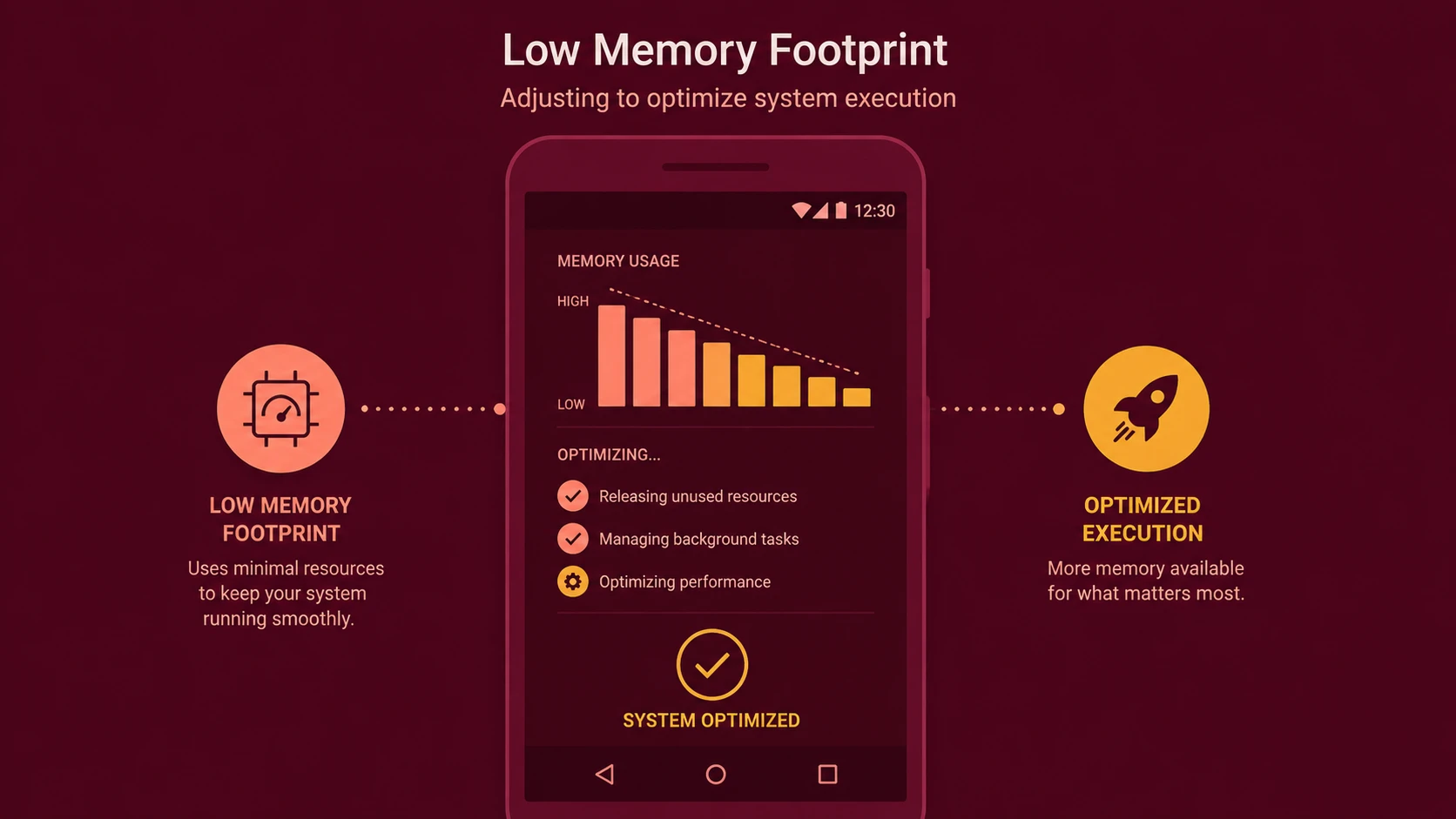
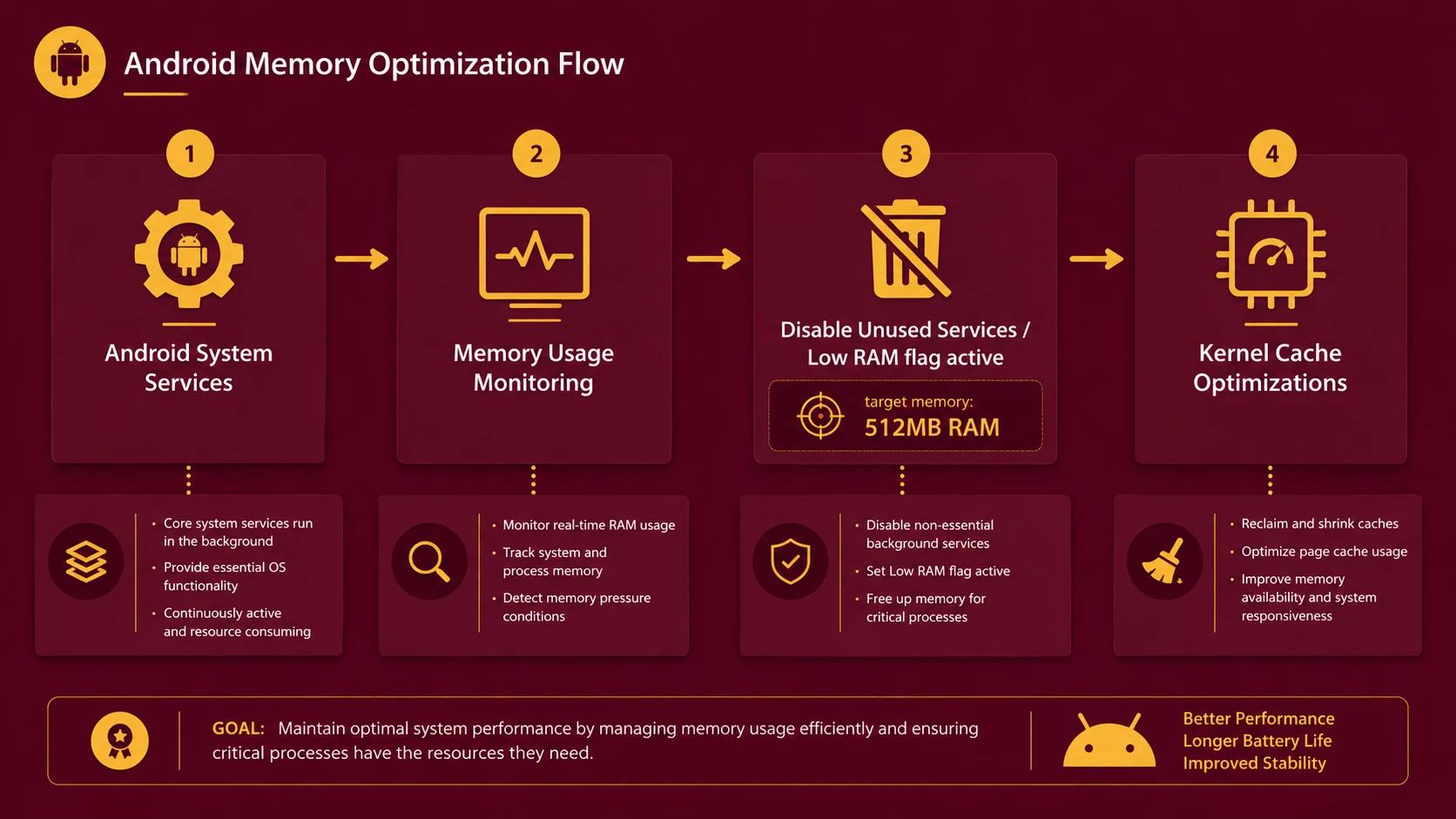
Android 4.4 KitKat introduces Project Svelte, an engineering initiative focused on reducing operating system memory consumption and improving performance on devices equipped with approximately 512 MB of RAM. Rather than positioning every Android release around new visual capabilities alone, Google has placed considerable emphasis on improving runtime efficiency.
From the perspective of November 2013, Project Svelte represents one of the most important architectural efforts toward making modern Android accessible across a broader range of hardware configurations.
Industry Background
The global smartphone market continues expanding rapidly, particularly within emerging markets where affordable Android devices represent the primary gateway to mobile computing.
Device manufacturers now produce smartphones across a wide range of hardware specifications, including:
- ◆Entry-level smartphones.
- ◆Mid-range consumer devices.
- ◆Premium flagship phones.
- ◆Enterprise mobility devices.
- ◆Industrial handheld terminals.
Supporting this diversity presents substantial engineering challenges. Applications and operating system components must perform reliably despite significant differences in available CPU performance, memory capacity, storage speed, and graphics capabilities.
Project Svelte reflects Google's effort to improve Android scalability across this increasingly diverse hardware ecosystem.
The Business Problem
Limited-memory devices often experience degraded user experiences.
Common challenges include:
- ◆Slow application startup.
- ◆Frequent background process termination.
- ◆Reduced multitasking.
- ◆Longer application switching times.
- ◆Increased garbage collection activity.
- ◆Higher memory pressure.
- ◆Inconsistent application responsiveness.
For enterprises deploying Android devices at scale, these limitations may reduce productivity and increase support costs.
Improving operating system efficiency allows manufacturers to deliver capable smartphones at lower price points while providing developers with a more consistent runtime environment.
Understanding the Technology
Project Svelte focuses on minimizing Android's memory footprint while preserving application compatibility.
Key optimization areas include:
- ◆Reduced system service memory usage.
- ◆Improved application lifecycle management.
- ◆Optimized background processing.
- ◆Lower resident memory consumption.
- ◆Enhanced memory monitoring tools.
- ◆Better resource management.
Rather than introducing an entirely new operating system architecture, Project Svelte refines existing Android components to operate more efficiently on constrained hardware.
Core Architecture
Android 4.4 continues to build upon the platform's layered architecture while introducing memory optimizations throughout the operating system.
| Component | Responsibility |
|---|---|
| Linux Kernel | Hardware abstraction and resource management |
| Native Libraries | Core platform functionality |
| Android Runtime | Application execution |
| Framework Services | System APIs and application support |
| Project Svelte Optimizations | Memory reduction and resource efficiency |
| Applications | User-facing software |
Project Svelte primarily improves coordination between framework services, memory management, and application lifecycle behavior.
Key Features
Reduced Memory Footprint
System services consume less memory, allowing additional resources to remain available for user applications.
Improved Multitasking
Optimized memory management reduces unnecessary process termination on lower-memory devices.
Better Application Responsiveness
Applications benefit from reduced memory contention during normal operation.
Enhanced Developer Tools
Developers gain improved visibility into application memory usage, encouraging more efficient software design.
Broader Hardware Support
Android becomes more practical for manufacturers producing affordable smartphones.
Platform Consistency
Maintaining compatibility across a wider hardware range simplifies application deployment.
How It Works
A simplified memory management workflow appears below.
Application Requests Memory
          |
Android Runtime
          |
Project Svelte Optimizations
          |
Linux Memory Manager
          |
Available System Resources
          |
Application Execution
Rather than relying solely on increased hardware capacity, Project Svelte emphasizes more efficient resource allocation throughout the operating system.
Enterprise Use Cases
Android 4.4 offers several advantages for enterprise mobility initiatives.
Corporate Device Deployments
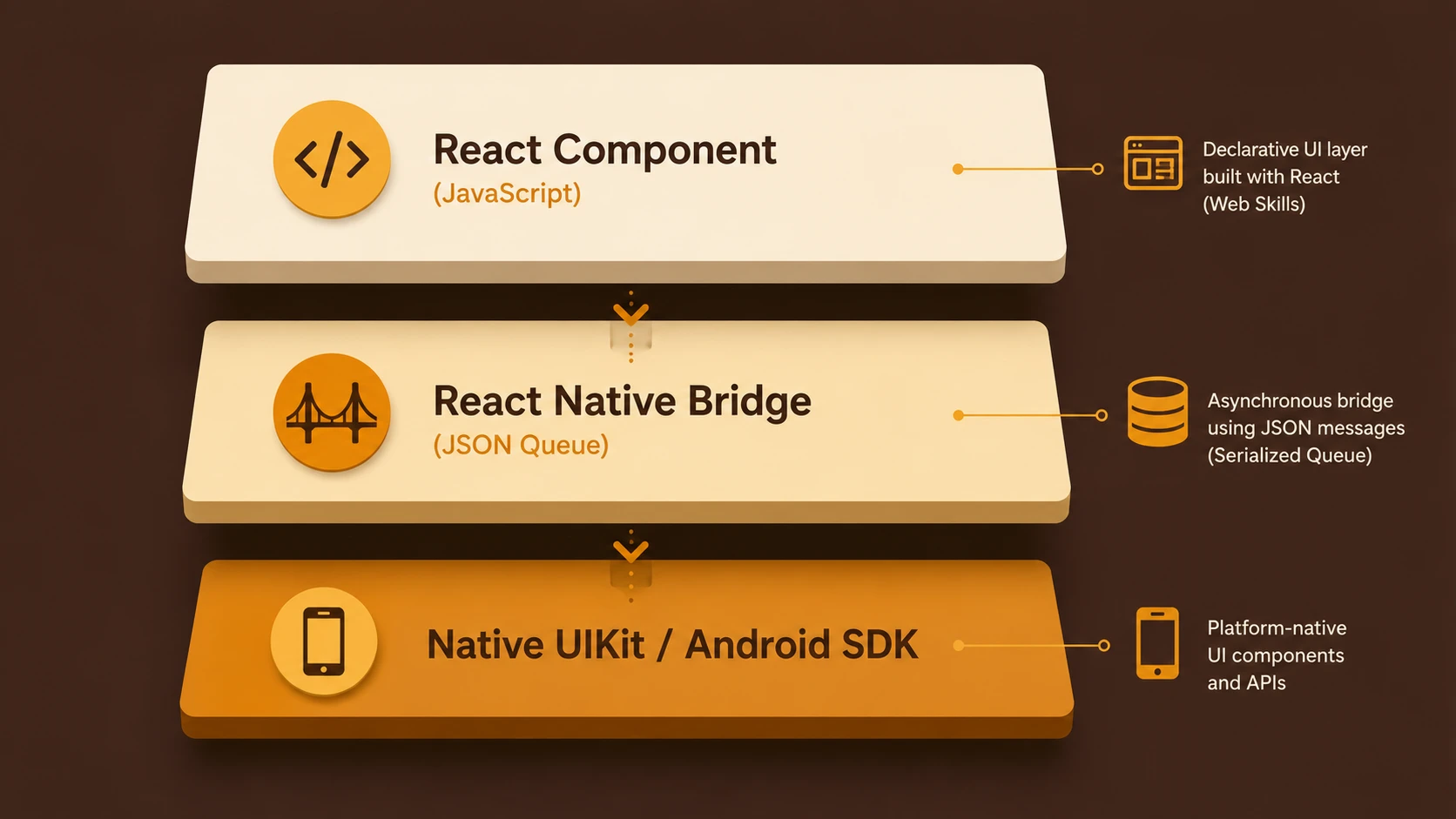
SDK framework stack showing unified platform layouts for unified target devices.
Organizations can evaluate lower-cost Android hardware without sacrificing core platform capabilities.
Field Service Applications
Employees using mobile business applications may experience improved responsiveness on resource-constrained devices.
Retail Systems
Point-of-sale terminals and inventory devices benefit from reduced memory overhead.
Emerging Market Solutions
Businesses targeting cost-sensitive regions gain access to a broader range of compatible hardware.
Education and Public Sector
Institutions deploying large numbers of affordable devices may achieve improved operational efficiency.
Performance Considerations
Project Svelte focuses primarily on memory optimization rather than raw processing speed.
Important considerations include:
- ◆Memory allocation efficiency.
- ◆Background process management.
- ◆Application startup performance.
- ◆Garbage collection frequency.
- ◆Resource utilization.
Developers should continue optimizing application memory consumption even with platform-level improvements.
Security Considerations
Performance improvements do not alter established Android security principles.
Organizations should continue implementing:
- ◆Application signing.
- ◆Permission-based access controls.
- ◆Secure network communication.
- ◆Enterprise device management policies.
- ◆Application sandboxing.
- ◆Regular platform updates.
Security remains an independent architectural concern alongside performance optimization.
Scalability
Project Svelte enhances Android's ability to scale across increasingly diverse hardware.
Benefits include:
- ◆Wider device compatibility.
- ◆Improved resource efficiency.
- ◆Lower hardware requirements.
- ◆Consistent application behavior.
- ◆Better support for large deployment environments.
These characteristics support Android's continued expansion across consumer and enterprise markets.
Best Practices
Android developers targeting KitKat should:
- ◆Monitor application memory usage.
- ◆Release unused resources promptly.
- ◆Optimize bitmap management.
- ◆Avoid unnecessary background services.
- ◆Test applications on lower-memory hardware.
- ◆Profile performance throughout development.
- ◆Design efficient user interfaces.
Well-optimized applications benefit users regardless of hardware specifications.
Common Mistakes
| Mistake | Business Impact |
|---|---|
| Excessive memory allocation | Reduced responsiveness |
| Large bitmap usage | Higher memory pressure |
| Background service overuse | Battery and performance degradation |
| Ignoring lifecycle callbacks | Resource leaks |
| Testing only on flagship devices | Compatibility issues |
| Poor memory profiling | Difficult performance troubleshooting |
Avoiding these issues helps applications perform consistently across diverse Android devices.
Technology Comparison
| Characteristic | Earlier Android Releases | Android 4.4 KitKat |
|---|---|---|
| Memory Optimization | Standard platform tuning | Project Svelte enhancements |
| Low-RAM Device Support | More limited | Improved focus |
| Background Resource Management | Existing lifecycle management | Enhanced efficiency |
| Enterprise Deployment Flexibility | Dependent on device specifications | Broader hardware compatibility |
| Developer Memory Analysis | Basic profiling | Improved emphasis on optimization |
Project Svelte represents an optimization initiative rather than a redesign of the Android application model.
Adoption Strategy
Organizations evaluating Android 4.4 should proceed systematically.
Recommended roadmap:
- 1.Test existing applications on KitKat.
- 2.Evaluate performance on lower-memory devices.
- 3.Profile application memory usage.
- 4.Optimize resource-intensive components.
- 5.Update enterprise deployment standards.
- 6.Validate user experience across representative hardware.
This approach allows organizations to benefit from platform improvements while maintaining application quality.
Limitations
Although Project Svelte introduces meaningful optimizations, developers should recognize several considerations.
- ◆Efficient application design remains essential.
- ◆Hardware limitations cannot be eliminated entirely through software optimization.
- ◆Performance varies across device manufacturers.
- ◆Existing applications may require tuning to realize maximum benefits.
- ◆Memory optimization should complement broader performance engineering efforts.
Organizations should continue evaluating hardware capabilities alongside operating system improvements.
Looking Ahead
From the perspective of November 2013, Android 4.4 KitKat and Project Svelte demonstrate Google's commitment to improving platform efficiency rather than relying solely on increasingly powerful hardware. By reducing operating system memory requirements and enhancing resource management, KitKat enables manufacturers to deliver capable Android experiences across a wider range of devices.
As smartphone adoption continues expanding into new markets and enterprise mobility initiatives increasingly include cost-sensitive hardware, memory-efficient platform engineering is likely to become an increasingly important differentiator. Organizations that optimize applications for resource-constrained devices today will be better positioned to serve the full diversity of the Android ecosystem as it continues to evolve.