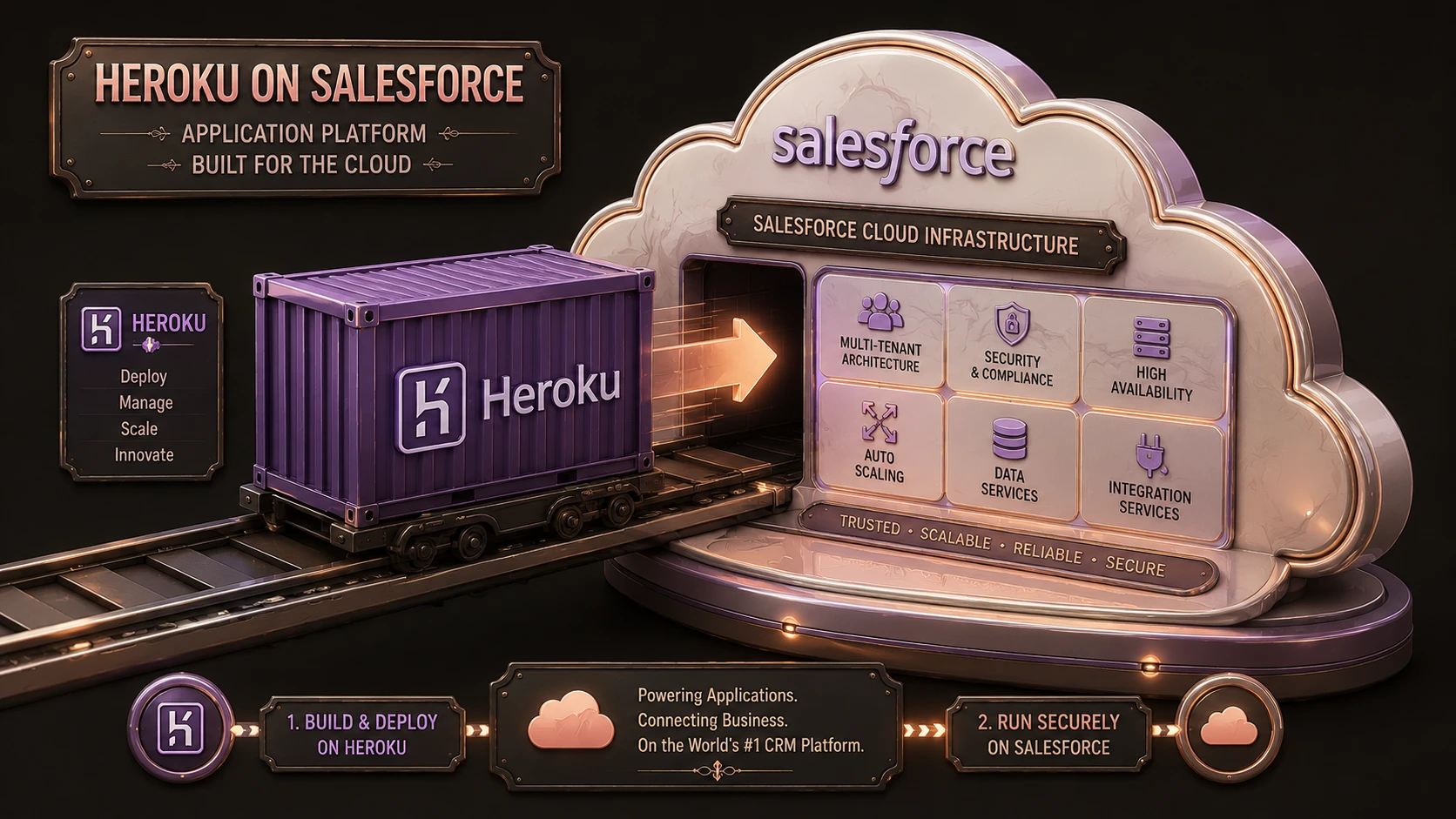
Cloud computing continues to evolve from an emerging technology trend into a serious enterprise strategy. Over the past several years, organizations have become increasingly comfortable adopting Software as a Service (SaaS) offerings for customer relationship management, collaboration, messaging, and business productivity. As confidence in cloud infrastructure grows, attention is now shifting toward the next logical layer: Platform as a Service (PaaS).
One of the most significant announcements in the cloud industry this year is Salesforce.com's acquisition of Heroku. While Salesforce has established itself as a leader in Software as a Service through its CRM platform and Force.com application platform, Heroku represents a different approach to cloud application development—one centered on developer productivity, rapid deployment, and the growing popularity of the Ruby programming language.
Although it is still early to determine the long-term impact of this acquisition, the announcement provides valuable insight into how enterprise cloud platforms may evolve. Organizations evaluating cloud strategies should understand why this acquisition matters and how it could influence application development in the years ahead.
The Evolution of Cloud Computing
Cloud computing is increasingly discussed in three primary service models.
| Service Model | Primary Focus |
|---|---|
| Infrastructure as a Service (IaaS) | Virtualized servers, storage, and networking |
| Platform as a Service (PaaS) | Application development and deployment platforms |
| Software as a Service (SaaS) | Complete hosted business applications |
Most enterprises have already encountered SaaS through applications such as CRM and collaboration tools. PaaS, however, seeks to simplify software development by providing managed environments where developers can build, deploy, and scale applications without managing underlying infrastructure.
This shift allows development teams to spend more time building business functionality and less time configuring servers and operating systems.
Understanding Platform as a Service
Platform as a Service provides a managed application platform that includes many components traditionally maintained by IT operations.
Typical capabilities include:
- ◆Application hosting
- ◆Runtime environments
- ◆Database integration
- ◆Deployment tools
- ◆Monitoring services
- ◆Scalability support
- ◆Development frameworks
Rather than provisioning servers manually, developers deploy applications directly to the platform.
This model can accelerate software delivery while reducing infrastructure management complexity.
Salesforce's Position in the Cloud Market
Salesforce has played a significant role in demonstrating that enterprise software can be delivered successfully through the web.
Beyond its CRM offerings, Salesforce has continued expanding its cloud ecosystem through Force.com, enabling organizations to build custom business applications using the company's managed platform.
Force.com primarily targets enterprise business application development with close integration into the Salesforce ecosystem.
Its strengths include:
- ◆Enterprise application development
- ◆Workflow automation
- ◆Business process customization
- ◆CRM integration
- ◆Managed infrastructure
The acquisition of Heroku suggests an interest in broadening Salesforce's appeal beyond traditional enterprise application development.
What Is Heroku?
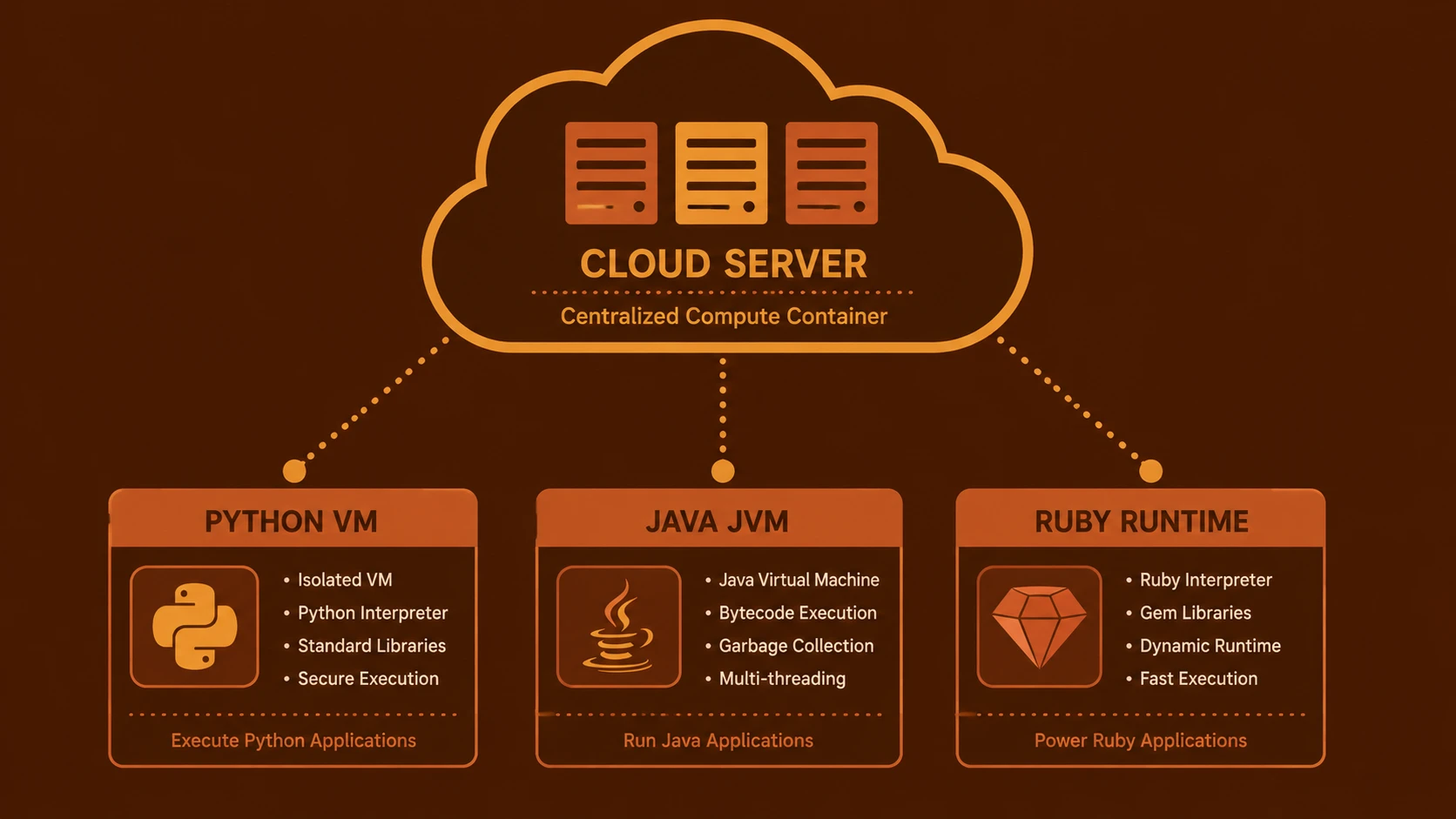
Heroku is a cloud application platform focused on simplifying deployment for Ruby applications.
Developers can deploy applications using straightforward workflows without configuring servers, application containers, or deployment infrastructure manually.
Key characteristics include:
- ◆Ruby application hosting
- ◆Simplified deployment
- ◆Automatic application management
- ◆Cloud scalability
- ◆Developer-focused workflows
Heroku has attracted considerable attention within the Ruby community because of its ease of use and emphasis on developer productivity.
Why This Acquisition Matters
The acquisition combines two organizations with complementary strengths.
| Salesforce | Heroku |
|---|---|
| Enterprise SaaS leadership | Developer-centric platform |
| Force.com platform | Ruby application deployment |
| Business applications | Modern web application focus |
| Enterprise customers | Rapid developer adoption |
This combination suggests an effort to address a broader range of developers and application scenarios.
Although future product direction has not yet been fully detailed, the acquisition demonstrates that cloud platforms are becoming increasingly important strategic assets.
A Changing Developer Experience
Traditional enterprise application deployment often involves numerous operational tasks.
Typical deployment steps may include:
- ◆Procuring servers
- ◆Installing operating systems
- ◆Configuring web servers
- ◆Installing runtime environments
- ◆Managing databases
- ◆Setting up monitoring
- ◆Performing deployments
PaaS platforms seek to automate many of these responsibilities.
Developers focus primarily on application code while the platform manages much of the underlying infrastructure.
This shift has the potential to improve development velocity and simplify operations.
Enterprise Architecture Implications
Organizations evaluating cloud platforms should consider how PaaS fits within existing enterprise architecture.
A typical cloud architecture may resemble:
Web Browser
      |
Enterprise Application
      |
PaaS Platform
      |
Managed Runtime
      |
Cloud Infrastructure
      |
Storage and Database Services
Business logic remains the responsibility of the application while infrastructure concerns become increasingly managed by the platform provider.
Opportunities for Enterprise Development Teams
The acquisition highlights several trends affecting enterprise software development.
Faster Application Delivery
Managed deployment environments can reduce infrastructure preparation time and simplify release processes.
Improved Developer Productivity
Developers spend less time configuring environments and more time implementing business functionality.
Simplified Operations
Automated platform management may reduce operational overhead associated with application hosting.
Greater Scalability
Cloud platforms are designed to support growing workloads without requiring significant infrastructure changes.
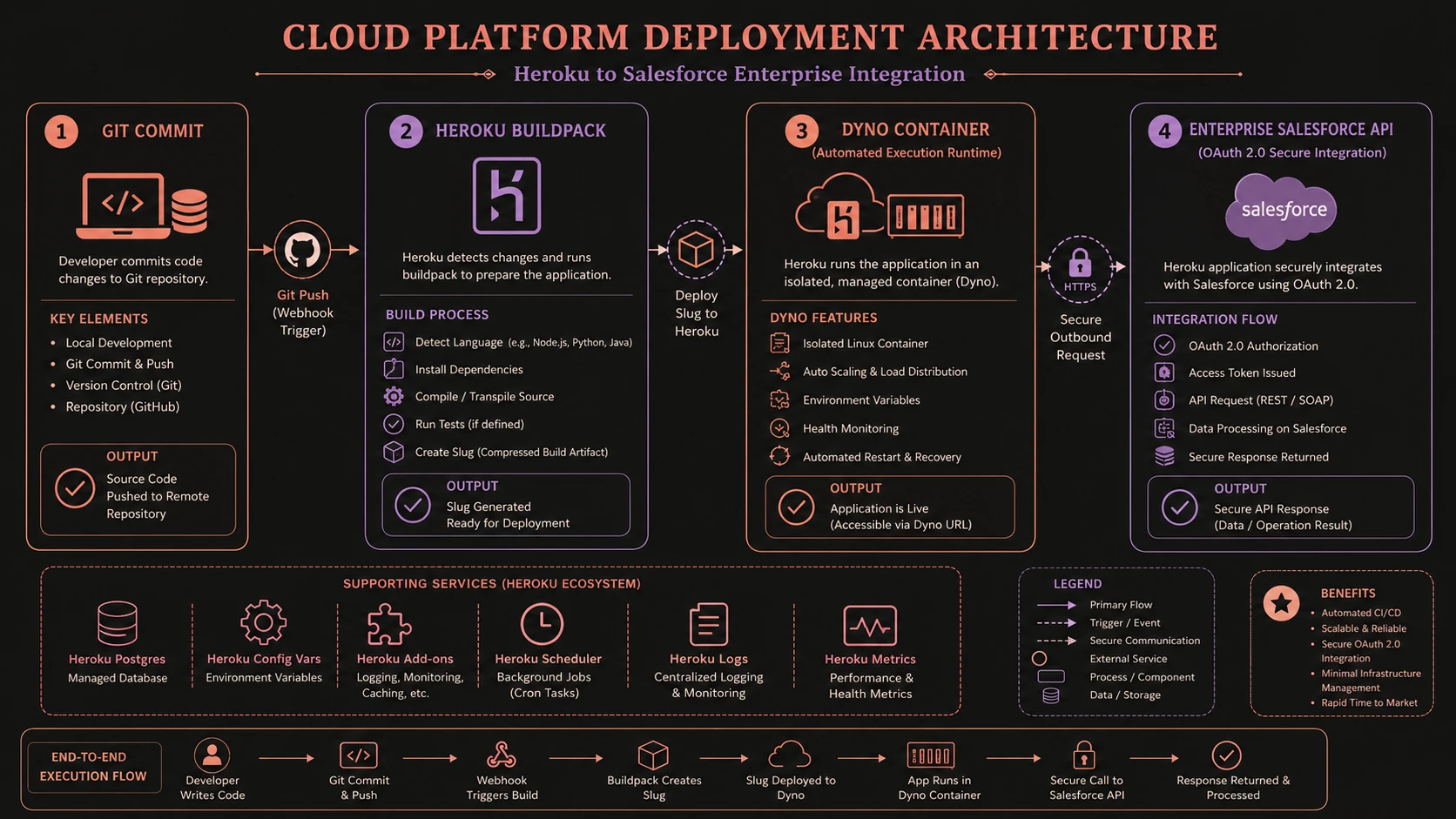
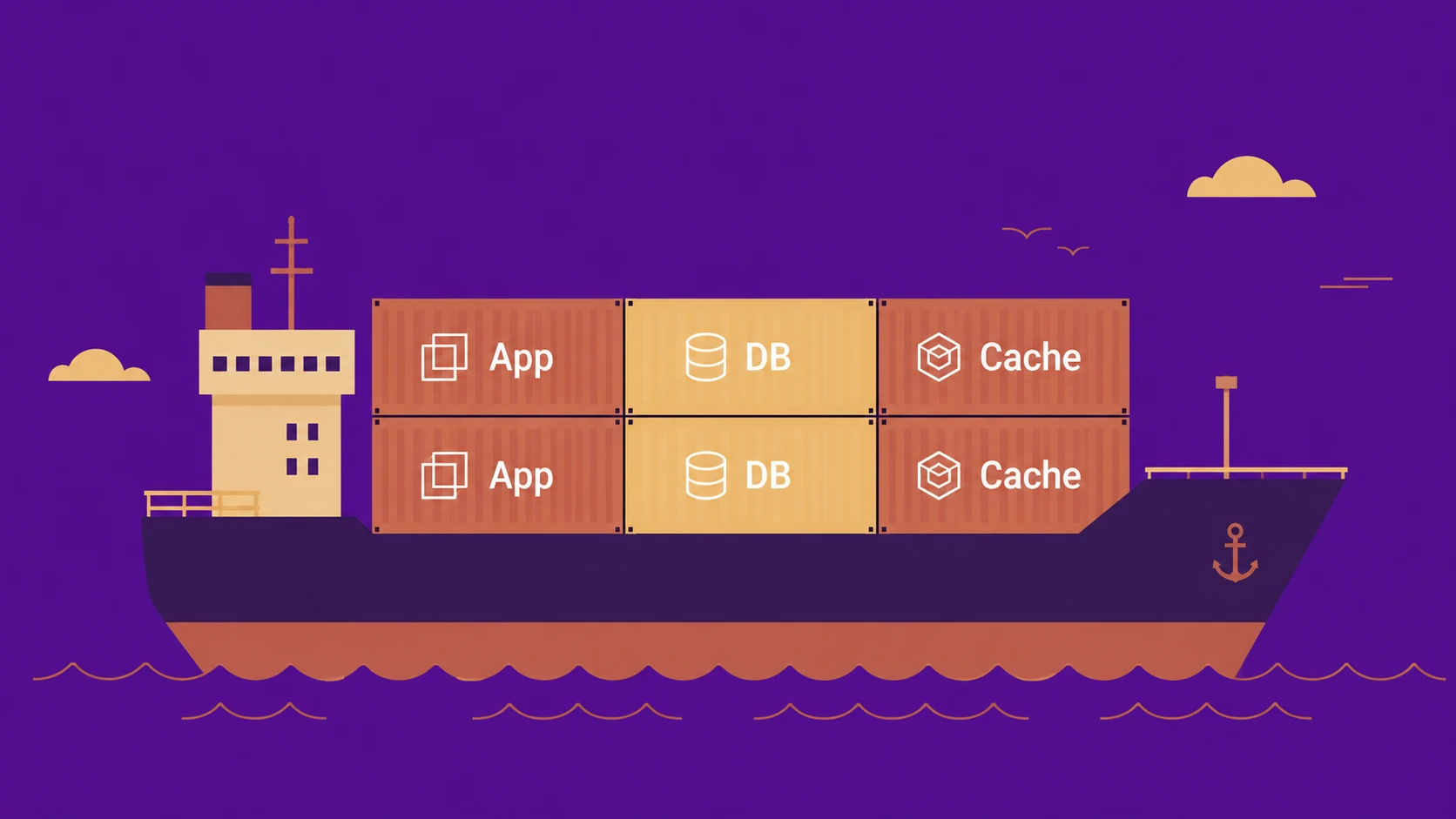
Platform-as-a-Service deployment flow compiling source repositories into isolated dynos.
Enterprise Use Cases
Platform as a Service may be particularly attractive for several categories of enterprise applications.
Customer Portals
Organizations can rapidly deploy web applications serving customers, partners, or suppliers.
Internal Business Applications
Departments may develop workflow solutions without maintaining dedicated server infrastructure.
Marketing Websites
Rapid deployment capabilities support campaign-driven web applications with varying traffic patterns.
Startup Innovation
Smaller teams can build and deploy applications quickly while minimizing infrastructure investment.
Considerations for Enterprise Adoption
Despite its advantages, organizations should evaluate PaaS platforms carefully.
Key considerations include:
- ◆Platform maturity
- ◆Security requirements
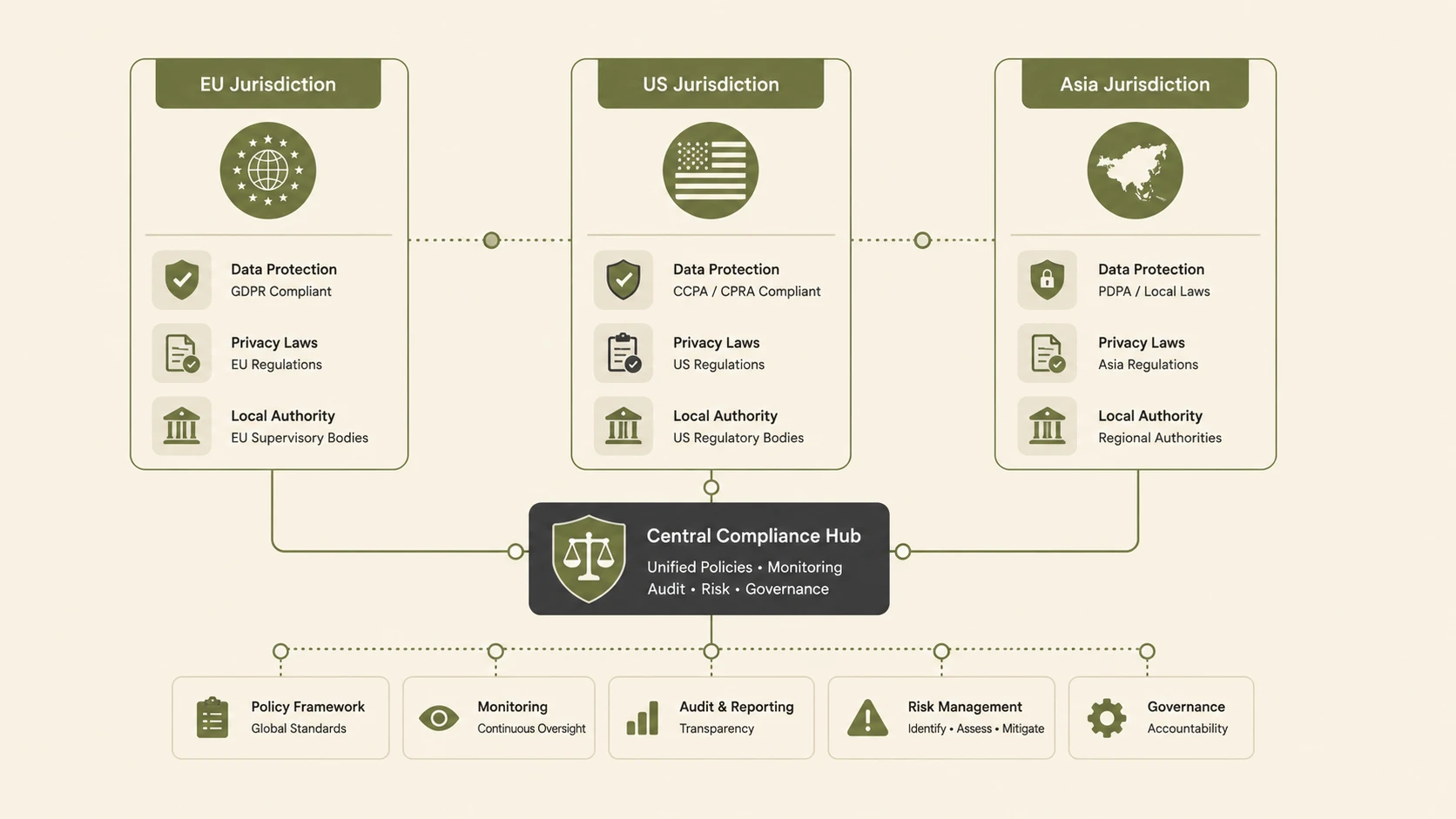
- ◆Regulatory compliance
- ◆Data management
- ◆Vendor support
- ◆Operational visibility
- ◆Integration capabilities
Cloud adoption should align with existing enterprise governance and IT policies.
Integration Challenges
Most enterprise systems do not operate in isolation.
Applications frequently integrate with:
- ◆CRM systems
- ◆ERP platforms
- ◆Authentication services
- ◆Databases
- ◆Reporting systems
- ◆Legacy applications
Architects should evaluate how cloud-hosted applications communicate securely and efficiently with existing business systems.
Comparing Traditional Hosting and PaaS
| Traditional Hosting | Platform as a Service |
|---|---|
| Manual server configuration | Managed platform |
| Infrastructure ownership | Provider-managed environment |
| Operating system maintenance | Automated by platform |
| Manual deployment processes | Streamlined deployment workflows |
| Capacity planning | Platform-assisted scalability |
Both approaches remain appropriate depending on application requirements, governance needs, and operational preferences.
Best Practices
Organizations evaluating PaaS should consider several recommendations.
Start with Non-Critical Applications
Pilot projects provide valuable experience before broader adoption.
Design for Portability
Application architecture should minimize unnecessary dependencies where practical.
Automate Deployment
Consistent deployment processes improve reliability and reduce operational risk.
Plan for Integration
Enterprise applications should expose clear interfaces for communication with existing systems.
Monitor Performance
Cloud platforms simplify deployment but do not eliminate the need for application monitoring and performance management.
Common Mistakes
Organizations entering the PaaS landscape often encounter several challenges.
Assuming Infrastructure No Longer Matters
Although platform providers manage infrastructure, application architecture and performance remain the responsibility of development teams.
Ignoring Governance
Cloud deployments should comply with enterprise security, auditing, and operational standards.
Underestimating Integration Complexity
Connecting cloud applications with on-premises systems often requires careful planning.
Choosing Platforms Without Strategic Alignment
Technology selection should support long-term business objectives rather than short-term trends.
Neglecting Skills Development
Successful adoption requires developers and operations teams to understand new deployment models and cloud practices.
Adoption Recommendations
Organizations considering Platform as a Service should adopt a structured evaluation process.
Recommended roadmap:
- 1.Identify suitable pilot applications.
- 2.Evaluate platform capabilities against business requirements.
- 3.Review security and compliance considerations.
- 4.Test deployment and operational workflows.
- 5.Assess integration with existing enterprise systems.
- 6.Measure developer productivity improvements.
- 7.Expand adoption gradually based on proven business value.
This incremental approach reduces risk while allowing organizations to build practical cloud experience.
Looking Ahead
Salesforce's acquisition of Heroku represents an important milestone in the continuing evolution of cloud computing. It reflects growing recognition that developers increasingly value platforms that simplify application deployment while allowing them to focus on delivering business functionality rather than managing infrastructure.
Although it is too early to predict exactly how Salesforce will integrate Heroku into its broader cloud strategy, the acquisition reinforces the growing importance of Platform as a Service within enterprise IT. Organizations developing long-term cloud strategies should closely observe how managed application platforms evolve, as they may become an increasingly significant component of modern enterprise software development and deployment.