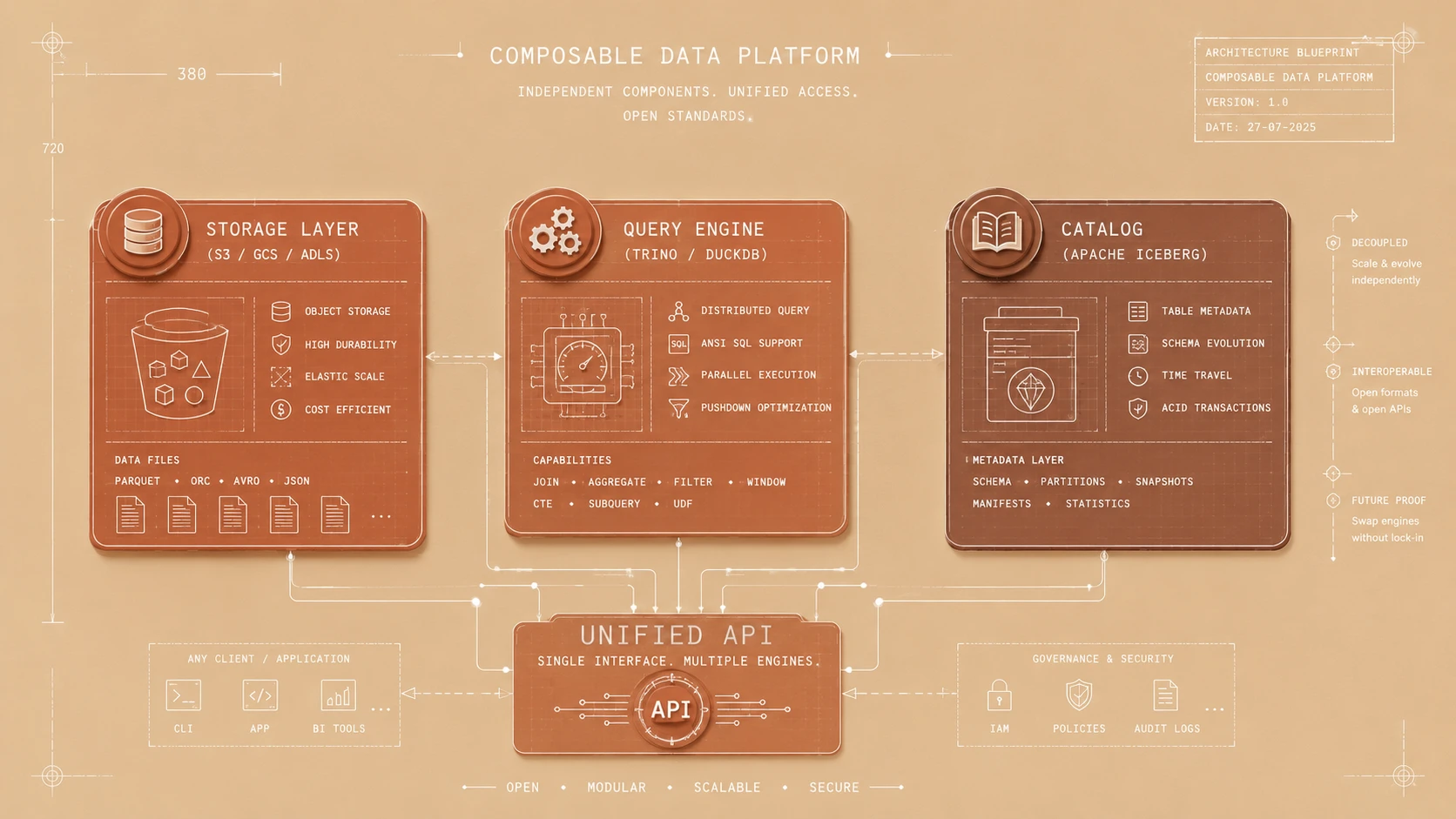
Introduction
Enterprise data has become one of the most valuable strategic assets for modern organizations. Every digital interaction, cloud application, IoT device, customer transaction, AI model, and business workflow continuously generates information that can improve decision-making and create competitive advantage. However, many enterprises continue operating fragmented data ecosystems consisting of isolated warehouses, duplicated pipelines, incompatible governance models, and disconnected analytical platforms.
Over the past several years, organizations have invested heavily in cloud-native data lakes, modern warehouses, streaming platforms, machine learning pipelines, and distributed analytics. While these technologies significantly improved scalability, they also introduced operational complexity. Large centralized data teams often struggle to support rapidly growing business domains while maintaining governance, quality, and security.
By early 2024, a new architectural approach is emerging: the Composable Data Platform. Rather than relying on a single monolithic data platform, organizations are building modular ecosystems composed of reusable services, domain-owned data products, lakehouse storage, event-driven pipelines, unified governance, metadata intelligence, and AI-enabled automation.
This composable model enables enterprises to scale analytics, operational intelligence, and artificial intelligence while maintaining flexibility across hybrid and multi-cloud environments.
Industry Background
Modern enterprise data ecosystems increasingly include:
- ◆Data Lakehouses
- ◆Data Mesh principles
- ◆Data Products
- ◆Streaming platforms
- ◆Cloud-native analytics
- ◆AI and Machine Learning pipelines
- ◆Metadata catalogs
- ◆Governance automation
These technologies collectively enable organizations to deliver trusted, reusable, and scalable data across business domains.
The Business Problem
Traditional enterprise data platforms commonly experience:
- ◆Centralized engineering bottlenecks
- ◆Duplicate datasets
- ◆Slow analytics delivery
- ◆Poor metadata management
- ◆Difficult governance
- ◆Limited AI readiness
- ◆Fragmented security policies
Organizations require architectures capable of supporting decentralized innovation while maintaining enterprise-wide consistency.
Understanding Composable Data Platforms
A composable data platform consists of independently managed but interoperable services that collectively deliver enterprise data capabilities.
Primary objectives include:
- ◆Domain ownership
- ◆Modular architecture
- ◆AI-ready datasets
- ◆Unified governance
- ◆Reusable data products
- ◆Cloud portability
- ◆Operational resilience
Rather than building one large platform, enterprises compose specialized capabilities into a cohesive ecosystem.
Core Architecture
| Component | Responsibility |
|---|---|
| Data Sources | Operational and analytical data generation |
| Streaming Platform | Real-time event ingestion |
| Lakehouse Storage | Unified analytical storage |
| Data Product Layer | Domain-owned reusable datasets |
| Metadata Catalog | Discovery and lineage |
| Governance Engine | Security, compliance, and policy enforcement |
| AI & Analytics Platform | Machine learning and business intelligence |
| API & Data Access Layer | Secure enterprise consumption |
These components collectively establish an intelligent enterprise data fabric.
How a Composable Data Platform Works
- 1.Business systems continuously generate operational data.
- 2.Streaming and batch pipelines ingest information into the platform.
- 3.Data is stored using modern lakehouse architecture.
- 4.Domain teams publish reusable data products.
- 5.Metadata services automatically document schemas, lineage, and ownership.
- 6.Governance engines enforce enterprise security and compliance policies.
- 7.Analytics platforms, AI models, and enterprise applications securely consume trusted data products.
This architecture enables independent evolution of each capability while maintaining interoperability.
Data Products as the Foundation
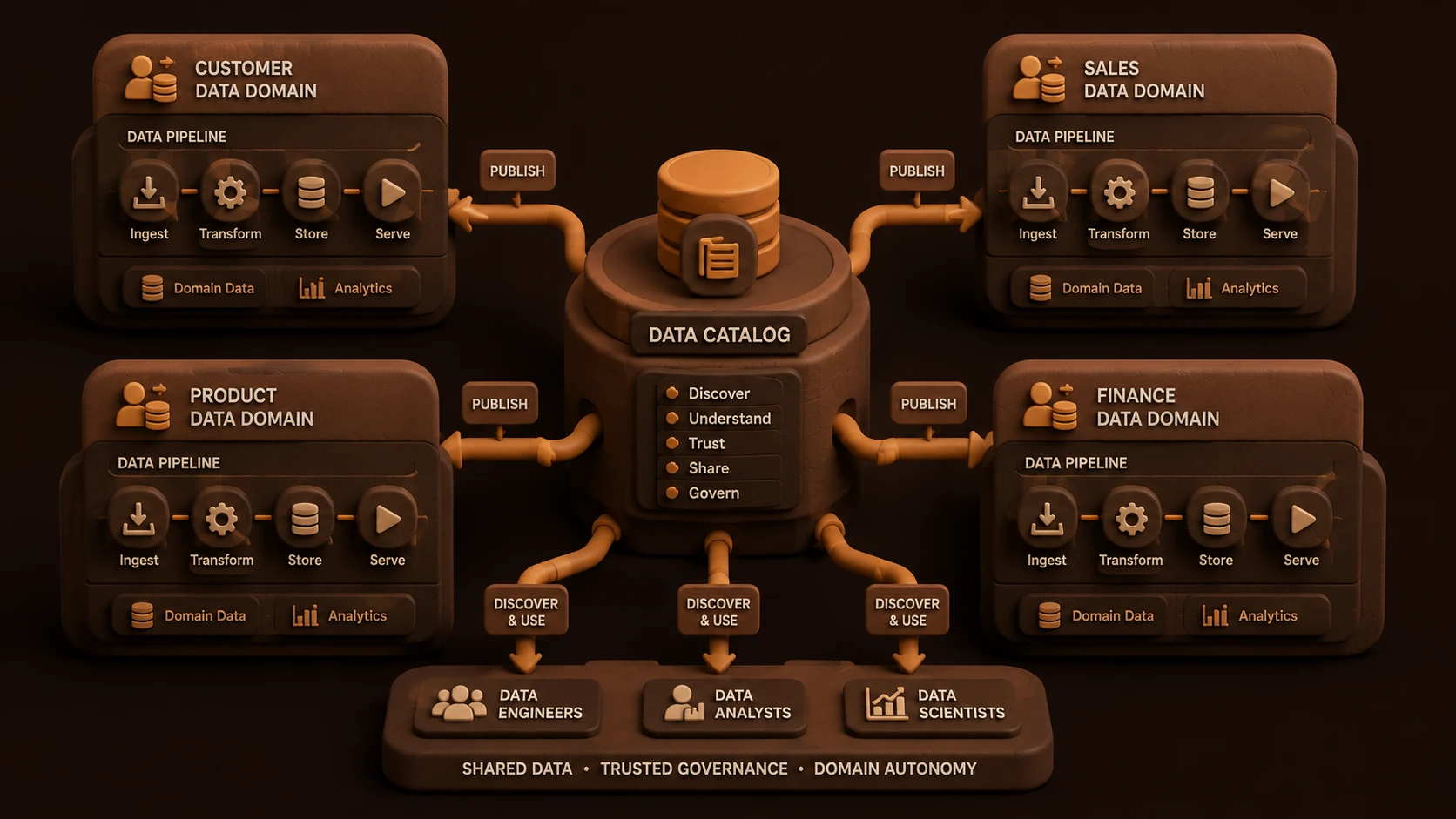
Instead of treating datasets as internal engineering artifacts, composable platforms promote data products.
Each data product should include:
- ◆Clearly defined ownership
- ◆Quality metrics
- ◆Business documentation
- ◆Standardized interfaces
- ◆Version management
- ◆Lifecycle governance
Treating data as a product improves discoverability, reuse, and accountability across the enterprise.
Data Mesh Principles
Composable platforms frequently adopt Data Mesh concepts by distributing responsibility to business domains.
Benefits include:
- ◆Faster delivery
- ◆Domain expertise
- ◆Reduced engineering bottlenecks
- ◆Better scalability
- ◆Improved ownership
- ◆Independent evolution
Central platform teams continue providing governance, tooling, and shared infrastructure rather than owning every dataset.
Lakehouse Architecture
The lakehouse model combines the scalability of data lakes with the reliability and management capabilities traditionally associated with data warehouses.
Enterprise advantages include:
- ◆Unified storage
- ◆Open data formats
- ◆Support for structured and unstructured data
- ◆Batch and streaming analytics
- ◆Machine learning compatibility
- ◆Reduced data duplication
Lakehouse architectures increasingly serve as the storage foundation for composable platforms.
Metadata Intelligence
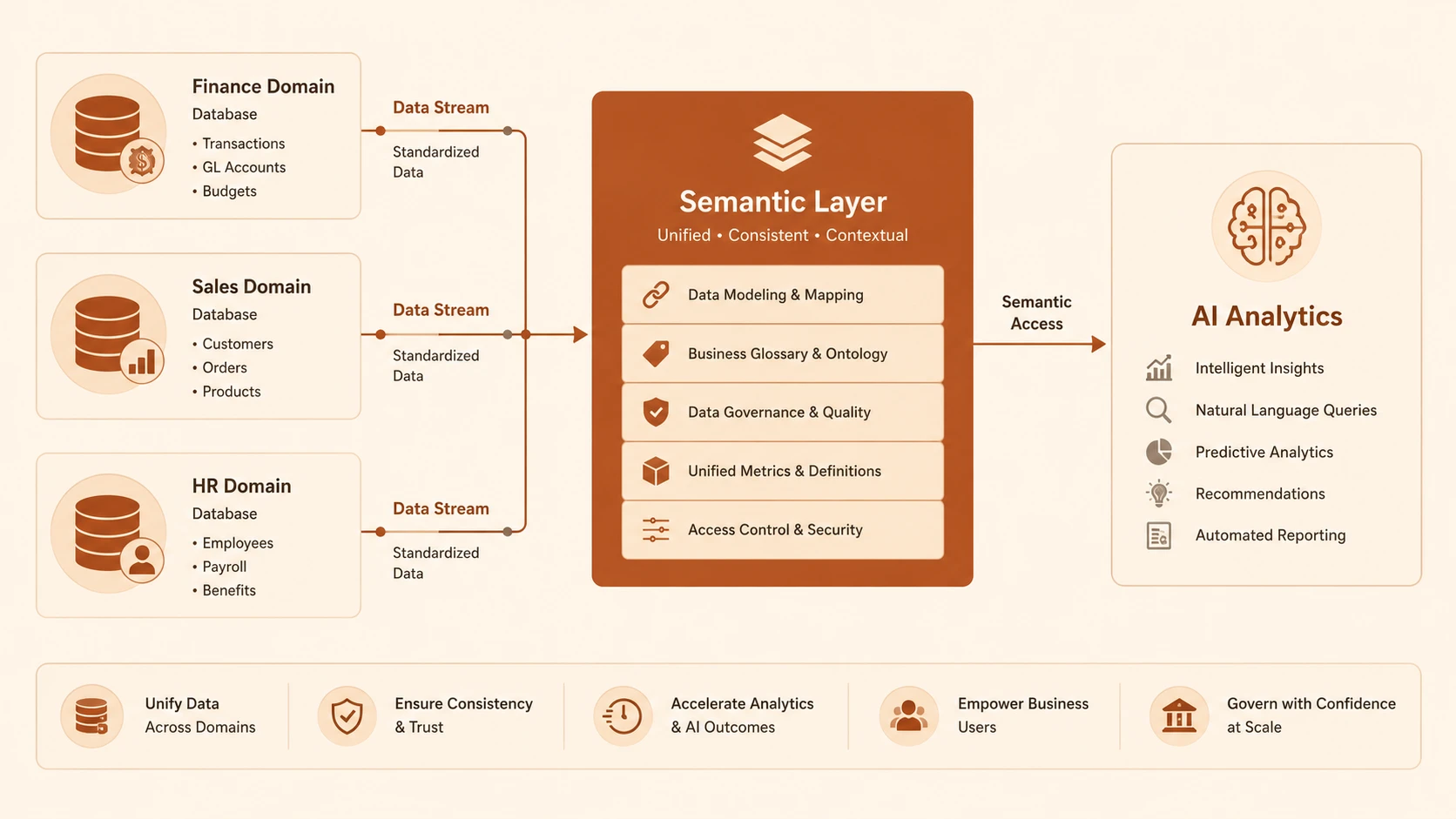
Metadata has become a strategic capability rather than merely documentation.
Modern metadata platforms support:
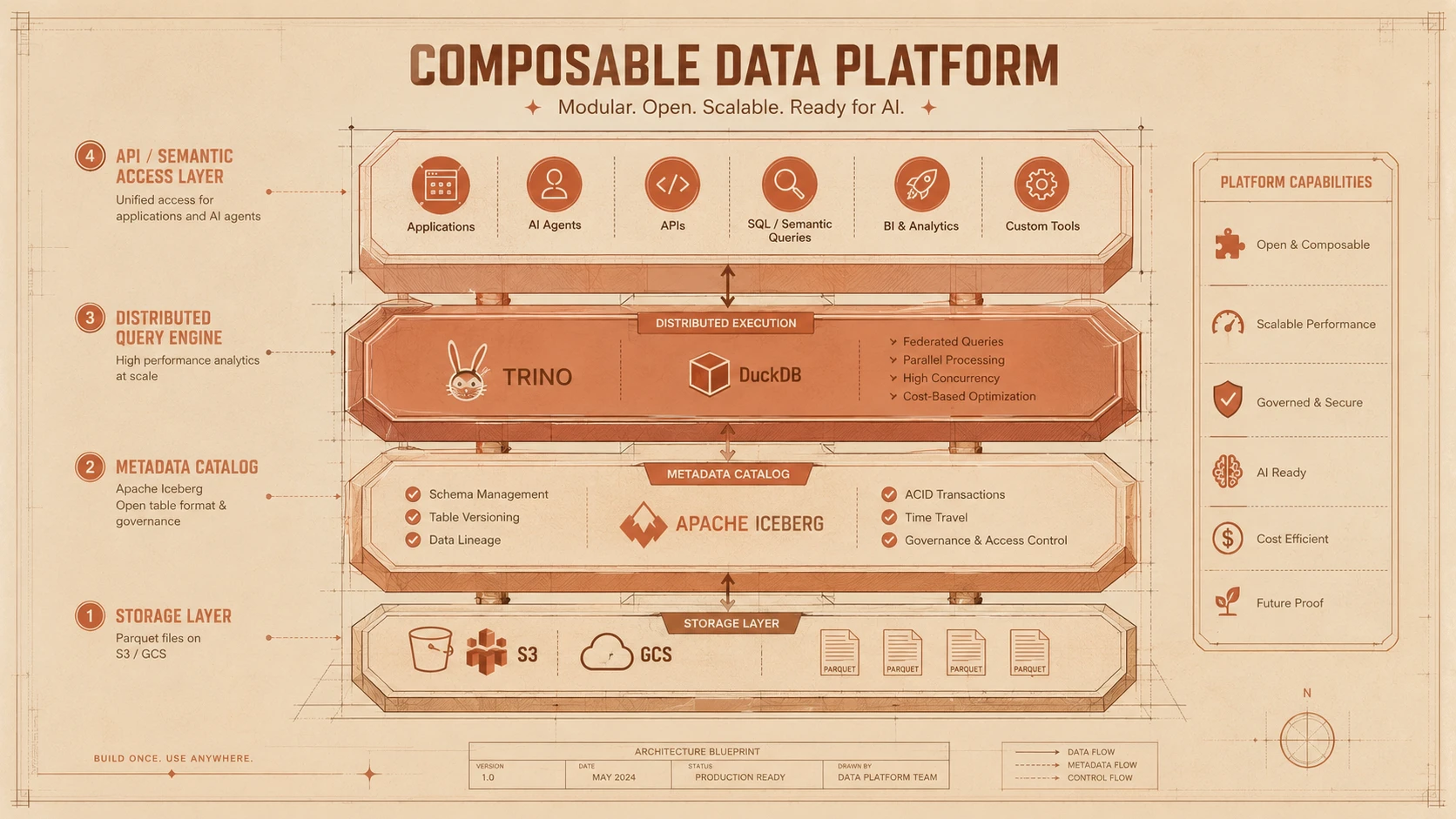
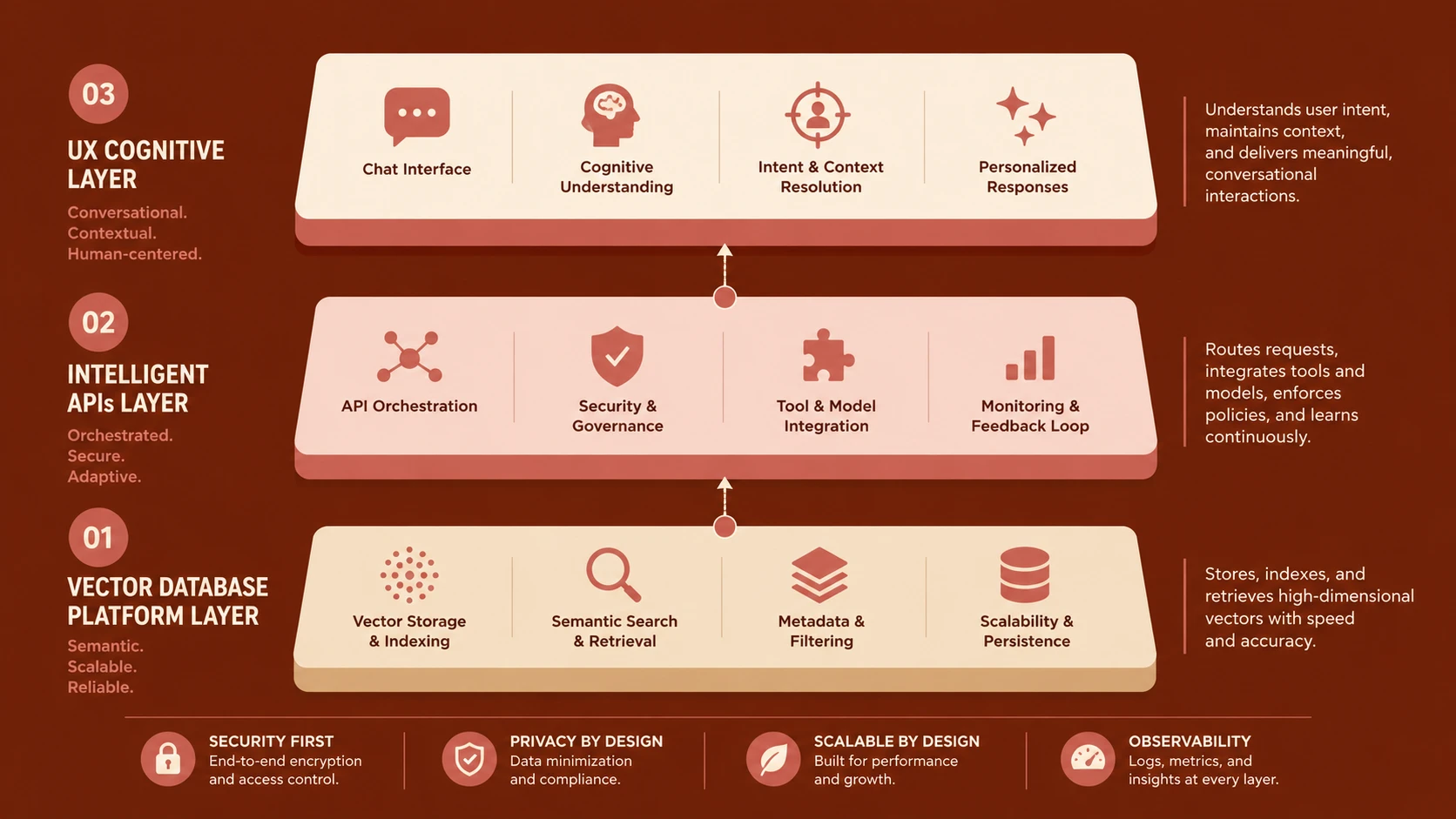
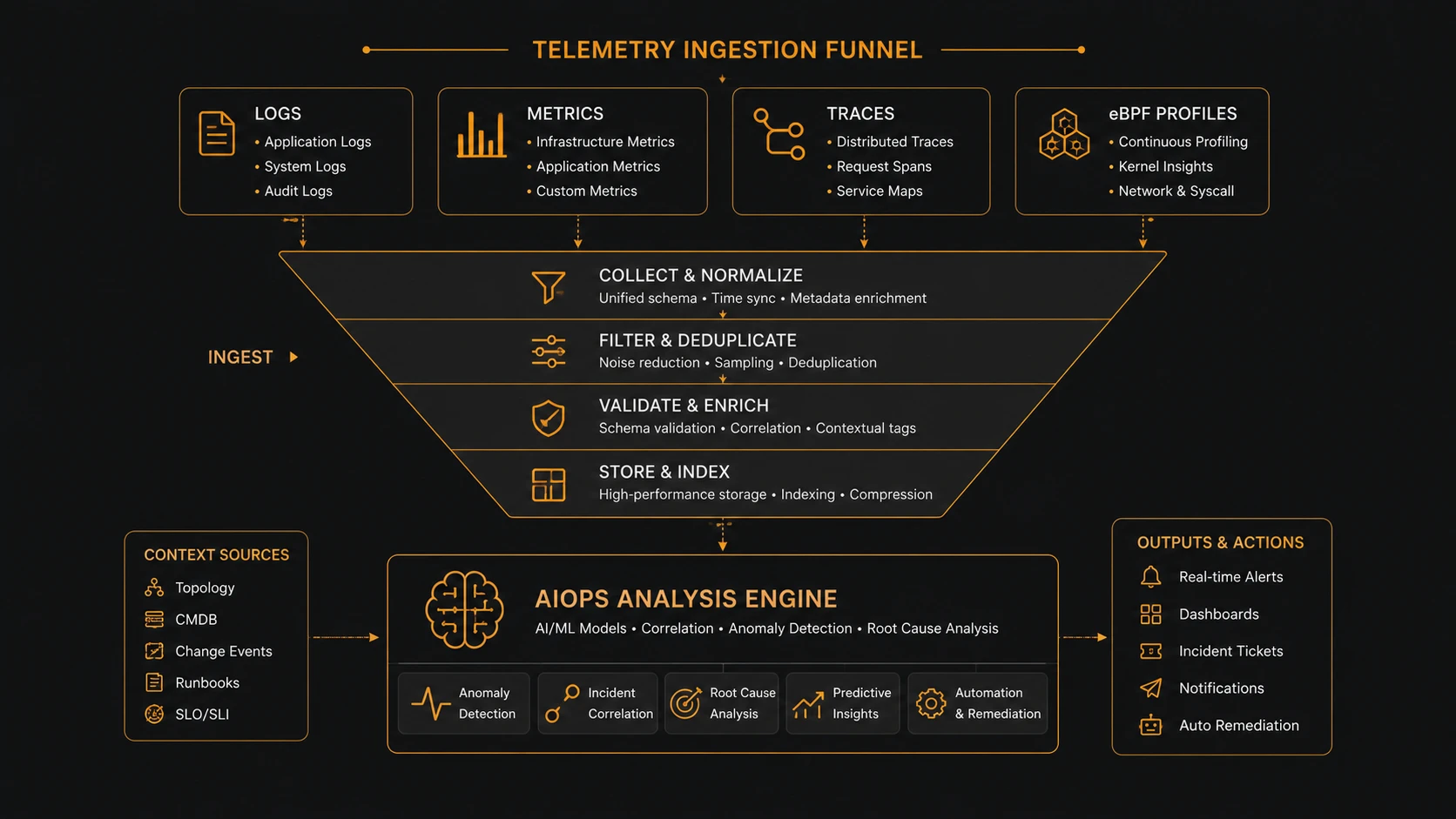
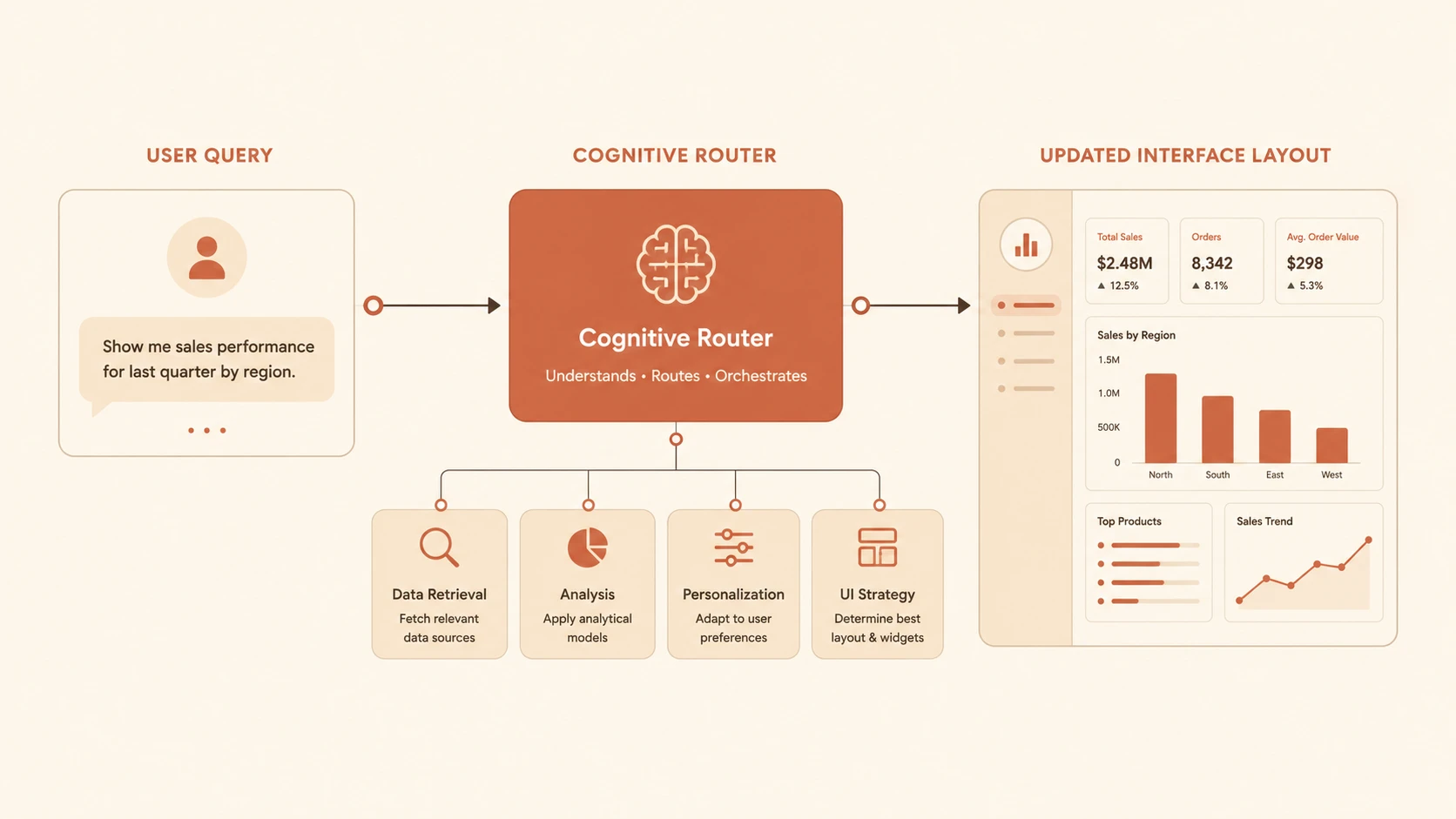
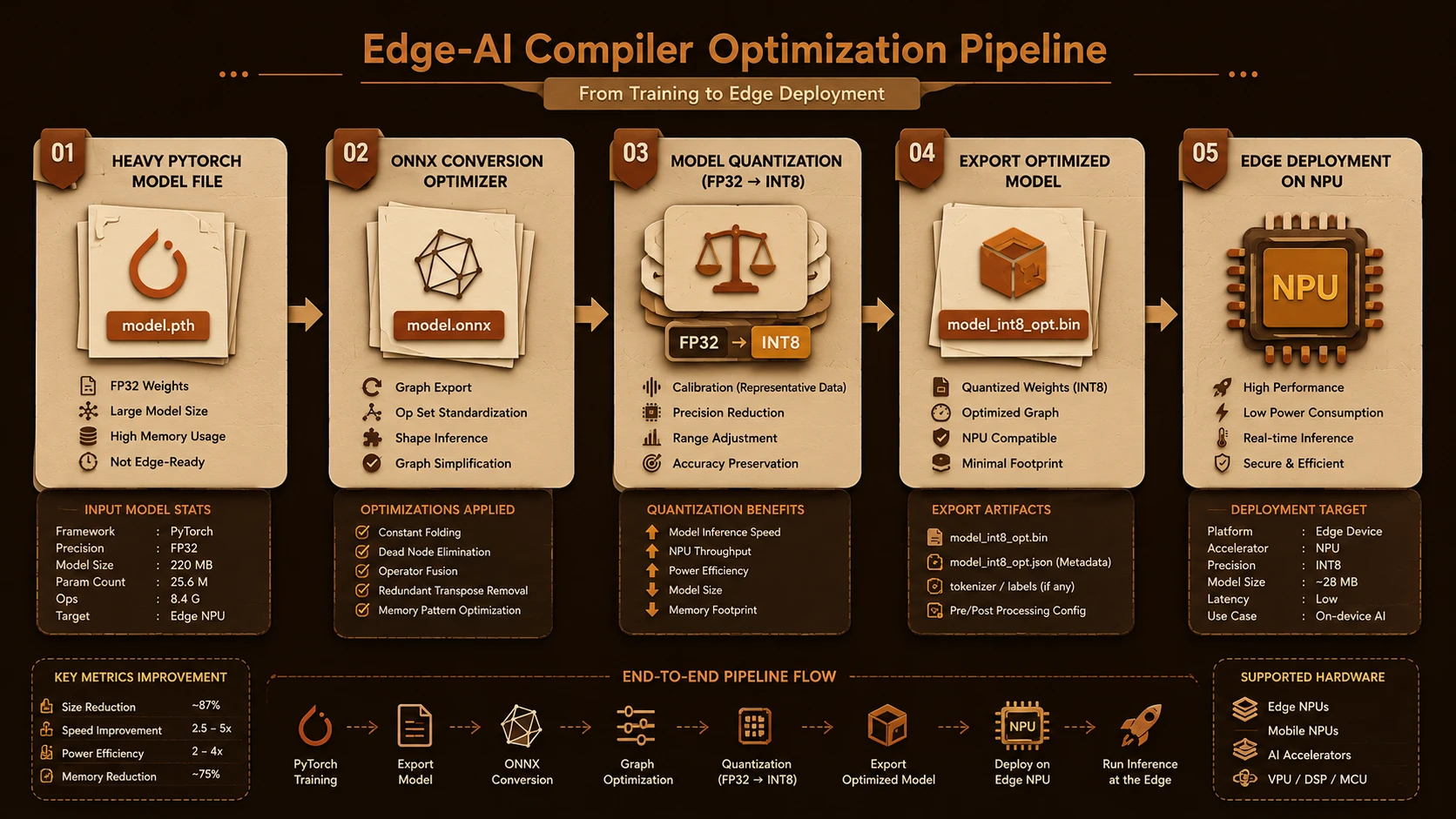
System architecture diagram and conceptual workflow layout for Composable Data Platforms.
- ◆Automated lineage
- ◆Data discovery
- ◆Impact analysis
- ◆Data quality monitoring
- ◆Ownership tracking
- ◆Policy enforcement
Metadata intelligence enables organizations to manage rapidly expanding data ecosystems more effectively.
AI-Ready Data Infrastructure
Generative AI and machine learning increase the importance of trusted, well-governed enterprise data.
Composable platforms prepare organizations by providing:
- ◆High-quality datasets
- ◆Semantic metadata
- ◆Governance policies
- ◆Feature engineering pipelines
- ◆Vector-ready information sources
- ◆Secure enterprise access
Reliable AI systems depend upon reliable enterprise data foundations.
Enterprise Use Cases
Financial Services
Create governed data products supporting fraud detection, regulatory reporting, and customer analytics.
Healthcare
Integrate clinical, operational, and research datasets while maintaining compliance requirements.
Manufacturing
Combine IoT telemetry, supply chain information, and production analytics into reusable domain data products.
Retail
Unify customer, inventory, logistics, and marketing data for real-time business intelligence.
SaaS Platforms
Deliver trusted operational analytics and AI services through standardized data products.
Performance Considerations
Organizations should continuously monitor:
- ◆Data pipeline latency
- ◆Streaming throughput
- ◆Query performance
- ◆Storage efficiency
- ◆Metadata synchronization
- ◆Data quality metrics
Performance optimization should balance analytical speed with governance and operational resilience.
Security Considerations
Composable platforms require enterprise-wide security controls.
Organizations should implement:
- ◆Zero Trust data access
- ◆Fine-grained authorization
- ◆Encryption at rest and in transit
- ◆Data classification
- ◆Automated policy enforcement
- ◆Continuous auditing
- ◆Data lineage validation
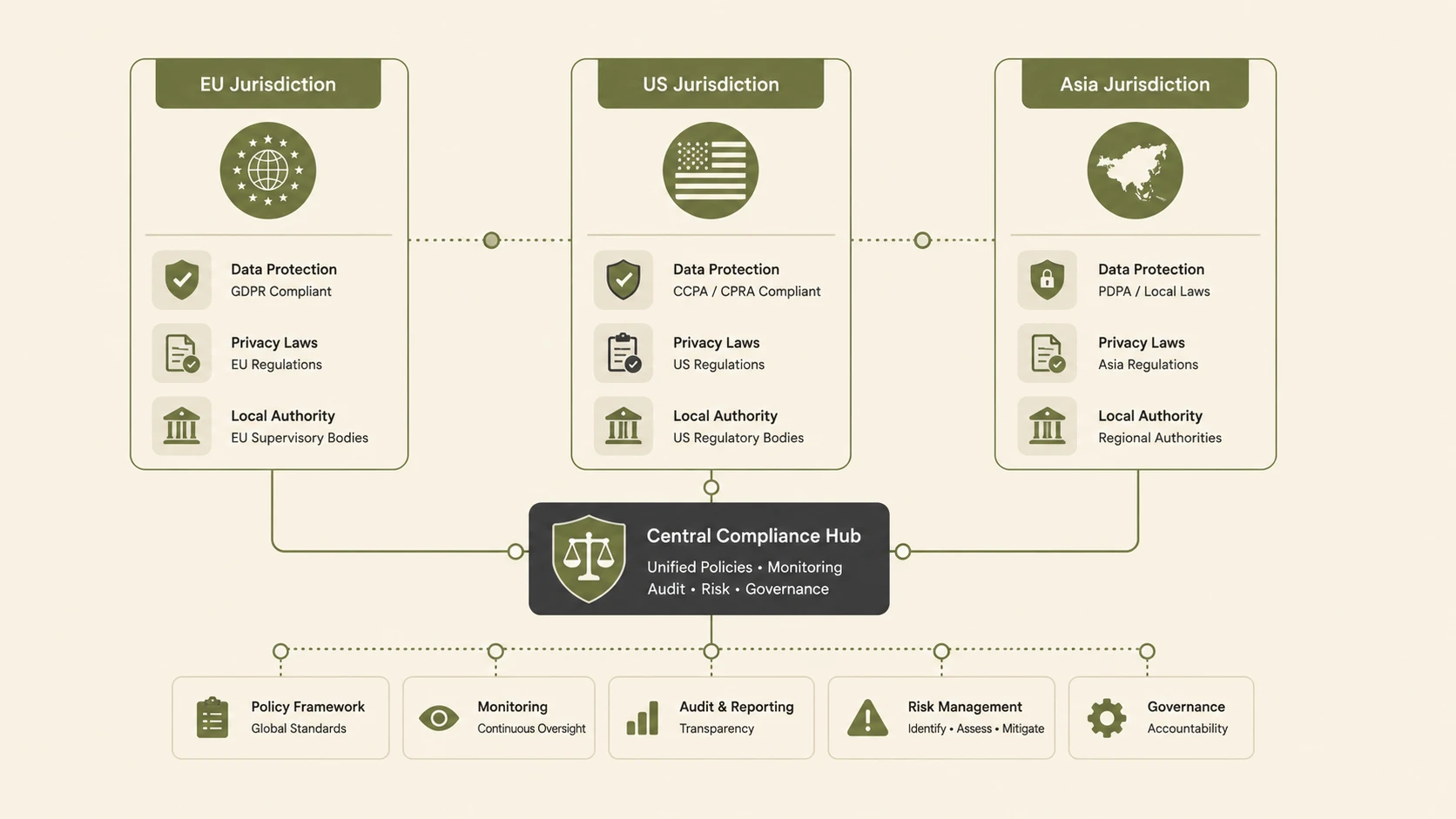
- ◆Privacy and regulatory compliance controls
Security policies should remain consistent regardless of where data resides.
Scalability
Composable architectures improve scalability through:
- ◆Independent domain ownership
- ◆Elastic cloud infrastructure
- ◆Streaming data processing
- ◆Modular platform services
- ◆Reusable data products
- ◆Policy-driven automation
These capabilities allow organizations to expand data initiatives without creating centralized operational bottlenecks.
Best Practices
- ◆Treat enterprise data as reusable products.
- ◆Assign clear ownership for every critical dataset.
- ◆Standardize metadata across business domains.
- ◆Build modular platform services instead of monolithic pipelines.
- ◆Automate governance wherever possible.
- ◆Measure data quality continuously.
- ◆Design platforms that support both analytics and AI workloads.
- ◆Promote interoperability through open standards and well-defined APIs.
Common Mistakes
| Mistake | Enterprise Impact |
|---|---|
| Centralizing every data engineering decision | Reduced delivery velocity |
| Ignoring metadata management | Poor discoverability |
| Building tightly coupled pipelines | Limited scalability |
| Treating governance as a separate initiative | Increased compliance risk |
| Publishing low-quality data products | Reduced business trust |
| Optimizing only storage without considering data consumption | Lower analytical value |
Technology Comparison
| Capability | Traditional Enterprise Data Warehouse | Composable Data Platform |
|---|---|---|
| Ownership | Centralized | Domain-Oriented |
| Architecture | Monolithic | Modular |
| Data Delivery | Project-Based | Product-Based |
| Governance | Central Administration | Federated Governance |
| AI Readiness | Moderate | High |
| Scalability | Vertical Growth | Horizontal Domain Expansion |
Adoption Strategy
- 1.Assess existing enterprise data architecture.
- 2.Identify high-value business domains.
- 3.Define reusable data product standards.
- 4.Implement centralized metadata and governance services.
- 5.Modernize storage using lakehouse principles where appropriate.
- 6.Establish federated ownership with enterprise governance.
- 7.Introduce AI-ready data quality and lineage monitoring.
- 8.Expand composable capabilities incrementally while continuously measuring business outcomes.
Limitations
As of February 2024, composable data platforms represent an architectural evolution rather than a single technology solution. Successful adoption requires organizational changes alongside technical modernization. Federated ownership demands clear governance, standardized platform services, and strong collaboration between platform engineering teams and business domains. Without disciplined operational practices, decentralization can introduce inconsistency instead of agility.
Looking Ahead
From the perspective of February 2024, composable data platforms are becoming the foundation for next-generation enterprise intelligence. By combining modular architecture, domain-owned data products, lakehouse technologies, metadata intelligence, AI-ready infrastructure, and policy-driven governance, organizations can build scalable ecosystems that support analytics, automation, and generative AI without sacrificing flexibility or compliance. As enterprise data volumes continue growing and AI adoption accelerates, composable platforms are expected to become the strategic backbone of digital enterprises through 2025 and beyond.