Why Traditional Data Platforms Are No Longer Enough
Modern enterprises generate data from hundreds of applications, cloud platforms, IoT devices, business services, and AI systems. Traditional centralized data warehouses often struggle to keep pace with rapidly changing business requirements, resulting in duplicated datasets, inconsistent definitions, and delayed decision-making.
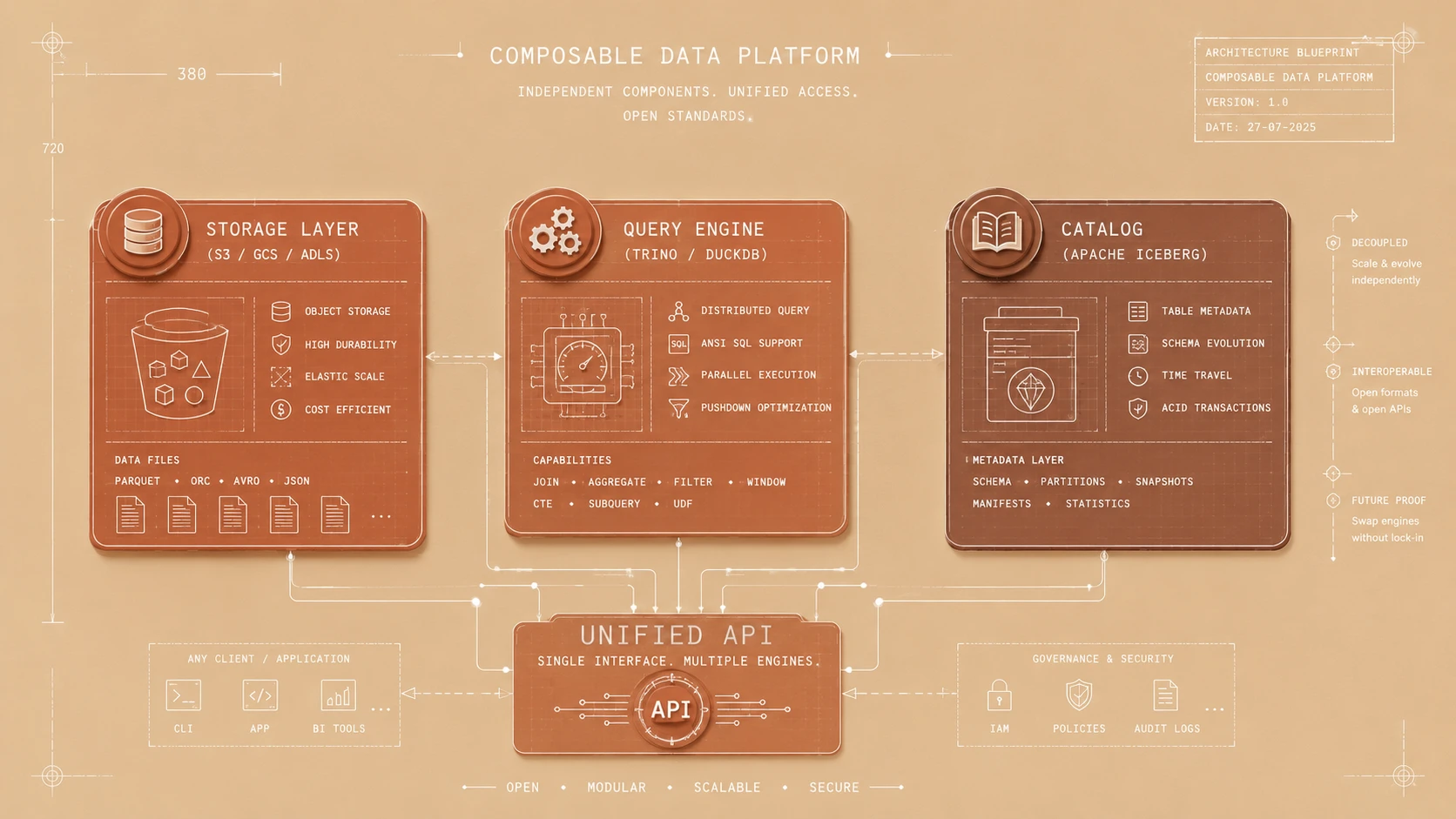
Data Fabric 2.0 addresses these challenges by creating a unified data architecture where business domains own their data products, semantic layers provide consistent business meaning, and real-time pipelines deliver insights as events occur rather than hours later.
Architecture Principle: Data should remain distributed by ownership but unified through shared semantics, governance, and intelligent access.
---
What Is Data Fabric 2.0?
Data Fabric 2.0 is an intelligent enterprise data architecture that connects distributed data sources through metadata, semantic relationships, governance policies, and real-time integration.
Unlike traditional ETL-centric architectures, Data Fabric focuses on making data discoverable, understandable, and consumable regardless of where it is stored.
Core capabilities include:
- ◆Semantic Layer
- ◆Domain Data Products
- ◆Metadata Intelligence
- ◆Event Streaming
- ◆Real-Time Integration
- ◆Data Lineage
- ◆Governance Automation
- ◆AI-Ready Data Access
Together, these capabilities create a flexible and scalable enterprise data ecosystem.
---
The Evolution from Data Warehouse to Data Fabric
Enterprise data architecture has evolved significantly over time:
- 1.Relational Databases
- 2.Enterprise Data Warehouses
- 3.Data Lakes
- 4.Lakehouse Platforms
- 5.Data Mesh
- 6.Data Fabric 2.0
Rather than replacing existing systems, Data Fabric integrates them into a unified operational layer.
---
Enterprise Reference Architecture
Business Domains
        │
────────────────────────────────────────
Finance | Sales | HR | Supply Chain
Manufacturing | Customer | Marketing
────────────────────────────────────────
        │
Event Streaming Platform
        │
Semantic Layer
        │
Metadata Catalog
        │
Governance Engine
        │
AI & Analytics Platform
        │
Enterprise Applications
The semantic layer enables every business application to interpret data consistently, regardless of its original source.
---
Semantic Layers: Speaking the Same Business Language
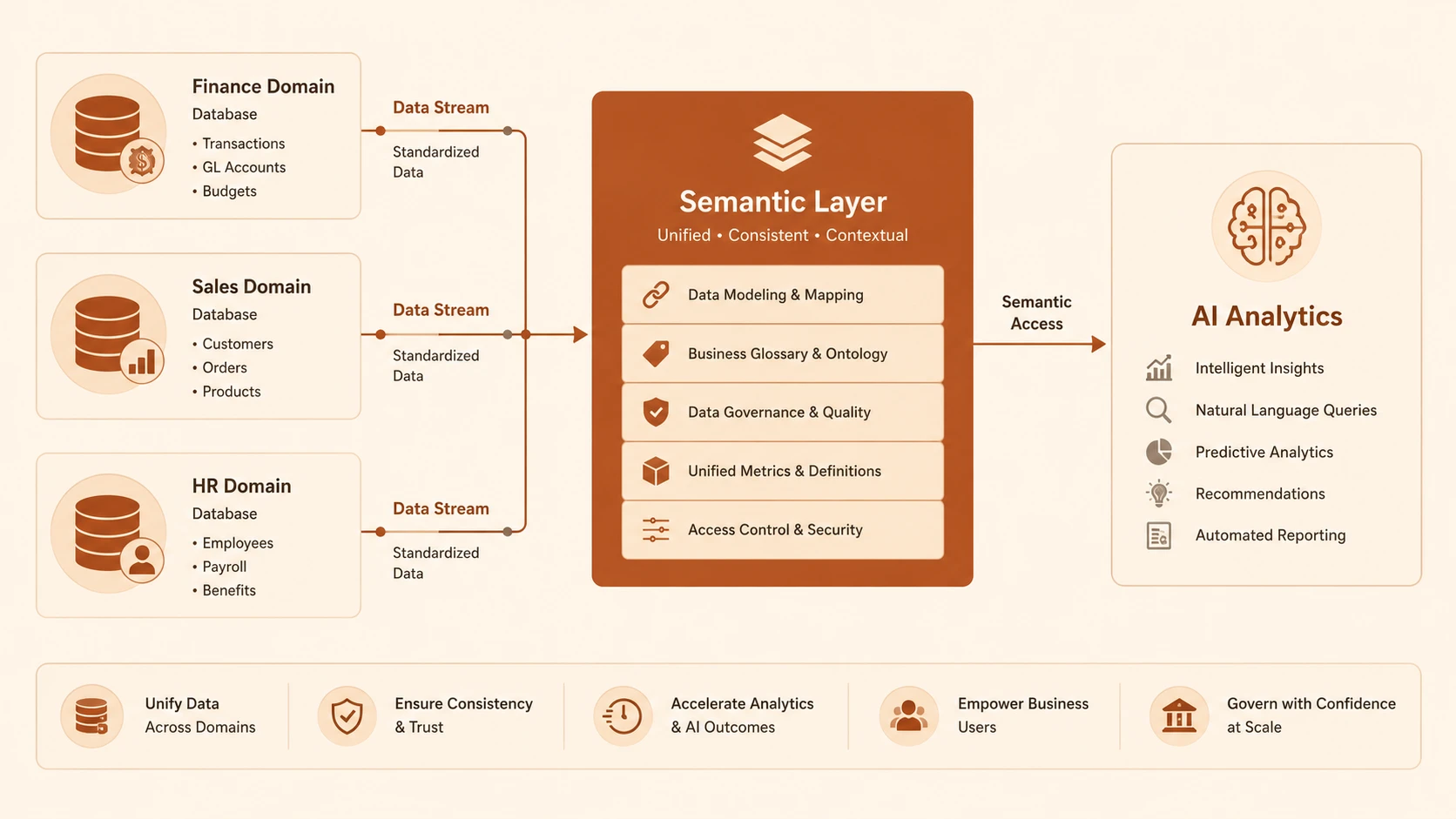
One of the most important innovations in Data Fabric 2.0 is the semantic layer.
Instead of every application defining its own meaning for concepts like "Customer," "Revenue," or "Order," the semantic layer creates standardized business definitions that every system can understand.
Benefits include:
- ◆Consistent business terminology
- ◆Reduced duplicate logic
- ◆Improved analytics accuracy
- ◆Faster report development
- ◆Better AI model consistency
- ◆Simplified governance
Semantic models bridge the gap between raw technical data and business understanding.
---
Domain-Driven Data Products
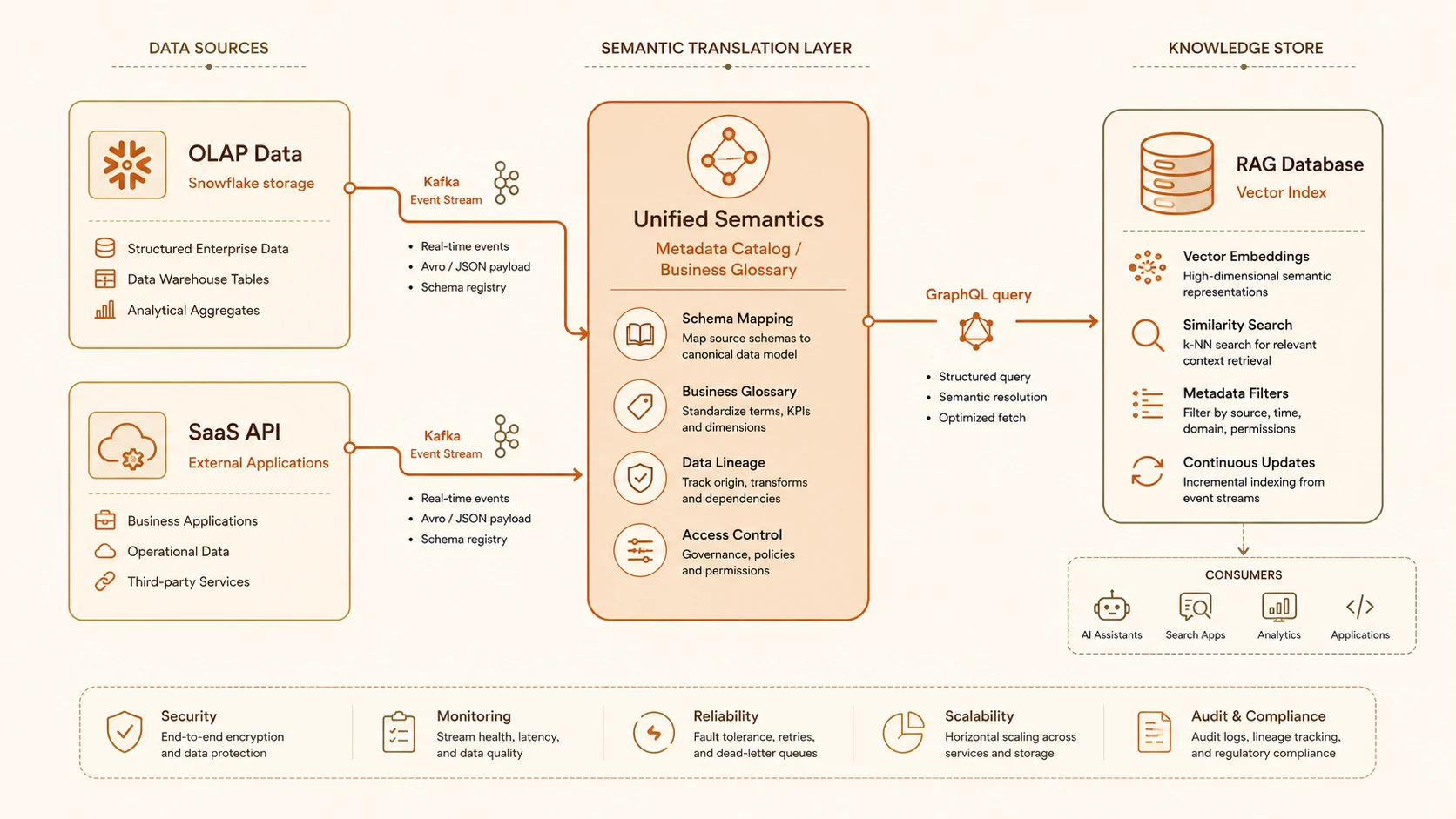
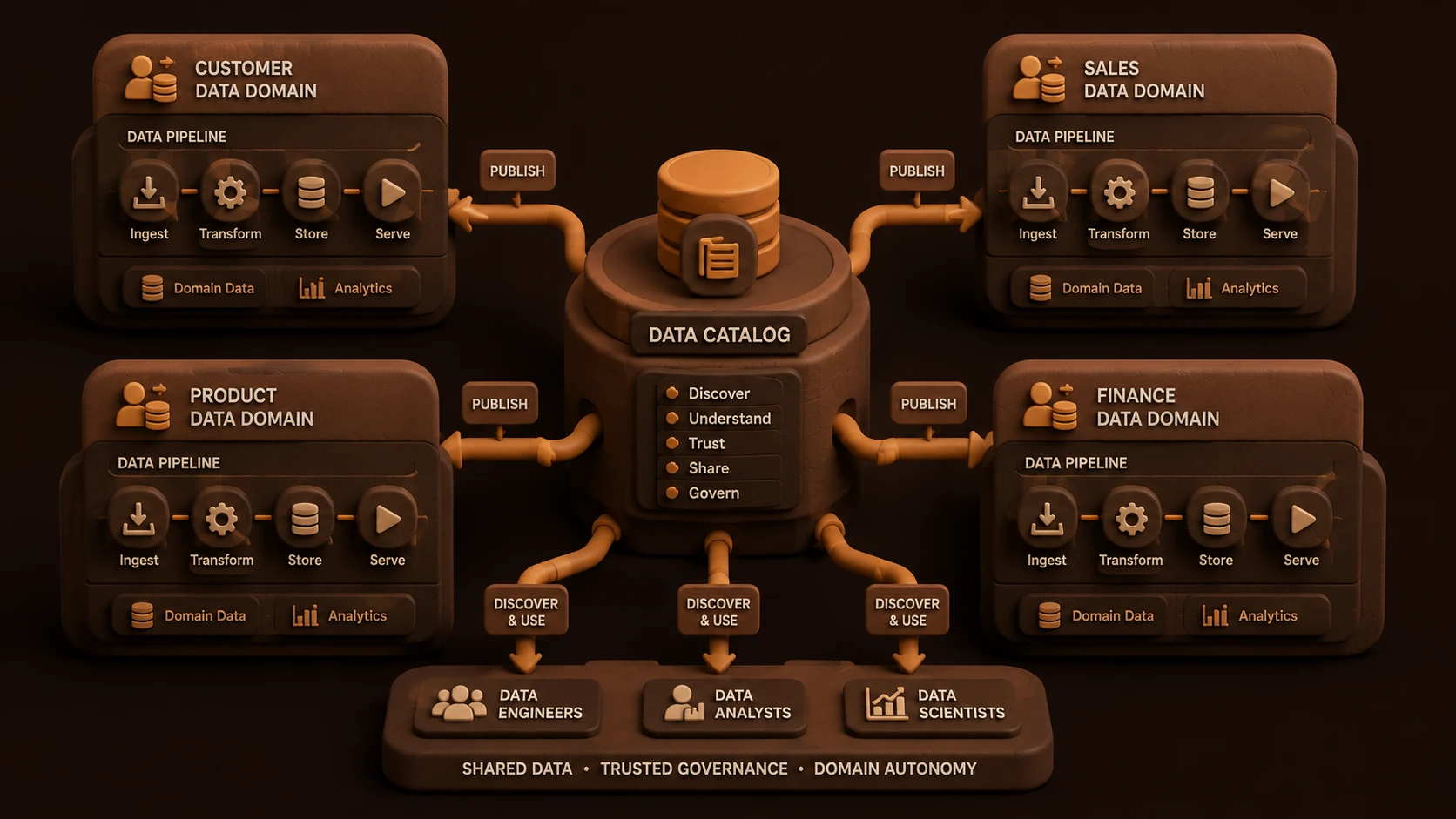
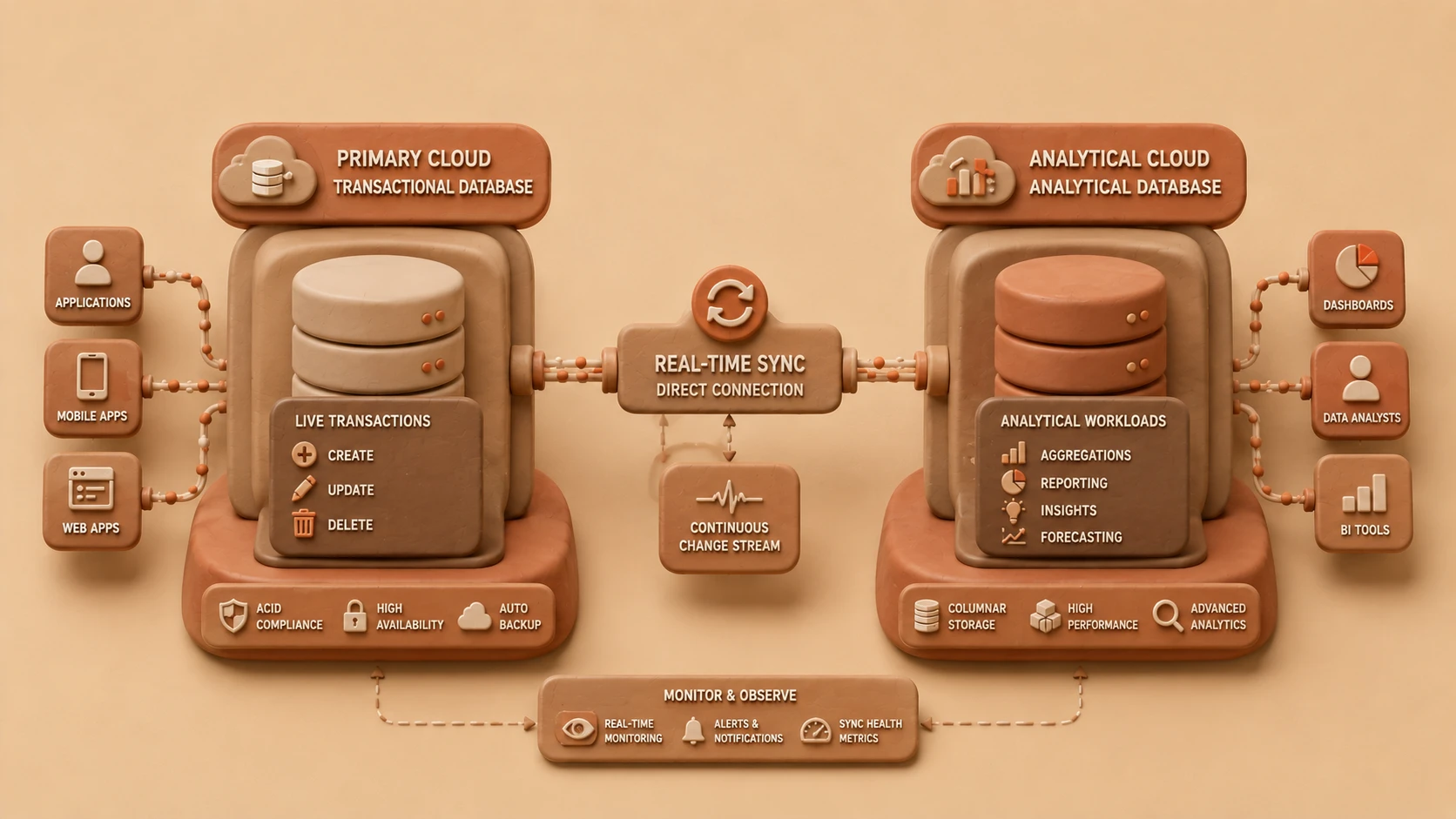
System architecture diagram and conceptual workflow layout for Data Fabric 2.0.
Inspired by Domain-Driven Design and Data Mesh principles, Data Fabric encourages each business domain to own and manage its own data products.
Examples include:
- ◆Customer Domain
- ◆Finance Domain
- ◆Sales Domain
- ◆HR Domain
- ◆Inventory Domain
- ◆Manufacturing Domain
- ◆Logistics Domain
- ◆Marketing Domain
Each domain is responsible for the quality, documentation, governance, and lifecycle of its data products while exposing standardized interfaces for enterprise consumption.
---
Real-Time Insights Through Event Streaming
Traditional batch processing delays business decisions.
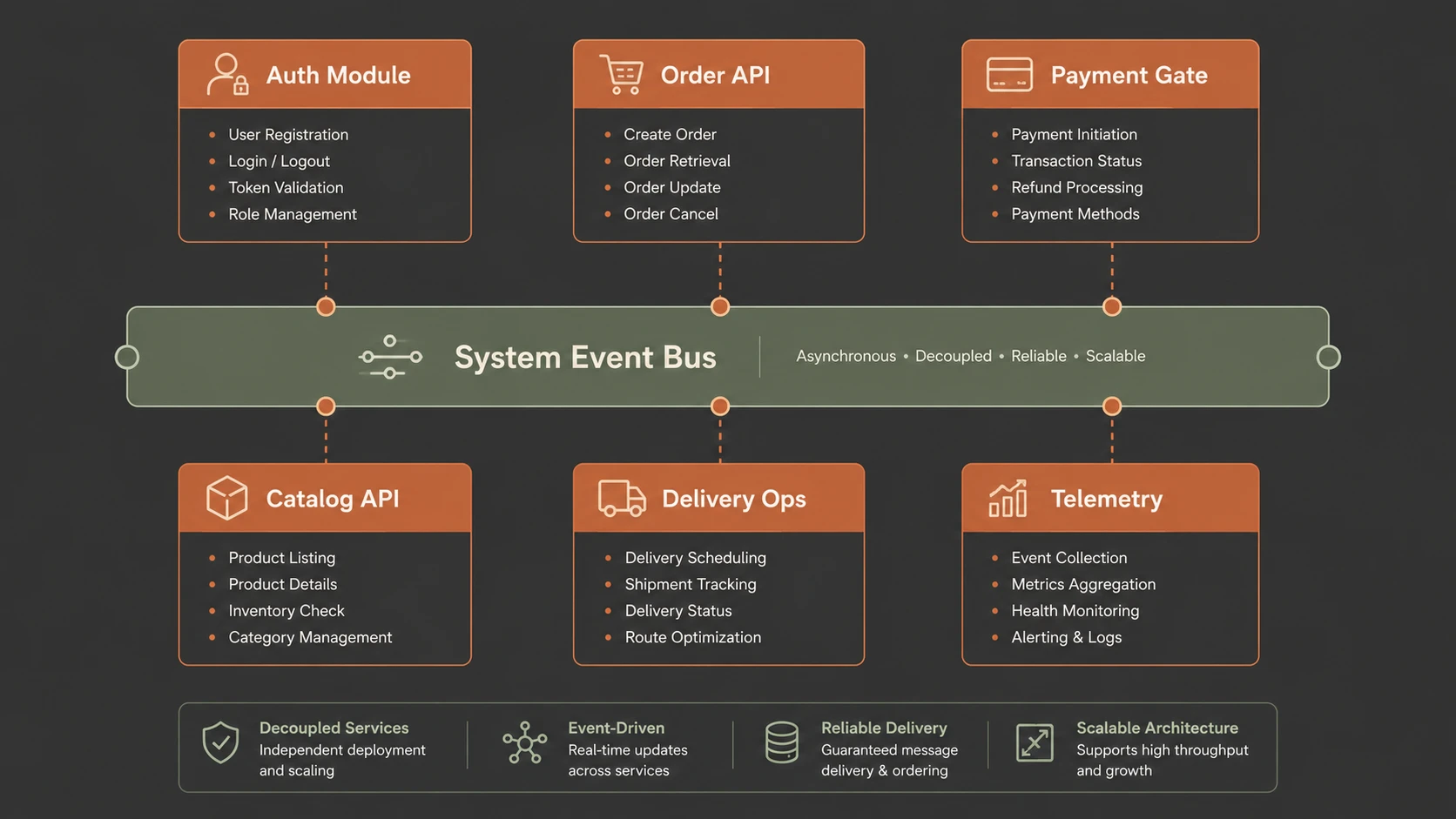
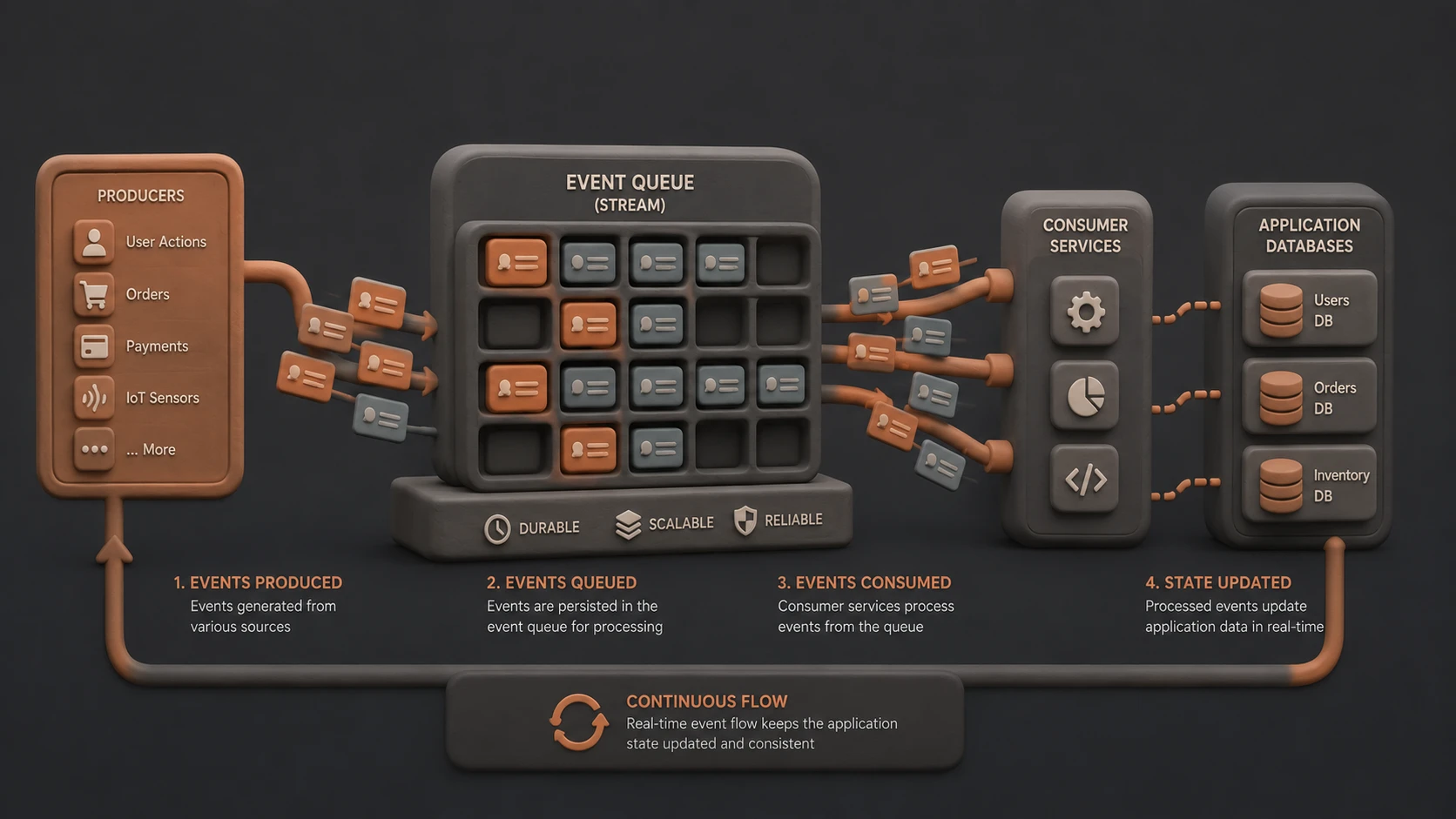
Data Fabric 2.0 embraces event-driven architecture using technologies such as:
- ◆Apache Kafka
- ◆Event Hubs
- ◆Pulsar
- ◆Streaming ETL
- ◆CDC Pipelines
- ◆Real-Time Analytics
Instead of waiting for nightly data loads, business events become immediately available for dashboards, AI agents, recommendation engines, and operational systems.
---
Governance and Metadata Intelligence
Modern data governance goes far beyond access control.
A mature Data Fabric platform continuously manages:
- ◆Metadata discovery
- ◆Data lineage
- ◆Schema evolution
- ◆Data quality
- ◆Access policies
- ◆Compliance rules
- ◆Business glossary
- ◆Data ownership
Metadata becomes the intelligence layer that connects technical assets with business meaning.
---
AI-Ready Enterprise Data
Generative AI and intelligent agents require trusted, contextual, and well-governed information.
Data Fabric provides the foundation for:
- ◆Retrieval-Augmented Generation (RAG)
- ◆Enterprise Knowledge Graphs
- ◆AI Search
- ◆Recommendation Engines
- ◆Predictive Analytics
- ◆Digital Twins
- ◆Autonomous Agents
- ◆Business Intelligence
By exposing consistent semantic data, organizations improve both AI accuracy and business decision quality.
---
Best Practices
| Area | Best Practice |
|---|---|
| Data Ownership | Domain Data Products |
| Integration | Event Streaming |
| Business Context | Semantic Layer |
| Discovery | Enterprise Data Catalog |
| Governance | Metadata-Driven Policies |
| Architecture | Data Fabric + Data Mesh |
| Analytics | Real-Time Processing |
| AI | Unified Semantic Data Platform |
---
The Future of Enterprise Data Platforms
Enterprise data architecture is shifting from centralized repositories toward intelligent, distributed ecosystems where data products remain owned by business domains but are connected through semantic understanding, metadata intelligence, and real-time event processing.
Organizations adopting Data Fabric 2.0 will gain faster insights, stronger governance, AI-ready data foundations, and the flexibility to scale analytics across increasingly complex digital enterprises without sacrificing consistency or business trust.