Enterprise data growth has accelerated dramatically over the past decade. Organizations are collecting information from transactional systems, web applications, server logs, sensors, customer interactions, financial records, and increasingly complex business processes. Traditional relational database systems continue to serve critical business workloads, but many organizations are beginning to encounter situations where scaling storage and large-scale batch processing become increasingly expensive and technically challenging.
At the same time, companies such as Yahoo! and Facebook have demonstrated that distributing computation across clusters of commodity hardware can process enormous datasets efficiently. One of the most prominent technologies emerging from this movement is Apache Hadoop, an open-source framework inspired by Google's published research on distributed computing.
Although Hadoop remains relatively new in many enterprise environments, interest continues to grow as organizations seek cost-effective ways to store, process, and analyze large volumes of structured and unstructured data.
This article explores Hadoop, MapReduce, and their potential role within enterprise IT architectures as of mid-2010.
Why Traditional Data Processing Is Becoming Challenging
For many years, enterprise applications relied primarily on relational databases running on increasingly powerful servers. This model has served organizations well for transaction processing, reporting, and business intelligence.
However, several trends are placing new demands on enterprise infrastructure:
- ◆Rapid growth of web application data
- ◆Increasing server log generation
- ◆Digital document repositories
- ◆Customer behavior analytics
- ◆Scientific and research datasets
- ◆Financial market data
- ◆Sensor-generated information
- ◆Email archives
Scaling vertically by purchasing larger servers can become increasingly expensive. Organizations are therefore evaluating distributed computing approaches that scale horizontally by adding additional machines.
What Is Hadoop?
Apache Hadoop is an open-source framework designed to store and process large datasets across clusters of commodity hardware.
Rather than depending on a single high-performance server, Hadoop distributes both storage and computation across multiple machines.
Its design emphasizes:
- ◆Scalability
- ◆Fault tolerance
- ◆Distributed storage
- ◆Parallel processing
- ◆Cost-effective hardware utilization
This approach enables organizations to process datasets that would otherwise be impractical using traditional single-server architectures.
The Core Components of Hadoop
The Hadoop ecosystem currently revolves around two primary technologies.
| Component | Purpose |
|---|---|
| Hadoop Distributed File System (HDFS) | Distributed storage across multiple machines |
| MapReduce | Distributed processing framework |
Together, these components provide both data storage and computational capabilities.
Understanding HDFS
The Hadoop Distributed File System stores files across multiple servers instead of placing them on a single storage device.
Large files are divided into blocks.
These blocks are distributed throughout the cluster while maintaining redundant copies to improve reliability.
Simplified architecture:
               NameNode
                  |
--------------------------------------
|        |         |         |        |
DataNode DataNode DataNode DataNode DataNode
The NameNode manages metadata describing where file blocks reside.
The DataNodes store the actual data blocks.
This architecture enables storage capacity to grow by simply adding additional nodes to the cluster.
Why Data Replication Matters
Hardware failures are inevitable in large clusters.
Instead of assuming every server will remain available, Hadoop assumes failures will occur and compensates by replicating data across multiple machines.
Benefits include:
- ◆Improved availability
- ◆Automatic recovery from hardware failures
- ◆Reduced risk of data loss
- ◆Continued processing despite individual node failures
This philosophy differs from traditional enterprise systems that often rely primarily on expensive fault-tolerant hardware.
What Is MapReduce?
MapReduce is Hadoop's distributed programming model for processing large datasets.
Rather than processing an entire dataset on one machine, MapReduce divides work into smaller tasks executed across multiple nodes.
The processing model consists of two primary phases:
Map Phase
Input data is divided into independent pieces.
Each mapper processes its assigned data and produces intermediate key-value pairs.
Reduce Phase
The framework groups intermediate results by key.
Reducers aggregate, summarize, or combine these results into the final output.
This parallel processing model enables significantly larger datasets to be processed efficiently.
Simplified MapReduce Workflow
Input Data
     |
Split Into Blocks
     |
Map Tasks
     |
Shuffle and Sort
     |
Reduce Tasks
     |
Final Output
Developers focus on implementing Map and Reduce functions while Hadoop manages task scheduling, fault recovery, and data movement.
A Simple Example
Consider counting the frequency of words across thousands of text documents.
The Map function emits:
Customer -> 1
Order -> 1
Customer -> 1
The framework groups identical keys.
The Reduce function produces:
Customer -> 25034
Order -> 18451
Invoice -> 9730
Although simple, this example illustrates how computation can be distributed across many machines.
Enterprise Applications of Hadoop
While Hadoop is not intended to replace transactional databases, it is well suited for large-scale analytical workloads.
Common enterprise scenarios include:
- ◆Log analysis
- ◆Search indexing
- ◆Customer behavior analysis
- ◆Clickstream processing
- ◆Data warehousing support
- ◆Scientific research
- ◆Batch reporting
- ◆Large-scale document analysis
Organizations should evaluate workloads carefully to determine where Hadoop provides the greatest value.
Hadoop Versus Traditional Databases
| Traditional RDBMS | Hadoop |
|---|---|
| Optimized for transactions | Optimized for batch processing |
| Structured data | Structured and unstructured data |
| Vertical scaling | Horizontal scaling |
| Strong transactional support | Large-scale distributed computation |
| SQL queries | MapReduce jobs |
Both technologies address different categories of business problems and may complement one another within enterprise architectures.
Commodity Hardware Advantage
One of Hadoop's most attractive characteristics is its ability to run on clusters of relatively inexpensive servers.
Rather than purchasing increasingly larger enterprise systems, organizations can expand storage and processing capacity incrementally.
Potential benefits include:
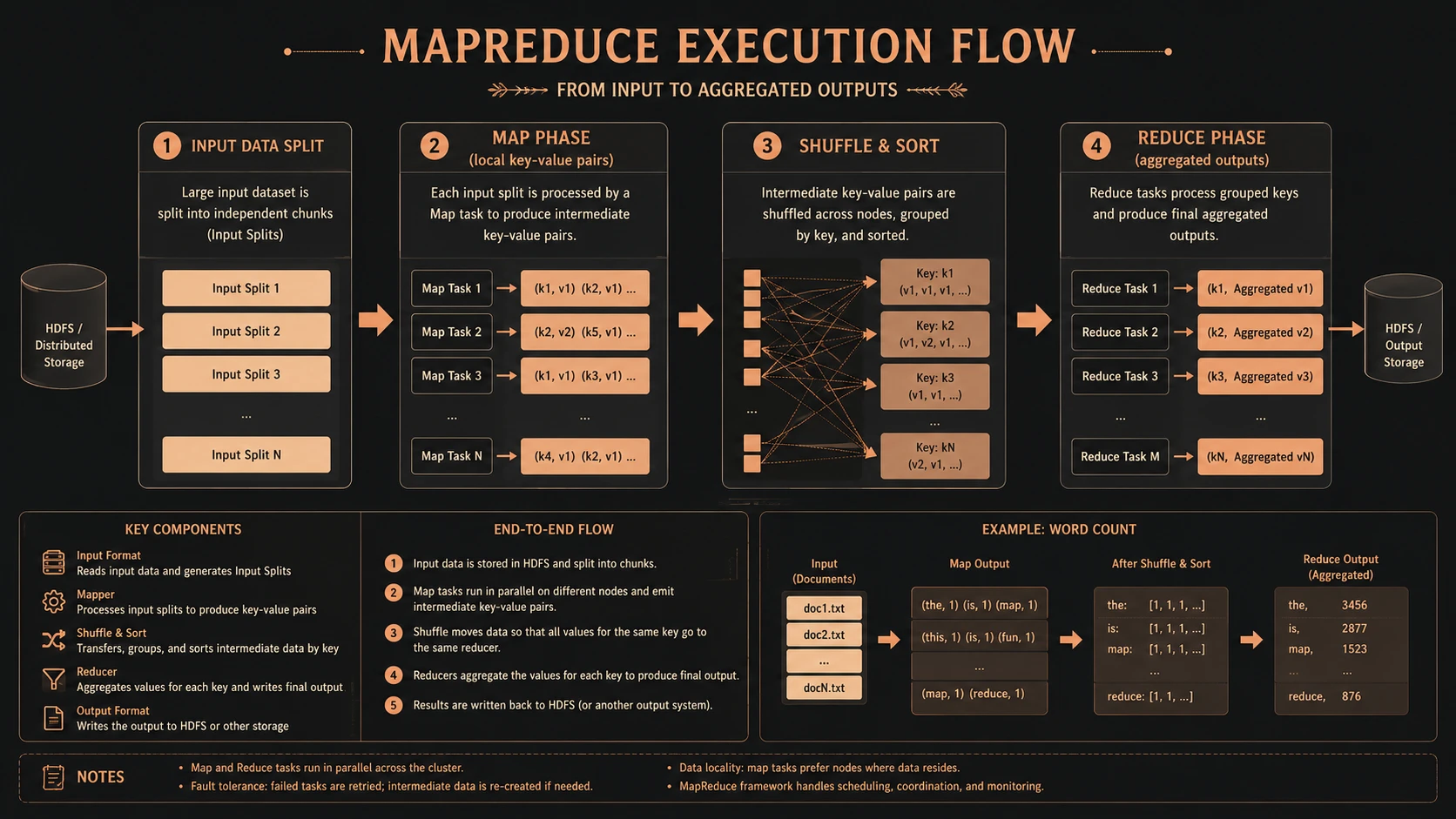
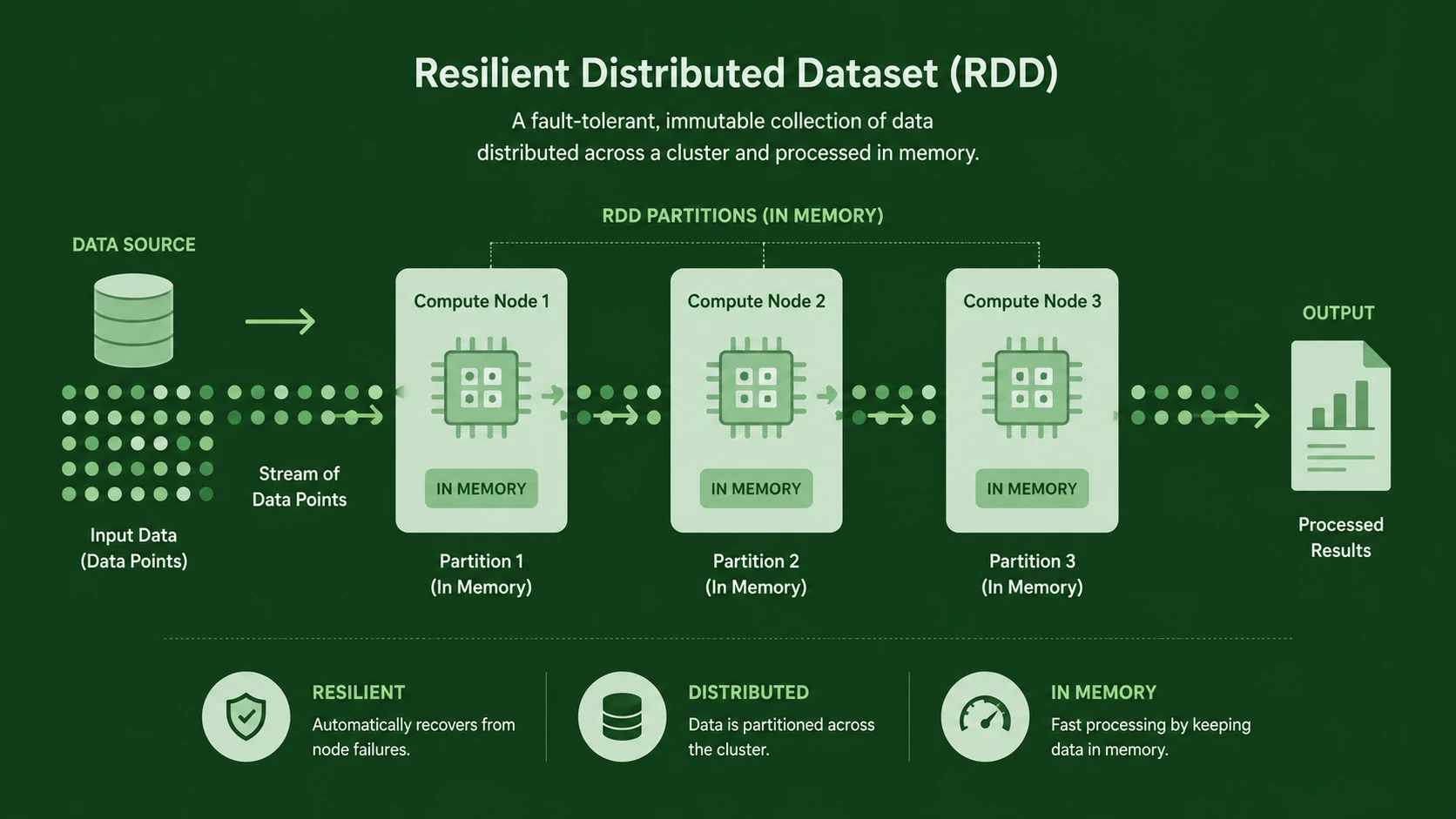
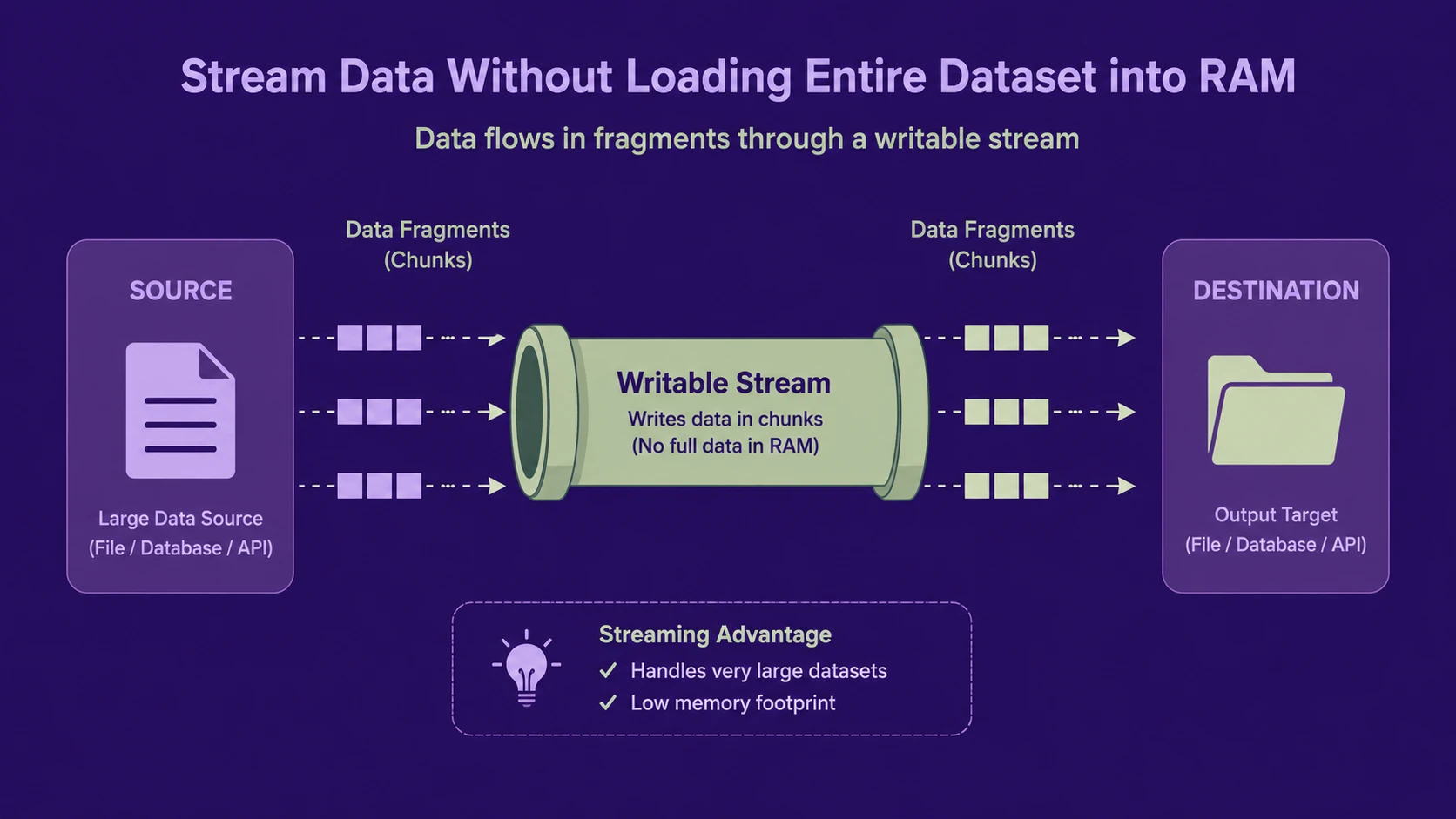
Distributed processing lifecycle dividing big data chunks into parallel mapper nodes.
- ◆Lower infrastructure costs
- ◆Incremental scalability
- ◆Flexible cluster expansion
- ◆Better resource utilization
Hardware planning should nevertheless consider networking, storage throughput, redundancy, and operational management.
Hadoop in the Enterprise Architecture
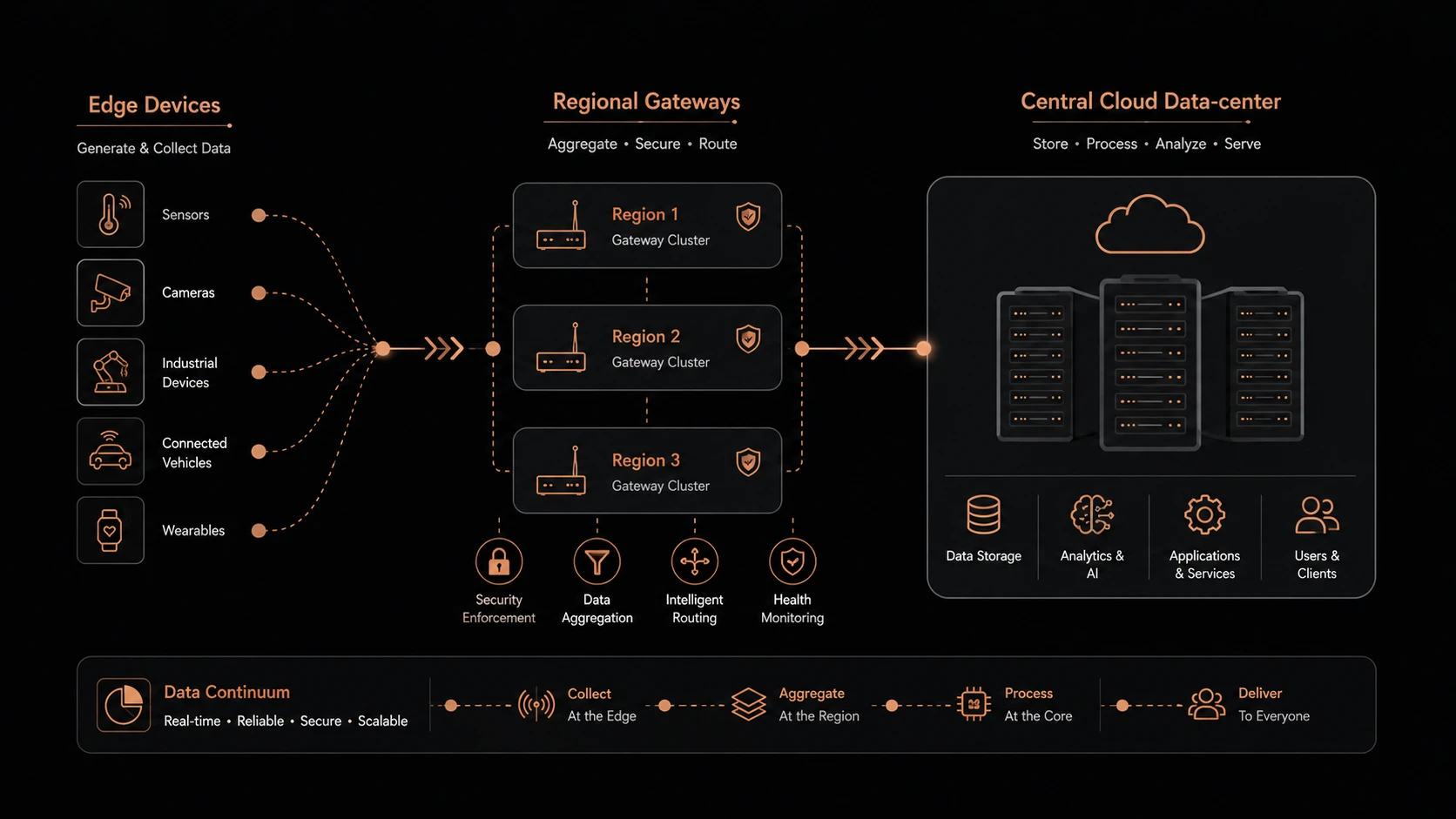
Many organizations are beginning to evaluate Hadoop as part of a broader data architecture rather than a replacement for existing systems.
Typical architecture:
Operational Systems
        |
Extract and Load
        |
      Hadoop Cluster
        |
MapReduce Processing
        |
Business Intelligence
Reporting Systems
Analytics
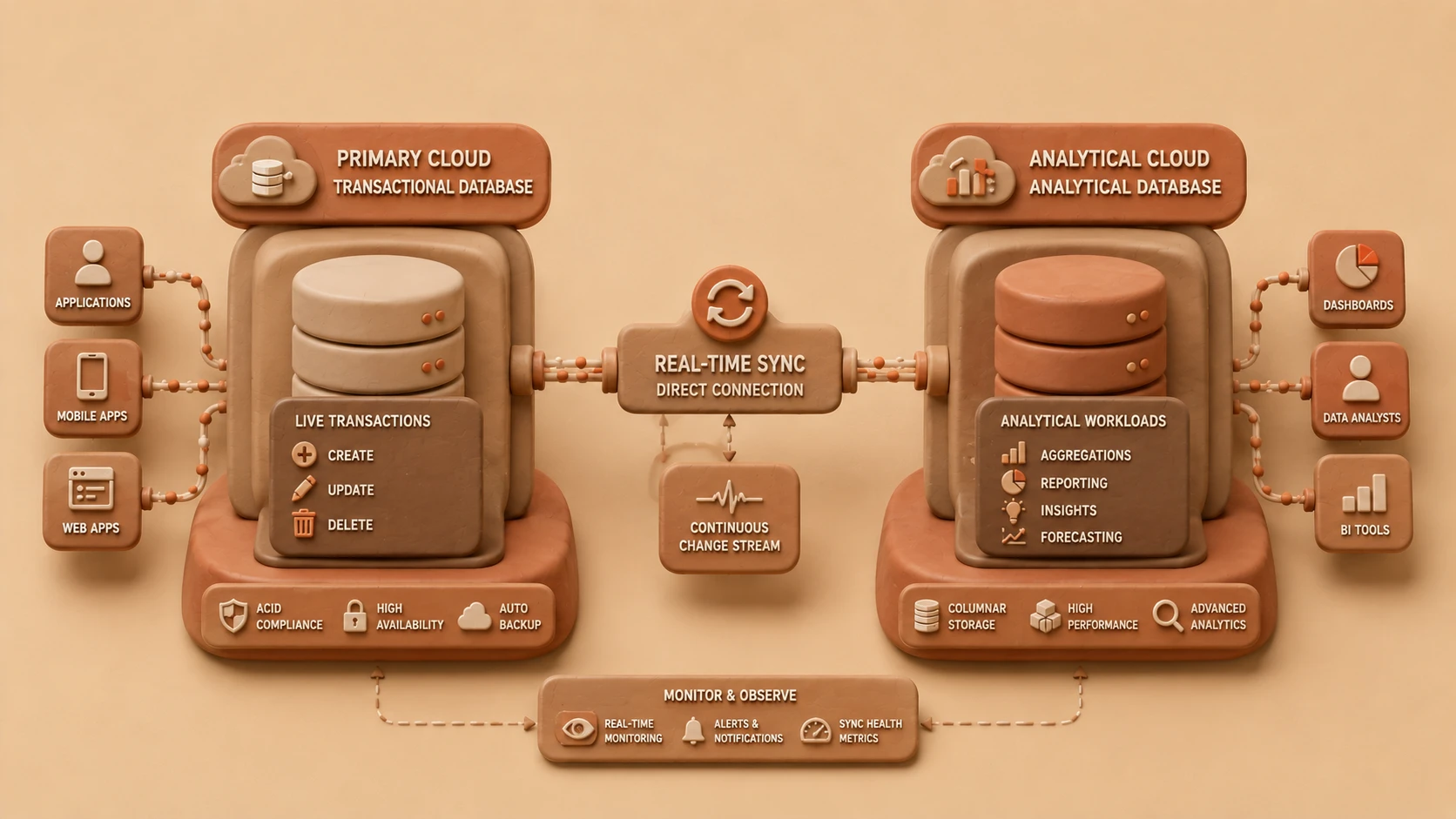
Operational databases continue serving transactional workloads while Hadoop performs large-scale analytical processing.
Development Model
Developers typically write MapReduce applications in Java.
The Hadoop framework manages:
- ◆Job scheduling
- ◆Task distribution
- ◆Failure recovery
- ◆Data locality
- ◆Resource allocation
This allows development teams to concentrate primarily on business logic.
Although Java remains the primary language, the Hadoop ecosystem continues to evolve and additional programming options are receiving attention from the community.
Performance Considerations
Distributed processing introduces unique architectural considerations.
Successful Hadoop deployments emphasize:
- ◆Processing data close to storage
- ◆Minimizing network transfers
- ◆Efficient partitioning
- ◆Balanced workloads
- ◆Appropriate cluster sizing
Large jobs often benefit from parallel execution across numerous nodes.
However, small datasets may not justify the overhead of distributed processing.
Security Considerations
Enterprise adoption requires attention to operational security.
Organizations should evaluate:
- ◆Physical server security
- ◆Network segmentation
- ◆User authentication
- ◆Access permissions
- ◆Data backup strategies
- ◆Monitoring and auditing
Security practices continue to mature as Hadoop adoption expands into enterprise environments.
Best Practices for Enterprise Adoption
Organizations considering Hadoop should begin with clearly defined business objectives.
Recommended practices include:
- ◆Start with a pilot project.
- ◆Identify data-intensive workloads.
- ◆Build a small development cluster.
- ◆Train development and operations teams.
- ◆Establish monitoring procedures.
- ◆Evaluate storage growth carefully.
- ◆Integrate with existing enterprise systems where appropriate.
Incremental adoption allows organizations to gain operational experience before expanding deployments.
Common Mistakes
Early Hadoop initiatives often encounter several challenges.
Assuming Hadoop Replaces Every Database
Hadoop is designed for distributed batch processing rather than high-volume online transaction processing.
Choosing Hadoop Without a Clear Business Need
Technology should solve identifiable business problems rather than being adopted solely because it is gaining industry attention.
Ignoring Cluster Operations
Managing dozens or hundreds of servers requires new operational skills, monitoring processes, and maintenance procedures.
Underestimating Data Preparation
Successful analytics depend on data quality.
Poorly organized or inconsistent data can reduce the value of distributed processing.
Expecting Immediate Performance Improvements
Distributed systems introduce overhead. Benefits become more apparent as data volumes increase and workloads can be effectively parallelized.
Enterprise Use Cases
Financial Services
Banks can analyze:
- ◆Transaction histories
- ◆Risk models
- ◆Fraud indicators
- ◆Historical market information
using large-scale batch processing.
Telecommunications
Telecommunications providers generate enormous quantities of network logs suitable for distributed analysis.
Internet Companies
Web businesses increasingly analyze:
- ◆Search activity
- ◆Clickstream data
- ◆User behavior
- ◆Advertising performance
across billions of records.
Manufacturing
Manufacturers can process production logs, equipment metrics, and quality assurance information gathered from multiple facilities.
When Hadoop May Not Be the Right Choice
Despite its advantages, Hadoop is not appropriate for every workload.
Organizations should carefully evaluate whether applications require:
- ◆Real-time transactions
- ◆Low-latency database queries
- ◆Frequent record updates
- ◆Complex relational constraints
Traditional relational databases often remain the preferred solution for these requirements.
Hadoop is most compelling when processing very large datasets through batch-oriented distributed computation.
Adoption Recommendations
Organizations exploring Hadoop should focus on business value rather than technology alone.
Suggested roadmap:
- 1.Assess current data growth trends.
- 2.Identify large-scale analytical workloads.
- 3.Build a proof-of-concept cluster.
- 4.Develop operational expertise.
- 5.Integrate Hadoop alongside existing enterprise systems.
- 6.Expand incrementally as business needs grow.
- 7.Continuously evaluate performance, storage utilization, and operational costs.
A measured approach reduces implementation risk while allowing organizations to develop practical experience with distributed computing.
Looking Ahead
The rapid increase in enterprise data volumes is driving renewed interest in distributed computing platforms capable of processing information at unprecedented scale. Hadoop and MapReduce offer a promising approach by combining distributed storage with parallel computation across clusters of commodity hardware.
Although enterprise adoption remains in its early stages during 2010, organizations with significant analytical workloads should begin evaluating how distributed processing can complement existing relational databases and business intelligence platforms. Success will depend not only on technology selection but also on thoughtful architecture, operational planning, skilled development teams, and clear alignment with business objectives.