Why the Edge Cloud Continuum Matters
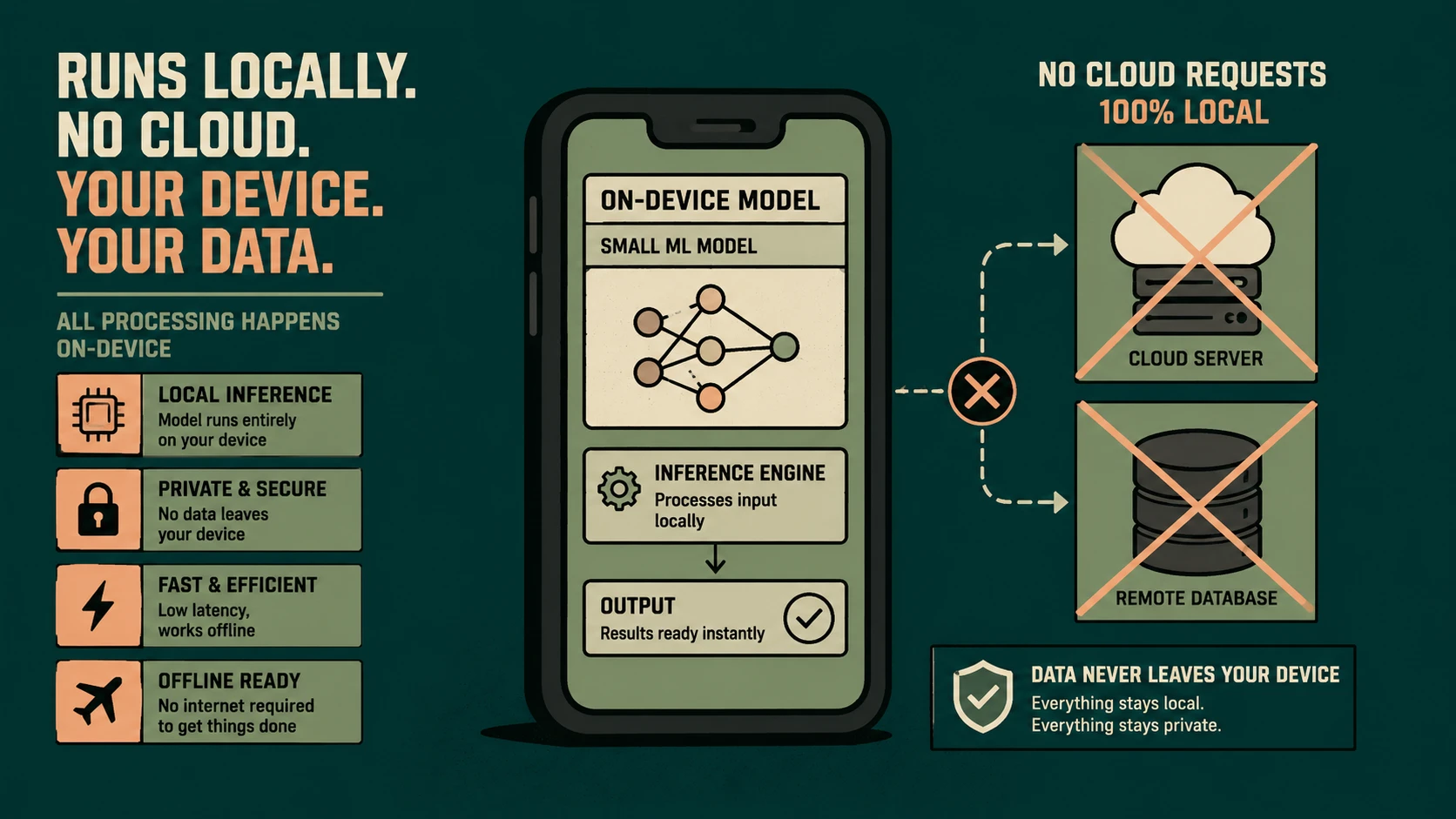
Traditional cloud computing centralized processing inside large data centres, while edge computing moved computation closer to devices to reduce latency. Modern enterprise applications, however, require both approaches simultaneously. Autonomous vehicles, smart factories, healthcare systems, industrial IoT, and AI-powered retail environments demand immediate local decision-making while still benefiting from centralized analytics, large-scale AI training, and enterprise governance.
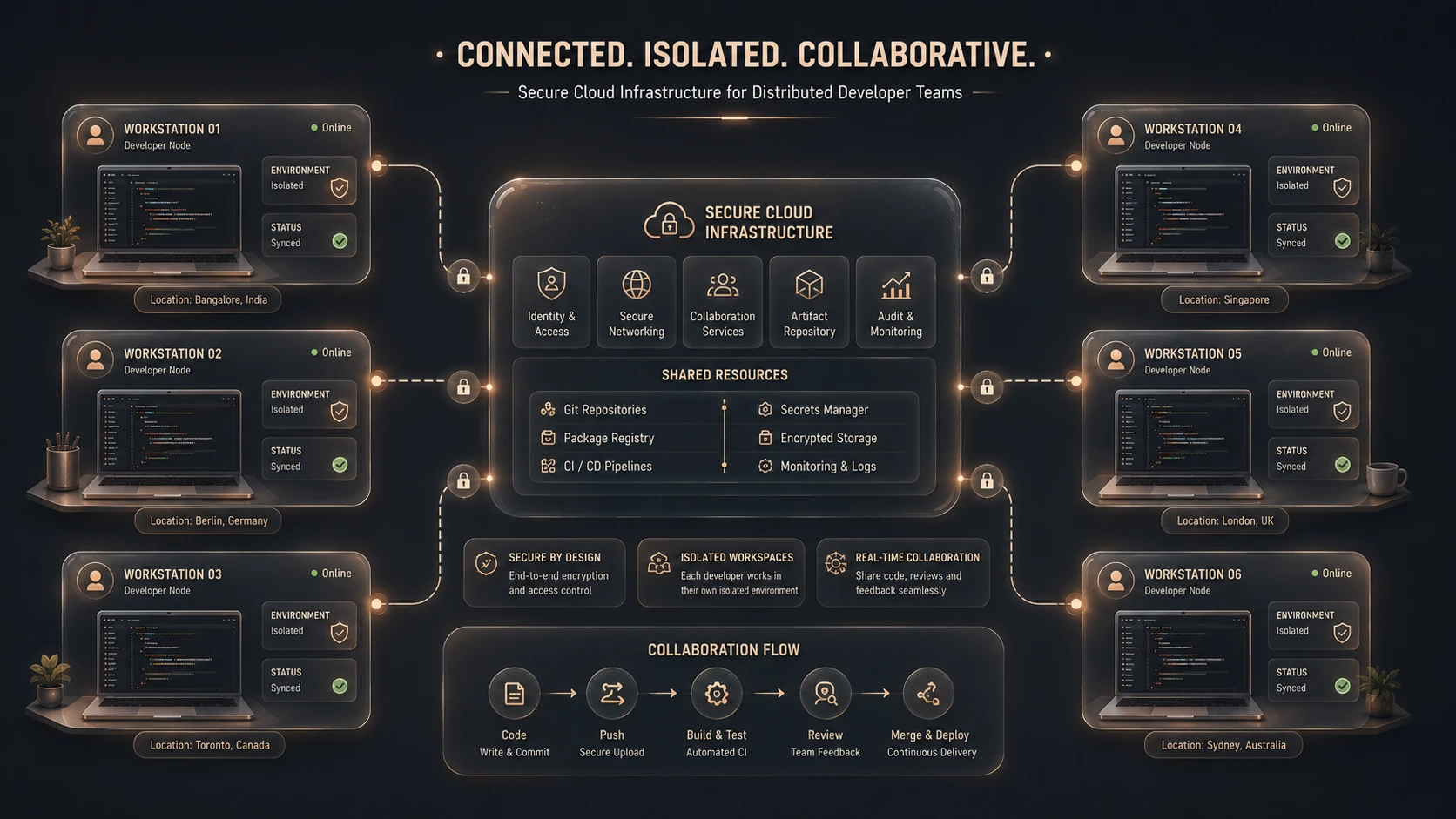
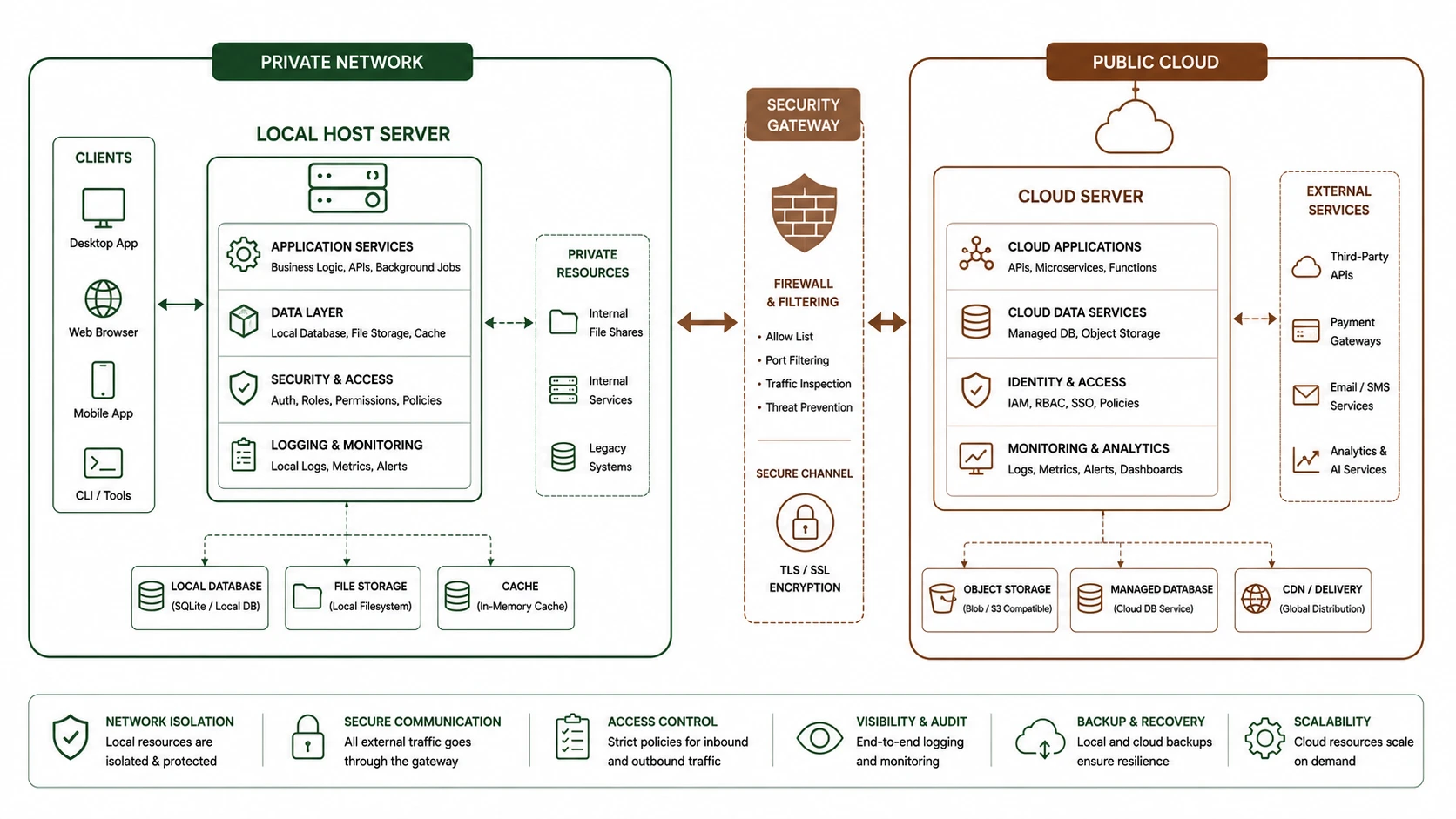
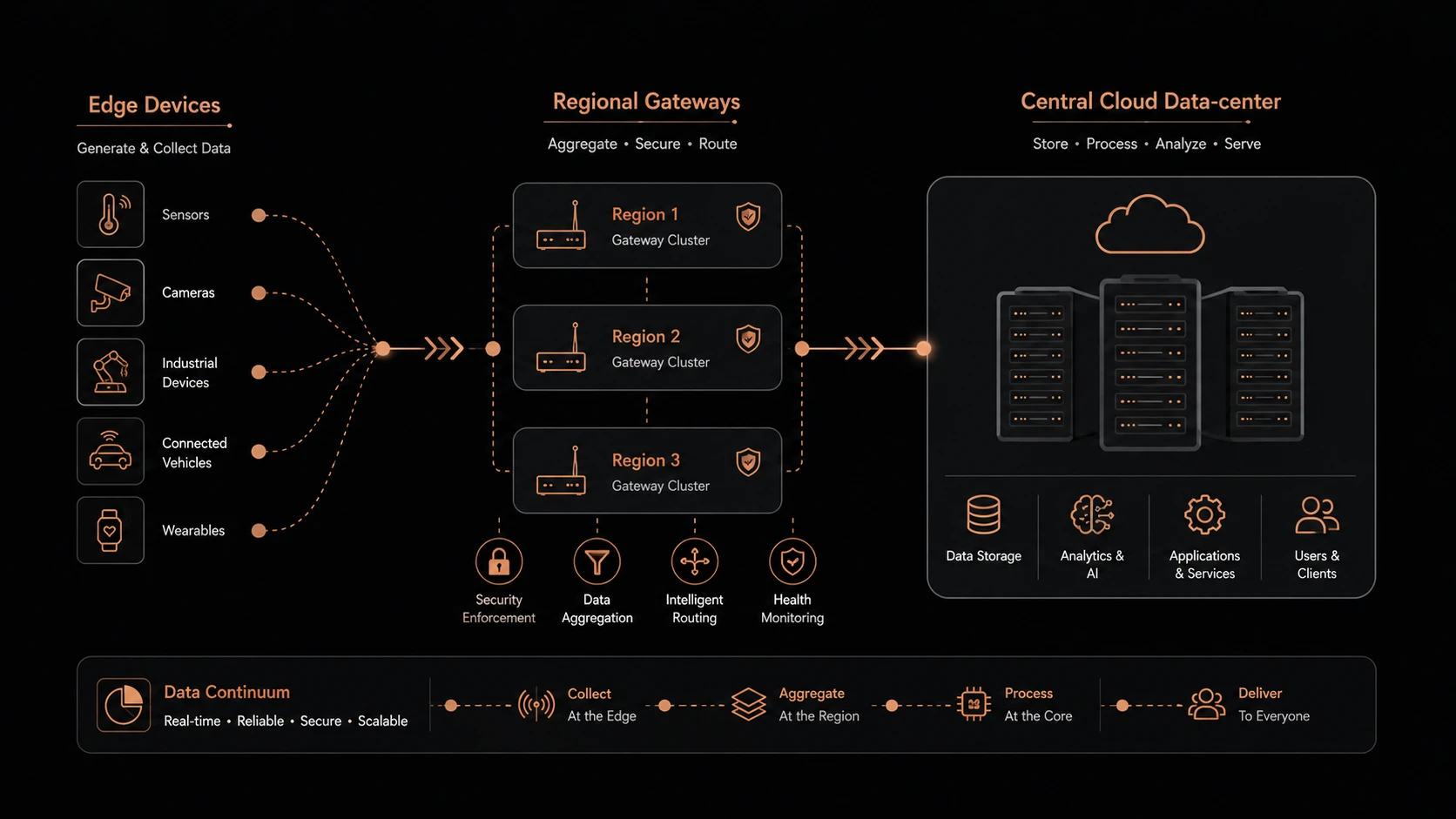
The Edge Cloud Continuum bridges this gap by treating edge devices, regional edge clusters, and cloud infrastructure as a single intelligent computing platform where workloads move dynamically according to latency, bandwidth, cost, and business requirements.
Architecture Principle: Compute should execute where it delivers the greatest business value, not where the infrastructure happens to reside.
---
What Is the Edge Cloud Continuum?
The Edge Cloud Continuum is a distributed computing architecture that seamlessly connects edge devices, intermediate edge infrastructure, and centralized cloud platforms into one coordinated execution environment.
Instead of separating edge and cloud into independent systems, applications are designed to move data, AI models, and business logic across multiple computing layers.
Core capabilities include:
- ◆Edge AI Inference
- ◆Hybrid Cloud Integration
- ◆Intelligent Workload Placement
- ◆Data Synchronization
- ◆Distributed Analytics
- ◆Event Streaming
- ◆Device Management
- ◆Centralized Governance
This architecture allows applications to respond in milliseconds at the edge while leveraging virtually unlimited cloud resources when required.
---
Evolution of Enterprise Computing
Enterprise computing has evolved through multiple architectural generations:
- 1.On-Premise Infrastructure
- 2.Virtualized Data Centres
- 3.Public Cloud Platforms
- 4.Hybrid Cloud
- 5.Edge Computing
- 6.Edge Cloud Continuum
Rather than replacing cloud infrastructure, the continuum extends enterprise intelligence to where data is generated.
---
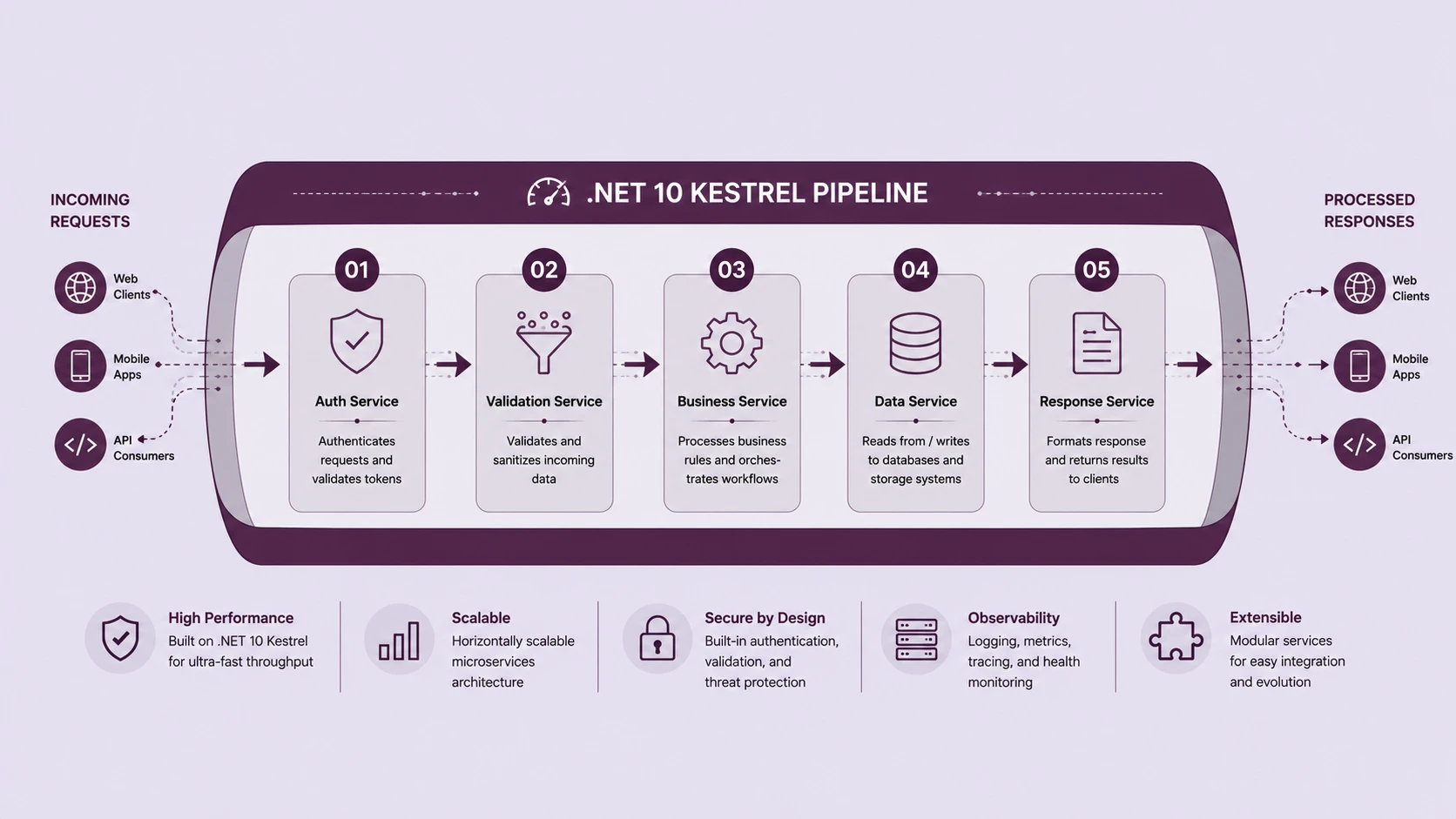
Enterprise Reference Architecture
Edge Devices
      │
Local AI Inference
      │
Edge Gateway
      │
Regional Edge Cluster
      │
Intelligent Workload Orchestrator
      │
Event Streaming Platform
      │
Hybrid Cloud Platform
      │
AI Services & Data Lake
      │
Enterprise Applications
Every workload is dynamically executed at the most appropriate layer of the continuum.
---
Intelligent Workload Placement
One of the defining characteristics of the Edge Cloud Continuum is dynamic workload orchestration.
The platform continuously evaluates:
- ◆Network latency
- ◆Device capability
- ◆GPU availability
- ◆Power consumption
- ◆Data sensitivity
- ◆Operational cost
- ◆Business priority
- ◆Connectivity quality
Based on these factors, workloads may execute locally, at a nearby edge node, or inside the cloud.
---
AI Across the Continuum
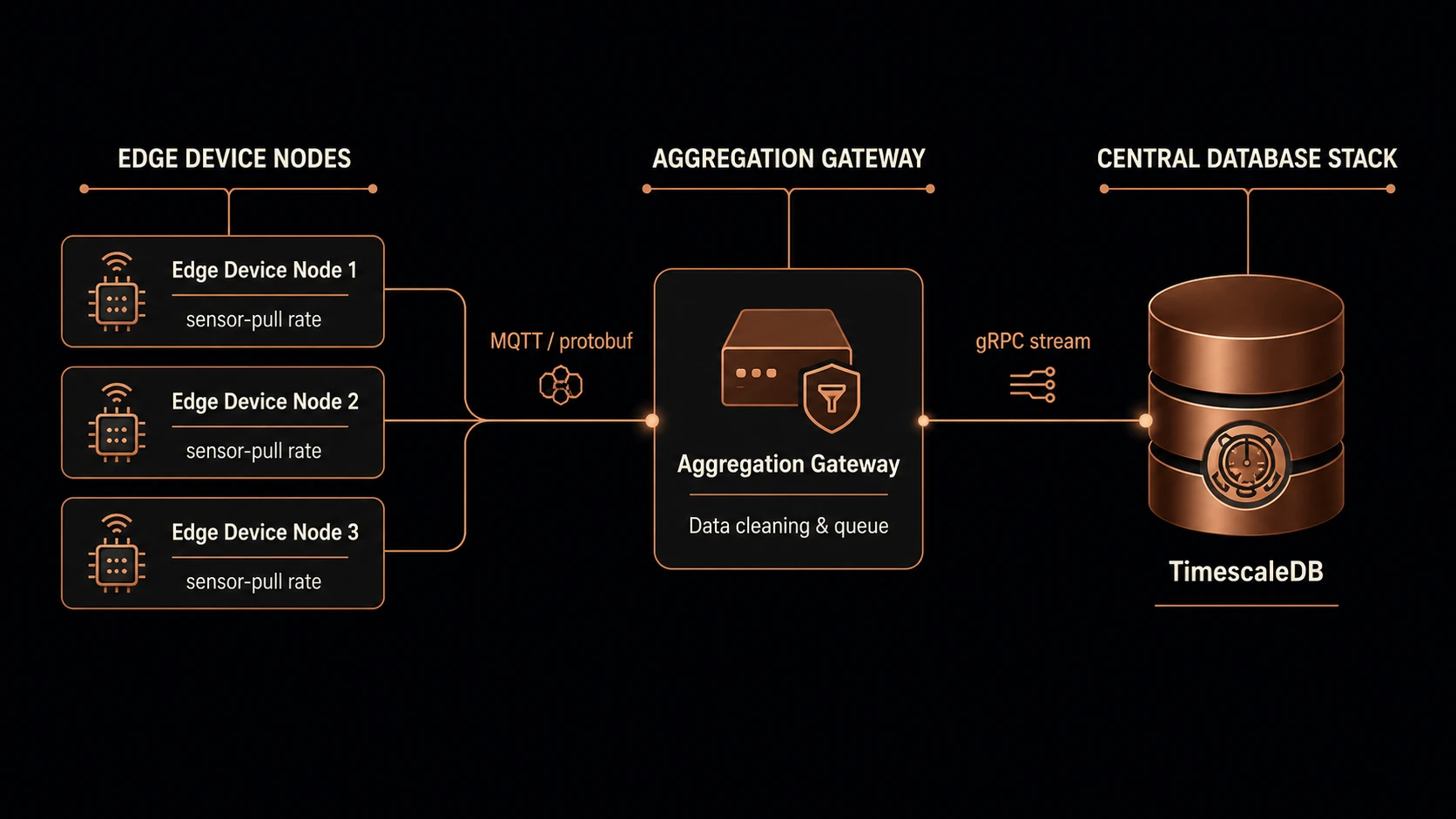
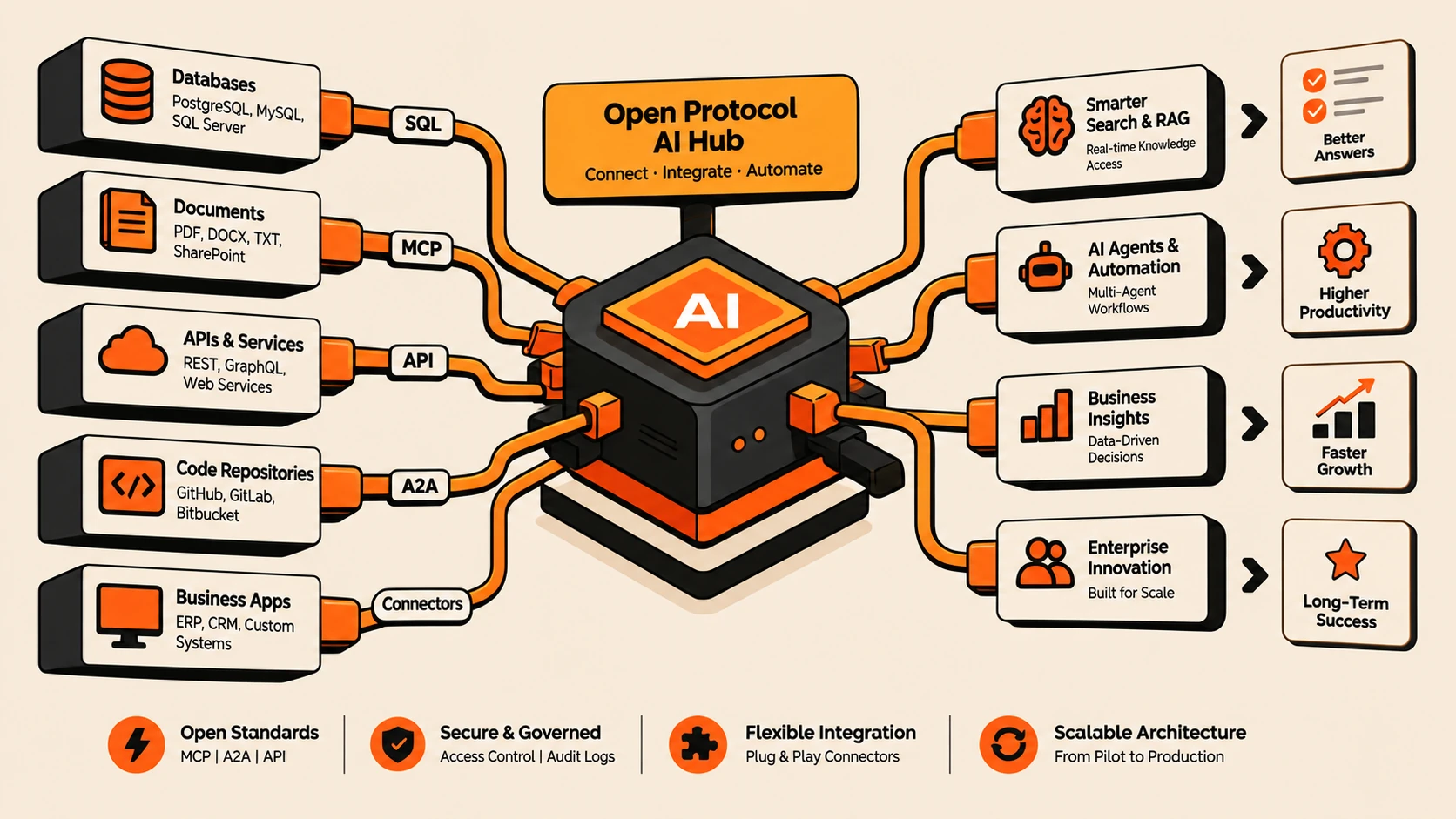
System architecture diagram and conceptual workflow layout for Edge Cloud Continuum.
AI workloads are naturally distributed.
Typical deployment patterns include:
- ◆On-device AI inference
- ◆Edge video analytics
- ◆Regional model serving
- ◆Cloud model training
- ◆Federated learning
- ◆Predictive maintenance
- ◆Real-time anomaly detection
- ◆Enterprise knowledge services
This distribution minimizes latency while maintaining centralized model governance.
---
Real-Time Synchronization
Maintaining consistency across distributed environments requires intelligent synchronization.
Modern platforms support:
- ◆Event streaming
- ◆Data replication
- ◆State synchronization
- ◆Model updates
- ◆Configuration management
- ◆Edge caching
- ◆Offline processing
- ◆Conflict resolution
Applications remain operational even when connectivity is intermittent.
---
Security and Governance
The continuum expands the attack surface, making governance essential.
Recommended controls include:
- ◆Zero Trust networking
- ◆Device identity management
- ◆Secure boot
- ◆Hardware-backed encryption
- ◆Policy-driven deployment
- ◆Remote attestation
- ◆Continuous monitoring
- ◆OTA update management
These controls ensure secure operation across thousands of distributed devices.
---
Enterprise Use Cases
The Edge Cloud Continuum powers many next-generation applications.
Examples include:
- ◆Smart manufacturing
- ◆Connected healthcare
- ◆Autonomous transportation
- ◆Retail automation
- ◆Energy grid optimization
- ◆Smart agriculture
- ◆Video intelligence
- ◆Industrial robotics
Each scenario combines low-latency edge execution with cloud-scale intelligence and analytics.
---
Best Practices
| Area | Best Practice |
|---|---|
| Compute | Dynamic Workload Placement |
| AI | Hybrid Edge + Cloud Inference |
| Communication | Event-Driven Synchronization |
| Storage | Distributed Data Management |
| Security | Zero Trust Device Identity |
| Orchestration | Policy-Based Scheduling |
| Monitoring | End-to-End Observability |
| Scalability | Cloud-Native Edge Architecture |
---
The Future of Distributed Intelligence
The future of enterprise computing is not purely cloud-based or entirely edge-native—it is a seamless continuum where intelligence moves effortlessly between devices, regional infrastructure, and hyperscale cloud platforms. As AI, IoT, 5G, and autonomous systems continue to evolve, organizations will increasingly deploy applications that adapt dynamically to changing environments and workload demands.
By adopting the Edge Cloud Continuum, enterprises can reduce latency, improve resilience, optimize infrastructure costs, and build intelligent systems capable of delivering real-time experiences while maintaining centralized governance and cloud-scale innovation.