Introduction
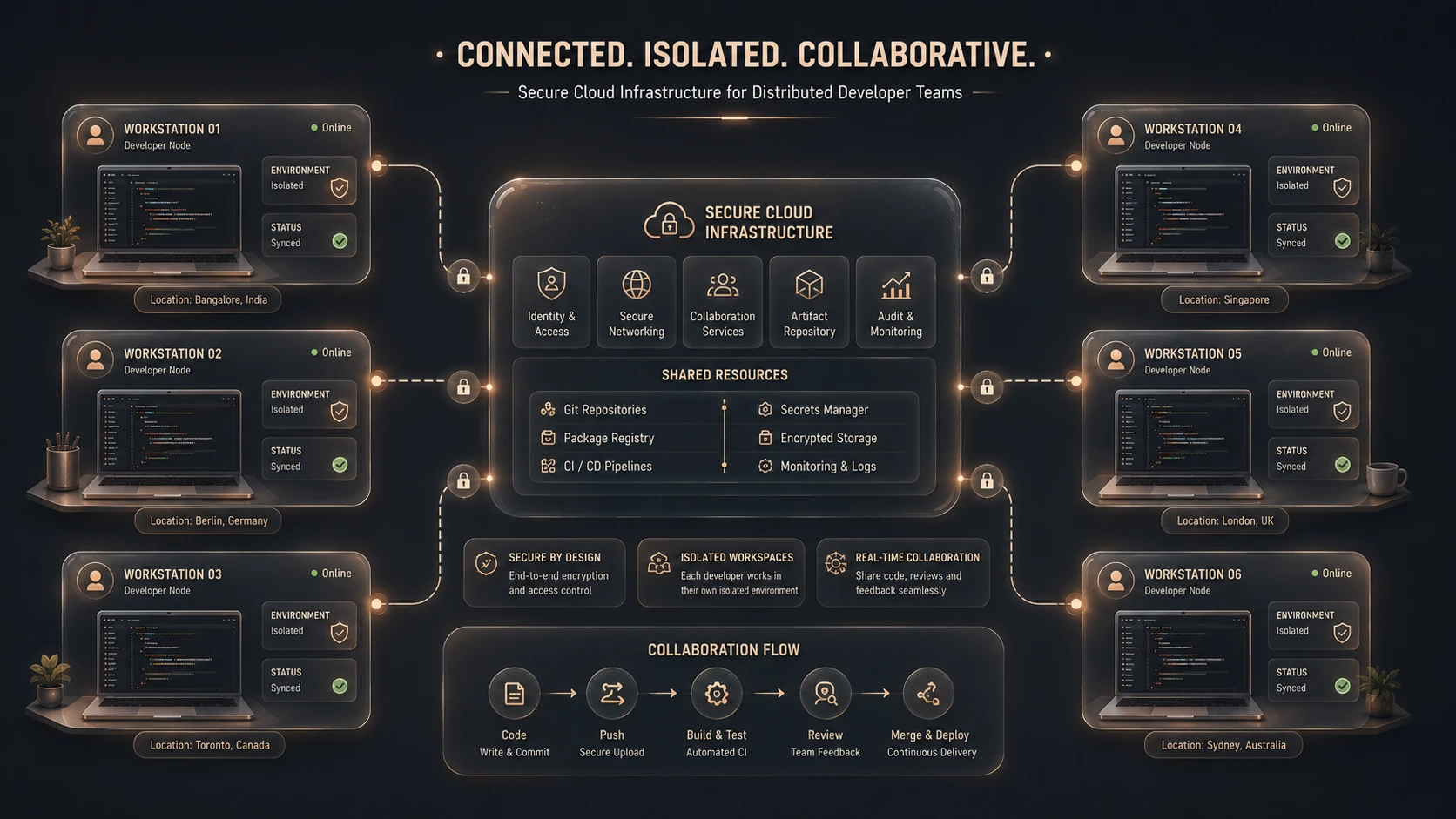
The global pandemic forced organizations to modernize digital infrastructure at an unprecedented pace. Systems originally designed for centralized offices suddenly needed to support millions of remote users, globally distributed employees, hybrid cloud deployments, and continuously available digital services.
For enterprise architects, distributed systems are no longer limited to hyperscale internet companies. Financial institutions, healthcare providers, manufacturers, retailers, educational platforms, and government organizations increasingly rely on distributed architectures to deliver resilient digital experiences.
By early 2022, distributed computing has shifted from an optimization strategy to a foundational architectural principle. Organizations are investing in cloud-native platforms, Kubernetes, service meshes, distributed databases, event-driven architectures, and Zero Trust networking to build systems capable of operating across multiple regions and cloud providers.
This article examines the architectural trends shaping distributed enterprise systems in January 2022 and explores practical considerations for organizations planning long-term modernization initiatives.
Industry Background
The pandemic accelerated adoption of:
- ◆Public cloud platforms
- ◆Hybrid cloud infrastructure
- ◆Kubernetes
- ◆Microservices
- ◆Remote collaboration platforms
- ◆API-first development
- ◆Event-driven systems
- ◆Infrastructure as Code
Organizations increasingly expect applications to remain available regardless of user location or infrastructure failures.
The Business Problem
Traditional centralized architectures commonly experience:
- ◆Regional outages
- ◆Scalability limitations
- ◆Single points of failure
- ◆Increased latency for global users
- ◆Complex disaster recovery
- ◆Limited deployment flexibility
Modern enterprises require systems capable of operating across multiple regions while maintaining performance, availability, and security.
Understanding Distributed Architectures
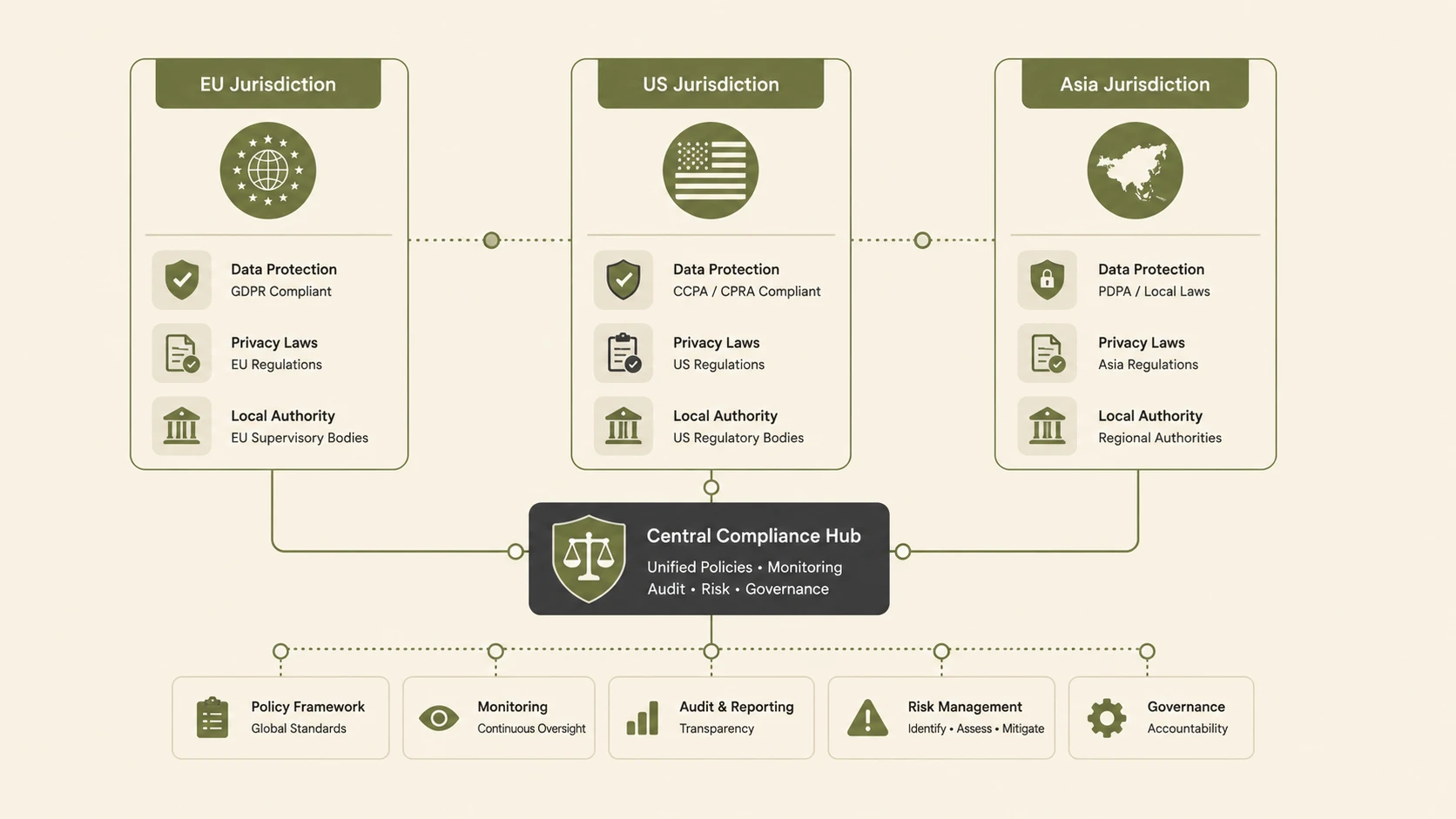
A distributed architecture consists of multiple interconnected services operating across independent computing environments while appearing as a unified application.
Core objectives include:
- ◆High availability
- ◆Horizontal scalability
- ◆Fault tolerance
- ◆Geographic distribution
- ◆Independent service deployment
- ◆Operational resilience
Rather than relying on a single server or data center, workloads are distributed across multiple infrastructure components.
Core Architecture
| Component | Responsibility |
|---|---|
| API Gateway | External traffic management |
| Kubernetes | Container orchestration |
| Microservices | Independent business capabilities |
| Service Mesh | Service communication |
| Distributed Database | Data persistence |
| Event Broker | Asynchronous messaging |
| CDN | Global content delivery |
| Identity Provider | Authentication and authorization |
Together these components create resilient enterprise platforms.
How Distributed Architectures Work
- 1.Users access applications through global endpoints.
- 2.API gateways authenticate and route requests.
- 3.Requests are distributed across Kubernetes workloads.
- 4.Microservices communicate using synchronous APIs or asynchronous messaging.
- 5.Distributed databases replicate critical data.
- 6.Observability platforms collect logs, metrics, and traces.
- 7.Automated orchestration replaces failed workloads while maintaining service availability.
This architecture minimizes downtime while supporting global scale.
Cloud-Native Foundations
Cloud-native development has become the preferred deployment model for distributed systems.
Key characteristics include:
- ◆Containers
- ◆Immutable deployments
- ◆Declarative infrastructure
- ◆Automated scaling
- ◆Self-healing workloads
- ◆Continuous delivery
These practices reduce operational complexity while improving deployment consistency.
Kubernetes as the Control Plane
Kubernetes has become the operational foundation for many distributed platforms.
Enterprise advantages include:
- ◆Automated scheduling
- ◆Rolling deployments
- ◆Service discovery
- ◆Horizontal scaling
- ◆Resource isolation
- ◆Declarative infrastructure management
Organizations increasingly standardize Kubernetes across private and public cloud environments.
Event-Driven Communication
// Node.js Kafka Producer pushing inventory events to distributed queues
const { Kafka } = require('kafkajs');

const kafka = new Kafka({ clientId: 'inv-app', brokers: ['kafka-broker-1:9092'] });
const producer = kafka.producer();

async function sendInventoryUpdate(productId, status) {
  await producer.connect();
  await producer.send({
    topic: 'inventory-events',
    messages: [
      { key: productId, value: JSON.stringify({ status, timestamp: Date.now() }) }
    ]
  });
  await producer.disconnect();
}
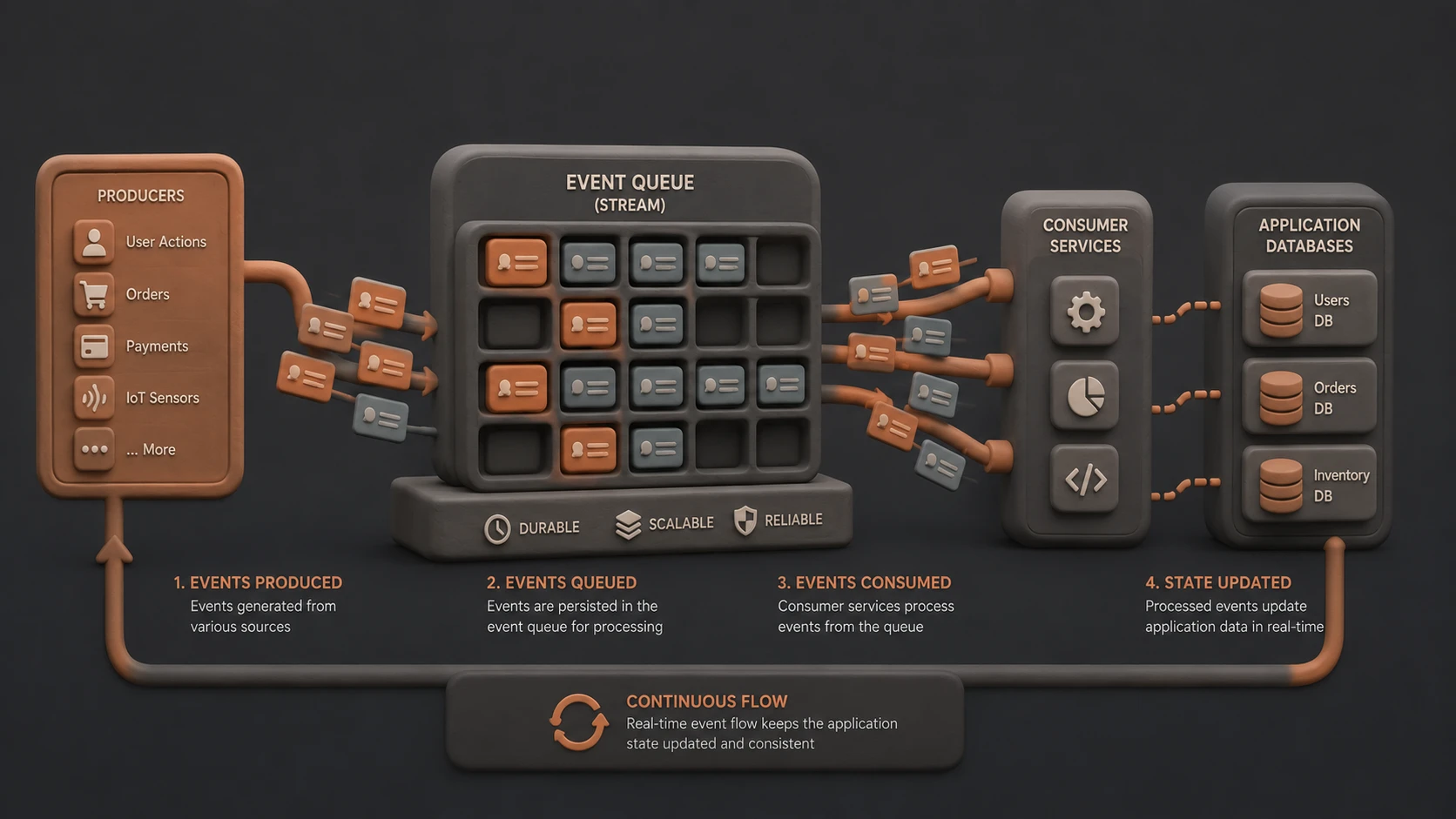
Rather than relying exclusively on synchronous REST APIs, many distributed systems increasingly adopt event-driven messaging.
Benefits include:
- ◆Loose service coupling
- ◆Improved resilience
- ◆Better scalability
- ◆Independent service evolution
- ◆Reliable asynchronous processing
Message brokers allow services to continue operating even when dependent systems experience temporary outages.
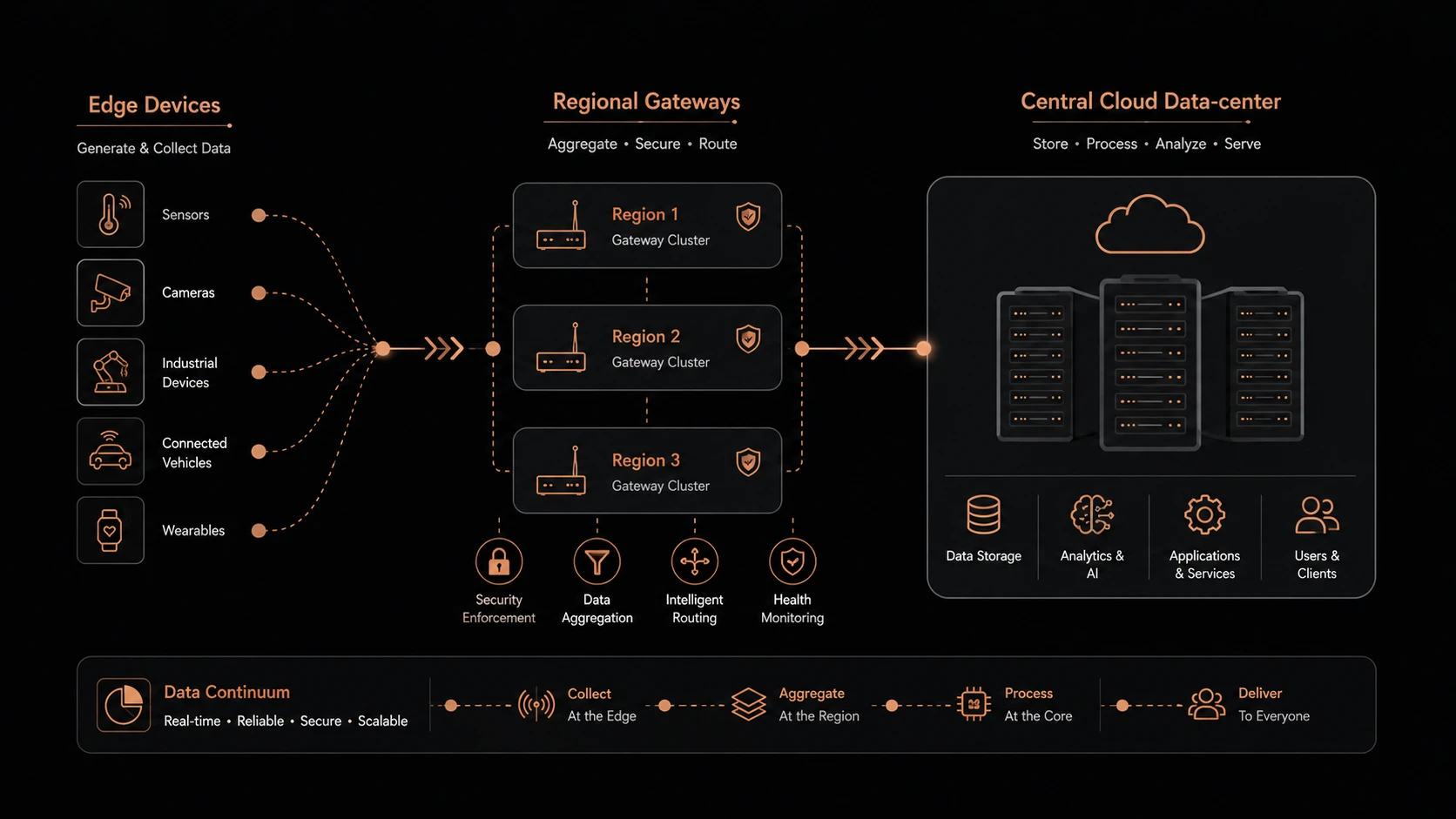
Edge Computing
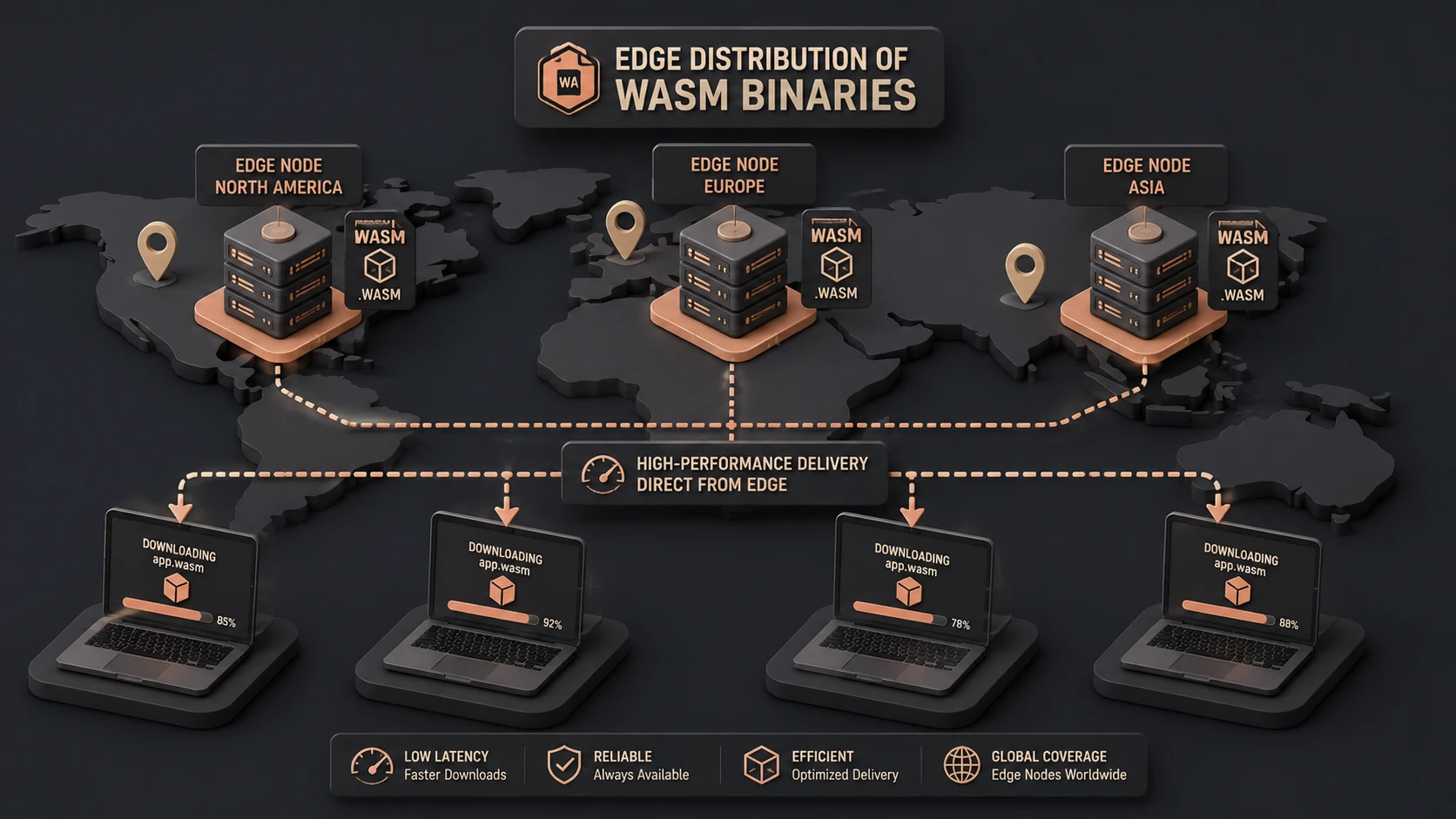
Growing numbers of applications process data closer to users through edge infrastructure.
Common scenarios include:
- ◆Content delivery
- ◆IoT platforms
- ◆Retail systems
- ◆Industrial automation
- ◆Video streaming
- ◆Gaming platforms
Reducing geographic latency improves responsiveness while lowering backbone network utilization.
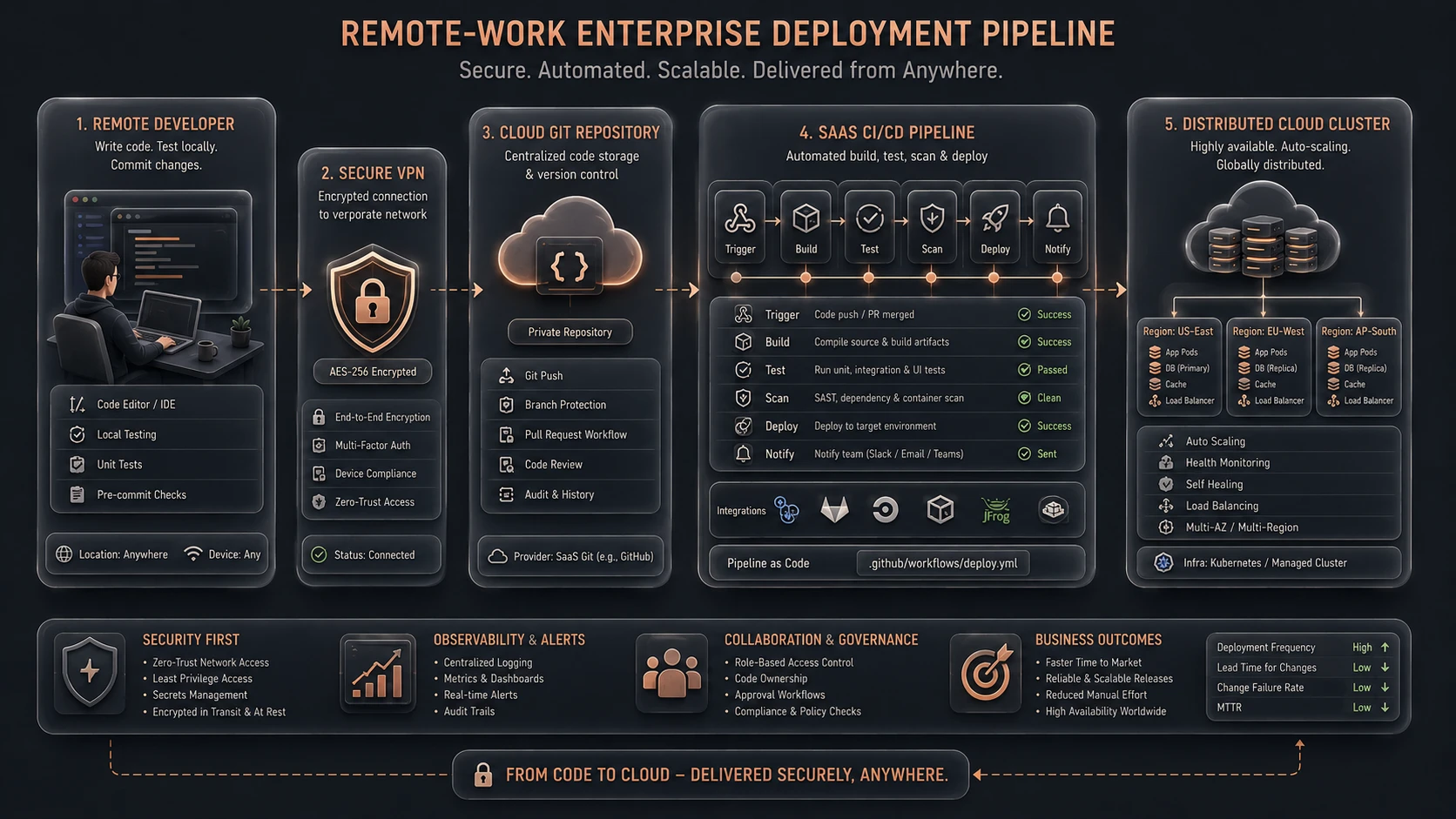
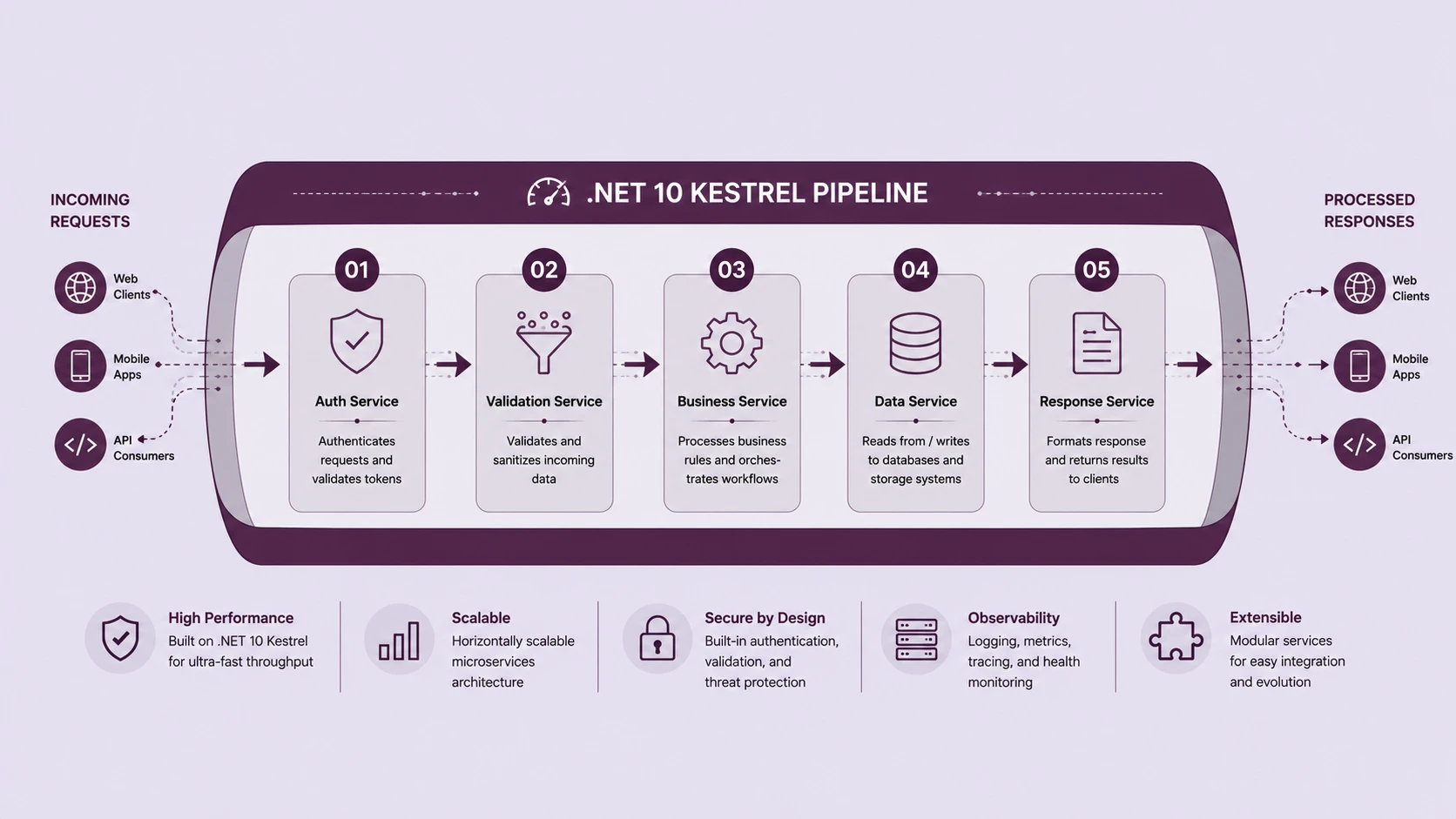
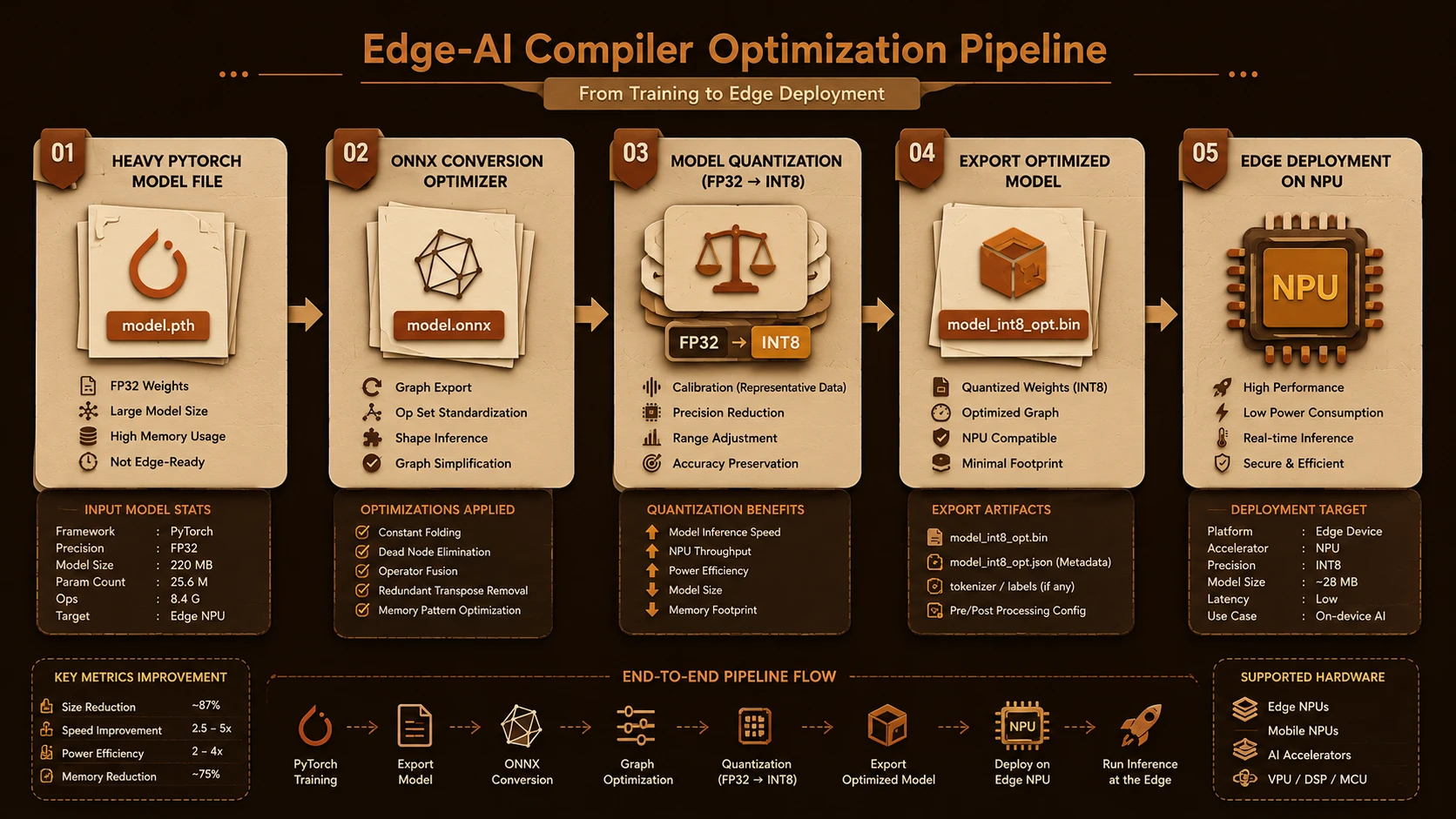
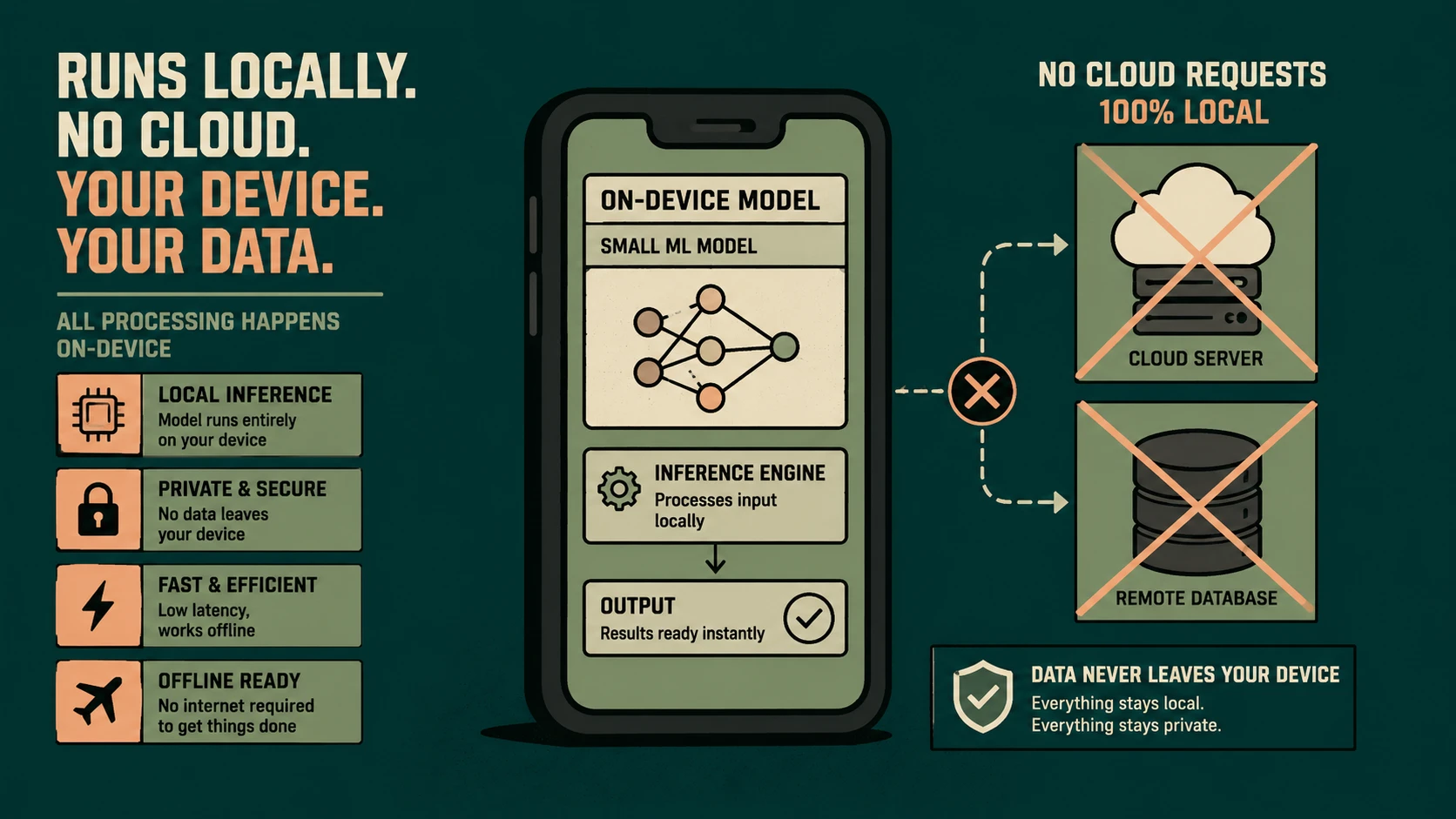
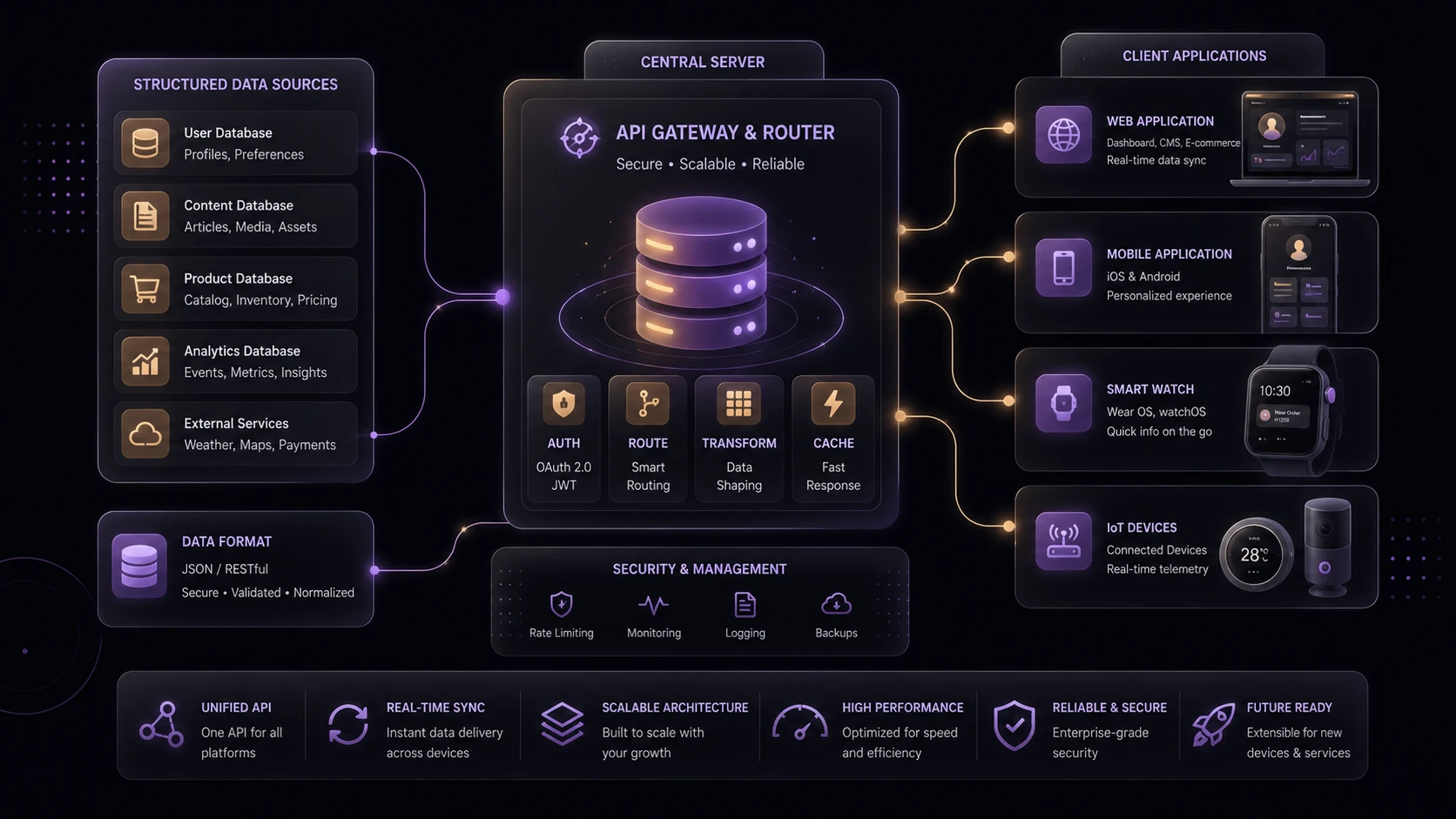
System architecture diagram and conceptual workflow layout for Distributed Architectures in the Post-Pandemic Era.
Zero Trust Security
Distributed applications require security models that assume networks are inherently untrusted.
Zero Trust principles include:
- ◆Identity verification
- ◆Least-privilege access
- ◆Continuous authentication
- ◆Encrypted service communication
- ◆Policy-driven authorization
These practices strengthen security across hybrid and multi-cloud environments.
Observability
Monitoring distributed systems requires more than infrastructure metrics.
Organizations increasingly adopt:
- ◆Centralized logging
- ◆Distributed tracing
- ◆Metrics aggregation
- ◆Service dependency mapping
- ◆Alert automation
Observability enables faster incident response while improving operational insight.
Enterprise Use Cases
Financial Services
Global transaction processing with regional redundancy.
Healthcare
Distributed patient platforms supporting geographically diverse healthcare providers.
Retail
Omnichannel commerce platforms serving customers across multiple regions.
Manufacturing
Industrial IoT platforms collecting telemetry from distributed facilities.
SaaS Providers
Multi-tenant cloud applications supporting worldwide customers.
Performance Considerations
Enterprise architects should evaluate:
- ◆Network latency
- ◆Regional failover
- ◆Database replication
- ◆Cache effectiveness
- ◆API response time
- ◆Message queue throughput
Performance optimization increasingly focuses on minimizing cross-region communication while maximizing locality.
Security Considerations
Distributed environments require layered security controls.
Organizations should implement:
- ◆Zero Trust networking
- ◆Multi-factor authentication
- ◆Secrets management
- ◆TLS encryption
- ◆API security
- ◆Runtime monitoring
- ◆Container image scanning
- ◆Continuous compliance validation
Security should be integrated throughout the software delivery lifecycle.
Scalability
Distributed architectures improve scalability through:
- ◆Horizontal service scaling
- ◆Independent workload deployment
- ◆Geographic expansion
- ◆Stateless application design
- ◆Elastic cloud infrastructure
- ◆Automated orchestration
These capabilities allow organizations to respond rapidly to changing business demand.
Best Practices
- ◆Design services around business capabilities.
- ◆Automate infrastructure provisioning.
- ◆Standardize container deployment.
- ◆Implement centralized observability.
- ◆Encrypt service-to-service communication.
- ◆Design for failure and recovery.
- ◆Minimize shared state between services.
- ◆Continuously test disaster recovery procedures.
Common Mistakes
| Mistake | Enterprise Impact |
|---|---|
| Breaking applications into excessively small services | Increased operational complexity |
| Ignoring observability | Longer incident resolution |
| Treating distributed systems like monoliths | Scalability limitations |
| Weak service authentication | Security exposure |
| Cross-region synchronous dependencies | Higher latency |
| Poor API governance | Difficult long-term maintenance |
Technology Comparison
| Capability | Traditional Monolith | Distributed Architecture |
|---|---|---|
| Deployment | Single Application | Independent Services |
| Scaling | Entire Application | Individual Services |
| Fault Isolation | Limited | Improved |
| Geographic Distribution | Difficult | Native |
| Operational Complexity | Lower | Higher |
| Business Agility | Moderate | High |
Adoption Strategy
- 1.Assess existing application architecture.
- 2.Identify business domains suitable for service decomposition.
- 3.Standardize Kubernetes deployment.
- 4.Introduce Infrastructure as Code.
- 5.Implement centralized observability.
- 6.Establish Zero Trust security principles.
- 7.Modernize CI/CD pipelines.
- 8.Migrate incrementally while measuring operational improvements.
Limitations
Distributed architectures introduce operational complexity alongside scalability benefits. Organizations adopting cloud-native platforms should invest in automation, monitoring, developer training, and governance before expanding distributed deployments. Not every workload requires a microservices-based architecture, and architectural decisions should continue to be driven by business requirements rather than technology trends.
Looking Ahead
From the perspective of January 2022, distributed architectures have become the strategic foundation for enterprise digital transformation. Accelerated cloud adoption, hybrid work, global service delivery, and increasing demand for resilient digital platforms continue driving investment in Kubernetes, event-driven systems, Zero Trust networking, and cloud-native engineering. Organizations that establish strong operational practices today will be better positioned to build scalable, resilient, and adaptable enterprise platforms in the years ahead.