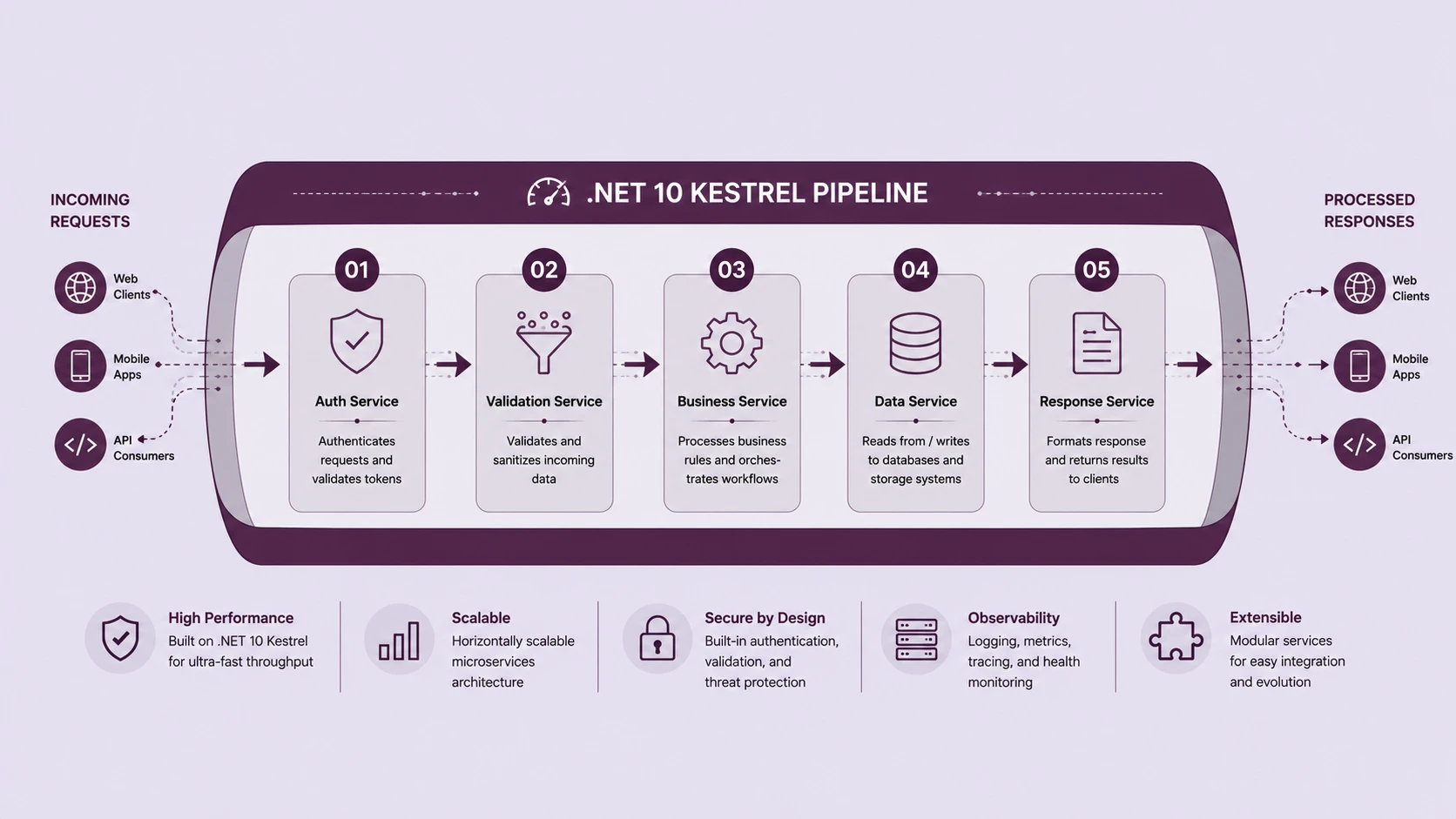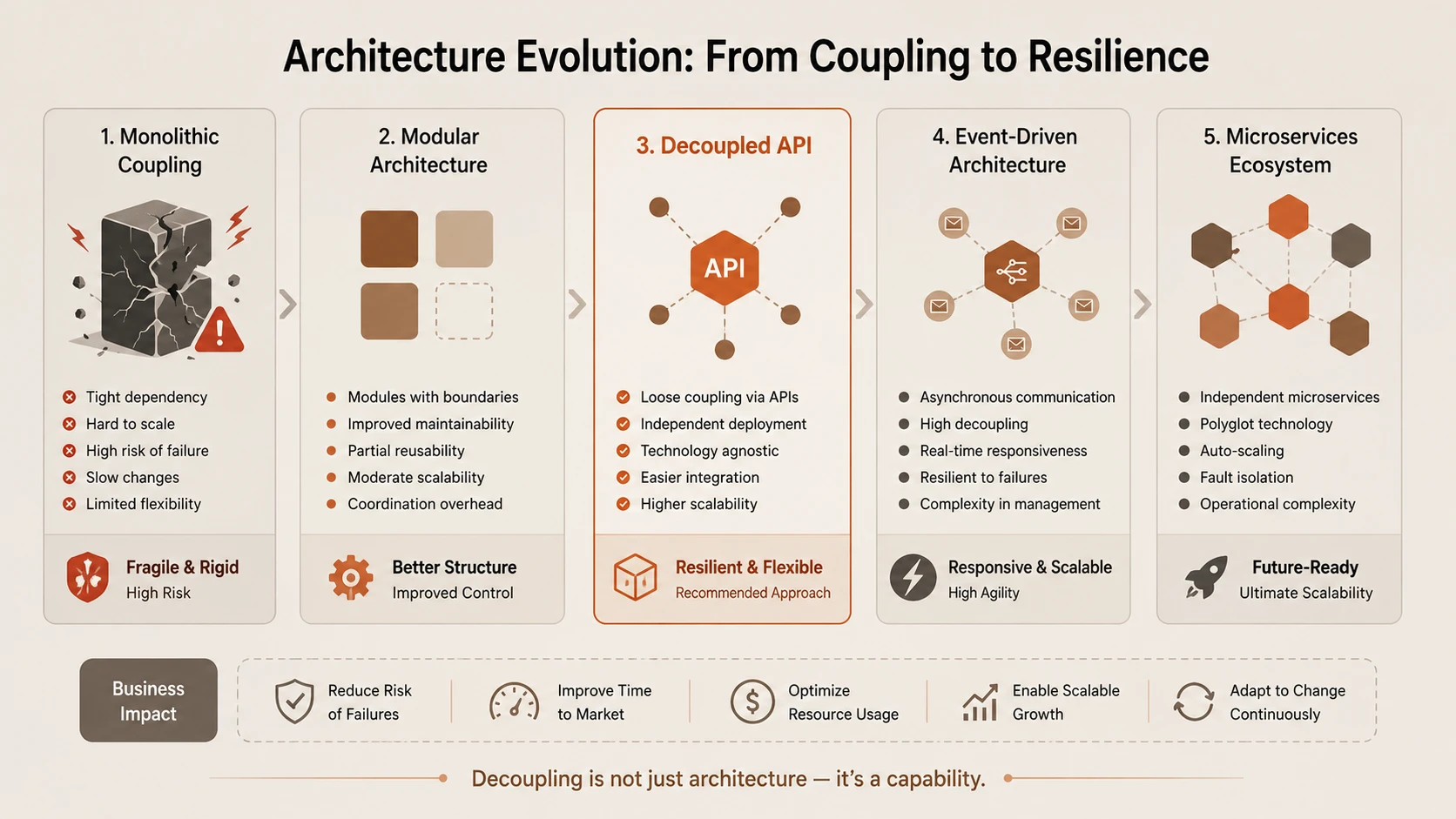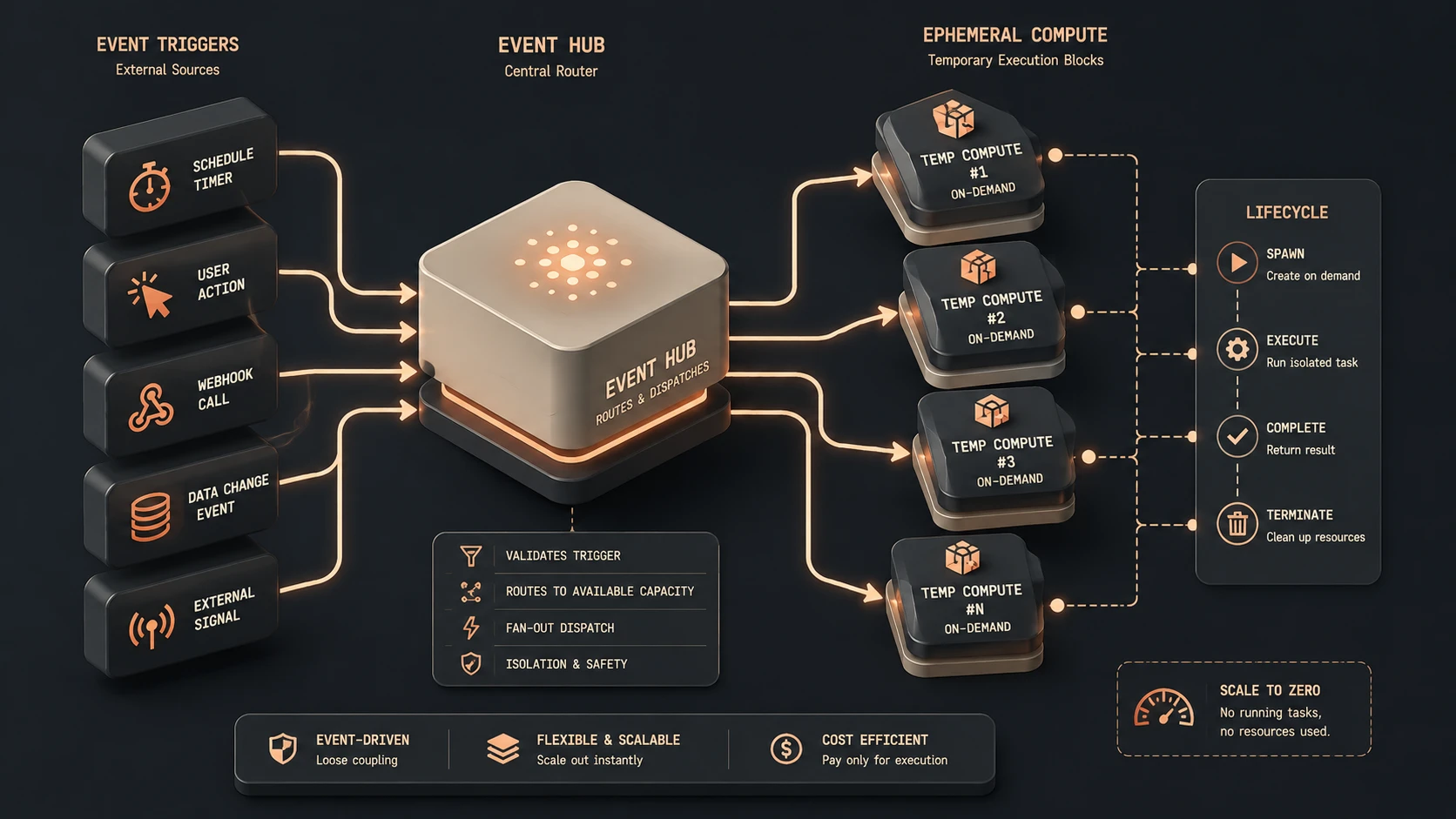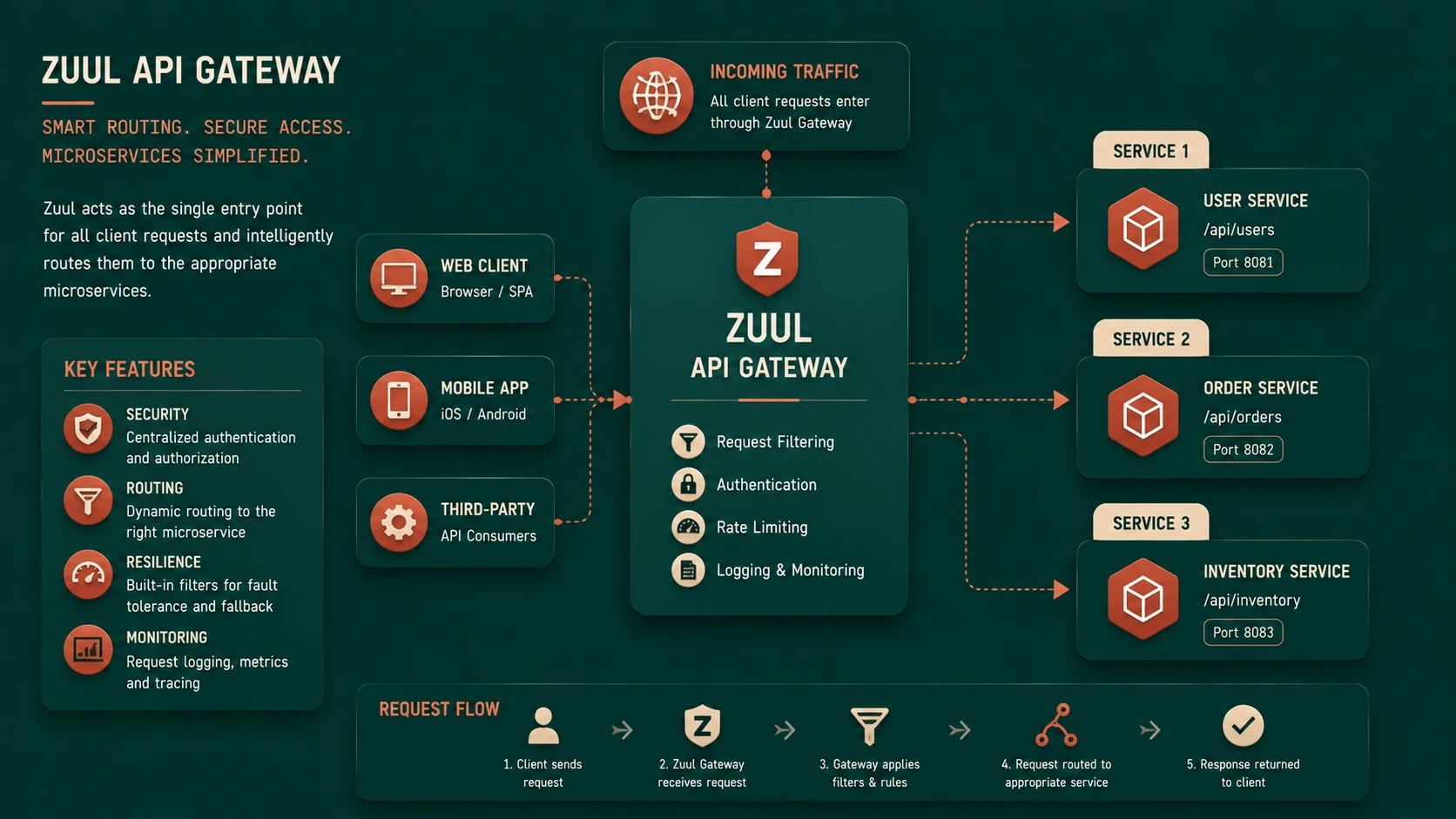
Introduction
Serverless computing fundamentally changed how developers think about infrastructure management. Instead of provisioning virtual machines or manually scaling application servers, engineering teams began deploying event-triggered functions that automatically responded to incoming requests while cloud providers managed infrastructure provisioning, scaling, and availability.
Over time, however, enterprise applications have grown beyond isolated serverless functions. Modern digital platforms increasingly consist of APIs, event buses, workflow engines, managed databases, message queues, object storage, containers, edge runtimes, artificial intelligence services, and streaming platforms working together to process business events across distributed environments.
This evolution has shifted architectural thinking from simply deploying serverless functions to designing complete event-driven cloud-native applications. Rather than viewing functions as standalone execution units, architects now model systems around business events, asynchronous communication, resilience, and loosely coupled services.
As of February 2024, event-driven architecture has become a foundational design pattern for organizations building scalable cloud-native platforms capable of supporting real-time business operations, AI integration, IoT systems, and highly distributed digital services.
Industry Background
Several technology trends continue accelerating adoption:
- ◆Cloud-native application development
- ◆Event-driven architecture
- ◆Serverless computing
- ◆Kubernetes platforms
- ◆API-first integration
- ◆Streaming data platforms
- ◆AI-powered automation
- ◆Multi-cloud deployments
Organizations increasingly require systems capable of responding to events in real time while maintaining operational resilience and cost efficiency.
The Business Problem
Traditional request-response architectures often experience:
- ◆Tight service coupling
- ◆Scaling bottlenecks
- ◆Slow integration delivery
- ◆Complex synchronous dependencies
- ◆Reduced fault tolerance
- ◆Limited operational flexibility
Modern enterprises require architectures capable of processing large volumes of independent business events while minimizing service dependencies.
Understanding Event-Driven Cloud-Native Applications
An event-driven architecture organizes applications around business events rather than direct service-to-service calls.
Typical events include:
- ◆Customer registration
- ◆Order placement
- ◆Payment completion
- ◆Inventory updates
- ◆File uploads
- ◆Device telemetry
- ◆Workflow approvals
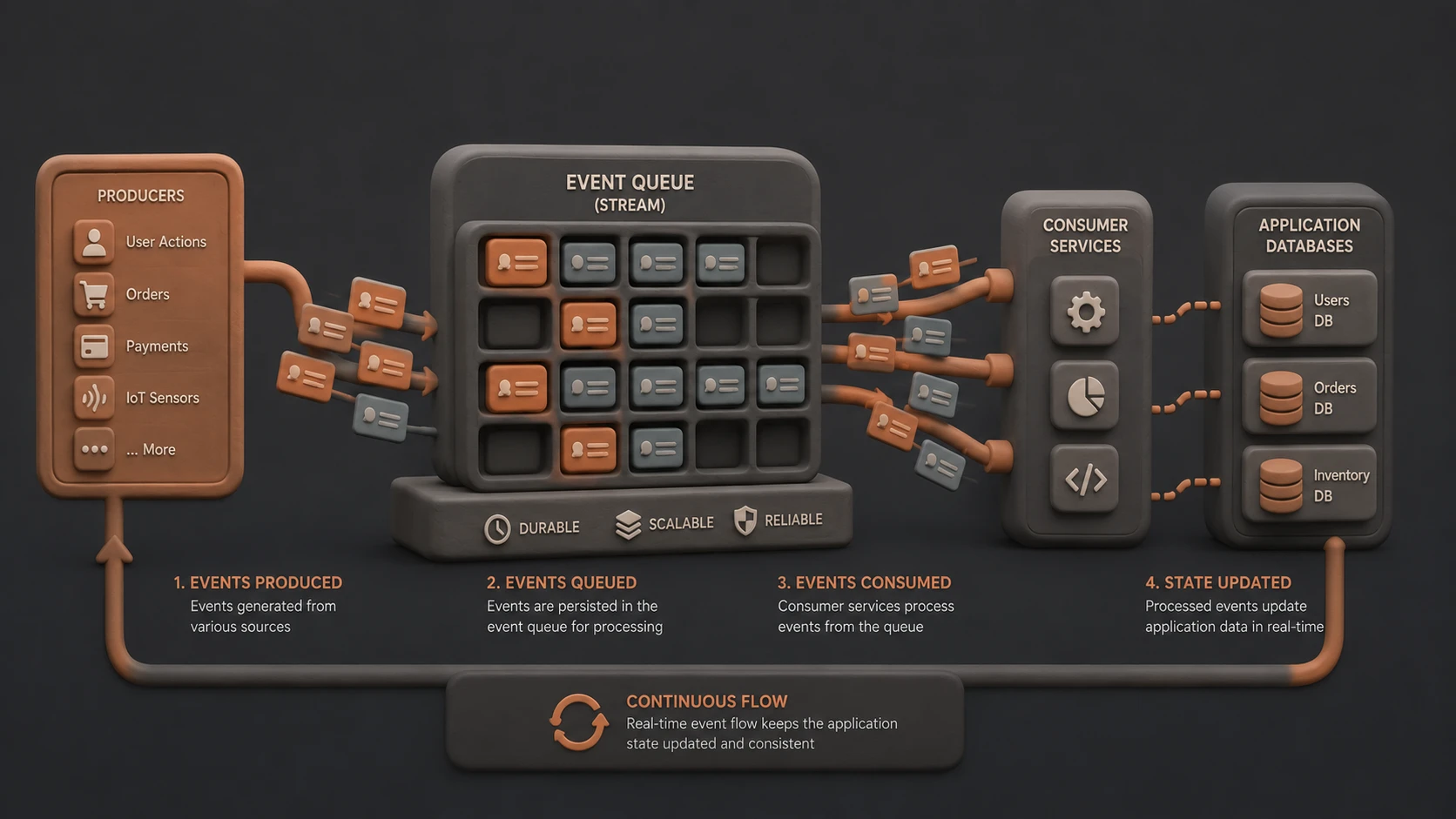
Instead of immediately invoking downstream services synchronously, applications publish events that interested consumers process independently.
This model improves scalability, resilience, and organizational flexibility.
Core Architecture
| Component | Responsibility |
|---|---|
| API Gateway | Receives external requests |
| Event Broker | Distributes business events |
| Serverless Functions | Execute lightweight event handlers |
| Workflow Engine | Coordinates long-running processes |
| Containers & Microservices | Host business capabilities |
| Data Platform | Stores operational and analytical data |
| Observability Platform | Monitoring, tracing, and logging |
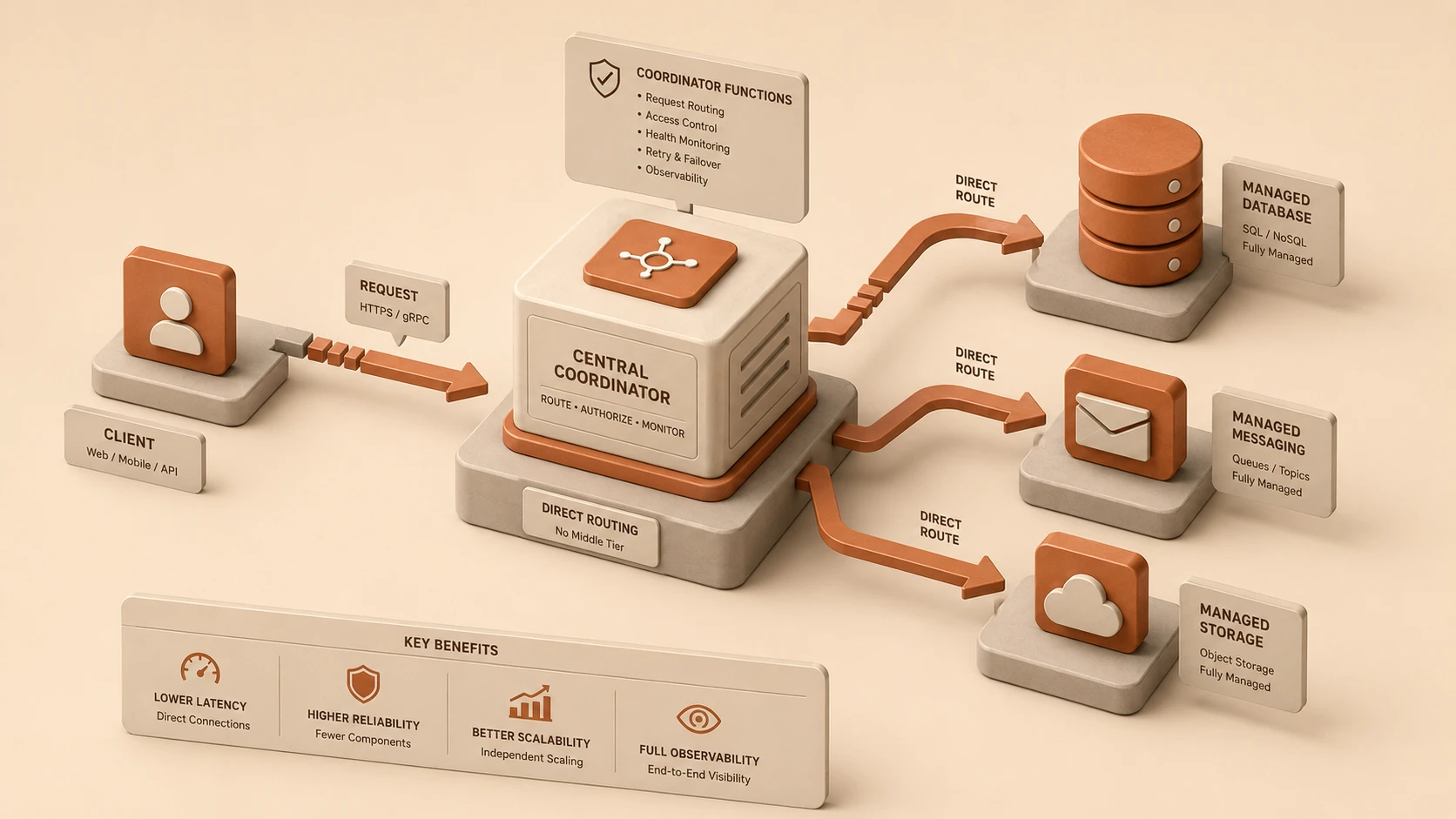
Together these components create loosely coupled systems capable of scaling individual business capabilities independently.
Events as Business Contracts
Modern event-driven systems treat events as durable business facts.
Examples include:
- ◆CustomerCreated
- ◆OrderSubmitted
- ◆InvoiceGenerated
- ◆InventoryReserved
- ◆ShipmentDispatched
Events describe something that has already occurred rather than requesting another system to perform an action.
This distinction promotes loose coupling and enables multiple independent consumers to react without modifying the producing service.
Beyond Individual Functions
Serverless functions remain valuable execution units, but they increasingly operate within broader application ecosystems.
Typical cloud-native workloads combine:
- ◆Event routing
- ◆Workflow orchestration
- ◆Managed databases
- ◆Object storage
- ◆Containerized services
- ◆Streaming analytics
- ◆Notification services
Functions therefore become one component within a larger distributed architecture rather than the application itself.
Workflow Orchestration
// Event-driven orchestration handler using cloud event triggers
const { EventGridPublisherClient } = require("@azure/event-grid");

async function publishEvent(eventType, data) {
  const client = new EventGridPublisherClient("ENDPOINT", "KEY");
  await client.send([{
    eventType: eventType,
    subject: "shivamitcs/billing/invoice",
    dataVersion: "1.0",
    data: data
  }]);
}
Some business processes involve multiple coordinated steps that span minutes, hours, or even days.
Workflow engines help manage:
- ◆Order processing
- ◆Approval chains
- ◆Payment workflows
- ◆Data synchronization
- ◆Human interactions
Rather than embedding orchestration logic inside individual services, dedicated workflow platforms improve visibility and fault recovery.
Asynchronous Communication
A typical event-driven workflow includes:
- 1.User submits a request.
- 2.API validates the request.
- 3.Business event is published.
- 4.Multiple consumers receive the event.
- 5.Independent services execute required work.
- 6.Additional events continue the business process.
This architecture minimizes direct dependencies while improving scalability.
Resilience Through Loose Coupling
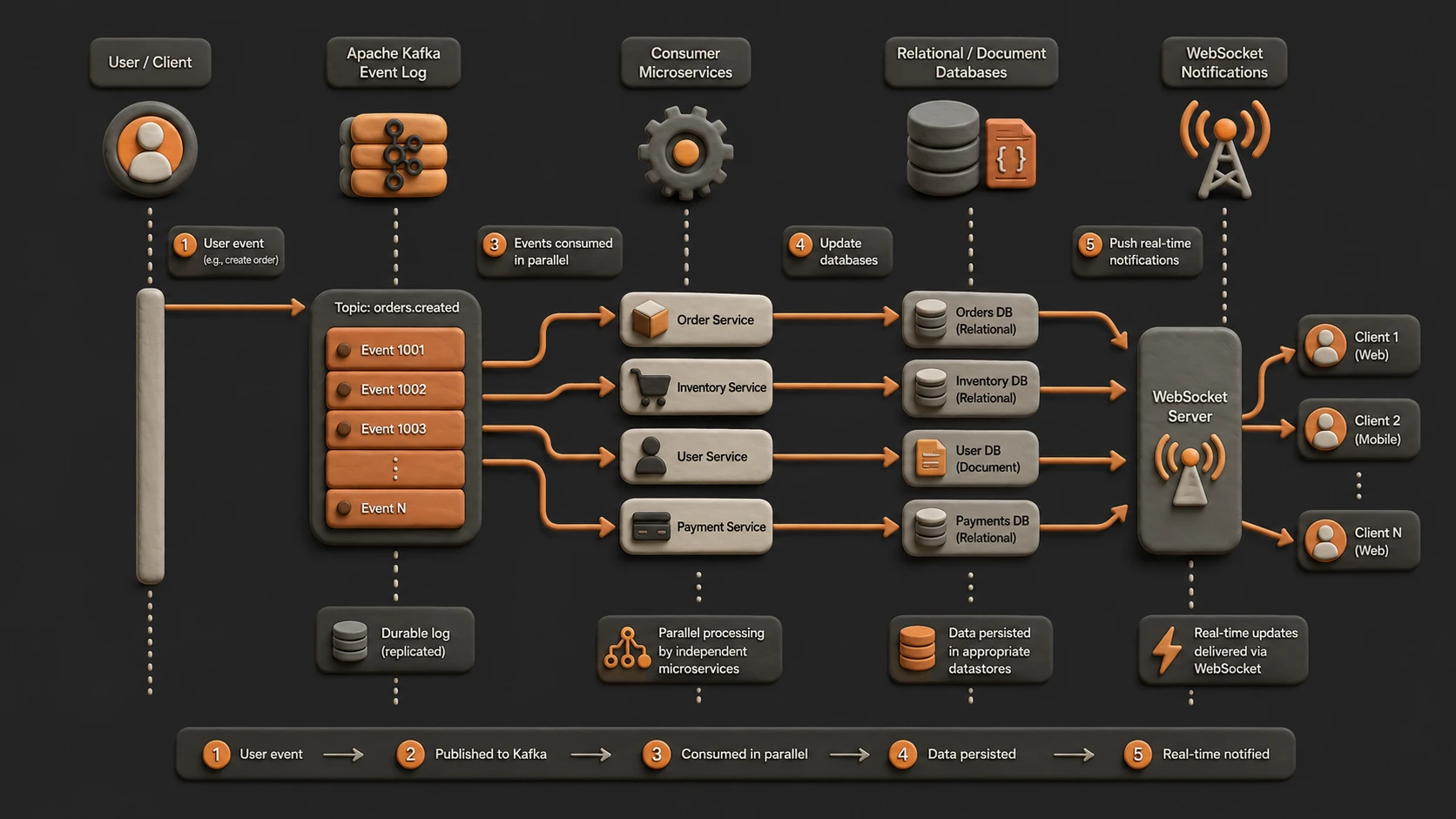
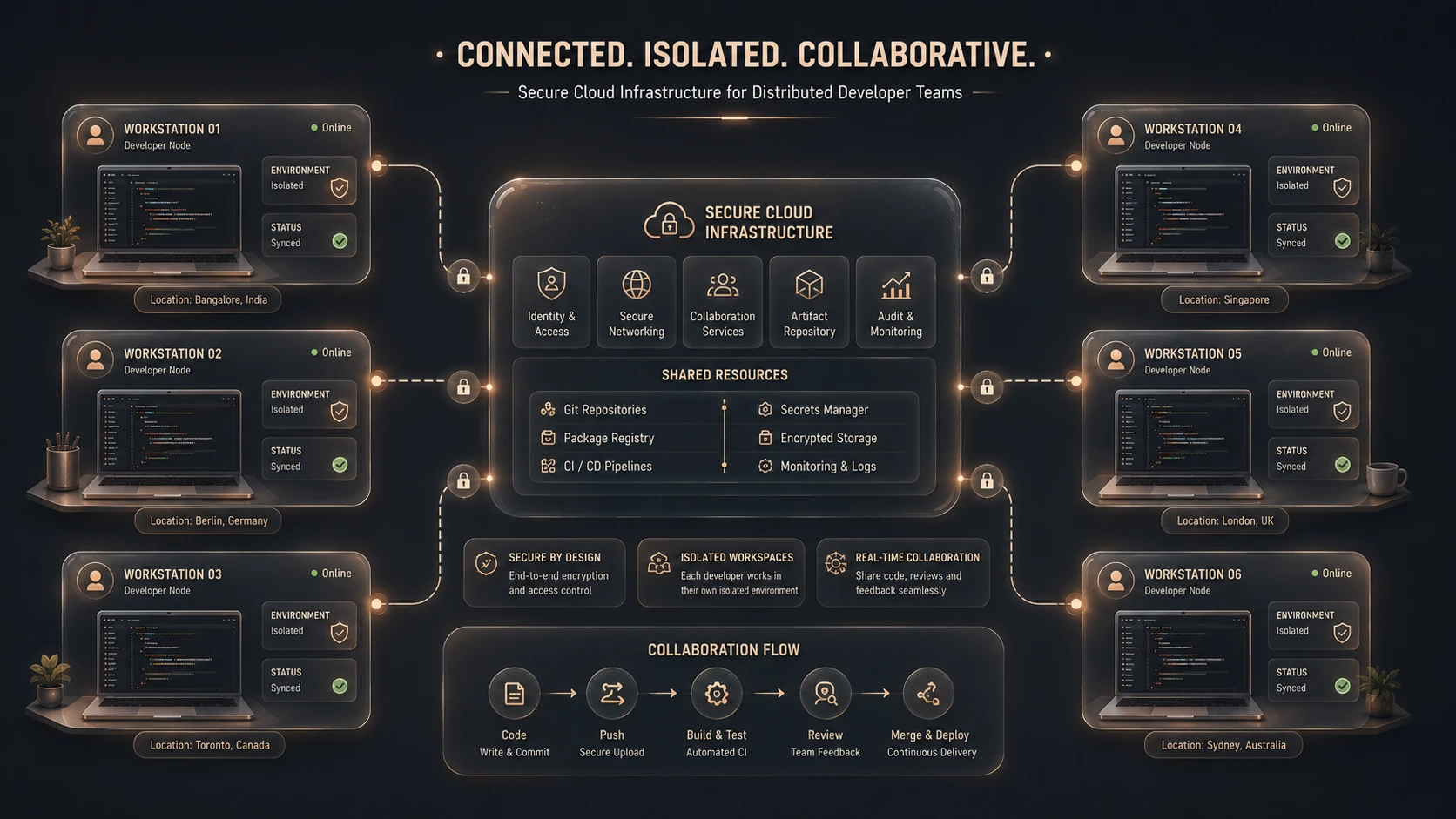
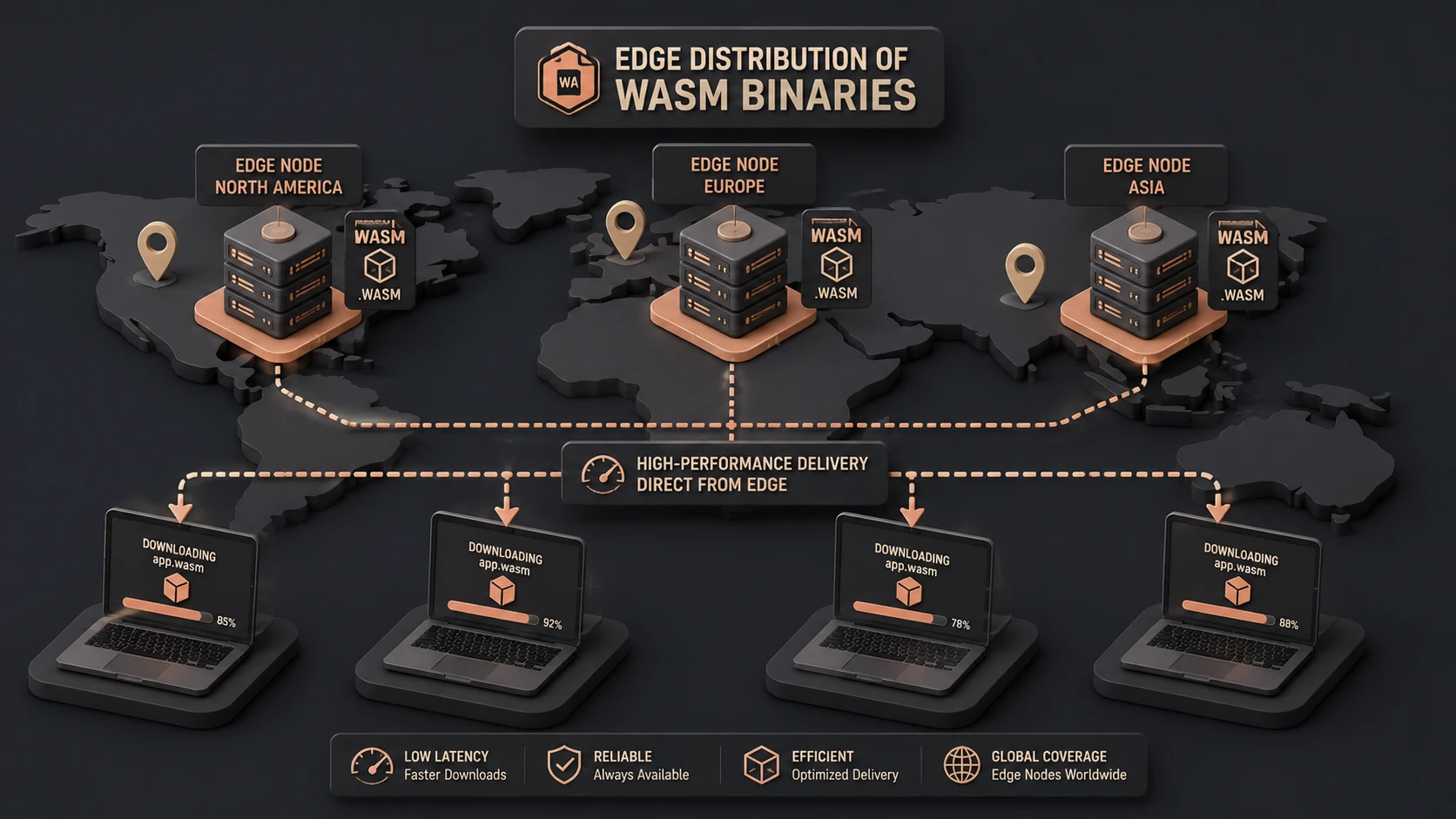
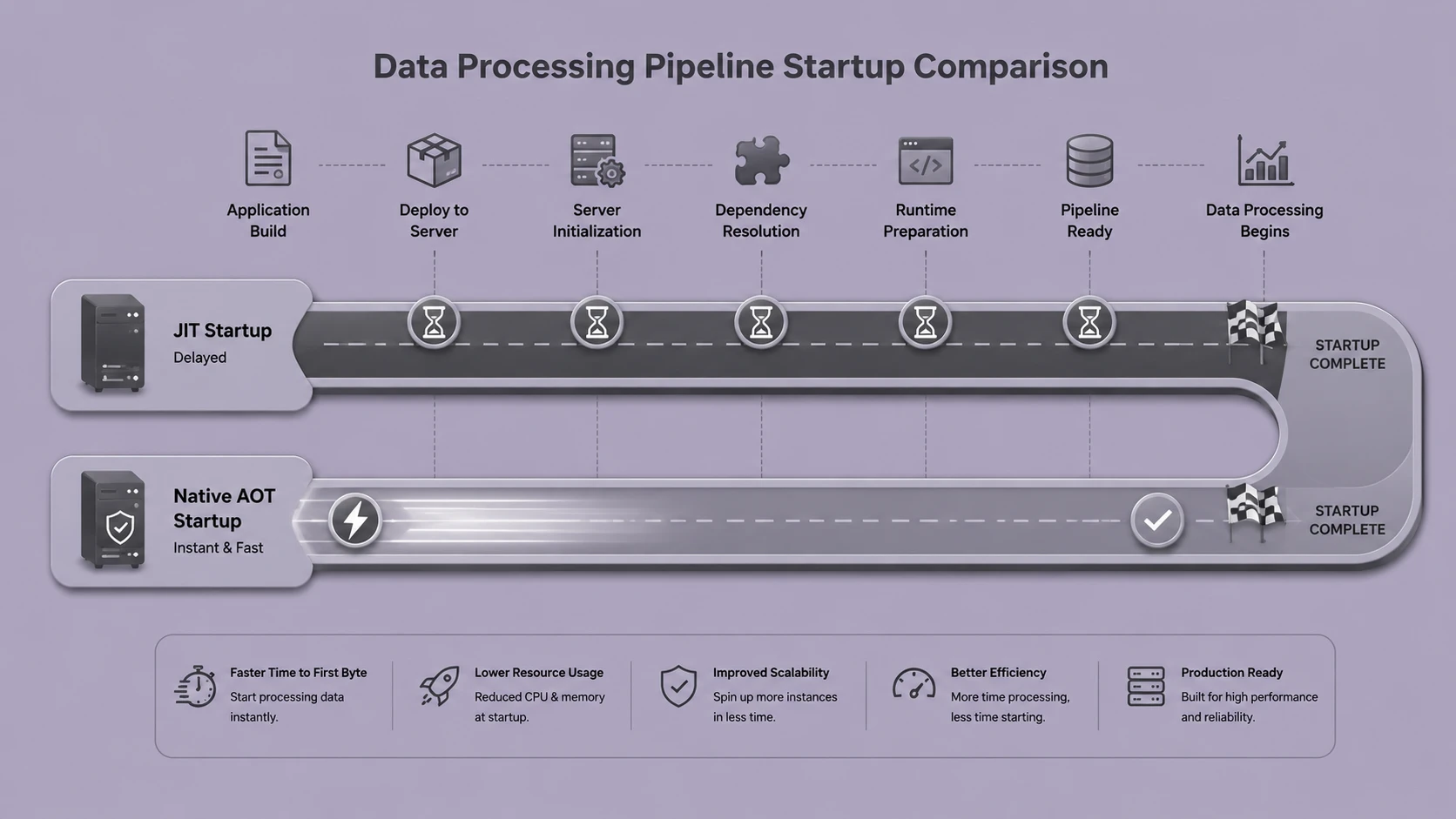
System architecture diagram and conceptual workflow layout for Beyond Serverless Functions.
Because services communicate through events rather than synchronous calls, temporary failures can often be isolated.
Potential benefits include:
- ◆Independent scaling
- ◆Improved fault isolation
- ◆Easier service evolution
- ◆Reduced cascading failures
- ◆Flexible integration
Loose coupling also simplifies introducing new consumers without modifying existing producers.
Enterprise Use Cases
| Scenario | Benefit |
|---|---|
| E-commerce Platforms | Event-driven order processing |
| Financial Services | Real-time transaction workflows |
| Manufacturing | IoT event processing |
| Healthcare Systems | Clinical event integration |
| SaaS Platforms | Scalable customer lifecycle automation |
| Media Platforms | Distributed content processing |
Organizations processing high volumes of independent business events often benefit most from this architectural approach.
Performance Considerations
Engineering teams should monitor:
- ◆Event processing latency
- ◆Queue depth
- ◆Function execution duration
- ◆Workflow completion time
- ◆Throughput
- ◆Infrastructure cost
Performance optimization should balance responsiveness, reliability, and operational efficiency.
Security Considerations
Distributed event-driven systems require comprehensive security controls.
Organizations should continue implementing:
- ◆Identity and access management
- ◆Event authentication
- ◆API security
- ◆Encryption in transit and at rest
- ◆Secrets management
- ◆Audit logging
- ◆Least privilege permissions
Security policies should extend consistently across event producers, consumers, and supporting infrastructure.
Scalability
Event-driven cloud-native applications support enterprise growth through:
- ◆Independent service scaling
- ◆Elastic event processing
- ◆Asynchronous workload distribution
- ◆Managed cloud services
- ◆Regional deployment flexibility
These capabilities enable organizations to handle changing demand while reducing operational complexity.
Best Practices
Organizations building event-driven cloud-native systems should:
- ◆Design events around business domains.
- ◆Maintain clear event contracts and versioning strategies.
- ◆Keep services loosely coupled.
- ◆Design for idempotent event processing.
- ◆Implement distributed tracing and observability.
- ◆Separate orchestration from business logic.
- ◆Automate infrastructure provisioning.
- ◆Continuously validate resilience through testing and monitoring.
Thoughtful event modeling forms the foundation of long-term architectural success.
Common Mistakes
Organizations should avoid:
- ◆Treating every workflow as event-driven regardless of business requirements.
- ◆Embedding business orchestration inside individual functions.
- ◆Ignoring event versioning.
- ◆Creating tightly coupled event consumers.
- ◆Underestimating operational observability.
- ◆Assuming serverless functions alone constitute a cloud-native architecture.
Successful implementations balance asynchronous communication with appropriate synchronous interactions where business requirements demand immediate responses.
Technology Comparison
| Capability | Function-Centric Serverless | Event-Driven Cloud-Native Applications |
|---|---|---|
| Primary Focus | Individual function execution | Business event processing |
| Communication | Function invocation | Event publication and subscription |
| Scalability | Function level | Entire distributed platform |
| Workflow Support | Limited | Dedicated orchestration services |
| Service Coupling | Moderate | Loosely coupled |
| Enterprise Scope | Individual workloads | End-to-end application architecture |
Modern cloud-native systems increasingly combine serverless functions with event brokers, workflow engines, containers, and managed services rather than relying on functions alone.
Adoption Strategy
Organizations should modernize incrementally.
A practical roadmap includes:
- 1.Identify business events within existing applications.
- 2.Introduce event brokers for loosely coupled communication.
- 3.Modernize selected workflows using asynchronous processing.
- 4.Integrate serverless functions where appropriate.
- 5.Add workflow orchestration for long-running business processes.
- 6.Expand observability across distributed services.
- 7.Continuously optimize architecture based on operational metrics and business outcomes.
Incremental adoption minimizes migration risk while allowing engineering teams to develop operational expertise.
Limitations
As of February 2024, organizations should recognize several considerations.
Current observations include:
- ◆Event-driven architectures increase operational complexity and require mature observability practices.
- ◆Not every business workflow benefits from asynchronous communication.
- ◆Distributed systems require disciplined event governance, versioning, and monitoring.
- ◆Successful adoption depends on organizational readiness as much as cloud technology selection.
Organizations should therefore adopt event-driven architectures where they provide measurable business value rather than applying them universally.
Looking Ahead
As of February 2024, cloud-native architecture has evolved well beyond isolated serverless functions. Enterprise platforms increasingly combine event brokers, workflow orchestration, managed cloud services, containers, APIs, and serverless execution into cohesive distributed systems centered around business events rather than infrastructure.
For enterprise architects, cloud engineers, and platform teams, the strategic opportunity lies in designing applications that respond intelligently to business events while maintaining resilience, scalability, and operational simplicity. Organizations that invest in well-defined event models, strong governance, observability, and incremental modernization will be well positioned to build the next generation of cloud-native enterprise applications.