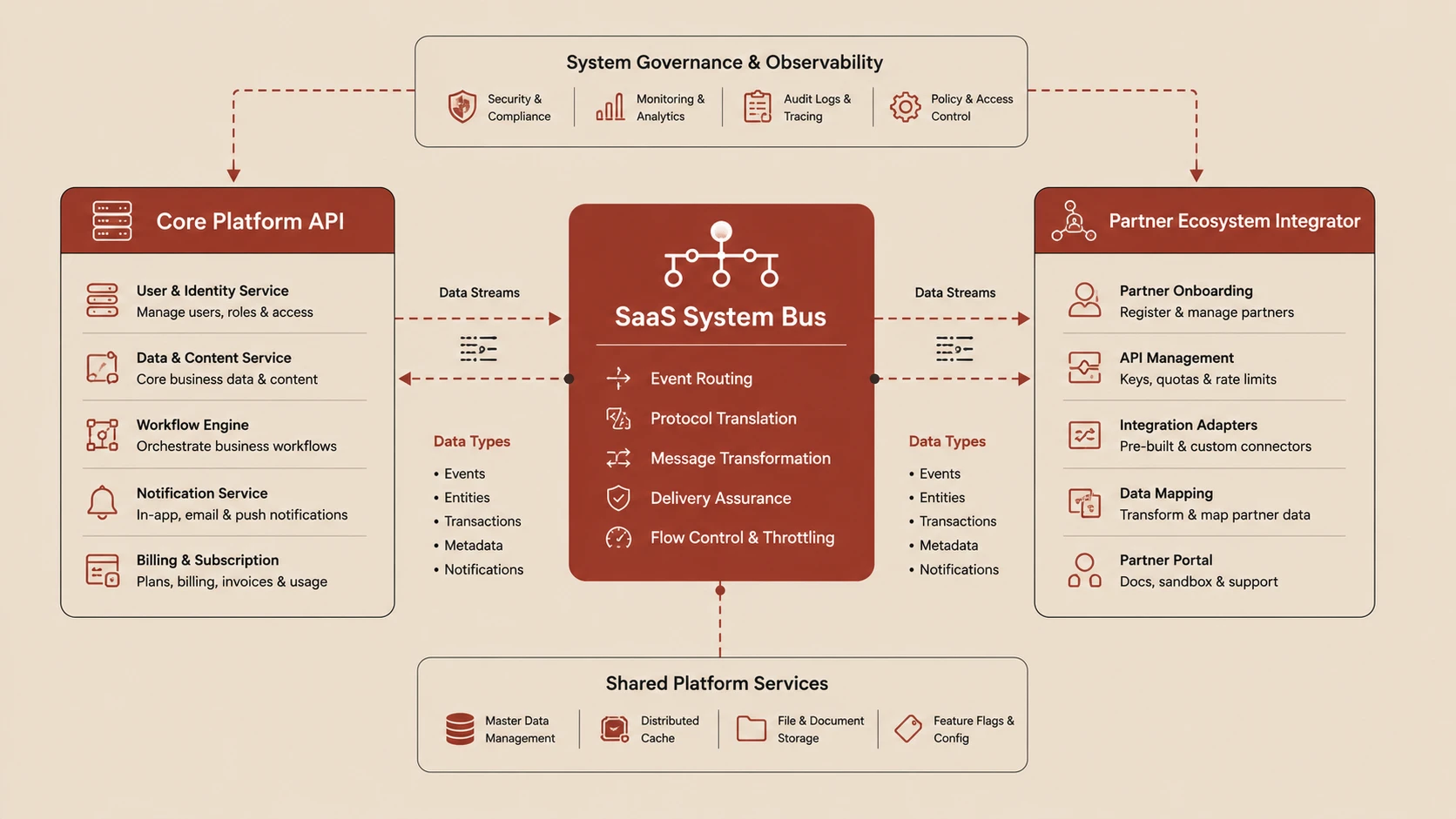
Why SaaS Platforms Must Evolve
The first generation of SaaS products focused on solving individual business problems. CRM platforms managed customer relationships, ERP systems handled finance and operations, HR applications managed employees, and collaboration platforms improved communication. While each application delivered value independently, organizations soon discovered that disconnected systems created fragmented workflows, duplicated data, and inconsistent user experiences.
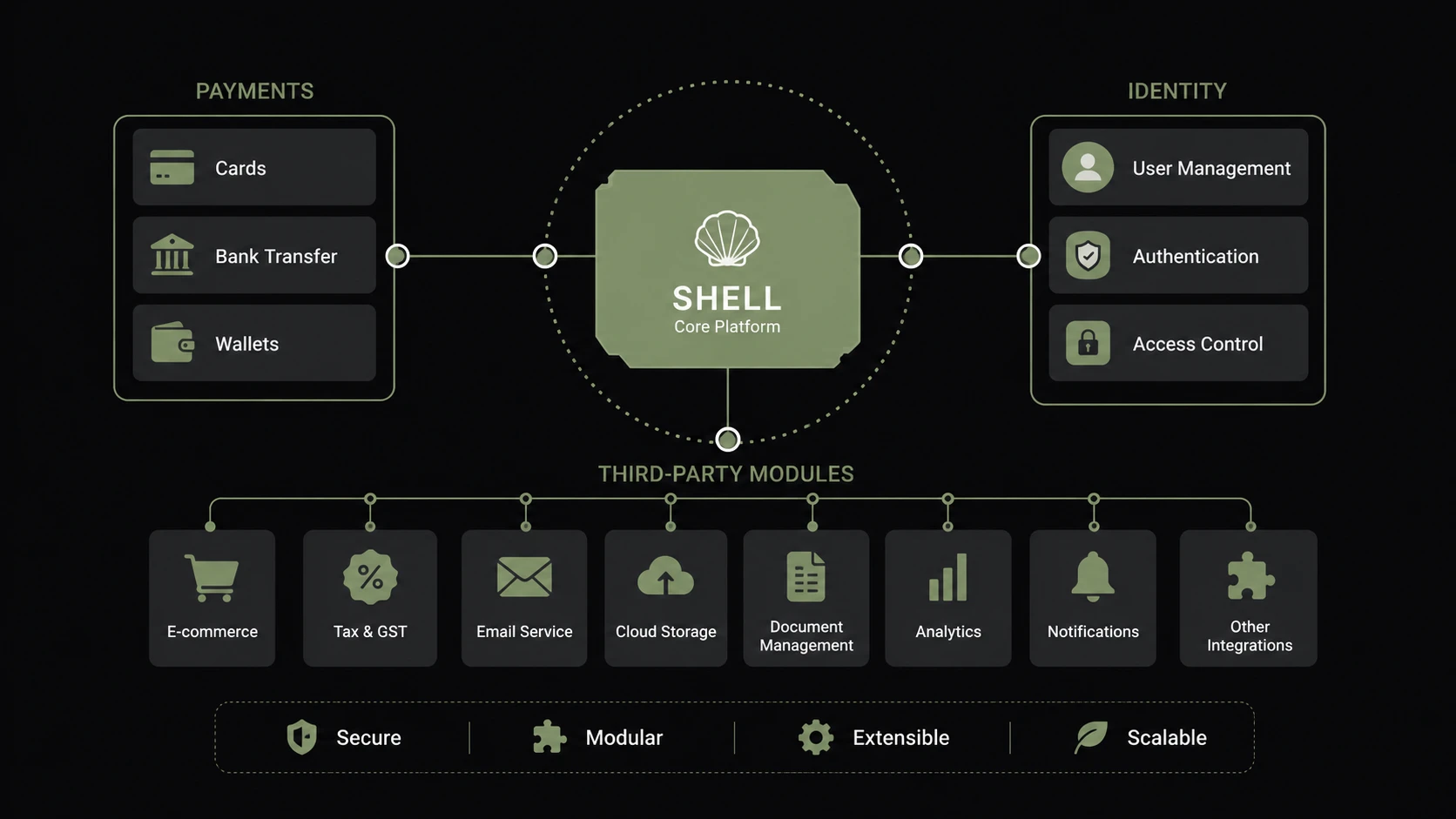
Modern enterprises require platforms that collaborate instead of operating in isolation. Rather than purchasing another standalone application, organizations increasingly invest in platform ecosystems where multiple products function as a coordinated System-of-Systems.
Architecture Principle: A successful enterprise platform is not defined by the number of features it contains but by how effectively it collaborates with other platforms.
---
What Is a System-of-Systems?
A System-of-Systems (SoS) is an architectural approach where independent software platforms operate autonomously while collaborating to achieve larger business objectives.
Each participating platform maintains:
- ◆Independent ownership
- ◆Separate deployment lifecycle
- ◆Dedicated data models
- ◆Autonomous scaling
- ◆Domain-specific business logic
- ◆Independent release cadence
At the same time, every platform contributes capabilities to a broader enterprise ecosystem through standardized integration mechanisms.
---
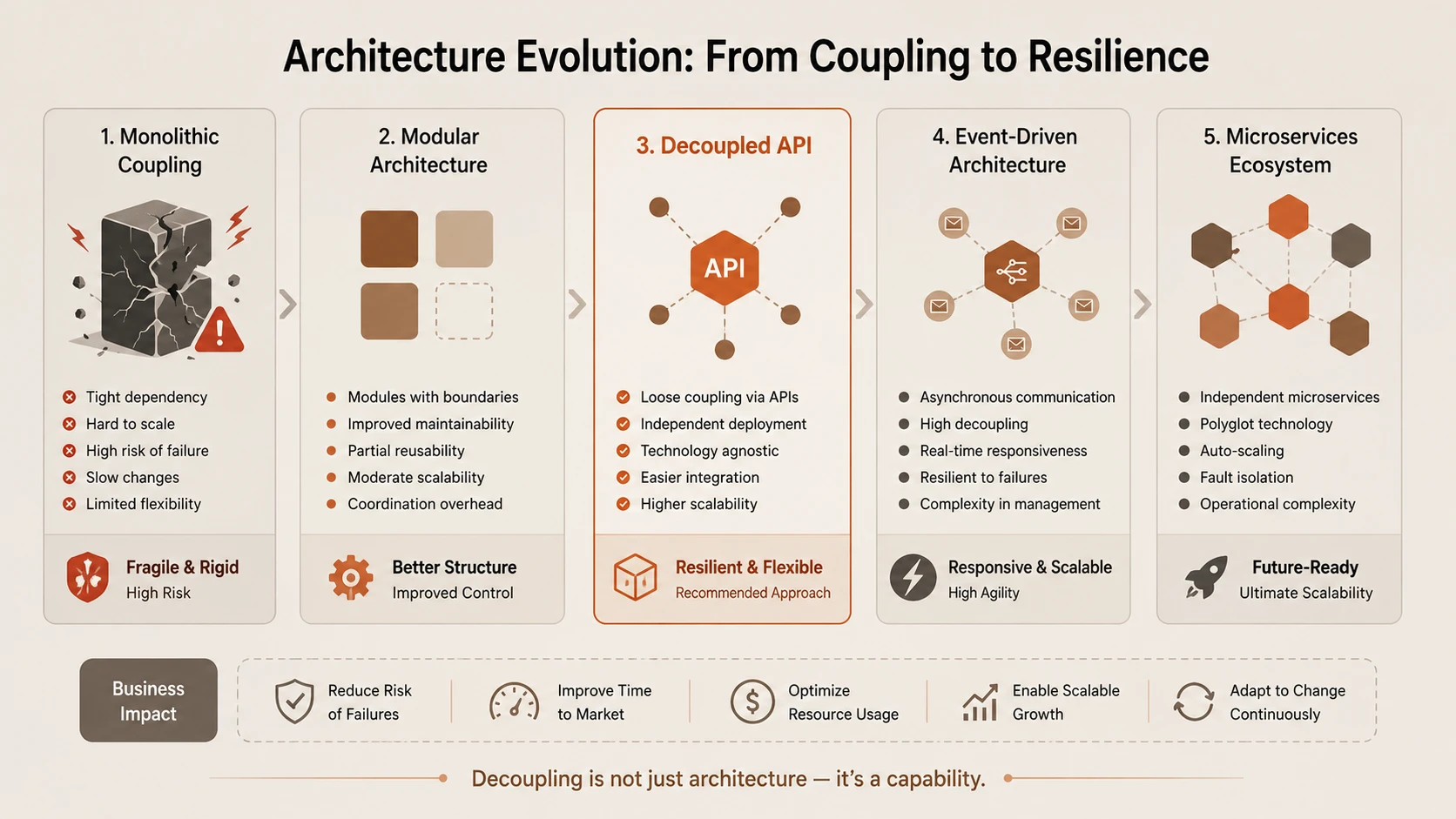
Evolution of SaaS Platforms
Enterprise software has progressed through several architectural stages:
- 1.Standalone Applications
- 2.Integrated SaaS Suites
- 3.API-First Platforms
- 4.Event-Driven Ecosystems
- 5.Composable Business Platforms
- 6.System-of-Systems Architecture
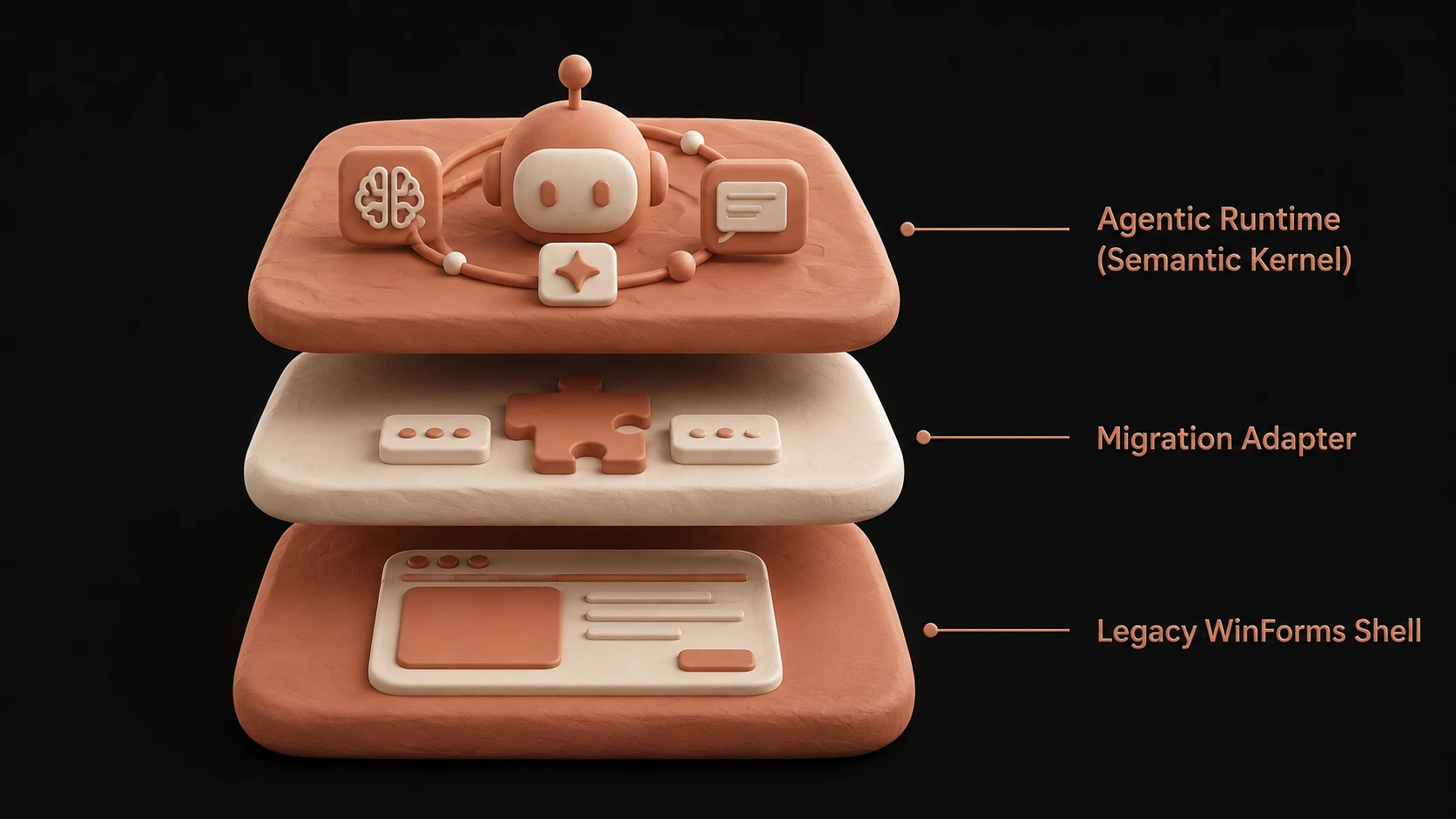
Instead of replacing existing platforms, enterprises connect them into intelligent business ecosystems.
---
Enterprise Reference Architecture
Customer Applications
          │
          ▼
Experience Layer
          │
API Gateway
          │
──────────────────────────────────────────────
│ CRM │ ERP │ Commerce │ HR │ Analytics │
│ Identity │ AI │ Finance │ Collaboration │
──────────────────────────────────────────────
          │
Event Streaming Platform
          │
Integration Hub
          │
Partner Marketplace
          │
Enterprise Ecosystem
Each platform remains autonomous while participating in a unified business architecture.
---
Building a Platform Ecosystem
A successful ecosystem is built around reusable business capabilities instead of isolated applications.
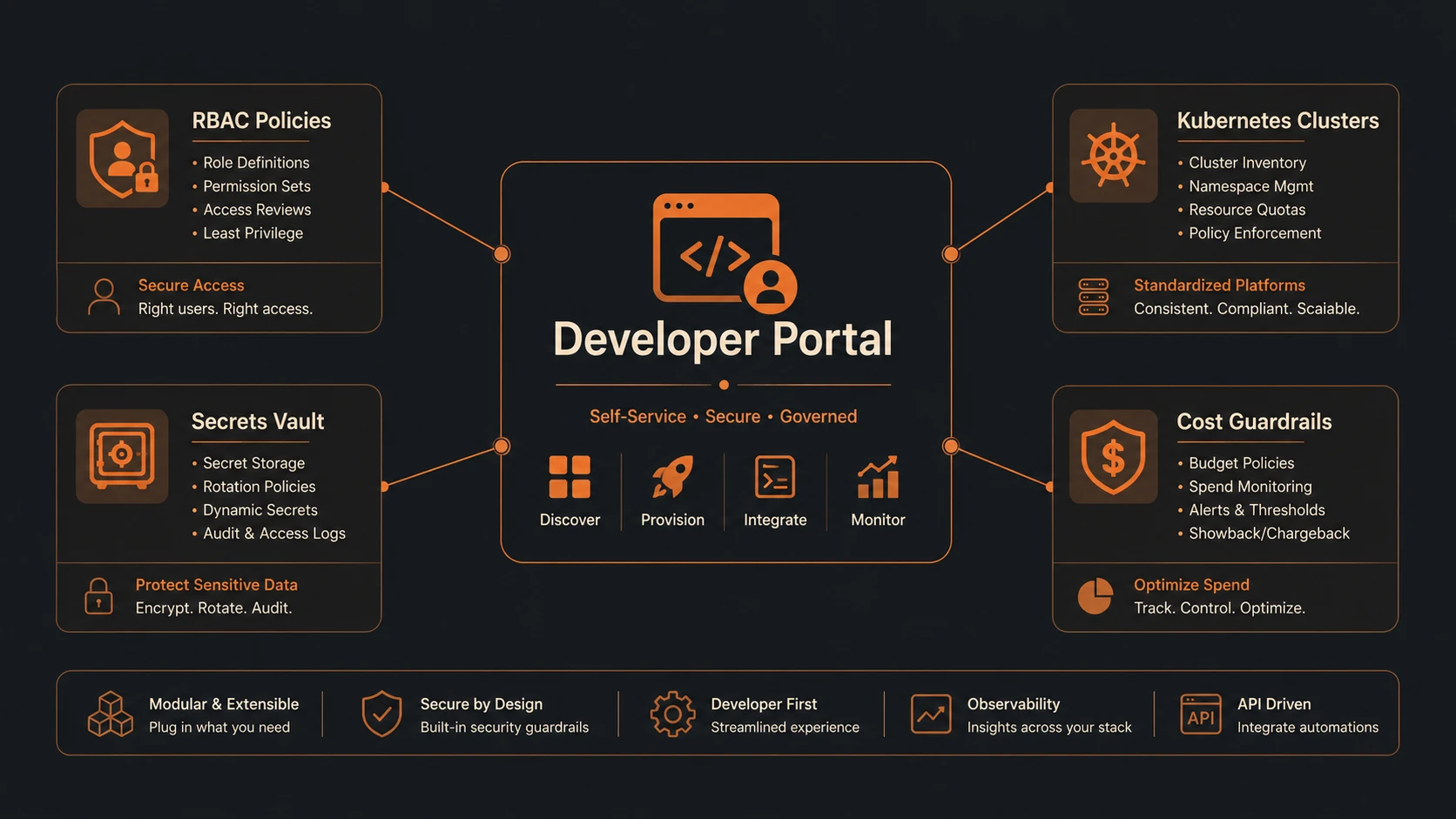
Core ecosystem services typically include:
- ◆API Gateway
- ◆Event Bus
- ◆Identity Federation
- ◆Service Registry
- ◆Partner Marketplace
- ◆Workflow Automation
- ◆AI Services
- ◆Developer Portal
- ◆Billing Platform
- ◆Governance Layer
These shared capabilities allow every participating platform to exchange data and business functions securely.
---
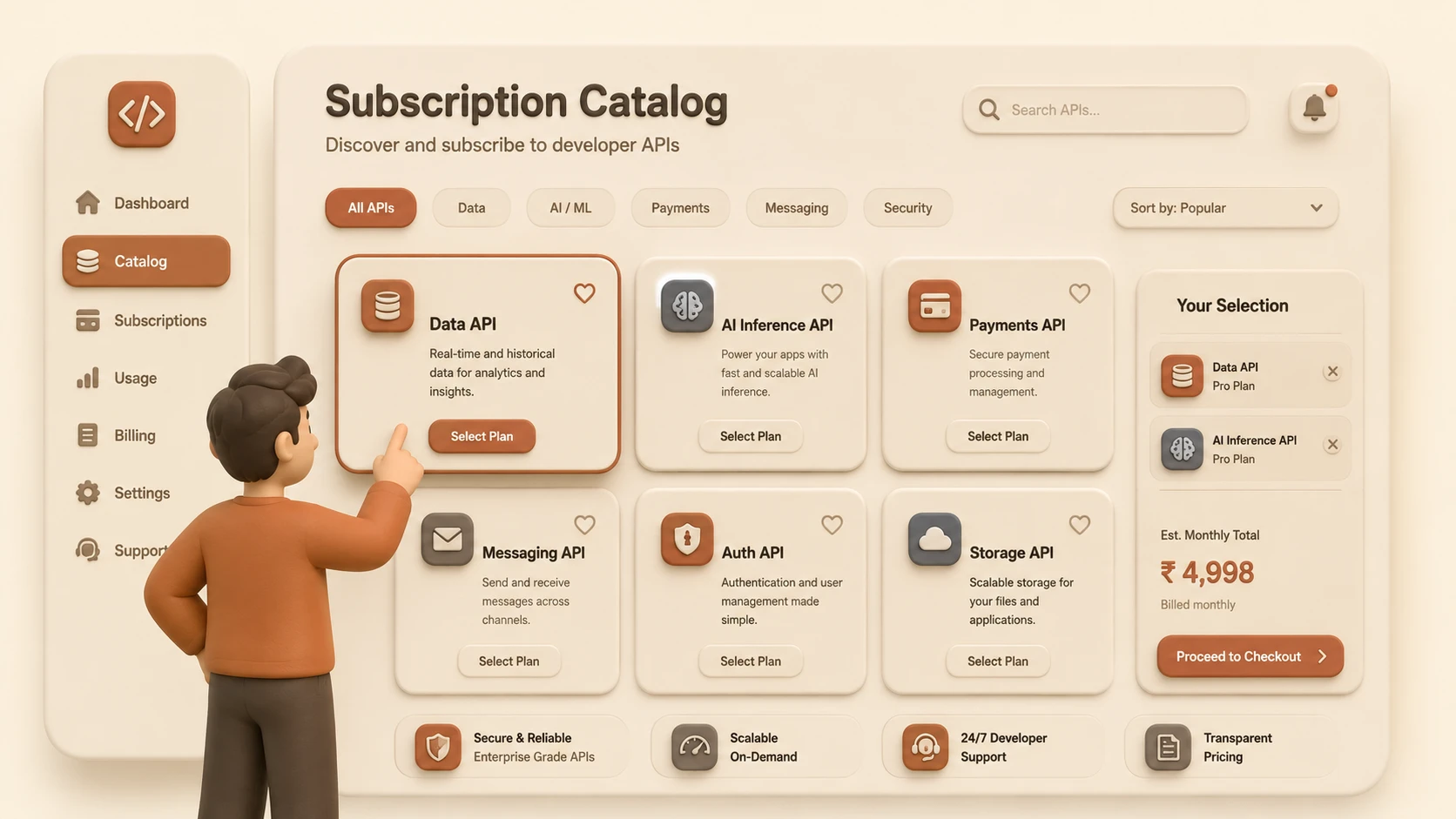
APIs as Business Products
Modern APIs are no longer technical integration endpoints—they are business products.
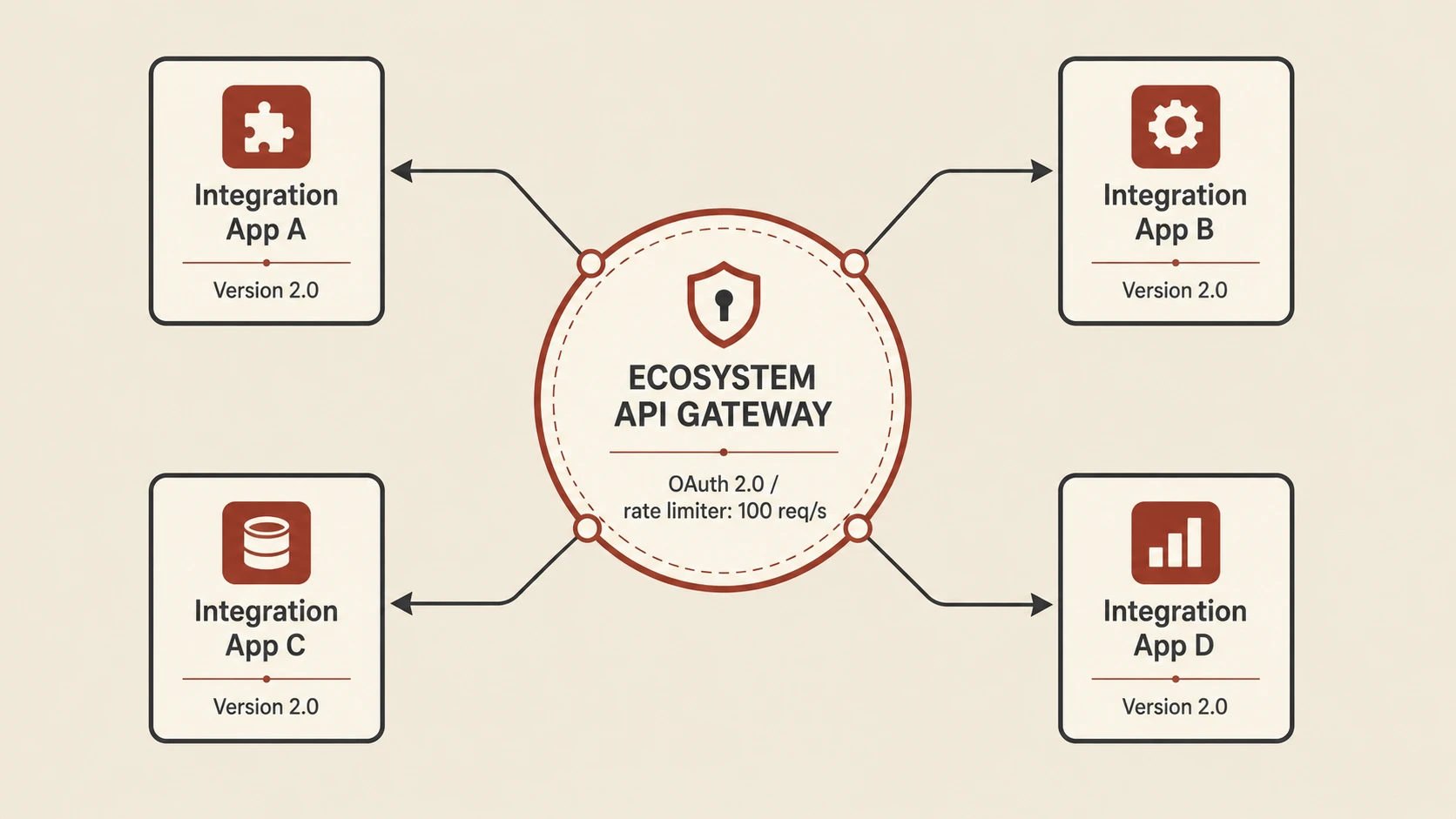
Cloud-hosted software service model replacing on-premise application servers.
Well-designed APIs expose:
- ◆Customer capabilities
- ◆Order services
- ◆Payment processing
- ◆Inventory management
- ◆AI intelligence
- ◆Identity services
- ◆Notification systems
- ◆Analytics insights
Treating APIs as products improves developer adoption, partner integration, and long-term platform scalability.
---
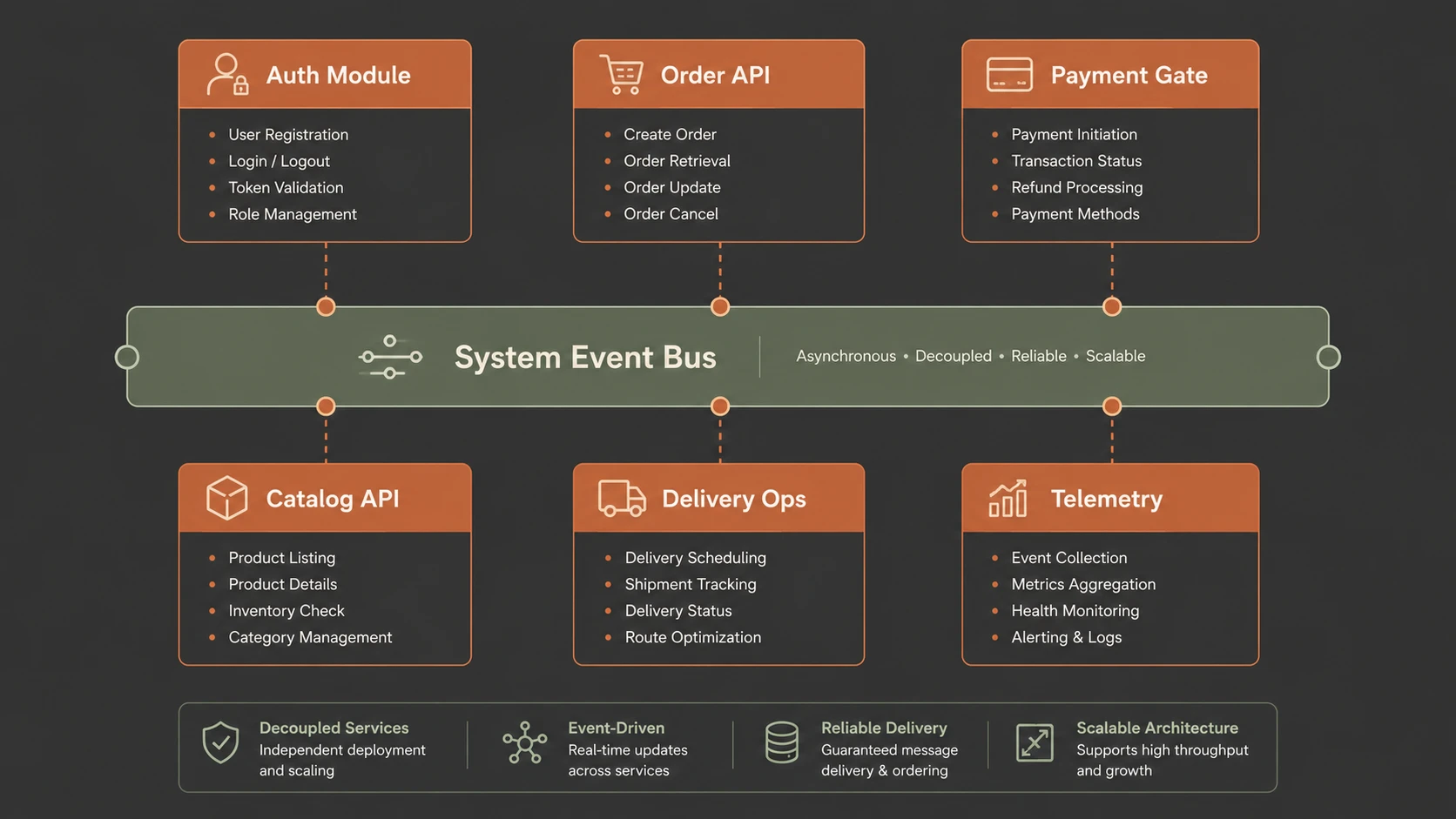
Event-Driven Collaboration
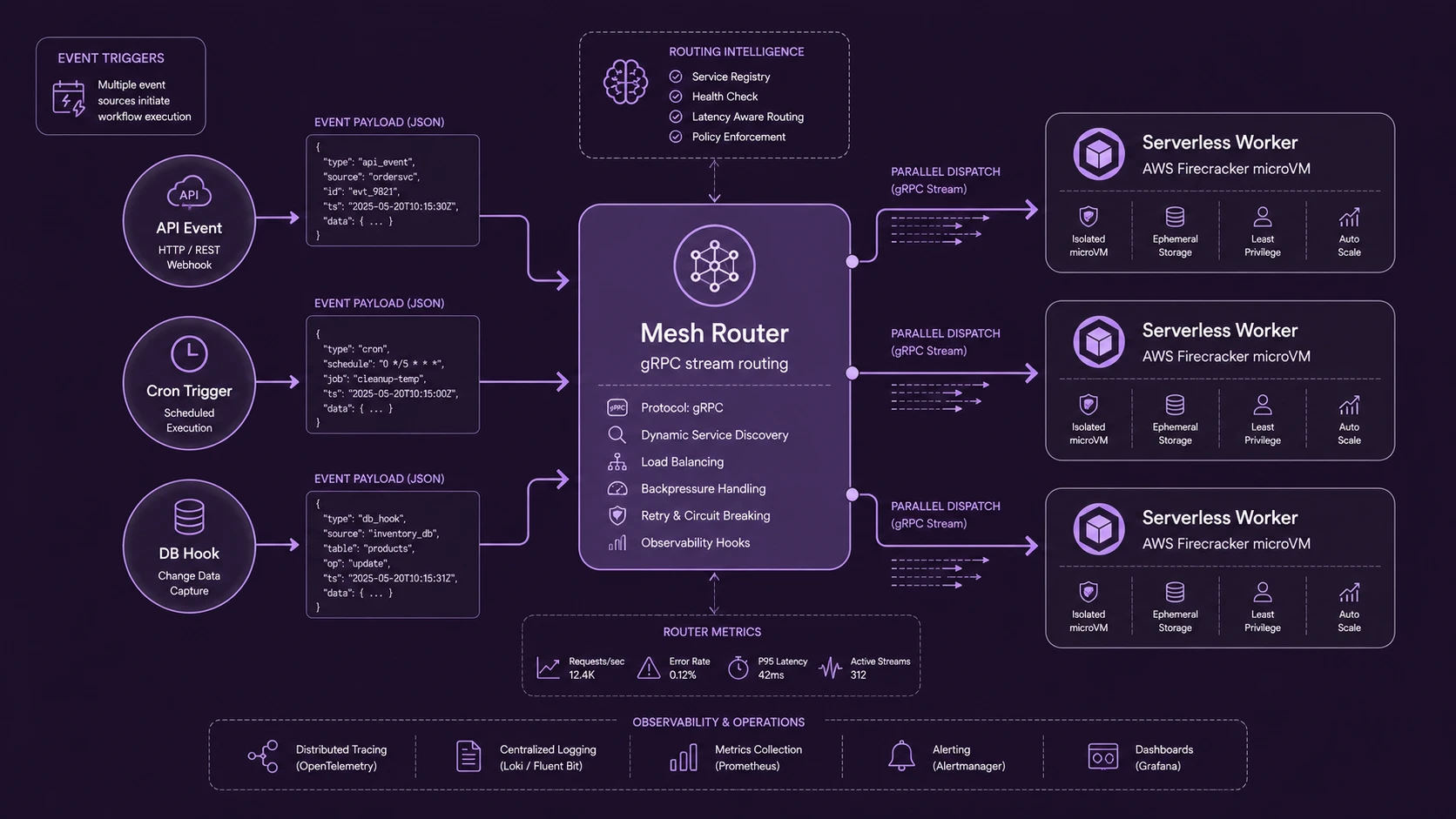
Real-time ecosystems rely on asynchronous communication instead of tightly coupled service calls.
Typical business events include:
- ◆CustomerCreated
- ◆OrderConfirmed
- ◆InvoicePaid
- ◆InventoryUpdated
- ◆ShipmentDelivered
- ◆UserAuthenticated
- ◆SubscriptionRenewed
- ◆AIWorkflowCompleted
These events allow platforms to react independently while remaining synchronized across the ecosystem.
---
AI as a Platform Capability
Modern ecosystems increasingly expose AI as a reusable platform service.
Examples include:
- ◆Recommendation Engines
- ◆Document Intelligence
- ◆Customer Support Agents
- ◆Fraud Detection
- ◆Forecasting
- ◆Semantic Search
- ◆Workflow Automation
- ◆Decision Intelligence
Instead of embedding AI into every application separately, organizations provide shared AI capabilities that every platform can consume.
---
Governance Across the Ecosystem
As the ecosystem expands, governance becomes essential.
Recommended controls include:
- ◆API lifecycle management
- ◆Identity federation
- ◆Zero Trust security
- ◆Policy-driven integrations
- ◆Event governance
- ◆Service versioning
- ◆Observability
- ◆Compliance monitoring
Governance enables innovation while preserving operational consistency.
---
Best Practices
| Area | Best Practice |
|---|---|
| Architecture | API-First Platform Design |
| Integration | Event-Driven Communication |
| Business Logic | Composable Capabilities |
| Identity | Federated Authentication |
| AI | Shared Intelligence Services |
| Governance | Policy-Based Platform Controls |
| Developer Experience | Internal Developer Portal |
| Scalability | Autonomous Domain Platforms |
---
The Future of Enterprise Platforms
The future of SaaS lies beyond standalone applications. Enterprise software is evolving into interconnected platform ecosystems where independent products collaborate through APIs, events, AI services, and composable business capabilities.
Organizations that embrace the System-of-Systems model will create resilient digital ecosystems capable of supporting continuous innovation, rapid partner integration, AI-native workflows, and seamless customer experiences across an increasingly connected enterprise landscape.