Introduction
For decades, enterprise software has largely been organized around individual applications serving specific business functions. Organizations deployed separate systems for customer relationship management, human resources, finance, collaboration, analytics, communications, document management, and workflow automation. Although APIs and cloud integration improved interoperability, users often continued switching between multiple applications throughout the workday.
During the past several years, a different architectural pattern has emerged. Rather than expecting users to navigate across dozens of disconnected applications, organizations are increasingly consolidating services into unified digital platforms capable of hosting multiple business experiences. At the same time, applications are embedding external capabilities—payments, communications, identity, AI assistants, analytics, mapping, commerce, and document signing—directly within existing workflows instead of redirecting users to third-party services.
This evolution has introduced two complementary concepts. Superapps provide a single platform hosting numerous independent services, while Embedded Experiences integrate external capabilities directly into business workflows through APIs and composable architectures.
Instead of building isolated software products, enterprises are increasingly building digital ecosystems where every capability can become a reusable platform service.
From the perspective of October 2024, platformization has become one of the defining architectural strategies for modern enterprise software.
Industry Background
Enterprise digital transformation continues accelerating across industries.
Organizations increasingly operate:
- ◆Customer platforms.
- ◆Employee portals.
- ◆Marketplace ecosystems.
- ◆Digital banking platforms.
- ◆Healthcare portals.
- ◆Retail ecosystems.
- ◆AI-powered business applications.
Technology leaders increasingly prioritize:
- ◆Platform engineering.
- ◆API-first architecture.
- ◆Composable systems.
- ◆Digital ecosystems.
- ◆AI integration.
- ◆Unified user experiences.
Competitive advantage increasingly depends upon ecosystem capabilities rather than isolated software features.
The Business Problem
Traditional enterprise software frequently creates fragmented user experiences.
Organizations commonly experience:
- ◆Multiple application logins.
- ◆Duplicate user interfaces.
- ◆Repeated data entry.
- ◆Disconnected workflows.
- ◆Integration complexity.
- ◆Poor user adoption.
- ◆High operational costs.
As digital ecosystems expand, users expect business tasks to be completed without switching between numerous applications.
Superapps and Embedded Experiences address these challenges by consolidating capabilities into unified platforms.
Understanding the Technology
Superapps combine multiple business services within a single extensible application platform.
Embedded Experiences integrate external capabilities directly into existing applications through APIs, event-driven architecture, AI services, and composable platform components.
Core architectural capabilities include:
- ◆Platform architecture.
- ◆API-first integration.
- ◆Embedded services.
- ◆Modular applications.
- ◆Identity federation.
- ◆AI copilots.
- ◆Event-driven communication.
Rather than delivering isolated applications, organizations create extensible platforms that continuously evolve through reusable services.
Core Architecture
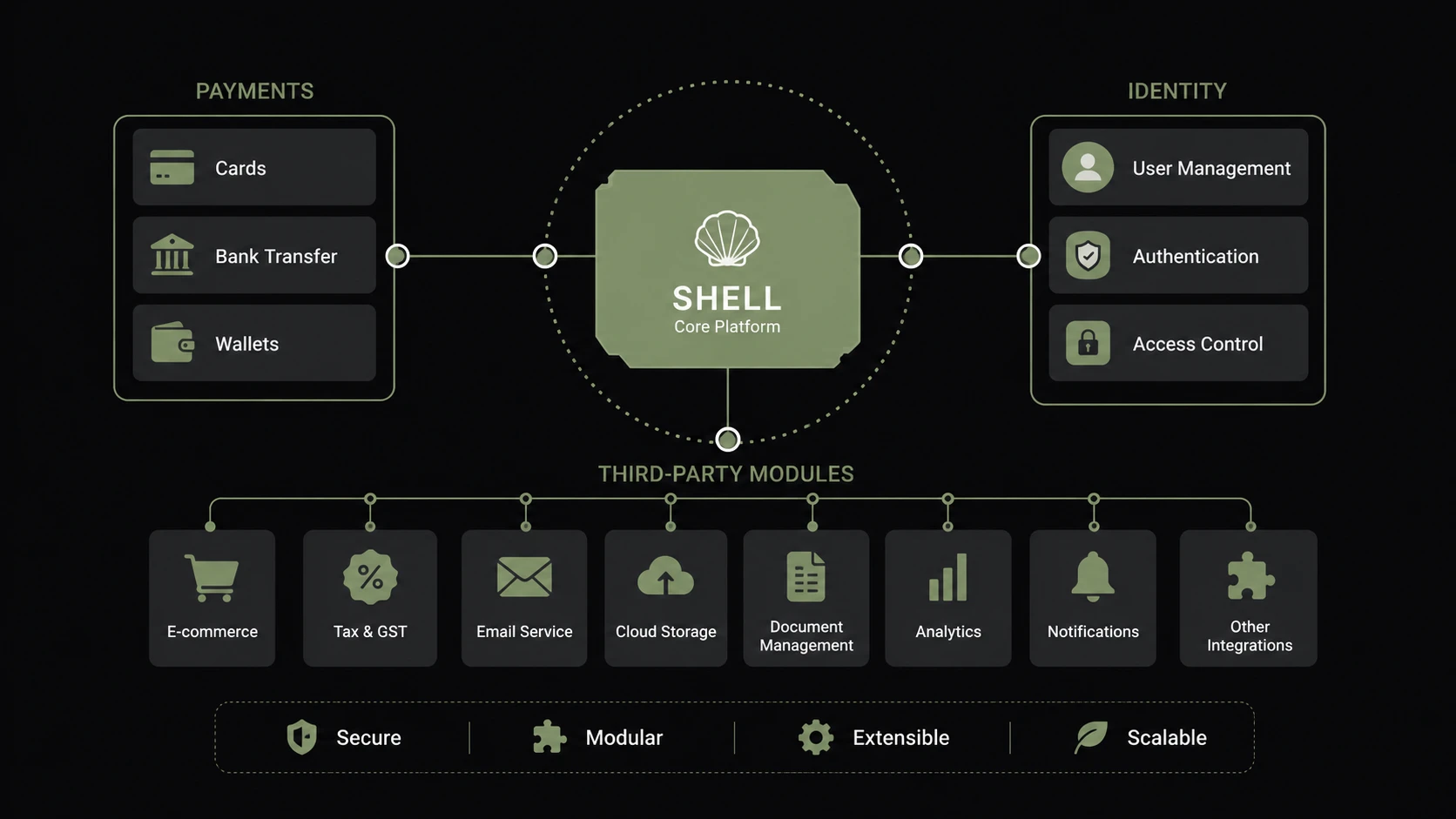
A simplified Superapp architecture appears below.
| Component | Responsibility |
|---|---|
| Unified Application Shell | Navigation and user experience |
| Identity Platform | Authentication and authorization |
| Embedded Business Modules | Payments, messaging, analytics, AI, workflows |
| API Gateway | Integration and governance |
| Enterprise Services | Business capabilities |
| Event Platform | Real-time communication |
| External Partner Services | Embedded third-party experiences |
The application shell orchestrates reusable platform services while presenting users with a consistent experience.
Key Features
Superapp Platform Architecture
The defining characteristic of a Superapp is its ability to host multiple independent services within a unified application.
Rather than requiring separate installations or portals, users access diverse capabilities through a common interface.
Examples of embedded capabilities include:
- ◆Messaging.
- ◆Collaboration.
- ◆Payments.
- ◆Analytics.
- ◆AI assistants.
- ◆Workflow automation.
This reduces friction while improving overall user productivity.
Embedded Experiences
Modern enterprise platforms increasingly integrate external capabilities directly into business workflows.
Common embedded services include:
- ◆Digital payments.
- ◆Identity verification.
- ◆Electronic signatures.
- ◆Video conferencing.
- ◆Mapping.
- ◆AI assistants.
- ◆Customer support.
Users complete tasks without leaving the primary application.
API-First Ecosystems
Platformization depends heavily on API-first architecture.
Organizations expose reusable business capabilities through standardized APIs that enable:
- ◆Internal application integration.
- ◆Partner ecosystems.
- ◆Mobile applications.
- ◆AI services.
- ◆Embedded third-party capabilities.
APIs become strategic enterprise assets rather than simple integration interfaces.
AI-Native User Experiences
Generative AI increasingly functions as a common platform capability.
Instead of deploying isolated AI tools, organizations embed conversational assistants into:
- ◆CRM platforms.
- ◆HR systems.
- ◆Knowledge portals.
- ◆Analytics dashboards.
- ◆Customer support applications.
AI becomes a shared service available across the platform ecosystem.
Composable Business Services
Modern platforms increasingly assemble applications from reusable business components.
Examples include:
- ◆Customer identity.
- ◆Product catalog.
- ◆Notifications.
- ◆Search.
- ◆Recommendations.
- ◆Billing.
- ◆Reporting.
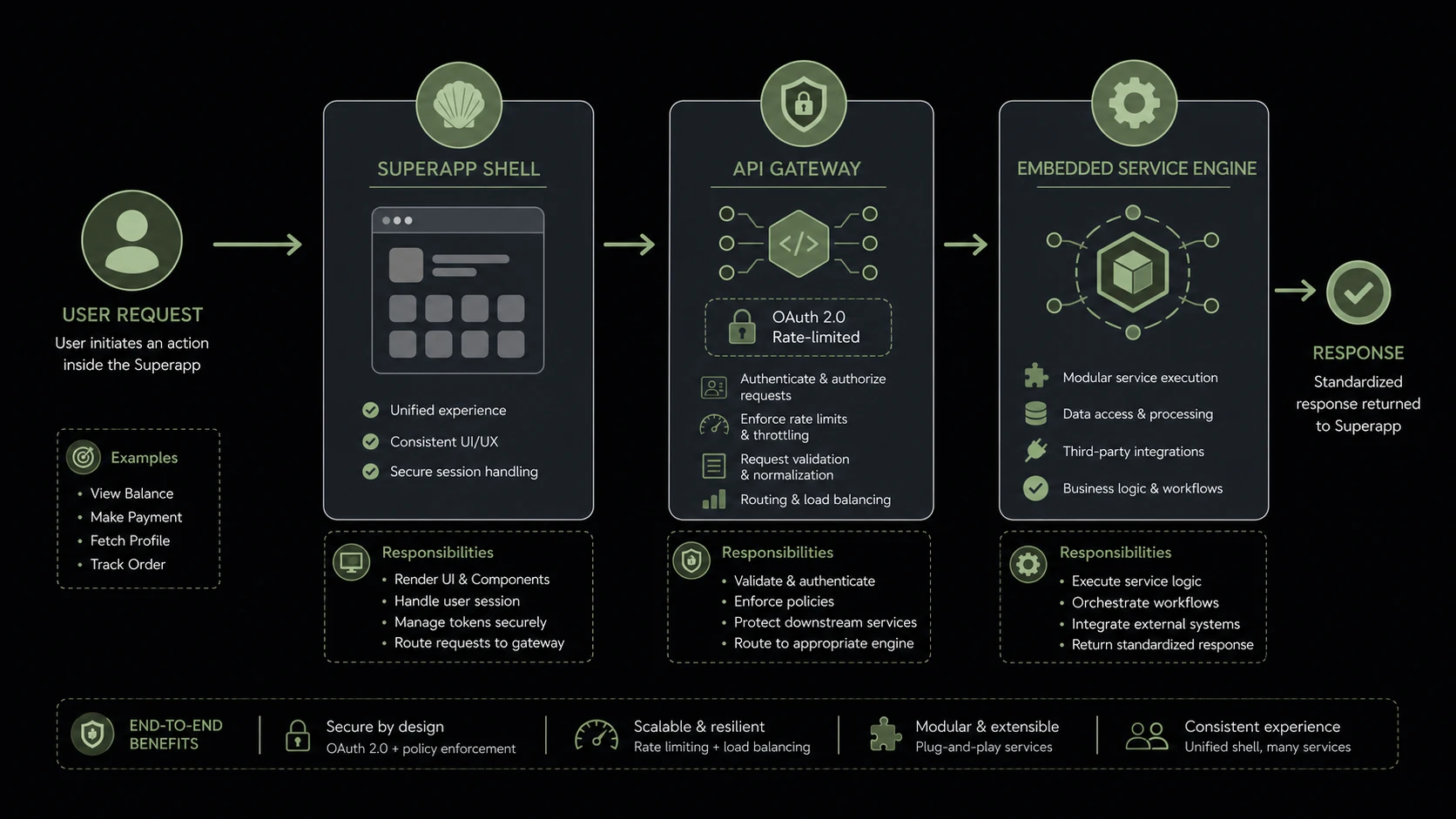
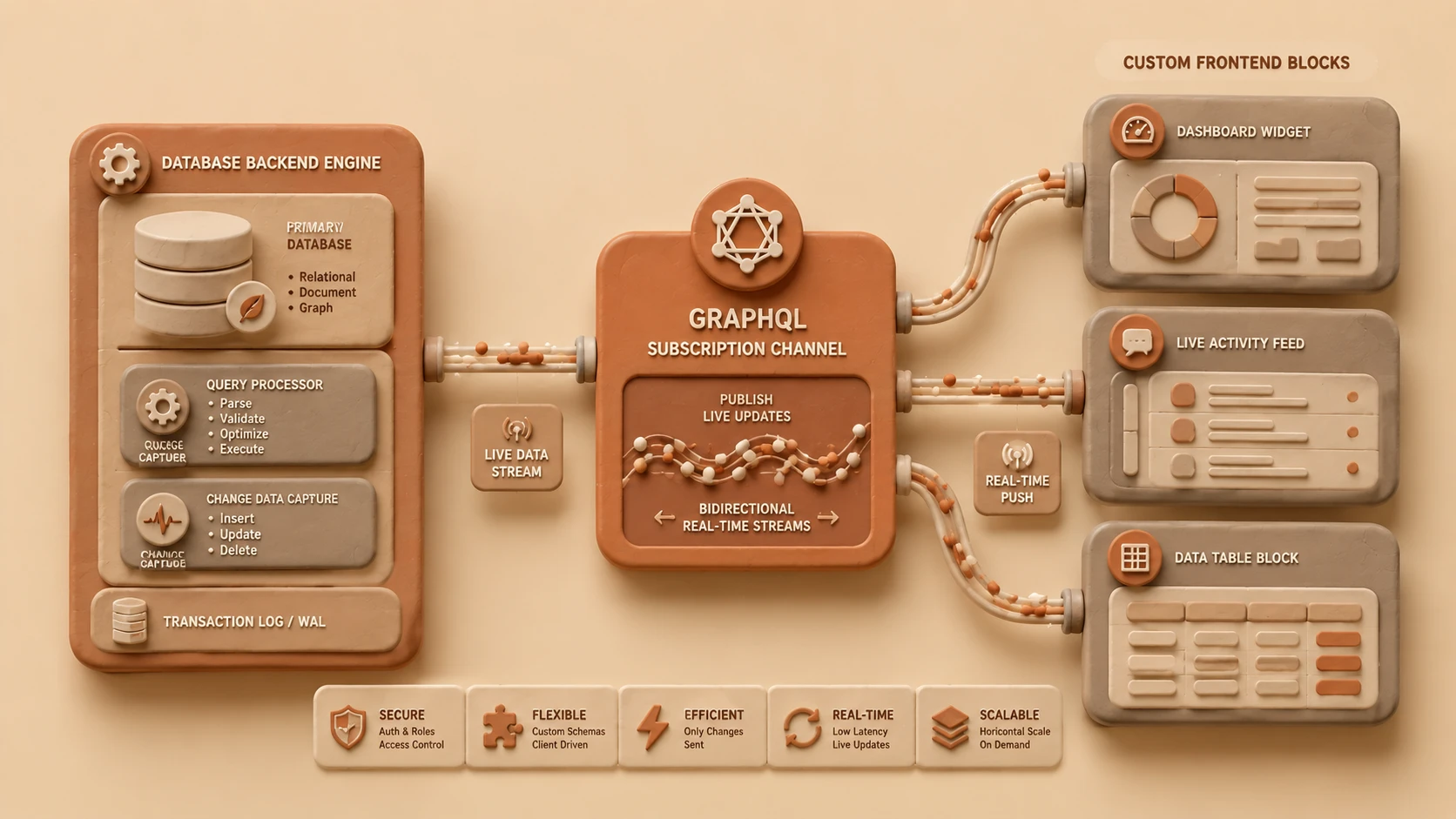
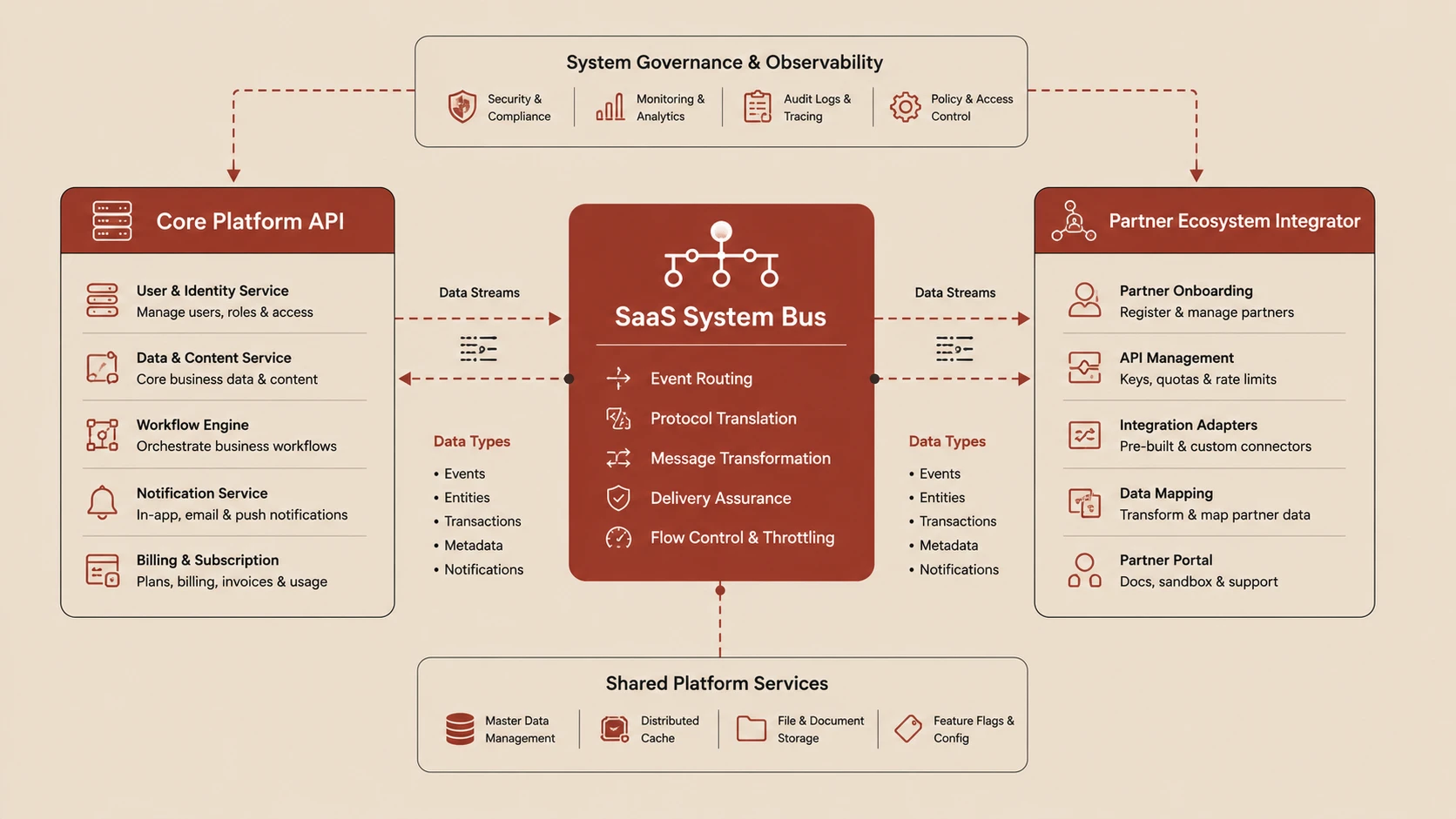
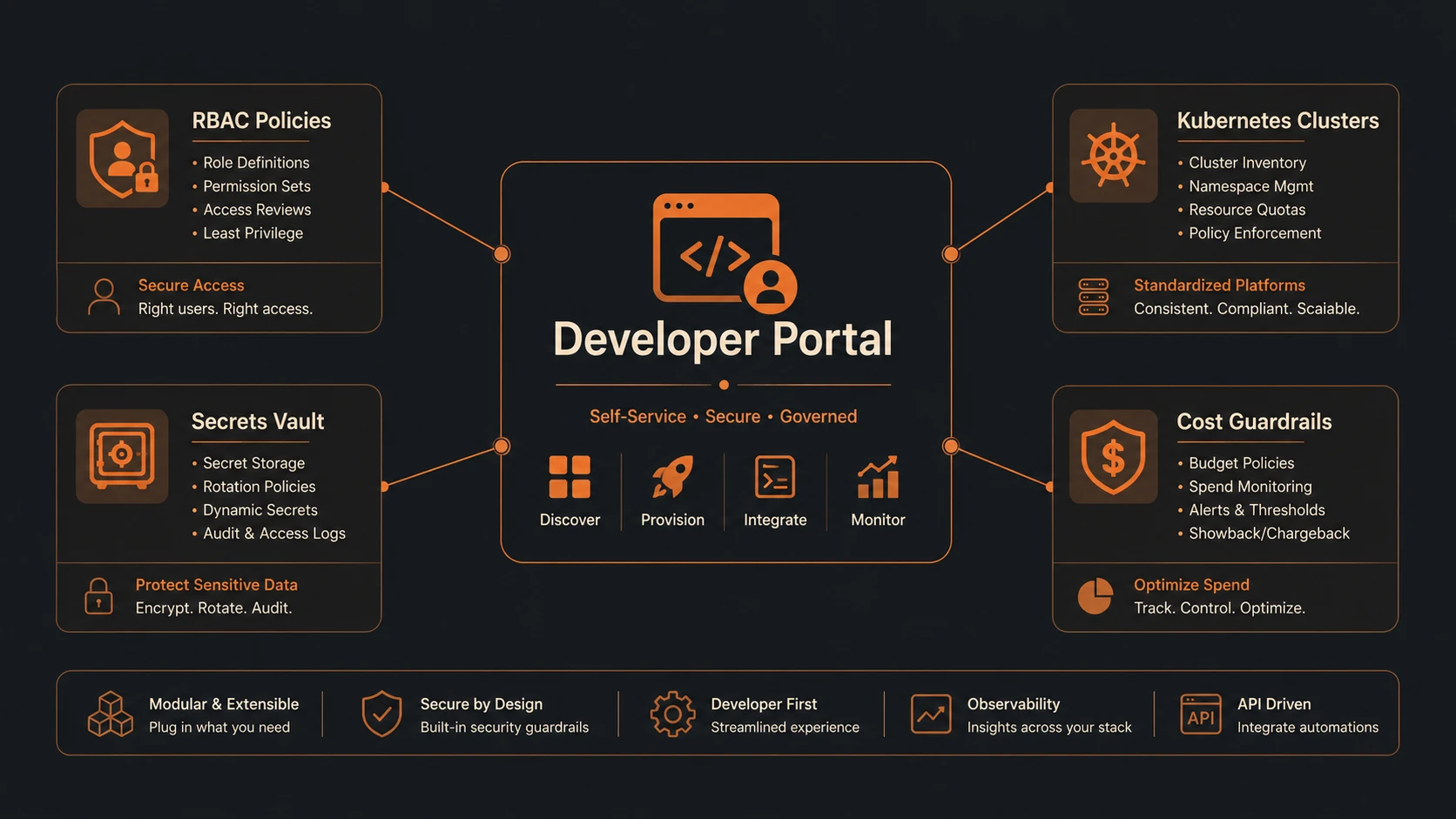
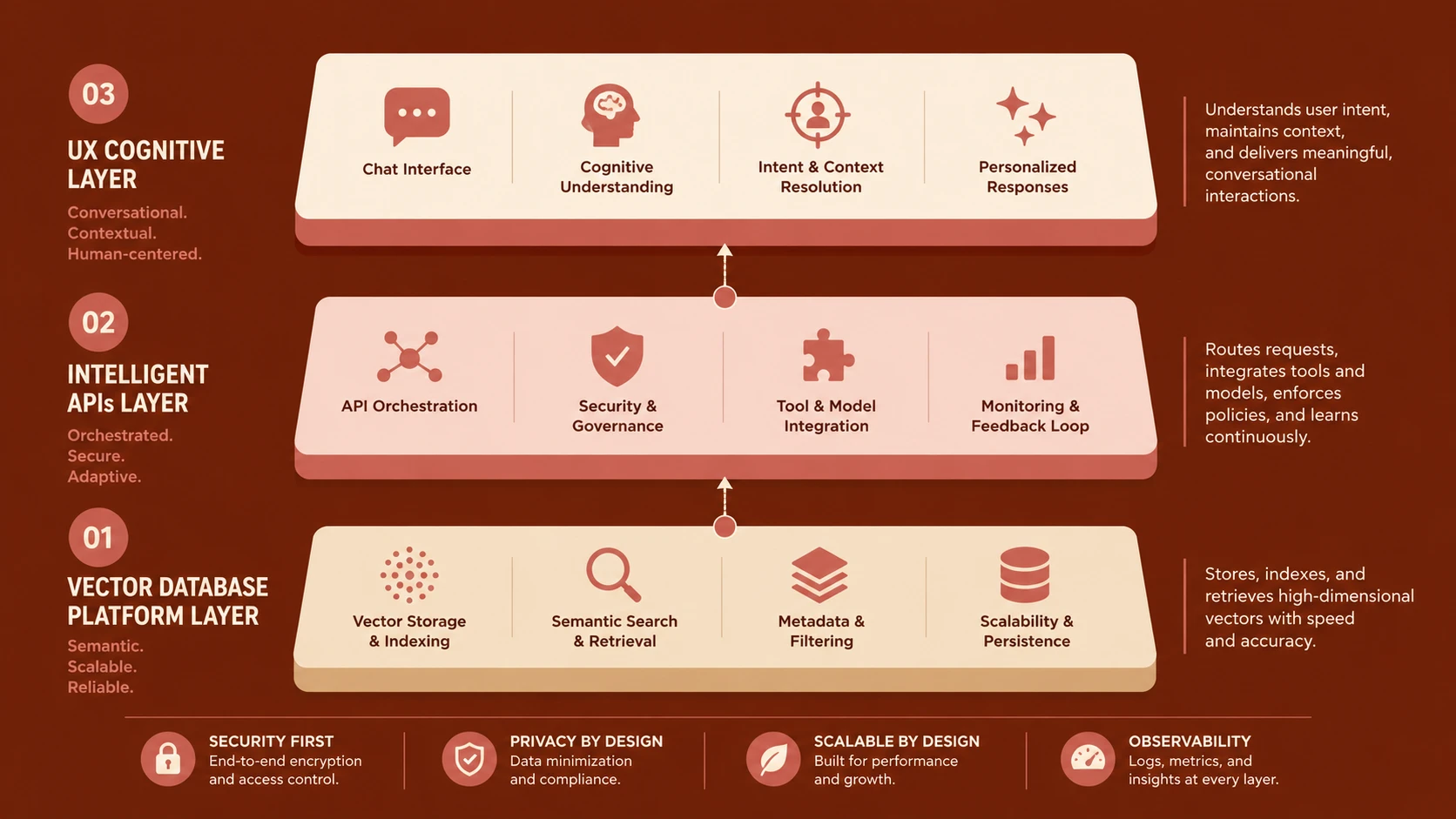
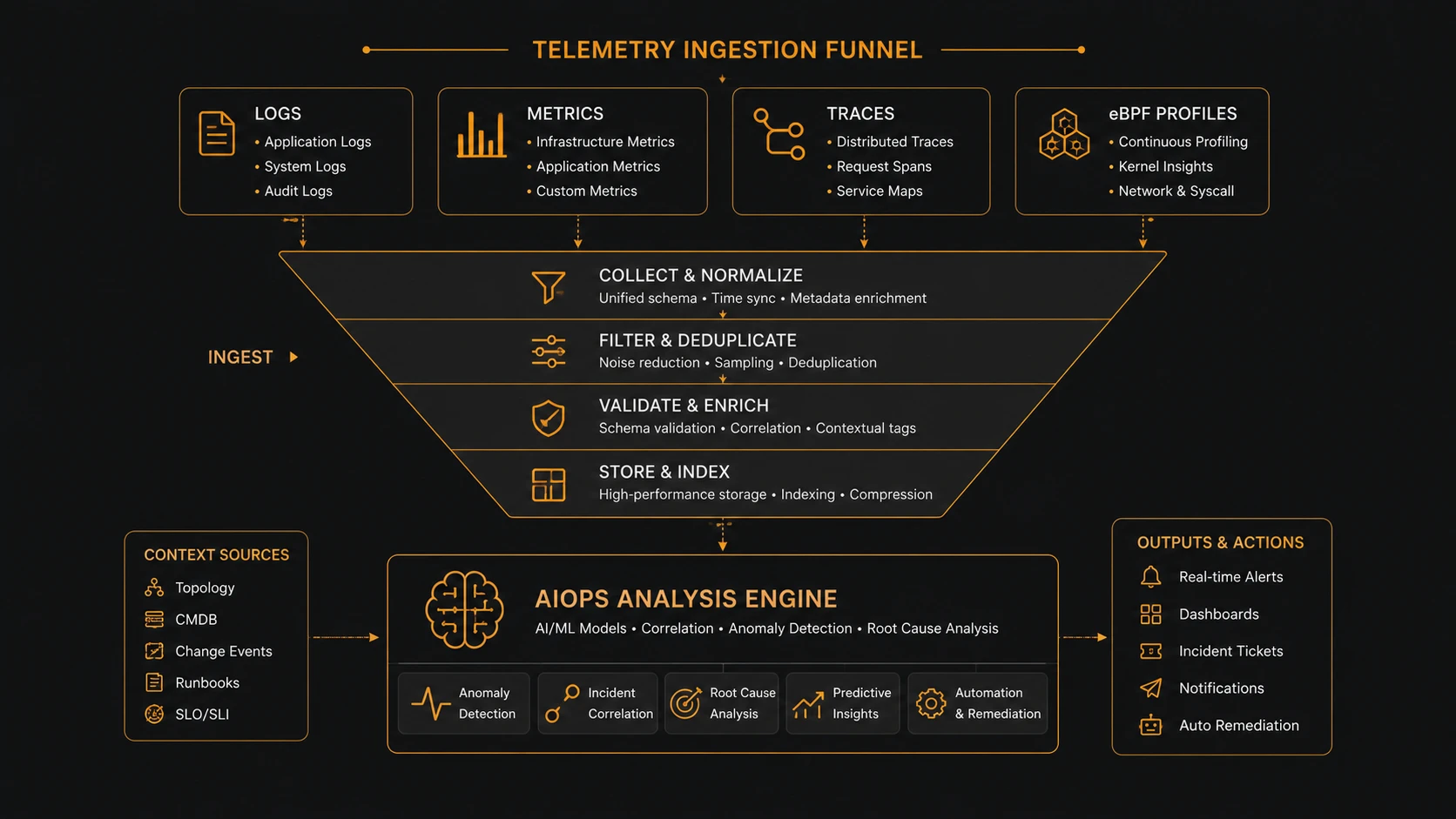
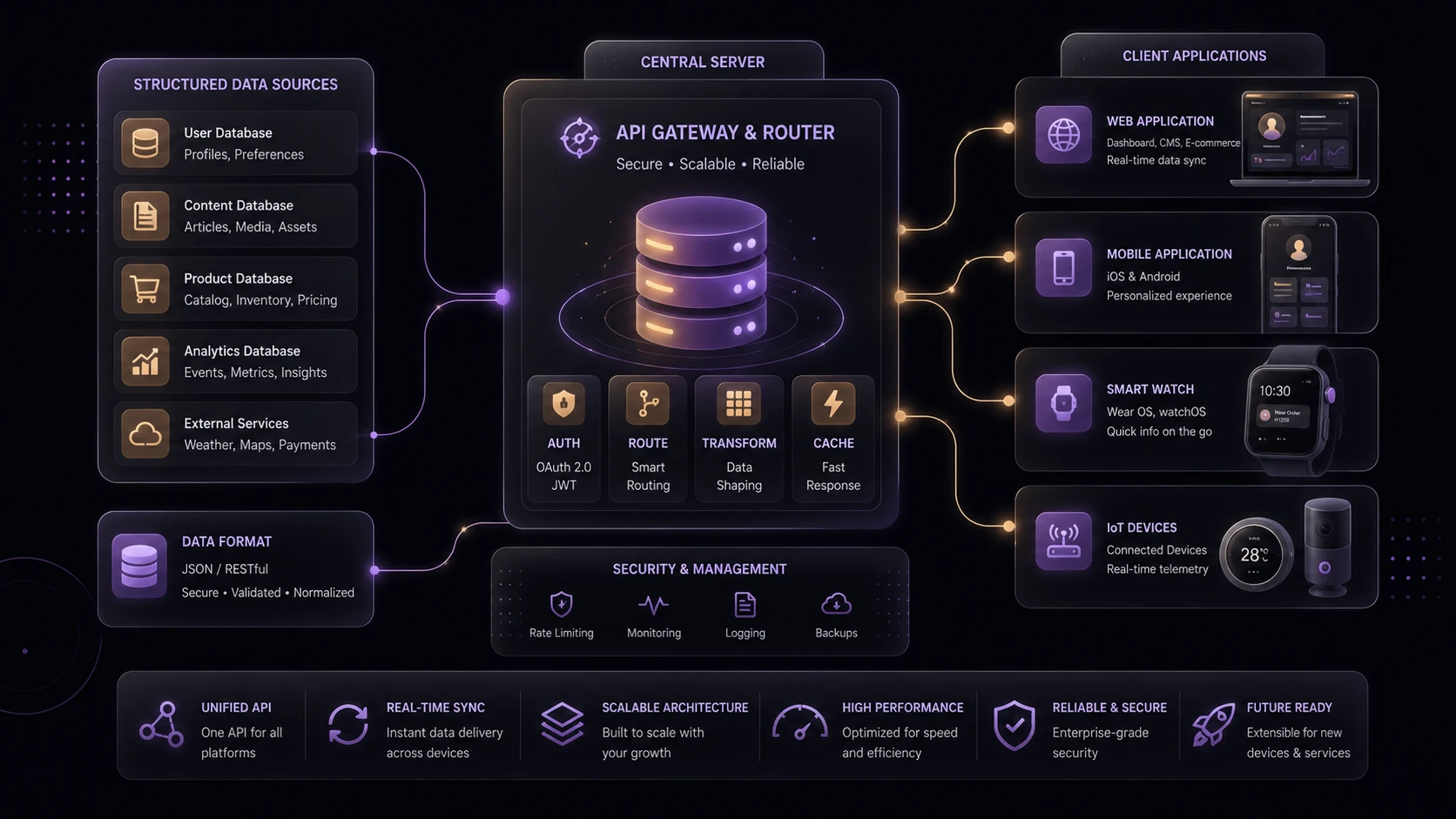
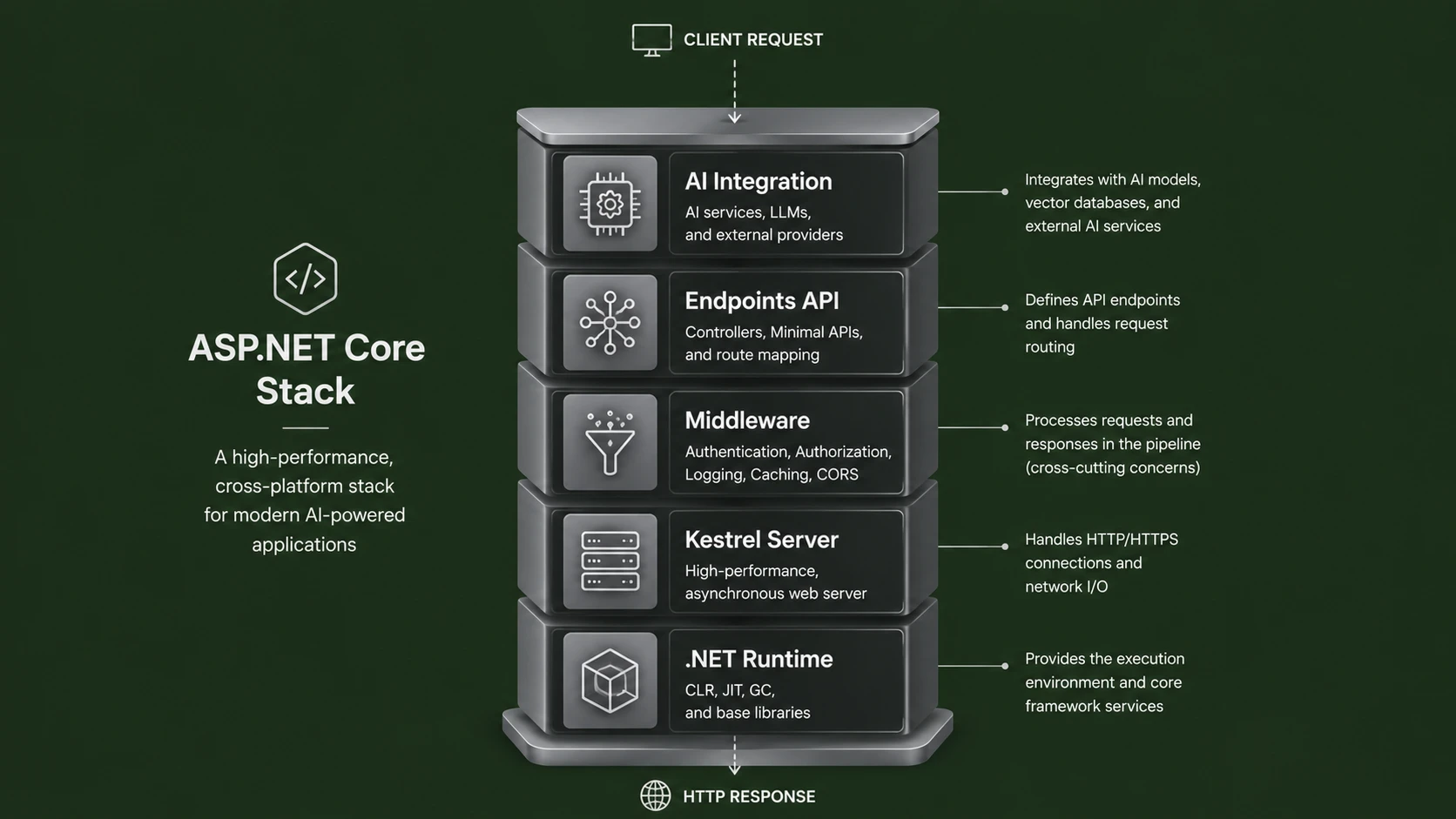
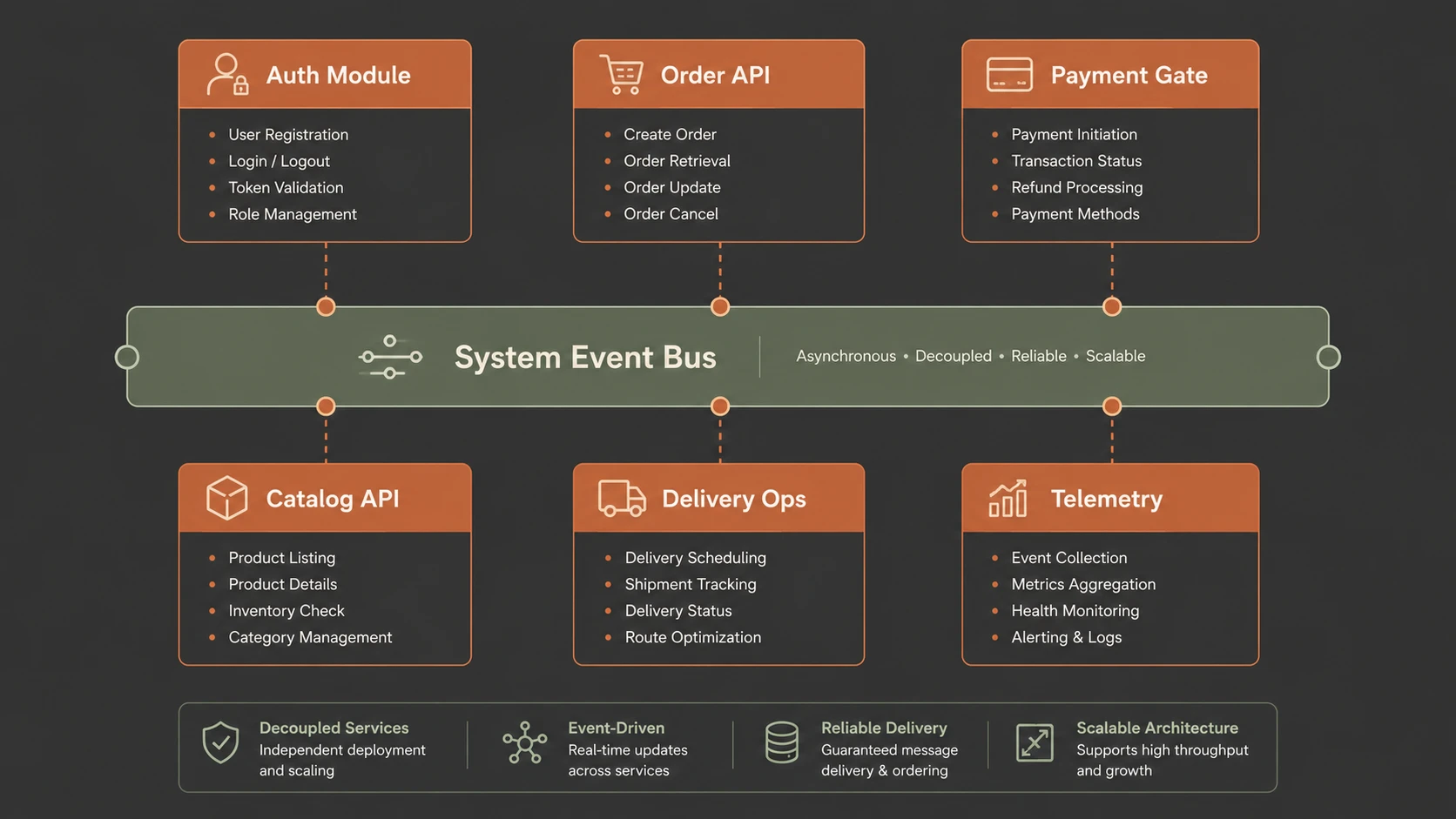
System architecture diagram and conceptual workflow layout for Superapps & Embedded Experiences.
Composable architecture accelerates development while improving reuse.
Unified Identity and Personalization
Superapps increasingly provide consistent identity management across all embedded experiences.
Organizations deliver:
- ◆Single Sign-On.
- ◆Centralized permissions.
- ◆User preferences.
- ◆Personalized dashboards.
- ◆Consistent navigation.
Unified identity simplifies both user experience and governance.
How It Works
A simplified platform workflow appears below.
User Login
      |
Identity Platform
      |
Superapp Shell
      |
Embedded Services
      |
API Gateway
      |
Enterprise Systems
      |
Partner Platforms
      |
Unified Digital Experience
The Superapp coordinates enterprise services and embedded capabilities through centralized platform infrastructure.
Enterprise Use Cases
Employee Experience Platforms
Organizations consolidate HR, collaboration, knowledge management, approvals, and AI assistants into a unified employee workspace.
Digital Banking
Financial institutions integrate payments, investments, customer support, budgeting tools, identity verification, and AI advisors within a single platform.
Healthcare Platforms
Patients access appointments, medical records, billing, telemedicine, prescriptions, and secure messaging through one application.
Retail Ecosystems
Retail platforms combine shopping, loyalty programs, payments, customer support, recommendations, and fulfillment tracking.
Enterprise SaaS Platforms
Business software vendors embed analytics, communications, AI copilots, reporting, and workflow automation into unified customer experiences.
Performance Considerations
Organizations implementing Superapps should evaluate:
- ◆Application startup time.
- ◆Module loading performance.
- ◆API latency.
- ◆Event processing.
- ◆User interface responsiveness.
- ◆Platform scalability.
Performance optimization should ensure embedded capabilities do not degrade the overall user experience.
Security Considerations
Platform-centric applications require centralized governance.
Organizations should implement:
- ◆Strong authentication.
- ◆Single Sign-On.
- ◆Role-Based Access Control.
- ◆API security.
- ◆Encryption.
- ◆Partner validation.
- ◆Continuous monitoring.
Security should remain consistent across all embedded services and ecosystem integrations.
Scalability
Superapps improve enterprise scalability through:
- ◆Platform reuse.
- ◆API-first development.
- ◆Modular services.
- ◆Shared infrastructure.
- ◆Centralized governance.
- ◆Ecosystem extensibility.
These capabilities enable organizations to expand digital services without continuously building new standalone applications.
Best Practices
Organizations adopting platform architectures should:
- ◆Design business capabilities as reusable platform services.
- ◆Standardize API governance across the organization.
- ◆Build modular user experiences.
- ◆Integrate AI as a shared platform capability.
- ◆Maintain consistent identity management.
- ◆Monitor platform performance continuously.
- ◆Encourage ecosystem development through well-documented APIs.
Successful implementation depends on treating the platform as a long-term product rather than a collection of independent applications.
Common Mistakes
| Mistake | Business Impact |
|---|---|
| Attempting to consolidate unrelated applications without architectural planning | Poor user experience |
| Building tightly coupled embedded services | Reduced platform flexibility |
| Ignoring API governance | Integration inconsistency |
| Overloading the platform with unnecessary features | Increased complexity |
| Treating embedded experiences as simple integrations | Limited business value |
| Neglecting developer ecosystem support | Reduced platform adoption |
Organizations should prioritize composability, governance, and user experience over feature accumulation.
Technology Comparison
| Characteristic | Traditional Enterprise Applications | Superapp & Embedded Platform |
|---|---|---|
| User Experience | Multiple independent applications | Unified digital platform |
| Integration | External API connections | Embedded experiences |
| Identity | Separate authentication | Centralized identity |
| Business Services | Application specific | Reusable platform capabilities |
| AI Integration | Standalone assistants | Platform-wide AI services |
| Extensibility | Limited | Ecosystem driven |
Platformization transforms enterprise software from isolated applications into interconnected digital ecosystems.
Adoption Strategy
Organizations should modernize incrementally.
- 1.Identify high-value business workflows suitable for consolidation.
- 2.Build reusable platform services using API-first principles.
- 3.Implement centralized identity and governance.
- 4.Embed commonly used business capabilities into existing workflows.
- 5.Introduce AI assistants as shared platform services.
- 6.Expand ecosystem capabilities through partner integrations and modular architecture.
This phased approach enables organizations to evolve toward platform-centric architectures while minimizing operational disruption.
Limitations
As of October 2024, organizations should recognize several considerations.
- ◆Superapps are most beneficial for organizations managing broad digital ecosystems and multiple interconnected services.
- ◆Excessive feature accumulation without modular architecture can reduce usability and maintainability.
- ◆Embedded experiences require strong API governance, partner management, and lifecycle planning.
- ◆Platform success depends on developer experience, documentation, observability, and long-term governance.
- ◆Organizations should balance platform consolidation with the flexibility required by individual business units.
These considerations should guide enterprise platform modernization initiatives.
Looking Ahead
From the perspective of October 2024, Superapps and Embedded Experiences represent the continuing evolution of enterprise software toward platform-centric ecosystems. Rather than delivering isolated applications for individual business functions, organizations are building extensible digital platforms that integrate AI, collaboration, payments, analytics, communications, and partner services into seamless user experiences.
As composable architecture, API-first development, platform engineering, and AI-native experiences continue advancing, enterprise software will increasingly be defined by ecosystems instead of individual products. Organizations investing in reusable platform capabilities, embedded services, centralized governance, and developer-friendly ecosystems will be best positioned to deliver scalable, connected, and intelligent digital experiences across customers, employees, and business partners.