Introduction
For decades, the modern web has relied on public-key cryptography as the foundation of secure digital communication. Every HTTPS connection, software update, digital certificate, secure API, online banking transaction, enterprise identity system, and cloud authentication workflow depends on cryptographic algorithms that have proven resilient against attacks from classical computers.
The emergence of practical quantum computing research has introduced a new long-term consideration for cybersecurity professionals. While today's production quantum computers are not capable of breaking widely deployed internet cryptography, ongoing advances have accelerated global efforts to prepare cryptographic infrastructure for a future in which sufficiently capable quantum computers could threaten certain widely used public-key algorithms.
Governments, standards bodies, browser vendors, cloud providers, and enterprise technology leaders are therefore beginning a multi-year transition toward Post-Quantum Cryptography (PQC), also known as quantum-safe cryptography. Rather than waiting until quantum computers mature further, organizations are increasingly adopting a "prepare now" strategy because cryptographic migrations across global digital infrastructure require significant planning and testing.
As of July 2024, quantum-safe cryptography represents one of the most important long-term security modernization initiatives for enterprise technology.
Industry Background
Several developments are accelerating enterprise planning:
- ◆Standardization of post-quantum cryptographic algorithms
- ◆Cloud security modernization
- ◆Zero Trust security initiatives
- ◆Long-term protection of sensitive information
- ◆Government cybersecurity guidance
- ◆Software supply chain security
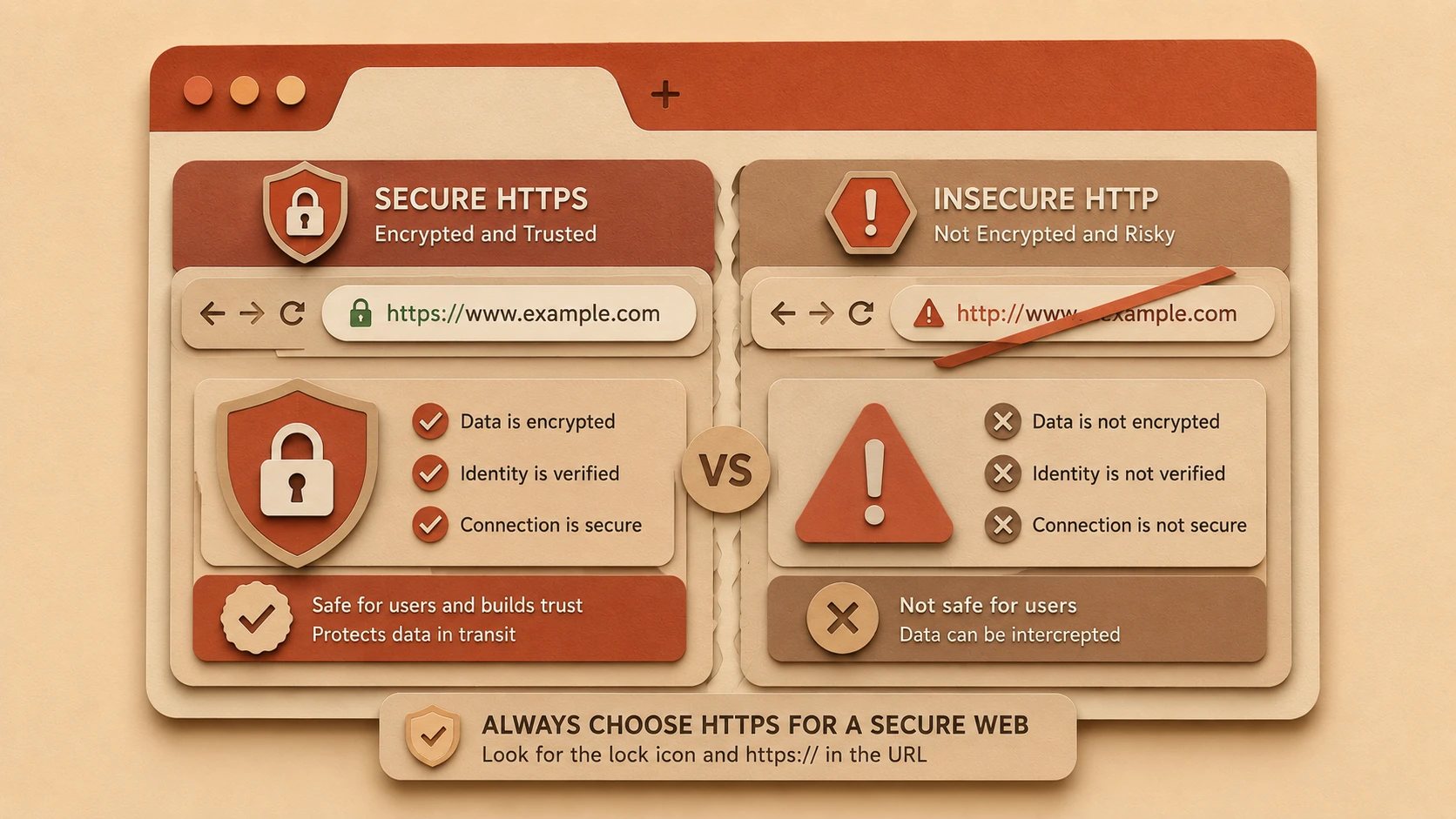
- ◆Modern TLS implementations
- ◆Enterprise PKI modernization
Organizations increasingly recognize that cryptographic agility has become a strategic architectural capability.
The Business Problem
Enterprise organizations face several long-term challenges:
- ◆Long software lifecycles
- ◆Large certificate infrastructures
- ◆Complex Public Key Infrastructure (PKI)
- ◆Hybrid cloud environments
- ◆Extensive API ecosystems
- ◆Long-lived sensitive data
- ◆Growing compliance expectations
Replacing cryptographic infrastructure across large organizations requires careful planning rather than emergency migration.
Understanding Post-Quantum Cryptography
Post-Quantum Cryptography (PQC) consists of cryptographic algorithms designed to resist attacks from both classical and future cryptographically relevant quantum computers.
Unlike quantum cryptography, which depends on specialized communication hardware, PQC is intended to operate on conventional computing systems including:
- ◆Browsers
- ◆Servers
- ◆Cloud platforms
- ◆Mobile devices
- ◆Enterprise applications
- ◆Network appliances
This compatibility enables gradual deployment without replacing existing hardware infrastructure.
Core Architecture
| Component | Responsibility |
|---|---|
| Browser | Initiates secure communication |
| TLS Stack | Negotiates encrypted sessions |
| Certificate Infrastructure | Establishes digital trust |
| Authentication Services | Verify identities |
| Post-Quantum Algorithms | Provide quantum-resistant key establishment and digital signatures |
| Cloud Platform | Hosts enterprise workloads |
| Security Monitoring | Observes cryptographic operations |
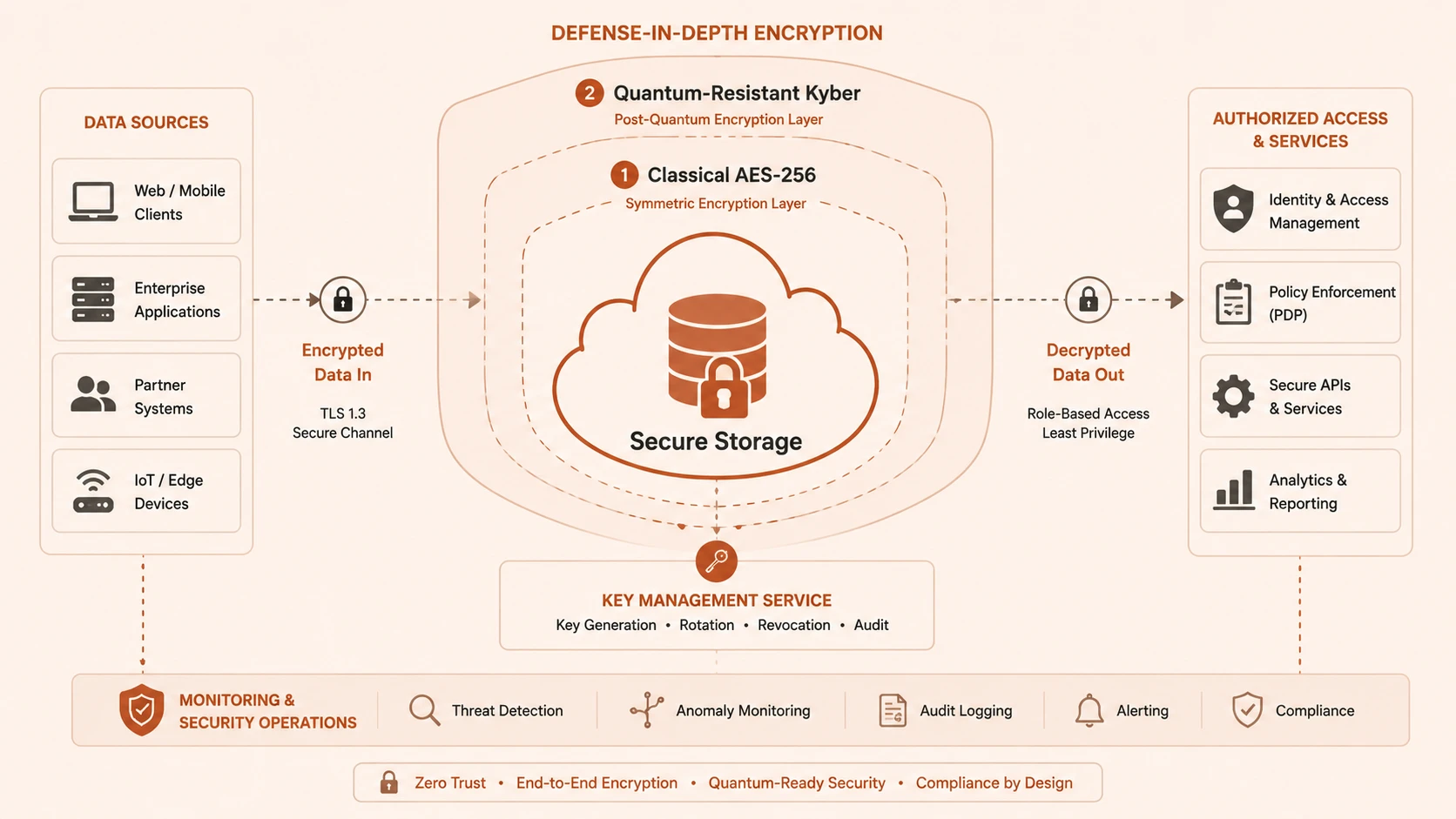
This architecture enables organizations to modernize cryptographic capabilities while preserving existing application functionality.
Why Quantum-Safe Cryptography Matters
Current internet security relies heavily on asymmetric cryptographic algorithms for:
- ◆TLS handshakes
- ◆Digital certificates
- ◆Software signing
- ◆Identity management
- ◆Secure key exchange
Organizations protecting sensitive information with long confidentiality requirements are evaluating migration strategies today because future advances in quantum computing could change the security assumptions of some currently deployed public-key algorithms.
Browser Security Evolution
Browsers remain central to secure web communication.
As quantum-safe standards mature, browser ecosystems are expected to evolve through:
- ◆Updated TLS implementations
- ◆Support for standardized post-quantum algorithms
- ◆Hybrid cryptographic approaches during transition periods
- ◆Enhanced certificate validation mechanisms
Application developers should minimize assumptions about underlying cryptographic implementations and instead rely on well-maintained platform libraries.
Cryptographic Agility
One of the most important architectural principles is cryptographic agility.
Rather than tightly coupling applications to specific algorithms, organizations should design systems capable of adopting newer cryptographic standards over time.
Key practices include:
- ◆Standards-based APIs
- ◆Centralized certificate management
- ◆Modular cryptographic services
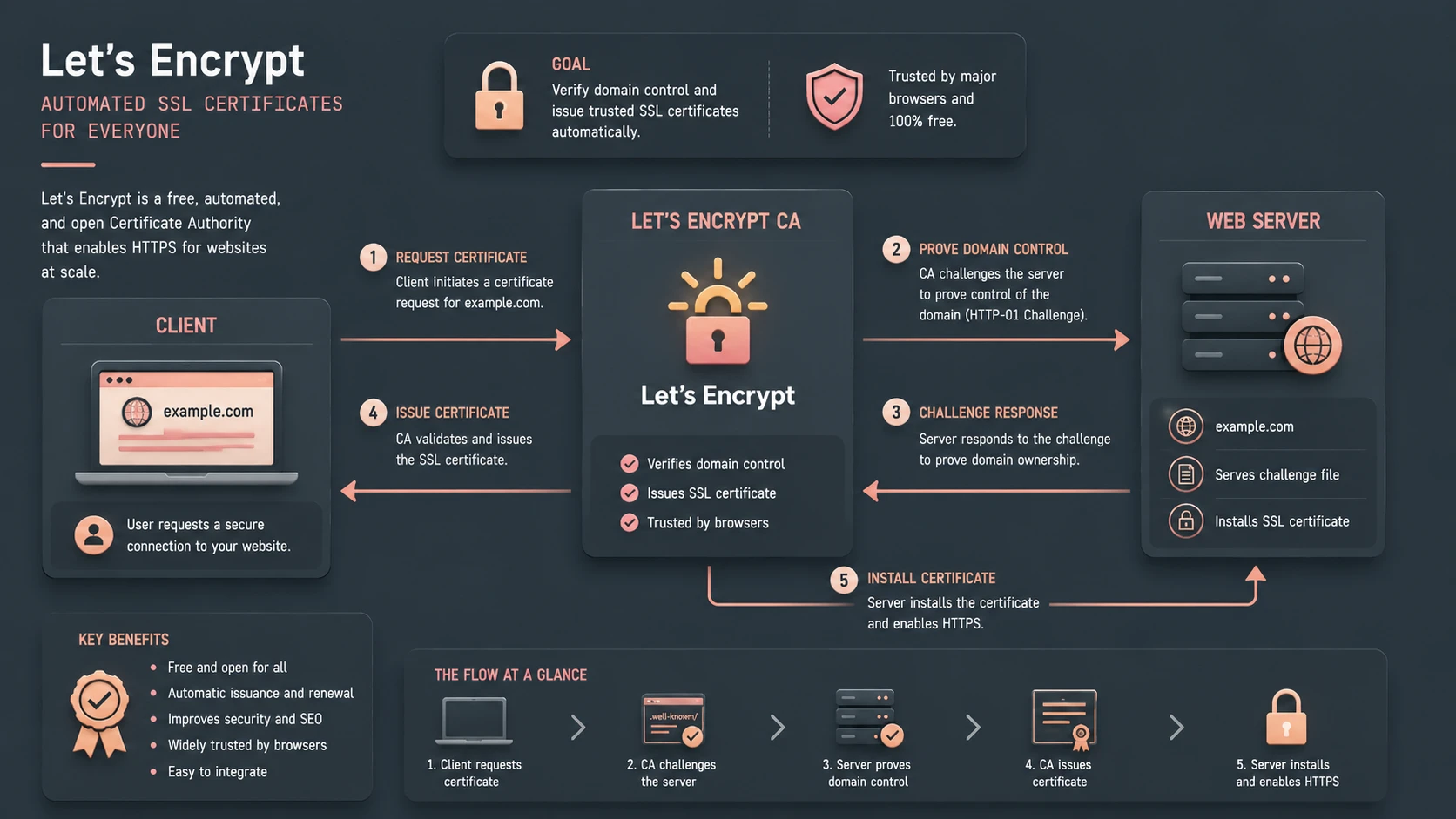
- ◆Automated certificate lifecycle management
- ◆Configuration-driven security policies
Cryptographic agility reduces the operational burden of future migrations.
Enterprise PKI Modernization
Public Key Infrastructure often spans:
- ◆Internal applications
- ◆Employee authentication
- ◆Customer portals
- ◆API gateways
- ◆VPN services
- ◆Device identities
Modernization efforts should inventory cryptographic dependencies before introducing new algorithms or certificate strategies.
Hybrid Transition Strategies
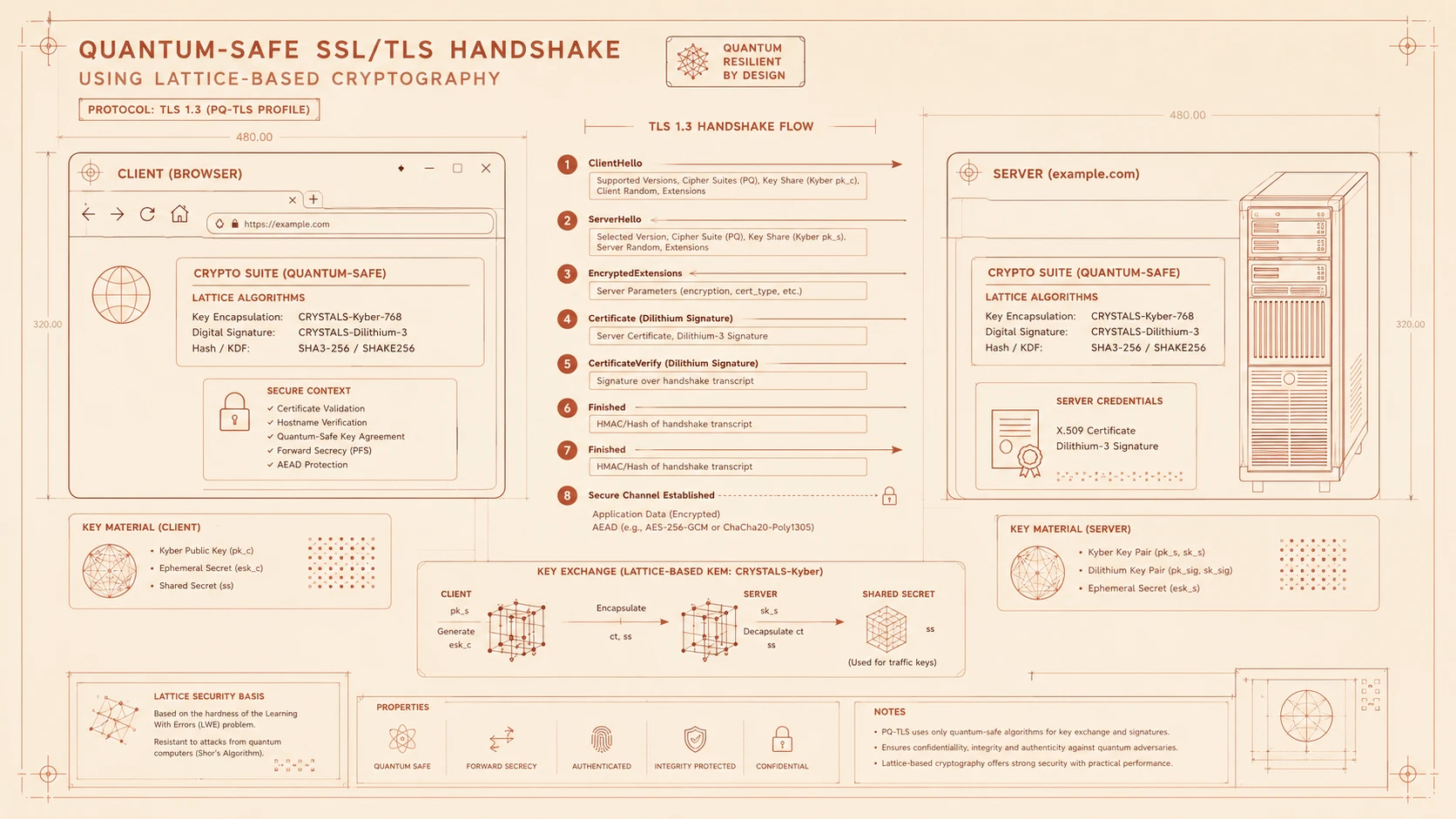
// Node.js script setting up TLS context using quantum-safe Kyber key exchange algorithm
const tls = require('tls');
const fs = require('fs');

const options = {
  key: fs.readFileSync('server-key.pem'),
  cert: fs.readFileSync('server-cert.pem'),
  // Specify post-quantum Kyber hybrid key exchange cipher suites
  ciphers: 'ECDHE-KYBER-RSA-AES256-GCM-SHA384:DHE-RSA-AES256-GCM-SHA384',
  minVersion: 'TLSv1.3'
};

tls.createServer(options, (socket) => {
  console.log('Established secure Quantum-Safe TLS socket connection');
  socket.write('Hello secure browser');
}).listen(8443);
The transition to post-quantum cryptography is expected to occur gradually.
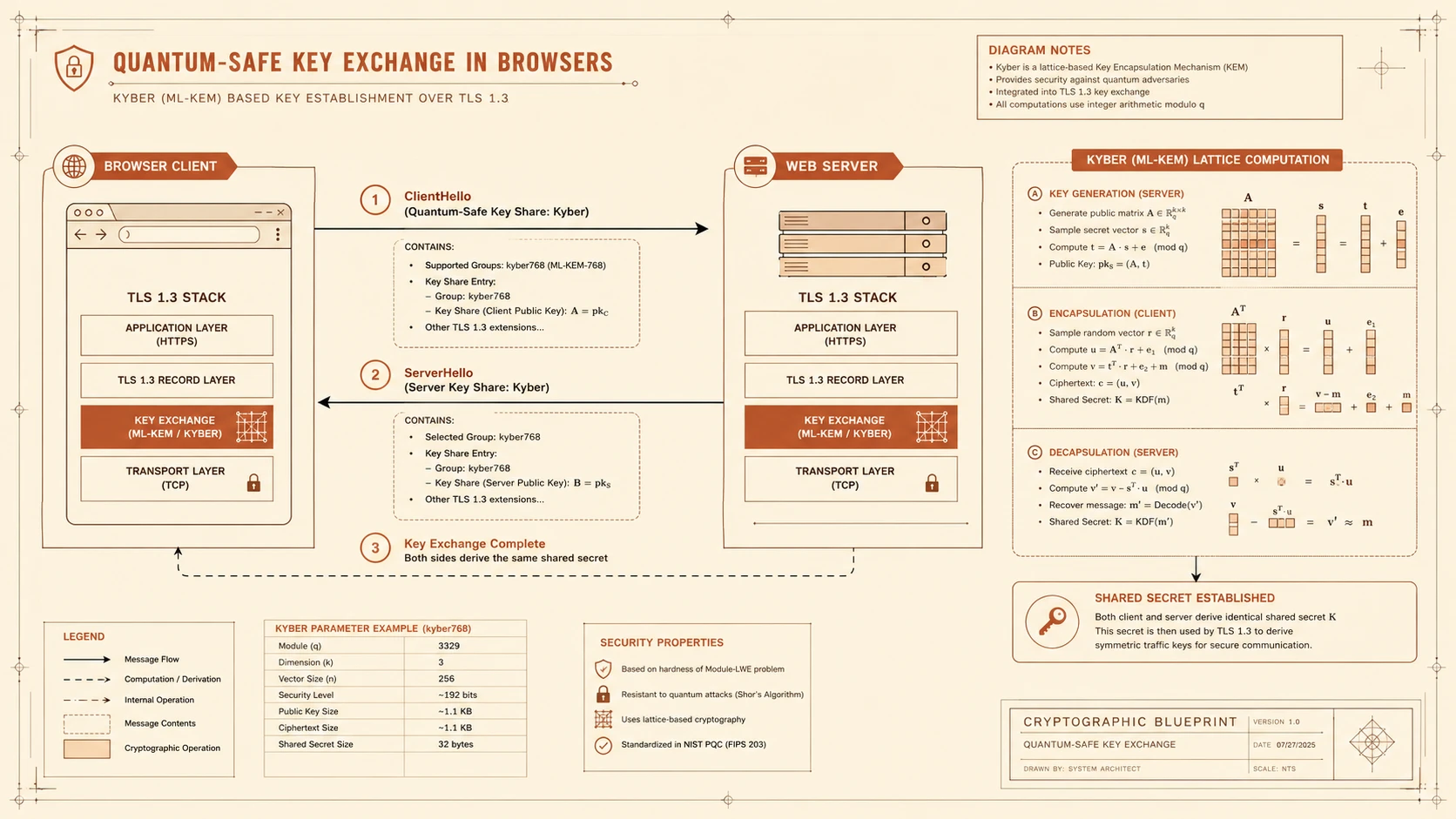
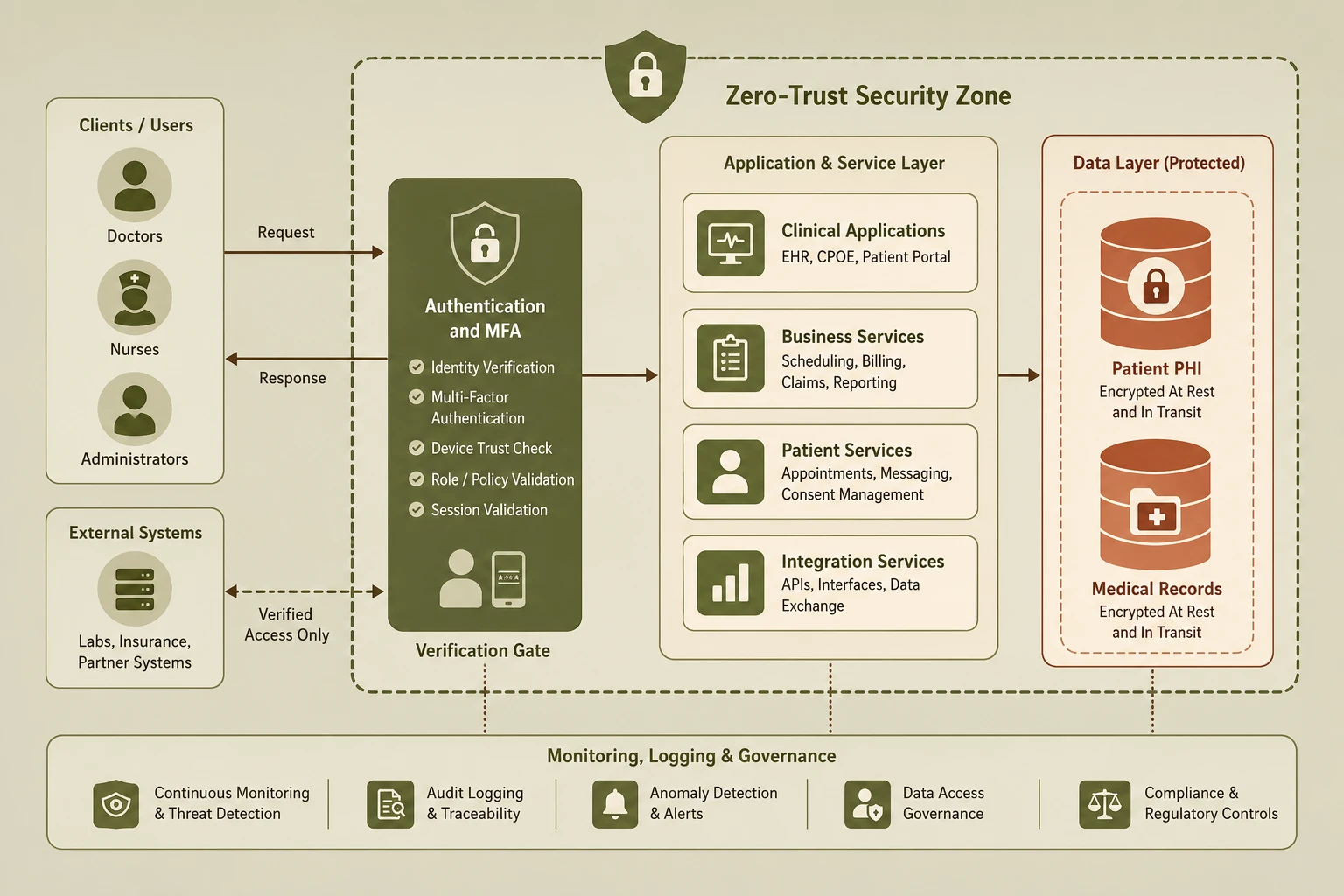
System architecture diagram and conceptual workflow layout for Quantum & Web: When the Browser Meets Quantum-Safe Cryptography.
Many organizations are evaluating hybrid approaches that combine established cryptographic mechanisms with standardized post-quantum algorithms during migration periods.
Potential advantages include:
- ◆Improved interoperability
- ◆Incremental deployment
- ◆Reduced migration risk
- ◆Easier operational validation
Hybrid approaches should follow applicable standards and vendor guidance.
Enterprise Use Cases
| Scenario | Benefit |
|---|---|
| Financial Services | Long-term protection of sensitive communications |
| Government Systems | Preparation for future cryptographic requirements |
| Healthcare Platforms | Protection of regulated information |
| Cloud Platforms | Modernized TLS infrastructure |
| Enterprise SaaS | Cryptographic agility across customer environments |
| Software Distribution | Future-ready code signing strategies |
Organizations responsible for long-lived sensitive information are particularly motivated to evaluate post-quantum readiness.
Performance Considerations
Engineering teams should evaluate:
- ◆TLS handshake performance
- ◆Certificate validation latency
- ◆Network throughput
- ◆Key management overhead
- ◆Compatibility across browsers and operating systems
- ◆Operational scalability
Performance testing should accompany interoperability validation throughout migration planning.
Security Considerations
Quantum-safe migration should complement existing cybersecurity practices.
Organizations should continue implementing:
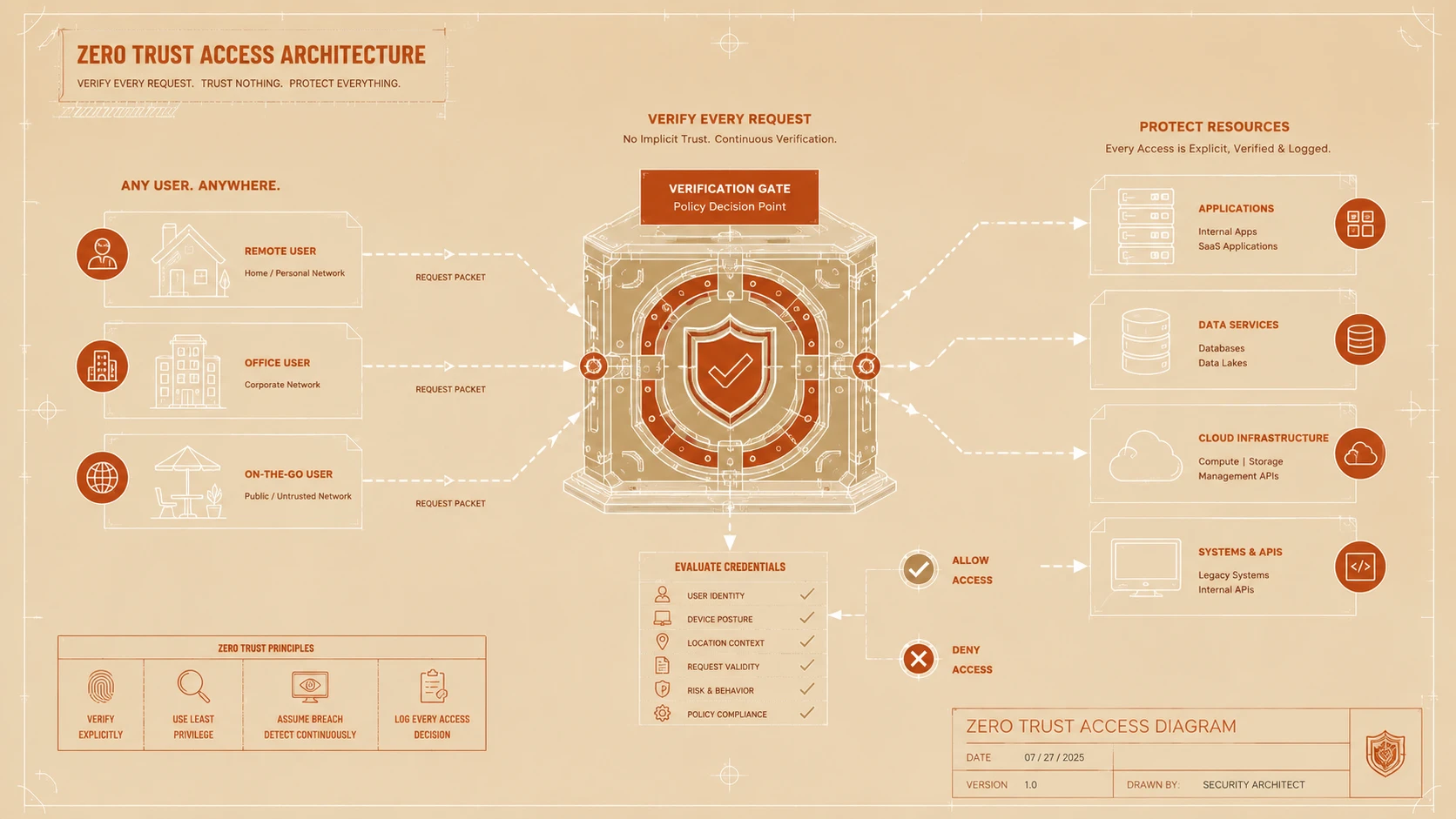
- ◆Zero Trust architecture
- ◆Multi-Factor Authentication
- ◆Identity and access management
- ◆Certificate lifecycle management
- ◆Secure software supply chains
- ◆Continuous vulnerability management
- ◆Encryption for data in transit and at rest
Post-quantum cryptography strengthens one layer of enterprise security but does not replace broader security architecture.
Scalability
Enterprise cryptographic modernization should support:
- ◆Multi-cloud environments
- ◆Hybrid infrastructure
- ◆Browser compatibility
- ◆API ecosystems
- ◆Global certificate management
- ◆Automated deployment pipelines
Scalable cryptographic governance reduces operational complexity as organizations modernize security infrastructure.
Best Practices
Organizations preparing for quantum-safe cryptography should:
- ◆Inventory cryptographic assets across applications and infrastructure.
- ◆Design systems with cryptographic agility.
- ◆Follow standardized post-quantum algorithms as they become available through supported platforms.
- ◆Test interoperability across browsers, cloud providers, and operating systems.
- ◆Modernize certificate lifecycle management.
- ◆Maintain automated security testing.
- ◆Monitor vendor roadmaps for browser, operating system, and cloud platform support.
- ◆Plan migration as a multi-year modernization initiative rather than an emergency response.
Incremental planning reduces future migration complexity while improving long-term operational resilience.
Common Mistakes
Organizations should avoid:
- ◆Assuming current internet cryptography requires immediate replacement.
- ◆Implementing proprietary cryptographic solutions outside established standards.
- ◆Ignoring cryptographic dependencies within legacy systems.
- ◆Treating browser security independently from broader PKI modernization.
- ◆Delaying cryptographic inventory efforts until future migrations become urgent.
- ◆Assuming post-quantum cryptography eliminates the need for comprehensive cybersecurity controls.
Successful preparation depends on governance, interoperability, and disciplined architecture rather than premature technology replacement.
Technology Comparison
| Capability | Traditional Public-Key Infrastructure | Quantum-Ready Architecture |
|---|---|---|
| Cryptographic Flexibility | Limited algorithm agility | Designed for algorithm evolution |
| Migration Strategy | Infrequent updates | Planned long-term modernization |
| Browser Support | Established standards | Emerging support through evolving standards and platforms |
| Certificate Management | Traditional PKI | Modernized, automation-oriented PKI |
| Enterprise Readiness | Current production baseline | Future-oriented preparation |
| Long-Term Strategy | Stable classical cryptography | Cryptographic agility with post-quantum readiness |
Quantum-safe architecture extends today's security foundations while preparing organizations for future cryptographic evolution.
Adoption Strategy
Organizations should approach post-quantum readiness incrementally.
A practical roadmap includes:
- 1.Inventory cryptographic assets and dependencies.
- 2.Assess long-lived data requiring extended confidentiality.
- 3.Evaluate cryptographic agility across applications.
- 4.Modernize PKI governance and certificate management.
- 5.Test standards-based post-quantum support as vendor ecosystems mature.
- 6.Monitor browser, cloud provider, and platform compatibility.
- 7.Expand adoption based on validated interoperability, standards evolution, and business requirements.
A phased strategy minimizes operational risk while positioning organizations for future cryptographic transitions.
Limitations
As of July 2024, organizations should recognize several considerations.
Current observations include:
- ◆Large-scale migration to post-quantum cryptography will occur over multiple years.
- ◆Enterprise interoperability remains an important consideration across browsers, cloud platforms, operating systems, and security products.
- ◆Cryptographic modernization should follow established standards rather than proprietary implementations.
- ◆Successful preparation depends on governance, inventory management, and architectural flexibility more than immediate algorithm replacement.
Organizations should therefore view quantum-safe cryptography as a long-term modernization program aligned with broader enterprise security strategy.
Looking Ahead
As of July 2024, quantum-safe cryptography is transitioning from academic research into practical enterprise planning. Browser vendors, cloud providers, standards organizations, and security vendors are collectively preparing the web ecosystem for future cryptographic requirements while maintaining compatibility with today's production internet.
For enterprise architects, CISOs, platform engineers, and technology leaders, the strategic objective is not to replace existing cryptography overnight, but to build cryptographically agile systems capable of evolving alongside industry standards. Organizations that invest in inventory, governance, automated certificate management, and standards-based security architecture today will be better positioned to navigate the long-term transition toward a quantum-ready web.