Introduction
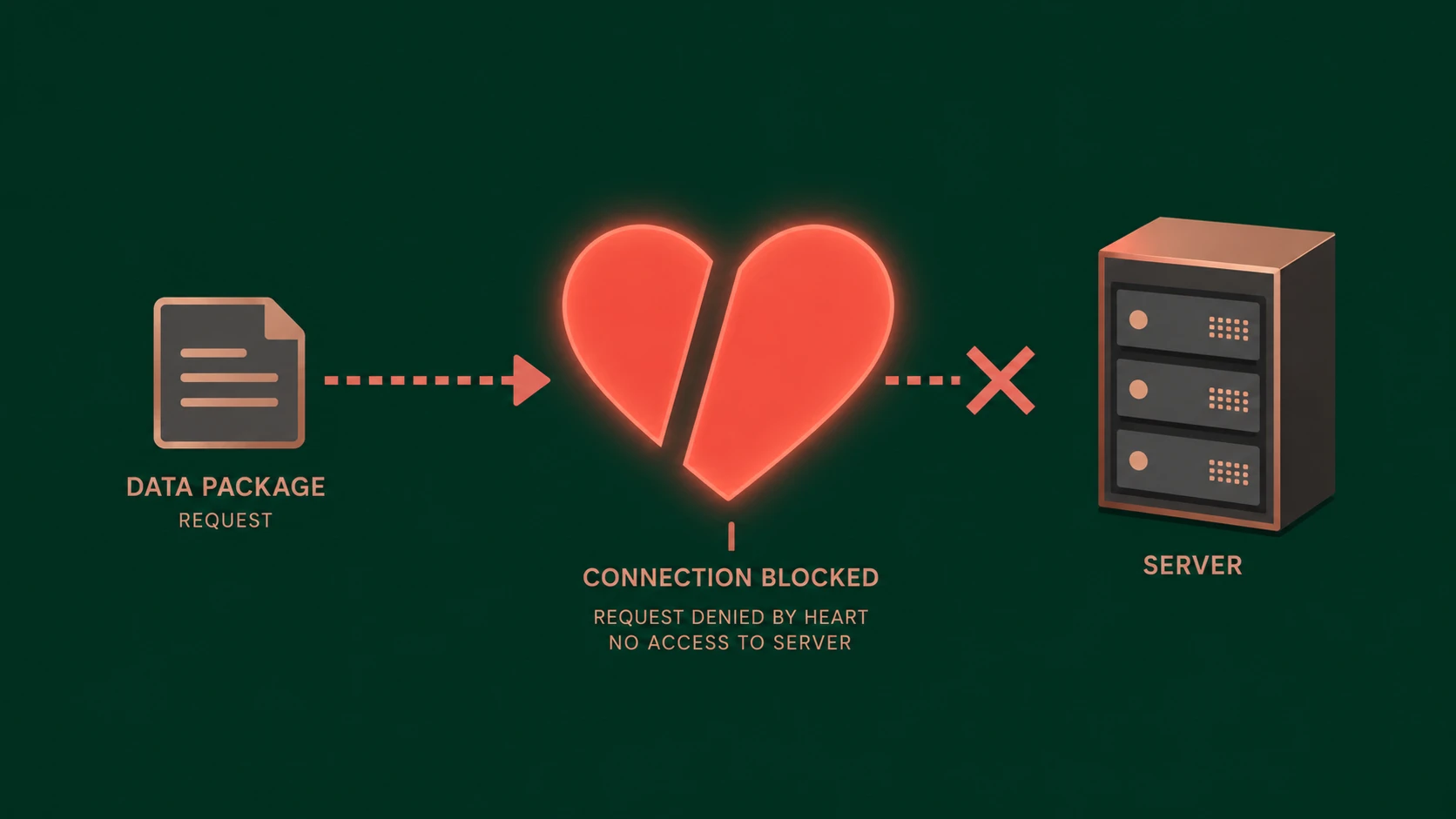
On April 7, 2014, the security community disclosed one of the most significant vulnerabilities ever discovered in Internet infrastructure: the Heartbleed bug (CVE-2014-0160). Affecting the widely deployed OpenSSL cryptographic library, Heartbleed exposed a flaw in the implementation of the TLS Heartbeat Extension that could allow remote attackers to retrieve portions of a server's memory without authentication.
Unlike traditional vulnerabilities that compromise encryption algorithms themselves, Heartbleed targets an implementation defect. The underlying SSL and TLS protocols remain cryptographically sound, but an input validation failure inside OpenSSL allows sensitive process memory to be returned to remote clients.
Because OpenSSL is widely deployed across web servers, VPN appliances, email servers, cloud platforms, and embedded devices, the vulnerability has immediate implications for enterprise security. Organizations must evaluate affected infrastructure, deploy updated software, replace exposed certificates where appropriate, and review authentication policies.
Industry Background
Secure communication has become fundamental to modern enterprise computing. Organizations increasingly depend upon SSL and TLS to protect confidential information transmitted across public networks.
OpenSSL has emerged as one of the most widely used implementations of these protocols due to its open-source licensing, cross-platform support, and broad adoption by operating systems, web servers, and application platforms.
Typical enterprise services relying upon OpenSSL include:
- ◆HTTPS web applications
- ◆Virtual Private Networks (VPN)
- ◆Secure email services
- ◆Cloud-hosted applications
- ◆REST APIs
- ◆Identity management systems
- ◆Reverse proxies
- ◆Load balancers
A vulnerability within such a widely deployed cryptographic library therefore presents systemic operational risk.
The Business Problem
Organizations generally assume encrypted communication adequately protects confidential business information. Heartbleed undermines that assumption by allowing remote clients to retrieve portions of application memory from vulnerable servers.
Potential business consequences include:
- ◆Disclosure of authentication credentials
- ◆Exposure of session cookies
- ◆Leakage of confidential customer information
- ◆Possible compromise of private encryption keys
- ◆Regulatory compliance concerns
- ◆Increased incident response costs
One particularly concerning characteristic is that exploitation may leave little or no evidence within conventional application logs.
Understanding the Heartbleed Bug
Heartbleed is an implementation vulnerability affecting the TLS Heartbeat Extension defined by RFC 6520.
The heartbeat mechanism enables encrypted endpoints to verify that secure connections remain active without renegotiating the session.
A heartbeat request includes:
- ◆Payload length
- ◆Payload data
The receiving endpoint should return an identical payload.
Affected versions of OpenSSL fail to verify whether the declared payload length matches the actual payload supplied by the client.
An attacker can therefore provide a very small payload while claiming a much larger length. OpenSSL copies additional memory beyond the supplied payload into the response.
This unintended memory disclosure gives the vulnerability its name: Heartbleed.
Core Architecture
| Component | Responsibility |
|---|---|
| Client | Initiates heartbeat request |
| TLS Heartbeat Extension | Validates active connections |
| OpenSSL Library | Processes heartbeat messages |
| Web Server | Provides secure application services |
| Application Memory | Stores active process data |
| TLS Session | Secure communication channel |
The vulnerability exists within OpenSSL's heartbeat processing rather than the TLS protocol itself.
How Heartbleed Works
// Vulnerable C code snippet in OpenSSL TLS heartbeat extension (CVE-2014-0160)
int dtls1_process_heartbeat(SSL *s) {
    unsigned char *p = &s->s3->rrec.data[0], *pl;
    unsigned short payload;
    unsigned int padding = 16; /* Padding is 16 bytes */

    /* Read payload length directly from request, without validating actual packet length! */
    payload = n2s(p);
    pl = p;

    /* Allocate buffer size using the unvalidated request payload length */
    unsigned char *buffer = OPENSSL_malloc(1 + 2 + payload + padding);
    unsigned char *bp = buffer;

    /* Write heartbeat response */
    *bp++ = TLS1_HB_RESPONSE;
    s2n(payload, bp);

    /* CRITICAL FLAW: Read out of bounds memory beyond the actual packet payload size */
    memcpy(bp, pl, payload);

    r = ssl3_write_bytes(s, TLS1_RT_HEARTBEAT, buffer, 3 + payload + padding);
    return r;
}
A simplified exploitation sequence includes:
- 1.Client establishes a TLS session.
- 2.Client sends a malformed heartbeat request.
- 3.Declared payload length exceeds actual payload size.
- 4.OpenSSL copies requested bytes from process memory.
- 5.Server returns memory contents within the heartbeat response.
- 6.Attacker repeats requests to retrieve additional memory.
Each request may expose different memory contents depending upon server activity.
Affected OpenSSL Versions
As of April 2014, publicly disclosed information indicates:
| Version | Status |
|---|---|
| OpenSSL 1.0.1 through 1.0.1f | Vulnerable |
| OpenSSL 1.0.1g | Fixed |
| OpenSSL 1.0.0 Series | Not Affected |
| OpenSSL 0.9.8 Series | Not Affected |
Organizations should verify vendor packages carefully because operating system distributions may include customized OpenSSL builds.
Key Features of the Vulnerability
Remote Exploitation
Attackers can exploit vulnerable servers remotely without requiring authenticated access.
Memory Disclosure
Responses may contain arbitrary application memory rather than only heartbeat data.
Silent Operation
Normal application behavior continues while memory disclosure occurs.
Repeated Requests
Attackers may issue multiple heartbeat requests to retrieve different portions of server memory.
Broad Platform Exposure
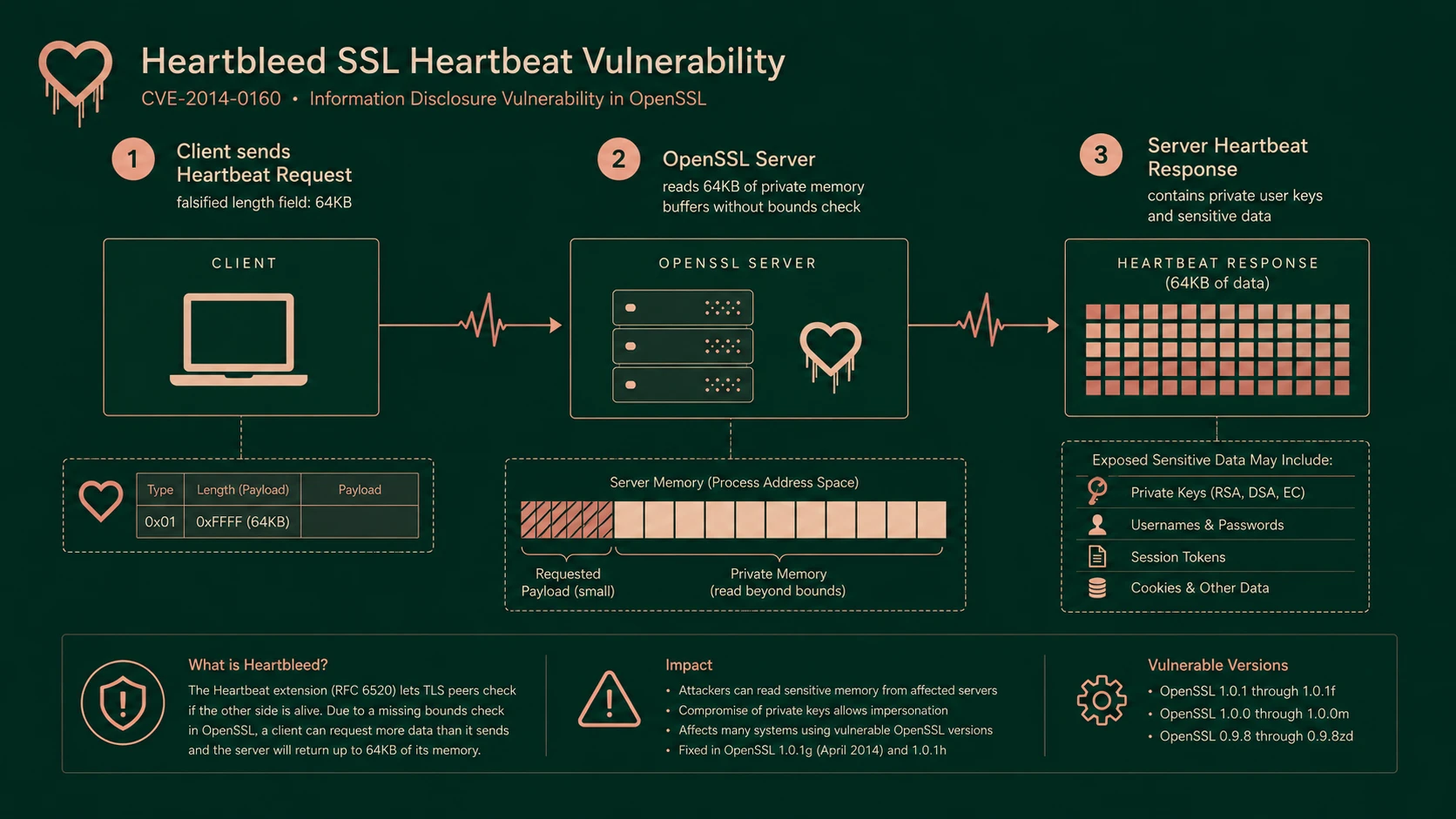
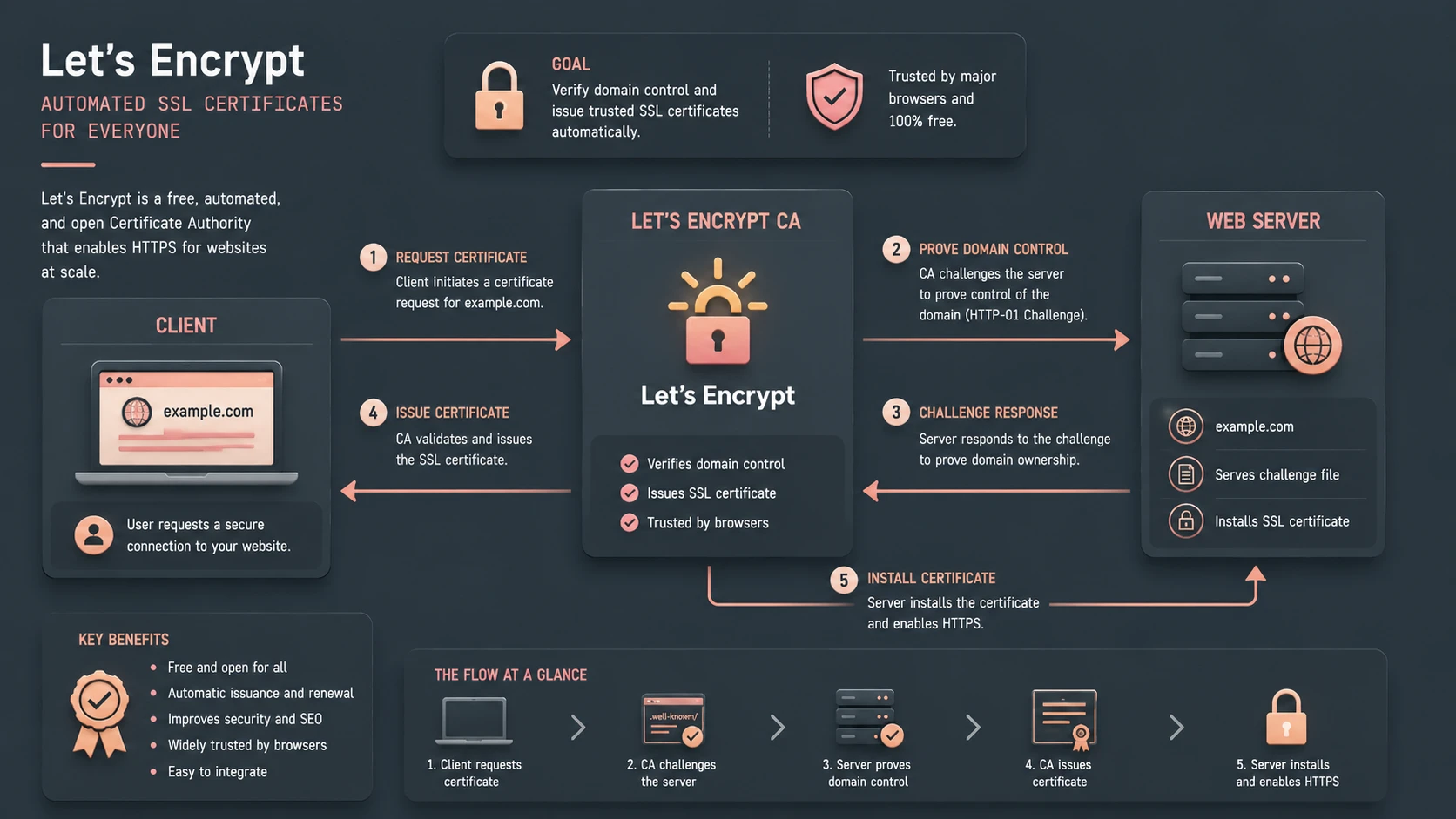
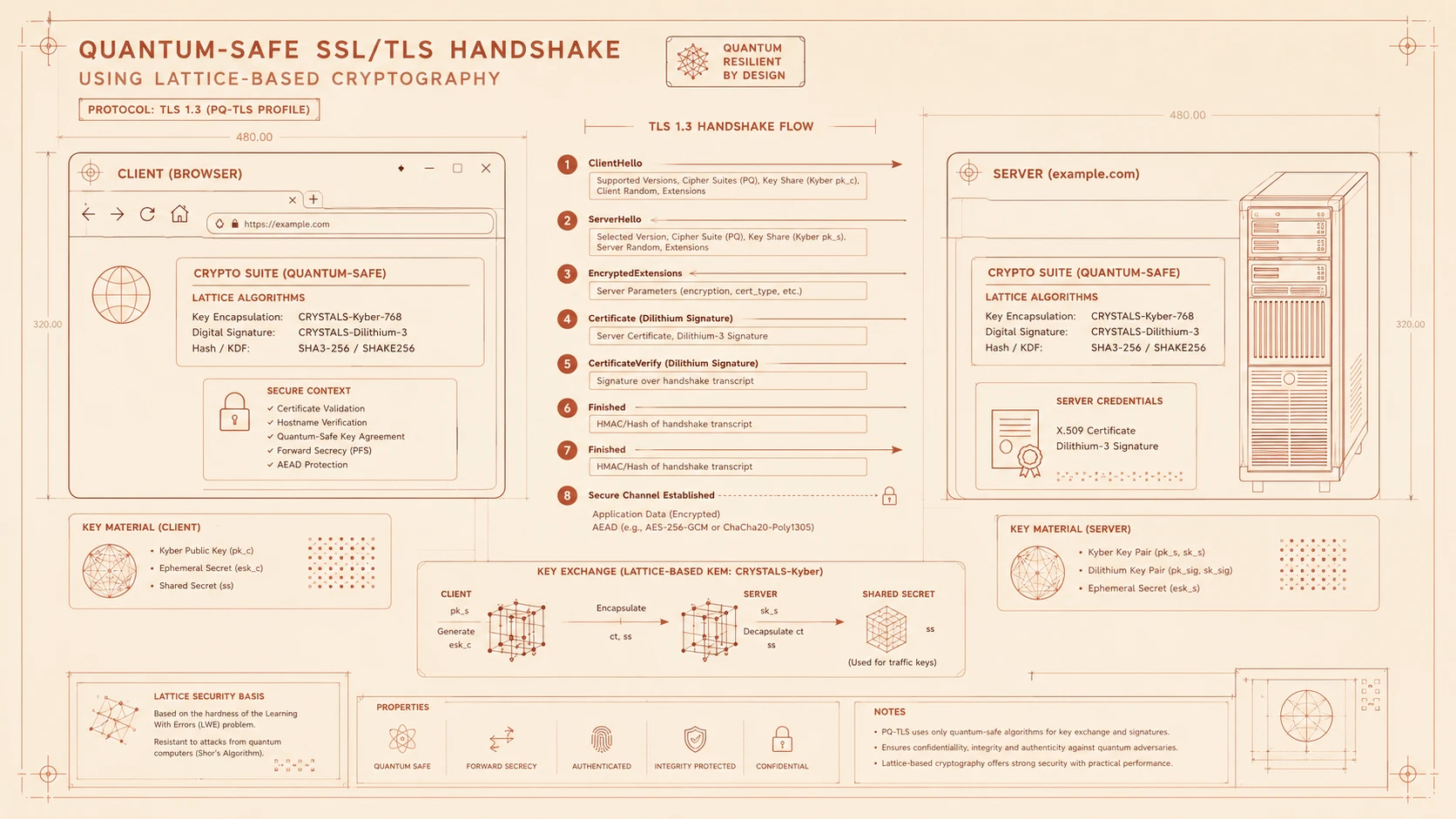
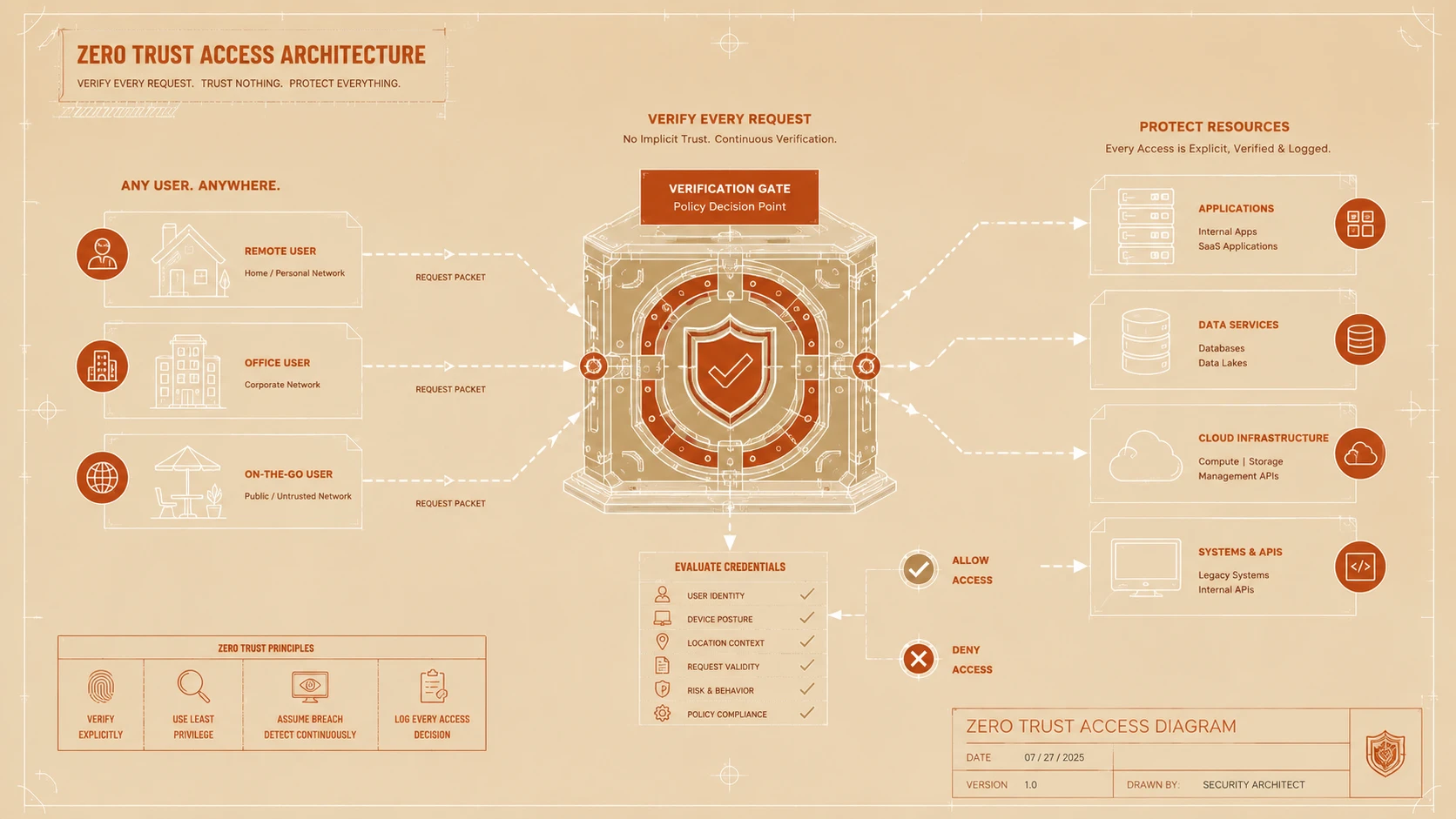
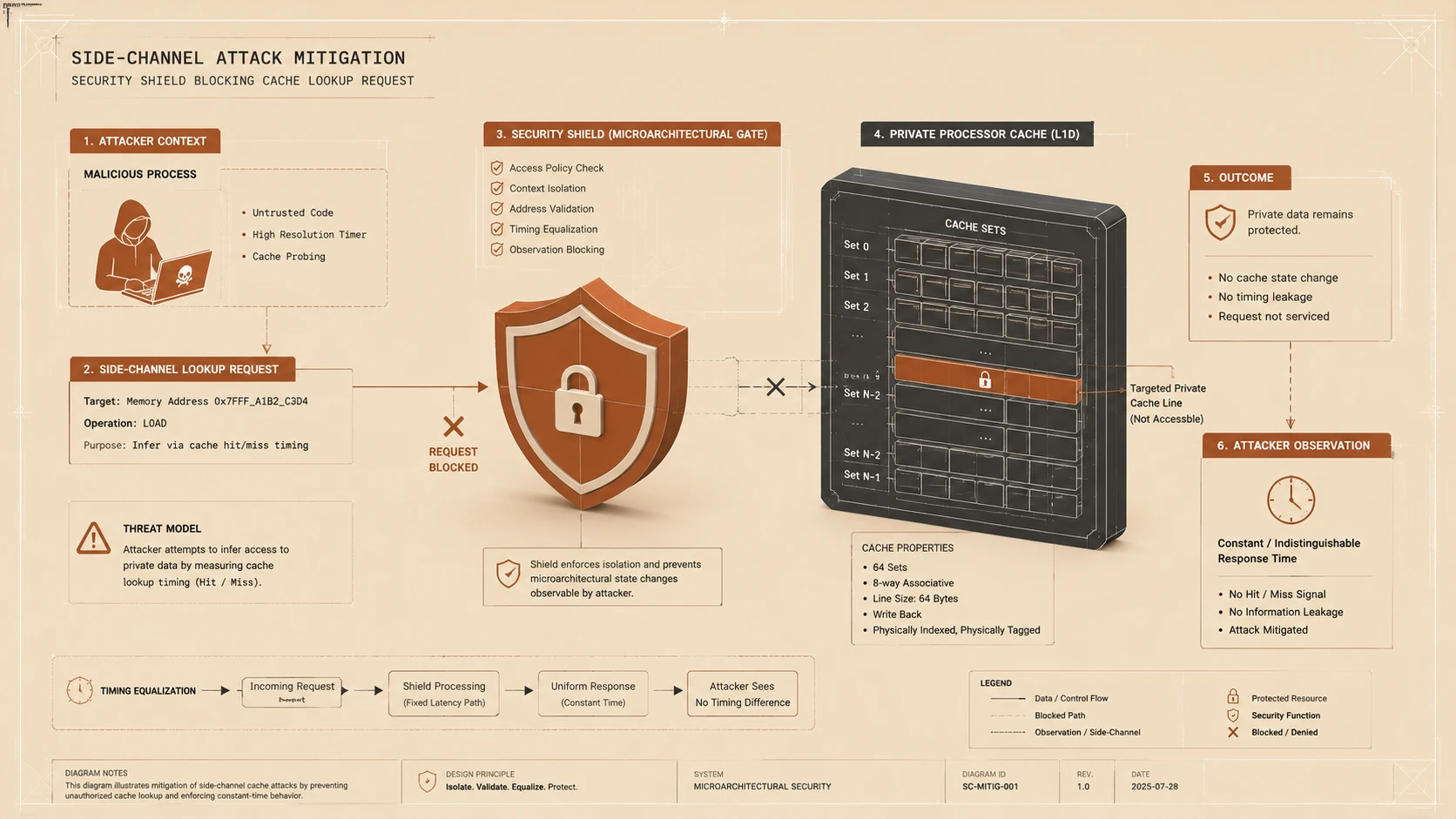
System architecture diagram and conceptual workflow layout for The Heartbleed Bug.
Because OpenSSL is widely deployed, multiple operating systems and server products may be affected.
Enterprise Use Cases at Risk
Several enterprise environments require immediate assessment.
Public Web Applications
Customer-facing HTTPS services are among the highest priorities.
Virtual Private Networks
VPN gateways relying upon vulnerable OpenSSL implementations require prompt remediation.
Email Infrastructure
Secure email servers using TLS should be evaluated carefully.
Cloud Services
Hosted enterprise applications may depend upon shared OpenSSL infrastructure.
API Platforms
Business integration services secured through HTTPS should undergo vulnerability assessment.
Performance Considerations
Heartbleed is primarily a security issue rather than a performance problem.
However, mitigation activities may temporarily affect operations through:
- ◆Software upgrades
- ◆Certificate replacement
- ◆Service restarts
- ◆Security scanning
- ◆User credential resets
Organizations should schedule maintenance carefully to minimize operational disruption.
Security Considerations
Mitigation extends beyond simply installing an updated OpenSSL release.
Recommended actions include:
- ◆Upgrade to OpenSSL 1.0.1g or vendor-provided patched packages.
- ◆Restart affected services.
- ◆Generate new private keys where compromise is suspected.
- ◆Obtain replacement certificates.
- ◆Revoke compromised certificates when appropriate.
- ◆Require password changes after remediation.
- ◆Monitor systems for unusual authentication activity.
Certificate replacement should occur after vulnerable software has been updated to prevent newly issued keys from being exposed.
Scalability
Large enterprises often operate thousands of SSL-enabled systems.
Successful remediation requires:
- ◆Asset inventory
- ◆Centralized vulnerability scanning
- ◆Coordinated certificate management
- ◆Automated patch deployment
- ◆Standardized verification procedures
Organizations with mature configuration management processes can respond more efficiently to widespread security events.
Best Practices
Security teams should consider the following recommendations.
- ◆Inventory every OpenSSL deployment.
- ◆Prioritize Internet-facing systems.
- ◆Apply vendor patches promptly.
- ◆Replace certificates where appropriate.
- ◆Generate new private keys after patching.
- ◆Review authentication logs.
- ◆Communicate remediation status across IT teams.
- ◆Establish routine vulnerability assessment procedures.
Common Mistakes
| Mistake | Enterprise Impact |
|---|---|
| Updating OpenSSL without restarting services | Vulnerable processes remain active |
| Reusing existing certificates | Potential continued exposure |
| Delaying password resets | Persistent credential risk |
| Assuming internal systems are safe | Expanded attack surface |
| Ignoring third-party appliances | Incomplete remediation |
| Failing to inventory affected systems | Missed vulnerable assets |
Comprehensive remediation requires addressing software, certificates, authentication credentials, and operational procedures together.
Technology Comparison
| Aspect | Secure TLS Deployment | Vulnerable Deployment |
|---|---|---|
| OpenSSL Version | Patched | Vulnerable |
| Heartbeat Validation | Proper Bounds Checking | Missing Validation |
| Memory Disclosure | Prevented | Possible |
| Certificate Protection | Expected | Potentially Compromised |
| Enterprise Risk | Lower | Critical |
Adoption Strategy
Organizations responding to Heartbleed should adopt a structured remediation process.
- 1.Identify affected systems.
- 2.Patch OpenSSL installations.
- 3.Restart dependent services.
- 4.Generate replacement private keys if necessary.
- 5.Obtain new certificates.
- 6.Revoke superseded certificates.
- 7.Reset user credentials according to organizational policy.
- 8.Perform vulnerability verification before returning systems to normal operation.
Limitations
Although patches eliminate the vulnerability, several uncertainties remain.
- ◆Organizations cannot easily determine whether memory disclosure occurred before remediation.
- ◆Previously exposed credentials may remain valid until changed.
- ◆Certificate compromise cannot always be confirmed conclusively.
- ◆Third-party vendors may require additional time to release updates.
Enterprises should therefore assume potentially exposed sensitive information requires appropriate remediation.
Looking Ahead
From the perspective of April 2014, Heartbleed demonstrates that implementation flaws within widely trusted security libraries can have consequences comparable to weaknesses in cryptographic algorithms themselves. The vulnerability highlights the importance of secure software development practices, comprehensive code review, rapid vulnerability disclosure processes, and disciplined patch management.
For enterprise security teams, the immediate priority is clear: identify vulnerable systems, deploy updated OpenSSL releases, evaluate certificate exposure, and strengthen operational procedures to reduce the impact of future infrastructure vulnerabilities. Heartbleed serves as a reminder that even mature security software requires continuous scrutiny as Internet infrastructure continues to evolve.