Introduction
The public disclosure of Spectre and Meltdown marks one of the most significant security events in modern computing. Unlike conventional software vulnerabilities, these attacks exploit behaviors found in modern processor architectures, specifically speculative execution and cache timing side channels. Their discovery has immediate implications for operating systems, browsers, cloud computing environments, virtualization platforms, and enterprise applications.
For organizations responsible for protecting sensitive information, the announcement highlights an important reality: hardware optimizations designed to improve performance can also introduce unexpected security risks. Browser vendors, operating system maintainers, processor manufacturers, and cloud providers have begun releasing coordinated mitigations intended to reduce practical attack opportunities while balancing system performance.
As of January 2018, research into these vulnerabilities continues to evolve. While mitigations are being rapidly deployed, organizations should expect ongoing analysis, additional tooling, and further software updates.
Industry Background
Modern processors improve performance through techniques such as:
- ◆Speculative execution
- ◆Out-of-order execution
- ◆Branch prediction
- ◆Multi-level CPU caches
- ◆Virtual memory optimization
These architectural optimizations are widely used across desktop systems, servers, cloud infrastructure, and mobile devices.
At the same time, browsers have become sophisticated application platforms capable of executing complex JavaScript applications, making them an important focus for defensive mitigations.
The Business Problem
Enterprise organizations must now evaluate:
- ◆Potential exposure of sensitive information
- ◆Browser-based attack vectors
- ◆Shared cloud infrastructure risks
- ◆Operating system patch deployment
- ◆Performance impacts of mitigations
- ◆Hardware inventory
- ◆Software compatibility
Security teams require coordinated responses spanning infrastructure, operating systems, browsers, and application governance.
Understanding Spectre
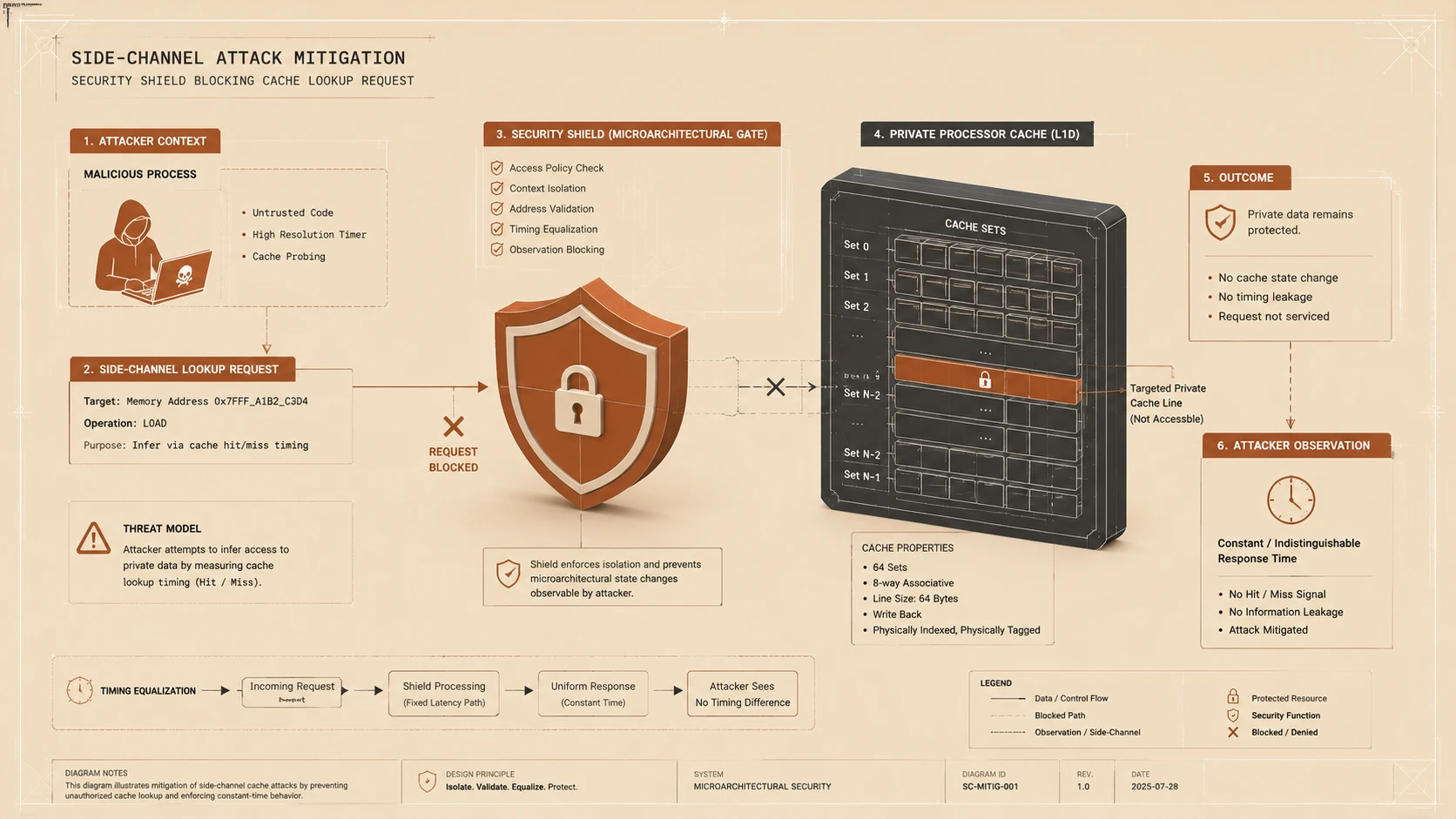
Spectre exploits speculative execution by influencing processor behavior and then observing timing differences to infer information that should not normally be accessible.
Current research indicates that Spectre can affect multiple processor designs implementing speculative execution.
Characteristics include:
- ◆Side-channel information leakage
- ◆Branch prediction manipulation
- ◆Cache timing observation
- ◆Broad architectural relevance
Because Spectre targets processor behavior rather than a single software defect, comprehensive mitigation is expected to require multiple defensive layers.
Understanding Meltdown
Meltdown represents a different speculative execution vulnerability that allows unauthorized observation of privileged memory under certain conditions.
Software mitigations focus primarily on strengthening isolation between user-space and kernel memory.
Key characteristics include:
- ◆Kernel memory isolation
- ◆Operating system mitigation
- ◆Privileged memory protection
- ◆Reduced attack surface after patching
Enterprise operating system updates represent one of the primary mitigation mechanisms.
Core Architecture
| Component | Responsibility |
|---|---|
| CPU | Executes speculative instructions |
| Branch Predictor | Optimizes execution flow |
| CPU Cache | Stores recently accessed data |
| Operating System | Manages memory isolation |
| Web Browser | Executes JavaScript securely |
| Enterprise Applications | Consume protected system resources |
Understanding interactions among these layers is essential for evaluating mitigation strategies.
Browser Security Implications
Browsers execute JavaScript originating from numerous websites.
Researchers have demonstrated that high-resolution timing combined with speculative execution techniques may increase the feasibility of side-channel analysis.
As a result, browser vendors have begun introducing defensive measures such as:
- ◆Reducing timer precision
- ◆Restricting shared memory features
- ◆Strengthening site isolation techniques where applicable
- ◆Releasing security updates through regular browser channels
These mitigations aim to make practical exploitation significantly more difficult.
Browser Mitigation Strategy
<!-- HTTP security headers configuring cross-origin isolation against side-channel leaks -->
<!-- Cross-Origin-Opener-Policy: same-origin -->
<!-- Cross-Origin-Embedder-Policy: require-corp -->
<meta http-equiv="Content-Security-Policy" content="require-trusted-types-for 'script';">
A typical defensive approach includes:
- 1.Install browser security updates.
- 2.Reduce timing precision available to scripts.
- 3.Restrict high-resolution measurement APIs.
- 4.Limit features that may amplify timing attacks.
- 5.Continue monitoring vendor security advisories.
Browser defenses should be viewed as one layer within a broader enterprise security strategy.
Operating System Mitigations
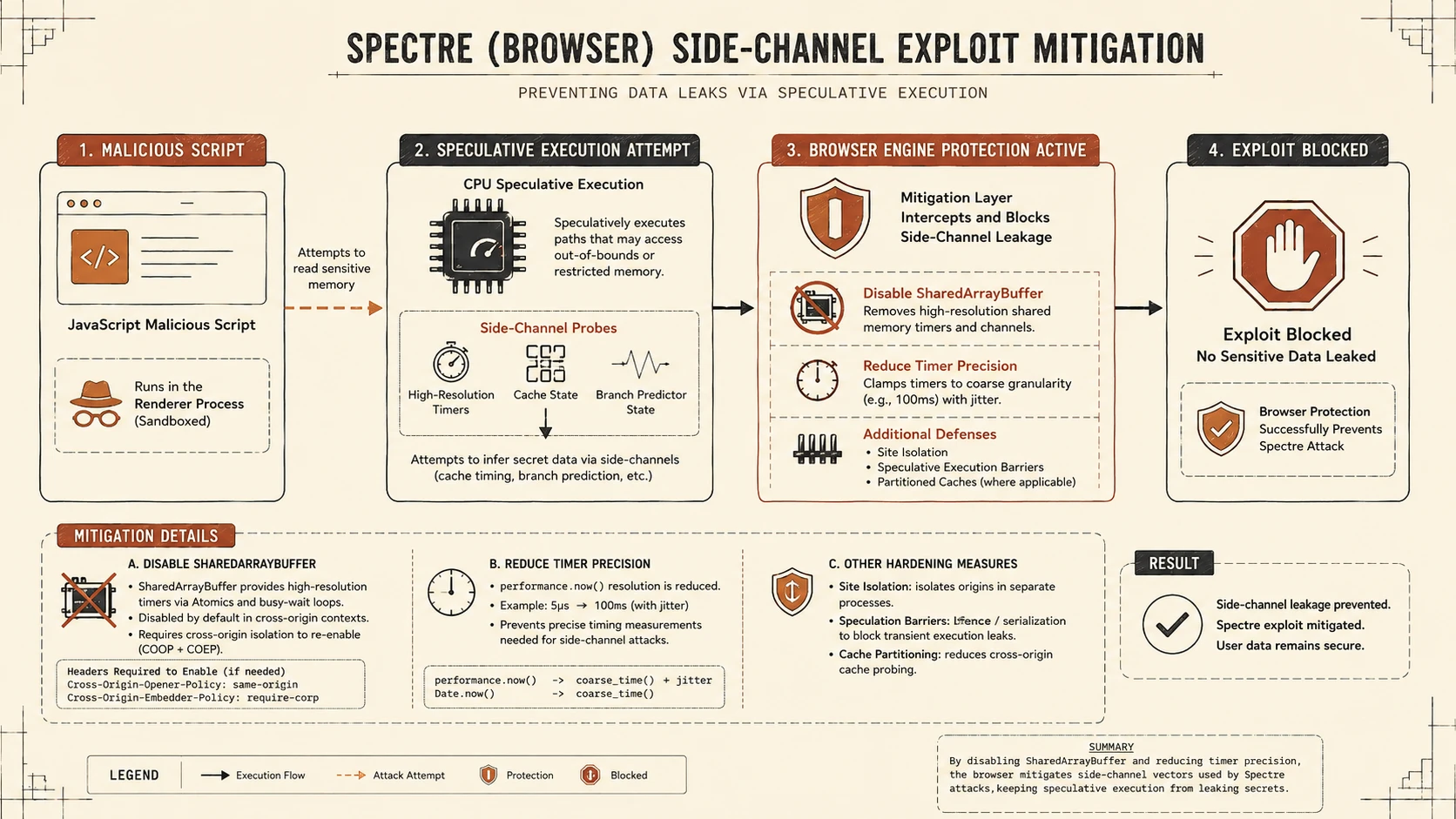
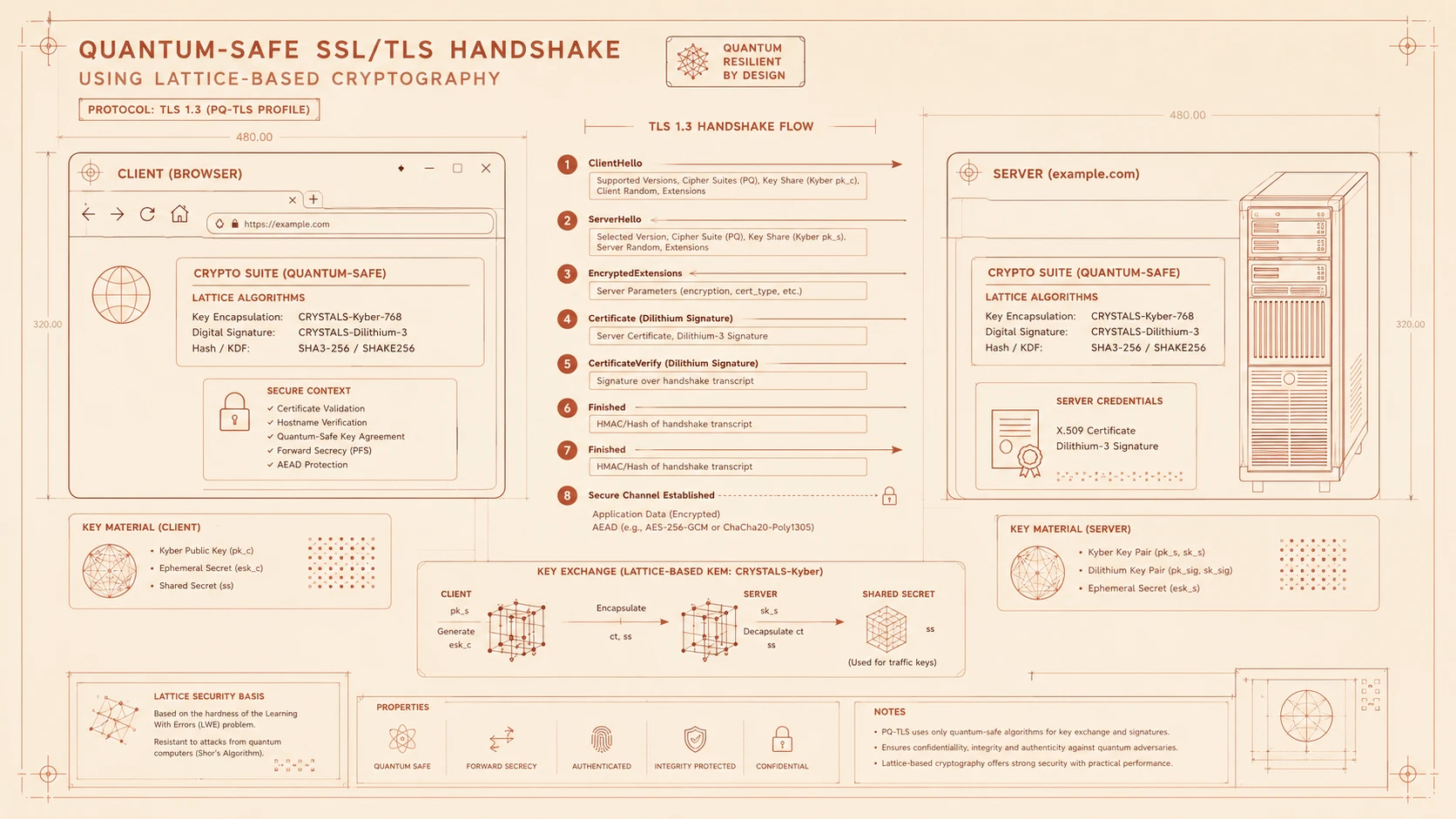
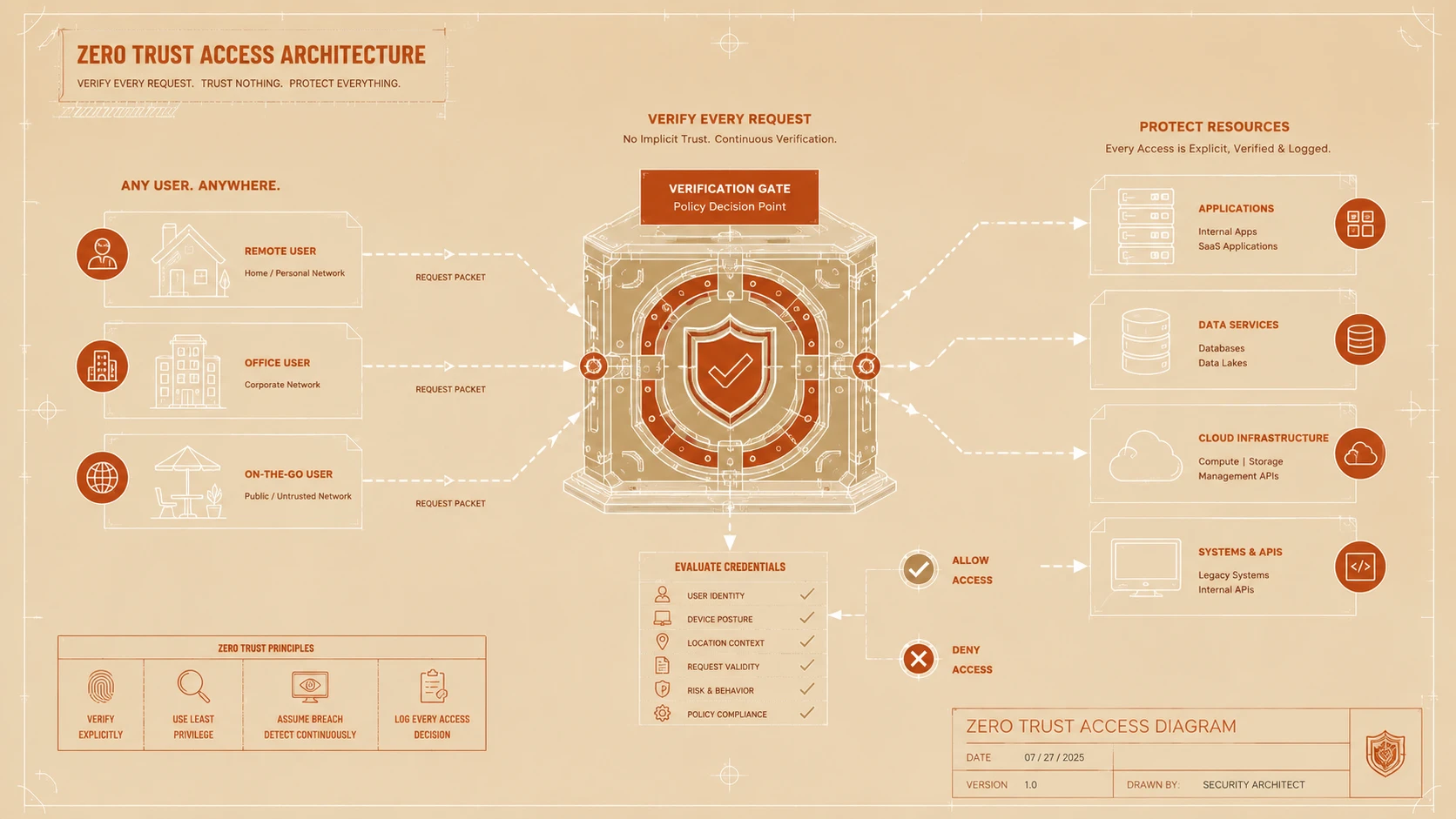
System architecture diagram and conceptual workflow layout for Spectre and Meltdown CPU Vulnerabilities.
Operating system vendors have released updates intended to reduce exposure, particularly for Meltdown.
Typical goals include:
- ◆Stronger kernel isolation
- ◆Improved memory protection
- ◆Compatibility with processor microcode updates
- ◆Support for browser mitigations
Organizations should prioritize testing and deploying supported operating system updates.
Enterprise Use Cases
| Scenario | Security Focus |
|---|---|
| Financial Services | Protection of confidential data |
| Cloud Platforms | Isolation between workloads |
| Healthcare Systems | Patient information security |
| Government Infrastructure | Strong system hardening |
| Enterprise Browsers | Secure JavaScript execution |
| SaaS Platforms | Tenant isolation |
Organizations processing sensitive information should evaluate mitigations according to operational risk and deployment priorities.
Performance Considerations
Mitigations may introduce measurable performance changes depending on workload characteristics.
Organizations should evaluate:
- ◆Server throughput
- ◆Database workloads
- ◆Virtualization environments
- ◆Storage-intensive applications
- ◆Browser responsiveness
- ◆Cloud infrastructure performance
Performance testing should occur before and after patch deployment using representative production workloads.
Security Considerations
Recommended enterprise actions include:
- ◆Apply supported operating system updates.
- ◆Keep browsers fully updated.
- ◆Review virtualization platform guidance.
- ◆Follow processor vendor recommendations.
- ◆Maintain vulnerability management processes.
- ◆Monitor security advisories.
- ◆Test patches before enterprise-wide deployment.
- ◆Continue enforcing least-privilege principles.
Defense in depth remains essential because no single mitigation addresses every attack scenario.
Scalability
Large organizations should manage mitigation through structured rollout processes.
Recommended practices include:
- ◆Asset inventory
- ◆Patch prioritization
- ◆Staged deployment
- ◆Centralized monitoring
- ◆Performance validation
- ◆Incident response coordination
Enterprise governance is critical for minimizing operational disruption.
Best Practices
Organizations responding to Spectre and Meltdown should:
- ◆Maintain current browser versions.
- ◆Deploy supported operating system security updates.
- ◆Follow processor manufacturer guidance.
- ◆Test mission-critical applications after patching.
- ◆Monitor vendor security bulletins.
- ◆Update cloud infrastructure according to provider recommendations.
- ◆Educate security and operations teams.
- ◆Document mitigation status across enterprise systems.
Common Mistakes
Avoid:
- ◆Delaying security updates without risk assessment.
- ◆Assuming browser updates alone eliminate exposure.
- ◆Ignoring firmware or operating system guidance.
- ◆Measuring performance without representative workloads.
- ◆Overlooking virtualization hosts.
- ◆Treating speculative execution vulnerabilities as conventional application bugs.
Technology Comparison
| Aspect | Spectre | Meltdown |
|---|---|---|
| Primary Focus | Speculative execution side channels | Privileged memory isolation |
| Typical Mitigation | Browser, compiler, firmware, software defenses | Operating system memory isolation and related updates |
| Affected Components | Multiple layers of the computing stack | Primarily operating system and processor interaction |
| Enterprise Response | Layered mitigations | Rapid operating system patch deployment |
Adoption Strategy
Enterprise response should include:
- 1.Inventory affected systems.
- 2.Review vendor advisories.
- 3.Deploy browser updates.
- 4.Apply operating system patches.
- 5.Validate application compatibility.
- 6.Measure performance impact.
- 7.Continue monitoring new security guidance.
Limitations
As of January 2018, research into Spectre and Meltdown continues to evolve.
Current understanding indicates:
- ◆Additional mitigations may emerge.
- ◆Performance characteristics vary by workload.
- ◆Vendor guidance continues to be updated.
- ◆Organizations should expect ongoing software and firmware improvements.
Mitigation should therefore be viewed as an ongoing operational process rather than a single patching event.
Looking Ahead
The disclosure of Spectre and Meltdown represents a watershed moment in computer security by demonstrating that hardware performance optimizations can have far-reaching security implications. Browser vendors, operating system developers, processor manufacturers, and cloud providers are responding through coordinated mitigations designed to reduce practical attack opportunities while preserving system usability.
As of January 2018, enterprise architects should prioritize a layered defense strategy that combines browser updates, operating system patches, infrastructure validation, and continuous security monitoring. Organizations that integrate these mitigations into established vulnerability management and patch governance processes will be better positioned to respond as industry understanding of speculative execution vulnerabilities continues to mature.