Why Prompt Injection Is One of the Biggest AI Security Risks
Large Language Models are transforming enterprise software, but they also introduce entirely new attack surfaces. Unlike traditional applications that execute deterministic code, LLMs interpret natural language instructions. This flexibility enables intelligent experiences while also making AI systems vulnerable to prompt injection attacks.
A prompt injection attack manipulates an AI model into ignoring its intended instructions and following malicious ones instead. Without proper safeguards, attackers can bypass policies, extract confidential information, manipulate AI agents, or trigger unauthorized actions across connected enterprise systems.
Security Principle: Treat every user prompt as untrusted input and enforce security policies before any AI model processes it.
---
Understanding Prompt Injection
Prompt injection occurs when malicious instructions are embedded within user inputs, external documents, websites, emails, or retrieved knowledge sources.
Instead of answering legitimate requests, the model may execute hidden instructions such as:
- ◆Ignoring system prompts
- ◆Revealing confidential information
- ◆Calling unauthorized tools
- ◆Executing unintended workflows
- ◆Leaking internal prompts
- ◆Bypassing business policies
Unlike SQL Injection or Cross-Site Scripting, prompt injection targets AI reasoning rather than application code.
---
Common Attack Scenarios
Enterprise AI systems often integrate with multiple data sources and business tools, creating opportunities for attackers.
Common attack vectors include:
- ◆Uploaded PDF documents
- ◆Shared knowledge bases
- ◆Web pages indexed by Retrieval-Augmented Generation (RAG)
- ◆Customer support conversations
- ◆Email content
- ◆API responses
- ◆Third-party integrations
- ◆User-generated content
If these sources contain hidden instructions, an AI agent may unknowingly follow them unless adequate protections are in place.
---
Enterprise AI Gateway Architecture
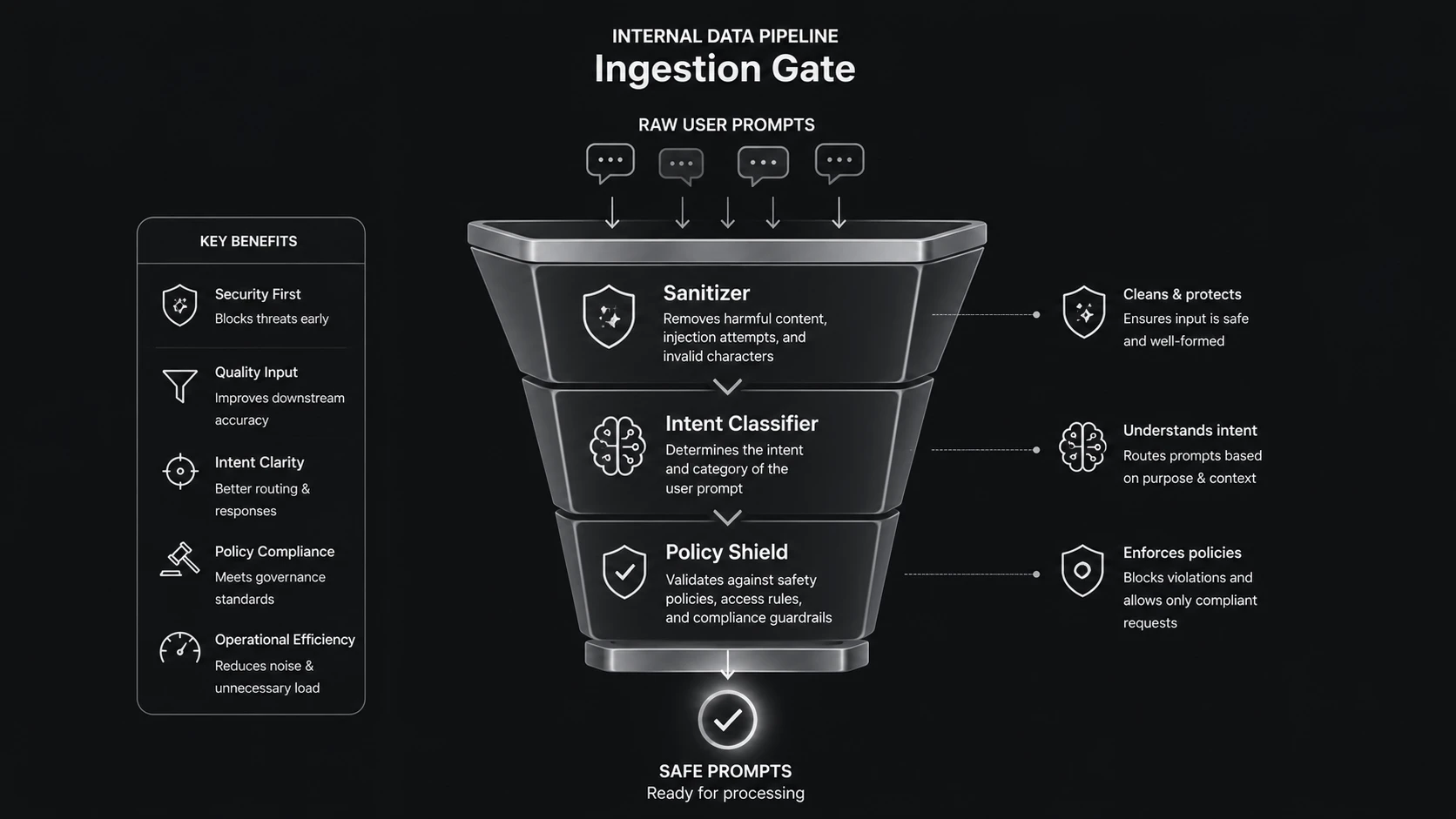
A secure AI platform places an intelligent gateway between users and language models.
User Request
      │
      ▼
Authentication
      │
Input Validation
      │
Prompt Injection Detection
      │
Policy Engine
      │
AI Gateway
      │
LLM Provider
      │
Tool Execution Layer
      │
Enterprise Services
Each layer performs a dedicated security function before requests reach the model.
---
Defense-in-Depth Strategy
No single control can eliminate prompt injection risks. Organizations should combine multiple security layers.
Core defenses include:
- ◆Input sanitization
- ◆Prompt filtering
- ◆Context isolation
- ◆Role-based access control
- ◆Tool permission validation
- ◆Output verification
- ◆Human approval for critical actions
- ◆Continuous security monitoring
This layered approach significantly reduces attack success rates.
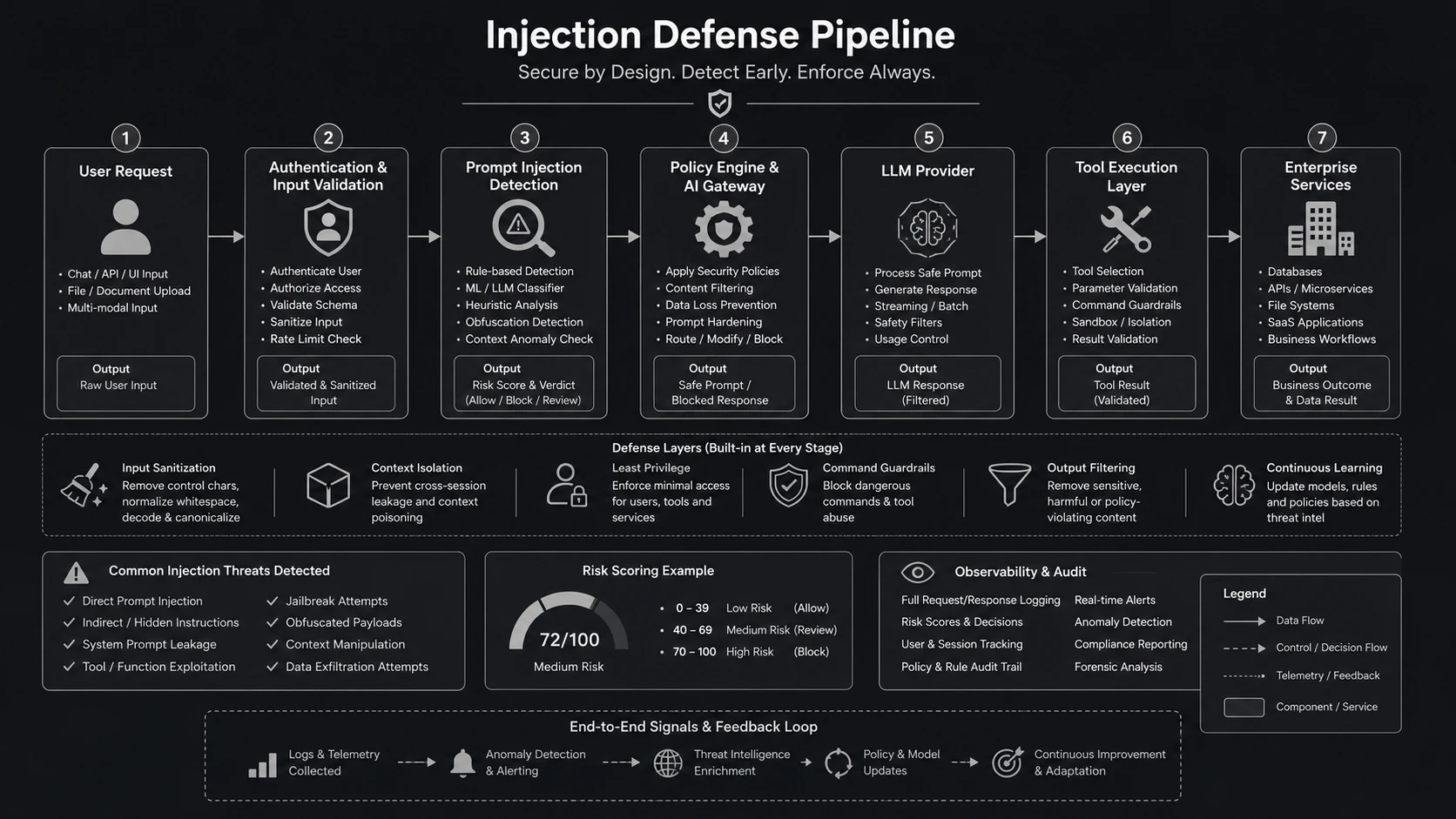
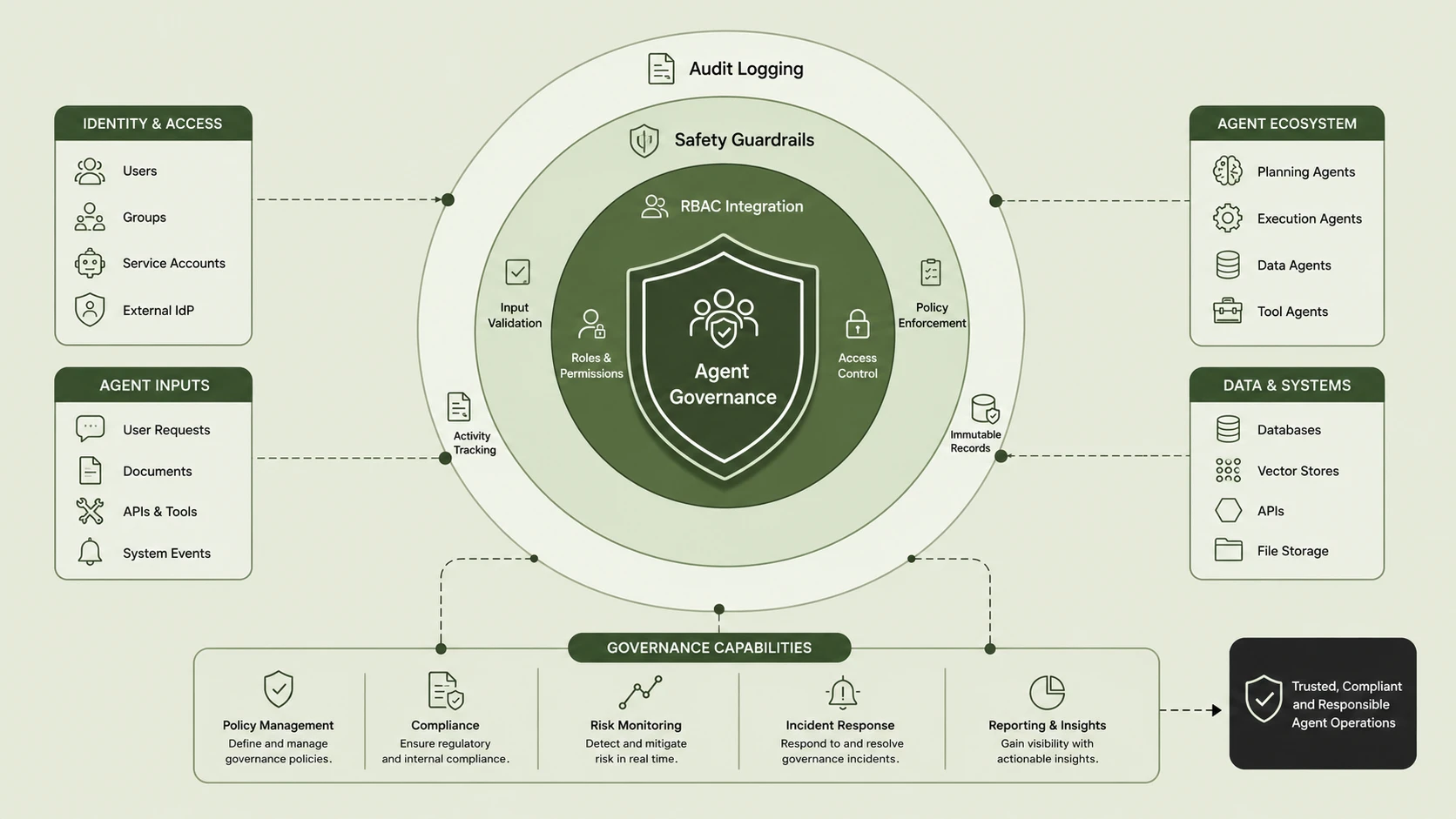
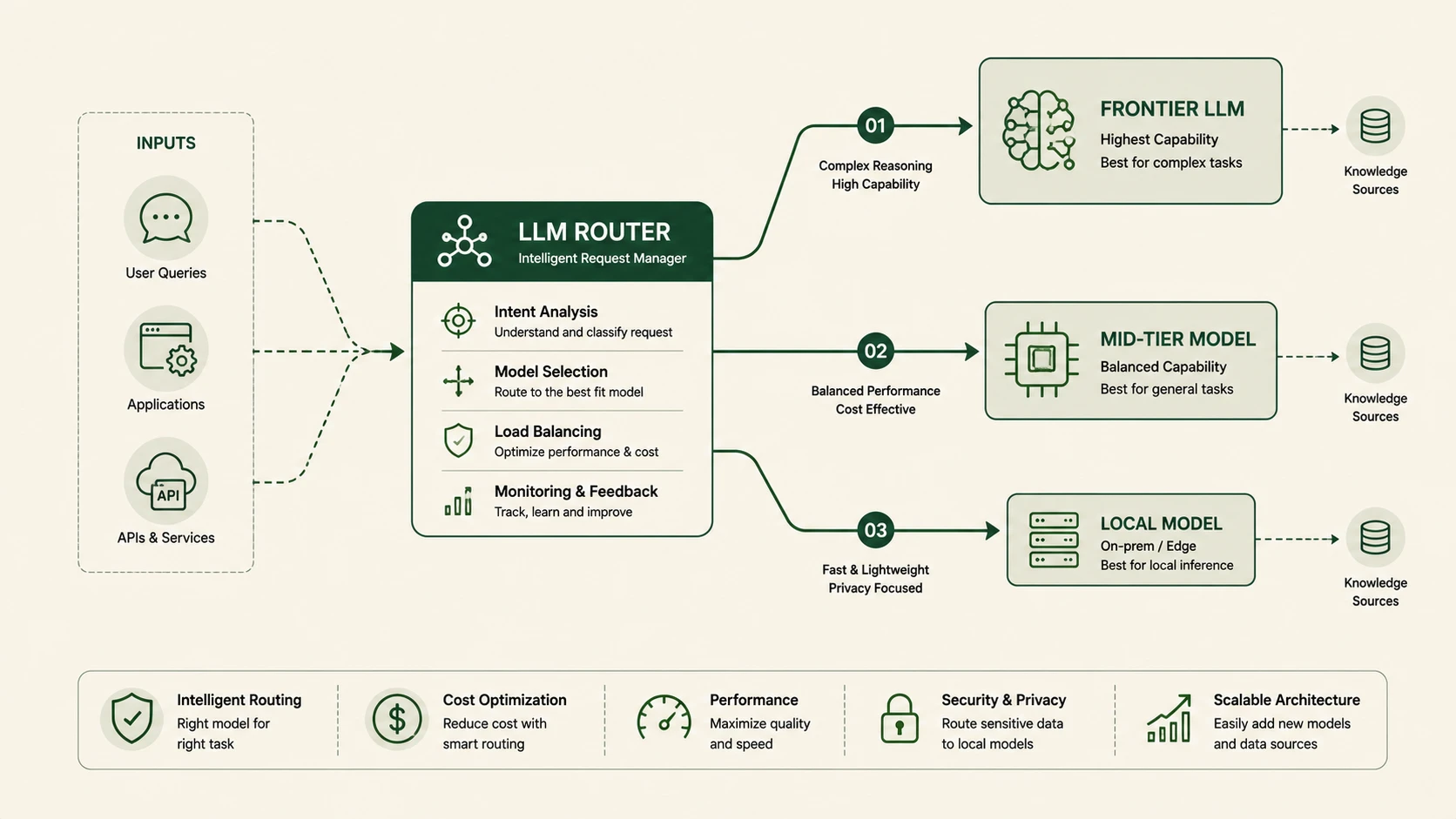
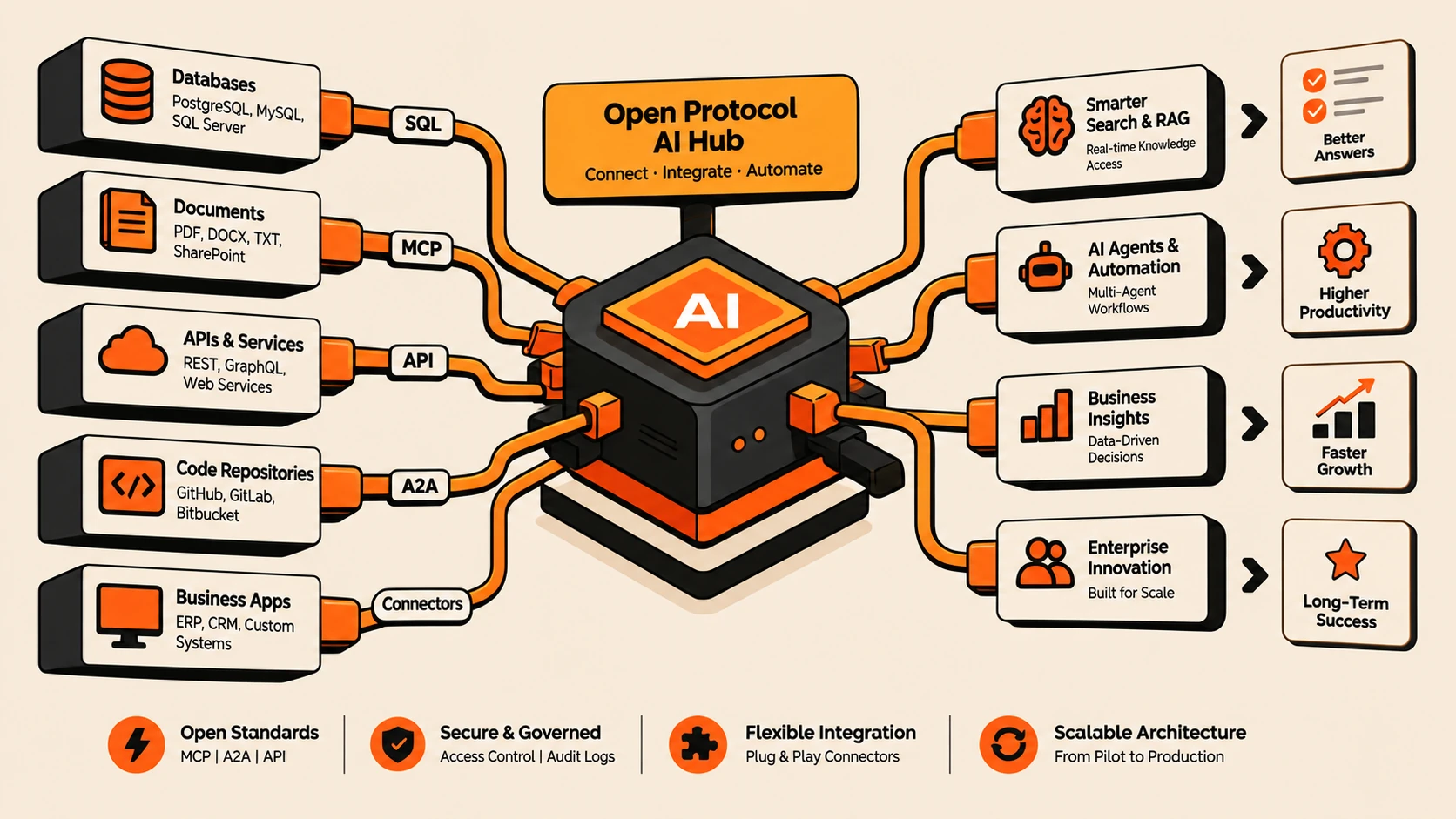
System architecture diagram and conceptual workflow layout for Defending Against Prompt Injection.
---
AI Gateway Responsibilities
An enterprise AI gateway acts as the security boundary between users and AI services.
Its responsibilities include:
- ◆Validating incoming prompts
- ◆Detecting malicious instructions
- ◆Enforcing organizational policies
- ◆Managing model access
- ◆Restricting tool usage
- ◆Logging AI interactions
- ◆Applying rate limits
- ◆Redacting sensitive information
Centralizing these controls simplifies governance and compliance.
---
Protecting Tool Calling
Modern AI agents can interact with databases, APIs, CRMs, cloud services, and internal applications. Prompt injection attempts often target these capabilities.
Security best practices include:
- ◆Explicit allowlists for tool access
- ◆Parameter validation
- ◆Least-privilege permissions
- ◆Action confirmation for sensitive operations
- ◆Context-aware authorization
- ◆Separate execution environments
- ◆Audit logging for every tool invocation
Tool execution should never rely solely on model-generated decisions.
---
Monitoring and Detection
Prompt injection prevention is an ongoing process. Security teams should continuously monitor AI interactions for suspicious patterns.
Important signals include:
- ◆Attempts to override system prompts
- ◆Requests for hidden instructions
- ◆Unexpected tool execution
- ◆Abnormal token usage
- ◆Sensitive data exposure
- ◆High-risk prompt patterns
- ◆Repeated policy violations
Automated monitoring enables faster detection and response.
---
Enterprise Best Practices
Organizations deploying AI at scale should adopt comprehensive governance practices.
Recommended measures include:
| Area | Best Practice |
|---|---|
| Identity | Strong authentication and RBAC |
| AI Gateway | Centralized policy enforcement |
| Prompt Security | Input validation and filtering |
| Tool Access | Least-privilege permissions |
| Data Protection | Sensitive data masking |
| Monitoring | Continuous audit logging |
| Compliance | Policy-based governance |
| Incident Response | Automated threat detection |
These controls strengthen security while maintaining a productive AI experience.
---
The Future of Secure AI
As AI agents become more autonomous, prompt injection defenses will become a foundational component of enterprise security architectures. AI gateways, policy engines, Zero Trust principles, and continuous monitoring will play a central role in protecting intelligent applications.
Organizations that invest in layered defenses today will be better positioned to deploy scalable, trustworthy AI systems capable of handling sensitive business operations without compromising security.