# Quantum-Safe Cloud: Preparing Enterprise Infrastructure for the Post-Quantum Era
Quantum computing is rapidly evolving from a research initiative into a technology capable of transforming industries such as healthcare, finance, manufacturing, logistics, and artificial intelligence. While its computational power promises groundbreaking innovation, it also introduces one of the most significant cybersecurity challenges organizations have ever faced.
Today's enterprise cloud infrastructure depends heavily on cryptographic algorithms such as RSA and Elliptic Curve Cryptography (ECC). These algorithms secure everything from HTTPS connections and VPNs to digital certificates, cloud storage, APIs, financial transactions, and enterprise authentication systems. However, sufficiently powerful quantum computers could eventually compromise these encryption methods, exposing sensitive business information to future attacks.
Although large-scale quantum computers are still under development, organizations cannot afford to wait. Many attackers are already adopting "Harvest Now, Decrypt Later" strategies, collecting encrypted data today with the expectation that future quantum capabilities will enable decryption. As a result, organizations must begin preparing their cloud environments well before quantum computing reaches maturity.
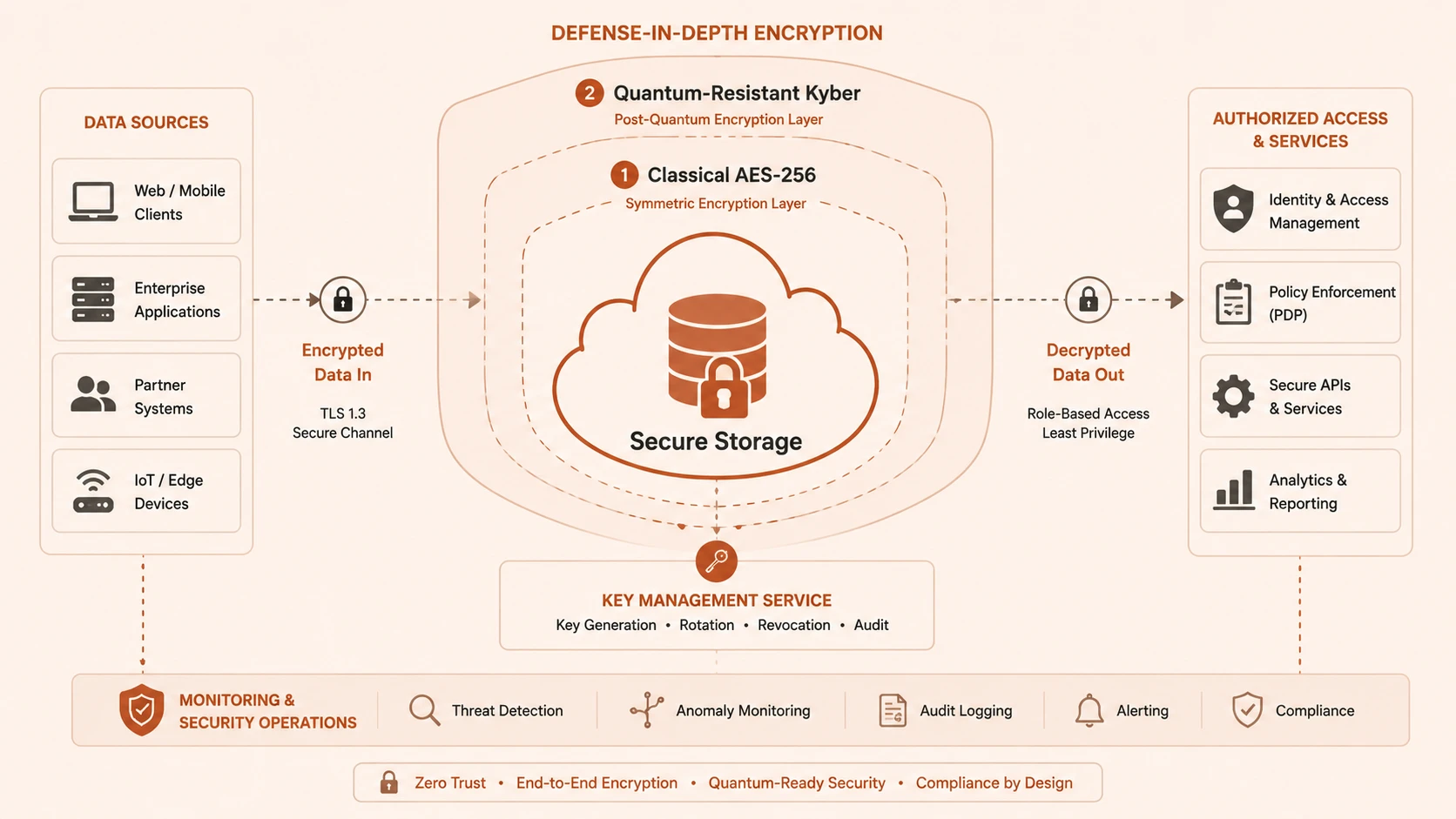
A Quantum-Safe Cloud provides a strategic framework for protecting enterprise infrastructure through post-quantum cryptography, crypto agility, Zero Trust architecture, and modern cloud-native security practices.
---
Understanding the Quantum Threat
Classical encryption algorithms derive their security from mathematical problems that are computationally infeasible for traditional computers. Quantum computers fundamentally change this assumption by using quantum bits and algorithms capable of solving these problems exponentially faster.
Shor's Algorithm, for example, has the potential to break RSA and ECC encryption, while Grover's Algorithm significantly reduces the strength of symmetric encryption algorithms.
This shift impacts nearly every enterprise workload, including:
- ◆Secure web communications
- ◆Identity and authentication systems
- ◆Digital certificates
- ◆Cloud databases
- ◆API security
- ◆VPN infrastructure
- ◆Financial systems
- ◆Healthcare records
- ◆Government platforms
- ◆AI model protection
Organizations that delay migration risk exposing critical assets once practical quantum computing becomes commercially viable.
---
What Is a Quantum-Safe Cloud?
A Quantum-Safe Cloud is a cloud architecture specifically designed to withstand future attacks from quantum computers by integrating quantum-resistant cryptographic technologies throughout the infrastructure.
Rather than replacing existing cloud platforms, Quantum-Safe Cloud architectures introduce cryptographic agility that enables organizations to transition gradually toward post-quantum security standards.
This approach combines modern cloud-native technologies with quantum-resistant encryption, allowing enterprises to continue innovating while preparing for future cybersecurity requirements.
---
Core Components of a Quantum-Safe Cloud
Post-Quantum Cryptography (PQC)
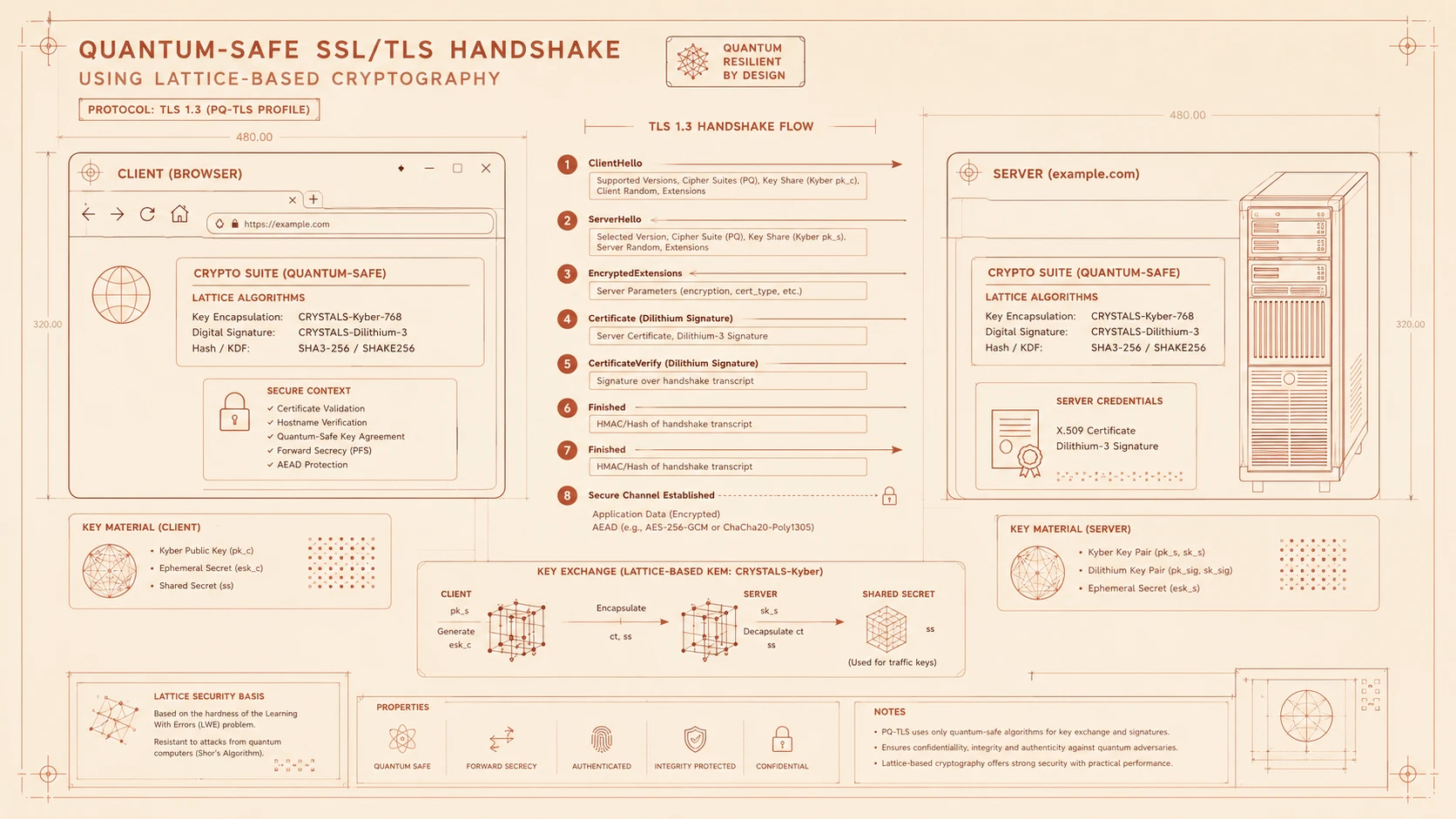
Post-Quantum Cryptography replaces vulnerable public-key algorithms with new mathematical techniques resistant to quantum attacks. Organizations should begin evaluating NIST-standardized algorithms and prepare migration roadmaps for enterprise systems.
Crypto Agility
Cryptographic agility enables applications to replace encryption algorithms without requiring major architectural redesigns. This flexibility becomes essential as cryptographic standards continue evolving.
Zero Trust Security
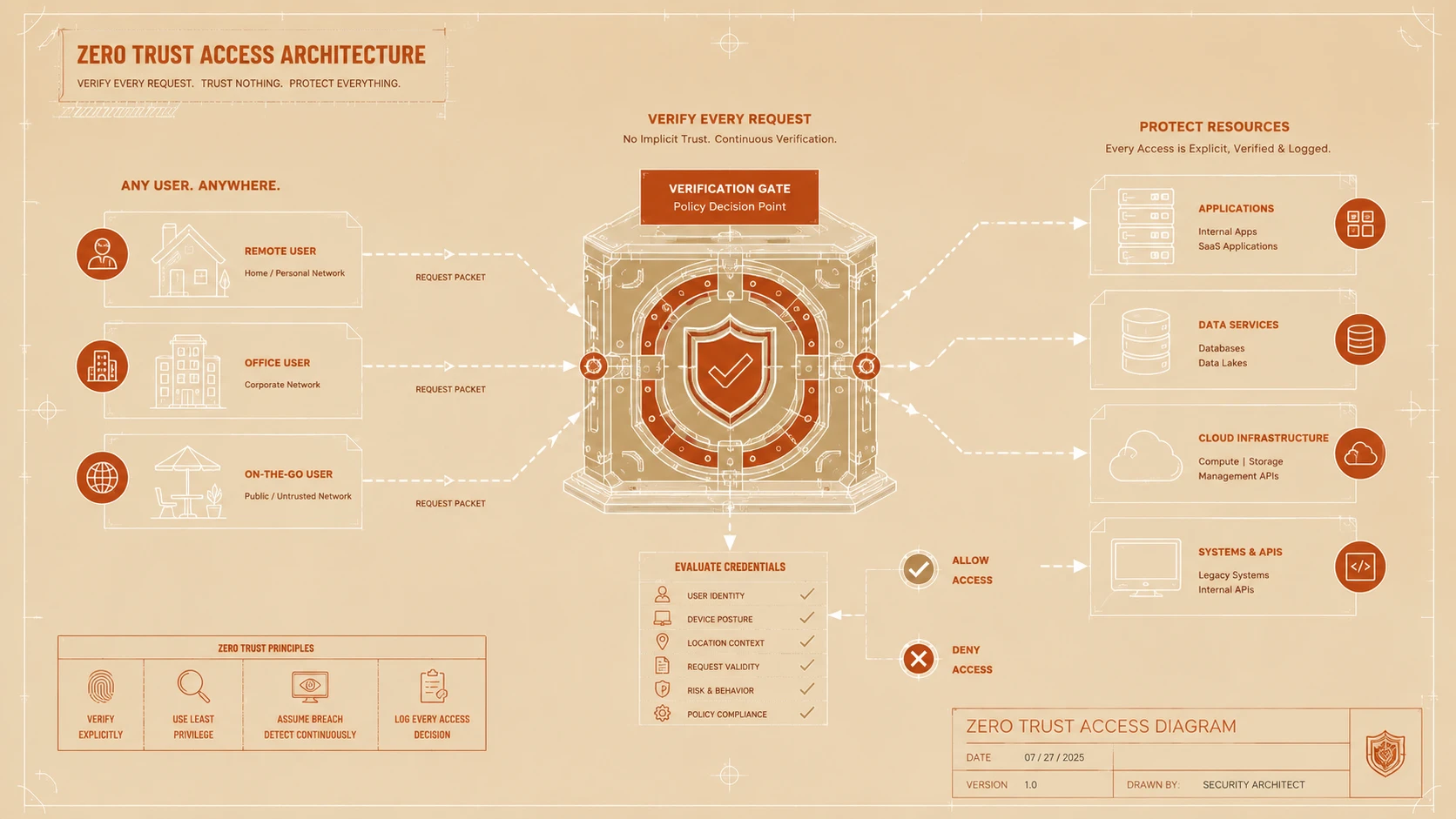
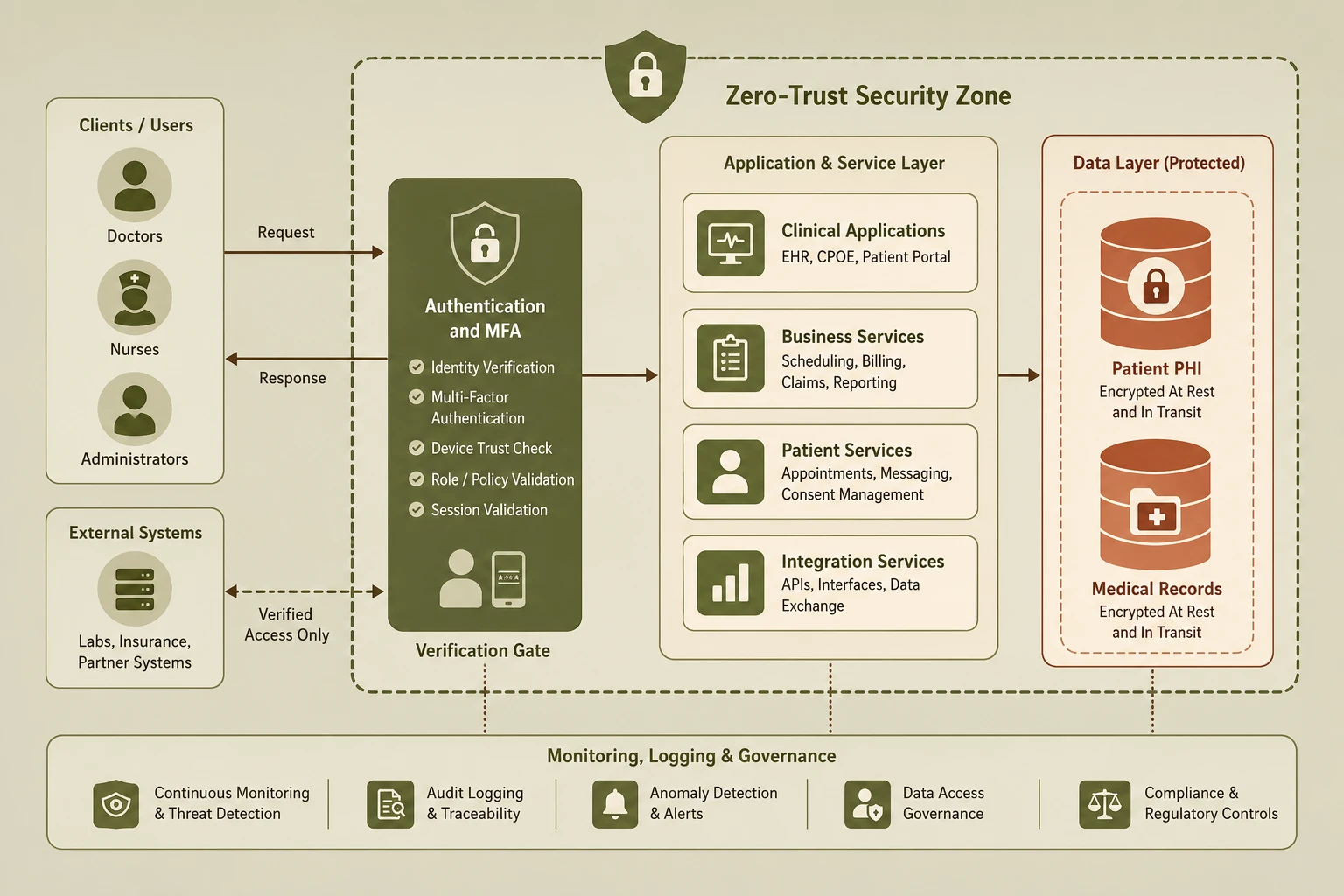
Every request is continuously authenticated and authorized regardless of network location. Zero Trust minimizes lateral movement and strengthens protection for cloud-native workloads.
Identity and Access Management
Modern IAM platforms integrate adaptive authentication, certificate management, hardware-backed identities, and strong access governance to reduce identity-related attack surfaces.
Secure Key Management
# Python API retrieving Quantum Entropy seed keys from cloud Hardware Security Modules
import requests

def get_quantum_entropy_key():
    # Request key from high-entropy hardware random generator
    hsm_url = "https://hsm.shivamitcs.com/api/v1/quantum-entropy"
    headers = {"Authorization": "Bearer key-auth-token-..."}

    response = requests.post(hsm_url, json={"bits": 256}, headers=headers)
    if response.status_code == 200:
        return response.json()["key_hex"]
    raise RuntimeError("Failed to retrieve quantum-safe seed key")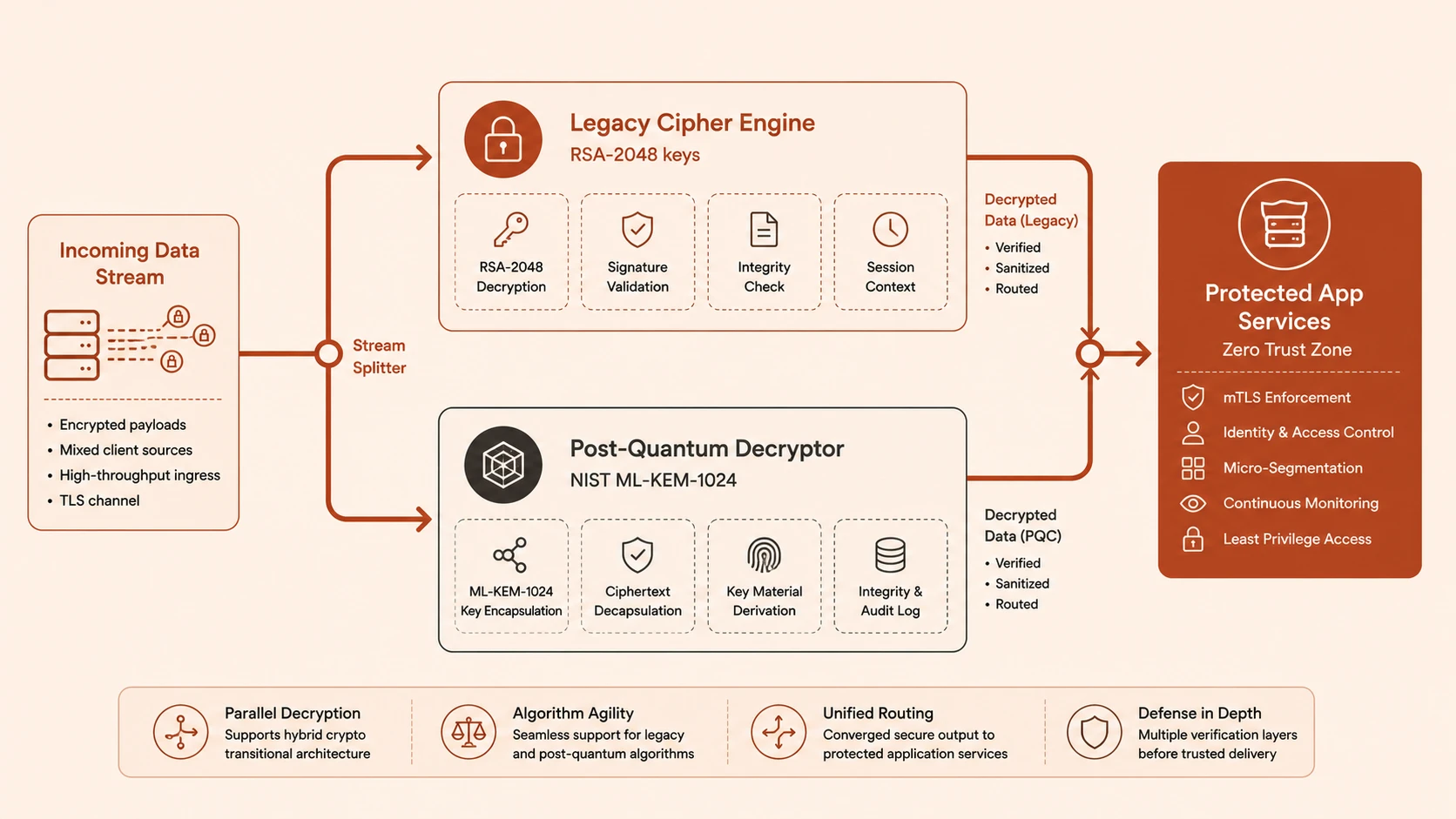
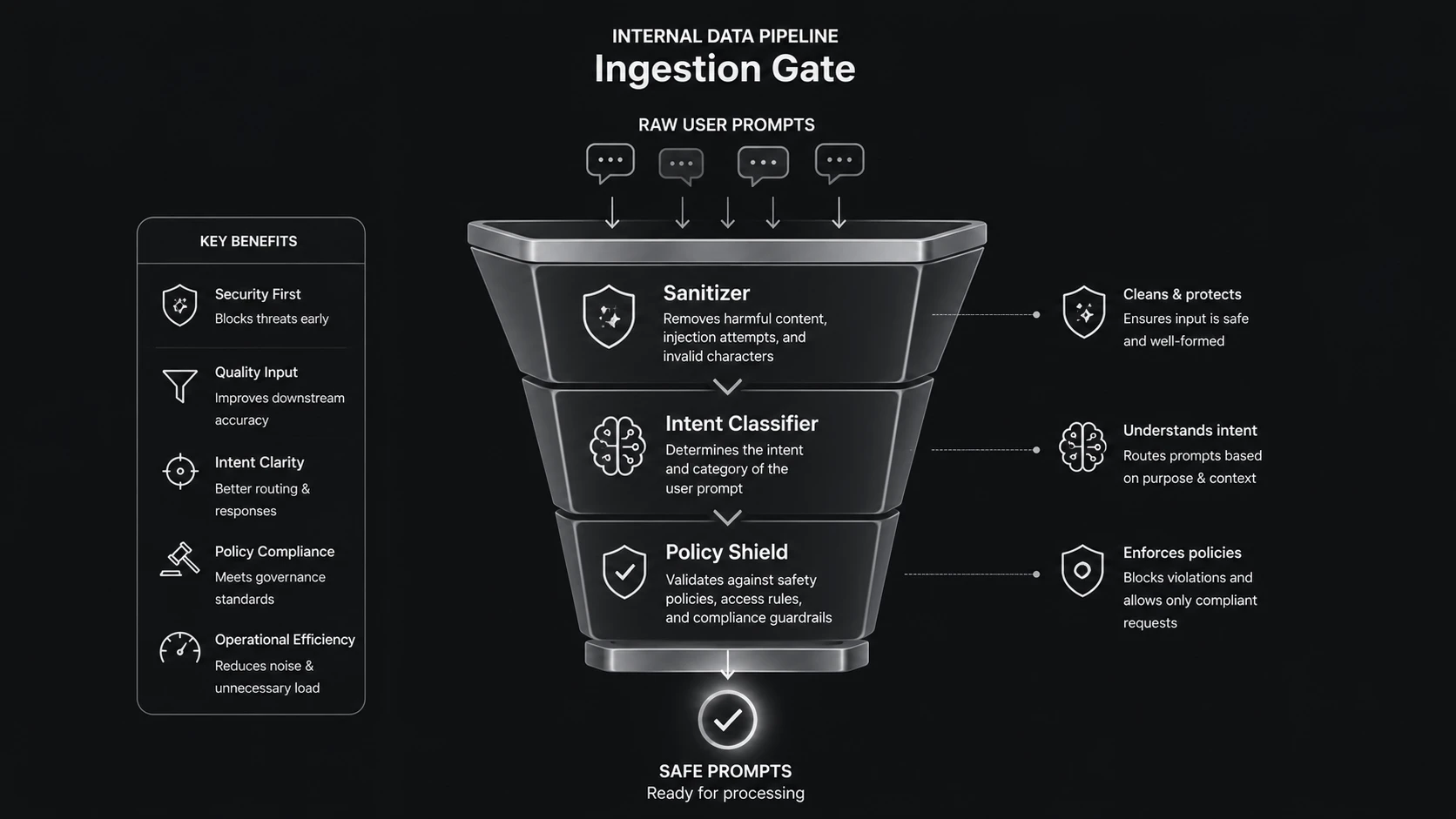
System architecture diagram and conceptual workflow layout for Quantum-Safe Cloud.
Cloud-native Key Management Services (KMS) and Hardware Security Modules (HSMs) protect cryptographic keys throughout their lifecycle while simplifying rotation and compliance.
Continuous Security Monitoring
AI-driven monitoring platforms continuously analyze cloud workloads for cryptographic vulnerabilities, suspicious activity, configuration drift, and compliance violations.
---
Enterprise Benefits
Organizations investing in Quantum-Safe Cloud architectures gain several long-term advantages.
- ◆Protection against future quantum attacks
- ◆Reduced cryptographic migration risk
- ◆Improved regulatory compliance
- ◆Better customer trust
- ◆Increased operational resilience
- ◆Stronger protection for intellectual property
- ◆Future-proof cloud infrastructure
- ◆Secure AI and machine learning platforms
- ◆Enhanced governance and auditability
Rather than reacting to future threats, businesses establish a proactive security posture that supports long-term digital transformation.
---
Migration Strategy
Transitioning toward a Quantum-Safe Cloud should be approached as a phased modernization initiative rather than a single infrastructure upgrade.
Recommended steps include:
- 1.Inventory all cryptographic assets.
- 2.Identify systems using RSA and ECC.
- 3.Classify sensitive long-lived data.
- 4.Introduce crypto-agile architectures.
- 5.Deploy hybrid cryptographic models.
- 6.Evaluate NIST-approved PQC algorithms.
- 7.Modernize certificate lifecycle management.
- 8.Upgrade identity infrastructure.
- 9.Validate cloud provider support.
- 10.Continuously monitor cryptographic compliance.
This phased strategy minimizes operational disruption while preparing organizations for future standards.
---
Challenges to Consider
Implementing post-quantum security presents technical and operational challenges.
Organizations may encounter:
- ◆Legacy application dependencies
- ◆Certificate compatibility issues
- ◆Performance considerations
- ◆Vendor ecosystem maturity
- ◆Complex migration planning
- ◆Multi-cloud integration challenges
- ◆Workforce skill gaps
Addressing these challenges requires collaboration between security teams, cloud architects, infrastructure engineers, and compliance leaders.
---
Industry Adoption
Major cloud providers, financial institutions, government agencies, and cybersecurity vendors are already investing in post-quantum readiness.
Cloud platforms continue introducing experimental support for quantum-resistant encryption, while standards organizations such as NIST are finalizing cryptographic algorithms that will shape the next generation of secure enterprise infrastructure.
Organizations that begin planning today will experience significantly lower migration complexity compared to those forced into reactive upgrades later.
---
Looking Ahead
Quantum computing represents both an extraordinary technological opportunity and a transformative cybersecurity challenge. While practical large-scale quantum attacks may still be years away, enterprise leaders should view quantum readiness as a strategic investment rather than a future concern.
By embracing Quantum-Safe Cloud architectures, post-quantum cryptography, Zero Trust principles, and crypto agility, organizations can protect sensitive information, strengthen regulatory compliance, and ensure that their cloud environments remain resilient throughout the post-quantum era.
Preparing today positions enterprises to innovate confidently while safeguarding digital assets against tomorrow's computational capabilities.